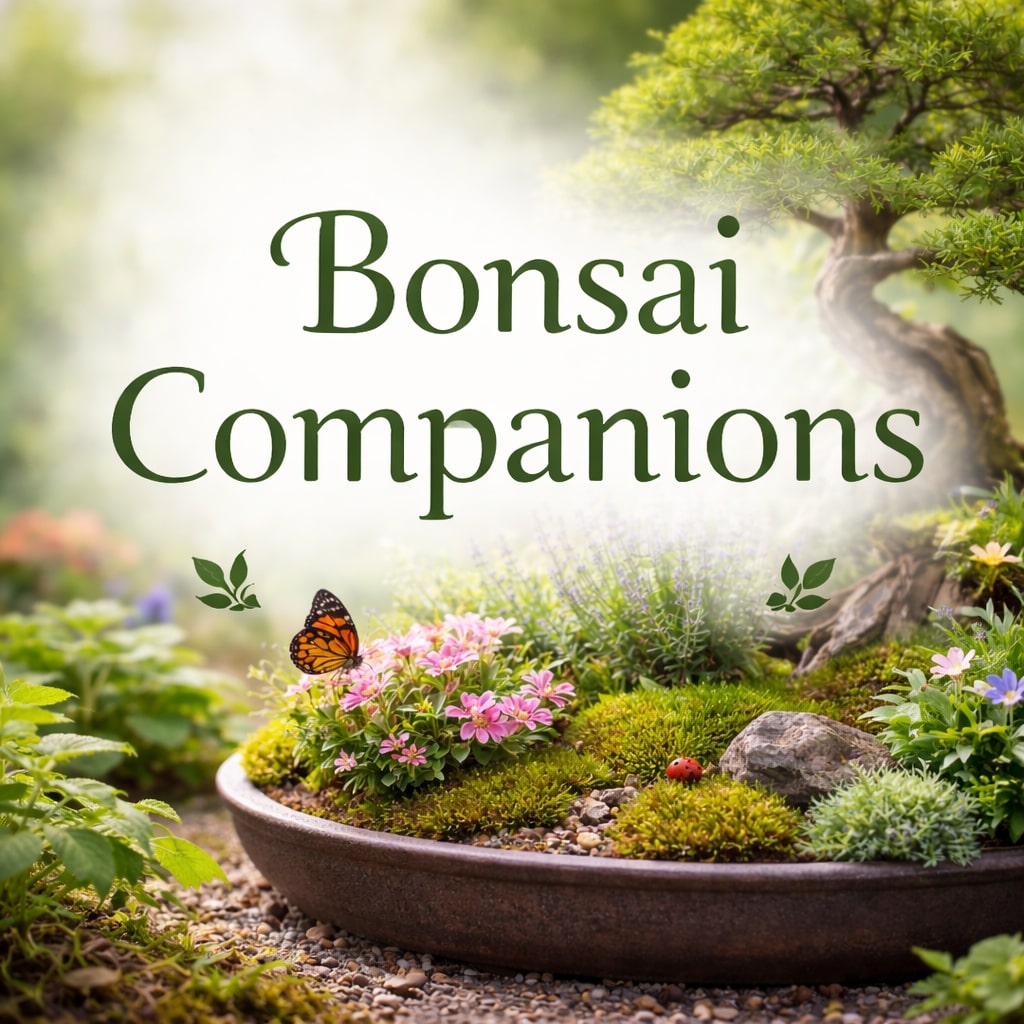
Bonsai are not just individual trees. They are part of a carefully managed miniature environment. Bonsai companions include plants, ground covers, and beneficial wildlife that support the health, appearance, and balance of a bonsai display. When chosen correctly, bonsai companions enhance soil conditions, regulate moisture, and bring a more natural sense of scale to your bonsai setup.
Rather than competing with the tree, bonsai companions work alongside it. They help recreate the feeling of a living landscape, whether your bonsai is displayed outdoors in a garden or indoors as part of a curated arrangement. Understanding how bonsai companions function allows you to create displays that are healthier, more resilient, and visually harmonious.
Welcome to our bonsai companion guides!
What are bonsai companions?
Bonsai tree companions are plants or living elements that grow with or around a bonsai without overpowering it. These companions are selected for their compatibility, growth habits, and ability to coexist peacefully in shared space.
Common bonsai companions include mosses, low-growing flowering plants, herbs, and naturally occurring wildlife such as insects and pollinators. Each plays a different role, but all contribute to the overall ecosystem. Good bonsai companions do not compete aggressively for nutrients or water. Instead, they complement the bonsai and support long-term stability in the soil and surrounding environment.
The benefits of using bonsai companions
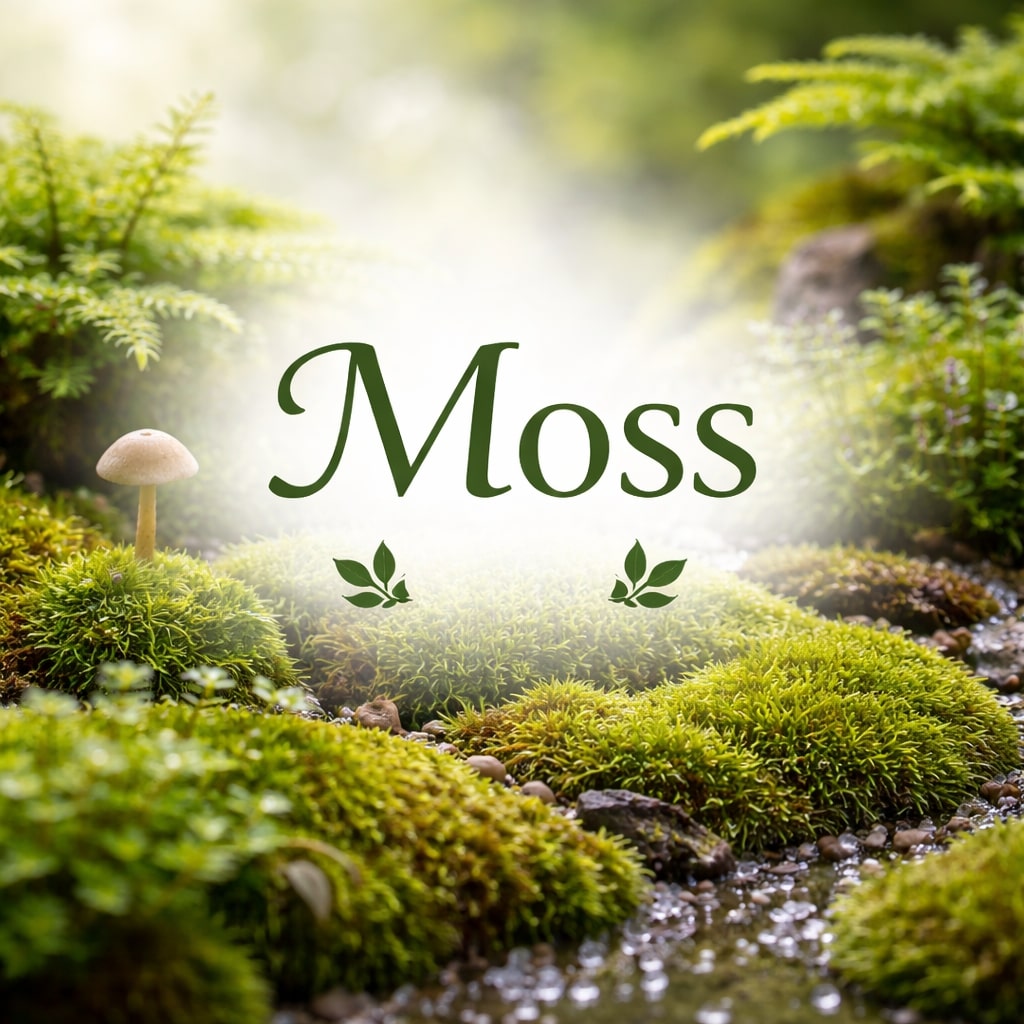
One of the main advantages of bonsai tree companions is improved soil performance. Ground covers like moss help retain moisture, reduce soil erosion, and protect surface roots from temperature extremes. This creates a more stable growing environment for the bonsai tree itself.
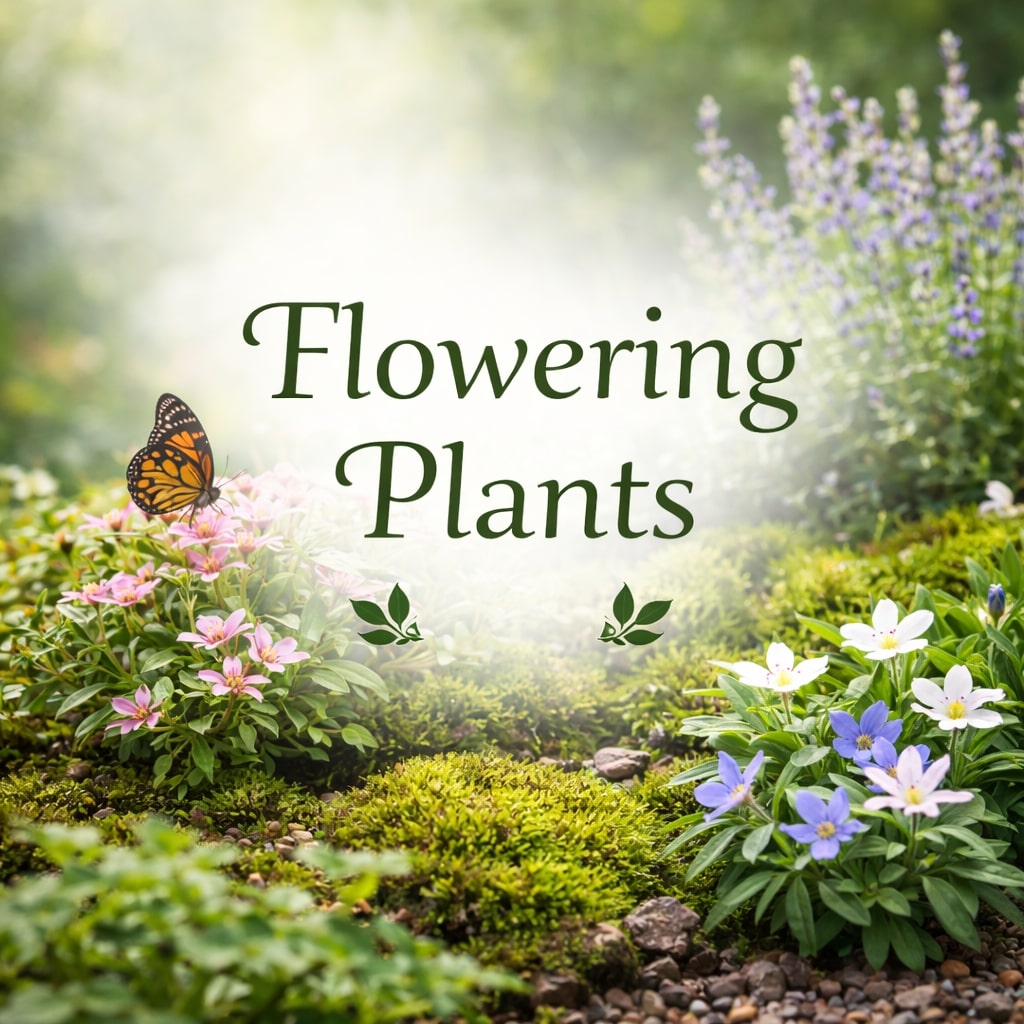
Beyond health benefits, bonsai companions add depth and realism to a display. Flowers introduce seasonal interest, herbs add texture and scent, and natural companions such as insects encourage biodiversity. Together, these elements help transform a single tree into a living scene rather than a standalone object.
Choosing the right bonsai companion
Selecting appropriate bonsai tree companions requires balance and restraint. The goal is to enhance the bonsai, not distract from it. Companions should remain visually subtle, slow-growing, and easy to maintain.
Climate, light levels, watering needs, and container size all influence which bonsai tree companions will thrive. Some companions are better suited to outdoor bonsai, while others work well in controlled indoor environments. Careful selection ensures that companions remain supportive elements rather than sources of stress for the tree.
Bonsai companions as part of a living ecosystem
Bonsai companions encourage a more holistic approach to bonsai care. Instead of focusing only on pruning and shaping, growers begin to consider soil life, microclimates, and seasonal changes.
Beneficial wildlife such as insects and pollinators also play a role in healthy bonsai environments. These natural companions help maintain balance and reduce the likelihood of pests becoming a problem. When managed thoughtfully, bonsai companions contribute to a self-supporting miniature ecosystem that evolves naturally over time.
Explore bonsai companion categories
Bonsai tree companions are diverse, and each category offers unique benefits and aesthetic qualities. From soft moss carpets to seasonal flowering plants, aromatic herbs, and beneficial wildlife, each companion type supports bonsai in a different way.
Explore the categories below to learn more about specific bonsai companions, how they are used, and how to integrate them successfully into your bonsai practice. Each guide will help you choose companions that suit your environment, skill level, and design goals.