Bonsai species represent the most specific level of bonsai classification, sitting below genera and identifying individual tree types with distinct characteristics. At this level, differences in leaf size, growth rate, climate tolerance, and long-term behaviour become clearly defined.
While genera describe closely related trees in broad terms, species explain exactly which tree you are working with. This distinction is critical in bonsai, as care requirements, styling techniques, and seasonal responses often depend on species-level traits rather than genus alone.
Understanding bonsai species allows growers to move from general guidance to precise, informed care.
What are bonsai species?
In botanical taxonomy, a species is the most detailed standard classification used to identify a plant. In bonsai, species refer to specific, naturally occurring tree types within a genus.
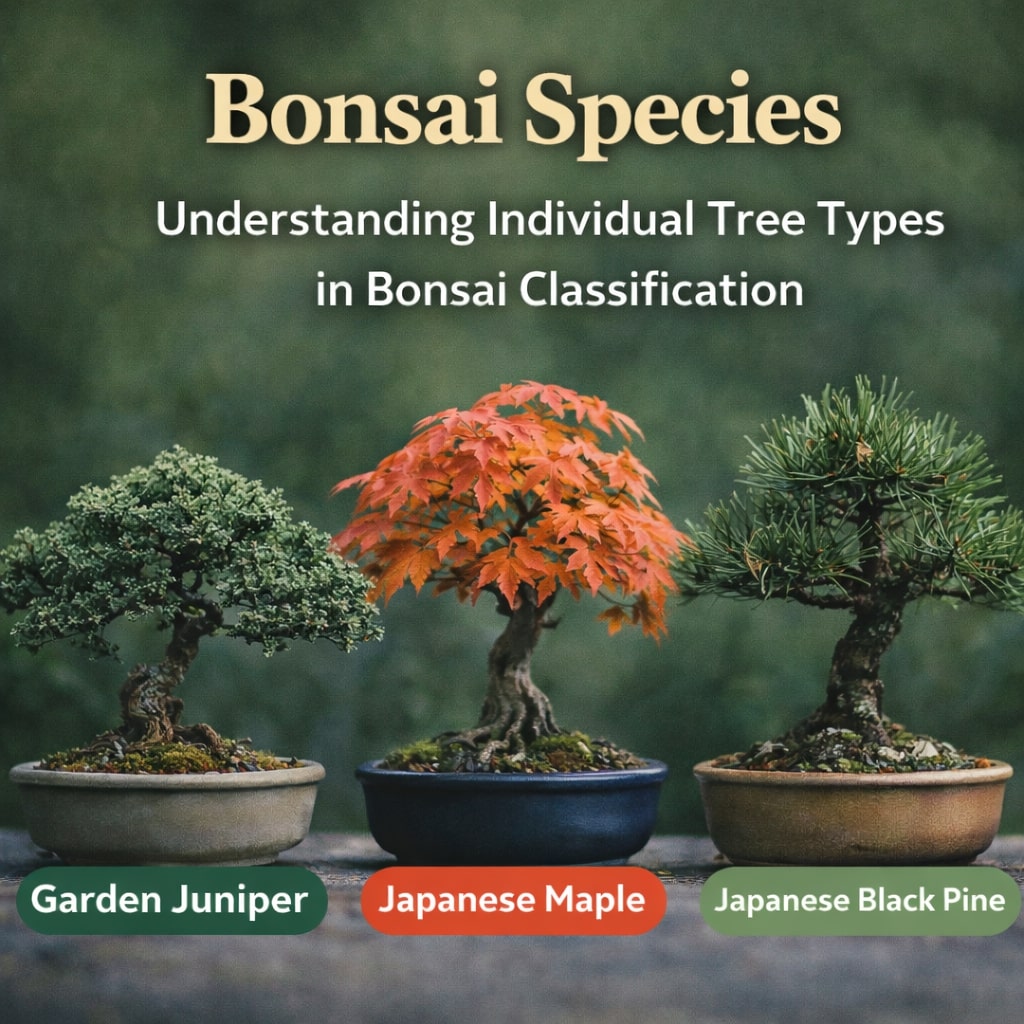
Examples include garden juniper, Chinese juniper, Japanese black pine, Japanese maple, and trident maple. Although these trees may belong to the same genus, their species-level differences influence how they grow, how they respond to pruning, and where they thrive best.
At the species level, bonsai classification shifts from shared patterns to individual characteristics that directly affect training and maintenance.
Why bonsai species matter in cultivation
Species-level identification is essential because small botanical differences can lead to significant care differences. Two trees from the same genus may require different watering schedules, sunlight exposure, or pruning timing depending on their species.
Understanding bonsai species helps growers:
- Apply correct seasonal care
- Match trees to suitable climates
- Avoid improper pruning or styling techniques
- Achieve better long-term health and refinement
Species knowledge prevents common mistakes that occur when trees are treated generically rather than individually.
Common examples of bonsai species
Many bonsai tree species are well known and widely cultivated, especially those suited to container growth and long-term training.
Examples of common bonsai species include:
- Garden juniper, valued for hardiness and ease of training
- Chinese juniper, popular for fine foliage and deadwood features
- Japanese black pine, prized for traditional bonsai styling
- Japanese maple, known for leaf shape and seasonal colour
- Trident maple, appreciated for vigour and ramification
Although these species may belong to the same genus as other trees, their individual traits make them distinct in bonsai practice.
How bonsai species complete the taxonomy chain
Bonsai tree species represent the final step in the classification hierarchy. They bring together everything learned at the group, family, and genus levels and apply it to a specific tree.
This bottom level of taxonomy explains why general advice sometimes needs adjustment and how to refine care for optimal results. Species-level understanding allows growers to fine-tune techniques rather than relying on broad assumptions.
In practical terms, species complete the journey from theory to hands-on bonsai mastery.
Exploring bonsai species further
Bonsai species provide the most detailed insight into how individual trees behave, grow, and respond to training. They are the foundation for species-specific care guides, styling advice, and seasonal calendars.
To explore bonsai species in more detail, use the category blocks below to navigate into individual species pages. From there, you can access focused guides covering care, styling, watering, and long-term development for each specific tree type.

GYMNOSPERMS
Juniperus Genus
Section


Subsection

Species
ANGIOSPERMS
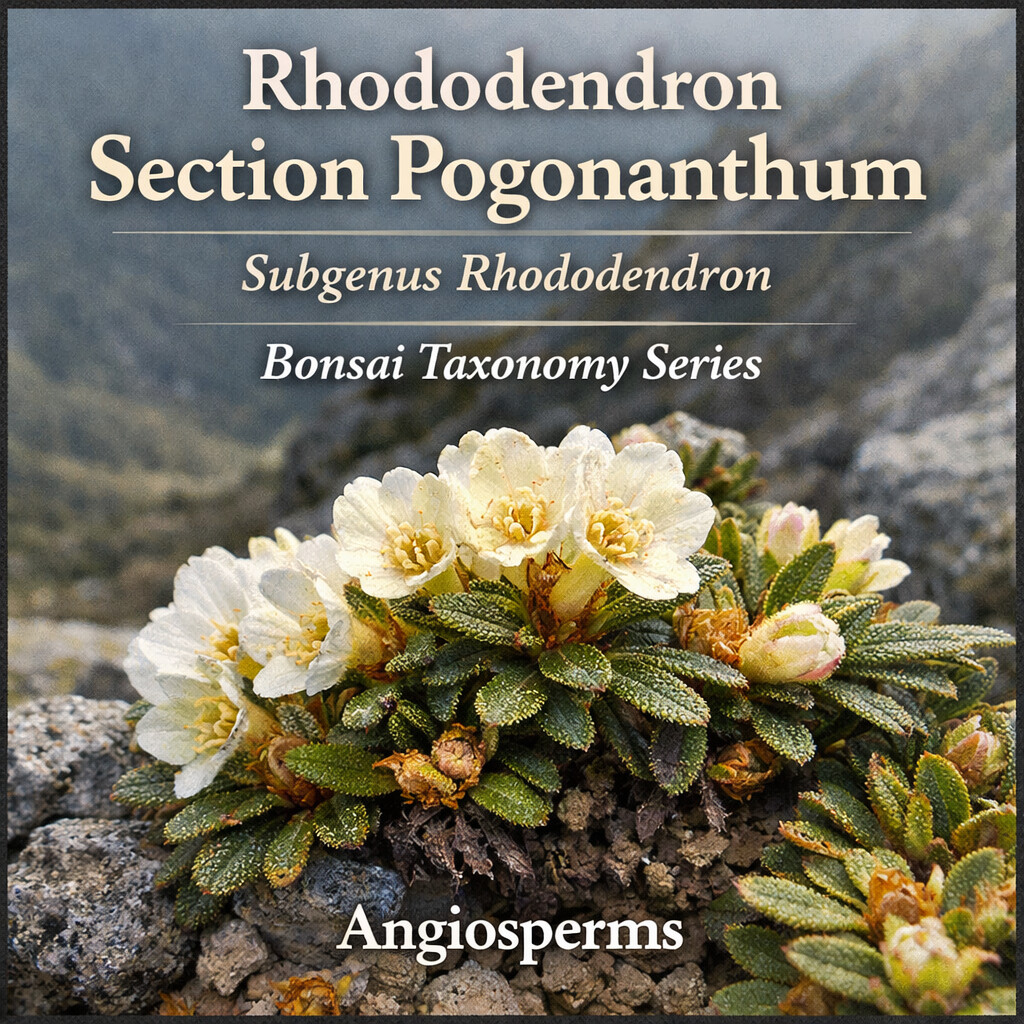
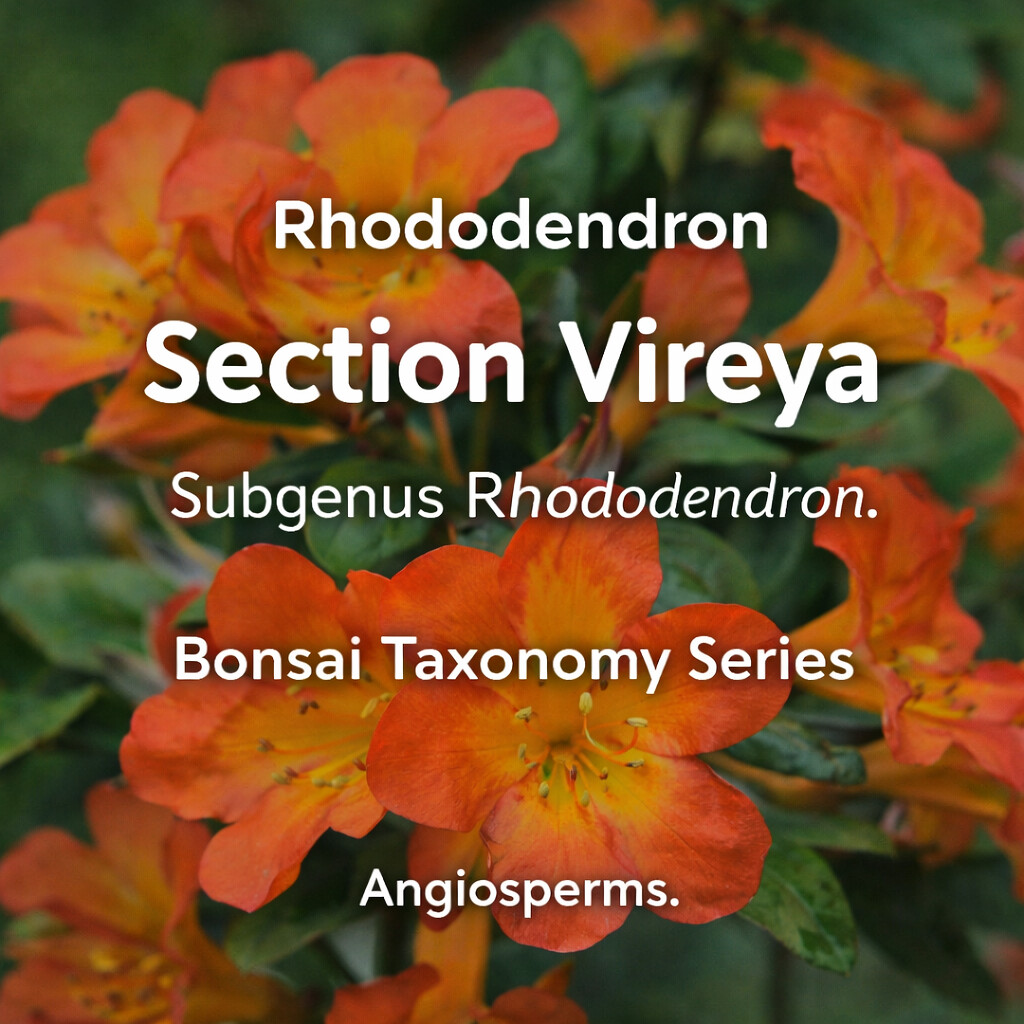
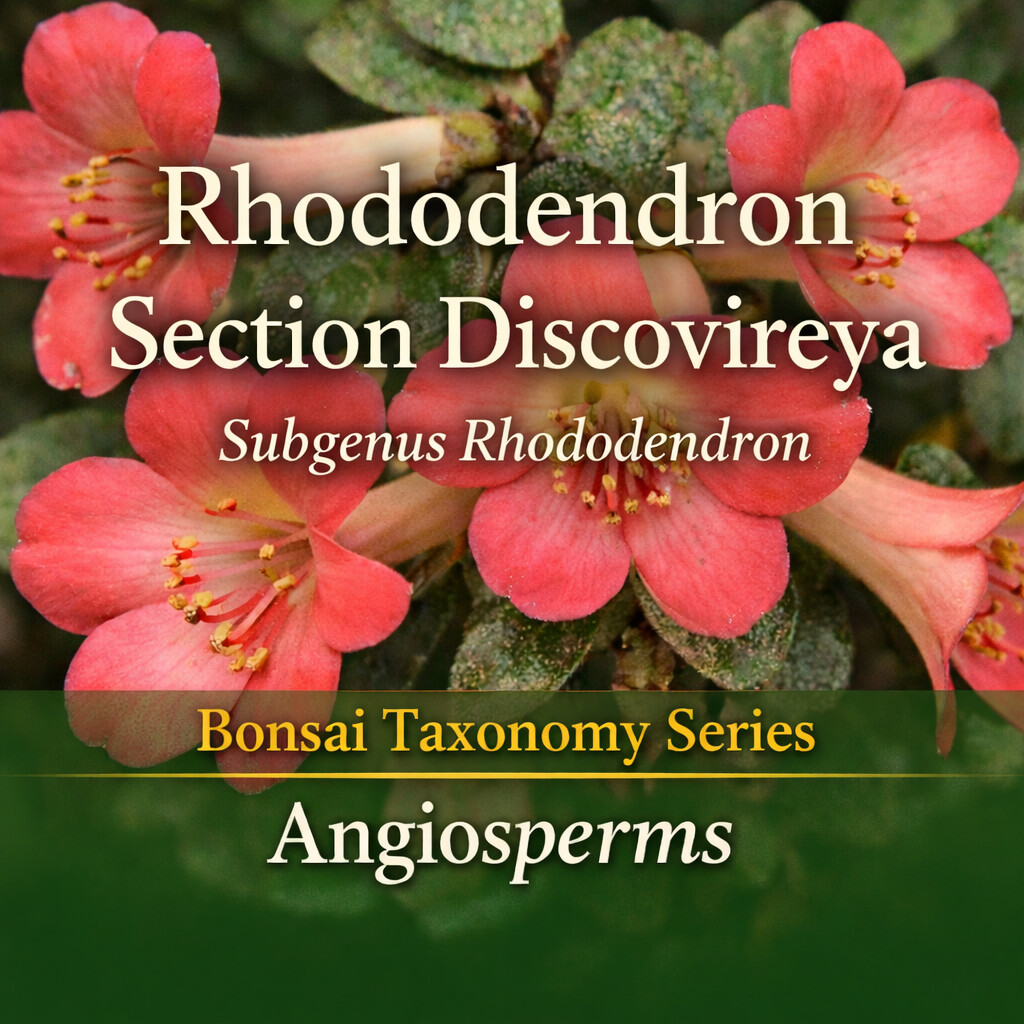
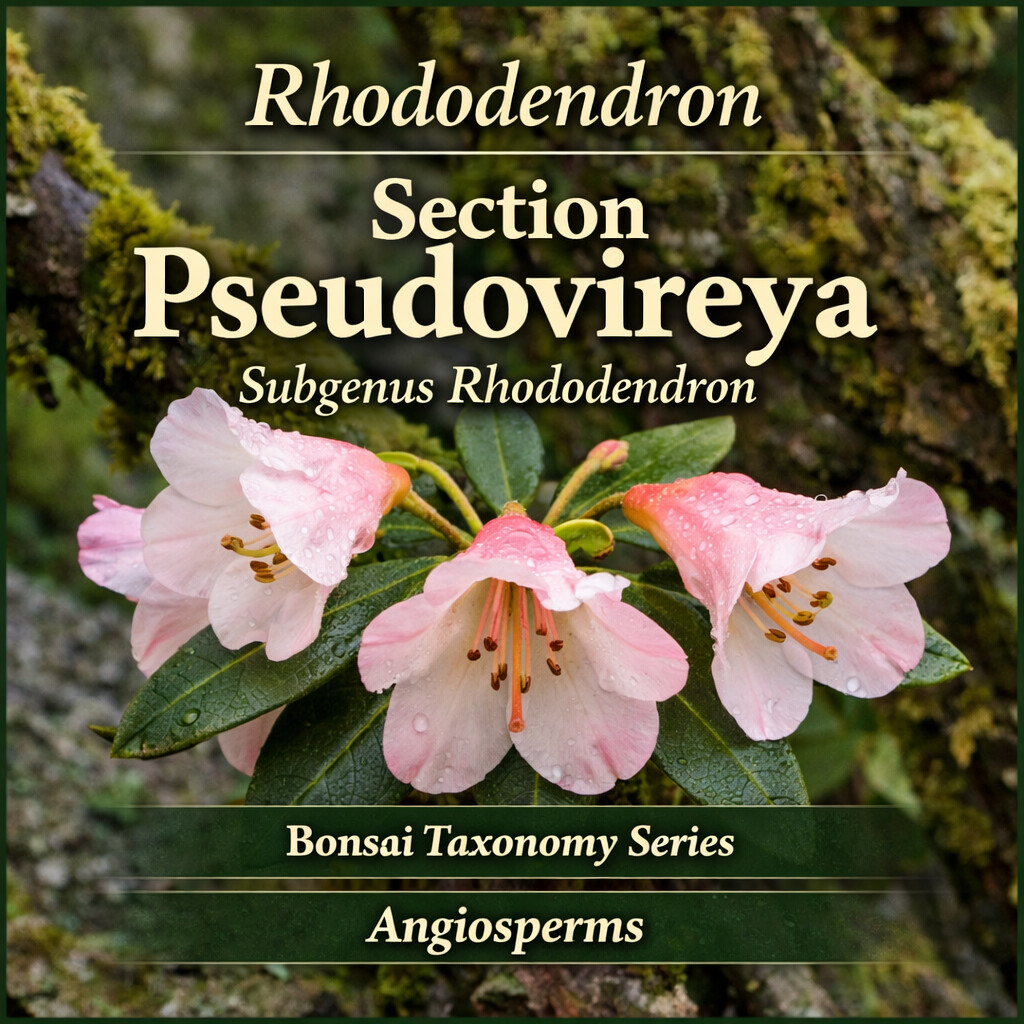
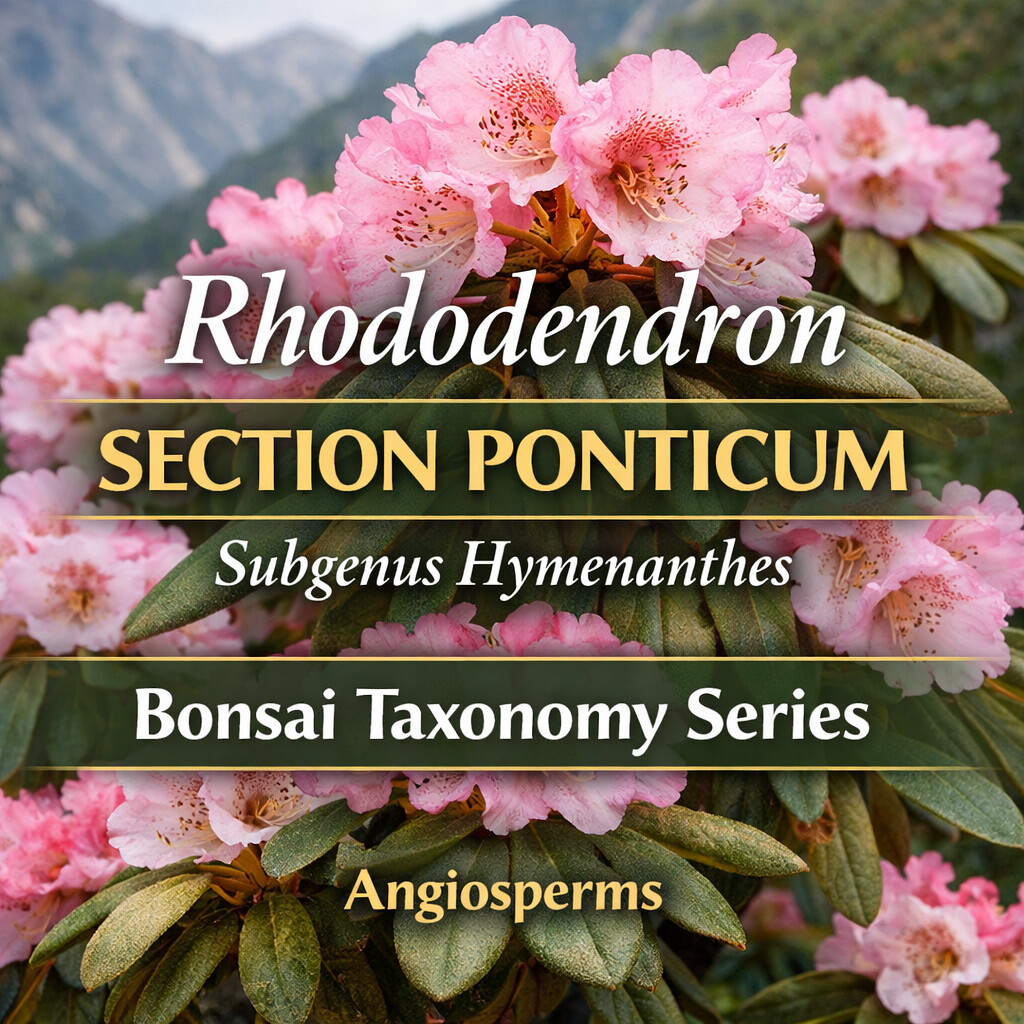
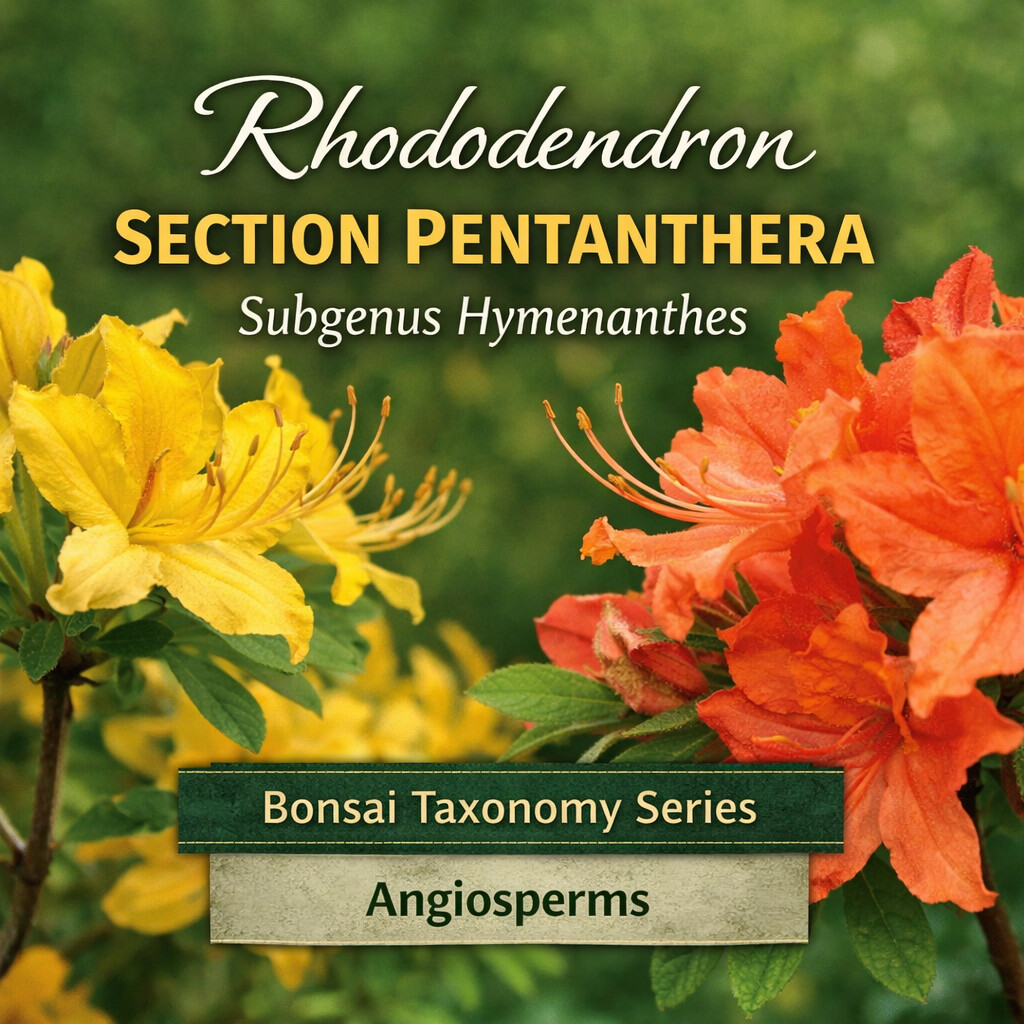
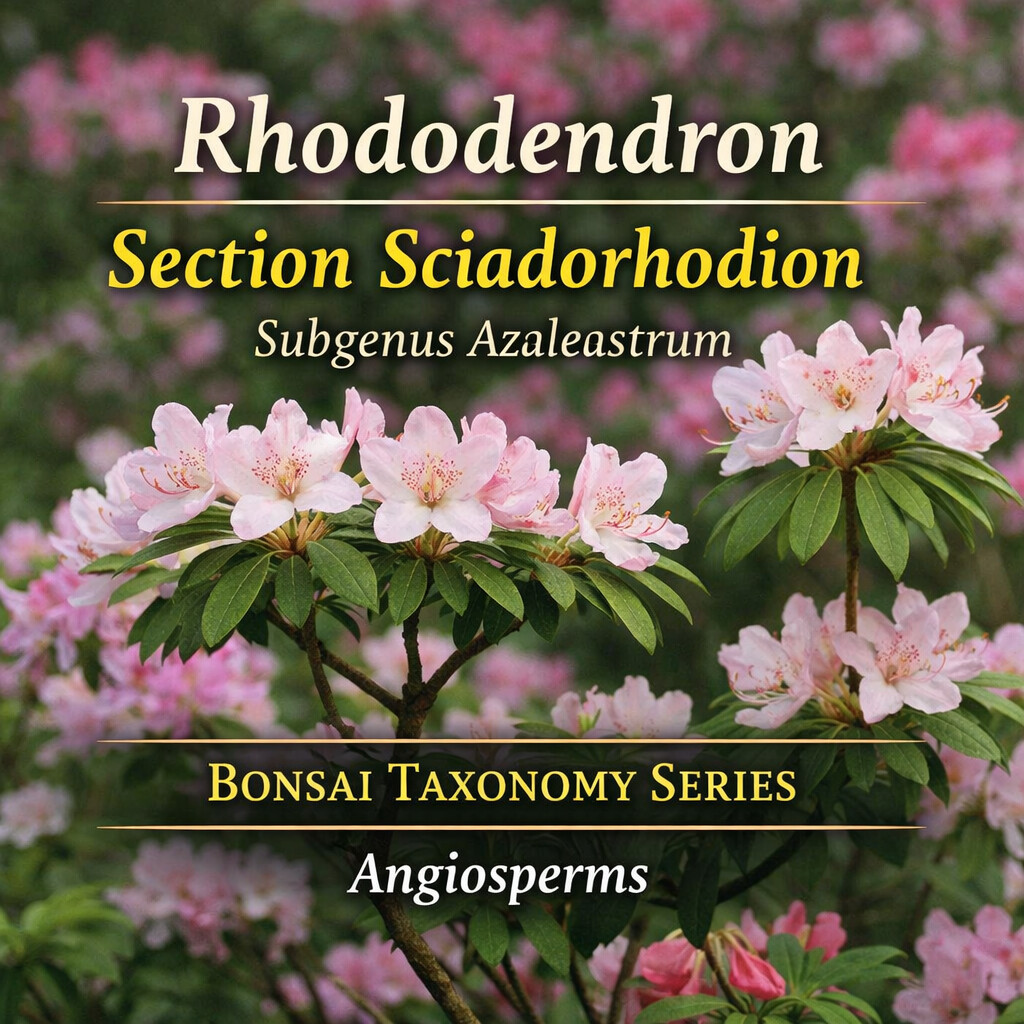
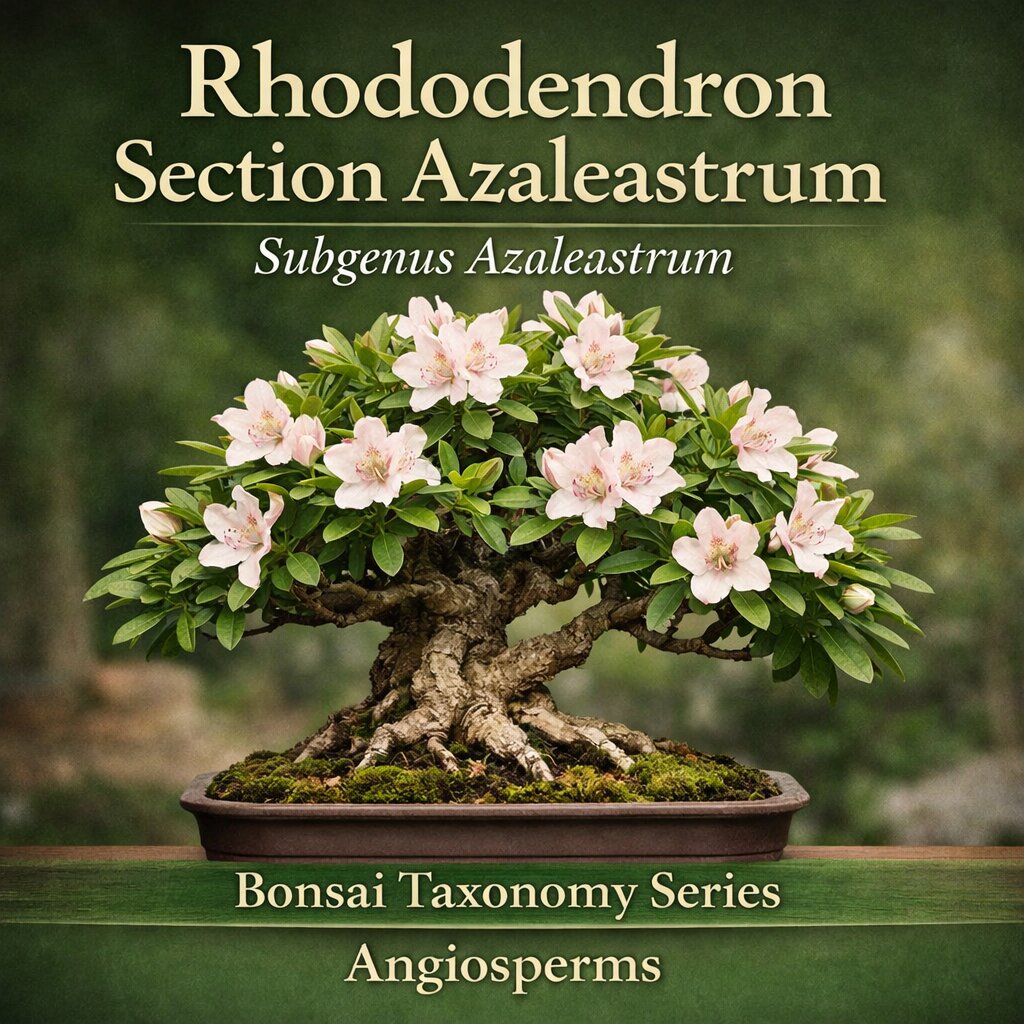
Rhododendron Genus
Section

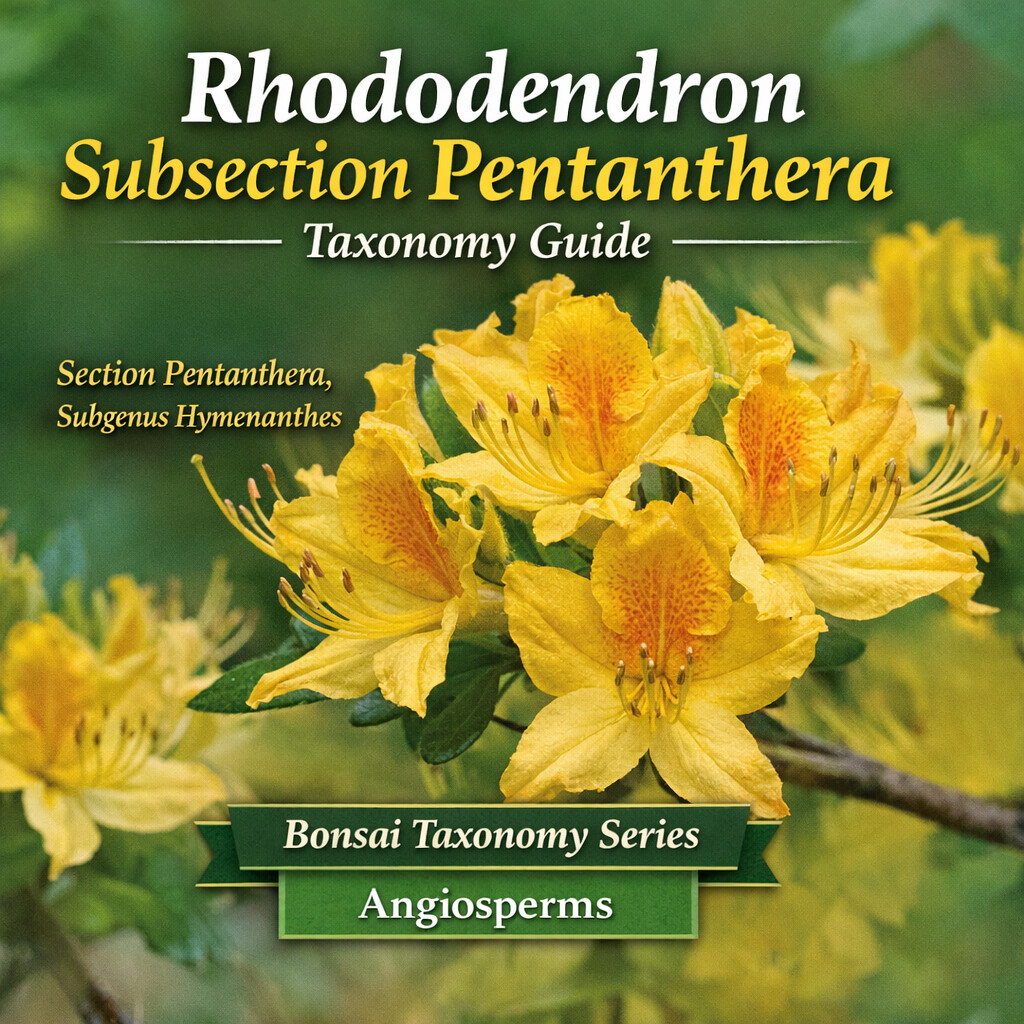
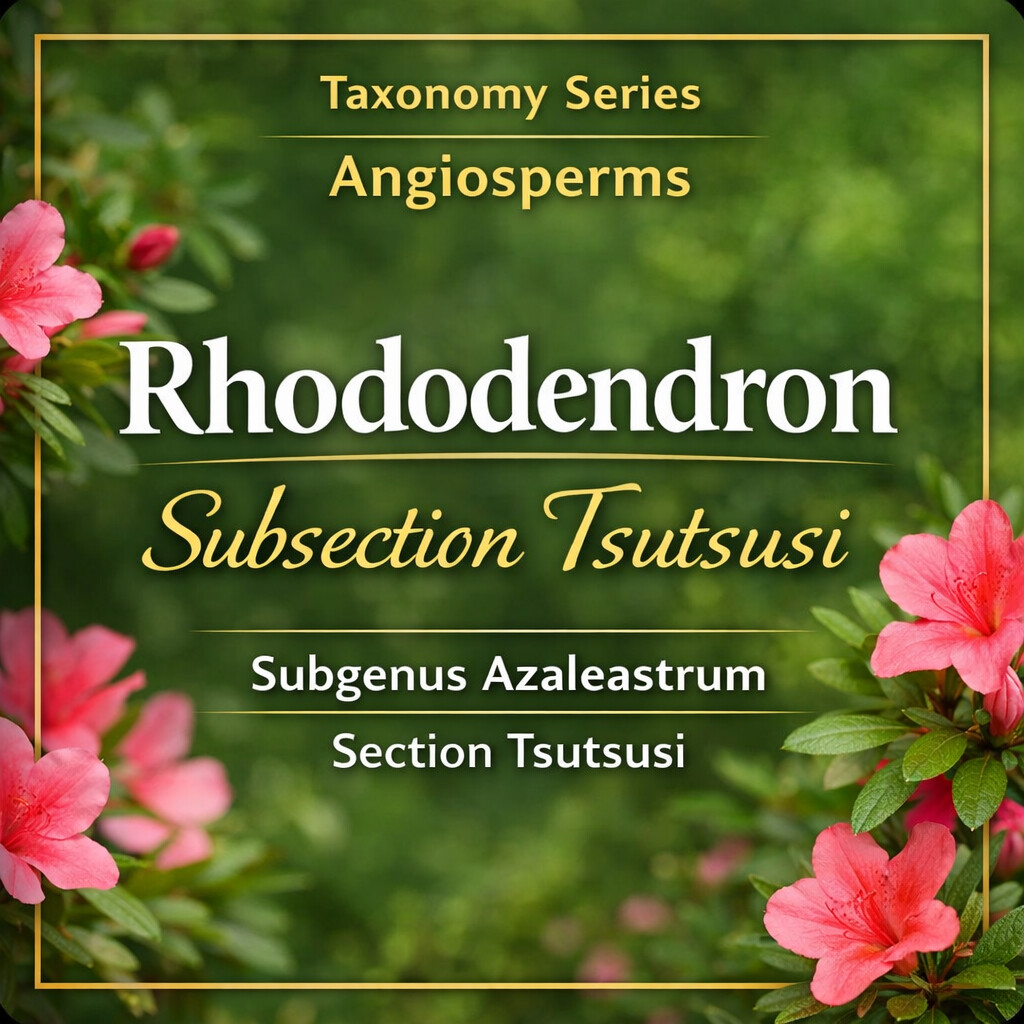
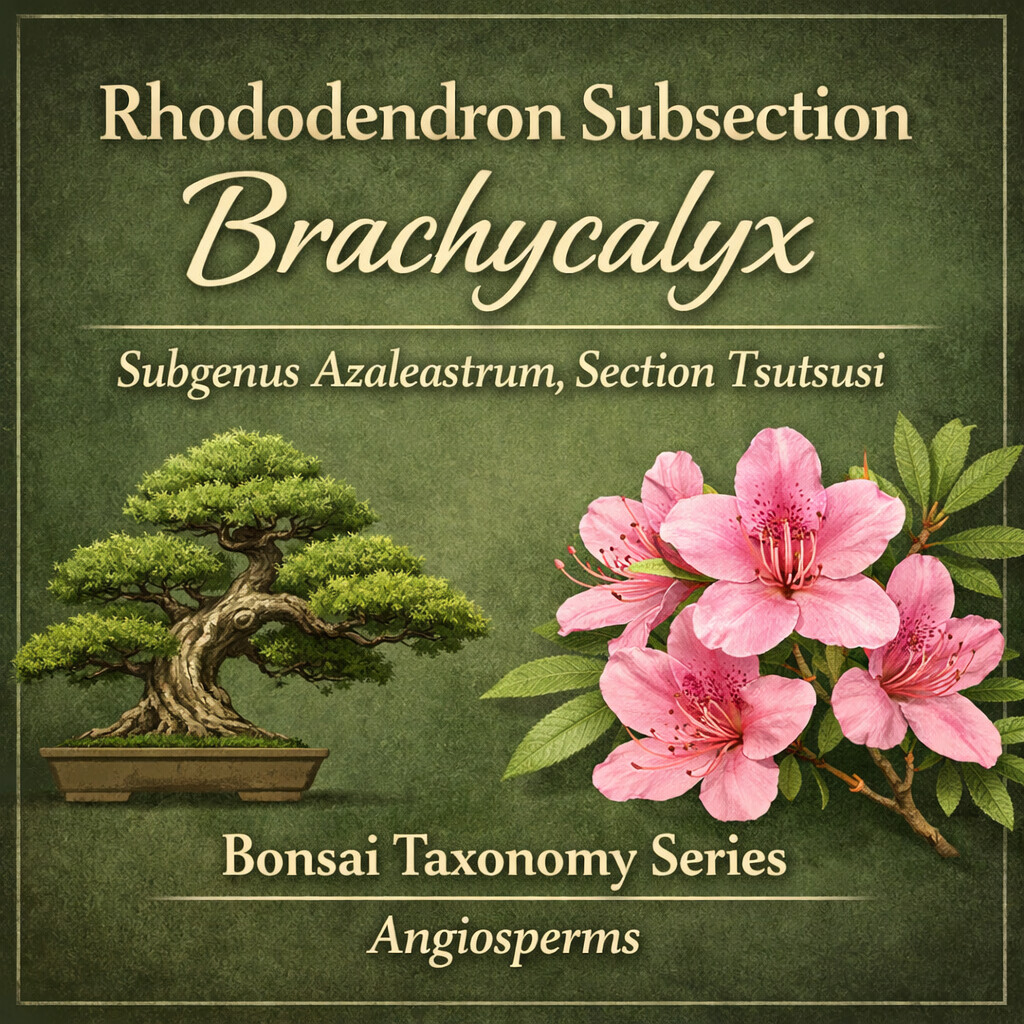
Subsection