
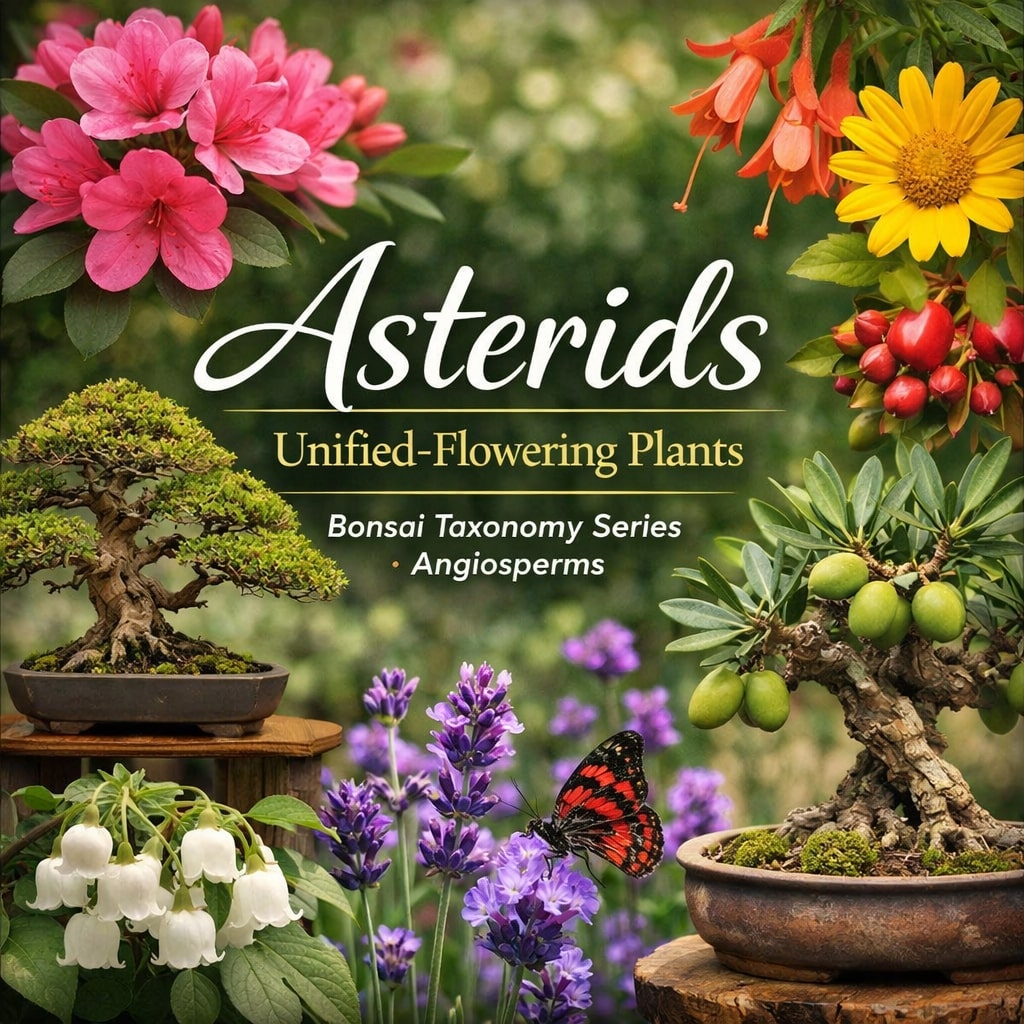
Asterids are one of the largest and most influential groups of flowering plants, forming a core clade within the advanced flowering plants known as Superasterids. Representing more than a third of all flowering plant species, Asterids include an extraordinary range of trees, shrubs, herbs, crops, ornamentals, and many plants familiar in gardens, kitchens, and bonsai collections. To make this vast group more accessible, Asterids can be understood as the Unified-Flowering Plants, a name that reflects their shared floral structure and evolutionary strategy.
Within angiosperms, Asterids are defined by flowers with fused or partially fused petals, a feature that allows for greater specialisation in pollination and reproductive efficiency. This unified flower structure has contributed to their remarkable success, enabling Asterids to diversify into countless forms while maintaining common biological foundations. From sunflowers and daisies to azaleas, olives, herbs, and nightshades, the influence of Asterids is visible across ecosystems and human culture alike.
Understanding Asterids provides insight into how modern flowering plants evolved, how complex flower structures developed, and why so many ecologically and economically important plants belong to this group. For growers and bonsai practitioners, recognising Asterids as the Unified-Flowering Plants helps reveal shared growth patterns, flowering behaviour, and cultivation responses that extend far beyond individual species.
Table of Contents
Taxonomy
– Kingdom: Plantae (Plant Kingdom)
— Clade: Embryophytes (Land Plants)
— Clade: Polysporangiophytes (Multiple Sporangia)
—- Clade: Tracheophytes (Vascular Plants)
—– Superdivision: Spermatophytes (Seed Plants)
—— Clade: Angiospermae (Flowering Plants)
——- Division: Eudicots (True Dicotyledons)
——– Subdivision: Core Eudicots
——— Class: Superasterids (Advanced Flowering Plants)
———- Subclass: Asterids (Unified-Flowering Plants)
What are Asterids?
Asterids are a major clade of flowering plants within the angiosperms, forming a central part of the advanced flowering plants known as Superasterids. They represent one of the most diverse and successful evolutionary groups of plants on Earth, comprising more than 80,000 species across numerous orders. To make their shared characteristics easier to understand, Asterids can be described as the Unified-Flowering Plants, a term that highlights their common floral structure and reproductive strategy.
Botanically, Asterids are defined by flowers in which the petals are fused or partially fused into a single structure. This feature, known as sympetaly, allows for more controlled and specialised interactions with pollinators. It is one of the key innovations that helped Asterids diversify so extensively and dominate many modern ecosystems.
Within the Asterids, several major lineages are recognised. The earliest-diverging groups include Cornales and Ericales, followed by two large clades known as lamiids and campanulids. Together, these lineages include an enormous range of plants, from forest trees and ornamental shrubs to herbs, vegetables, medicinal plants, and flowering species commonly used in bonsai.
Rather than representing a single plant type, Asterids are best understood as a unifying framework. They bring together flowering plants that share deep evolutionary roots, similar floral architecture, and comparable reproductive strategies. Recognising what Asterids are helps clarify how so many familiar plants are related and why they exhibit common patterns in growth, flowering, and ecological behaviour.
Asterids as the unified-flowering plants
Asterids represent the unified-flowering plants, a group defined by a shared approach to flower construction and reproduction. While the size, colour, and form of Asterid flowers vary enormously, they are united by a common structural theme: petals that are fused or partially fused into a single floral unit. This unification allows for greater control over pollination, more specialised interactions with insects and other pollinators, and increased reproductive efficiency.
By viewing Asterids as the unified-flowering plants, it becomes easier to understand why such a wide range of familiar species belong to the same clade. Beneath their surface diversity lies a consistent evolutionary strategy that has proven exceptionally successful.
Unified petal structure and floral efficiency
The defining feature of Asterids is the fusion of petals into a tube, bell, or composite structure. This unified form guides pollinators more precisely toward reproductive organs, reducing wasted pollen and improving fertilisation success. Compared to flowering plants with separate petals, Asterids are often more efficient at ensuring consistent pollination.
This structural unification also allows flowers to evolve complex shapes without sacrificing stability. As a result, Asterids display an enormous variety of flower forms while maintaining a common underlying architecture.
Specialisation for pollinators
Unified flowers allow Asterids to specialise for specific pollinators such as bees, butterflies, birds, or moths. By shaping access to nectar and pollen, Asterids can favour certain pollinators over others, increasing the likelihood of successful cross-pollination.
This specialisation has played a major role in the rapid diversification of Asterids. As pollinators and plants evolved together, unified-flowering plants were able to occupy new ecological niches and expand into a wide range of environments.
Consistency across diverse plant forms
Despite including trees, shrubs, herbs, climbers, and ground covers, Asterids maintain remarkable consistency in floral organisation. This is why plants as different as daisies, azaleas, olives, herbs, and nightshades can be grouped together meaningfully.
This consistency is especially useful for cultivation and study. Understanding Asterids as unified-flowering plants helps reveal shared flowering behaviour, timing, and responses to environmental cues across many seemingly unrelated species.
A foundation for modern flowering diversity
The unified-flowering strategy of Asterids forms a foundation for much of modern flowering plant diversity. By combining structural efficiency with evolutionary flexibility, Asterids were able to radiate into thousands of species while retaining a recognisable core identity.
As unified-flowering plants, Asterids illustrate how a single structural innovation can drive widespread success. Their flowers are not just visually diverse, but biologically coordinated systems that underpin one of the most important plant groups on Earth.
Evolutionary background of Asterids

The evolutionary history of Asterids is closely tied to the development of more advanced and specialised flowers within the angiosperms. As part of the Superasterids, Asterids emerged after earlier flowering plant lineages and represent a stage where floral structure, pollination strategy, and reproductive efficiency became more refined. This evolutionary path explains why Asterids dominate so many modern ecosystems and include a large number of plants used in horticulture and bonsai.
Rather than evolving through sudden changes, Asterids diversified gradually, building on structural innovations that proved highly successful. These innovations allowed unified-flowering plants to expand rapidly while maintaining a stable underlying design.
Early divergence and basal Asterids
The earliest Asterids are represented by lineages such as Cornales and Ericales, which diverged near the base of the clade. These groups retain some ancestral traits while already displaying unified flower structures. Many ornamental shrubs and small trees used in gardens and bonsai, such as dogwoods and azaleas, belong to these early-diverging Asterids.
These basal lineages provide insight into how unified flowers first evolved and how they supported early diversification. For bonsai growers, they also demonstrate how ancient floral traits can coexist with refined growth habits suitable for long-term cultivation.
Radiation into major lineages
Following the early divergence, Asterids expanded into two major evolutionary branches: the lamiids and the campanulids. This radiation marked a period of significant diversification, with plants adapting to a wide range of climates, pollinators, and growth forms.
Many economically and horticulturally important plants emerged during this phase, including herbs, fruiting plants, ornamentals, and woody species. This evolutionary flexibility explains why Asterids include both soft-stemmed herbs and long-lived trees that can be trained as bonsai.
Co-evolution with pollinators
A key driver in the evolution of Asterids was their close relationship with pollinators. Unified-flowering plants evolved floral shapes, colours, and scents that encouraged specific pollinator behaviours. This co-evolution accelerated speciation and allowed Asterids to dominate many ecological niches.
In bonsai cultivation, this evolutionary history is reflected in flowering behaviour. Many Asterid bonsai species rely on careful timing, light, and pruning to support healthy flowering cycles that mirror their natural pollination strategies.
Genetic refinement and modern classification
Advances in genetic research have clarified the evolutionary relationships within Asterids, confirming their status as a distinct and cohesive clade. Modern classification systems recognise Asterids as a natural evolutionary group defined by shared ancestry rather than superficial similarity.
This genetic refinement supports a more accurate understanding of plant relationships and helps growers see beyond individual species. For bonsai practitioners, understanding the evolutionary background of Asterids reinforces why certain flowering behaviours, growth responses, and structural traits recur across many unified-flowering plants.
Major lineages within Asterids
The Asterids are divided into several major evolutionary lineages that reflect how unified-flowering plants diversified over time. These lineages help organise an otherwise vast and complex group into understandable branches, each with its own evolutionary emphasis, growth habits, and ecological roles. While they differ in appearance and structure, all of these lineages share the core floral traits that define the group.
Understanding these lineages is especially useful in horticulture and bonsai, as many familiar species fall into distinct branches with recognisable patterns of growth and flowering.
Cornales
Cornales represents the earliest-diverging lineage within the Asterids. Plants in this group tend to retain more ancestral traits while already showing unified floral structures. Many species are woody shrubs or small trees, often with simple, elegant flowers.
Well-known examples include dogwoods and hydrangeas, both valued in ornamental horticulture and occasionally in bonsai. Cornales provides insight into how unified-flowering plants first evolved and how early forms balanced structural simplicity with reproductive efficiency.
Ericales
Ericales is another early-diverging lineage and one of the most horticulturally significant groups. It includes a wide range of shrubs, trees, and some herbaceous plants, many adapted to acidic soils and specialised ecological niches.
This lineage includes azaleas, blueberries, tea, and other well-known plants. Azaleas, in particular, are among the most popular flowering bonsai, making Ericales especially relevant to cultivation. The group demonstrates how unified flowers can support both ornamental appeal and ecological specialisation.
Campanulids
The campanulids form one of the two large derived branches of the Asterids. This lineage includes many plants with composite or clustered flower heads and often shows complex inflorescence structures.
Sunflowers, daisies, carrots, parsley, ivy, and ginseng all belong to this group. While many campanulids are herbaceous, some woody species are used ornamentally and can be adapted for bonsai. This lineage highlights how unified-flowering plants can evolve highly efficient flower arrangements.
Lamiids
The lamiids represent the largest and most diverse lineage within the Asterids. This group includes a vast number of herbs, shrubs, vines, and trees, many of which are economically and culturally important.
Herbs such as mint, rosemary, sage, and thyme, along with flowering plants like jasmine, lilac, petunia, and crops such as tomatoes and potatoes, all belong to this lineage. Several woody lamiids, including jasmine and olives, are cultivated as bonsai, demonstrating the broad adaptability of this branch.
Together, these major lineages show how unified-flowering plants diversified into forms suited for forests, gardens, agriculture, and bonsai. By recognising these evolutionary branches, it becomes easier to understand relationships between species and apply that knowledge in cultivation and study.
Structural and physiological traits of Asterids
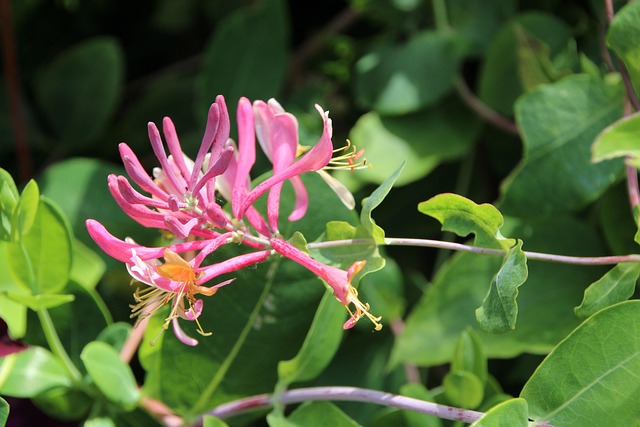
Asterids share a set of structural and physiological traits that reflect their evolution as unified-flowering plants. While their outward appearance ranges from delicate herbs to robust trees and shrubs, these plants are linked by internal characteristics that influence how they grow, flower, and respond to environmental conditions. These shared traits help explain why so many familiar ornamental, agricultural, and bonsai plants belong to this group.
Understanding these traits provides practical insight for cultivation, as many growth and flowering behaviours recur across different lineages.
Unified floral architecture
One of the most important structural traits of Asterids is their unified floral architecture. Flowers typically have petals that are fused into tubes, bells, or composite structures rather than remaining separate. This fusion creates stable floral forms that support specialised pollination and consistent reproductive success.
From a physiological perspective, this unified structure allows plants to allocate resources efficiently during flowering. In bonsai cultivation, this often translates into predictable flowering patterns that respond well to controlled pruning, light management, and seasonal care.
Vascular efficiency and growth regulation
Asterids tend to show efficient vascular systems that support steady nutrient and water transport. This efficiency allows many species to maintain balanced growth even under varying environmental conditions. As a result, Asterids can range from fast-growing herbs to slow-maturing woody plants with strong structural integrity.
For bonsai growers, this balance is important. Many Asterid species tolerate pruning well and can redistribute growth effectively, provided their physiological limits are respected. Understanding this helps prevent stress caused by excessive or poorly timed cutting.
Secondary compounds and plant chemistry
Many Asterids produce distinctive secondary compounds such as aromatic oils, alkaloids, and glycosides. These chemicals play roles in defence against herbivores, disease resistance, and interaction with pollinators.
Herbs, medicinal plants, and fragrant ornamentals are especially common within this group. In bonsai, these compounds often influence scent, leaf texture, and resilience, adding sensory and practical value to cultivated specimens.
Adaptation to diverse environments
Physiologically, Asterids are highly adaptable. Members of this group can thrive in forests, grasslands, deserts, wetlands, and mountainous regions. This adaptability is supported by flexible growth strategies, varied root systems, and efficient reproductive mechanisms.
This wide ecological tolerance explains why Asterids are so widely cultivated and why many species can be adapted to container growth and bonsai. Their ability to adjust to constrained root spaces and controlled environments reflects the same physiological flexibility that allowed them to spread across the globe.
Together, these structural and physiological traits underpin the success of Asterids as unified-flowering plants. They support the diversity, resilience, and horticultural value that define this influential group of flowering plants and bonsai trees.
Flower structure and reproductive strategy in Asterids
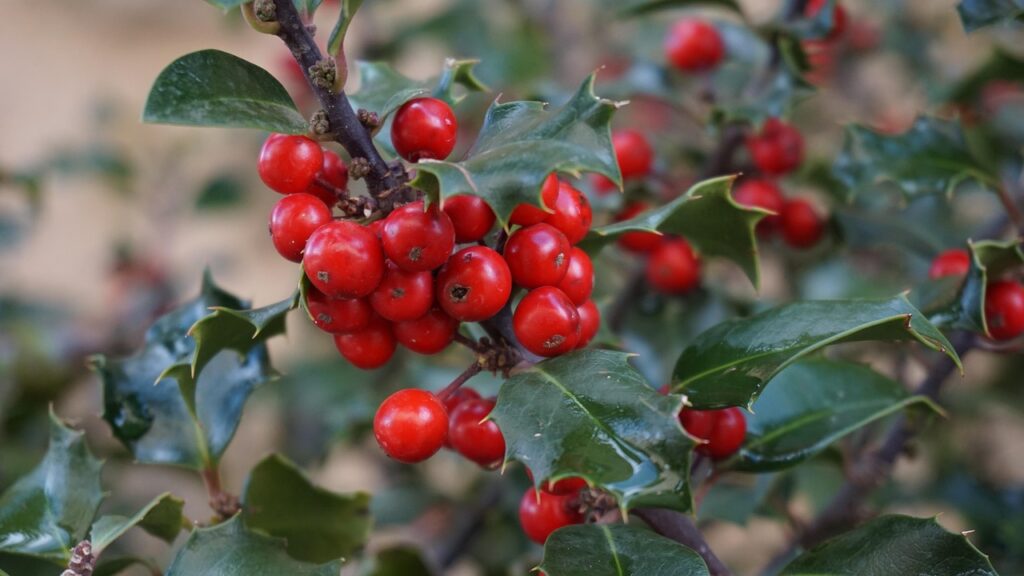
The success of this group of flowering plants is closely linked to how their flowers are built and how reproduction is managed. Rather than relying on simple, open blossoms, these plants developed coordinated floral structures that improve pollination efficiency and reproductive reliability. This approach allowed them to diversify rapidly while maintaining consistent biological patterns.
For growers and bonsai practitioners, understanding these reproductive strategies helps explain flowering timing, bud formation, and why certain pruning or care techniques influence bloom quality.
Fused petals and controlled access
A defining feature of these flowers is the fusion of petals into a single structure. This creates tubes, bells, or composite forms that control how pollinators access nectar and pollen. By guiding pollinators toward specific contact points, fertilisation becomes more reliable and less dependent on chance.
In cultivation, this often results in flowers that are more structured and predictable. Many flowering bonsai species rely on this unified form, producing consistent blooms when environmental conditions are properly managed.
Specialised pollination mechanisms
These plants often evolve flowers tailored to specific pollinators. Shape, colour, scent, and nectar placement work together to attract certain insects or birds while discouraging others. This specialisation reduces wasted pollen and increases reproductive success.
In bonsai, this evolutionary history is reflected in sensitivity to seasonal cues such as light length and temperature. Flowering is often triggered by specific conditions that mirror the plant’s natural pollination cycle.
Efficient seed development and dispersal
Reproductive strategies within this group also include efficient seed formation and dispersal. Depending on the lineage, seeds may be dispersed by wind, animals, or gravity. The floral structure plays a key role in protecting developing seeds and ensuring successful reproduction.
For cultivated plants, including bonsai, seed production is often secondary to flowering display. However, understanding how seeds form and mature helps growers manage energy balance, particularly in species where heavy flowering can impact vegetative growth.
Reproductive timing and longevity
Rather than flowering briefly and irregularly, many species follow stable reproductive cycles tied to environmental rhythms. This consistency supports long-term survival and allows plants to invest energy efficiently over many seasons.
In bonsai, this translates into predictable flowering habits that improve with age and refinement. Mature specimens often produce better-quality blooms, reflecting the same long-term reproductive strategies that supported these plants in the wild.
Together, flower structure and reproductive strategy reveal how this group achieved such widespread success. Their flowers are not merely decorative, but finely tuned systems that balance efficiency, specialisation, and longevity.
Ecological roles of unified-flowering plants
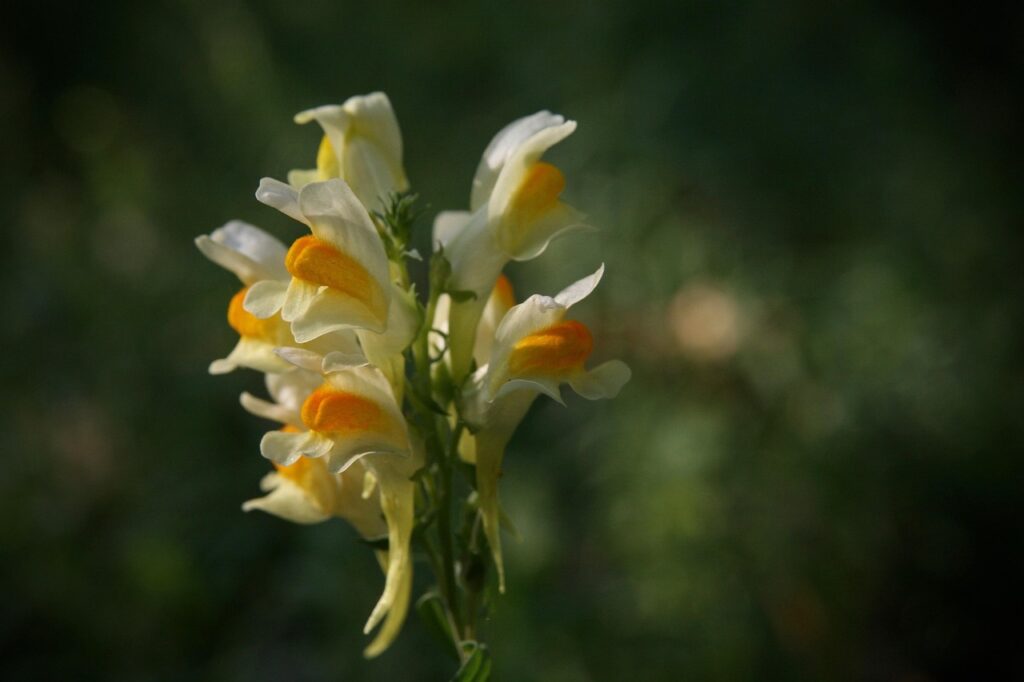
Unified-flowering plants play a central role in many of the world’s ecosystems, shaping landscapes, supporting biodiversity, and driving ecological interactions. Through their specialised flower structures and efficient reproductive strategies, these plants have become key contributors to both natural and human-influenced environments.
Their ecological influence extends well beyond individual species, affecting pollinator networks, soil systems, and plant community dynamics across a wide range of habitats.
Support for pollinator diversity
One of the most important ecological roles of unified-flowering plants is their close relationship with pollinators. The structured design of their flowers supports highly specialised interactions with insects, birds, and other animals. These relationships help sustain pollinator populations and stabilise food webs.
By offering reliable nectar and pollen sources, unified-flowering plants contribute to the survival of pollinators across seasons. This role is especially important in ecosystems where flowering diversity supports broader biodiversity.
Formation of plant communities
Unified-flowering plants occupy many layers of plant communities, from ground covers and herbs to shrubs and trees. Their ability to adapt to different niches allows them to fill key roles within ecosystems, contributing to structural complexity and species diversity.
In forests, grasslands, and transitional environments, these plants often act as foundational species. Their presence influences which other plants and animals can establish and thrive.
Contribution to soil health and nutrient cycling
Many unified-flowering plants contribute directly to soil stability and nutrient cycling. Through leaf litter, root systems, and organic matter production, they help maintain healthy soils and support microbial communities.
Some species form relationships with soil organisms that improve nutrient uptake and resilience. These interactions strengthen ecosystems and promote long-term ecological balance.
Adaptation to environmental change
Unified-flowering plants are particularly effective at adapting to environmental change. Their reproductive efficiency and flexible growth strategies allow them to respond to shifting climates, disturbances, and habitat changes.
This adaptability helps ecosystems recover after disruption and supports continuity in plant communities. It also explains why so many unified-flowering plants are successful in both wild and cultivated environments.
Influence on human-managed landscapes
Beyond natural ecosystems, unified-flowering plants play a major role in agriculture, horticulture, and managed landscapes. Many food crops, medicinal plants, and ornamentals belong to this group, shaping how humans interact with plant systems.
In bonsai and garden cultivation, these ecological traits are reflected in resilience, flowering reliability, and adaptability to controlled environments. Their ecological strength translates into practical value for growers and designers alike.
Together, these ecological roles highlight the importance of unified-flowering plants as dynamic contributors to ecosystem stability and biodiversity. Their influence connects pollinators, soils, plant communities, and human cultivation into a single, interdependent system.
Asterids in bonsai and cultivation
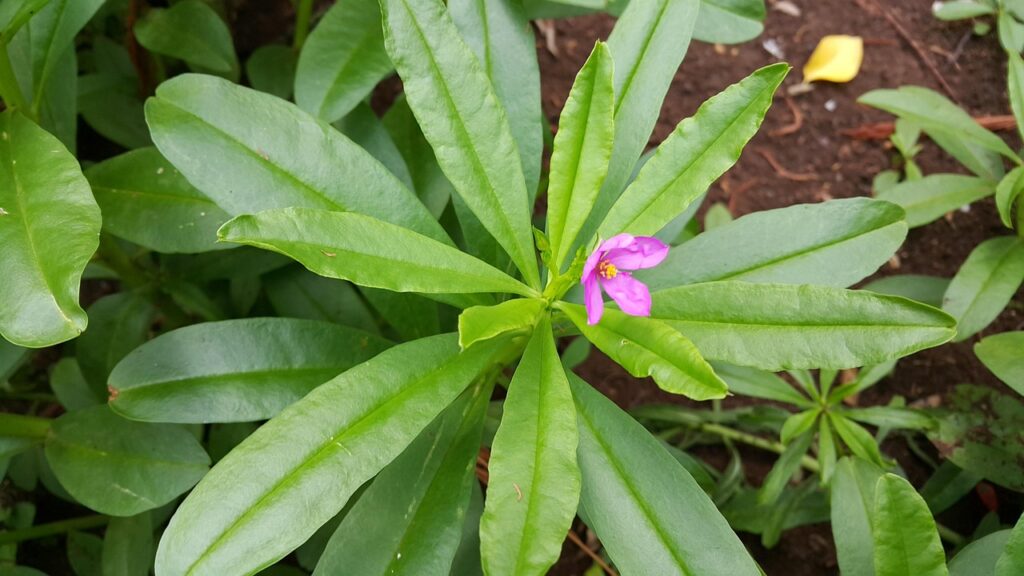
Asterids play a significant role in bonsai and ornamental cultivation due to their diverse growth forms, flowering behaviour, and adaptability. Many of the most popular flowering bonsai species belong to this group, making it especially relevant for growers interested in both structure and seasonal display. From azaleas and jasmine to olives and certain ornamental shrubs, these plants combine refined flowers with manageable growth habits.
In cultivation, many Asterid species respond well to careful pruning and shaping, provided their flowering cycles are respected. Because flowers often develop on new or partially mature growth, timing becomes critical. Pruning too late in the season can reduce or eliminate flowering, while well-timed cuts encourage both healthy structure and abundant blooms. Understanding this balance is key to long-term success.
These plants also tend to benefit from stable growing conditions. Consistent light, appropriate soil composition, and controlled watering help support both vegetative growth and flowering. In bonsai, their physiological flexibility allows them to adapt to container life, but they still require enough energy reserves to sustain regular blooms.
Another advantage in cultivation is their responsiveness to refinement over time. As specimens mature, flowering often becomes more reliable and visually balanced, rewarding patience and careful care. This long-term improvement aligns well with the philosophy of bonsai, where gradual development is valued over rapid results.
Overall, Asterids offer a broad range of possibilities for bonsai and cultivation. Their unified floral structures, adaptable growth patterns, and ornamental appeal make them a valuable and rewarding group for growers seeking both beauty and botanical depth.
Asterids as the unified flowering foundation
Asterids form the unified flowering foundation of the advanced flowering plants, bringing together an extraordinary range of species under a shared structural and evolutionary framework. Through the development of unified flower structures and efficient reproductive strategies, this group established a model that proved both adaptable and enduring. The result is a lineage that supports much of the flowering plant diversity seen today.
By viewing Asterids as the unified-flowering plants, it becomes easier to understand how seemingly unrelated species are connected. Beneath their diversity lies a common approach to growth, flowering, and reproduction that has allowed them to thrive across continents, climates, and ecological niches.
For growers and bonsai practitioners, this foundation offers practical insight. Recognising shared traits helps guide cultivation decisions, improve flowering success, and support long-term plant health. Rather than treating each species in isolation, understanding the unified flowering foundation allows growers to work with natural patterns that repeat across this group.
As a core component of modern flowering plant evolution, Asterids provide a bridge between botanical theory and practical cultivation. Their unified flowering strategy not only explains their evolutionary success, but also highlights why they remain so important in gardens, ecosystems, and bonsai today.