
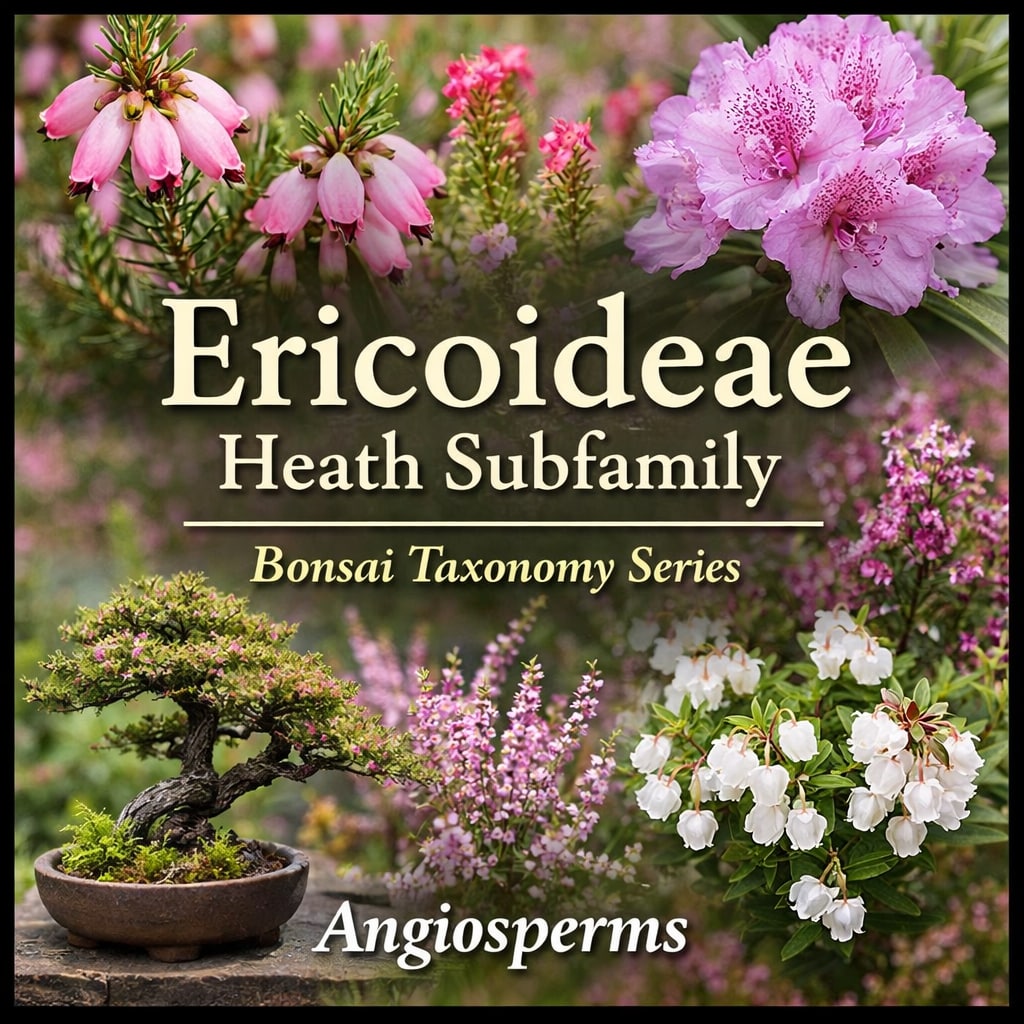
Ericoideae, commonly known as the heath subfamily, is a major subfamily within the heath family (Ericaceae). It contains many of the most recognisable and ecologically significant plants associated with heaths, heathers, and rhododendrons. The Ericoideae subfamily includes a wide range of shrubs and small trees that are adapted to nutrient-poor soils and specialised growing conditions.
From a taxonomic perspective, Ericoideae represents the core evolutionary group of the heath family. Members of this subfamily share distinct structural and reproductive traits that set them apart from other subfamilies within Ericaceae. These shared characteristics help explain why Ericoideae contains both the largest number of species and some of the most horticulturally important genera in the family.
In bonsai and horticulture, Ericoideae is especially valued for its compact growth habits, fine branching, and ornamental flowers. Understanding the Ericoideae subfamily provides essential context for studying genera such as Rhododendron and Erica, linking botanical classification with practical cultivation and long-term plant development.
Table of Contents
Taxonomy
– Kingdom: Plantae (Plant Kingdom)
— Clade: Embryophytes (Land Plants)
— Clade: Polysporangiophytes (Multiple Sporangia)
—- Clade: Tracheophytes (Vascular Plants)
—– Superdivision: Spermatophytes (Seed Plants)
—— Clade: Angiospermae (Flowering Plants)
——- Division: Eudicots (True Dicotyledons)
——– Subdivision: Core Eudicots
——— Class: Superasterids (Advanced Flowering Plants)
———- Subclass: Asterids (Unified-Flowering Plants)
———– Order: Ericales (Heath and Tea)
———— Family: Ericaceae (Heath)
————- Subfamily: Ericoideae (Heath)
What Is Ericoideae?
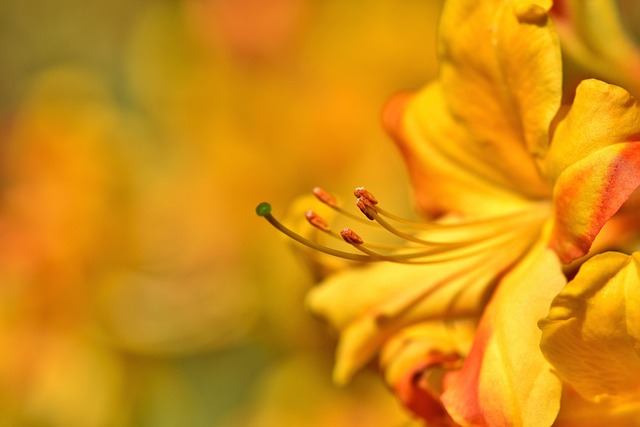
Ericoideae is a botanical subfamily within the heath family (Ericaceae) that brings together the core heath, heather, and rhododendron lineages. It represents a natural taxonomic grouping based on shared evolutionary history, floral structure, and growth characteristics that distinguish its members from other subfamilies within Ericaceae.
The Ericoideae subfamily includes shrubs and small trees that are typically adapted to acidic, nutrient-poor soils. Plants in this group often exhibit specialised root associations and compact growth habits that allow them to thrive in environments where many other flowering plants struggle. These adaptations have contributed to the wide distribution and ecological success of Ericoideae across temperate and montane regions.
In plant taxonomy, Ericoideae serves as an essential classification level between the family Ericaceae and the individual tribes and genera it contains. Defining Ericoideae helps clarify relationships among heaths, heathers, and rhododendrons, providing a framework for understanding their diversity, ecological roles, and importance in horticulture and bonsai.
Taxonomic Position Within the Heath Family

Within the heath family (Ericaceae), the subfamily Ericoideae exists to group together the plants that represent the core and most recognisable heath lineage. While Ericaceae includes a wide range of shrubs, trees, and even epiphytes with varied adaptations, not all members share the same structural or evolutionary traits. Ericoideae allows taxonomists to distinguish the true heath and heather relatives from other, more divergent groups within the family.
The name Ericoideae is derived from the genus Erica, the archetypal heath genus. Erica has long been central to the scientific and common understanding of heaths and heathers, particularly in Europe and southern Africa, where these plants dominate natural landscapes. By naming the subfamily after Erica, botanists followed a standard taxonomic convention that uses a representative genus to define the identity and character of a broader group.
Positioning Ericoideae as a distinct subfamily helps clarify evolutionary relationships within Ericaceae without fragmenting the family unnecessarily. It recognises that genera such as Erica, Calluna, and Rhododendron share closer ancestry and defining traits with one another than with other members of the heath family. This hierarchical structure preserves both accuracy and clarity, making Ericoideae a critical taxonomic level for understanding the diversity and organisation of heath plants.
Evolutionary Origins of the Ericoideae Subfamily
The evolutionary history of Ericoideae reflects the adaptation of flowering plants to some of the most challenging terrestrial environments on Earth. As part of the order Ericales, the Ericoideae subfamily emerged through a combination of ancient lineage diversification and specialised ecological adaptation. Its evolutionary success is closely tied to soil chemistry, climate variability, and long-term plant–fungus relationships.
Early divergence within the heath family
Ericoideae is believed to have diverged early within the heath family (Ericaceae), as flowering plants expanded into increasingly specialised niches during the Late Cretaceous and early Cenozoic periods. As angiosperms diversified, certain lineages within Ericaceae began adapting to acidic, nutrient-poor soils that limited competition from other plant groups.
This early divergence allowed Ericoideae to develop a distinct evolutionary trajectory, separating it from other subfamilies that favoured richer soils or different growth strategies. Over time, these early adaptations laid the groundwork for the defining traits that still characterise Ericoideae today.
Adaptation to nutrient-poor and acidic environments
One of the most significant evolutionary drivers of Ericoideae was adaptation to low-nutrient environments. Many species evolved physiological and structural traits that allowed them to survive in acidic soils with limited nitrogen and phosphorus availability. These conditions are common in heathlands, montane regions, and sandy or peaty substrates.
This adaptation reduced direct competition with more nutrient-dependent plants and enabled Ericoideae species to dominate landscapes where few others could persist. The success of this strategy is evident in the extensive heathlands and shrub-dominated ecosystems found across multiple continents.
Coevolution with mycorrhizal fungi
A defining evolutionary feature of Ericoideae is its close association with specialised mycorrhizal fungi. These fungal partnerships, often referred to as ericoid mycorrhizae, allow plants to access nutrients locked within organic matter that would otherwise be unavailable.
The evolution of this symbiotic relationship gave Ericoideae a major ecological advantage and is considered one of the key factors behind the subfamily’s long-term persistence and diversification. This coevolution reinforced the subfamily’s specialisation and further distinguished Ericoideae from other lineages within Ericaceae.
Together, these evolutionary developments shaped Ericoideae into a highly specialised and resilient subfamily, capable of thriving where many flowering plants cannot.
Defining Characteristics of Ericoideae
The Ericoideae subfamily is defined by a combination of morphological, reproductive, and physiological traits that reflect its long adaptation to specialised environments. Although the genera within Ericoideae vary widely in size, habit, and floral appearance, they share a consistent set of characteristics that distinguish them from other subfamilies within the heath family (Ericaceae). These defining features underpin both their taxonomic classification and their ecological success.
Leaf structure and arrangement
One of the most consistent characteristics of Ericoideae is leaf structure. Members of the subfamily typically bear spirally arranged leaves with flat or slightly revolute laminae. Leaves are often small, leathery, and evergreen, traits that reduce water loss and protect tissues in exposed or nutrient-poor environments.
The leaf surfaces of Ericoideae species are frequently adapted to minimise transpiration, sometimes featuring thick cuticles or rolled margins. These adaptations allow plants to survive in heathlands, montane regions, and other habitats where moisture availability may be limited or seasonal.
Floral form and symmetry
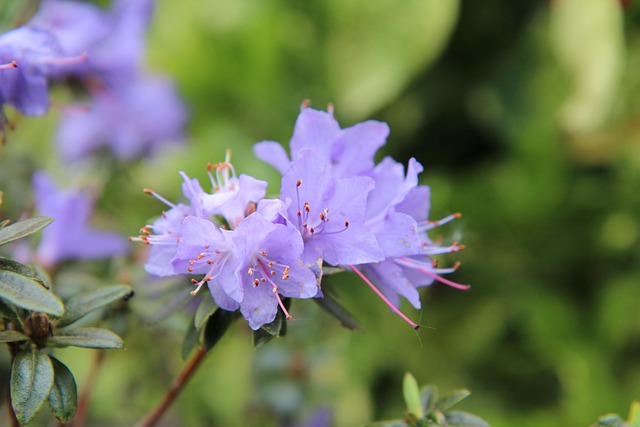
Flowers in the Ericoideae subfamily are distinctive in both structure and orientation. They are usually pendulous or erect, often tubular or urn-shaped, and typically monosymmetric. A notable diagnostic feature is the presence of an abaxial median sepal, which helps differentiate Ericoideae flowers from those of other Ericaceae subfamilies.
Floral morphology in Ericoideae reflects a balance between protection and pollination efficiency. The enclosed flower forms shield reproductive organs from harsh environmental conditions while still allowing access to specialised pollinators, contributing to reliable reproduction in challenging habitats.
Reproductive structures and fruit type
Ericoideae species share characteristic reproductive traits that are important for classification. The pedicel is articulated, allowing flowers or fruits to detach cleanly at maturity. The carpels are free, rather than fused, and the anthers lack appendages, distinguishing Ericoideae from related groups within the family.
The fruit is most commonly a septicidal capsule, which splits along internal partitions to release seeds. This fruit type supports gradual seed dispersal and aligns with the subfamily’s strategy of persistence and regeneration in stable but nutrient-limited ecosystems.
Physiological adaptations and resilience
Beyond visible morphology, Ericoideae is defined by physiological traits that support survival under stress. Many species exhibit slow growth rates, efficient nutrient uptake, and tolerance of acidic soils with low mineral availability. These characteristics reduce dependence on fertile substrates and allow Ericoideae plants to occupy ecological niches with limited competition.
Together, these defining characteristics form a coherent profile that clearly separates Ericoideae from other members of the heath family. They also explain why the subfamily has become one of the most species-rich and ecologically successful groups within Ericaceae.
Tribes Within the Ericoideae Subfamily
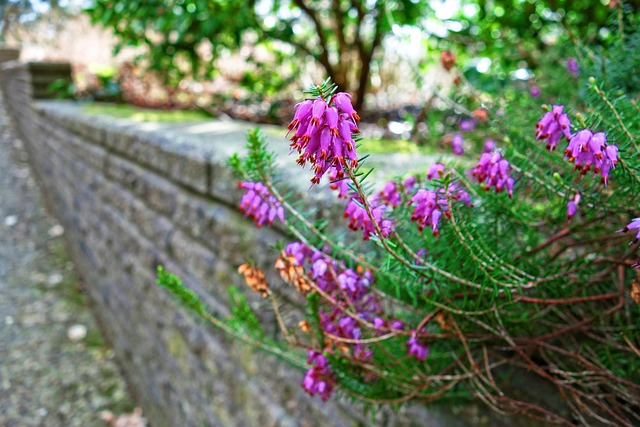
Within the Ericoideae subfamily, taxonomists recognise several tribes that group genera with especially close evolutionary and morphological relationships. These tribes help organise the large diversity found within the subfamily and reflect differences in floral structure, growth habit, and geographic distribution.
Although tribal boundaries have been refined over time as genetic research has advanced, they remain a useful way to understand how the heath subfamily is internally structured.
The following tribes are widely recognised within Ericoideae and are commonly referenced in modern botanical classifications.
- Tribe Bryantheae: This small tribe includes genera such as Bryanthus and Ledothamnus. Members are generally shrubs adapted to cool or montane environments. They share floral and vegetative traits that distinguish them from the larger heath and rhododendron lineages.
- Tribe Empetreae: The Empetreae tribe includes genera such as Ceratiola, Corema, and Empetrum. These plants are often low-growing and adapted to harsh, nutrient-poor conditions, including coastal or alpine habitats. Some genera historically placed here have since been merged into other groups as taxonomic understanding has improved.
- Tribe Ericeae: Ericeae contains the classic heath and heather genera, including Erica and Calluna. This tribe represents the archetypal heath plants and is central to the identity of the Ericoideae subfamily. Species within Ericeae are especially diverse in form and are dominant components of heathland ecosystems.
- Tribe Phyllodoceae: This tribe includes genera such as Phyllodoce, Kalmia, Epigaea, and Rhodothamnus. Members are typically shrubs with showy flowers and are often associated with temperate or montane regions. The tribe reflects a distinct evolutionary line within Ericoideae with strong horticultural significance.
- Tribe Rhodoreae: Rhodoreae is defined primarily by the genus Rhododendron, which also absorbs several historically separate genera now treated as synonyms. This tribe contains the largest number of species within Ericoideae and includes azaleas and rhododendrons, making it one of the most prominent and widely cultivated groups in the subfamily.
Together, these tribes provide a structured framework for understanding the diversity of Ericoideae, bridging the gap between subfamily-level classification and the many genera that fall within the heath subfamily.
Genera Included in the Ericoideae Subfamily
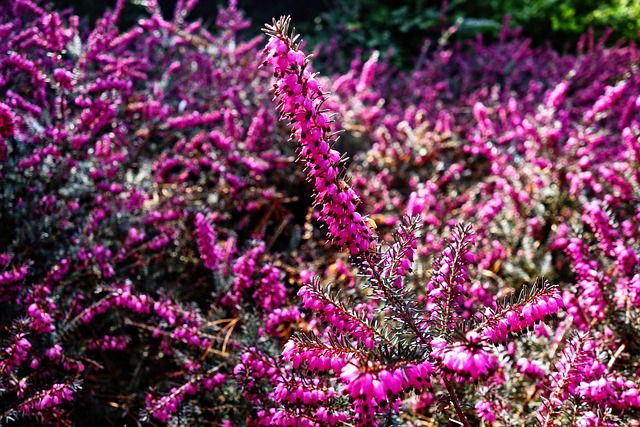
The Ericoideae subfamily contains a broad and diverse set of genera that together represent the core heath and heather lineages within the heath family (Ericaceae). While these genera vary in size, distribution, and growth habit, they are united by shared structural and reproductive traits that define the subfamily. Some genera are species-rich and globally significant, while others are smaller, more specialised lineages with restricted ranges.
Rhododendron
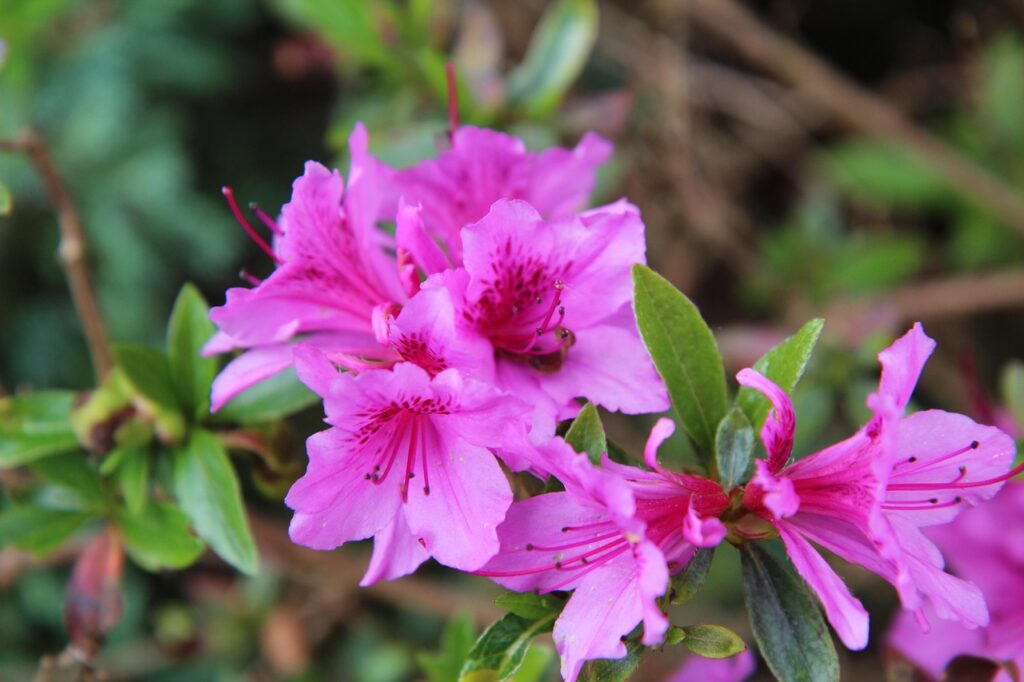
Rhododendron is by far the largest and most species-rich genus within Ericoideae. It includes both rhododendrons and azaleas, encompassing evergreen and deciduous shrubs as well as small trees. The genus dominates the Rhodoreae tribe and represents one of the most evolutionarily successful lineages in the subfamily.
Members of Rhododendron are especially important in horticulture and bonsai due to their ornamental flowers and varied growth forms. Their size and diversity also make the genus central to understanding the evolutionary scope of Ericoideae as a whole.
Erica and Calluna
The genera Erica and Calluna form the archetypal heath and heather group within Ericoideae. Erica is exceptionally diverse, particularly in southern Africa, where it has radiated into hundreds of species adapted to highly localised environments. Calluna, by contrast, is more limited in species number but is ecologically dominant in European heathlands.
These genera define the visual and ecological identity of the heath subfamily and are closely associated with acidic soils and open landscapes. Their shared traits strongly reflect the defining characteristics of Ericoideae.
Kalmia and related genera
Kalmia, along with related genera such as Phyllodoce, Epigaea, and Rhodothamnus, represents a distinct lineage within Ericoideae often associated with temperate and montane habitats. These plants are typically shrubs with showy, structurally complex flowers and a strong ecological relationship with forest margins and upland regions.
This group illustrates how Ericoideae extends beyond classic heathland plants into woodland and alpine environments while retaining a consistent taxonomic identity.
Low-growing and specialised genera
Several Ericoideae genera are characterised by low-growing or mat-forming habits, including Empetrum, Corema, and Ceratiola. These plants are often adapted to extreme conditions such as coastal dunes, alpine tundra, or nutrient-poor sandy soils.
Although less prominent in cultivation, these genera are ecologically significant and demonstrate the subfamily’s ability to occupy marginal habitats where few other flowering plants can survive.
Smaller and less widespread genera
Additional genera within Ericoideae include Bejaria, Bryanthus, Ledothamnus, Daboecia, Elliottia, Kalmiopsis, and Phyllodoce. These genera typically have narrower geographic ranges or fewer species but still exhibit the defining traits of the subfamily.
Together, all recognised genera form a cohesive taxonomic group that highlights both the diversity and unity of Ericoideae. Understanding these genera provides essential context for studying the ecology, evolution, and horticultural importance of the heath subfamily.
Growth Habits and Structural Diversity
The Ericoideae subfamily exhibits a wide range of growth habits and structural forms, reflecting its long evolutionary history and adaptation to varied environments. Although many members are commonly described as shrubs, the structural diversity within Ericoideae extends well beyond a single growth type. This variation allows the subfamily to occupy ecological niches ranging from open heathlands to forest understories and montane regions.
Shrub-dominated growth forms
Most Ericoideae species grow as low to medium-sized shrubs, a form particularly well suited to nutrient-poor and acidic soils. These shrubs often have dense branching and compact habits, which help reduce exposure to wind and limit moisture loss. In open heathlands, this structure allows plants to persist in environments with little shelter and intense climatic stress.
Shrub growth also supports longevity and resilience. Many shrubs in this subfamily regenerate slowly but steadily, maintaining stable populations over long periods. This growth habit is a defining feature of classic heath and heather landscapes.
Small trees and arborescent forms
While shrubs dominate the subfamily, some members in the heath subfamily develop into small trees or large woody shrubs. This is most evident in parts of the Rhododendron lineage, where certain species form upright, tree-like structures in forested or montane environments.
These arborescent forms demonstrate the structural flexibility of this subfamily. By increasing height and trunk development, these plants are able to compete for light in more crowded habitats while still retaining the physiological adaptations associated with the subfamily.
Prostrate and ground-hugging forms
At the opposite end of the structural spectrum, some genera in this this subfamily exhibit prostrate or mat-forming growth habits. These low-growing forms are especially common in alpine, subarctic, or coastal environments, where exposure to wind, cold, and poor soils limits vertical growth.
This growth strategy provides protection from harsh conditions and helps stabilise soils. It also highlights the subfamily’s ability to adjust its structure dramatically in response to environmental pressure while maintaining consistent taxonomic traits.
Structural plasticity and response to conditions
A notable feature of this subfamily is its structural plasticity. The same species may express different growth habits depending on factors such as light availability, soil depth, moisture, and exposure. Plants growing in sheltered conditions often develop taller, more open forms, while those in exposed sites remain compact and dense.
This plasticity is one of the reasons this subfamily adapts well to cultivation and controlled environments. Understanding natural growth habits and structural diversity provides essential context for both horticulture and bonsai, where form is shaped intentionally but remains grounded in the plant’s inherent tendencies.
Reproductive Traits and Floral Morphology
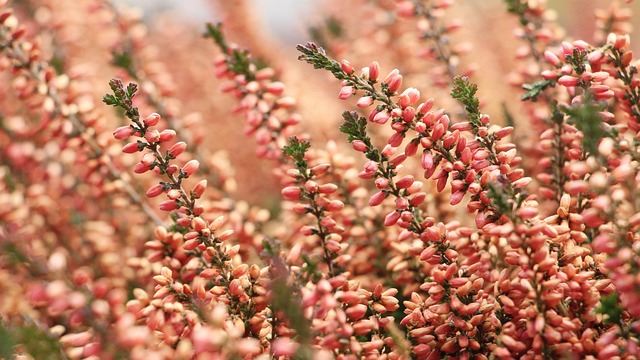
Reproductive structures and flower form are central to identifying and classifying the Ericoideae subfamily. While growth habit and foliage can vary considerably across genera, floral morphology provides consistent diagnostic features that unite the group. These traits reflect both evolutionary history and adaptation to specialised pollination strategies within challenging environments.
Flower orientation and symmetry
Flowers within this subfamily are typically pendulous or erect, often hanging downward or projecting outward from the stem. This orientation protects reproductive organs from rain and environmental exposure while guiding pollinators toward the flower opening. The flowers are usually monosymmetric, meaning they have a single plane of symmetry, a feature that helps distinguish Ericoideae from other subfamilies within the heath family.
A characteristic structural trait is the presence of an abaxial median sepal, which serves as a reliable taxonomic marker. Together, these features contribute to the distinctive floral architecture associated with heath and rhododendron lineages.
Corolla form and pollination strategies
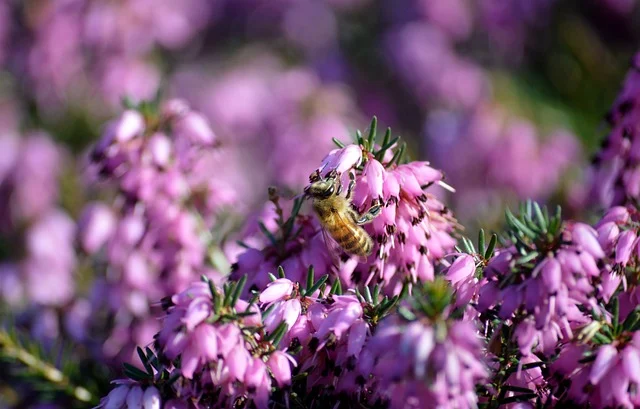
The corolla in Ericoideae is commonly tubular, urn-shaped, or bell-shaped, with fused petals forming a protective enclosure around the reproductive organs. This floral shape is closely linked to specialised pollination, often involving bees, birds, or other insects capable of accessing nectar within narrow floral openings.
By restricting access to specific pollinators, the species in this subfamily increase pollination efficiency and reduce pollen loss. This strategy is especially effective in environments where pollinator availability may be limited or seasonal.
Anthers, carpels, and reproductive anatomy
Ericoideae species share several internal reproductive traits that are important for classification. The anthers lack appendages, a feature that helps differentiate the subfamily from other groups within Ericaceae. The carpels are free, rather than fused, reflecting a distinct structural organisation of the ovary.
The pedicel is articulated, allowing flowers or fruits to detach cleanly at maturity. These anatomical traits are consistent across the subfamily and reinforce its recognition as a coherent taxonomic group.
Fruit type and seed release
The most common fruit type in this subfamily is a septicidal capsule, which splits along internal partitions to release seeds. This mode of dehiscence supports gradual seed dispersal, increasing the likelihood of successful establishment in stable but nutrient-poor habitats.
Seed production and release are often timed to coincide with favourable environmental conditions. This reproductive timing reflects a long-term survival strategy that prioritises persistence and regeneration over rapid colonisation.
Together, these reproductive traits and floral characteristics provide a clear framework for understanding how Ericoideae reproduces, evolves, and maintains its identity within the heath family.
Ericoideae in Bonsai and Horticulture
The Ericoideae subfamily holds a distinctive place in bonsai and horticulture due to its refined structure, compact growth habits, and ornamental floral displays. Many members of this subfamily are naturally adapted to slow growth and dense branching, qualities that align well with long-term cultivation and careful shaping. These traits allow growers to emphasise proportion, detail, and seasonal interest without forcing growth beyond the plant’s natural tendencies.
In horticulture, plants from the Ericoideae subfamily are widely valued for their ability to thrive in acidic, well-drained soils where many other ornamentals struggle. Their specialised root systems and soil preferences make them well suited to heath gardens, woodland plantings, and container cultivation when their environmental needs are respected. Flowering species add further appeal, offering colour and texture that enhance both formal and naturalistic settings.
For bonsai, Ericoideae presents unique opportunities and challenges. Fine branching, small leaves, and striking flowers allow for expressive designs, but success depends on an understanding of the subfamily’s taxonomic and ecological background. Recognising how Ericoideae species grow in nature provides essential guidance for cultivation, linking botanical knowledge with practical technique and long-term plant health.