
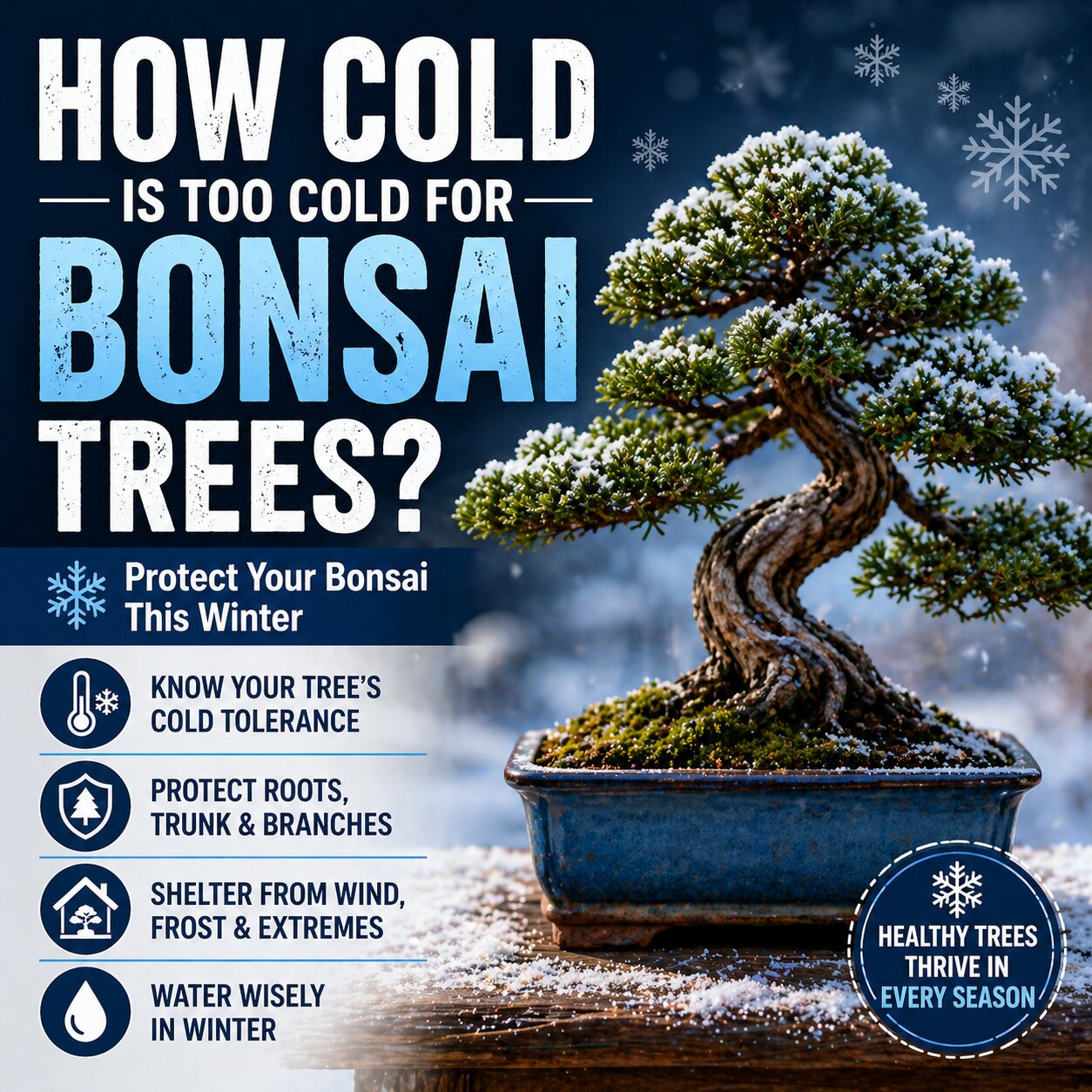
Winter can be one of the most challenging seasons for bonsai tree owners, especially for beginners who are unsure how much cold their trees can safely handle. While many bonsai trees are naturally hardy and capable of surviving colder weather, extreme temperatures can still damage roots, branches, and foliage if proper protection is not provided. Understanding how cold is too cold for bonsai trees is essential for keeping them healthy throughout winter.
Different bonsai species have different temperature tolerances. Some thrive in cold outdoor conditions, while others require shelter from frost and freezing temperatures. Knowing the needs of your specific bonsai tree can help prevent winter damage and improve long-term growth.
Why bonsai trees react differently to cold weather
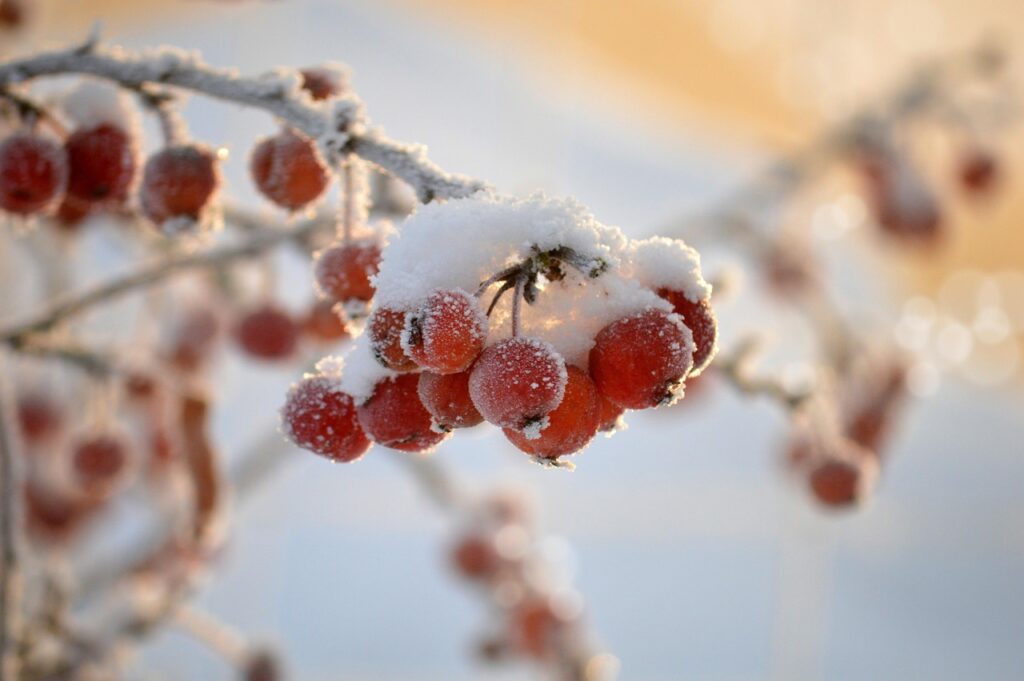
Not all bonsai trees respond to winter temperatures in the same way. The species, age, health, pot size, and growing conditions all influence how well a bonsai tree can handle cold weather.
Outdoor bonsai trees such as junipers, pines, maples, and elms are generally more cold-hardy because they naturally experience seasonal changes in nature. These trees often require a winter dormancy period to remain healthy and balanced.
Indoor bonsai trees are usually tropical or subtropical species that cannot tolerate freezing temperatures. Trees like ficus bonsai and jade bonsai should never be left exposed to frost or icy winds for extended periods.
One important factor many beginners overlook is that bonsai roots are more vulnerable than roots growing naturally in the ground. Since bonsai trees grow in shallow containers, the roots have far less insulation against extreme cold.
Healthy trees usually tolerate winter conditions better than weak or stressed bonsai trees. Trees already struggling from pests, overwatering, or poor nutrition may suffer much faster during cold weather.
How cold is too cold for bonsai trees?
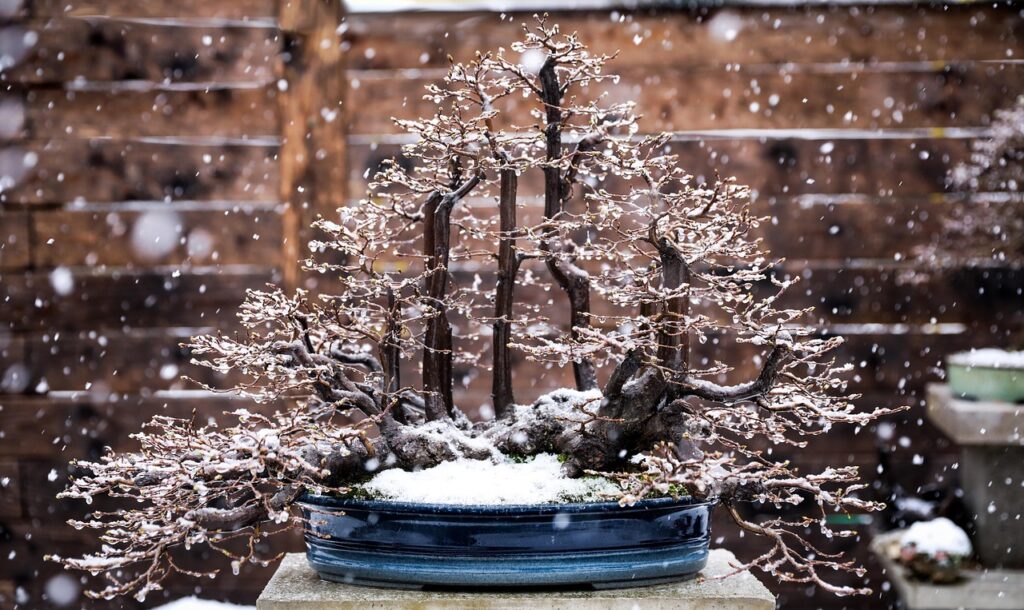
The exact temperature that becomes dangerous depends heavily on the bonsai species. However, freezing temperatures below 0°C can become risky for many bonsai trees if exposure is prolonged.
Cold-hardy outdoor bonsai trees may survive temperatures well below freezing when properly protected. Some species can tolerate temperatures between -5°C and -15°C during dormancy. However, strong icy winds and repeated freezing-thawing cycles can still cause serious stress.
Tropical indoor bonsai trees should generally be protected once temperatures begin dropping below 10°C. Extended exposure to cold air can slow growth, damage leaves, and weaken the tree.
Several warning signs may indicate your bonsai tree is suffering from cold stress:
- Browning or blackened leaves
- Frozen or mushy roots
- Brittle branches
- Sudden leaf drop
- Cracked bark
- Wilting despite moist soil
- Slow recovery during spring
Monitoring local winter temperatures and understanding your bonsai species are both critical for preventing damage.
Protecting bonsai trees during winter
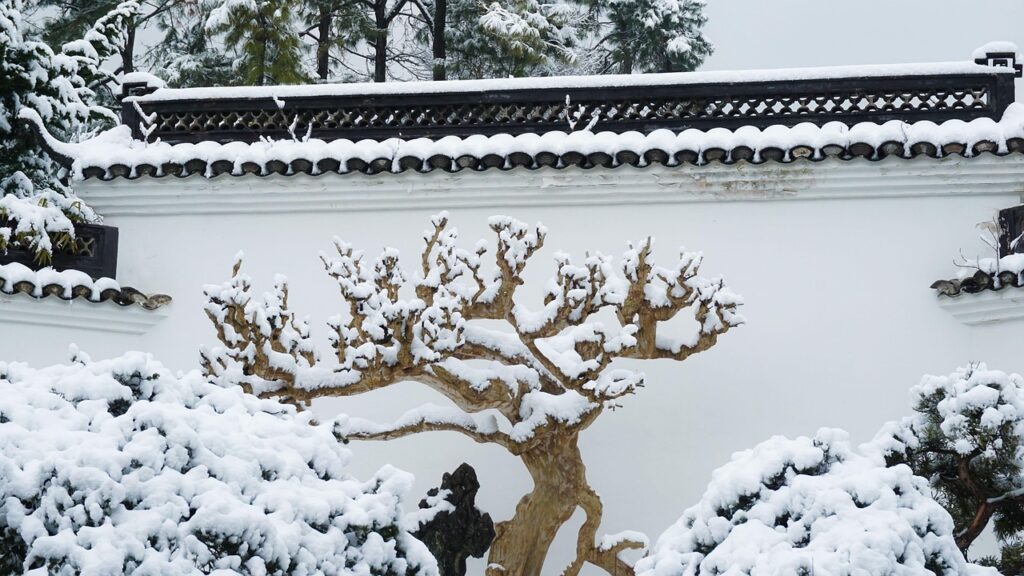
There are several ways to help bonsai trees survive colder weather safely. Outdoor bonsai trees often benefit from being placed in sheltered locations away from strong winds and heavy frost exposure.
Many bonsai enthusiasts place trees against walls, inside cold frames, or under covered patios during severe winter weather. Some growers partially bury pots in mulch or soil to help insulate the roots from freezing temperatures.
Indoor bonsai trees should be kept away from cold drafts, open windows, and sudden temperature fluctuations. At the same time, they should still receive enough natural light and airflow to remain healthy.
Overwatering can also become a major problem during winter. Bonsai trees usually require less water during colder months because growth slows significantly. Waterlogged soil combined with freezing temperatures can quickly damage roots.
Proper winter preparation before the coldest temperatures arrive is often the best defence against winter stress and frost damage.
Helping Bonsai Trees Survive Winter
Understanding how cold is too cold for bonsai trees can make a huge difference in keeping them healthy through winter. Every species has different needs, and successful bonsai care often comes down to careful observation and seasonal adjustments.
With the right protection, many bonsai trees can survive cold winters without problems and return with strong healthy growth in spring. Paying attention to temperature changes, protecting vulnerable roots, and avoiding common winter mistakes will help bonsai trees thrive year after year.
Winter may be harsh, but with patience and proper care, bonsai trees can continue growing beautifully through every season.