
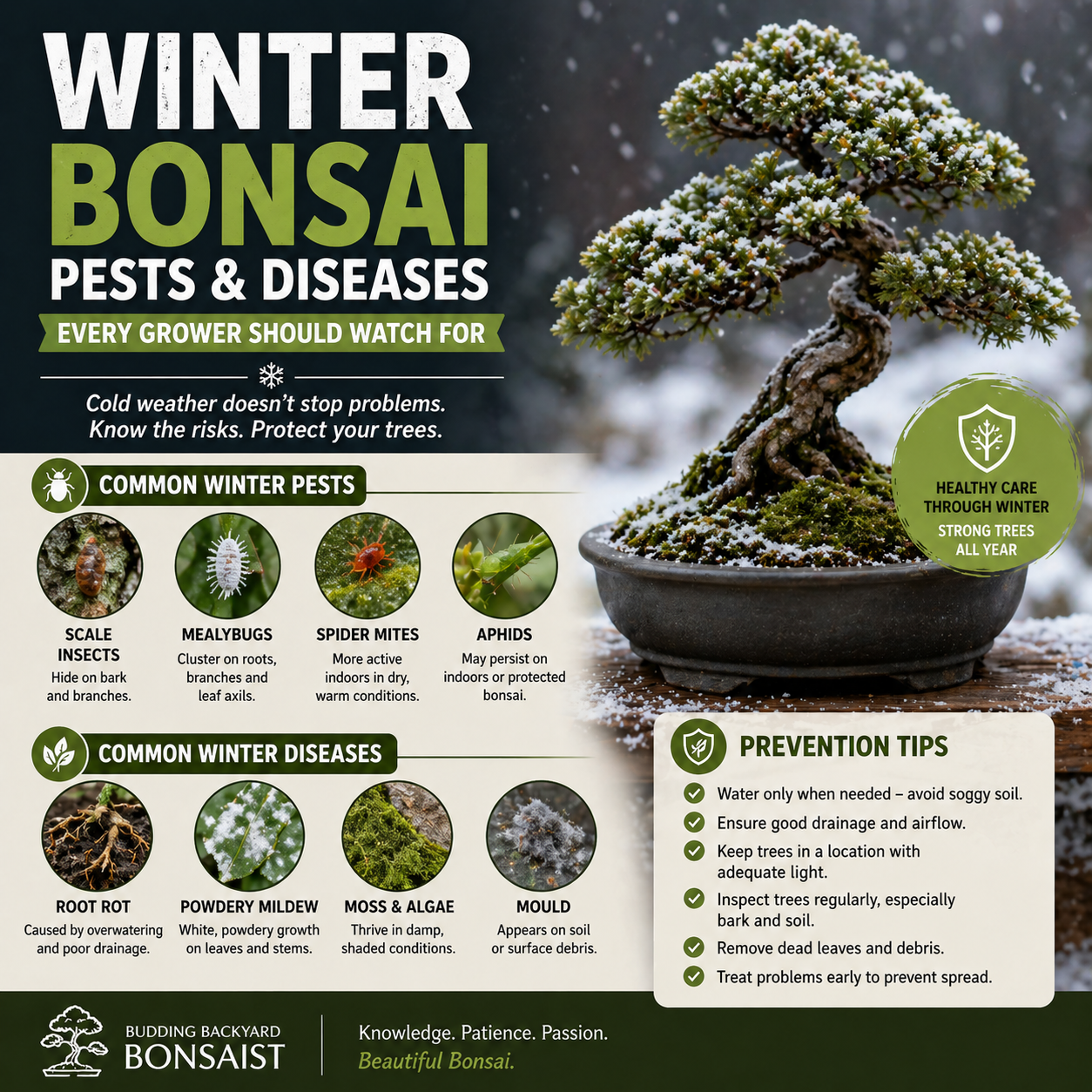
Many bonsai enthusiasts assume colder weather means fewer problems for their trees, but winter bonsai pests and diseases can still pose a serious threat during the colder months. While some insects become less active in winter, others continue hiding within soil, bark, roots, or sheltered growing environments. Fungal diseases and root-related problems can also become more common due to excess moisture and reduced airflow.
Winter is often a stressful period for bonsai trees. Lower temperatures, weaker sunlight, heavy rain, and changing humidity levels can weaken a tree’s natural defences. A stressed bonsai is far more vulnerable to pests and disease outbreaks, especially if conditions remain damp for extended periods.
Understanding the signs of winter bonsai pests and diseases can help growers respond early before small issues become major problems that damage or kill a bonsai tree.
Why bonsai trees remain vulnerable during winter
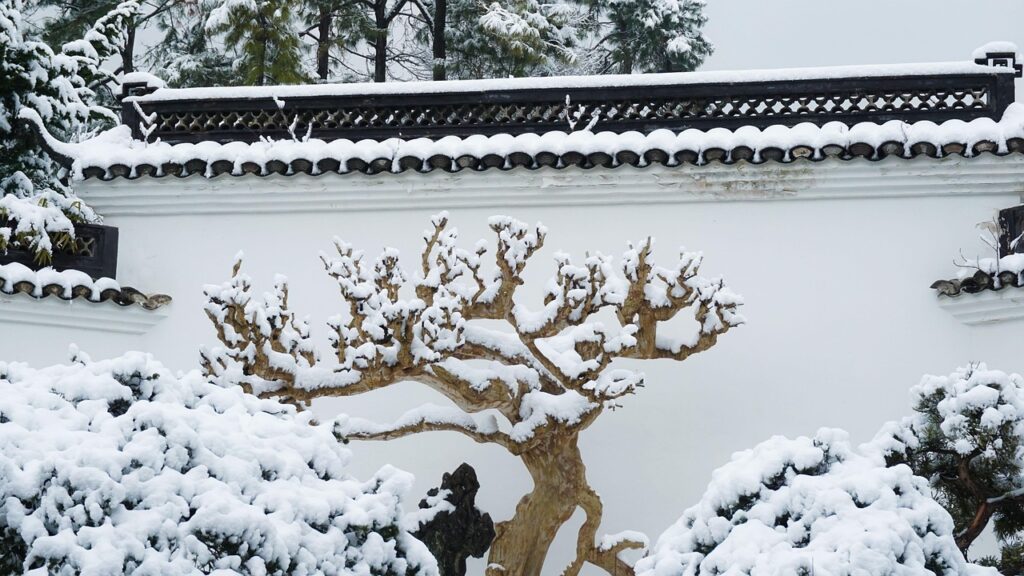
Although growth slows during winter, bonsai trees are still living organisms that require proper care and monitoring. Winter conditions often create ideal environments for fungal infections and hidden pest activity.
Overwatering is one of the most common causes of winter problems. Since trees use less water during colder months, soil can remain wet for too long. Excess moisture around the roots may lead to root rot, mould growth, and fungal diseases.
Poor airflow is another major issue, especially for bonsai kept indoors or in sheltered greenhouse environments. Stagnant air combined with moisture can encourage mildew and fungal infections to spread more easily.
Some pests also survive winter by hiding in bark crevices, under pots, or within the soil itself. Aphids, scale insects, spider mites, and mealybugs may continue affecting indoor bonsai or trees protected from extreme cold.
Regular inspections during winter are important because early warning signs are often subtle compared to the more visible damage seen during warmer seasons.
Common winter bonsai pests and diseases
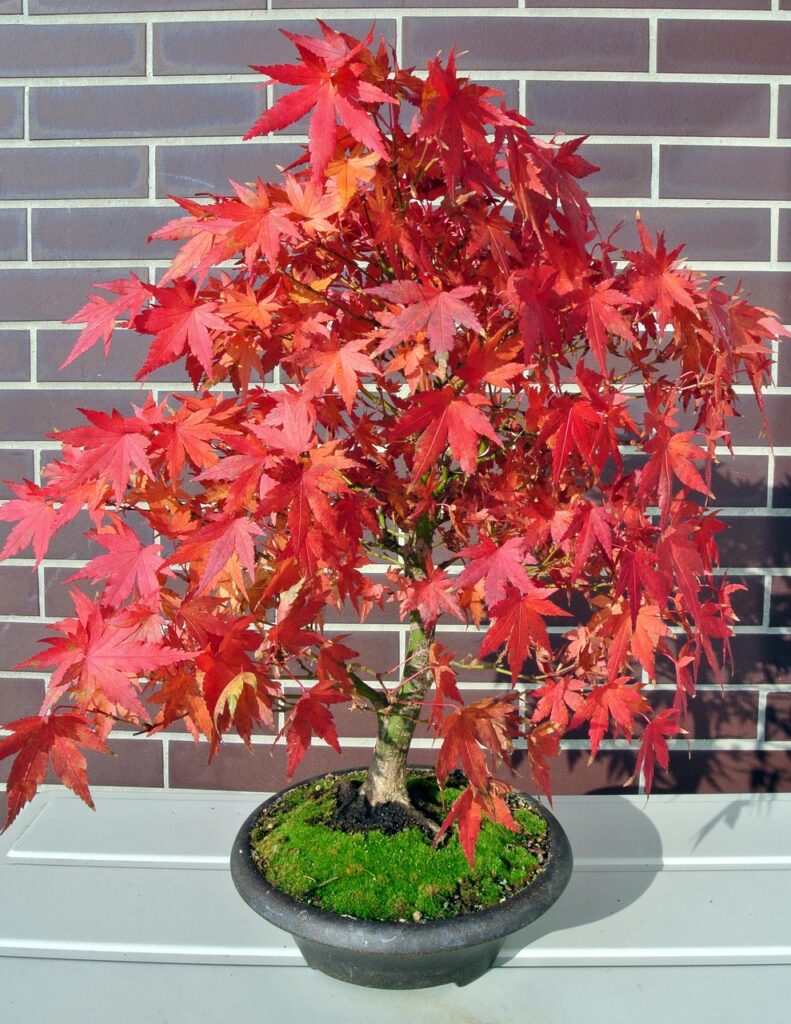
Several types of winter bonsai pests and diseases are commonly seen during the colder months. Knowing what to look for can make prevention and treatment much easier.
Fungal infections are among the biggest concerns during winter. Root rot, powdery mildew, and mould growth often develop when moisture levels remain too high for long periods.
Scale insects can become especially problematic because they hide along branches and bark while feeding on sap. Their protective shells make them difficult to notice until infestations become severe.
Spider mites may also appear indoors where heating creates dry conditions. These tiny pests damage leaves and weaken already stressed bonsai trees.
Common winter issues include:
- Root rot from excessive moisture
- Powdery mildew and fungal growth
- Scale insect infestations
- Spider mites on indoor bonsai
- Mealybugs hiding near roots and branches
- Moss and algae overgrowth
- Weak roots caused by poor drainage
- Bark damage from trapped moisture
Routine inspections and proper winter care help reduce the likelihood of these problems developing.
Protecting bonsai trees through the colder months
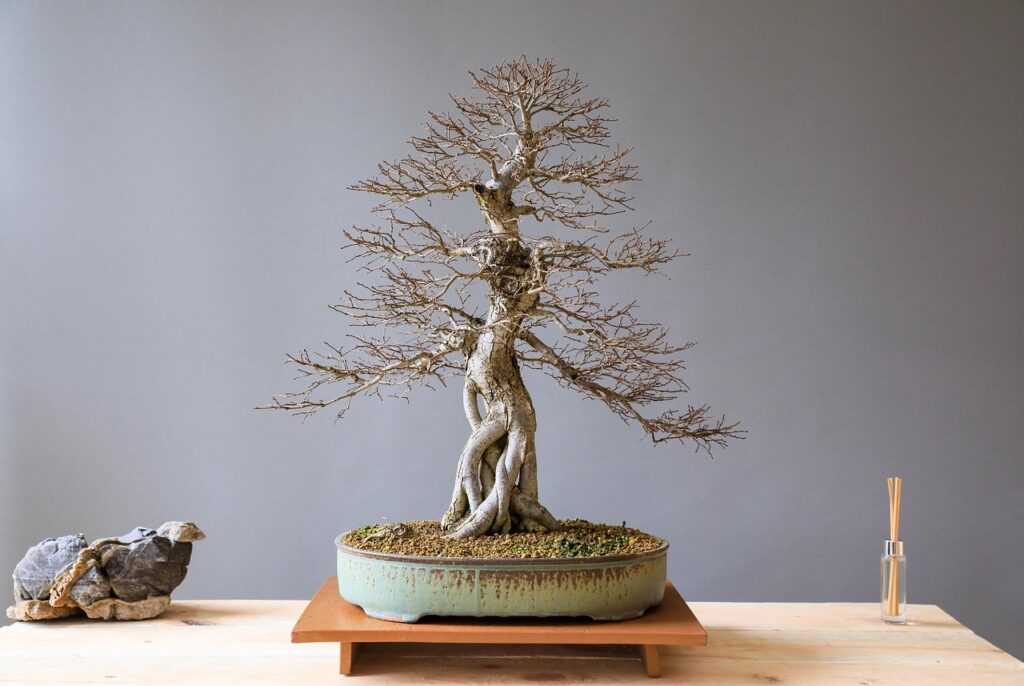
Preventing winter bonsai pests and diseases starts with maintaining balanced growing conditions. Bonsai should never remain waterlogged, and growers should adjust watering schedules to match slower winter growth.
Good drainage is essential during rainy periods. Using well-draining soil and suitable bonsai benches can help prevent excess moisture buildup around the roots.
Air circulation also matters, especially for indoor bonsai. Even during winter, trees benefit from fresh airflow that reduces dampness and discourages fungal development.
Cleaning dead leaves, removing debris, and checking bark and soil regularly can help identify pests before they spread. Early treatment is usually far easier and less stressful for the tree.
Winter care is not simply about protecting bonsai from cold weather. It is also about maintaining a stable, healthy environment that reduces stress and limits opportunities for pests and disease to take hold.
At Budding Backyard Bonsaist, we continue sharing practical bonsai care advice to help growers keep their trees healthy throughout every season of the year.