
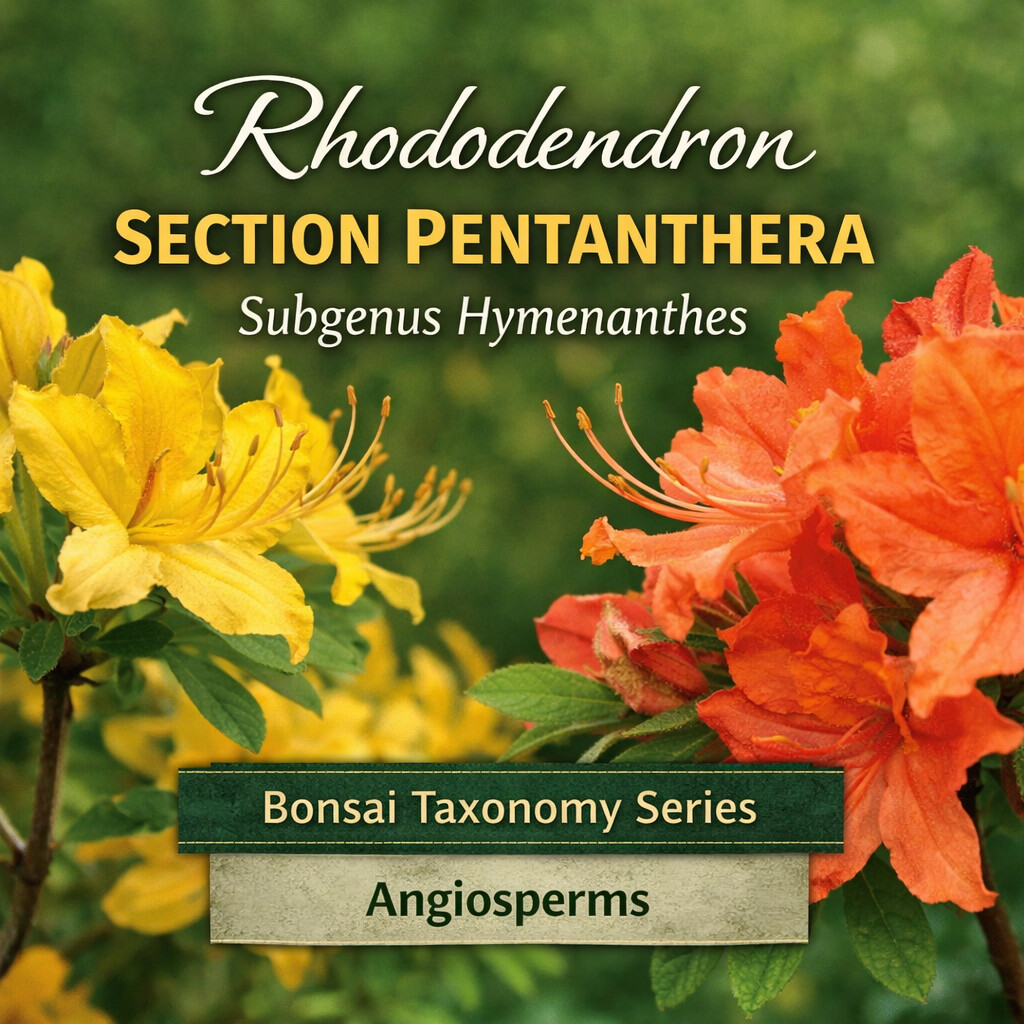
Rhododendron Section Pentanthera represents one of the most distinctive groups within the genus Rhododendron, comprising a collection of deciduous azaleas celebrated for their vivid flowers, fragrance, and strong seasonal character. Often referred to as the North American or deciduous azaleas, species within this section stand apart from many evergreen rhododendrons due to their leaf drop, pronounced autumn colour, and adaptation to temperate woodland environments.
From a taxonomic perspective, Section Pentanthera is notable for its evolutionary divergence, geographic spread, and clear morphological traits, particularly in flower structure and growth habit. While these plants are widely admired in horticulture and landscape design, understanding their classification, origins, and defining characteristics is essential before considering any specialised applications, including their occasional exploration as bonsai trees.
This guide focuses primarily on the taxonomy and botanical identity of Section Pentanthera, providing a foundation for deeper study across cultivation, conservation, and bonsai contexts.
Table of Contents
Taxonomy
– Kingdom: Plantae (Plant Kingdom)
— Clade: Embryophytes (Land Plants)
— Clade: Polysporangiophytes (Multiple Sporangia)
—- Clade: Tracheophytes (Vascular Plants)
—– Superdivision: Spermatophytes (Seed Plants)
—— Clade: Angiospermae (Flowering Plants)
——- Division: Eudicots (True Dicotyledons)
——– Subdivision: Core Eudicots
——— Class: Superasterids (Advanced Flowering Plants)
———- Subclass: Asterids (Unified-Flowering Plants)
———– Order: Ericales (Heath and Tea)
———— Family: Ericaceae (Heath)
————- Subfamily: Ericoideae (Heath)
————– Tribe: Rhodoreae (Rhododendron)
————— Genus: Rhododendron
————— Subgenus: Hymenanthes (Elepidote Rhododendrons)
—————- Section: Pentanthera (Deciduous Elepidote Rhododendrons/American Azaleas)
What Is Rhododendron Section Pentanthera?
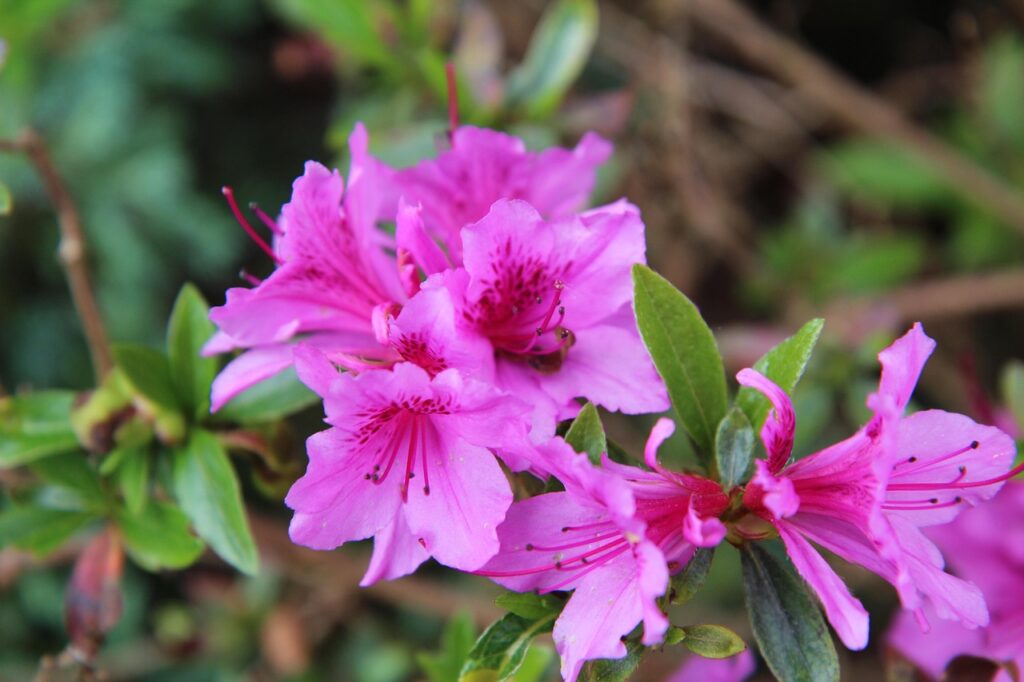
Rhododendron Section Pentanthera is a formally recognised taxonomic section within the genus Rhododendron, consisting primarily of deciduous azaleas known for their showy, often fragrant flowers and strong seasonal behaviour. This section includes approximately 15–16 species, most of which are native to eastern North America, with a small number originating from East Asia and the Caucasus region. These plants are commonly referred to as “American azaleas” in horticultural contexts, though taxonomically they are true rhododendrons.
What distinguishes Section Pentanthera from many other rhododendron groups is its deciduous habit combined with funnel-shaped, five-lobed flowers and, in several species, a noticeable fragrance. The flowers typically appear before or alongside the emergence of new leaves, creating a striking visual display in spring.
From a classification standpoint, Section Pentanthera is valued for its clear morphological boundaries, making it an important reference point in rhododendron taxonomy and evolutionary studies, as well as a group that occasionally attracts interest from growers exploring less conventional forms, including bonsai, though its primary significance remains botanical rather than stylistic.
Taxonomic Placement of Section Pentanthera Within Subgenus Hymenanthes
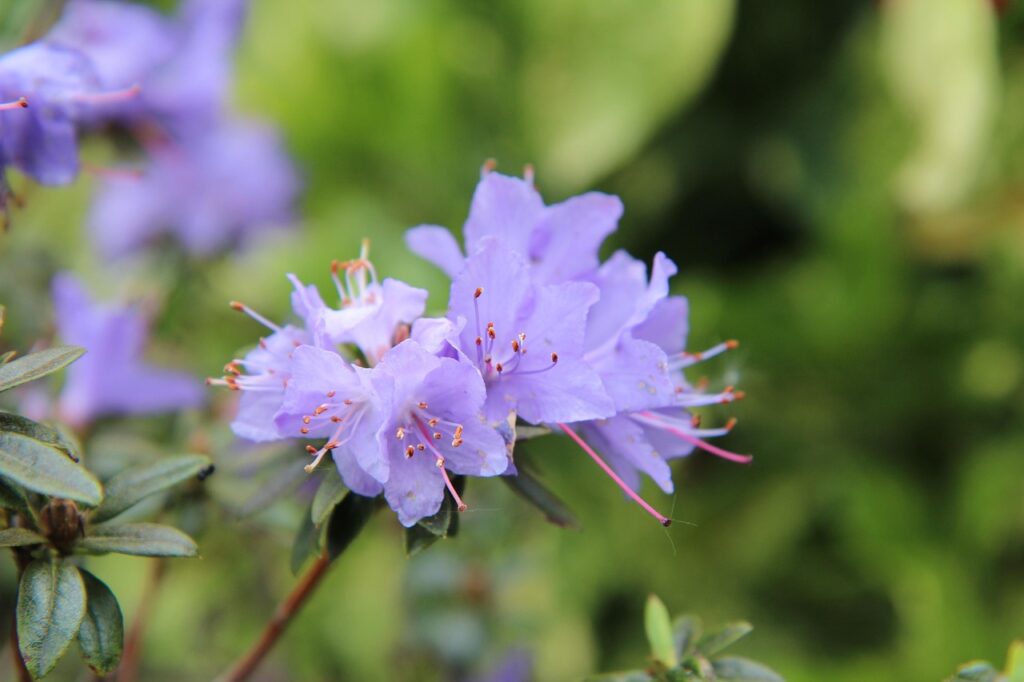
Rhododendron Section Pentanthera is currently placed within Rhododendron subgenus Hymenanthes under modern taxonomic treatments, reflecting advances in morphological analysis and molecular phylogenetics. Historically, many of the deciduous azaleas were separated into their own subgenus, Pentanthera, based largely on leaf habit and flower form. However, this earlier classification has been revised as deeper genetic relationships within the genus became clearer.
Placement within subgenus Hymenanthes recognises that Section Pentanthera shares key structural and reproductive traits with other large-flowered rhododendrons, despite its deciduous nature. These include similarities in bud structure, floral development, and chromosomal characteristics. This taxonomic realignment highlights that leaf persistence alone is not a sufficient criterion for higher-level separation within Rhododendron.
Within subgenus Hymenanthes, Section Pentanthera is treated as a distinct lineage defined by its five fully developed corolla lobes, tubular to funnel-shaped flowers, and seasonal growth cycle. Its clear boundaries and relatively stable species composition make it one of the more coherent sections in the genus, providing a useful framework for studying evolutionary divergence, hybridisation potential, and horticultural development, including occasional interest in these species as bonsai trees, even though they are not traditionally managed in that form.
Evolutionary Origins and Biogeographic History of Section Pentanthera
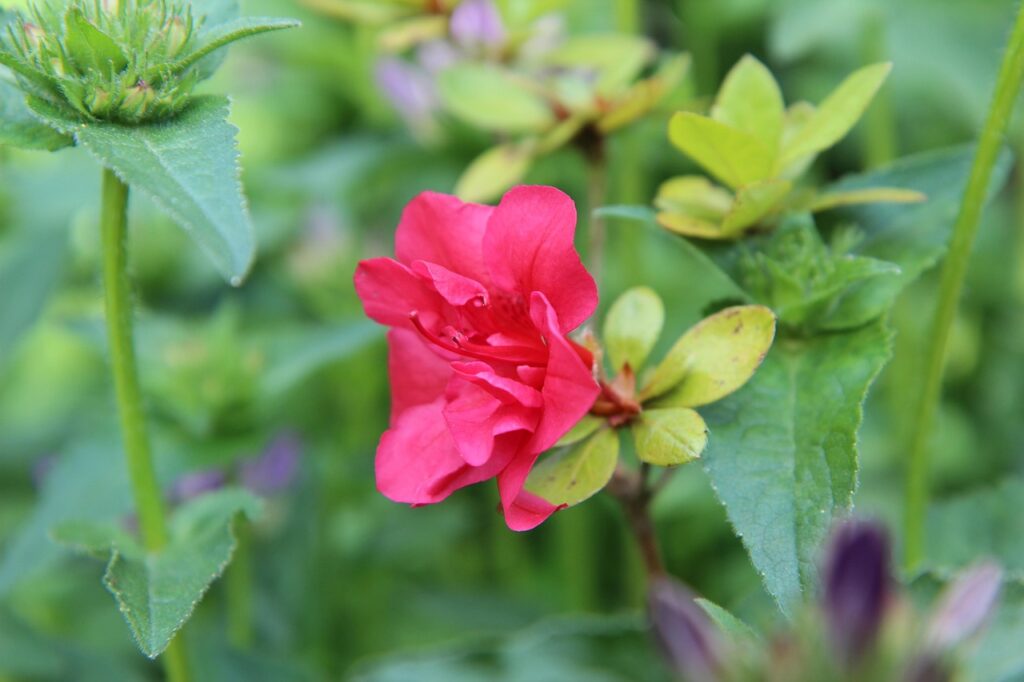
Section Pentanthera represents one of the most evolutionarily informative lineages within Rhododendron, offering insight into how climate, continental drift, and ecological specialisation shaped deciduous azaleas. Its species show a clear pattern of divergence between North American and East Asian populations, making the section especially important in biogeographic and phylogenetic studies. Unlike many evergreen rhododendrons associated with stable, montane environments, Section Pentanthera evolved in regions subject to pronounced seasonal change, favouring deciduous behaviour and strong flowering strategies.
The evolutionary history of this section is closely tied to temperate forest ecosystems, glacial cycles, and historical land connections across the Northern Hemisphere. These forces not only influenced species distribution but also shaped traits such as fragrance, flower timing, and cold tolerance, characteristics that continue to define the group today.
North American lineage and Appalachian diversification
The majority of Section Pentanthera species evolved in eastern North America, particularly within the Appalachian region. This area acted as both a refugium during glacial periods and a centre of diversification once climates stabilised. Repeated isolation and reconnection of forest habitats allowed species to diverge while retaining a shared structural blueprint.
This process explains the high number of closely related but ecologically distinct species found across overlapping ranges. Variations in elevation, soil chemistry, and moisture regimes contributed to subtle morphological differences, especially in flower colour, scent, and bloom timing, reinforcing reproductive isolation without drastic structural change.
East Asian and Eurasian disjunctions
A smaller but significant portion of Section Pentanthera occurs outside North America, notably in East Asia and the Caucasus region. Species such as Rhododendron molle, Rhododendron japonicum, and Rhododendron luteum represent ancient lineages that diverged prior to the final separation of Eurasian and North American floras.
These disjunct distributions are commonly attributed to historical land bridges, particularly the Bering land bridge, which enabled plant migration during cooler geological periods. Subsequent climatic shifts led to regional extinction in intervening areas, leaving the modern fragmented distribution seen today.
Influence of climate cycles on deciduous adaptation
Deciduousness in Section Pentanthera is strongly linked to adaptation to seasonal climates marked by cold winters and variable moisture availability. Leaf drop reduces winter water loss and frost damage, while early flowering maximises pollinator access before forest canopies fully develop.
Repeated glacial cycles reinforced these traits, selecting for species capable of rapid spring growth and efficient nutrient storage. These adaptations help explain why members of Section Pentanthera often display strong seasonal rhythm, vivid autumn colour, and synchronised flowering, traits that remain consistent across the section.
Evolutionary significance within the genus Rhododendron
From an evolutionary standpoint, Section Pentanthera occupies an important position within Rhododendron as a bridge between evergreen, montane species and more temperate, deciduous forms. Its relatively stable morphology combined with wide geographic spread makes it a valuable reference group for understanding speciation, hybridisation, and climatic adaptation within the genus.
This evolutionary clarity is one reason the section remains taxonomically robust and why it continues to attract attention from botanists, horticulturists, and even niche growers exploring unconventional formats such as bonsai trees, although its primary value lies in its evolutionary and ecological significance rather than ornamental styling alone.
Deciduous Growth Habit and Seasonal Characteristics of Section Pentanthera
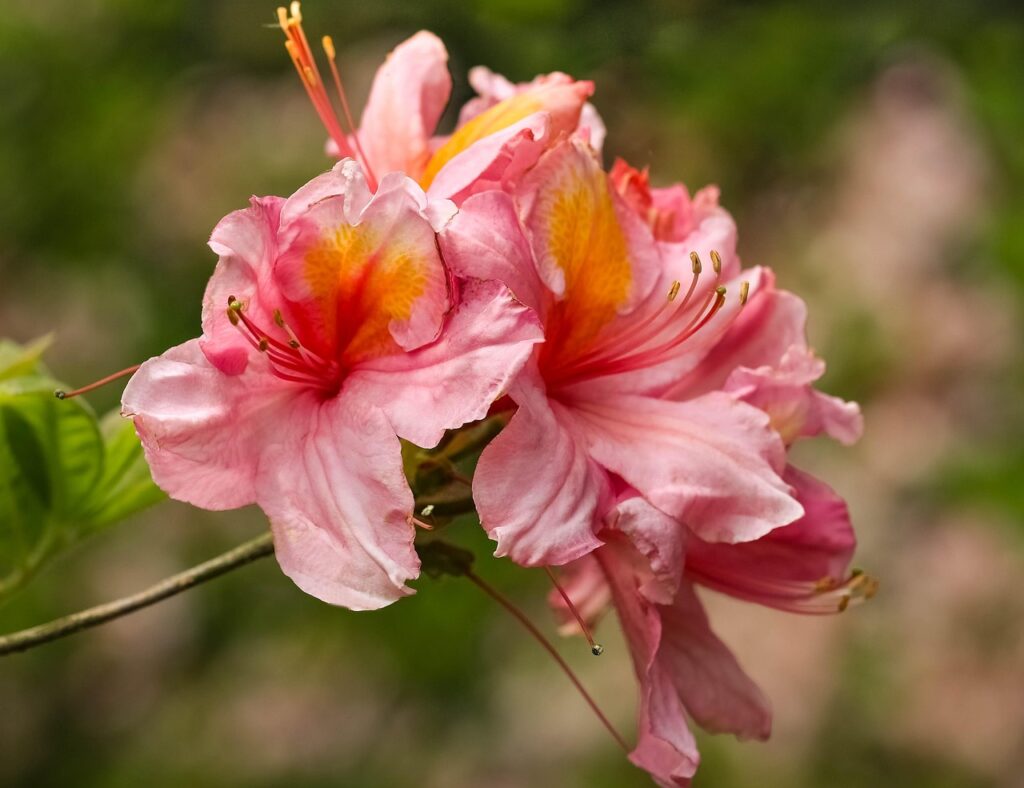
The deciduous growth habit is one of the defining traits of Section Pentanthera, setting it apart from many evergreen rhododendron groups. Species in this section are adapted to climates with pronounced seasonal variation, responding to changes in temperature and daylight with a clear annual growth cycle. This seasonal rhythm influences not only leaf retention but also flowering timing, energy storage, and overall plant structure.
Understanding this deciduous behaviour is essential when examining Section Pentanthera from a taxonomic and ecological perspective. The predictable sequence of dormancy, bud break, flowering, and leaf senescence reflects deep evolutionary adaptation rather than horticultural selection, and it plays a central role in how these species interact with their environments.
Winter dormancy and leaf abscission
Members of Section Pentanthera shed their leaves in autumn as temperatures drop and daylight shortens. Leaf abscission reduces water loss and protects the plant from frost damage during winter dormancy. Unlike evergreen rhododendrons, which maintain photosynthetic activity year-round, these deciduous species rely on stored carbohydrates to survive colder months.
Dormant buds are well protected by bud scales, allowing the plants to withstand freezing conditions common in their native habitats. This adaptation is particularly important in continental climates, where winter extremes would otherwise damage exposed foliage.
Spring flowering and early-season growth
One of the most striking seasonal characteristics of Section Pentanthera is its tendency to flower in early spring, often before full leaf expansion. This strategy increases floral visibility and improves pollination efficiency by taking advantage of early-emerging insects and unobstructed light conditions.
The flowers are typically large, colourful, and sometimes fragrant, serving as a strong attractant during a period when few competing blooms are present. This early flowering habit is a key ecological trait and contributes significantly to the ornamental appeal of the group.
Summer leaf development and photosynthetic phase
After flowering, leaves expand fully and enter an active photosynthetic phase throughout late spring and summer. During this period, plants focus on energy accumulation, shoot extension, and bud formation for the following year. Leaf morphology is adapted to woodland conditions, balancing light capture with moisture retention.
This summer growth phase supports root development and structural thickening, processes that are especially relevant when considering long-term plant health, whether in natural settings, cultivated landscapes, or more controlled formats such as bonsai trees.
Autumn colour and seasonal senescence
As temperatures cool in autumn, species within Section Pentanthera often display vivid foliage colours, ranging from yellow and orange to deep red and burgundy. These colours result from the breakdown of chlorophyll and the exposure or production of other pigments.
Autumn senescence marks the final stage of the seasonal cycle, as nutrients are reabsorbed into the plant before leaves are shed. This efficient nutrient recycling reinforces the resilience of Section Pentanthera species and underlines their strong adaptation to seasonal environments.
Leaf Morphology, Indumentum, and Structural Traits
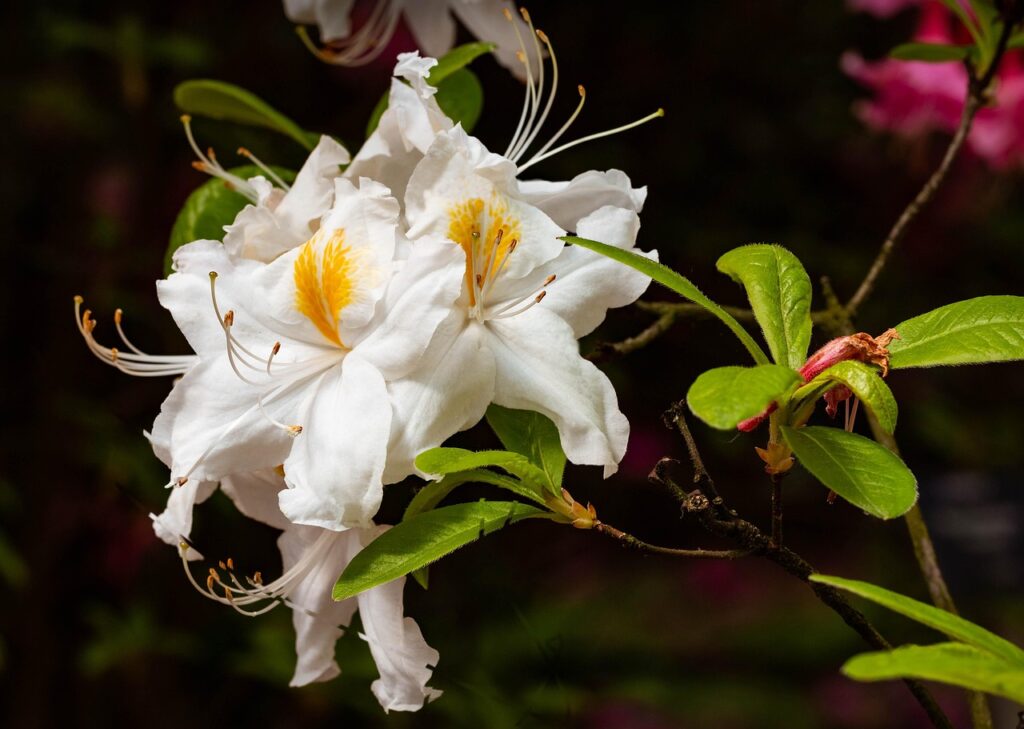
Leaf structure in Section Pentanthera reflects its deciduous nature and adaptation to temperate woodland environments. While these species are often celebrated for their flowers, their foliage displays a consistent set of morphological traits that help define the section taxonomically. Leaf form, surface texture, and shoot structure provide valuable diagnostic features used to distinguish Section Pentanthera from other rhododendron groups.
These characteristics also reveal how the plants balance seasonal growth, moisture regulation, and light capture. Although foliage is absent during winter dormancy, leaf development during the growing season is robust and plays a key role in energy accumulation and structural stability.
Leaf shape, size, and arrangement
Leaves of Section Pentanthera are typically elliptic to obovate, with smooth margins and a soft, flexible texture. They are borne alternately along the shoots, contributing to an open, airy branching structure rather than the dense whorled growth seen in many evergreen rhododendrons.
Leaf size varies by species and habitat, but most exhibit moderately large leaves that expand fully after flowering. This delayed leaf emergence allows floral displays to dominate early spring while ensuring sufficient photosynthetic surface area during summer.
Indumentum and surface characteristics
Indumentum in Section Pentanthera is generally sparse compared to heavily lepidote or densely hairy rhododendron sections. Leaf surfaces are often glabrous or lightly pubescent, particularly on young growth or along veins.
When present, hairs are typically simple and short-lived, disappearing as leaves mature. This relatively light indumentum reflects adaptation to humid forest environments, where excessive hair coverage would offer limited advantage and could impede gas exchange.
Petioles, veins, and leaf texture
Petioles in Section Pentanthera are slender and flexible, allowing leaves to move freely with wind and rainfall, reducing mechanical stress. Venation is clearly visible, with a prominent midrib and evenly spaced lateral veins that support efficient nutrient transport.
Leaf texture is generally thin to moderately leathery, striking a balance between durability and efficient seasonal turnover. This structure supports rapid growth during favourable conditions while allowing clean senescence at the end of the growing season.
Shoot structure and growth form
Structurally, Section Pentanthera species tend to form upright to spreading shrubs with relatively fine branching. New shoots elongate quickly in spring, supporting both flowering and subsequent leaf development.
This growth habit results in an open framework that enhances light penetration and airflow within the plant. While primarily relevant in ecological and horticultural contexts, these structural traits also influence how the species respond to pruning and training, including in more specialised applications such as bonsai, though their natural growth form remains the primary point of reference in taxonomic study.
Flower Structure, Fragrance, and Reproductive Biology
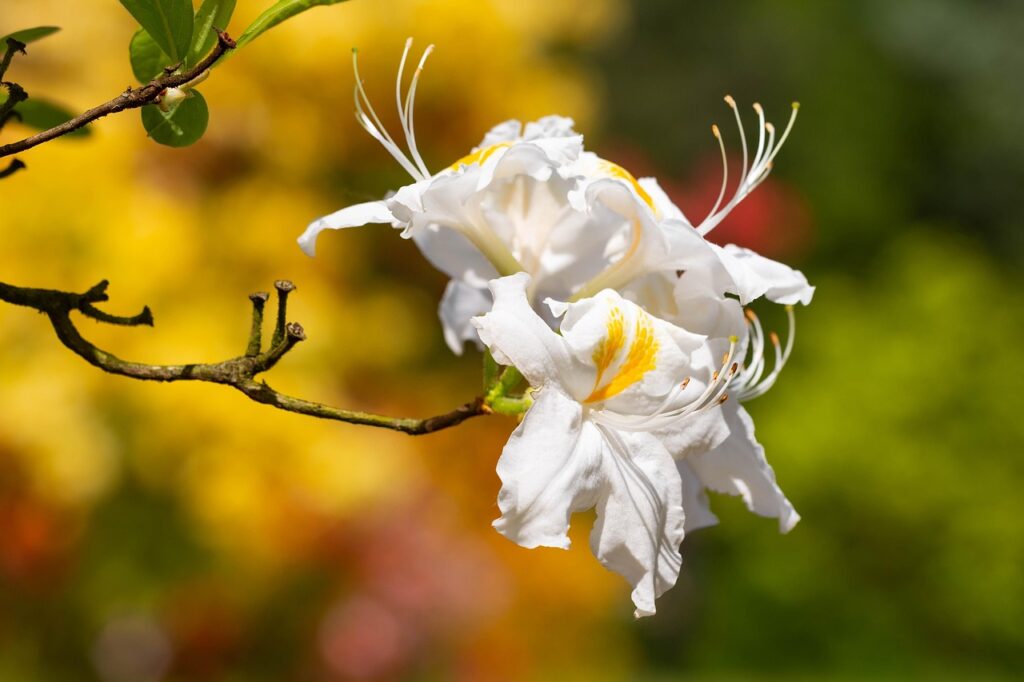
The flowers of Section Pentanthera are among the most defining and taxonomically significant features of the group. Their structure, colour variation, and frequent fragrance distinguish these deciduous azaleas from many other rhododendron sections and play a central role in both species identification and evolutionary study. Floral traits within this section are remarkably consistent in form while allowing wide expression in colour and scent.
From a biological perspective, the flowers are finely tuned to maximise pollination success in temperate woodland environments. Their timing, visibility, and reproductive anatomy reflect long-term adaptation rather than horticultural selection.
Corolla form and floral morphology
Flowers in Section Pentanthera are typically tubular to funnel-shaped, with five fully developed corolla lobes, a key feature that separates this section from closely related groups such as Section Rhodora. The lobes are usually spreading or slightly reflexed, giving the flowers an open, inviting appearance.
A prominent blotch, often yellow or orange, is commonly present on the upper corolla lobe and acts as a nectar guide for pollinators. Flower size varies by species but is generally large relative to leaf size, enhancing visual impact during early spring flowering.
Colour range and pigmentation
Section Pentanthera displays one of the broadest colour ranges within the genus Rhododendron. Flower colours include white, cream, yellow, orange, pink, red, and intermediate blends, frequently with contrasting markings.
This diversity is thought to reflect adaptation to different pollinator communities and ecological niches rather than random variation. Colour stability within species is usually strong, making pigmentation a reliable taxonomic character when combined with other morphological traits.
Fragrance and pollinator attraction
Many species within Section Pentanthera are notable for their fragrance, a trait less common in evergreen rhododendrons. Scents range from sweet and floral to spicy or musky, often intensifying in warm conditions.
Fragrance plays an important role in attracting early-season pollinators, including bees and butterflies, at a time when floral resources are still limited. This sensory cue complements the visual prominence of the flowers and enhances reproductive efficiency.
Stamens, pistil, and reproductive mechanisms
Flowers typically contain five to ten stamens, which are often exserted beyond the corolla, increasing pollen exposure and transfer. The pistil is similarly prominent, with a well-developed stigma positioned to maximise contact with visiting pollinators.
Fertilisation results in the formation of dry capsules containing numerous small seeds, adapted for wind dispersal. This reproductive strategy supports wide colonisation within suitable habitats and contributes to the broad geographic spread of the section.
Hybridisation potential and evolutionary stability
Section Pentanthera species hybridise readily under natural and cultivated conditions, particularly where ranges overlap. Despite this, most species maintain clear identities in the wild, suggesting strong ecological or reproductive boundaries.
This balance between hybridisation potential and taxonomic stability has made Section Pentanthera especially important in breeding programmes and evolutionary research, while also reinforcing its value as a well-defined and coherent taxonomic group.
Geographic Distribution and Native Habitats of Section Pentanthera
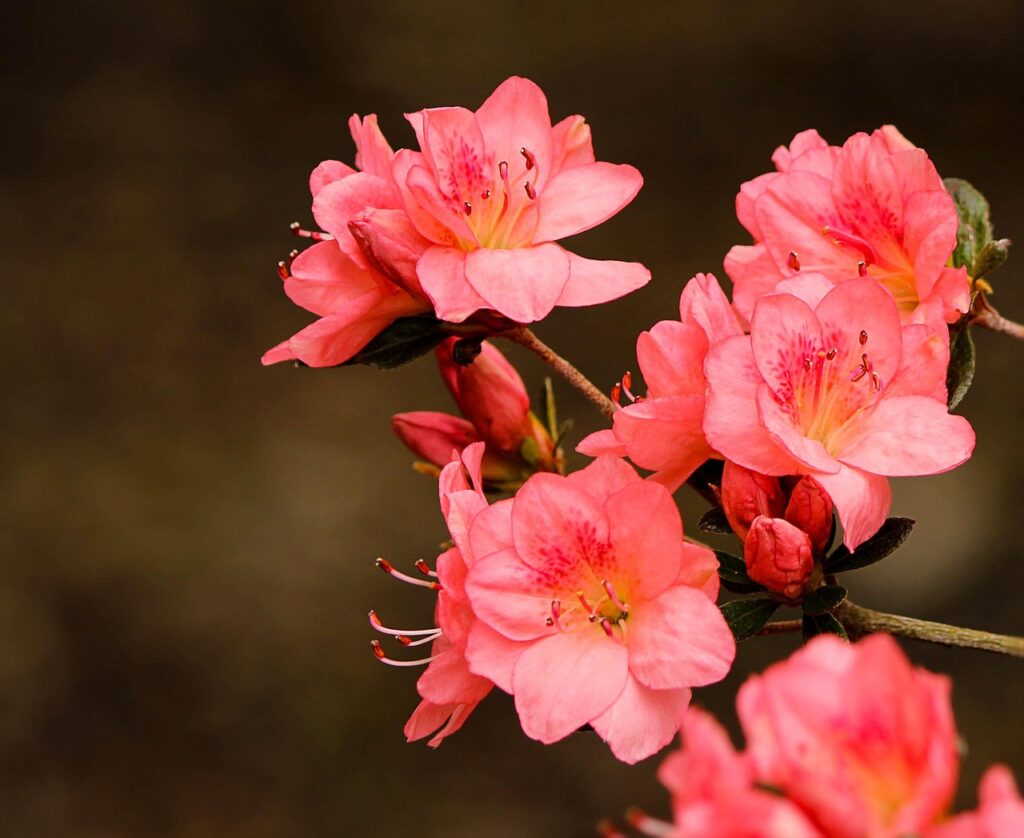
Section Pentanthera displays a distinctive geographic pattern centred primarily in the temperate regions of the Northern Hemisphere. Its distribution reflects both ancient migration routes and long-term adaptation to seasonal woodland environments. Most species occur naturally in North America, with a smaller but significant representation in parts of East Asia and the Caucasus.
The native habitats of Section Pentanthera are closely tied to moisture availability, soil chemistry, and forest structure. These species are rarely found in extreme environments and instead favour stable ecological niches where seasonal cycles are predictable.
Key aspects of the geographic distribution and habitat preferences include:
- Eastern North America as the primary centre of diversity, particularly the Appalachian region, where multiple species occur in overlapping or adjacent ranges.
- Secondary distribution in western North America, represented mainly by Rhododendron occidentale along the Pacific coast.
- Eurasian and East Asian disjunctions, including Rhododendron luteum in the Caucasus region and Rhododendron molle and Rhododendron japonicum in East Asia.
- Woodland and forest-edge habitats, often in mixed deciduous forests where light levels vary seasonally.
- Acidic, well-drained soils, frequently derived from sandstone or similar parent materials.
- Moist but not waterlogged conditions, with many species occurring near streams, slopes, or low-lying forest clearings.
- Elevational flexibility, ranging from lowland wetlands in some species to upland and montane environments in others.
This combination of broad geographic spread and specific habitat requirements has contributed to both the diversification and resilience of Section Pentanthera. Its species are well adapted to seasonal climates with cold winters and warm summers, a factor that has shaped their deciduous habit and reproductive strategies.
Subsections of Section Pentanthera: Pentanthera and Sinensia
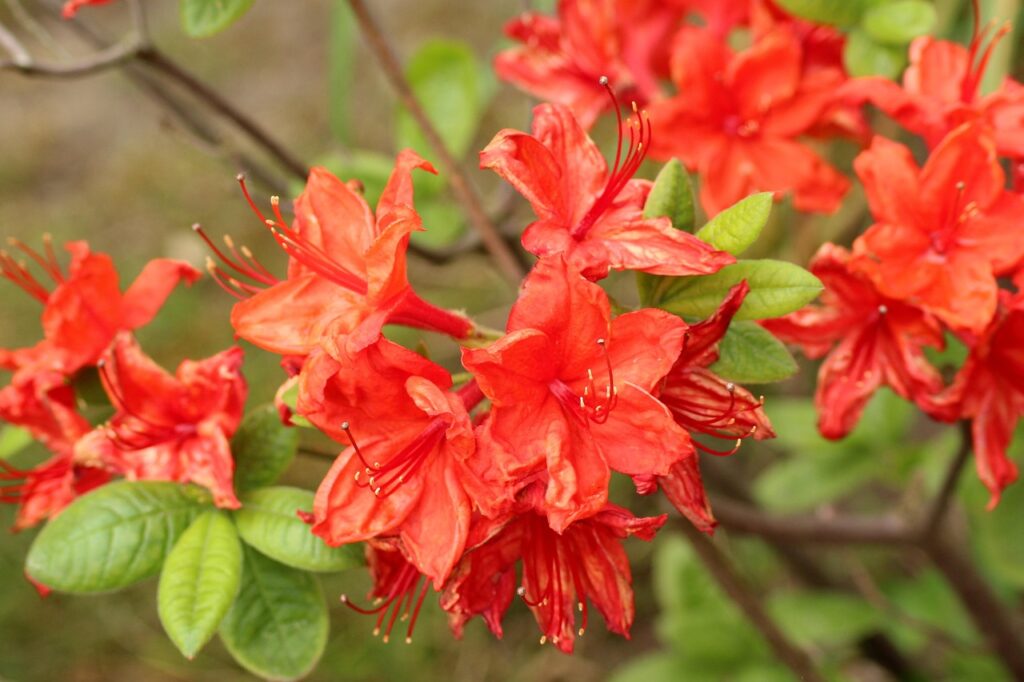
Within Section Pentanthera, modern taxonomy recognises two distinct subsections: subsect. Pentanthera and subsect. Sinensia. These subdivisions reflect evolutionary divergence, geographic separation, and subtle but consistent morphological differences. While both share the core traits of deciduous growth and five-lobed flowers, each subsection represents a separate lineage with its own ecological and structural tendencies.
For clarity and focus, this guide highlights one representative species per subsection. This approach allows for deeper analysis without overextending into a full species catalogue. Additional candidates may be explored and added in future updates as research and practical experience expand.
Rhododendron subsect. Pentanthera
Focus species: Rhododendron luteum
Subsection Pentanthera comprises the majority of the North American deciduous azaleas, along with Rhododendron luteum, which occupies a unique Eurasian position within the group. Species in this subsection are characterised by strong fragrance, bold flower colouration, and robust seasonal behaviour.
Rhododendron luteum, commonly known as the yellow azalea or honeysuckle azalea, is notable for its intensely fragrant yellow flowers and upright, shrub-like growth habit. Native to the Caucasus region and parts of Asia Minor, it represents an ancient lineage that bridges Eurasian and North American elements of Section Pentanthera.
From a structural perspective, R. luteum tends to develop strong basal growth and relatively coarse branching, traits that reflect its adaptation to open woodland and scrub habitats. These characteristics make it particularly useful as a reference species when comparing morphological boundaries within subsect. Pentanthera.
Rhododendron subsect. Sinensia
Focus species: Rhododendron japonicum
Subsection Sinensia includes East Asian species that diverged early from their North American counterparts. This group is smaller in number but taxonomically significant due to its geographic isolation and distinct ecological context.
Rhododendron japonicum is native to Japan, where it occurs in open woodlands and grassland margins. It is best known for its vivid orange to red flowers and relatively compact, rounded growth habit compared to many North American species.
Morphologically, R. japonicum often displays finer branching and slightly denser growth, reflecting adaptation to different light and moisture regimes. Its inclusion in subsect. Sinensia highlights the evolutionary breadth of Section Pentanthera and underscores the section’s transcontinental history.
How viable is Section Pentanthera as bonsai candidates?
As a whole, Section Pentanthera is not traditionally regarded as an ideal group for bonsai, primarily due to its deciduous habit, relatively large leaves, and vigorous seasonal growth. However, select species may offer limited exploratory potential when approached with realistic expectations.
Rhododendron luteum presents challenges due to coarse branching and strong apical growth, making refinement difficult over time. Rhododendron japonicum, with its somewhat finer structure and seasonal interest, may offer marginally better prospects, particularly for growers focused on floral display rather than miniature scale.
At present, these species are best viewed as experimental or educational bonsai candidates rather than reliable subjects. Any inclusion within a bonsai context should prioritise botanical integrity and long-term plant health over stylistic convention. Should additional species demonstrate improved suitability in the future, they can be evaluated and incorporated accordingly.
Section Pentanthera in Horticulture, Conservation, and Bonsai Contexts
Section Pentanthera occupies a unique position within the genus Rhododendron, bridging botanical significance, horticultural value, and more specialised growing interests. Its species are widely respected for their ornamental appeal, ecological adaptation, and evolutionary clarity, making the section important well beyond its popularity in gardens.
In horticulture, Section Pentanthera forms the foundation of many cultivated deciduous azaleas. Their vibrant spring flowers, frequent fragrance, autumn colour, and generally good tolerance of sun and heat have made them valuable parents in breeding programmes. Compared to many evergreen rhododendrons, these species are often more adaptable to a wider range of temperate climates, increasing their long-term garden relevance.
From a conservation perspective, several Section Pentanthera species are closely tied to specific habitats, such as wetlands, woodland margins, or regional soil types. Habitat loss, altered fire regimes, and climate change pose ongoing risks to local populations. Accurate taxonomy is therefore critical, not only for scientific clarity but also for effective conservation planning, seed banking, and habitat restoration efforts.
Within bonsai contexts, Section Pentanthera remains a peripheral but intriguing group. While not naturally predisposed to traditional bonsai refinement, its strong seasonal rhythm, floral impact, and deciduous character offer educational value and limited experimental potential. Any bonsai exploration should be approached conservatively, with an emphasis on understanding the plant’s natural growth cycle rather than forcing stylistic outcomes.
Overall, Section Pentanthera is best appreciated first as a coherent taxonomic group shaped by evolution and environment. Its horticultural success and conservation importance far outweigh its niche role in bonsai, yet its inclusion within a bonsai-focused taxonomy guide reflects the broader goal of understanding plants holistically, from classification and ecology to cultivation and long-term stewardship.