
Rhododendron Section Ponticum represents one of the largest and most structurally important groups within the genus Rhododendron. Positioned within the subgenus Hymenanthes, this section brings together a vast and diverse collection of elepidote rhododendrons, species that lack the leaf scales found in lepidote groups and instead rely on thicker foliage, indumentum, and robust woody growth.
Comprising more than 20 recognised subsections and well over a hundred species, Section Ponticum spans an extraordinary geographic and ecological range. Its members are found from the Himalayas and East Asia to Europe and North America, occupying environments that include alpine slopes, cloud forests, temperate woodlands, and mountainous valleys. This wide distribution has resulted in immense variation in leaf size, flower form, growth habit, and cold tolerance.
From towering tree rhododendrons to compact shrubs with dramatic foliage and flowers, Section Ponticum plays a central role in both botanical classification and horticultural development. Many well-known garden rhododendrons trace their lineage to this section, while others remain rare, regional, or poorly represented in cultivation.
This taxonomy guide explores the defining characteristics, evolutionary context, and internal structure of Rhododendron Section Ponticum, with a clear breakdown of its subsections and species diversity. Where relevant, it also considers the section’s relationship to horticulture and bonsai, highlighting why this group remains one of the most studied and significant divisions within the genus.
Table of Contents
Taxonomy
– Kingdom: Plantae (Plant Kingdom)
— Clade: Embryophytes (Land Plants)
— Clade: Polysporangiophytes (Multiple Sporangia)
—- Clade: Tracheophytes (Vascular Plants)
—– Superdivision: Spermatophytes (Seed Plants)
—— Clade: Angiospermae (Flowering Plants)
——- Division: Eudicots (True Dicotyledons)
——– Subdivision: Core Eudicots
——— Class: Superasterids (Advanced Flowering Plants)
———- Subclass: Asterids (Unified-Flowering Plants)
———– Order: Ericales (Heath and Tea)
———— Family: Ericaceae (Heath)
————- Subfamily: Ericoideae (Heath)
————– Tribe: Rhodoreae (Rhododendron)
————— Genus: Rhododendron
————— Subgenus: Hymenanthes (Elepidote Rhododendrons)
—————- Section: Ponticum (Elepidote Rhododendrons)
What Is Rhododendron Section Ponticum?
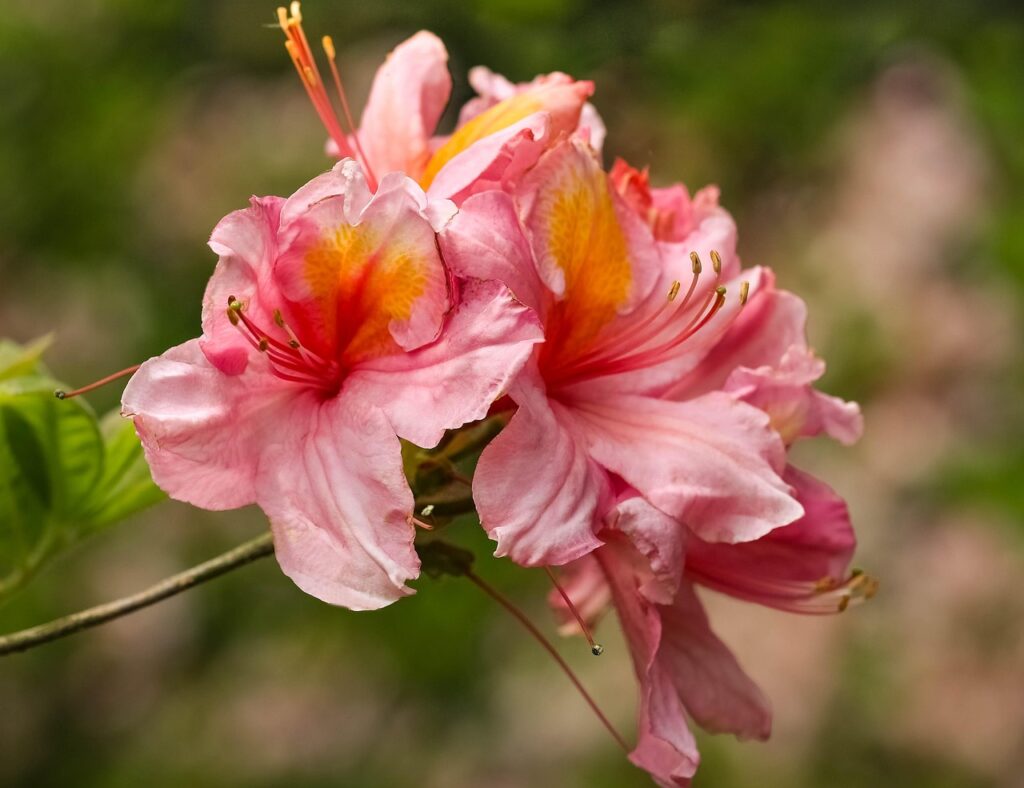
Rhododendron Section Ponticum is a major taxonomic division within the genus Rhododendron, belonging to the subgenus Hymenanthes. It comprises a large group of elepidote rhododendrons, meaning species that lack the small leaf scales (lepidote scales) found in other sections of the genus. Instead, members of Section Ponticum are characterised by thicker leaves, prominent indumentum, and generally more robust woody growth.
This section is one of the most species-rich within Rhododendron, encompassing more than twenty recognised subsections and over a hundred species. These range from compact shrubs to large, tree-form rhododendrons, making Section Ponticum exceptionally diverse in structure, size, and ecological adaptation.
Botanically, Section Ponticum is significant because it represents a major evolutionary line within the genus. Many of its species display adaptations to mountainous and forested environments, including thick evergreen foliage, cold tolerance, and large, showy flowers that are often clustered in terminal trusses. These traits have contributed to the section’s importance in both natural ecosystems and cultivated landscapes.
Within horticulture and botanical literature, Section Ponticum serves as a foundational group. Numerous well-known garden rhododendrons, as well as historically important breeding lines, originate from species within this section. At the same time, many of its members remain rare, geographically restricted, or largely unknown outside their native habitats.
Understanding what defines Rhododendron Section Ponticum provides essential context for exploring its internal structure, subsections, and species diversity, as well as its broader role within rhododendron taxonomy as a whole.
Taxonomic Placement of Section Ponticum Within Subgenus Hymenanthes
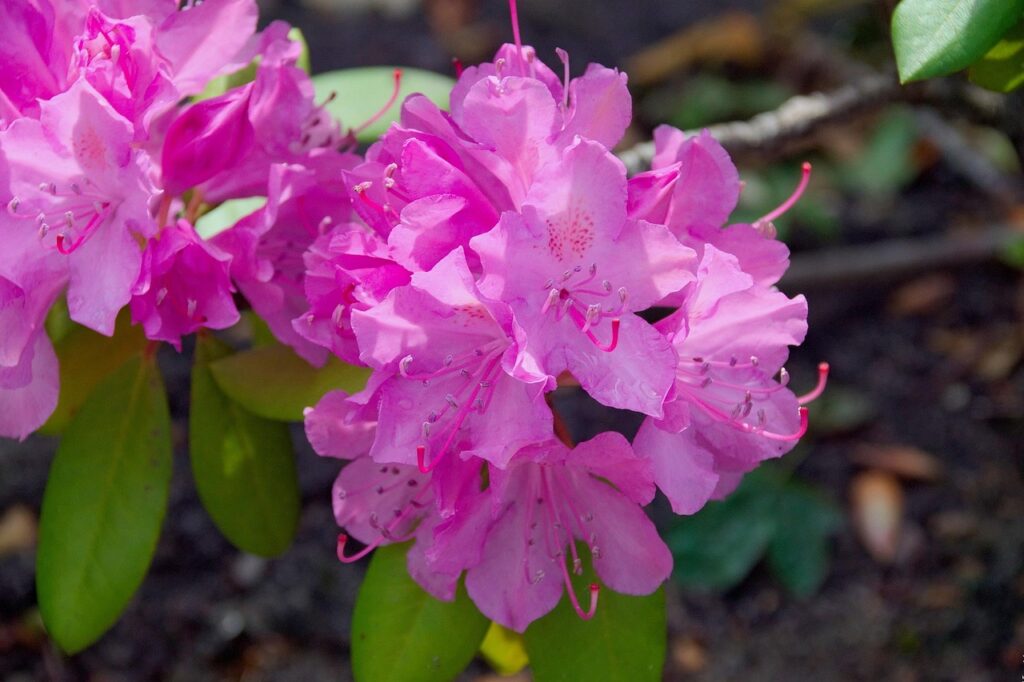
Rhododendron Section Ponticum is formally placed within subgenus Hymenanthes, a major evolutionary branch of the genus Rhododendron that is defined primarily by its elepidote leaf structure. Species within this subgenus lack the scaly leaf surfaces typical of lepidote rhododendrons and instead exhibit smooth, leathery foliage that is often reinforced by dense indumentum.
Subgenus Hymenanthes contains two principal sections: Section Ponticum and Section Pentanthera. Together, these sections represent the core of the elepidote rhododendrons and account for many of the largest, most structurally complex species within the genus. Section Ponticum is by far the larger and more diverse of the two, encompassing dozens of subsections and the majority of evergreen elepidote species.
Within this taxonomic framework, Section Ponticum is distinguished by its predominantly evergreen habit, woody growth forms, and broad geographic distribution across Eurasia and parts of North America. In contrast, Section Pentanthera primarily contains deciduous azaleas, a distinction that reinforces both morphological and ecological separation between the two sections despite their shared subgeneric placement.
Historically, the internal classification of Section Ponticum has undergone repeated revision as new species were described and phylogenetic research improved. Modern taxonomy recognises the section as a complex assemblage divided into numerous subsections based on leaf indumentum, flower structure, growth habit, and geographic origin. These subsections provide a practical framework for managing the immense diversity contained within Section Ponticum while maintaining its placement as a coherent evolutionary group within Hymenanthes.
This taxonomic position highlights Section Ponticum’s importance not only as a botanical grouping, but as a structural backbone of the elepidote rhododendrons within the wider genus.
Evolutionary Origins and Botanical History of Section Ponticum
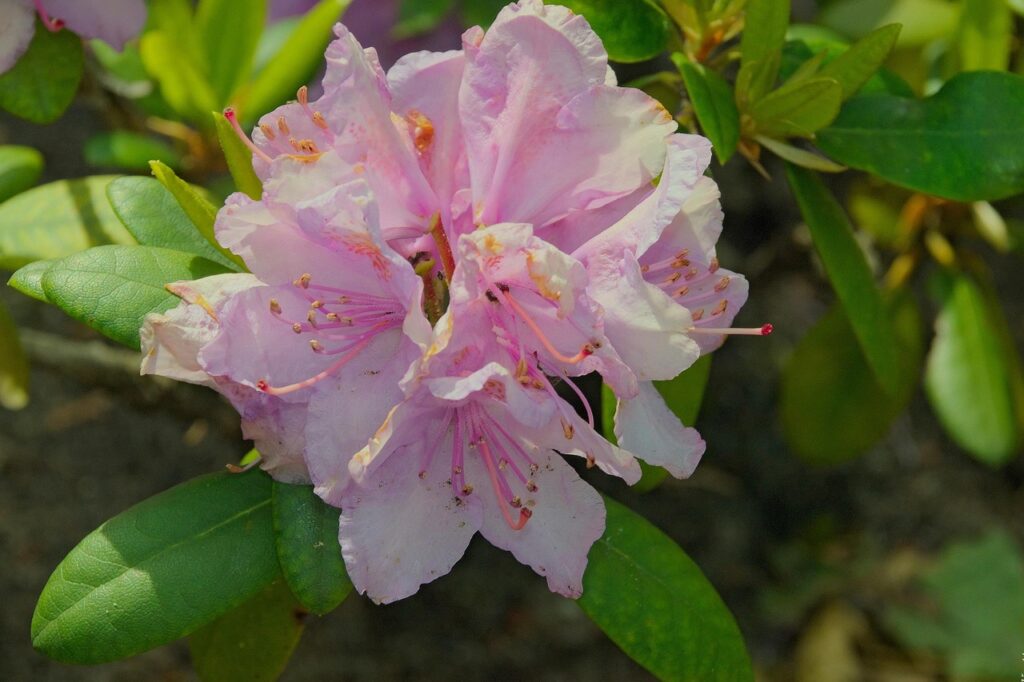
Section Ponticum represents one of the most ancient and evolutionarily complex lineages within the genus Rhododendron. Its diversity, wide geographic spread, and deep morphological variation suggest a long evolutionary history shaped by tectonic shifts, climatic change, and isolation across mountain systems in Eurasia and beyond. Understanding its origins provides essential context for the remarkable complexity seen in its modern subsections.
Origins Within the Elepidote Lineage
The evolutionary roots of Section Ponticum lie within the early divergence of elepidote rhododendrons. As scale-bearing lepidote species evolved along one path, elepidote rhododendrons developed thicker leaves, reinforced tissues, and indumentum-based protection. These traits allowed ancestral Ponticum species to occupy cooler, wetter, and more variable environments, particularly in montane regions.
Influence of Himalayan and East Asian Uplift
The uplift of the Himalayas and associated mountain systems played a decisive role in the diversification of Section Ponticum. As elevation increased and climates fragmented, populations became isolated across valleys, slopes, and plateaus. This isolation drove rapid speciation, particularly in regions such as southwestern China, the eastern Himalayas, and northern Indochina, which remain global centres of Ponticum diversity today.
Glacial Cycles and Geographic Expansion
Pleistocene glacial cycles further shaped the evolutionary trajectory of Section Ponticum. Advancing and retreating ice sheets repeatedly compressed and expanded habitable zones, forcing species into refugia and later allowing recolonisation. These cycles explain the presence of closely related species across distant regions, including Europe, East Asia, and North America, particularly within the Pontica subsection.
Early Botanical Discovery and Classification
European awareness of Section Ponticum began with early botanical exploration in the Caucasus, Asia Minor, and the Himalayas during the eighteenth and nineteenth centuries. Species such as Rhododendron ponticum and Rhododendron arboreum were among the first elepidote rhododendrons formally described, establishing the foundation for later sectional classification.
As exploration intensified, especially in China and the eastern Himalayas, botanists encountered an overwhelming number of new forms. This led to the subdivision of Section Ponticum into numerous subsections, reflecting the need to manage its exceptional species richness within a coherent taxonomic structure.
Modern Phylogenetic Perspectives
Contemporary molecular studies have largely supported the traditional placement of Section Ponticum within subgenus Hymenanthes, while also revealing complex evolutionary relationships between its subsections. Genetic evidence suggests multiple radiations rather than a single linear expansion, reinforcing the idea that Section Ponticum is best understood as a dynamic evolutionary mosaic rather than a uniform lineage.
Defining Elepidote Characteristics of Section Ponticum
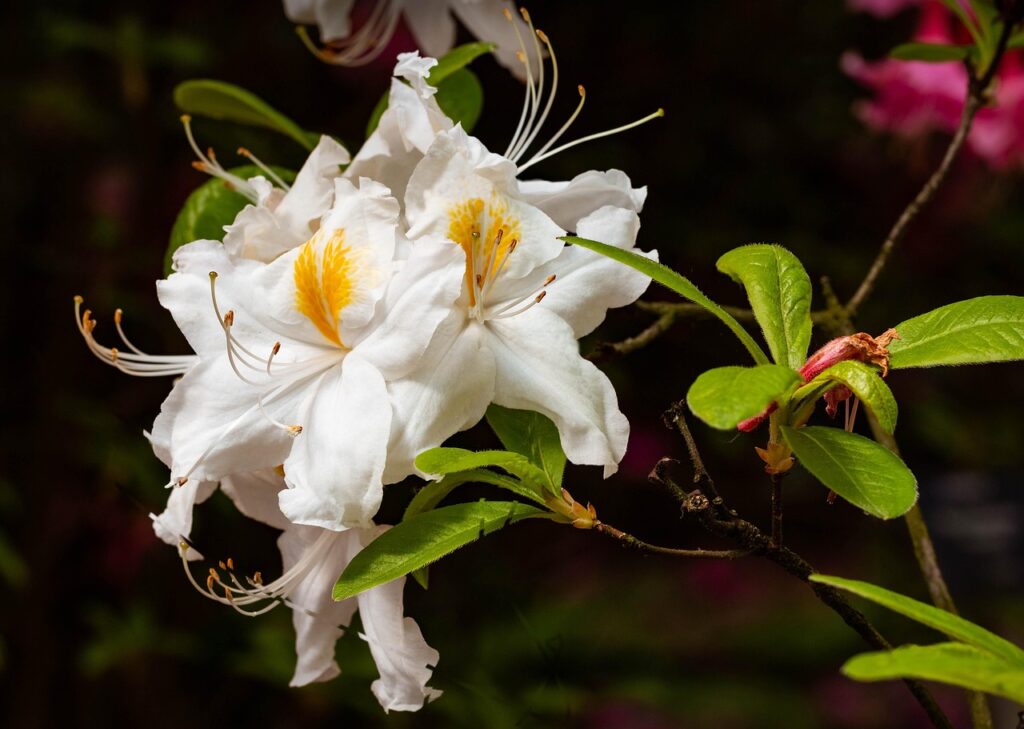
Section Ponticum is defined by a set of morphological traits that distinguish its members from lepidote rhododendrons and other groups within the genus. These characteristics are closely linked to the elepidote condition and reflect long-term adaptation to forested and mountainous environments. Together, they form the structural foundation that underpins the diversity of growth forms seen throughout the section, from massive tree rhododendrons to compact shrubs occasionally explored as bonsai trees.
Absence of Lepidote Scales
The defining feature of elepidote rhododendrons in Section Ponticum is the absence of lepidote scales on the leaves and young stems. Unlike lepidote species, which display visible scale structures on the leaf surface, Ponticum species rely on alternative protective adaptations such as thicker cuticles, leathery leaf tissue, and indumentum. This distinction forms the primary taxonomic basis for separating elepidote and lepidote rhododendrons.
Leaf Texture, Thickness, and Longevity
Leaves in Section Ponticum are typically large, thick, and evergreen, with a coriaceous texture that provides durability in cool, moist, and often high-altitude environments. Many species retain their foliage for multiple years, contributing to steady photosynthesis and structural mass. These traits influence how some smaller species or juvenile specimens respond to long-term container cultivation, including experimental use in bonsai settings.
Indumentum and Protective Hairs
Rather than scales, many Ponticum species develop indumentum in the form of hairs, felted layers, or tomentose coverings on the underside of leaves, stems, or buds. The colour, density, and texture of this indumentum vary widely across subsections and are often key diagnostic features. Indumentum provides insulation, reduces moisture loss, and offers protection against cold and intense sunlight.
Woody Structure and Growth Habit
Section Ponticum includes some of the most robust growth forms within Rhododendron, ranging from shrubs to large trees. Strong lignified stems, substantial trunk development, and wide branching structures are common. While many species are unsuitable for miniaturisation, this inherent woody strength is one reason select species have occasionally attracted interest among bonsai enthusiasts seeking unconventional broadleaf evergreen bonsai trees.
Flower Trusses and Reproductive Traits
Flowers in Section Ponticum are usually borne in terminal trusses and are often large, fleshy, and visually dominant. Corolla shapes, colouration, and spotting patterns vary greatly between subsections, but the overall reproductive structure reflects a shared evolutionary origin. These floral traits, while primarily taxonomic, also influence aesthetic evaluation in ornamental horticulture and limited bonsai experimentation.
Leaf Structure, Indumentum, and Growth Habits in Section Ponticum
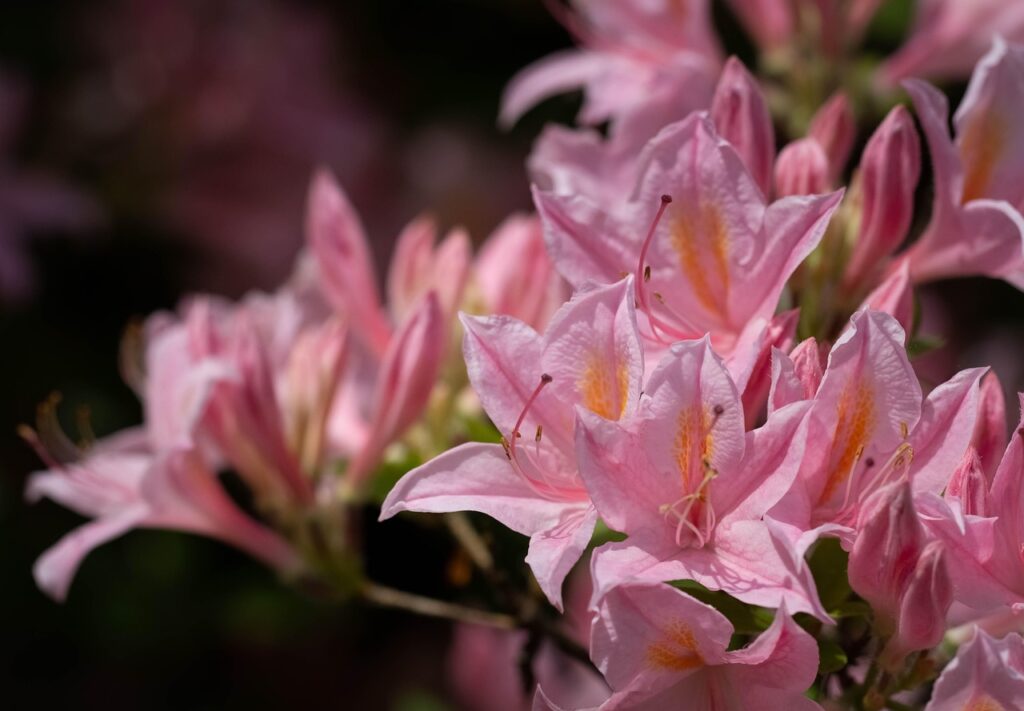
The extraordinary diversity within Section Ponticum is expressed most clearly through variations in leaf structure, indumentum, and growth habit. While united by elepidote characteristics, species within this section display a wide range of adaptations that reflect their geographic distribution and ecological niches. These traits are central to both taxonomic identification and understanding how different species respond to cultivation, including limited interest in bonsai and container-grown forms.
Leaf Size, Shape, and Surface Characteristics
Leaves in Section Ponticum vary dramatically in size and shape, ranging from small, elliptic forms to massive, elongated blades exceeding several tens of centimetres in length. Most species exhibit thick, leathery leaves with smooth upper surfaces and reinforced margins. Leaf shape, venation patterns, and petiole length are frequently used as diagnostic markers when distinguishing between closely related subsections and species.
Indumentum Types and Distribution
Indumentum plays a critical role in Section Ponticum and is one of the most important features for subsection classification. The underside of leaves may be covered in felted, woolly, silky, or bristly hairs, often in shades of brown, rust, silver, or pale yellow. The presence, density, and persistence of indumentum vary not only between subsections but sometimes between juvenile and mature growth, adding further complexity to identification.
Buds, Shoots, and Seasonal Growth Patterns
Vegetative and floral buds in Section Ponticum are typically large and well-protected, often enclosed by thick bud scales or dense hairs. Growth is generally seasonal, with strong flushes occurring in response to favourable temperature and moisture conditions. Many species produce substantial annual extension growth, contributing to their rapid development into shrubs or trees rather than compact forms.
Growth Habits and Structural Form
Section Ponticum encompasses a broad spectrum of growth habits, including low-growing shrubs, upright multi-stemmed forms, and large single-trunked trees. Branching patterns tend to be coarse, with long internodes and strong apical dominance in many species. These structural traits explain why only a small subset of Ponticum species are ever considered for bonsai, as most naturally favour expansive growth and large-scale architecture.
Ecological Adaptations and Longevity
The combination of thick leaves, protective indumentum, and woody structure allows Section Ponticum species to thrive in demanding environments such as alpine forests, cloud-covered slopes, and cool temperate woodlands. Many species are long-lived, forming stable components of their native ecosystems over decades or centuries. This longevity and resilience contribute to the section’s prominence in both natural habitats and botanical collections.
Flower Structure, Reproductive Traits, and Hybridisation in Section Ponticum
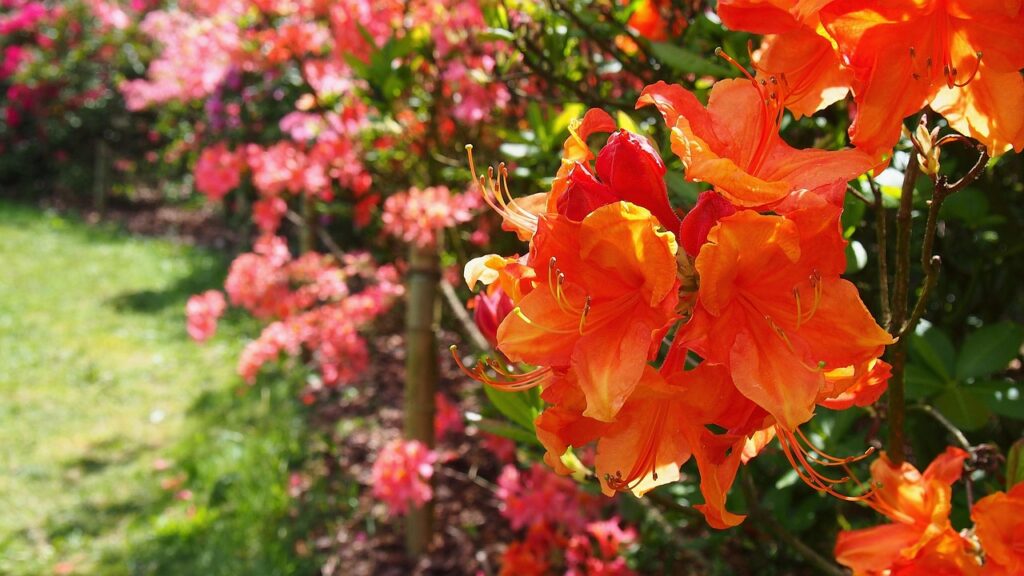
Flower morphology and reproductive behaviour are central to understanding the diversity and evolutionary success of Section Ponticum. While united by their elepidote classification, species within this section display considerable variation in floral structure, pollination strategies, and hybridisation potential. These traits have played a key role in both natural speciation and the historical development of cultivated rhododendrons.
Floral Architecture and Truss Formation
Flowers in Section Ponticum are typically borne in prominent terminal trusses, often consisting of multiple large, fleshy blooms emerging simultaneously. Individual flowers usually feature thick corolla lobes and sturdy pedicels, reflecting adaptation to cool, moist environments and animal pollination. Corolla shapes range from bell-shaped and funnel-shaped to more open forms, with size and symmetry varying widely between subsections.
Colouration, Markings, and Nectar Guides
The colour palette within Section Ponticum is broad, encompassing whites, creams, yellows, pinks, reds, purples, and bi-coloured forms. Many species exhibit distinctive throat markings, blotches, or spotting patterns that act as nectar guides for pollinators. These visual cues are often consistent within subsections and are used as supporting diagnostic characters in taxonomic classification.
Pollination Strategies and Reproductive Biology
Most Section Ponticum species are adapted for pollination by insects, particularly bees, although birds and other pollinators play a role in certain regions. Floral scent, nectar production, and flower orientation contribute to successful cross-pollination. Many species are self-incompatible, encouraging genetic diversity through outcrossing and reducing the likelihood of inbreeding within isolated populations.
Hybridisation and Natural Introgression
Hybridisation occurs naturally within Section Ponticum where the ranges of closely related species overlap. In regions of high diversity, particularly in the Himalayas and southwestern China, natural hybrids can form complex transitional populations that blur taxonomic boundaries. This introgression has contributed significantly to the morphological variation observed within the section and has complicated species delimitation.
Role in Cultivated Hybrids
Section Ponticum has been foundational in the development of many cultivated rhododendron hybrids. Species with large flowers, strong growth, and cold tolerance were historically favoured by breeders, leading to extensive artificial hybridisation. While hybridisation is more relevant in horticultural contexts, its genetic legacy is rooted in the natural reproductive flexibility of Section Ponticum species.
Geographic Distribution and Natural Habitats of Section Ponticum
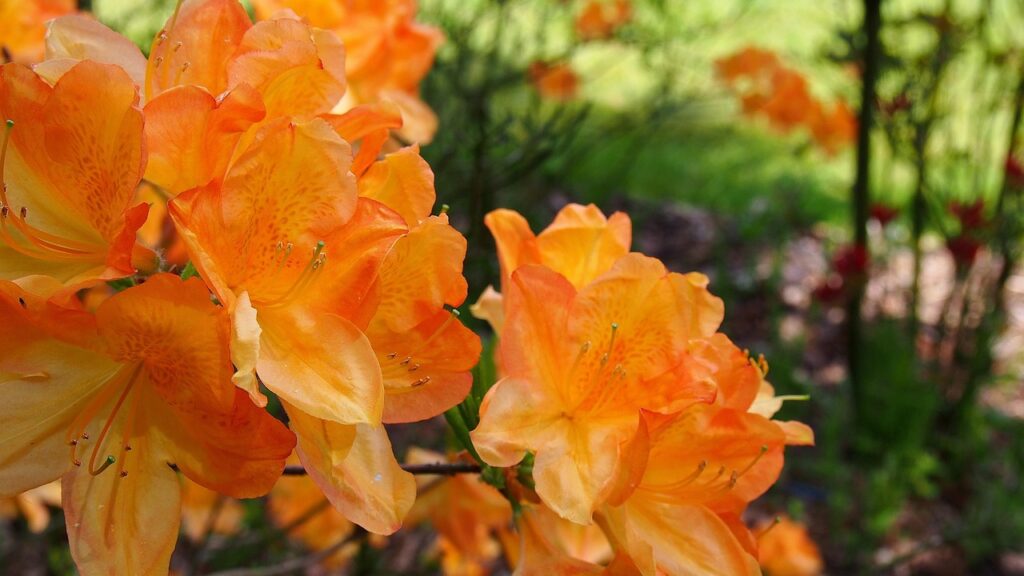
Section Ponticum exhibits one of the broadest geographic ranges within the genus Rhododendron, reflecting its long evolutionary history and capacity to adapt to varied climatic and ecological conditions. Species within this section are distributed across Eurasia and North America, with major centres of diversity concentrated in mountainous regions where elevation, moisture, and temperature create stable yet fragmented habitats.
The greatest species richness occurs in East Asia, particularly in southwestern China and the eastern Himalayas. These regions provide complex topography and climatic gradients that have promoted speciation and long-term isolation. Many Ponticum species are endemic to narrow ranges within these mountain systems, often restricted to single valleys, ridgelines, or forest zones.
Key geographic regions associated with Section Ponticum include:
- The Himalayas, extending through Nepal, Bhutan, northern India, and Tibet, where numerous tree and shrub species occupy montane forests and alpine margins.
- Southwestern and central China, especially Sichuan, Yunnan, Guizhou, and Xizang, which represent the global epicentre of subsectional diversity.
- East Asia, including Japan, Korea, and Taiwan, home to both widespread and regionally endemic species.
- Europe and the Caucasus, where a smaller number of species, such as Rhododendron ponticum, occur in temperate forest environments.
- North America, where select Ponticum species inhabit moist woodlands and mountainous regions of the eastern and western United States.
Natural habitats of Section Ponticum are closely tied to cool, humid conditions and well-drained acidic soils. Species commonly occur in:
- Montane and subalpine forests
- Cloud forests and mist-laden slopes
- Forest edges and sheltered ravines
- High-altitude shrublands and alpine transition zones
Many species are adapted to environments with high rainfall, persistent fog, and moderate temperatures, often thriving under forest canopies or along mountain slopes where moisture is retained year-round. These ecological preferences explain both the prominence of Section Ponticum in mountain ecosystems and the challenges associated with cultivating many of its members outside their native ranges.
The extensive geographic spread and habitat specialisation of Section Ponticum underscore its importance as a major evolutionary lineage within Rhododendron, linking temperate forests across continents through shared botanical ancestry.
Subsections and Species Diversity Within Section Ponticum
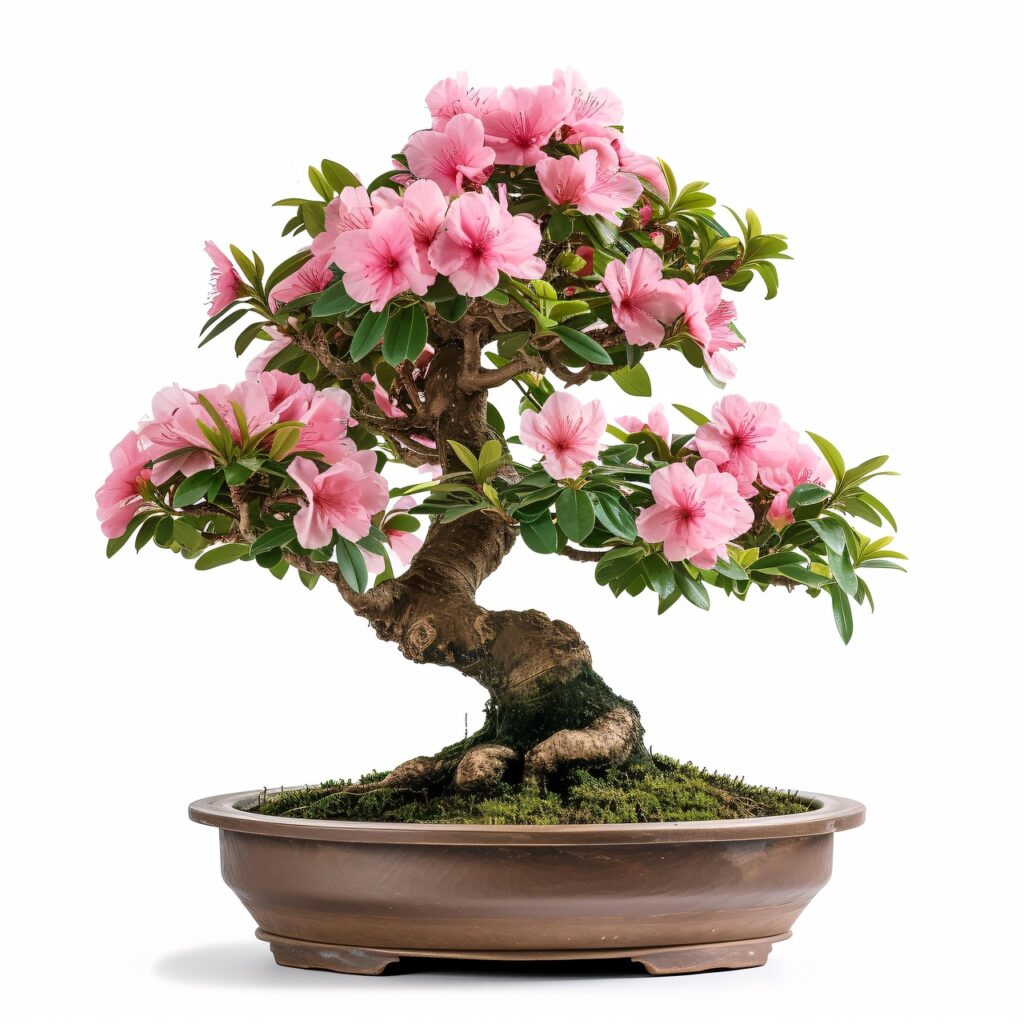
Section Ponticum is one of the most diverse and structurally complex divisions within the genus Rhododendron. It encompasses more than twenty recognised subsections and well over a hundred species, ranging from compact shrubs to towering tree rhododendrons. This extraordinary diversity reflects the section’s wide geographic distribution and long evolutionary history across Asia, Europe, and North America.
To manage this complexity, Section Ponticum is subdivided into multiple taxonomic subsections, each grouping species that share key traits such as leaf structure, indumentum type, flower form, and growth habit. These subsections provide an essential framework for understanding relationships within the section and for distinguishing between closely related species that may otherwise appear similar.
Recognised subsections within Rhododendron Section Ponticum include:
- Arborea
- Argyrophylla
- Barbata
- Campanulata
- Campylocarpa
- Falconera
- Fortunea
- Fulgensia
- Fulva
- Glischrum
- Grandia
- Griersoniana
- Irrorata
- Lanata
- Maculifera
- Neriiflora
- Parishia
- Pontica
- Selensia
- Taliensia
- Thomsonia
- Venatora
- Williamsiana
Not all subsections are equally represented in cultivation, and many contain species that are rare, regionally endemic, or poorly documented outside their native habitats. As a result, comprehensive coverage of every subsection is neither practical nor necessary for applied horticultural study.
For the purposes of this bonsai taxonomy series, not every subsection within Section Ponticum will be explored in detail. Our focus is on developing in-depth care sheets for selected Rhododendron species that demonstrate strong potential as a bonsai tree. Each species will be discussed within the context of the subsection to which it belongs, ensuring taxonomic accuracy while avoiding unnecessary complexity.
Subsection-level pages will therefore be created only where relevant species are featured, allowing this taxonomy guide to remain both scientifically grounded and practically useful as the series expands.
Are Any Species in Section Ponticum Viable as Bonsai?
In general, most species within Section Ponticum are not well suited to bonsai. This section is dominated by large shrubs and tree-form rhododendrons that naturally develop coarse branching, long internodes, thick leaves, and strong apical dominance. These traits make size control, fine ramification, and long-term container restriction difficult, even for experienced growers.
Many Ponticum species also require cool, humid mountain conditions and acidic, well-drained soils to remain healthy. When combined with their natural growth scale, these environmental needs further limit their practicality as bonsai trees. As a result, Section Ponticum is rarely represented in traditional bonsai collections when compared to lepidote rhododendrons or azalea groups.
That said, there are exceptions.
One species that has shown genuine potential is Rhododendron degronianum, a member of subsection Pontica. Native to Japan, this species exhibits comparatively smaller leaves, a more compact growth habit, and a tolerance for pruning and container cultivation that sets it apart from many of its relatives. These characteristics make it one of the few Section Ponticum species that can be realistically explored as a bonsai tree rather than a purely experimental specimen.
Within this bonsai taxonomy series, Rhododendron degronianum will serve as the primary reference point for Section Ponticum. Its care sheet and species guide will be developed in detail within the context of subsection Pontica, maintaining both horticultural accuracy and taxonomic clarity.
As research and cultivation experience evolve, additional Section Ponticum species may be evaluated and added to the series where justified. Any future inclusions will be introduced selectively, based on demonstrated bonsai viability rather than theoretical suitability.
Section Ponticum in Horticulture, Conservation, and Bonsai Contexts
Section Ponticum occupies a unique and influential position within the genus Rhododendron, bridging botanical significance, horticultural legacy, and ongoing conservation challenges. Its immense species diversity, structural range, and wide geographic distribution have made it one of the most studied and cultivated elepidote groups, while also highlighting the fragility of many of its native populations.
In horticulture, Section Ponticum has played a foundational role in the development of modern rhododendron cultivation. Numerous garden rhododendrons trace their lineage to Ponticum species valued for their impressive flowers, evergreen foliage, and climatic resilience. At the same time, the very traits that make many species desirable in landscapes also contribute to their limited suitability for container culture or size-restricted environments.
From a conservation perspective, Section Ponticum includes a significant number of species that are rare, endemic, or threatened by habitat loss, climate change, and human activity. Many taxa are confined to narrow mountain ranges or isolated forest systems, making accurate taxonomy and documentation essential for effective conservation planning. Botanical gardens and specialist collections continue to play an important role in preserving genetic diversity within this section.
Within a bonsai context, Section Ponticum remains a specialised and selective field. The majority of species are poorly suited to bonsai due to their natural scale and growth habits. However, a small number of exceptions, most notably Rhododendron degronianum, demonstrate that meaningful bonsai exploration is possible when species selection is guided by botanical understanding rather than aesthetic ambition alone.
For this bonsai taxonomy series, Section Ponticum serves as a reminder that not every plant must be miniaturised to be valued. By grounding bonsai practice in taxonomy, ecology, and conservation awareness, this guide aims to highlight species with genuine potential while respecting the natural form and ecological importance of the wider section.
As further research and cultivation experience emerge, this section will continue to evolve, balancing scientific accuracy with practical insight across horticulture, conservation, and bonsai traditions.