
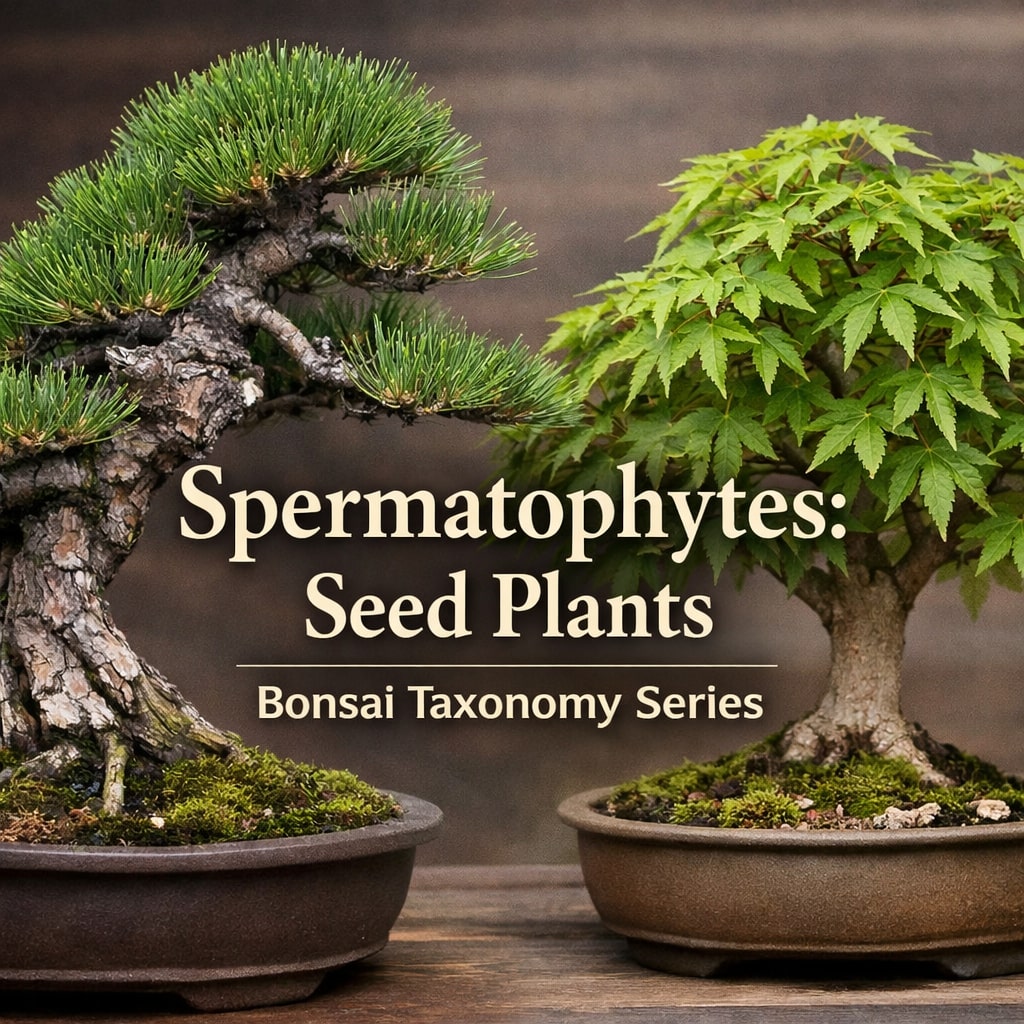
Spermatophytes form the foundation of almost all traditional and modern bonsai. Also known as seed plants, spermatophytes include the vast majority of trees and shrubs that bonsai practitioners work with, from pines and junipers to maples, elms, and fruiting species.
Understanding spermatophytes helps bonsai enthusiasts make better decisions about species selection, care, and long-term development. Unlike ferns, mosses, or algae, spermatophytes reproduce through seeds, giving them structural strength, woody growth, and longevity that are essential for bonsai cultivation.
In this guide, we explore what spermatophytes are, how seed plants are classified, and why spermatophytes play such a central role in bonsai art. From gymnosperms and angiosperms to practical growing and identification tips, this article focuses on spermatophytes from a clear, hands-on bonsai perspective.
Table of Contents
Taxonomy
– Kingdom: Plantae (Plant Kingdom)
— Clade: Embryophytes (Land Plants)
— Clade: Polysporangiophytes (Multiple Sporangia)
—- Clade: Tracheophytes (Vascular Plants)
—– Superdivision: Spermatophytes (Seed Plants)
What are spermatophytes?
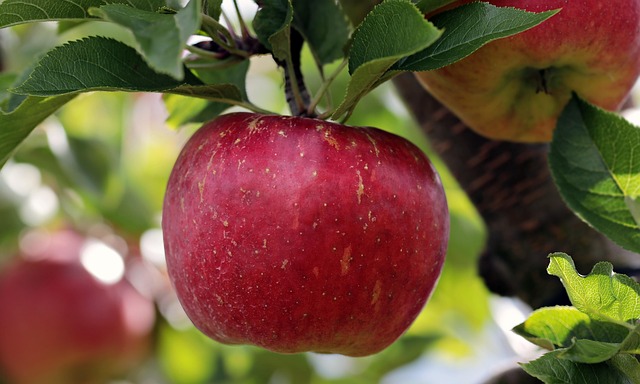
Spermatophytes are plants that reproduce using seeds. The term spermatophytes refers to a large group of land plants commonly known as seed plants, which include most trees, shrubs, and woody species used in bonsai.
Unlike plants such as mosses, ferns, and algae, spermatophytes do not rely on spores for reproduction. Instead, they produce seeds that contain an embryo, stored energy, and a protective outer layer. This reproductive system allows spermatophytes to survive harsher conditions, spread more effectively, and develop into long-living, structurally complex plants.
From a bonsai perspective, spermatophytes are especially important because seed plants are capable of forming woody trunks, branches, and root systems that respond well to pruning, wiring, and long-term training. This is why nearly all classic and modern bonsai species belong to the spermatophytes, making seed plants the backbone of bonsai cultivation.
Why spermatophytes matter in bonsai cultivation
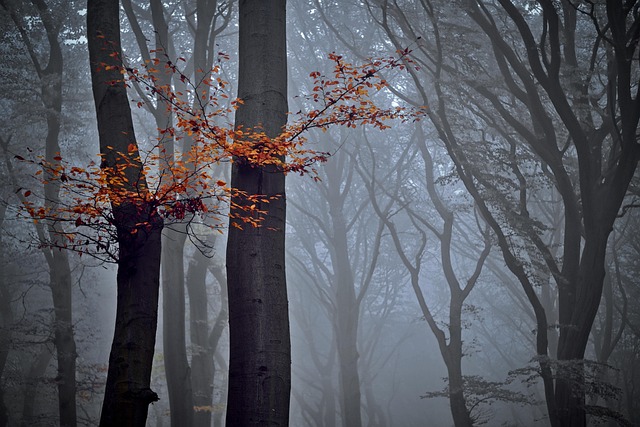
Spermatophytes matter in bonsai cultivation because they possess the structural characteristics required to create and maintain miniature trees over long periods of time. As seed plants, spermatophytes develop woody trunks, lignified branches, and durable root systems that can withstand repeated pruning, wiring, and environmental stress.
One of the key advantages of spermatophytes in bonsai is their growth response. Seed plants are able to back-bud, heal wounds, and redistribute energy after pruning, which allows bonsai artists to refine shape and structure gradually. This adaptability is essential when developing taper, ramification, and balanced proportions in a bonsai tree.
Spermatophytes also offer longevity, which is central to bonsai philosophy. Many seed plants used in bonsai can live for decades or even centuries when properly cared for. This long lifespan allows bonsai to evolve over time, developing character, texture, and maturity that cannot be achieved with non-seed plants. For these reasons, seed trees form the foundation of bonsai cultivation, from beginner material to advanced, exhibition-quality trees.
Major groups of spermatophytes
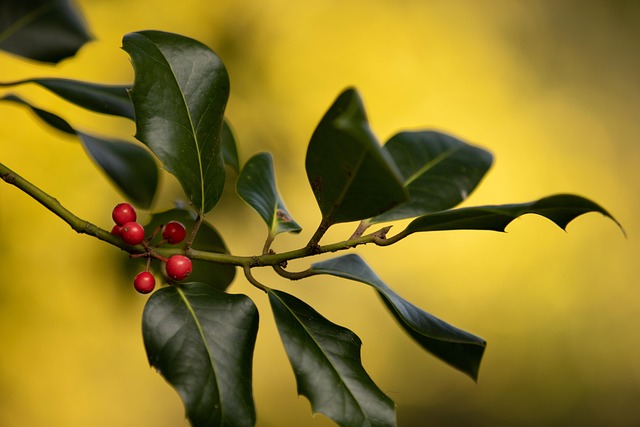
Spermatophytes are divided into two major groups based on how their seeds develop and are protected. These groups are gymnosperms and angiosperms, and both play an important role in bonsai cultivation.
Understanding these two groups helps bonsai enthusiasts choose suitable species and apply correct care techniques. While all spermatophytes are seed plants, gymnosperms and angiosperms differ significantly in growth habits, seasonal behaviour, and reproduction.
From a bonsai perspective, recognising whether a tree is a gymnosperm or an angiosperm influences everything from pruning timing and wiring techniques to watering and winter care. Together, these two groups of seed trees account for nearly all bonsai species used worldwide.
Gymnosperms (naked seed plants)
Gymnosperms are seed trees that produce seeds which are not enclosed within a fruit. Instead, their seeds are typically exposed on cones or similar structures. Common gymnosperms include conifers such as pines, junipers, spruces, and cypress, as well as more unusual seed plants like ginkgo.
From a bonsai perspective, gymnosperms are prized for their longevity, rugged appearance, and ability to convey age. Many gymnosperm bonsai develop thick bark, deadwood features, and strong trunk movement over time, making them ideal for traditional bonsai styles.
Gymnosperms generally grow more slowly than many angiosperms, but this slower growth allows for precise control and refinement. Because these seed trees retain foliage year-round in most cases, they also provide consistent structure and visual interest throughout the seasons.
Angiosperms (flowering seed plants)
Angiosperms are seed trees that produce seeds enclosed within a fruit. These seed plants include a vast range of trees and shrubs commonly used in bonsai, such as maples, elms, figs, olives, and fruiting species like apple and cherry.
In bonsai cultivation, angiosperms are valued for their variety and versatility. Many angiosperm bonsai offer seasonal interest through flowers, fruit, autumn colour, or leaf drop, allowing bonsai artists to express change and rhythm throughout the year.
Angiosperms often respond more quickly to pruning and shaping than gymnosperms. This makes them especially suitable for beginners and for bonsai artists who enjoy faster development and refinement. Together with gymnosperms, angiosperms complete the living spectrum of seed trees used in bonsai.
Evolution of spermatophytes in simple terms
The evolution of spermatophytes represents one of the most important developments in plant life on land. By understanding how seed plants evolved, bonsai practitioners gain insight into why seed trees behave the way they do and why they are so well-suited to long-term cultivation.
Life before seeds
Before seed trees evolved, early land plants reproduced using spores. These spore-producing plants, such as mosses and early ferns, depended heavily on moisture for reproduction. As a result, they were limited to damp environments and struggled to survive in drier or more variable climates.
Without seeds, these early plants had little protection for their offspring and limited ability to spread across large areas. This restricted their size, lifespan, and structural complexity.
The development of seeds
The emergence of seeds changed plant evolution dramatically. Seeds allowed spermatophytes to protect the developing plant embryo inside a durable outer layer, along with a stored food supply. This meant seed plants could survive harsh conditions such as drought, cold, or poor soil until conditions were right for growth.
This innovation gave seed trees a major advantage over non-seed plants. Seed plants could colonise new environments, grow larger, and develop woody structures that supported long-term survival.
Diversification into gymnosperms and angiosperms
Over millions of years, spermatophytes diversified into two major groups. Gymnosperms evolved first, producing exposed seeds and cone-bearing structures, while angiosperms later developed enclosed seeds within fruits and flowers.
This diversification explains the wide range of seed plants used in bonsai today. From ancient conifers to flowering deciduous trees, spermatophytes reflect a long evolutionary process favouring strength, adaptability, and longevity.
Why this evolution matters in bonsai
From a bonsai perspective, the evolutionary success of spermatophytes explains their suitability for shaping and training. Woody growth, seasonal cycles, and long lifespans are all products of seed plant evolution. These traits allow bonsai artists to work with living trees that mature slowly and respond predictably over time.
Spermatophytes vs non-seed plants in bonsai
Spermatophytes differ fundamentally from non-seed, spore-bearing plants (Lycophytes) in how they grow, reproduce, and respond to training. In bonsai cultivation, these differences determine which plants are suitable for long-term development and which are better used as supporting elements.
Seed trees produce woody trunks, branches, and roots that can be shaped and maintained over many years. They respond well to pruning, wiring, and root work, allowing bonsai artists to develop structure, taper, and ramification. This makes spermatophytes ideal for creating the illusion of mature trees in miniature form.
Non-seed plants such as mosses and ferns do not produce wood and rely on spores for reproduction. While they play an important role in bonsai displays, they are rarely used as the main subject. Instead, non-seed plants are often used as ground cover, accents, or companion plantings to enhance the overall presentation. In bonsai, seed trees provide the framework, while non-seed plants support the composition visually and naturally.
Growing bonsai from spermatophyte seeds
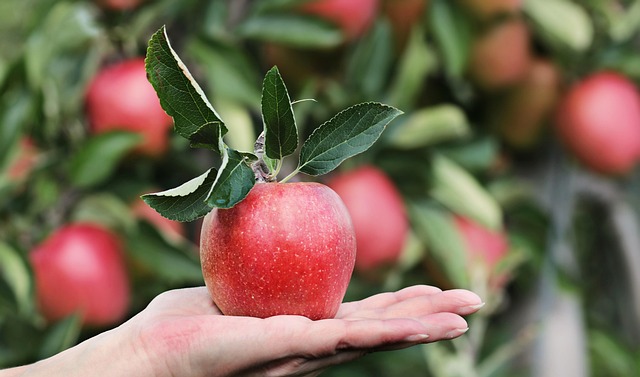
Growing bonsai from spermatophyte seeds is one of the most rewarding but time-intensive paths in bonsai cultivation. Because spermatophytes are seed plants, they allow bonsai enthusiasts to begin shaping a tree from its earliest stages, developing natural root spread, trunk movement, and structure over time.
Starting bonsai from seeds offers greater genetic variety and uniqueness compared to nursery stock or cuttings. Each seed trees develops their own characteristics, which can lead to more natural and expressive bonsai. However, this approach requires patience, as seed plants take many years to reach a stage suitable for advanced training.
From a care perspective, young seed trees require gentle handling. Early focus should be on healthy growth rather than shaping, allowing the seed plant to establish strong roots and a stable trunk. While slower than other methods, growing bonsai from spermatophyte seeds creates a deep connection between the artist and the tree, reinforcing the long-term philosophy at the heart of bonsai.
Identifying spermatophytes when choosing bonsai material
Identifying spermatophytes when choosing bonsai material is an important early skill for bonsai enthusiasts. Because spermatophytes are seed plants, they share visible traits that distinguish them from non-seed plants such as mosses and ferns. Recognising these traits helps ensure that the chosen plant is suitable for long-term bonsai development.
One of the easiest ways to identify seed trees is by observing how the plant reproduces. Seed plants produce cones, flowers, fruit, or visible seeds at some stage in their life cycle. Even when seeds are not present, characteristics such as woody stems, branching structure, and persistent buds indicate that a plant belongs to the spermatophytes.
Understanding whether a seed trees is a gymnosperm or an angiosperm further refines material selection. Gymnosperms typically have needle-like or scale foliage and produce cones, while angiosperms often have broad leaves and may flower or fruit. Correct identification allows bonsai practitioners to apply appropriate care techniques and training methods, making spermatophytes easier to manage and more rewarding as bonsai material.
Common mistakes beginners make with spermatophyte bonsai
Working with spermatophytes gives beginners access to the best plants for bonsai, but it also comes with common pitfalls. Understanding these mistakes early helps prevent frustration and long-term damage to seed plants in training.
Treating all spermatophytes the same
One of the most frequent mistakes is assuming that all seed trees require the same care. While all seed plants share core traits, gymnosperms and angiosperms behave very differently in terms of growth speed, pruning response, and seasonal cycles.
Applying the same watering, pruning, or wiring approach across all seed trees can weaken or even kill a bonsai. Learning the specific needs of each group is essential for healthy development.
Pruning or wiring too aggressively too early
Beginners often feel eager to shape their bonsai immediately, but young seed trees need time to establish strong roots and trunks. Over-pruning or heavy wiring too soon can slow growth and cause unnecessary stress.
Seed plants respond best when shaping is gradual. Allowing periods of free growth helps spermatophytes build energy reserves needed for long-term refinement.
Ignoring seasonal growth patterns
Many seed trees follow clear seasonal rhythms, especially deciduous angiosperms and temperate gymnosperms. Beginners sometimes prune or repot at the wrong time, disrupting natural growth cycles.
Understanding when a seed plant is actively growing versus resting helps bonsai practitioners work with the tree rather than against it.
Overwatering young spermatophytes
Overwatering is a common issue, particularly with seed-grown bonsai. While seed trees need consistent moisture, excessive watering can suffocate roots and lead to rot.
Learning to assess soil moisture and drainage is critical when working with young seed plants, especially in shallow bonsai containers.
Expecting quick results
Perhaps the most common mistake is expecting fast results from spermatophyte bonsai. Seed plants develop slowly, and meaningful character takes time to emerge.
Bonsai cultivation rewards patience. Understanding that seed trees evolve over years rather than months helps beginners enjoy the process rather than rush it.
Final thoughts on spermatophytes and seed plants in bonsai
Spermatophytes sit at the heart of bonsai cultivation, shaping both the practical and philosophical sides of the art. As seed plants, spermatophytes provide the structural strength, longevity, and adaptability that make long-term bonsai development possible. From rugged gymnosperms like pines and junipers to expressive angiosperms such as maples and figs, spermatophytes form the living framework upon which bonsai traditions are built.
Understanding seed trees helps bonsai enthusiasts move beyond surface-level care and toward informed decision-making. Knowing whether a tree is a gymnosperm or an angiosperm influences pruning timing, wiring techniques, seasonal care, and overall expectations for growth and refinement. This knowledge allows bonsai artists to work with the natural tendencies of seed plants rather than against them.
Seed trees also embody the long-term mindset that defines bonsai. Seed plants are not quick projects. They evolve slowly, responding to years of care, observation, and adjustment. This gradual development encourages patience, respect for natural growth cycles, and a deeper connection between the bonsai artist and the tree.
For beginners and experienced practitioners alike, recognising the importance of spermatophytes brings clarity to species selection, training methods, and design choices. Nearly every bonsai begins with a seed plant, and understanding spermatophytes provides a solid foundation for exploring families, genera, species, and advanced care techniques.
In bonsai, mastery starts with understanding the nature of the tree itself. Seed plants offer that foundation, supporting both the art and discipline of bonsai for generations to come.