
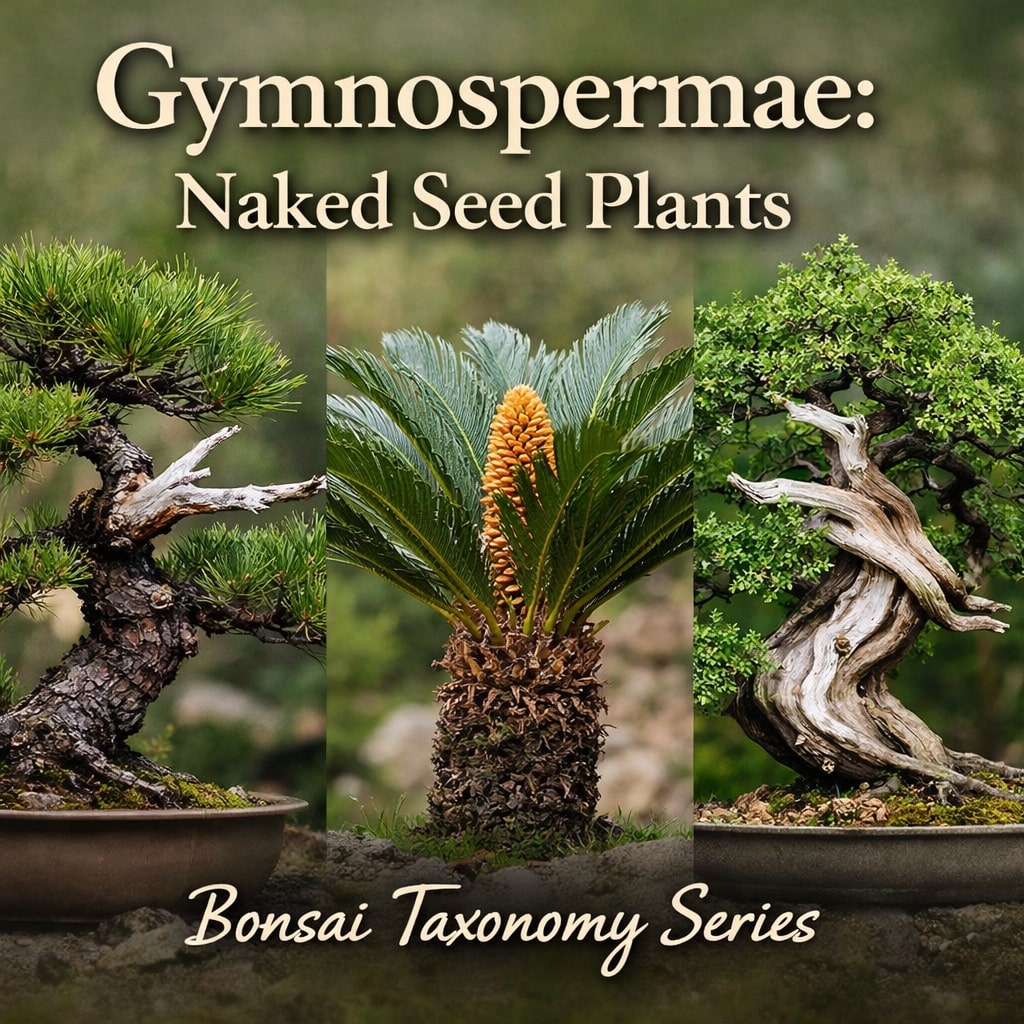
Gymnospermae are one of the most important plant groups in the world of bonsai. These ancient, woody plants are defined by their naked seed reproduction, meaning their seeds are not enclosed within fruit, unlike flowering plants. Instead, seeds develop openly on cones, scales, or modified leaves, a trait that gives Gymnospermae their name and shapes how they grow, reproduce, and respond to care.
Many of the most iconic bonsai trees belong to the Gymnospermae group, including pines, junipers, cypresses, yews, and even the unique ginkgo. Their slow growth, strong woody structure, and resilience to pruning make Gymnospermae especially well suited to bonsai cultivation. Understanding how naked seed plants differ from flowering trees helps bonsai growers choose the right species, apply correct care techniques, and appreciate the long-term character these trees develop over time.
Table of Contents
Taxonomy
– Kingdom: Plantae (Plant Kingdom)
— Clade: Embryophytes (Land Plants)
— Clade: Polysporangiophytes (Multiple Sporangia)
—- Clade: Tracheophytes (Vascular Plants)
—– Superdivision: Spermatophytes (Seed Plants)
—— Clade: Gymnospermae (Naked Seeds)
What are Gymnospermae?
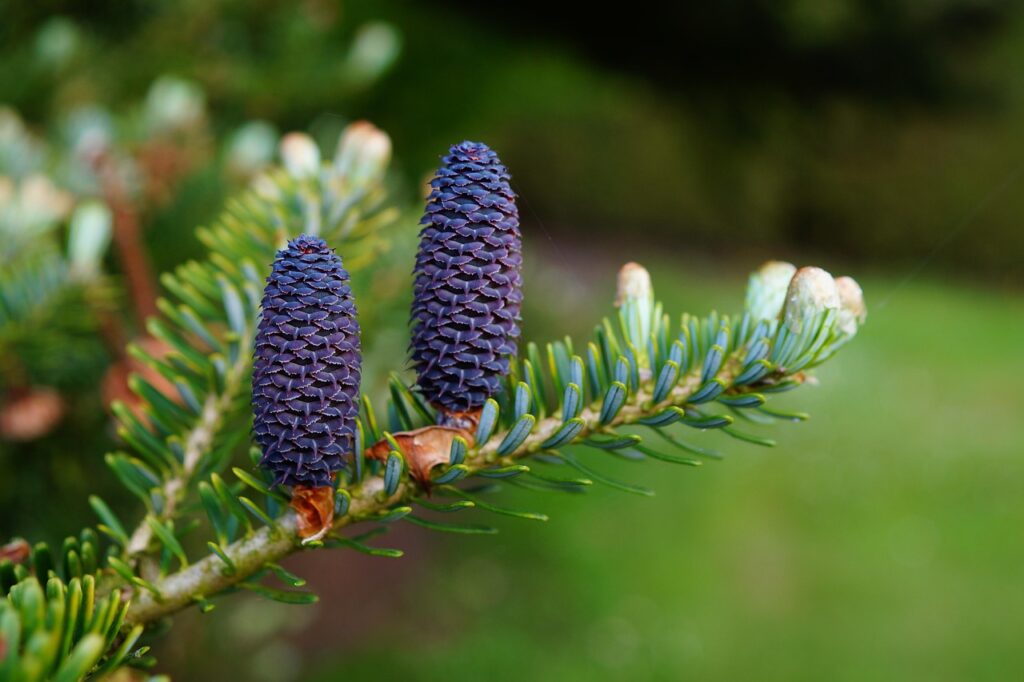
Gymnospermae are a major group of seed-producing plants defined by one key feature: they produce a naked seed. This means their seeds are not enclosed inside fruit or flowers. Instead, seeds develop openly on cones, scales, or modified leaves, depending on the species. This single trait separates Gymnospermae from flowering plants and strongly influences how they grow, reproduce, and are cared for in bonsai.
Most Gymnospermae are woody, perennial trees or shrubs with strong structural growth. This includes many familiar bonsai favourites such as pines, junipers, cypresses, yews, and spruces. These trees do not produce flowers in the way angiosperms do. Instead, reproduction occurs through male and female cones, with pollination usually driven by wind rather than insects.
From a bonsai perspective, Gymnospermae are especially valued for their longevity, durability, and predictable growth habits. Their exposed, naked seed development reflects an ancient evolutionary lineage, and this ancient design gives them characteristics that bonsai artists rely on, such as dense wood, flexible branches when young, and the ability to respond well to pruning and wiring over many years.
Understanding what Gymnospermae are helps bonsai growers recognise why these trees behave differently from flowering bonsai species. It also provides the foundation for correct identification, styling choices, and long-term care, all of which are essential when working with naked seed plants in bonsai.
What does “naked seed” mean in Gymnospermae?
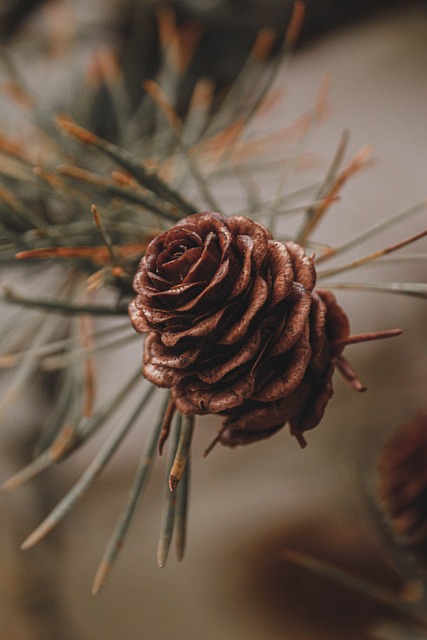
In Gymnospermae, the term naked seed refers to the way seeds develop without being enclosed inside a fruit or ovary. Unlike flowering plants, where seeds are protected within fruit, Gymnospermae produce seeds that remain exposed on cones, scales, or modified leaves throughout their development.
This naked seed structure is most visible in conifers, where seeds form on the scales of female cones. In other Gymnospermae, such as yews or ginkgo, the seed may appear partially covered by fleshy tissue, but it is still not enclosed within a true fruit. From a botanical perspective, the seed is considered naked because it is not sealed inside an ovary.
For bonsai trees, naked seed reproduction affects how Gymnospermae behave seasonally. Cone formation replaces flowering, and energy is directed into wood growth, needle or scale development, and long-term structure rather than fruit production. This contributes to the slow, steady growth patterns that make Gymnospermae ideal for bonsai cultivation.
Understanding the naked seed nature of Gymnospermae also helps bonsai growers interpret seasonal changes. Cones, pollen release, and seed development are normal and healthy processes in these trees and should not be mistaken for stress or abnormal growth.
By recognising what naked seed means in Gymnospermae, bonsai practitioners gain insight into how these ancient plants reproduce, why they respond differently to pruning, and how to care for them with confidence over many years.
Key characteristics of Gymnospermae plants
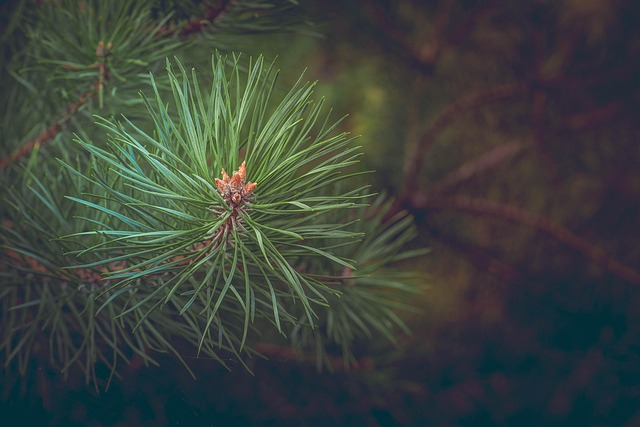
Gymnospermae plants share several defining characteristics that set them apart from flowering plants and explain why they are so widely used in bonsai. These traits influence everything from growth speed and structure to pruning response and long-term styling potential.
Woody, perennial growth
Gymnospermae are woody, long-lived plants that grow steadily over many years. This perennial structure allows bonsai artists to develop thick trunks, aged bark, and strong branch frameworks over time, making these plants ideal for long-term bonsai projects.
Naked seed reproduction instead of flowers
Instead of producing flowers and fruit, Gymnospermae reproduce through naked seed structures such as cones. This means energy is directed toward wood and foliage development rather than flowering cycles, resulting in more consistent growth patterns in bonsai trees.
Needle-like or scale-like foliage
Most Gymnospermae have needle-shaped or scale-like leaves, which help reduce water loss and improve resilience in tough environments. In bonsai, this foliage type responds well to careful pruning and, in many species, allows for needle or scale reduction over time.
Strong response to pruning and wiring
Gymnospermae generally tolerate pruning and wiring well when done at the correct time of year. Their flexible young branches and durable wood make them suitable for classic bonsai styles such as formal upright, informal upright, cascade, and windswept forms.
Resin production and natural resilience
Many Gymnospermae produce resin, which protects against pests, disease, and physical damage. This natural defence system contributes to their toughness and reliability as bonsai trees, especially when grown outdoors.
Major Gymnospermae groups used in bonsai
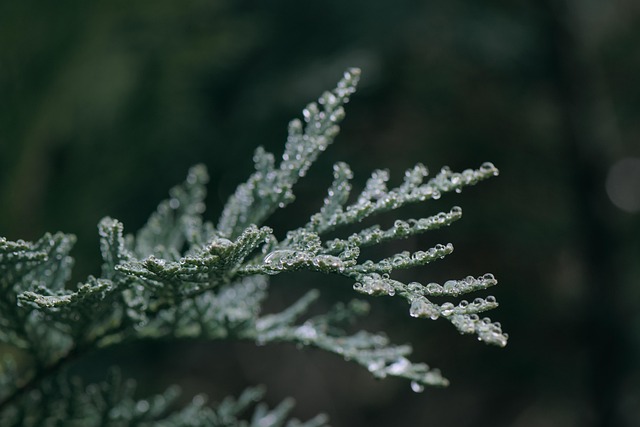
Gymnospermae are divided into several major groups, but only a few are commonly used in bonsai. Each group has distinct growth habits, visual characteristics, and care considerations that influence how they are styled and maintained as bonsai trees.
Conifers (Pinophyta)
Conifers are by far the most important Gymnospermae group in bonsai. This group includes pines, junipers, spruces, firs, cypresses, and yews, many of which are foundational to traditional bonsai styles.
Conifer bonsai are prized for their evergreen foliage, strong woody structure, and ability to develop dramatic deadwood features such as jin and shari. Their naked seed reproduction through cones supports steady, predictable growth rather than seasonal flowering, making them ideal for long-term refinement.
Cycads
Cycads are an ancient group of Gymnospermae with a distinctive palm-like appearance. While less common in traditional bonsai, they are popular in container-grown bonsai-style displays due to their thick trunks, stiff foliage, and striking form.
Cycads grow very slowly and require patience, but their bold structure and exposed naked seed cones make them visually unique specimens in a bonsai collection.
Ginkgo
Ginkgo represents a unique branch of the Gymnospermae, with only one living species, Ginkgo biloba. Unlike most Gymnospermae, ginkgo is deciduous, shedding its fan-shaped leaves in autumn.
In bonsai, ginkgo is valued for its distinctive foliage, elegant branching, and historical significance. Although its seeds are technically naked, they are partially surrounded by a fleshy outer layer, which often confuses beginners.
Gnetophytes (rare in bonsai)
Gnetophytes are a small and unusual group of Gymnospermae that includes Ephedra, Gnetum, and Welwitschia. These plants are rarely used in bonsai due to their specialised growth habits and environmental requirements.
They are included mainly for completeness, as they help illustrate the diversity within Gymnospermae, even though they play little practical role in bonsai cultivation.
Gymnospermae vs angiosperms in bonsai
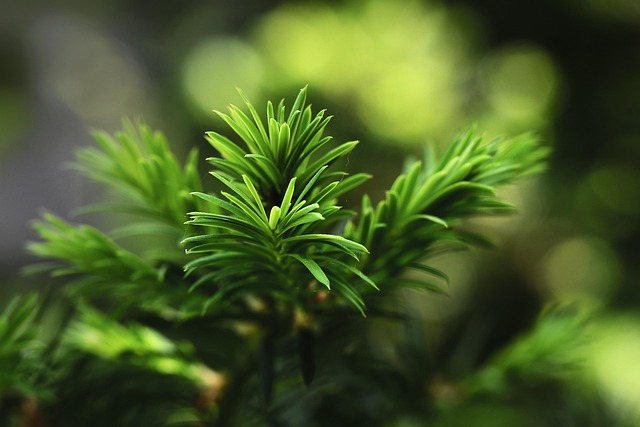
Understanding the difference between Gymnospermae and angiosperms is essential for bonsai growers. While both groups can be trained as bonsai, they grow, respond, and develop character in fundamentally different ways. These differences affect styling choices, pruning techniques, seasonal care, and long-term expectations.
Reproduction: naked seed vs enclosed seed
The most fundamental difference lies in reproduction. Gymnospermae produce a naked seed, meaning the seed is not enclosed within a fruit. Seeds develop openly on cones, scales, or modified leaves. Angiosperms, by contrast, produce flowers and enclosed seeds that develop inside fruit.
In bonsai, this difference matters because flowering and fruiting demand significant energy. Angiosperm bonsai often divert resources toward flowers or fruit, while Gymnospermae focus energy on wood, foliage, and structural growth. This is one reason Gymnospermae are favoured for long-term structural bonsai.
Growth patterns and speed
Gymnospermae generally grow slowly and steadily. Their growth is predictable, controlled, and incremental, which suits the patient refinement required in bonsai. Trunks thicken gradually, branches lignify early, and overall structure develops over many years.
Angiosperms tend to grow faster, especially during active seasons. This rapid growth allows quicker shaping but can lead to coarse structure if not managed carefully. For beginners, fast angiosperm growth can feel rewarding, but it often requires more frequent corrective pruning.
Wood structure and longevity
Gymnospermae develop dense, durable wood designed for long lifespans. Many species naturally live for hundreds or even thousands of years. This longevity translates well into bonsai, where aged bark, deadwood features, and rugged character are highly valued.
Angiosperms vary widely. Some develop strong wood suitable for bonsai, while others remain softer and more brittle. Their lifespan is often shorter, and deadwood features may decay more quickly, requiring additional protection.
Pruning response and back-budding
Gymnospermae respond best to controlled, selective pruning. Many species do not back-bud freely on old wood, meaning pruning must be planned carefully and often over multiple seasons. This slower response encourages disciplined bonsai techniques and long-term vision.
Angiosperms typically back-bud more readily and tolerate harder pruning. This makes them more forgiving but can also encourage rushed styling if not approached thoughtfully.
Seasonal behaviour and appearance
Most Gymnospermae are evergreen, maintaining foliage year-round. This gives bonsai consistent visual presence in all seasons and allows continuous refinement of branch structure.
Angiosperms are often deciduous, losing their leaves in winter. While this reveals branch structure beautifully, it also creates distinct seasonal cycles that affect pruning, wiring, and display timing.
Bonsai tradition and symbolism
Gymnospermae form the backbone of classical bonsai traditions. Pines, junipers, and cypresses dominate historic bonsai imagery due to their longevity, resilience, and ability to express age and endurance.
Angiosperms play an important role as well, particularly for flowering and fruiting bonsai, but they tend to emphasise seasonal beauty rather than timeless permanence.
Choosing between Gymnospermae and angiosperms
Neither group is superior in all cases, but they serve different bonsai goals. Gymnospermae are ideal for growers seeking long-term development, structural refinement, and classic bonsai aesthetics rooted in naked seed plants. Angiosperms suit those who enjoy seasonal change, flowers, fruit, and faster visual results.
Understanding these differences allows bonsai growers to choose species that align with their patience level, aesthetic preferences, and long-term vision.
Why Gymnospermae dominate bonsai traditions
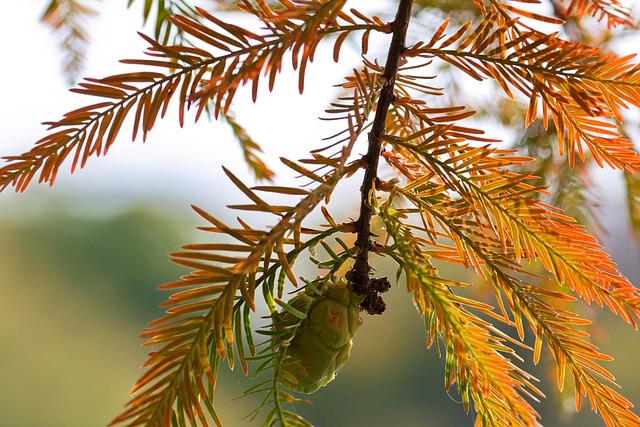
Gymnospermae dominate bonsai traditions not by accident, but because their natural characteristics align perfectly with the philosophy, techniques, and long-term goals of bonsai. For centuries, bonsai has been less about rapid results and more about patience, endurance, and the visual expression of age, all qualities naturally embodied by Gymnospermae.
One of the primary reasons Gymnospermae are favoured is their longevity. Many naked seed plants live for hundreds or even thousands of years in nature. This long lifespan translates beautifully into bonsai, where trees are trained over decades and often passed down through generations. A Gymnospermae bonsai does not merely represent a tree; it represents time itself.
The structural strength of Gymnospermae also plays a crucial role. Their dense, woody growth allows trunks and branches to hold dramatic shapes, including powerful bends, cascading forms, and windswept silhouettes. This makes them ideal for expressing hardship, survival, and resilience, core themes in classical bonsai design.
Another reason Gymnospermae dominate bonsai traditions is their evergreen presence. Most Gymnospermae retain foliage throughout the year, giving the bonsai a constant visual identity. This allows artists to refine structure continuously and display their trees year-round without relying on seasonal flowers or fruit.
Gymnospermae also respond well to traditional bonsai techniques such as wiring, jin, and shari. Deadwood features develop naturally in many naked seed species, especially conifers, allowing bonsai artists to tell visual stories of lightning strikes, drought, or age without artificial enhancement.
Culturally, Gymnosperms have deep symbolic meaning in bonsai history. Pines, junipers, and cypresses have long been associated with endurance, stability, and harmony with nature in East Asian art and philosophy. These associations shaped early bonsai practices and continue to influence modern bonsai aesthetics.
Finally, Gymnosperms encourage a slow, disciplined approach to bonsai. Their measured growth and limited back-budding demand careful planning and restraint, reinforcing bonsai as a practice of observation and long-term commitment rather than quick transformation.
Common Gymnospermae bonsai trees
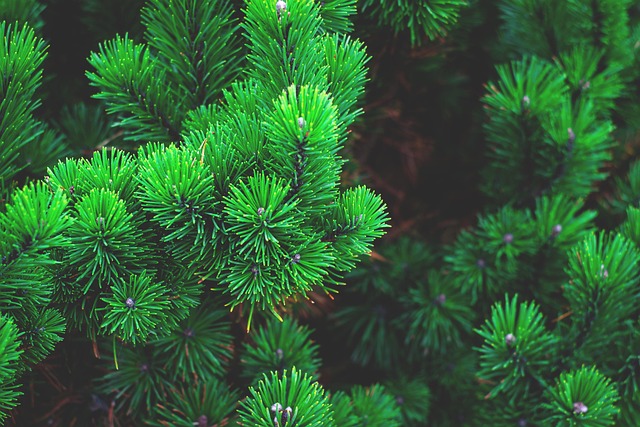
Many of the most recognisable and widely practised bonsai trees belong to the Gymnosperm group. These naked seed plants are favoured for their structure, longevity, and ability to express age and character through careful training. Below are some of the most common Gymnosperms used in bonsai, along with why they are so popular.
Pines (Pinus)
Pines are the classic Gymnosperm bonsai trees and are deeply rooted in traditional bonsai culture. They are valued for their rugged bark, strong trunk lines, and ability to convey age and resilience. Pines require patience and specialised techniques, such as candle pruning and needle management, but reward growers with powerful, timeless bonsai.
Junipers (Juniperus)
Junipers are among the most accessible Gymnosperm bonsai trees, making them popular with beginners and advanced growers alike. Their flexible branches, evergreen foliage, and excellent response to wiring allow for dramatic styles, including cascade and windswept forms. Junipers are also well suited to deadwood features, highlighting their naked seed heritage.
Spruce (Picea)
Spruce bonsai are appreciated for their fine needle structure and symmetrical growth habit. As Gymnospermae, they respond well to structured pruning and careful branch placement. Spruce are often used to create formal or informal upright styles with a strong sense of balance.
Cypress and false cypress (Cupressaceae)
Cypress species are commonly used in bonsai for their scale-like foliage and elegant branching. They develop refined silhouettes over time and adapt well to both upright and literati styles. Their steady growth and evergreen nature make them reliable Gymnospermae bonsai choices.
Yew (Taxus)
Yews are unique among Gymnosperm bonsai trees due to their tolerance for heavy pruning and their ability to back-bud on older wood. This makes them especially valuable for advanced styling and redesign. Yews also develop impressive trunks and dramatic deadwood features.
Ginkgo (Ginkgo biloba)
Ginkgo is a distinctive Gymnosperm bonsai tree with fan-shaped leaves and a deciduous growth cycle. While slower to train and less forgiving of heavy pruning, ginkgo bonsai are prized for their elegance, autumn colour, and historical significance as a living fossil.
Cycads
Cycads are less traditional but increasingly popular Gymnosperms in bonsai-style displays. Their thick trunks, stiff foliage, and extremely slow growth make them striking specimen plants. While not trained in the same way as conifers, cycads still embody the naked seed characteristics that define Gymnospermae.
Conservation and sustainability of Gymnospermae
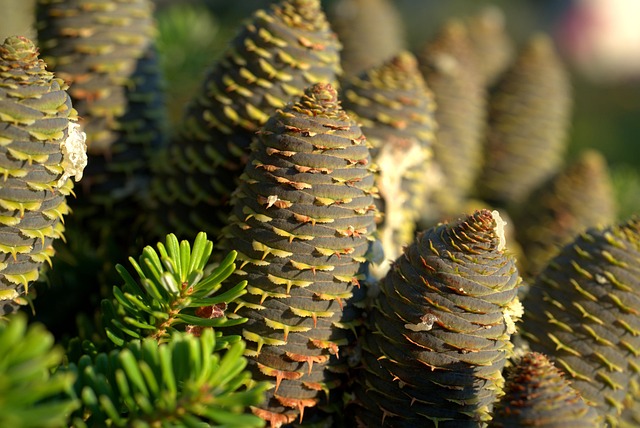
Gymnospermae are some of the oldest living plant lineages on Earth, yet many naked seed plants now face serious conservation challenges. Habitat loss, climate change, and illegal collection have placed increasing pressure on wild Gymnospermae populations. For bonsai practitioners, understanding conservation and sustainability is not optional. It is a responsibility that directly affects the future of the trees we work with.
Threats facing Gymnospermae in the wild
One of the greatest challenges for Gymnosperms is their slow growth and long reproductive cycles. Many species take years, or even decades, to reach maturity and produce viable seed. When mature trees are removed from natural ecosystems, replacement is slow and sometimes impossible.
Cycads are among the most threatened Gymnosperms, with many species listed as endangered or critically endangered. Certain conifers also face pressure from deforestation, land development, and climate shifts that affect their natural habitats. Because naked seed plants often occupy specific ecological niches, environmental disruption can have long-lasting consequences.
Ethical sourcing for bonsai cultivation
Sustainability in bonsai begins with ethical sourcing. Responsible growers avoid collecting Gymnosperms from the wild and instead use nursery-grown material, propagated cuttings, or seedlings cultivated specifically for bonsai use.
Wild collection not only damages ecosystems but also undermines conservation efforts. Ethical sourcing ensures that bonsai cultivation supports, rather than threatens, the survival of naked seed species.
Bonsai as a tool for conservation awareness
When practised responsibly, bonsai can play a positive role in conservation. Cultivated Gymnosperms bonsai help preserve genetic material, maintain public interest in ancient plant groups, and encourage education about sustainable plant care.
Long-term bonsai cultivation often involves decades of care, mirroring the natural lifespan of Gymnospermae. This long-term relationship fosters respect for the tree and reinforces the importance of conservation-minded practices.
Sustainable care and long-term stewardship
Sustainability also extends to how Gymnosperms are maintained. Proper soil, correct watering, and appropriate pruning reduce stress and improve tree health, minimising losses and the need for replacement material.
By viewing bonsai trees as long-term living companions rather than decorative objects, growers contribute to a culture of stewardship. This mindset aligns naturally with the slow, enduring nature of Gymnospermae and helps ensure that naked seed plants continue to thrive in both cultivation and the wild.
Exploring Gymnospermae bonsai further
Gymnosperms offer an almost endless journey for bonsai growers. From towering pines shaped over decades to compact junipers refined through careful pruning, naked seed plants provide opportunities for learning, experimentation, and long-term development at every skill level.
Understanding Gymnosperms as a group is only the first step. Each family, genus, and species brings its own growth habits, seasonal behaviour, and styling potential. By exploring Gymnospermae bonsai in more detail, growers gain the knowledge needed to select the right tree, apply appropriate techniques, and set realistic expectations for long-term results.
To continue learning, bonsai practitioners can explore:
- Gymnosperm families, such as Pinaceae, Cupressaceae, and Taxaceae, to understand shared traits
- Genera-level guides, including Pinus, Juniperus, Taxus, and Ginkgo, for more targeted care and styling advice
- Species profiles, which provide specific guidance on watering, pruning timing, needle management, and wiring
- Care sheets, covering light, soil, fertilisation, and seasonal maintenance
By building knowledge step by step, bonsai growers develop a deeper appreciation for how naked seed plants respond to training and time. This approach not only improves technical skill but also strengthens the connection between grower and tree.
Gymnosperm bonsai reward patience, observation, and long-term commitment. As you explore further, each tree becomes both a teacher and a living expression of endurance, age, and balance, values that sit at the very heart of bonsai practice.