

Tracheophytes, more commonly known as vascular plants, make up the vast majority of the plants we grow, study, and shape in our gardens. From towering forest trees to the smallest bonsai, tracheophytes are defined by one key advantage: an internal vascular system that transports water, nutrients, and energy throughout the plant.
Understanding tracheophytes is more than a biology lesson. For bonsai growers and plant enthusiasts, it explains why roots, trunks, branches, and leaves respond the way they do to pruning, wiring, watering, and feeding. By learning how vascular plants function, we gain insight into how plants grow, recover, and maintain balance, allowing us to care for them more effectively and with greater confidence.
Table of Contents
Taxonomy
– Kingdom: Plantae (Plant Kingdom)
— Clade: Embryophytes (Land Plants)
— Clade: Polysporangiophytes (Multiple Sporangia)
—- Clade: Tracheophytes (Vascular Plants)
What Are Tracheophytes?
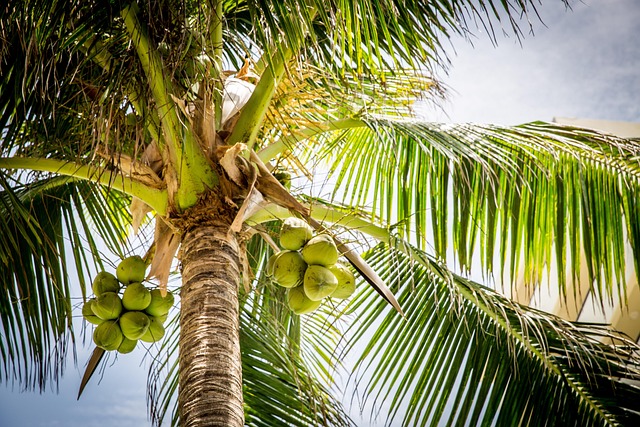
Tracheophytes are plants that possess a specialised internal transport system, allowing them to move water, minerals, and energy efficiently throughout their structure. This vascular system is what separates tracheophytes from simpler plant groups and enables them to grow taller, stronger, and more complex. Most plants we recognise today, including trees, shrubs, ferns, and flowering plants, fall into this category.
Often referred to as vascular plants, tracheophytes rely on two key tissues to function. These tissues act like internal pathways, carrying water upward from the roots and distributing sugars produced in the leaves to the rest of the plant. This system supports everything from leaf growth to root development and is fundamental to how plants survive on land.
Because tracheophytes can transport resources efficiently, they are not limited by size in the same way non-vascular plants are. This is why tracheophytes include everything from small ground-cover plants to massive forest trees. For bonsai growers, this vascular structure is especially important, as it explains how pruning, wiring, and root work directly influence the flow of water and energy within the plant.
Why Tracheophytes Are Called Vascular Plants
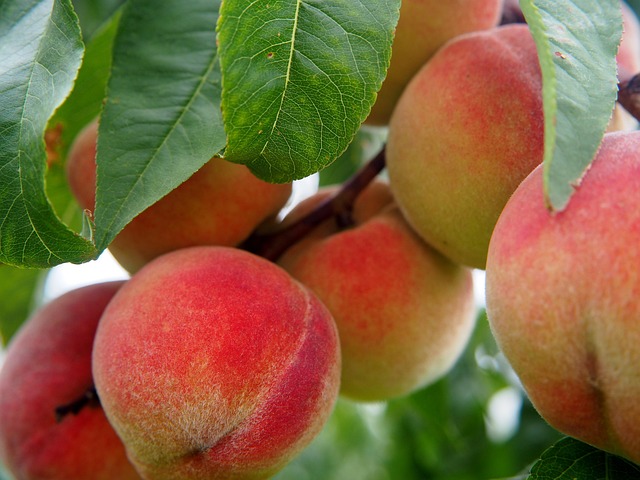
Tracheophytes are called vascular plants because they contain specialised tissues that act as an internal transport network. These vascular tissues allow water, minerals, and nutrients to move efficiently through the plant, connecting the roots, stems, and leaves into a single functional system. Without this internal circulation, plants would be limited in size and complexity.
The two main vascular tissues found in tracheophytes are xylem and phloem. Xylem carries water and dissolved minerals from the roots up through the plant, while phloem distributes sugars and other products of photosynthesis from the leaves to growing and storage areas. Together, these tissues form vascular bundles that support both transport and structural strength.
This vascular system is what enables tracheophytes to develop thick trunks, branching stems, and extensive root systems. For bonsai growers, understanding why tracheophytes are classified as vascular plants helps explain how water, nutrients, and energy respond to pruning and root work, and why maintaining healthy vascular flow is essential for long-term plant health.
The Key Characteristics of Tracheophytes
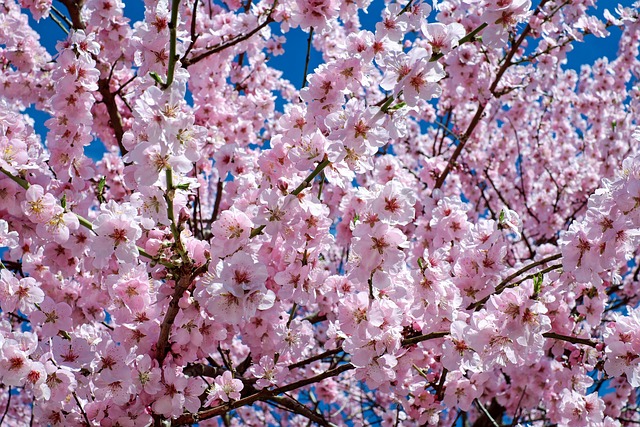
Tracheophytes share a set of defining characteristics that allow them to grow larger, live longer, and adapt to a wide range of environments. These traits are all linked to their internal structure and life cycle, and together they explain why vascular plants dominate most terrestrial ecosystems.
Understanding these characteristics helps growers recognise how tracheophytes function as whole systems rather than collections of separate parts.
Vascular tissues (xylem and phloem)
One of the most important characteristics of tracheophytes is the presence of vascular tissues. Xylem transports water and dissolved minerals from the roots upward, while phloem distributes sugars produced in the leaves to the rest of the plant. These tissues work together as a continuous transport network, often arranged in bundles within stems and roots.
This internal transport system allows tracheophytes to move resources efficiently over long distances. In bonsai, this explains why cutting roots, removing branches, or defoliating affects the entire tree, not just the area being worked on. The vascular system must rebalance itself after every intervention.
True roots, stems, and leaves
Tracheophytes have true roots, stems, and leaves, each with specialised roles. Roots anchor the plant and absorb water and nutrients, stems provide support and transport, and leaves carry out photosynthesis. These organs are structurally and functionally distinct, unlike the simpler forms seen in non-vascular plants.
For growers, this distinction is crucial. Because tracheophytes rely on true roots and leaves, stress in one area quickly affects the others. Healthy root systems support strong foliage, and active leaves supply energy needed for root growth and recovery.
Lignified support tissues
Most tracheophytes contain lignin, a rigid compound found in cell walls that strengthens xylem tissue. Lignin allows plants to stand upright, resist gravity, and support extensive branching structures. This characteristic is especially important in woody plants such as trees and shrubs.
In bonsai, lignified tissues are what allow trunks to thicken, branches to hold their shape, and wired forms to be maintained over time. Without lignin, long-term structure and stability would not be possible.
Dominant sporophyte life stage
Another key characteristic of tracheophytes is that the dominant life stage is the sporophyte. This means the visible plant, the one with roots, stems, and leaves, is the main phase of the life cycle. Reproduction occurs through spores or seeds produced by this dominant generation.
This life cycle structure supports larger, more complex plant forms and more efficient reproduction. For everyday growers, it explains why the plant we work on is the primary organism, rather than a short-lived or microscopic stage.
Together, these characteristics define tracheophytes as highly efficient, structurally complex plants. They are the foundation of forests, gardens, and bonsai collections, and understanding these traits makes it easier to predict how plants respond to care, stress, and long-term shaping.
Major Groups of Tracheophytes
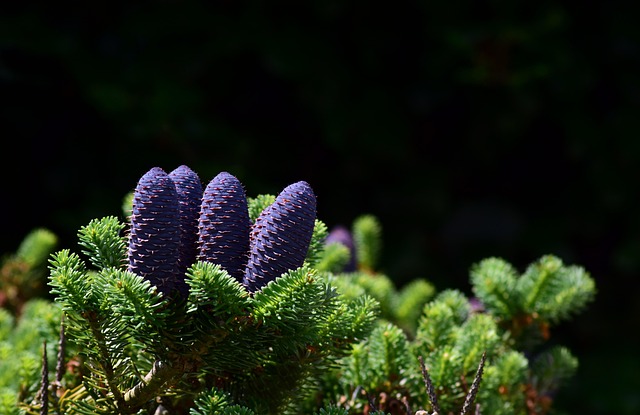
Tracheophytes are a diverse group of vascular plants that can be divided into several major lineages. Each group shares the same basic vascular characteristics but differs in how it reproduces, grows, and adapts to its environment. Understanding these groups helps place bonsai trees and garden plants into a broader biological context.
Lycophytes (clubmosses and relatives)
Lycophytes are among the oldest surviving groups of tracheophytes. They include clubmosses, spike mosses, and quillworts, which first appeared hundreds of millions of years ago. These plants have vascular tissue but relatively simple leaves and growth forms compared to later groups.
Although lycophytes are not commonly used in bonsai, they are important from an evolutionary perspective. They show how early tracheophytes developed vascular systems that allowed plants to spread across land and grow taller than non-vascular plants.
Ferns and horsetails
Ferns and horsetails are seedless tracheophytes that reproduce using spores rather than seeds. They have well-developed vascular systems, true roots, stems, and leaves, but rely on moist conditions for reproduction.
Many ferns are popular ornamental plants and are sometimes used in bonsai-like displays. Their classification as tracheophytes explains their ability to grow larger and more structurally complex than mosses, while still requiring careful moisture management due to their reproductive cycle.
Gymnosperms
Gymnosperms are seed-producing tracheophytes that do not form flowers. This group includes conifers such as pines, junipers, and cypresses, as well as cycads and ginkgo. Their seeds are typically exposed rather than enclosed within fruit.
Gymnosperms are especially important in bonsai, as many classic bonsai species belong to this group. Their vascular systems support woody trunks, long lifespans, and strong responses to pruning and wiring, making them well suited to long-term shaping.
Angiosperms (flowering plants)
Angiosperms are the most diverse and widespread group of tracheophytes. They produce flowers and seeds enclosed within fruit, and include everything from grasses and herbs to broadleaf trees and shrubs.
Many deciduous and evergreen bonsai species are angiosperms. Their classification as tracheophytes explains their complex vascular networks, seasonal growth cycles, and ability to recover from pruning. Understanding angiosperms as vascular plants helps growers anticipate leaf drop, flowering, and energy flow throughout the year.
Together, these major groups show the breadth of tracheophytes and how vascular plants have adapted to different environments and growth strategies. From ancient lineages to modern flowering trees, all tracheophytes rely on the same fundamental vascular systems that make advanced plant care, including bonsai, possible.
How Tracheophytes Transport Water and Nutrients
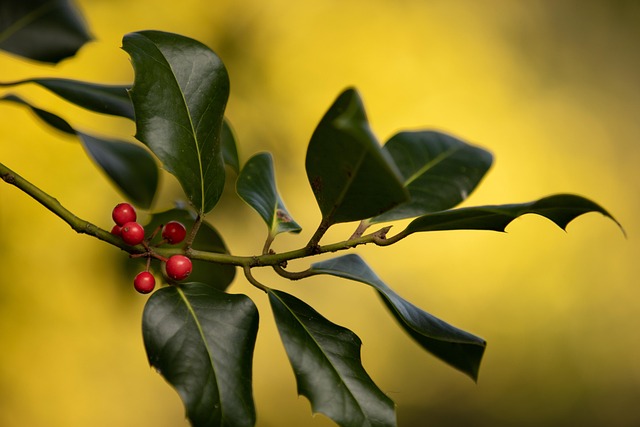
One of the defining advantages of tracheophytes is their ability to transport water, minerals, and energy efficiently throughout the plant. This internal transport system allows vascular plants to grow taller, develop complex branching, and survive in a wide range of environments. Understanding how this system works provides valuable insight into plant health, stress, and recovery.
Water and mineral transport through xylem
In tracheophytes, water and dissolved minerals are absorbed from the soil by the roots and moved upward through the plant via the xylem. This movement is largely driven by transpiration, the process in which water evaporates from the leaves through tiny openings called stomata. As water is lost from the leaves, it creates a pulling force that draws more water upward from the roots.
Xylem tissue is strengthened by lignin, allowing it to function both as a transport system and as structural support. For bonsai growers, this explains why healthy roots and consistent watering are essential. Damage to roots or interruptions in water flow directly affect the entire plant, from leaf health to branch dieback.
Sugar and energy transport through phloem
While xylem moves water upward, phloem transports sugars and other organic compounds produced during photosynthesis. These sugars move from areas where they are produced, usually the leaves, to areas where they are needed, such as growing shoots, roots, and storage tissues.
This movement follows a source-to-sink pattern. Leaves act as energy sources, while roots, developing branches, and buds act as sinks. In tracheophytes, this balance is constantly shifting depending on growth stage and seasonal activity. In bonsai, practices such as defoliation or heavy pruning alter this flow, forcing the plant to redistribute energy and adapt its growth.
The role of transpiration in nutrient movement
Transpiration does more than move water. As water travels upward through the xylem, it carries dissolved nutrients from the soil to the leaves. This passive process requires very little energy from the plant, making it an efficient system for sustaining growth.
Tracheophytes can regulate transpiration by opening and closing their stomata, allowing them to balance water loss with nutrient uptake. Understanding this process helps growers avoid common mistakes such as overwatering or underwatering, both of which disrupt the plant’s internal transport system.
Together, these transport mechanisms explain why tracheophytes respond predictably to changes in water availability, pruning, and root disturbance. By supporting healthy vascular flow, growers can ensure that water, nutrients, and energy move efficiently through the plant, promoting stability, recovery, and long-term growth.
Why Tracheophytes Matter in Bonsai and Gardening

Understanding tracheophytes is especially important in bonsai and gardening because every technique used to shape or maintain a plant interacts directly with its vascular system. Since tracheophytes rely on internal transport tissues to move water, nutrients, and energy, any change to roots, branches, or leaves affects the entire plant, not just the area being worked on.
In bonsai, pruning is not simply about reducing size or improving shape. When branches or leaves are removed, the plant’s vascular flow is altered, changing how energy is distributed between roots and shoots. Tracheophytes respond by redirecting resources to remaining growth points, which is why careful pruning can encourage ramification, back-budding, and balanced development.
Root work is another area where the tracheophyte structure becomes critical. Because water and nutrients are drawn upward through the xylem, healthy roots are essential for maintaining strong vascular flow. Excessive root pruning, compacted soil, or poor drainage can disrupt this system, leading to weakened foliage, dieback, or slow recovery. Understanding tracheophytes helps growers plan repotting and root pruning with the plant’s internal transport needs in mind.
In general gardening, recognising plants as tracheophytes explains why consistent watering, proper feeding, and soil health matter so much. Vascular plants depend on uninterrupted transport pathways, and stress at any point in the system affects overall growth. Whether shaping a bonsai or maintaining a garden tree, working with the vascular nature of tracheophytes allows growers to support healthier plants, faster recovery, and more predictable results.
Tracheophytes vs Non-Vascular Plants
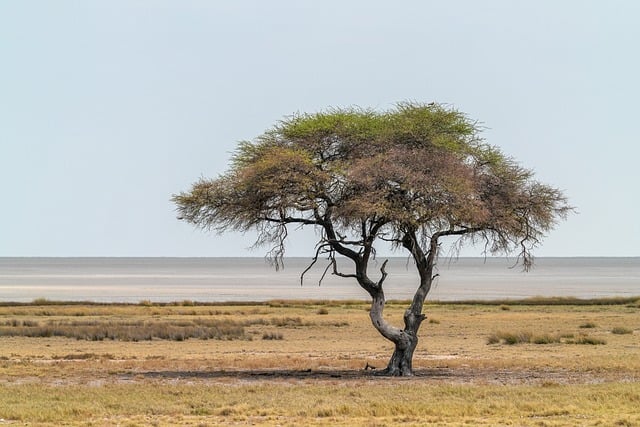
Vascular and non-vascular plants differ fundamentally in how they grow, transport resources, and survive on land. These differences explain why vascular plants dominate most terrestrial environments, while non-vascular plants remain limited in size and habitat.
The most significant distinction is the presence of vascular tissue. Tracheophytes have xylem and phloem, allowing them to transport water, minerals, and sugars internally. Non-vascular plants, such as mosses and liverworts, lack these tissues and instead rely on simple diffusion to move water and nutrients. This limits how large they can grow and keeps them close to moist environments.
Vascular plants also have true roots, stems, and leaves, each with specialised functions. These structures allow vascular plants to anchor themselves, absorb resources efficiently, and maximise photosynthesis. Non-vascular plants do not have true roots or leaves, which restricts their ability to draw water from the soil and support complex growth.
Another key difference is size and longevity. Because vascular plants can move resources over long distances within their bodies, they can develop woody structures, grow tall, and live for many years. Non-vascular plants remain small and generally have shorter life cycles. For bonsai growers and gardeners, this comparison highlights why trees and shrubs respond predictably to pruning and shaping, while mosses are maintained through entirely different care methods.
Understanding the contrast between vascular and non-vascular plants reinforces why vascular systems are essential for advanced plant care. It also helps growers appreciate the limits and capabilities of different plant types, allowing them to choose appropriate techniques for each.
Common Misconceptions About Tracheophytes

Despite being one of the most widespread groups of plants on Earth, tracheophytes are often misunderstood. These misconceptions usually come from outdated terminology or oversimplified explanations that miss how vascular plants actually function.
One common misconception is that these are “higher plants.” This term was historically used to suggest that vascular plants were more evolved or superior to non-vascular plants. Modern botany no longer supports this idea. Tracheophytes are simply adapted differently, with vascular systems that suit life on land, while non-vascular plants are equally successful within their own ecological niches.
Another misunderstanding is that all tracheophytes are woody or tree-like. While many in this group develop wood through lignified tissues, the group also includes soft-stemmed plants, grasses, ferns, and herbaceous species. Being a tracheophyte refers to having vascular tissue, not a particular growth form or size.
Some growers also assume that vascular plants move water and nutrients actively, as if pumping them through the plant. In reality, tracheophytes rely largely on passive processes such as transpiration pull and pressure differences. This misconception can lead to overwatering or excessive feeding, which disrupts the plant’s natural balance rather than supporting it.
Finally, there is a tendency to think that understanding tracheophytes is only relevant to scientists. In practice, this knowledge directly benefits gardeners and bonsai growers. Recognising how vascular systems work helps explain why plants react to pruning, repotting, stress, and seasonal changes, making plant care more informed and effective.
By clearing up these misconceptions, this group become easier to understand not as abstract biological terms, but as living systems that respond predictably to how they are grown and maintained.
Why Understanding Tracheophytes Makes You a Better Grower
Understanding this group gives growers a clearer picture of how plants function as complete, interconnected systems. By recognising how water, nutrients, and energy move through roots, stems, and leaves, it becomes easier to predict how a plant will respond to pruning, repotting, watering, and feeding.
For bonsai enthusiasts and gardeners alike, this knowledge encourages more thoughtful decisions and better timing. Instead of reacting to symptoms on the surface, growers can work with the plant’s internal processes, supporting recovery, balance, and long-term health. Over time, this deeper understanding leads to stronger plants, fewer mistakes, and more rewarding growing experiences.