
The order Cupressales, often referred to as the cypress order, represents one of the most important groups of evergreen conifers in both natural ecosystems and bonsai cultivation. This order includes some of the most recognisable and widely used conifer species in the world, ranging from junipers and cypresses to yews and redwoods.
For bonsai enthusiasts, Cupressales forms the backbone of evergreen conifer bonsai. Species within this order are valued for their durability, expressive growth habits, and ability to develop age and character over time. Despite their importance, Cupressales is often briefly summarised in botanical references, leaving many growers without a clear understanding of how these trees are related or why they behave the way they do.
This guide explores Cupressales in detail, breaking down its defining characteristics, evolutionary history, family groups, and ecological roles, while placing a strong focus on what this order means for bonsai growers. By understanding Cupressales as a whole, bonsai practitioners can make better species choices, apply more informed techniques, and build healthier, longer-lasting evergreen bonsai trees.
Table of Contents
Taxonomy
– Kingdom: Plantae (Plant Kingdom)
— Clade: Embryophytes (Land Plants)
— Clade: Polysporangiophytes (Multiple Sporangia)
—- Clade: Tracheophytes (Vascular Plants)
—– Superdivision: Spermatophytes (Seed Plants)
—— Clade: Gymnospermae (Naked Seeds)
——- Division: Pinophyta (Conifers)
——– Class: Pinopsida (Living Conifers)
——— Subclass: Cupressidae (Evergreen Conifers)
———- Order: Cupressales (Cypress)
What Is Cupressales?
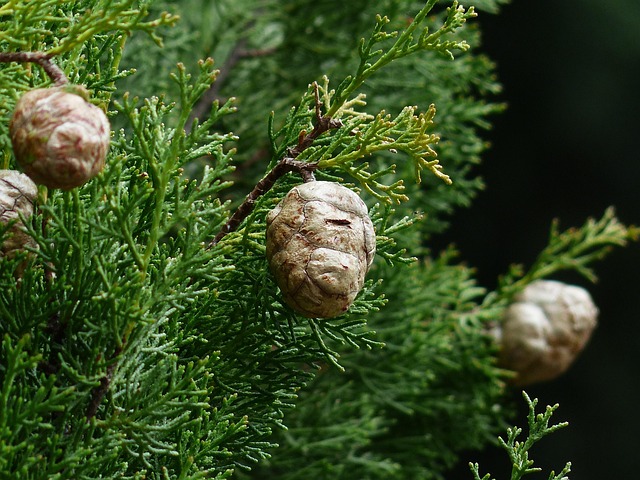
Cupressales is an order of coniferous gymnosperms that includes many of the world’s most recognisable evergreen trees and shrubs. It sits within the broader conifer lineage and brings together several families that share similar structural traits, reproductive features, and long evolutionary histories. Members of this order are found across a wide range of climates, from temperate forests to mountainous and semi-arid regions.
Often referred to as the cypress order, Cupressales is defined by characteristics such as scale-like or reduced needle foliage, resin production, and distinctive cone structures. While many species are evergreen, the order also includes a small number of deciduous conifers. In bonsai cultivation, trees from this order are especially valued for their resilience, slow maturation, and ability to convey age, strength, and permanence over time.
Understanding what defines this order helps bonsai growers recognise why junipers, cypresses, yews, and related trees share similar growth behaviours and care requirements, even when they appear visually different at first glance.
Defining Characteristics of Cupressales
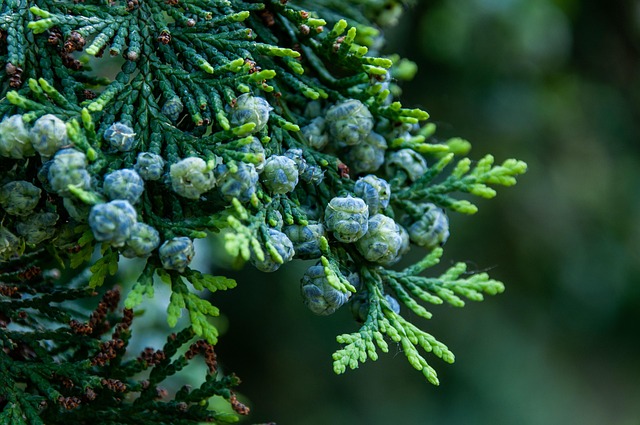
The defining characteristics of Cupressales reflect a long evolutionary adaptation to stability, longevity, and environmental resilience. While species within this order vary widely in size and appearance, they share a core set of traits that distinguish them from other conifer groups. These characteristics influence how the trees grow, reproduce, and respond to cultivation techniques, especially in bonsai.
Evergreen and Deciduous Growth Habits
Most species in Cupressales are evergreen, retaining foliage year-round to support slow, continuous growth. A small number of species, however, are deciduous, shedding foliage seasonally while maintaining the same underlying structural traits common to the order.
Foliage Structure and Form
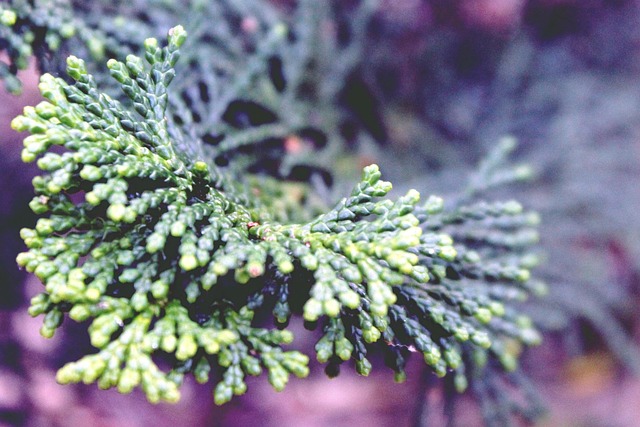
Foliage is typically scale-like or tightly arranged along branches, rather than long needles. This compact foliage structure contributes to the fine-textured appearance prized in bonsai and supports dense ramification over time.
Resin Production and Aromatic Properties
Many members of Cupressales produce resin or aromatic oils that help protect against pests, disease, and environmental stress. These compounds also give the trees their distinctive scent when foliage or bark is disturbed.
Cone and Seed Characteristics
Reproductive structures in Cupressales vary from woody cones to fleshy, berry-like forms. These cones protect seeds and play an important role in the reproductive cycle of the order.
Growth Rate and Longevity
Species within this order are generally slow-growing and long-lived. This combination allows trees to develop strong wood, expressive deadwood features, and a sense of age, making them particularly suited to long-term bonsai cultivation.
Evolutionary History of the Cupressales
The evolutionary history of Cupressales is deeply rooted in the ancient development of coniferous plants. This order represents one of the most enduring and adaptable branches of the gymnosperm lineage, shaped by millions of years of environmental change. Its survival through multiple mass extinction events has resulted in trees that prioritise structural strength, longevity, and ecological resilience.
Understanding this evolutionary background helps explain why many members of this order display slow growth, dense wood, and remarkable tolerance to environmental stress. These same traits later became highly desirable in cultivation, particularly in bonsai, where age, stability, and character are central goals.
Origins in Ancient Conifer Lineages
The ancestors of Cupressales emerged during the late Triassic to early Jurassic periods, a time when conifers were becoming the dominant woody plants on Earth. Early members of this lineage developed adaptations that allowed them to thrive in drier and more variable climates compared to earlier plant groups.
These early evolutionary pressures favoured reduced leaf surface area, resin production, and durable wood structures. Over time, these traits became defining features, enabling descendants to colonise a wide range of habitats while maintaining a consistent growth strategy focused on survival rather than rapid expansion.
Adaptation Through Geological Change
As continents shifted and climates fluctuated throughout the Mesozoic and Cenozoic eras, species within Cupressales continued to diversify. Some adapted to cooler temperate zones, while others evolved to survive in mountainous regions, coastal environments, or semi-arid landscapes.
This adaptability allowed the order to persist through ice ages, prolonged droughts, and significant atmospheric changes. Rather than relying on fast reproduction, many species focused on longevity and structural endurance, allowing individual trees to survive long enough to reproduce under favourable conditions.
Survival Through Mass Extinction Events
One of the most remarkable aspects of the evolutionary history of Cupressales is its survival through multiple mass extinction events. While many plant groups declined or disappeared entirely, this order endured by maintaining conservative growth habits and strong ecological niches.
Long life spans, protected seed structures, and the ability to regenerate slowly but steadily gave these trees a distinct advantage. These traits ensured continuity across generations, even when environmental conditions became hostile or unstable.
Evolutionary Traits That Persist Today
Many of the characteristics seen in modern Cupressales species are direct results of this ancient evolutionary path. Dense wood, slow growth, resin-based defences, and compact foliage structures all reflect adaptations refined over millions of years.
For bonsai growers, these inherited traits explain why trees from this order respond well to long-term cultivation, structural pruning, and gradual refinement. Their evolutionary history has effectively pre-adapted them for patience-driven practices, making them enduring symbols of age, resilience, and permanence.
Families Within the Order Cupressales
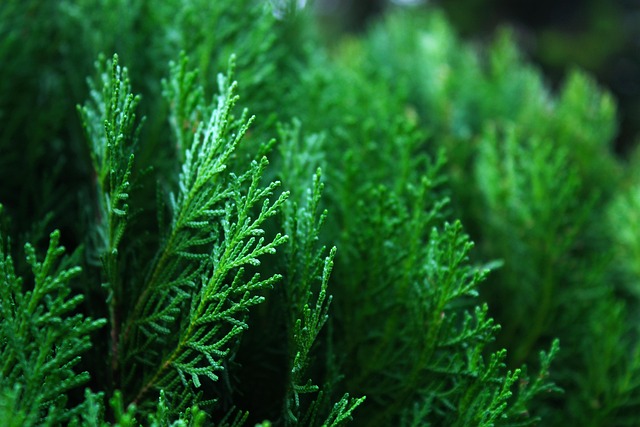
The order Cupressales is made up of several distinct plant families that share a common evolutionary heritage but differ in appearance, growth habit, and ecological role. Together, these families account for some of the most recognisable conifers in the world, many of which play an important role in forestry, landscaping, and bonsai cultivation.
Understanding how these families fit within Cupressales helps clarify why certain species behave similarly despite looking very different. It also allows bonsai growers to make more informed decisions when selecting trees, as care requirements and growth responses often follow family-level patterns.
Cupressaceae (Cypress Family)
Cupressaceae is the largest and most widely known family within the order. It includes cypresses, junipers, redwoods, and related genera, many of which are foundational to evergreen bonsai. Members of this family are typically evergreen and feature scale-like or tightly arranged foliage.
This family is especially important in bonsai due to its diversity of growth forms, ranging from creeping ground covers to tall, columnar trees. Strong wood, flexible branches, and the ability to form deadwood features make Cupressaceae species particularly well suited to long-term training and styling.
Taxaceae (Yew Family)
The Taxaceae family, commonly known as the yew family, is characterised by flat, needle-like foliage and the absence of traditional woody cones. Instead, seeds are often partially enclosed in fleshy structures, a feature that distinguishes this family from many other conifers.
Yews are valued for their shade tolerance, dense branching, and exceptional ability to back-bud on old wood. These traits make them highly adaptable to pruning and shaping, allowing for expressive bonsai designs that emphasise age and structure.
Cephalotaxaceae (Plum Yew Family)
Cephalotaxaceae, or plum yews, are closely related to the yew family but form a distinct group within Cupressales. They are generally evergreen shrubs or small trees with broad, needle-like leaves arranged in a flattened pattern.
In cultivation, plum yews are appreciated for their controlled growth and tolerance of pruning. While less common in bonsai than other families, they are valued by enthusiasts seeking refined evergreen forms with a softer visual texture.
Sciadopityaceae (Japanese Umbrella Pine)
Sciadopityaceae is a unique family represented by a single living species, commonly known as the Japanese umbrella pine. Its distinctive whorled foliage and ancient lineage make it one of the most unusual members of the order.
This family is often described as a living fossil, preserving traits that date back to early conifer evolution. While slow-growing and demanding in cultivation, it holds special interest for collectors and advanced bonsai practitioners who value its rarity and historical significance.
How Cupressales Differs From Other Conifer Orders
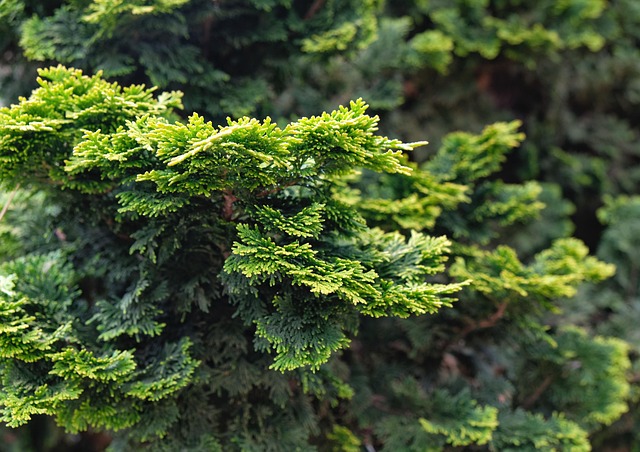
While all conifers share certain traits, such as cone-based reproduction and gymnosperm classification, Cupressales stands apart in several important ways. These differences influence how trees grow, how they respond to environmental stress, and how they behave in cultivation. For bonsai growers in particular, understanding these distinctions helps explain why some conifers adapt well to container life while others are more challenging.
Comparing Cupressales with other major conifer orders highlights why cypress, juniper, and yew relatives have become so central to evergreen bonsai traditions.
Foliage Structure Compared to Needle-Leaved Conifers
One of the most visible differences lies in foliage structure. Many conifer orders, such as those that include pines, firs, and spruces, are characterised by long, clearly defined needles. In contrast, species within Cupressales often develop scale-like or tightly compressed foliage that lies close to the branch structure.
This compact foliage contributes to a finer visual texture and allows for denser branching. In bonsai, this makes it easier to create the illusion of mature trees at a reduced scale, something that can be more difficult with long-needle conifers.
Cone and Seed Development
Cupressales differs from other conifer orders in the structure and presentation of its reproductive organs. While many conifers produce large, woody cones, this order includes species with much smaller cones or even fleshy, berry-like seed coverings.
These variations reflect different evolutionary strategies for seed protection and dispersal. From a cultivation perspective, they also influence how energy is distributed within the tree, often favouring slower, steadier growth rather than rapid seasonal expansion.
Growth Rate and Wood Characteristics
Compared to many pine-based conifer orders, Cupressales species tend to grow more slowly and produce denser wood. This slower growth rate contributes to strength, longevity, and resistance to environmental stress, but it also requires patience from growers.
Dense wood supports the formation of deadwood features such as jin and shari, which are commonly used in bonsai to suggest age and survival. These features are often less durable or harder to maintain in faster-growing conifer groups.
Response to Pruning and Structural Training
Another key distinction lies in how these trees respond to pruning and shaping. Many species within Cupressales tolerate careful pruning over long periods and respond well to gradual structural refinement.
In contrast, some other conifer orders are less forgiving when cut back aggressively or wired repeatedly. The growth habits of Cupressales often allow for incremental refinement, making them well suited to bonsai techniques that emphasise long-term development rather than rapid styling.
Environmental Adaptability
Cupressales species are widely distributed across diverse climates, from cool temperate forests to dry, mountainous regions. This adaptability sets them apart from conifer orders that are more narrowly tied to specific environmental conditions.
As a result, many members of this order show strong tolerance to varying temperatures, soil types, and moisture levels. This resilience makes them more reliable choices for cultivation across different regions and growing conditions, especially in outdoor bonsai settings.
Growth Behaviour and Structural Traits of Cupressales
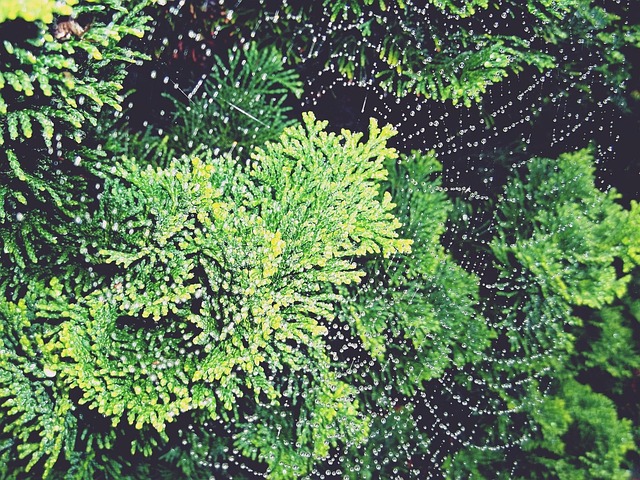
The growth behaviour and structural traits of Cupressales are shaped by an evolutionary emphasis on stability, endurance, and long-term survival. Rather than rapid seasonal expansion, trees within this order tend to develop gradually, investing energy into strong wood, balanced branching, and durable root systems. This slow, steady approach to growth is one of the reasons these conifers are so well suited to long-term cultivation.
Structurally, many species exhibit clear apical dominance when young, with a strong central leader guiding vertical growth. Over time, this dominance can soften, allowing lateral branching to develop more fully. In bonsai, understanding this natural shift is essential, as it informs when and how to redirect growth to achieve balanced proportions and refined silhouettes.
Branching patterns within Cupressales are often layered and directional, with branches emerging in organised planes rather than chaotic clusters. This trait makes it easier to establish classic bonsai forms, such as informal upright, slanting, and cascade styles. Flexible young branches respond well to wiring, while older wood becomes rigid and must be shaped gradually to avoid damage.
Root systems in this order are typically fibrous and adaptable, capable of functioning efficiently in shallow soil environments. This adaptability allows many species to tolerate container cultivation without excessive stress, provided watering and drainage are carefully managed. Over time, roots thicken slowly, contributing to stable nebari development rather than aggressive surface root expansion.
Another defining trait is the tendency for interior growth to weaken if light penetration is poor. Regular thinning and thoughtful branch placement are therefore essential to maintain health and vigour. When managed correctly, these trees reward patience with dense foliage pads, expressive trunks, and a sense of age that develops naturally rather than being forced.
Overall, the growth behaviour of Cupressales supports bonsai practices that prioritise long-term refinement over rapid transformation. Their structural traits encourage deliberate planning, incremental change, and a deep respect for the natural rhythm of evergreen conifers.
Reproduction and Life Cycle of Cupressales
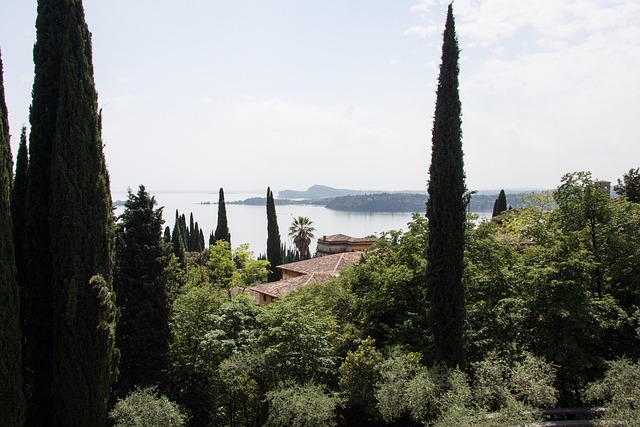
The reproduction and life cycle of Cupressales reflect the order’s ancient origins and its emphasis on longevity rather than rapid turnover. Like all conifers, members of this order reproduce through cones rather than flowers, relying on wind pollination and extended maturation periods. This slow and methodical reproductive process mirrors the overall growth behaviour seen in these trees.
In natural settings, reproduction is often irregular and closely tied to environmental conditions. Many species prioritise survival and structural development for decades before producing significant quantities of viable seed. This long life cycle is one of the defining characteristics that sets Cupressales apart from faster-reproducing plant groups.
Male and female reproductive structures are usually borne separately, either on the same plant or, in some cases, on different individuals depending on the species. Male cones produce pollen that is carried by wind, while female cones develop over time to protect and nurture the seeds. In some families, cones remain woody, while in others they become fleshy and visually resemble berries.
Seed development is typically slow, with cones often taking more than a single growing season to mature fully. This extended maturation period increases seed survival by allowing development to occur under favourable conditions. Once mature, seeds are released gradually or dispersed through animals, wind, or gravity, depending on cone structure.
Vegetative propagation plays a limited role in the natural life cycle of Cupressales but becomes more relevant in cultivation. Many species can be propagated through cuttings or layering, although success rates vary widely. Root formation is often slow, reinforcing the need for patience and stable growing conditions.
Longevity is a defining feature of the life cycle within this order. Many species are capable of living for hundreds or even thousands of years, maintaining reproductive ability well into maturity. This extended lifespan supports continuity across generations and contributes to the sense of permanence these trees convey.
For bonsai growers, understanding this life cycle helps set realistic expectations. These are trees designed for long-term development, where progress is measured over years rather than seasons. Working in harmony with their natural reproductive rhythm encourages healthier growth and more enduring bonsai over time.
Ecological Roles of Cupressales Species
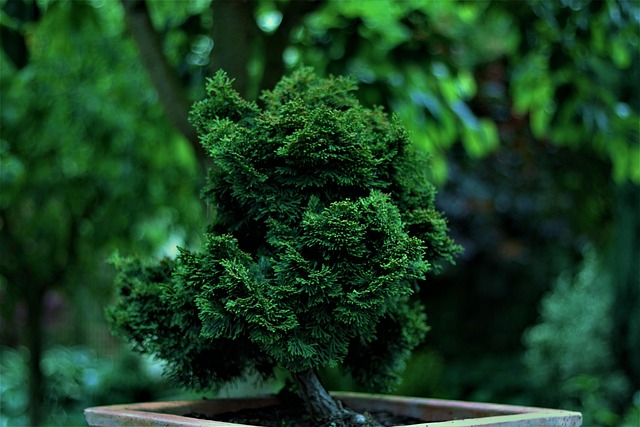
Cupressales species play a vital role in many ecosystems around the world. Their long lifespans, structural strength, and adaptability allow them to shape landscapes over extended periods, often becoming dominant or keystone species within their environments. These trees contribute to ecological stability rather than rapid change, reinforcing the long-term balance of the ecosystems they inhabit.
In forests, woodlands, and mountainous regions, members of this order help regulate soil conditions, water flow, and microclimates. Their evergreen nature provides year-round structure and shelter, supporting a wide range of plant and animal life even during harsh seasonal conditions.
Key ecological roles of Cupressales species include:
- Soil stabilisation through extensive and durable root systems that reduce erosion
- Water regulation, helping manage runoff and retain moisture in surrounding soil
- Habitat creation for birds, insects, and small mammals that rely on evergreen cover
- Long-term carbon storage due to dense wood and slow decomposition rates
- Protection against harsh climates, offering windbreaks and temperature moderation
- Support for biodiversity, particularly in temperate and montane ecosystems
Beyond their physical contributions, many species also hold cultural and historical importance within ecosystems. Ancient groves, sacred trees, and long-lived specimens often become focal points for conservation efforts, reflecting both ecological and human value.
For bonsai growers, understanding these ecological roles reinforces why Cupressales species respond best to stable, well-balanced conditions. Their natural tendency toward endurance and environmental harmony translates directly into cultivation practices that favour consistency, patience, and respect for natural growth rhythms.
Cupressales as the Backbone of Evergreen Bonsai
Cupressales forms the foundation of evergreen bonsai, both historically and in modern practice. The order brings together trees that naturally express age, resilience, and permanence, qualities that lie at the heart of bonsai aesthetics. Through slow growth, durable wood, and adaptable structure, these conifers lend themselves to long-term refinement rather than short-term transformation.
Many of the most recognisable evergreen bonsai styles are built around species from this order. Junipers, cypresses, yews, and their relatives provide reliable material for expressing movement, deadwood, and natural weathering. Their ability to respond to careful pruning and wiring over many years allows growers to shape trees gradually while maintaining health and balance.
Understanding Cupressales as a unified group helps bonsai practitioners move beyond individual species and see the broader patterns that guide care and development. When growers recognise the shared traits within this order, they can make more informed decisions, avoid common mistakes, and work in harmony with the natural tendencies of evergreen conifers.
As the evergreen conifer foundation of bonsai, Cupressales represents patience, endurance, and respect for time. Mastering trees from this order is not about speed or instant results, but about cultivating living structures that grow more expressive with each passing year.