
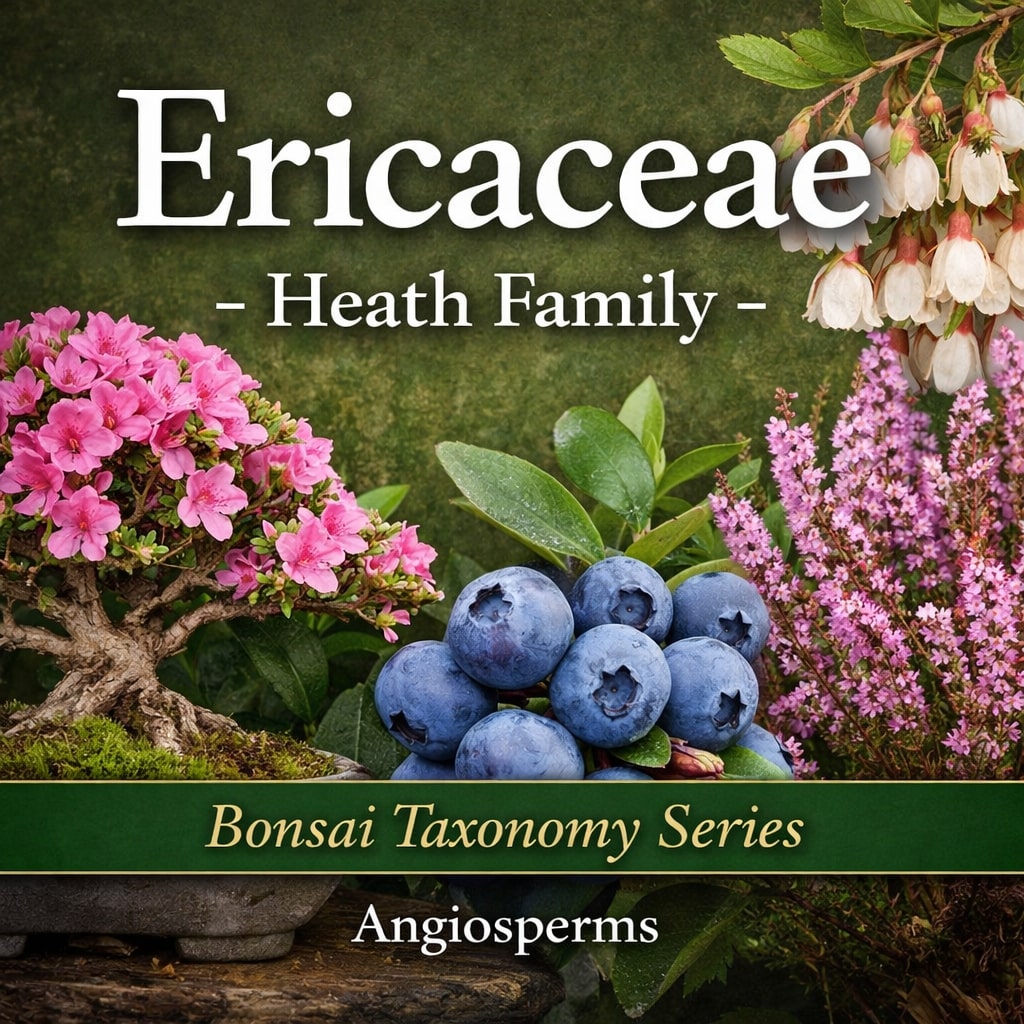
Ericaceae, commonly known as the heath family, is a large and diverse family of flowering plants best known for its association with acidic soils and nutrient-poor environments. This family includes many familiar and economically important plants such as heathers, blueberries, cranberries, rhododendrons, and azaleas.
Found across much of the world, Ericaceae species have evolved specialised adaptations that allow them to thrive where many other plants struggle. Their success is closely tied to unique root–fungus relationships, evergreen foliage, and distinctive floral structures that support efficient nutrient use and specialised pollination.
In horticulture and bonsai, the heath family is especially valued for its ornamental flowers, compact growth habits, and ability to express seasonal change. Species such as azaleas and rhododendrons are among the most popular flowering bonsai, admired for their blooms as well as their fine branching and foliage.
This guide explores the Ericaceae family in detail, examining its defining traits, evolutionary history, classification, ecological significance, and its important role in bonsai and horticulture.
Table of Contents
Taxonomy
– Kingdom: Plantae (Plant Kingdom)
— Clade: Embryophytes (Land Plants)
— Clade: Polysporangiophytes (Multiple Sporangia)
—- Clade: Tracheophytes (Vascular Plants)
—– Superdivision: Spermatophytes (Seed Plants)
—— Clade: Angiospermae (Flowering Plants)
——- Division: Eudicots (True Dicotyledons)
——– Subdivision: Core Eudicots
——— Class: Superasterids (Advanced Flowering Plants)
———- Subclass: Asterids (Unified-Flowering Plants)
———– Order: Ericales (Heath and Tea)
———— Family: Ericaceae (Heath)
What Is Ericaceae?
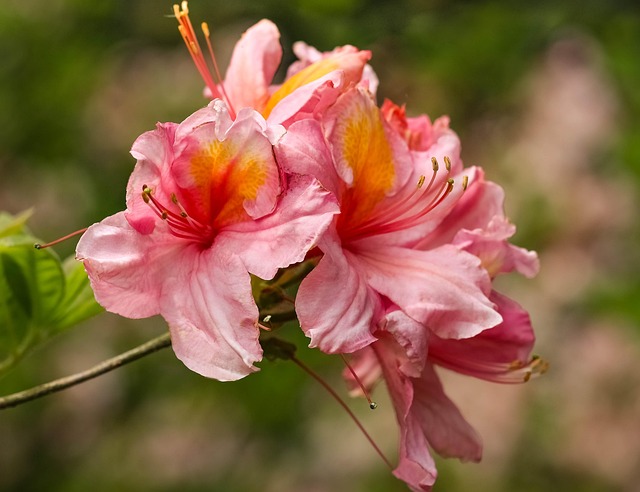
Ericaceae is a family of flowering plants commonly known as the heath family. It belongs to the order Ericales and is one of the largest and most diverse families of angiosperms, with thousands of species spread across more than a hundred genera.
Plants in the Ericaceae family are best known for their strong association with acidic, nutrient-poor soils, where they often dominate landscapes that are unsuitable for many other plant groups. This includes heathlands, moorlands, peat bogs, mountainous regions, and forest understories.
The family includes a wide range of growth forms, from low-growing heaths and shrubs to medium-sized trees. Well-known members of Ericaceae include:
- Heathers and heaths (Erica, Calluna)
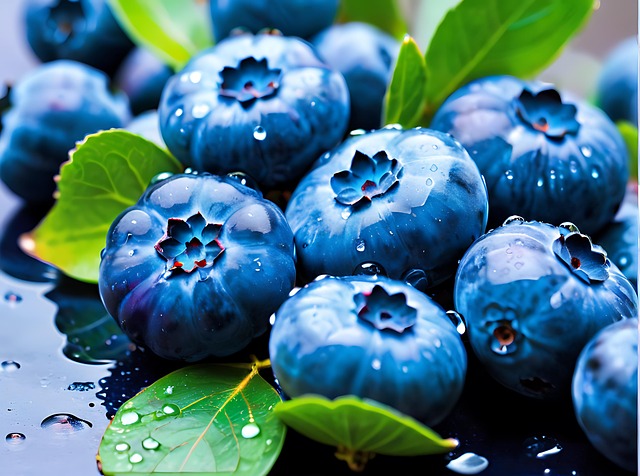
- Blueberries and cranberries (Vaccinium)
- Rhododendrons and azaleas (Rhododendron)
What unites these plants is not appearance alone, but shared biological strategies. Ericaceae species rely heavily on specialised root–fungus relationships to extract nutrients from poor soils, and many have evergreen leaves that conserve resources over long periods.
Because of these adaptations, Ericaceae plays a major role in both natural ecosystems and cultivated landscapes. In bonsai and horticulture, the heath family is especially valued for its ornamental flowers, compact growth habits, and ability to thrive in carefully managed acidic growing conditions.
Defining Characteristics of the Heath Family
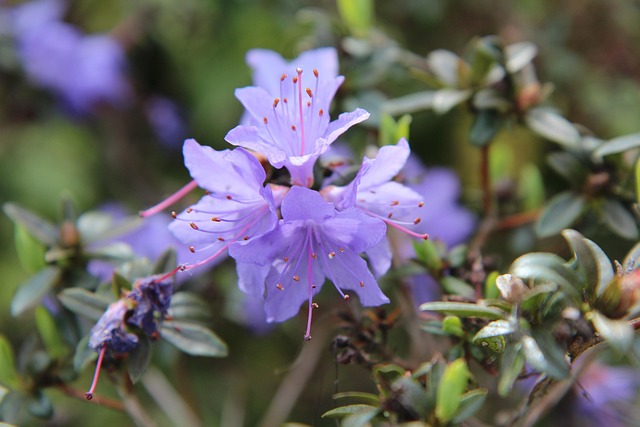
The heath family (Ericaceae) is defined by a distinctive set of structural, physiological, and ecological traits that allow its members to thrive in acidic, nutrient-poor environments. While the family includes a wide range of plant forms, from dwarf shrubs to small trees, these shared characteristics clearly distinguish Ericaceae from other flowering plant families.
Adaptation to acidic and infertile soils
One of the most defining traits of Ericaceae is their ability to grow in soils that are low in nutrients and high in acidity. Many species actively prefer these conditions and struggle in richer, neutral soils.
This adaptation reduces competition from other plants and allows Ericaceae species to dominate heathlands, bogs, and forest understories.
Evergreen, simple foliage
Most members of the heath family have evergreen leaves, which are typically small, tough, and leathery. This foliage conserves nutrients by remaining functional over multiple seasons rather than being shed annually.
Leaves are usually simple, without stipules, and arranged alternately or in whorls, helping reduce water loss and protect against environmental stress.
Sympetalous, bell-shaped flowers
Ericaceae flowers are highly characteristic, with petals fused into tubular, urn-shaped, or bell-shaped corollas. These floral forms protect reproductive structures and are well-suited to specialised pollination methods.
While many flowers are radially symmetrical, some genera, such as rhododendrons, show partial bilateral symmetry.
Pore-releasing anthers and specialised pollination
A key defining feature of the heath family is the way pollen is released. Many Ericaceae species have anthers that open by small pores rather than slits.
This structure supports buzz pollination, where vibrations from pollinators release pollen efficiently, a strategy particularly important in nutrient-poor environments.
Strong reliance on mycorrhizal relationships
Ericaceae species form close relationships with specialised fungi known as ericoid mycorrhizae. These fungi assist the plant in extracting nitrogen and other nutrients from poor soils.
This symbiosis is fundamental to the family’s success and is one of its most important biological characteristics.
Evolutionary History of Ericaceae
The Ericaceae family has a long and complex evolutionary history shaped by adaptation to poor soils, changing climates, and specialised ecological niches. Over time, these pressures produced a diverse group of flowering plants capable of thriving where many others could not, leading to the global distribution and ecological significance seen today.
Early origins within Ericales
Ericaceae evolved within the order Ericales, likely emerging as flowering plants diversified and began occupying specialised environments. Early members of the heath family developed traits that favoured survival in acidic, nutrient-poor soils, setting them apart from many other angiosperm lineages.
These early adaptations laid the foundation for the family’s long-term success.
Diversification through environmental specialisation
As climates fluctuated and landscapes changed, Ericaceae diversified by specialising in distinct habitats such as peat bogs, heathlands, montane regions, and forest understories. This ecological specialisation reduced competition and encouraged rapid diversification within the family.
Many genera evolved narrow habitat preferences, resulting in high species richness and regional endemism.
Expansion across continents
The heath family achieved a near-global distribution through a combination of continental drift, long-distance dispersal, and adaptive radiation. Species established themselves across Europe, Asia, Africa, the Americas, and parts of Oceania, particularly in temperate and montane regions.
This broad spread also led to the development of distinct regional lineages with shared ecological strategies.
Integration of formerly separate families
Advances in molecular research reshaped the evolutionary understanding of Ericaceae. Several plant groups once treated as separate families were later shown to belong within the heath family based on genetic, morphological, and developmental evidence.
This consolidation greatly expanded the family’s recognised diversity and highlighted its deep evolutionary unity.
Persistence through environmental change
Ericaceae species have persisted through major climatic shifts by relying on evergreen foliage, specialised root systems, and symbiotic fungal relationships. These traits allowed the family to survive periods of environmental stress and continue evolving in stable refuges.
Today, many Ericaceae species serve as living examples of long-term evolutionary resilience.
Subfamilies Within Ericaceae
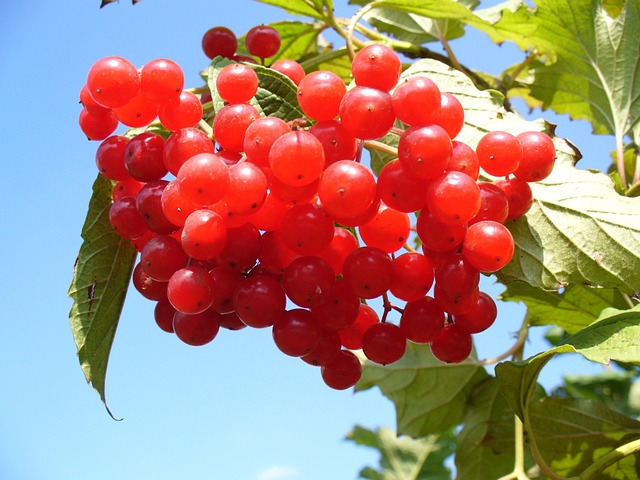
The Ericaceae family is divided into several subfamilies based on molecular genetics, morphology, and ecological strategy. These subfamilies help explain the wide diversity within the heath family, from flowering shrubs and fruiting plants to highly specialised, non-photosynthetic species.
Enkianthoideae
This small subfamily contains a single genus, Enkianthus, known for deciduous shrubs with elegant, bell-shaped flowers. Enkianthoideae is considered one of the more basal lineages within Ericaceae, retaining several ancestral traits.
Pyroloideae
Members of Pyroloideae include low-growing, herbaceous plants that often inhabit forest floors. Many species in this subfamily are mixotrophic, gaining nutrients both through photosynthesis and through fungal associations.
This group represents an evolutionary bridge between fully photosynthetic and non-photosynthetic Ericaceae.
Monotropoideae
Monotropoideae includes highly specialised plants that lack chlorophyll entirely. These species do not photosynthesise and instead rely completely on mycorrhizal fungi connected to surrounding trees for their energy needs.
Their existence highlights the extreme end of symbiosis within the heath family.
Arbutoideae
This subfamily includes shrubs and small trees with tougher, more leathery leaves and often fleshy fruits. Members of Arbutoideae tend to occupy woodland and scrub habitats and are less strictly tied to bog or heathland environments.
Cassiopoideae
Cassiopoideae is a small subfamily consisting of dwarf shrubs adapted to cold, alpine, or Arctic conditions. These plants often form low mats and are well suited to harsh climates with short growing seasons.
Ericoideae
Ericoideae is one of the largest and most recognisable subfamilies and includes classic heaths and heathers. Species in this group dominate heathlands and acidic soils, particularly in Europe and Africa.
This subfamily defines much of what is traditionally associated with the heath family.
Harrimanelloideae
This subfamily contains a single rare species with a very limited distribution. Its isolation and specialised habitat make it of particular interest for evolutionary and conservation studies.
Epacridoideae (Styphelioideae)
Epacridoideae is largely associated with the Southern Hemisphere, especially Australia and nearby regions. Species in this subfamily are adapted to nutrient-poor soils and often exhibit rigid, tough foliage.
Vaccinioideae
Vaccinioideae includes economically important fruiting plants such as blueberries and cranberries. This subfamily is characterised by fleshy fruits and a strong reliance on pollinators and mycorrhizal relationships.
Vaccinioideae plays a major role in both natural ecosystems and agriculture.
Key Genera of the Heath Family

The Ericaceae family includes a wide variety of genera that range from ornamental flowering shrubs to important fruit-bearing plants. These genera reflect the family’s adaptability to acidic soils and its importance in both natural ecosystems and cultivated landscapes.
Rhododendron (including azaleas)
Rhododendron is the most well-known genus within the heath family and includes both evergreen and deciduous shrubs and small trees. Azaleas are now classified within Rhododendron and are especially valued for their vibrant flowers and compact growth habits.
This genus is central to ornamental horticulture and bonsai, where azaleas are among the most popular flowering bonsai species.
Vaccinium (blueberries and cranberries)
The genus Vaccinium includes economically important fruiting plants such as blueberries, cranberries, and huckleberries. These plants are adapted to acidic soils and rely heavily on mycorrhizal fungi and specialised pollination.
Vaccinium species play a key role in both wild ecosystems and agriculture.
Erica (true heaths)
Erica includes hundreds of species commonly referred to as heaths. These plants are typically small shrubs adapted to nutrient-poor, acidic soils and are especially prominent in heathland ecosystems.
Their fine foliage and delicate flowers make them important ornamental plants.
Calluna (heather)
Calluna is a monotypic genus containing the common heather. It is a defining species of European heathlands and is culturally and ecologically significant.
Calluna’s dense growth habit makes it an effective groundcover in harsh environments.
Kalmia (mountain laurels)
Kalmia species are evergreen shrubs native mainly to North America. They are known for their glossy leaves and distinctive cup-shaped flowers.
While toxic to livestock, they are valued ornamentals in acid-loving gardens.
Pieris (Japanese andromeda)
Pieris includes evergreen shrubs with cascading flower clusters and colourful new growth. These plants are popular in ornamental horticulture and shade gardens.
Their structured growth makes them suitable for careful training and pruning.
Enkianthus
Enkianthus consists of deciduous shrubs with graceful branching and seasonal interest. These plants are particularly valued for their autumn colour and delicate spring flowers.
They represent one of the more basal genera within Ericaceae.
Growth Habits and Structural Traits of Ericaceae
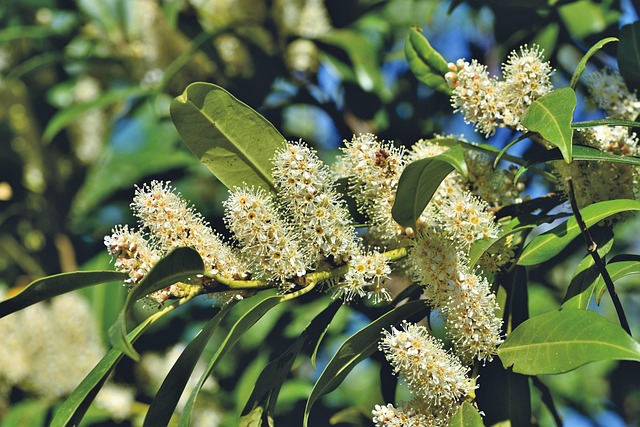
The Ericaceae family exhibits a wide range of growth habits and structural forms, yet its members share underlying traits shaped by life in acidic, nutrient-poor environments. These structural characteristics support survival, efficient nutrient use, and long-term stability across diverse habitats.
Herbs, shrubs, and small trees
Ericaceae includes herbaceous plants, dwarf shrubs, woody shrubs, and small trees. Many species maintain compact growth forms, allowing them to conserve resources and withstand exposure to wind, cold, or poor soils.
This diversity of form enables the family to occupy habitats ranging from alpine slopes to forest understories.
Woody stems and slow growth
Most Ericaceae species develop woody stems and grow relatively slowly. Slow growth is an adaptive strategy that reduces nutrient demand and promotes longevity, particularly in infertile soils.
This trait is especially valuable in bonsai, where controlled growth and fine branching are desirable.
Leaf structure and arrangement
Leaves in the heath family are typically small, tough, and evergreen. They are arranged alternately or in whorls and lack stipules. Their leathery texture helps reduce water loss and protects against environmental stress.
In some genera, leaves are rolled or thickened, further limiting moisture loss.
Root systems adapted to poor soils
Ericaceae plants generally have fine, shallow root systems rather than deep taproots. These roots are highly specialised and closely associated with mycorrhizal fungi that assist in nutrient absorption.
This root structure is efficient in acidic soils where nutrients are present in low concentrations.
Compact branching and natural form
Branching patterns in Ericaceae are often dense and compact, producing naturally refined silhouettes. This structural quality contributes to their ornamental appeal and suitability for shaping and pruning.
In bonsai, these natural forms help create realistic miniature trees that reflect mature growth in nature.
Reproductive Traits and Floral Structure in Ericaceae
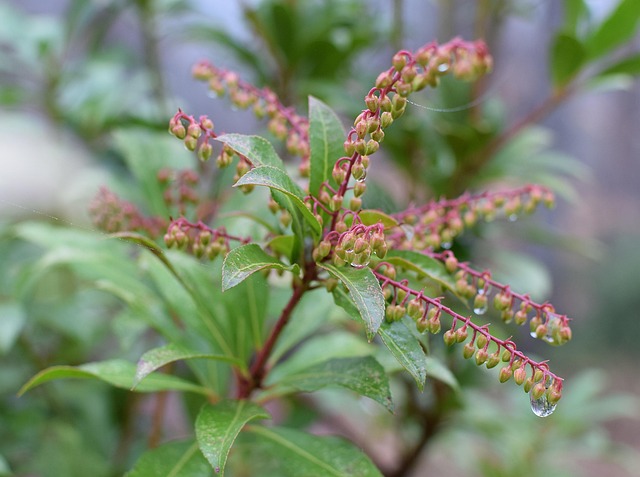
Reproduction in the Ericaceae family is defined by distinctive floral structures and specialised pollination strategies that reflect adaptation to nutrient-poor environments. These traits not only support efficient reproduction but also contribute to the ornamental value for which many heath family plants are prized.
Hermaphroditic flowers and floral diversity
Most Ericaceae species produce hermaphroditic flowers, containing both male and female reproductive organs. While the overall floral plan is shared across the family, there is considerable variation in flower size, shape, and orientation between genera.
Flowers may be solitary or borne in clusters, racemes, or panicles, depending on the species.
Fused petals and characteristic corolla shapes
A defining feature of Ericaceae flowers is the fusion of petals into a single structure, known as a sympetalous corolla. These corollas are commonly:
- Bell-shaped
- Urn-shaped
- Tubular or funnel-like
This fusion protects reproductive organs from environmental stress and helps guide pollinators efficiently toward pollen and nectar.
Pore-opening anthers and buzz pollination
Many members of the heath family have anthers that release pollen through small pores rather than longitudinal slits. This structure is closely associated with buzz pollination, where vibrations produced by certain insects dislodge pollen.
Buzz pollination improves reproductive efficiency, especially in habitats where pollinators are limited or environmental conditions are challenging.
Pollinator specialisation
Ericaceae species are commonly pollinated by bees, particularly those capable of buzz pollination, though butterflies and other insects may also play a role. The shape, colour, and orientation of flowers are often finely tuned to specific pollinators.
This level of specialisation has contributed to the family’s diversification and ecological success.
Fruit and seed development
Following pollination, Ericaceae plants produce a variety of fruit types, including capsules and fleshy berries. These fruits aid in seed dispersal through wind, gravity, or animals, depending on the species.
In genera such as Vaccinium, fleshy fruits play a key role in both natural ecosystems and human agriculture.
Ecological and Mycorrhizal Importance of Ericaceae
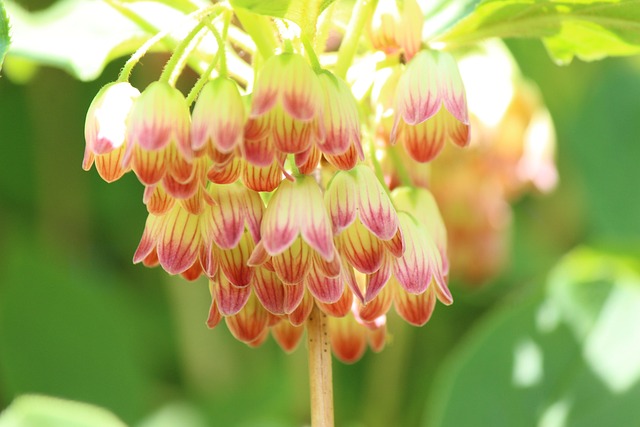
The Ericaceae family plays a vital ecological role in many of the world’s most challenging environments. Its success is closely linked to specialised fungal relationships and adaptations that allow these plants to dominate acidic, nutrient-poor ecosystems.
- Dominance in acidic ecosystems: Ericaceae species are often the primary or dominant vegetation in heathlands, peat bogs, montane regions, and forest understories where soil fertility is low and acidity is high.
- Specialised ericoid mycorrhizal relationships: Most Ericaceae form unique ericoid mycorrhizae, in which fungi grow within and around the roots. These fungi enable plants to access nitrogen and other nutrients that are otherwise unavailable in poor soils.
- Efficient nutrient cycling: The mycorrhizal associations of Ericaceae contribute to efficient nutrient uptake and recycling, maintaining ecosystem function in environments with limited nutrient input.
- Support for pollinators and wildlife: Heath family plants provide nectar, pollen, and fruit for a wide range of insects, birds, and mammals. Species such as blueberries and heathers are especially important food sources.
- Formation of heathlands and cultural landscapes: Ericaceae species define heathland ecosystems, which are not only ecologically significant but also culturally important in many regions. These landscapes often require active management to prevent ecological succession.
- Resilience to environmental stress: Adaptations such as evergreen foliage, compact growth, and fungal symbiosis allow Ericaceae species to survive drought, cold, and nutrient scarcity, contributing to ecosystem stability.
- Indicator species for soil conditions: The presence of Ericaceae plants often signals acidic soil conditions and low nutrient availability, making them valuable indicators in ecological assessment and land management.
Ericaceae in Bonsai and Horticulture
The Ericaceae family holds a distinctive place in horticulture and bonsai, prized for its ornamental flowers, refined growth habits, and close connection to acidic growing conditions. From heathers and blueberries to azaleas and rhododendrons, members of the heath family bring colour, texture, and seasonal interest to cultivated landscapes.
In horticulture, Ericaceae species are valued for their adaptability to acidic soils and shaded environments where many other plants struggle. They are widely used in ornamental gardens, woodland plantings, and specialist collections focused on acid-loving plants. Their flowers, often produced in abundance, make them standout features in spring and early summer displays.
In bonsai, the heath family is especially important among flowering species. Azaleas and rhododendrons are among the most celebrated flowering bonsai, admired for their vibrant blooms, compact branching, and ability to develop fine structure over time. Their slower growth and natural response to pruning reward patience and careful cultivation.
Successful cultivation of Ericaceae in both bonsai and horticulture depends on understanding their biology. Acidic soil, proper drainage, consistent moisture, and healthy mycorrhizal activity are essential. When these conditions are met, plants in the heath family display exceptional vitality and long-term stability.
As a botanical family, Ericaceae represents adaptation, resilience, and beauty under constraint. Whether grown in the ground or refined in a pot, the heath family continues to be a cornerstone of acid-loving ornamentals and flowering bonsai, linking ecology, horticulture, and art in a uniquely expressive way.