
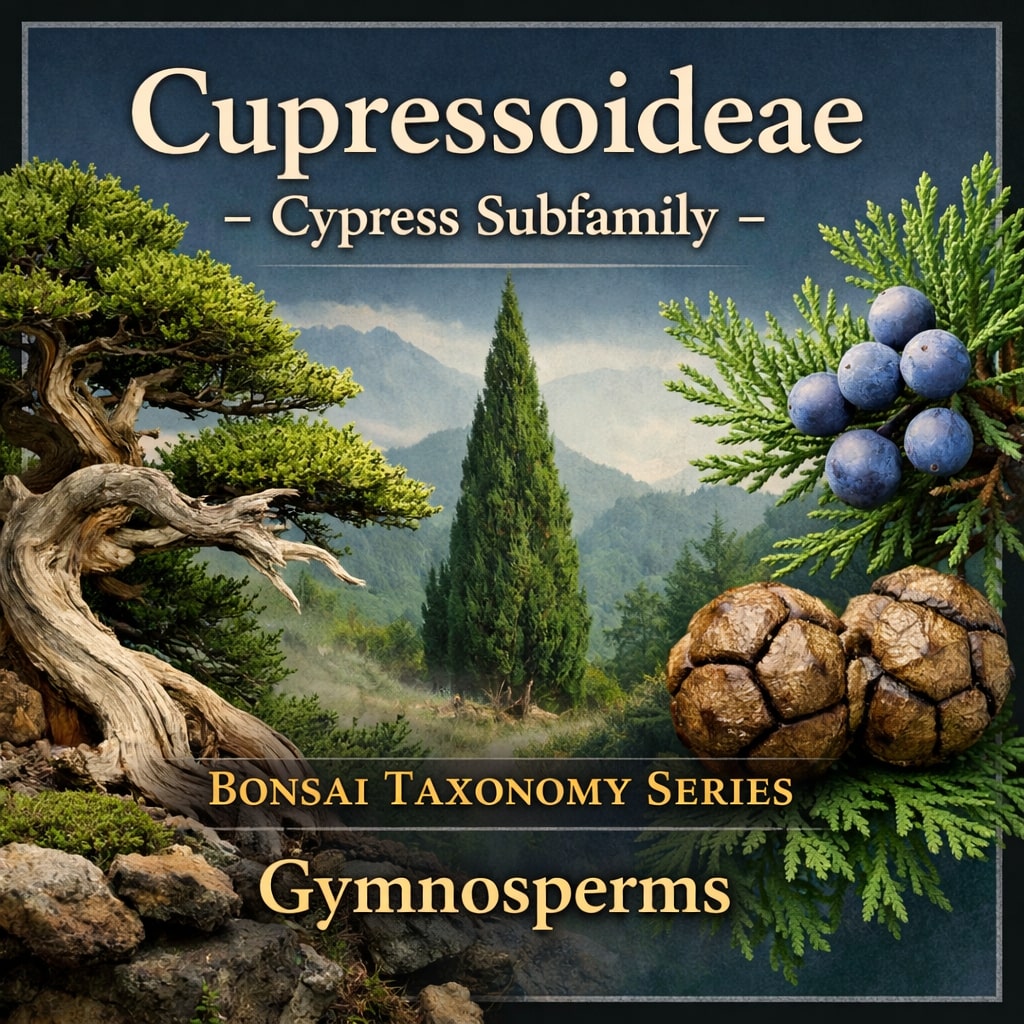
Cupressoideae, commonly referred to as the cypress subfamily, is a major subfamily within the cypress family (Cupressaceae). It includes many of the most recognisable conifer genera used in forestry, landscaping, and bonsai, such as junipers, cypresses, and arborvitae. Species within Cupressoideae are evergreen conifers known for their durability, aromatic wood, and wide ecological tolerance.
As a botanical group, Cupressoideae is defined by shared structural traits, reproductive features, and evolutionary origins that distinguish it from other subfamilies within Cupressaceae. Understanding Cupressoideae helps clarify how these trees are related, why they thrive across diverse climates, and how different genera within the subfamily have adapted to specific environments.
In bonsai and horticulture, Cupressoideae holds particular importance due to its varied growth forms and strong response to cultivation techniques. From ground-hugging junipers to tall, columnar cypresses, the Cupressoideae subfamily offers exceptional diversity while maintaining a clear and traceable taxonomic identity.
Table of Contents
Taxonomy
– Kingdom: Plantae (Plant Kingdom)
— Clade: Embryophytes (Land Plants)
— Clade: Polysporangiophytes (Multiple Sporangia)
—- Clade: Tracheophytes (Vascular Plants)
—– Superdivision: Spermatophytes (Seed Plants)
—— Clade: Gymnospermae (Naked Seeds)
——- Division: Pinophyta (Conifers)
——– Class: Pinopsida (Living Conifers)
——— Subclass: Cupressidae (Evergreen Conifers)
———- Order: Cupressales (Cypress)
———– Family: Cupressaceae (Cypress)
———— Subfamily: Cupressoideae (Cypress)
What Is Cupressoideae?
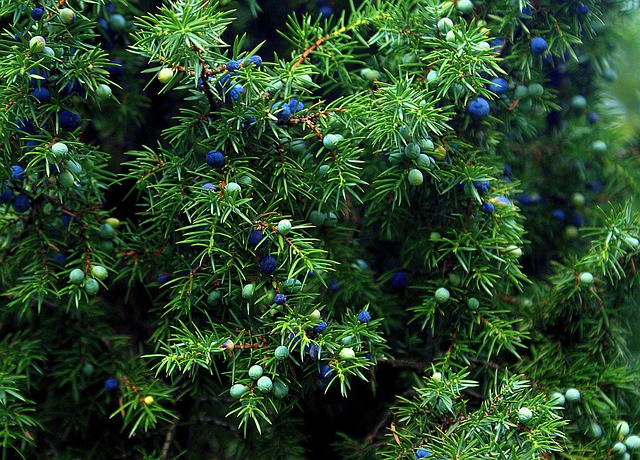
Cupressoideae is a botanical subfamily within the cypress family (Cupressaceae) that groups together many of the world’s most familiar cypress- and juniper-related conifers. It represents a natural taxonomic division based on shared evolutionary history, structural traits, and reproductive characteristics.
The Cupressoideae subfamily includes evergreen trees and shrubs that typically bear scale-like or awl-shaped leaves and produce woody or berry-like cones. Members of Cupressoideae are adapted to a wide range of environments, from temperate forests and coastal regions to arid mountains and cold highlands, which has contributed to their global distribution.
In plant taxonomy, Cupressoideae serves as an important classification level between the family Cupressaceae and the individual genera such as junipers, cypresses, and arborvitae. Defining Cupressoideae helps clarify relationships among these closely related conifers and provides a framework for understanding their ecological roles, growth habits, and use in horticulture and bonsai.
Taxonomic Position Within the Cypress Family
Within the cypress family (Cupressaceae), the subfamily Cupressoideae exists to group together genera that share a particularly close evolutionary relationship and a core set of defining traits. While Cupressaceae as a whole includes a broad range of conifers with differing forms and adaptations, not all members are equally similar. The Cupressoideae subfamily allows botanists to organise the family more precisely by separating closely related lineages from more distinct groups.
Cupressoideae is named after the archetypal genus Cupressus, commonly known as the true cypresses. This naming reflects a long-standing taxonomic convention in which a subfamily is designated using a representative or historically central genus that best embodies the group’s defining characteristics. Genera placed within Cupressoideae share structural features, cone morphology, and growth patterns that align closely with this archetypal cypress form.
By establishing Cupressoideae as a distinct subfamily, taxonomists are able to clarify relationships within Cupressaceae without fragmenting the family into entirely separate groups. This hierarchical structure preserves the unity of the cypress family while recognising meaningful evolutionary divisions, making it easier to study, identify, and compare genera such as junipers, arborvitae, and cypresses within a coherent framework.
Evolutionary Origins of the Cupressoideae Subfamily
The evolutionary history of Cupressoideae reflects the long and complex development of conifer lineages over tens of millions of years. As part of the broader cypress family (Cupressaceae), the Cupressoideae subfamily emerged as a distinct group through gradual divergence driven by climate change, geographic separation, and adaptive specialisation. Understanding these origins helps explain why the subfamily contains such a wide range of forms while still maintaining clear shared traits.
Early divergence within the cypress family
Cupressoideae is thought to have diverged from other Cupressaceae lineages during the Mesozoic era, a period when conifers dominated many terrestrial ecosystems. As ancestral cypress-like trees spread across ancient landmasses, populations became isolated by shifting continents and changing climates. These separations allowed certain lineages to evolve independently, eventually giving rise to the Cupressoideae subfamily.
Adaptation to changing climates
One of the defining evolutionary drivers of Cupressoideae was adaptability. Members of the subfamily evolved traits that allowed them to survive in a wide range of conditions, including drought-prone regions, cold mountainous areas, and temperate forests. Scale-like foliage, resin-rich wood, and efficient water use are all evolutionary adaptations that contributed to the long-term success of Cupressoideae across diverse environments.
Expansion and diversification of genera
Over time, the Cupressoideae subfamily diversified into multiple genera, each adapting to specific ecological niches. This diversification explains the presence of both towering forest trees and low-growing, spreading shrubs within the same subfamily. Despite this variation, genetic and structural similarities confirm their shared ancestry, reinforcing the taxonomic grouping of Cupressoideae as a natural evolutionary unit within the cypress family.
Defining Characteristics of Cupressoideae
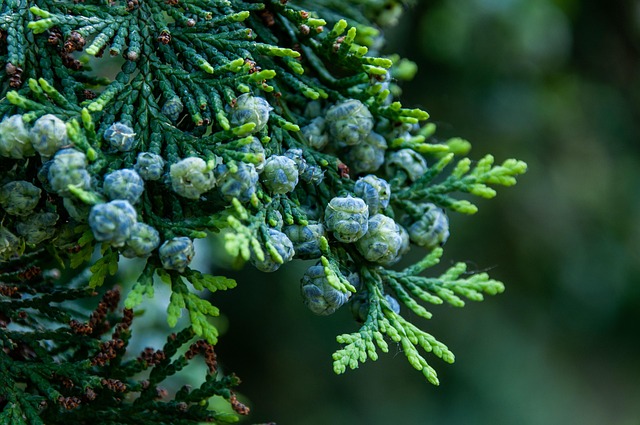
The Cupressoideae subfamily is defined by a combination of structural, reproductive, and physiological traits that distinguish it from other groups within the cypress family (Cupressaceae). While the genera included in Cupressoideae vary widely in size, form, and habitat, they share a core set of characteristics that reflect a common evolutionary origin. These shared features are what allow botanists to recognise Cupressoideae as a coherent and natural taxonomic group rather than a loose collection of unrelated conifers.
Foliage structure and leaf morphology
One of the most recognisable characteristics of Cupressoideae is its foliage. Members of the subfamily typically bear scale-like leaves that lie close to the stem, although some genera retain awl-shaped juvenile foliage into maturity. This leaf structure reduces surface area and water loss, making it highly effective in dry or exposed environments.
The foliage of Cupressoideae is usually evergreen and often aromatic due to the presence of resin glands. These resins serve multiple functions, including protection against herbivores, fungal pathogens, and environmental stress. The persistent nature of the foliage allows Cupressoideae species to photosynthesise year-round, giving them a competitive advantage in climates with short growing seasons.
Wood anatomy and resin production
Cupressoideae species are well known for their durable, resin-rich wood. The wood is typically fine-textured, rot-resistant, and highly aromatic, qualities that have made many species valuable for construction, furniture, and cultural uses throughout history. These properties are the result of specialised wood anatomy that limits moisture retention and discourages decay.
Resin canals and oil-bearing tissues are common throughout the subfamily. In evolutionary terms, this chemical defence system has contributed significantly to the longevity and survival of Cupressoideae species. The same characteristics that protect living trees also explain why fossilised wood from this group is relatively well preserved in the geological record.
Cone types and reproductive features
Reproductive structures provide some of the clearest defining traits of Cupressoideae. Most members produce woody seed cones composed of fused or overlapping scales, although certain genera, such as junipers, have evolved fleshy, berry-like cones. Despite these visual differences, the underlying reproductive structure remains consistent across the subfamily.
Cupressoideae species are generally monoecious, bearing both pollen and seed cones on the same plant. Pollination is primarily wind-driven, reflecting the ancient evolutionary origins of the group. Cone maturation may take one or more seasons, a trait that balances reproductive success with environmental conditions.
Growth habits and longevity
The Cupressoideae subfamily exhibits remarkable diversity in growth habit, ranging from tall, single-trunked forest trees to low-growing, spreading shrubs. This flexibility allows members of the subfamily to occupy a wide range of ecological niches, from dense forests to rocky outcrops and coastal zones.
Many Cupressoideae species are also exceptionally long-lived. Some individuals survive for centuries or even millennia, a testament to their resilience and efficient resource use. This longevity, combined with slow, steady growth, is one of the reasons the subfamily plays such an important role in both natural ecosystems and long-term cultivation practices such as bonsai.
Genera Included in the Cupressoideae Subfamily

The Cupressoideae subfamily contains a diverse but clearly related group of genera within the cypress family (Cupressaceae). Although these genera vary widely in appearance, size, and ecological preference, they are united by shared evolutionary traits, cone structures, and wood characteristics. Grouping them within Cupressoideae allows botanists to reflect these close relationships while still recognising meaningful differences at the genus level.
Below are the principal genera currently recognised within the Cupressoideae subfamily, each representing a distinct evolutionary line within the broader cypress group.
Juniperus (junipers)
Juniperus is one of the largest and most widespread genera in Cupressoideae. It includes trees and shrubs ranging from low, creeping groundcovers to upright, columnar forms. Junipers are distinctive for their berry-like cones, which are actually modified seed cones with fleshy scales.
Members of Juniperus are highly adaptable and occur across the Northern Hemisphere, often thriving in harsh or marginal environments. This adaptability has made the genus especially important in bonsai, landscaping, and ecological restoration.
Cupressus (true cypresses)
The genus Cupressus represents the archetypal cypress form from which the subfamily Cupressoideae takes its name. These are typically medium to large evergreen trees with scale-like foliage and woody, spherical cones.
Cupressus species are most commonly associated with Mediterranean and warm temperate regions. Their upright habit, longevity, and aromatic wood have made them culturally and historically significant, particularly in architecture and symbolic planting.
Chamaecyparis (false cypresses)
Chamaecyparis includes elegant, often finely textured trees with flattened sprays of foliage. Although commonly called cypresses, they are botanically distinct from Cupressus and occupy their own lineage within Cupressoideae.
This genus is especially valued in horticulture due to its ornamental qualities and range of cultivars. The consistent cone and foliage traits still firmly place Chamaecyparis within the Cupressoideae subfamily.
Thuja (arborvitae)
Thuja, commonly known as arborvitae, consists of trees with flattened branchlets and small, elongated cones. Species in this genus are native to both North America and East Asia, reflecting the broad geographic spread of Cupressoideae.
The genus is notable for its strong association with cultivated landscapes, hedging, and traditional uses of its rot-resistant wood. Despite its softer appearance, Thuja shares core structural traits with other Cupressoideae genera.
Calocedrus (incense-cedars)
Calocedrus comprises tall, straight-trunked trees with strongly aromatic wood and distinctive cone shapes. Although commonly referred to as cedars, they are not true cedars and belong firmly within the cypress subfamily.
The genus occupies a more limited natural range but plays an important ecological and commercial role where it occurs, particularly due to its durable timber.
Platycladus (Chinese arborvitae)
Platycladus is a small genus best known for Platycladus orientalis, a species widely cultivated in Asia and beyond. It is characterised by flattened sprays of foliage and small cones with hooked scales.
Its long history of cultivation, symbolic use, and adaptability has secured its place within Cupressoideae, even though it differs slightly in appearance from more typical cypress forms.
Other recognised genera
Additional genera within Cupressoideae include Fokienia, Tetraclinis, Thujopsis, Microbiota, Callitropsis, Hesperocyparis, and Xanthocyparis. These genera are generally more restricted in distribution or species count but share the defining anatomical and reproductive traits of the subfamily.
Together, these genera illustrate the structural and ecological diversity that can exist within a single subfamily while maintaining a clear evolutionary identity. This diversity is one of the defining strengths of Cupressoideae and a key reason it occupies such a central position within the cypress family.
Growth Forms and Structural Diversity
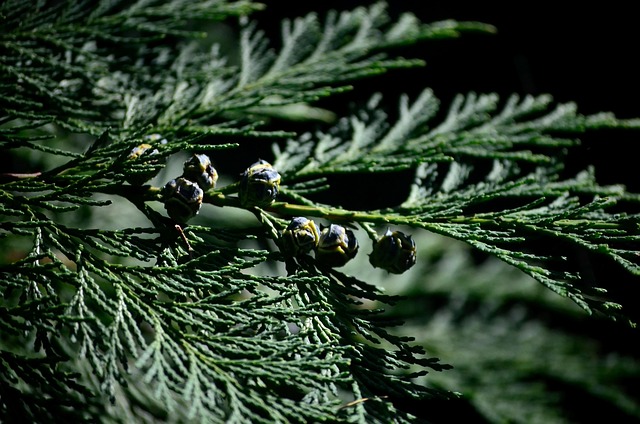
The Cupressoideae subfamily displays an exceptional range of growth forms, making it one of the most structurally diverse groups within the cypress family (Cupressaceae). While all members share a common evolutionary foundation, their physical expressions vary dramatically depending on habitat, climate, and adaptive pressures. This diversity is a key reason why Cupressoideae species occupy such a wide geographic range and play important roles in both natural ecosystems and cultivated landscapes.
Tree forms and upright growth habits
Many Cupressoideae species develop as medium to large evergreen trees with strong central leaders and well-defined trunks. These upright forms are typical of genera such as Cupressus, Calocedrus, and Thuja, where height and vertical structure provide advantages in forested or open woodland environments. Tall growth allows these trees to compete effectively for light while supporting long lifespans and stable reproductive output.
Structurally, these tree forms are characterised by dense, fibrous wood and branching patterns that balance flexibility with strength. The architecture of upright Cupressoideae species often reflects adaptation to wind exposure and variable climates, resulting in trees that are both resilient and long-lived.
Shrub-like and spreading forms
In contrast to towering forest trees, some Cupressoideae members grow as low, spreading shrubs. This growth habit is most clearly seen in many Juniperus species and in genera such as Microbiota. These forms are particularly well suited to harsh environments, including rocky slopes, alpine regions, and areas with poor or shallow soils.
Spreading growth reduces exposure to wind and cold while allowing plants to stabilise soil and conserve moisture. From an ecological perspective, these low-growing Cupressoideae species often act as pioneer plants, helping to establish vegetation in otherwise inhospitable conditions.
Columnar and compact architectures
Cupressoideae also includes species and forms with narrow, columnar growth habits. These shapes are especially common in certain cypresses and arborvitae and are often associated with dense, upward-oriented branching. Columnar forms reduce lateral spread while maximising vertical growth, making them efficient in crowded environments or cultivated settings.
This structural compactness has made columnar Cupressoideae forms popular in horticulture and formal planting. Their predictable architecture is not merely ornamental but reflects an evolutionary strategy that balances stability, resource use, and reproductive success.
Plasticity and response to environment
A defining feature of Cupressoideae is structural plasticity, the ability of a single species to express different growth forms depending on environmental conditions. Factors such as light availability, soil depth, wind exposure, and water stress can significantly influence plant shape and size.
This adaptability explains why the same Cupressoideae species may appear as a tall tree in one region and a compact shrub in another. It also underpins the subfamily’s suitability for cultivation techniques such as bonsai, where growth form can be intentionally shaped while still respecting the plant’s natural structural tendencies.
Reproductive Traits and Cone Morphology
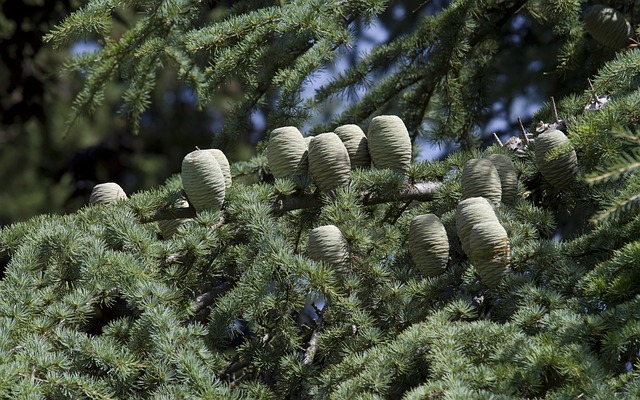
Reproductive structures are among the most important features used to define and classify the Cupressoideae subfamily. While foliage and growth habit can vary widely, cone morphology and reproductive strategy provide consistent taxonomic signals that link the diverse genera within Cupressoideae. These traits reflect both the ancient origins of the group and the adaptations that have allowed it to persist across changing environments.
Seed cones and structural variation
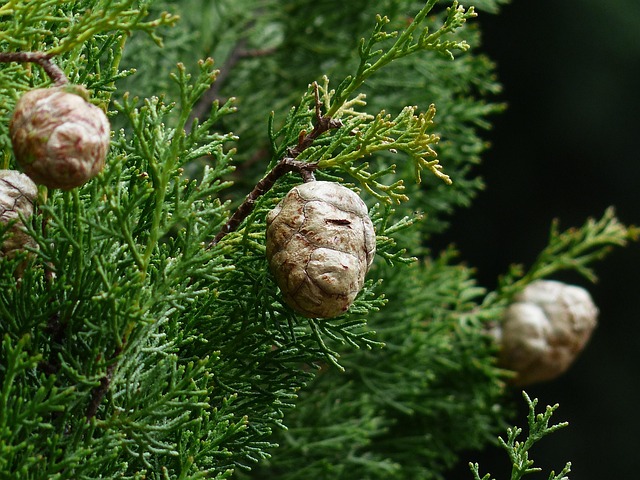
Most members of Cupressoideae produce woody seed cones composed of fused or overlapping scales. These cones vary in size, shape, and surface texture between genera, but they share a common underlying structure that distinguishes them from cones found in other conifer families. In many genera, the cones are spherical to oval and mature over one or more growing seasons.
Despite their external differences, the cones of Cupressoideae are functionally similar. Each cone scale protects one or more seeds until maturity, at which point the scales open or decay to release them. This gradual release strategy increases the likelihood of successful dispersal under favourable conditions, particularly in unpredictable climates.
Berry-like cones in junipers
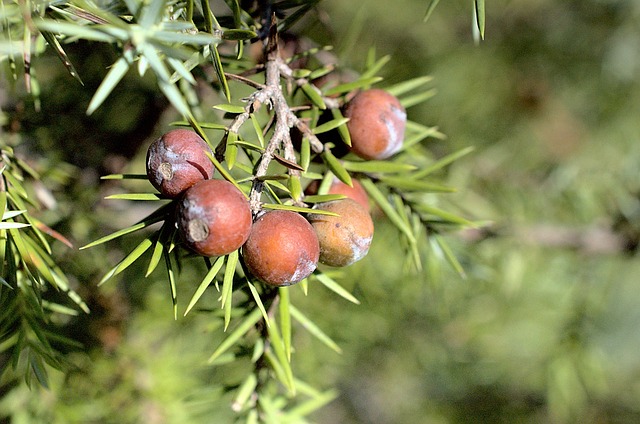
One of the most distinctive reproductive adaptations within Cupressoideae occurs in the genus Juniperus. Instead of woody cones, junipers produce fleshy, berry-like structures formed from fused cone scales. Although they resemble true berries, these structures are botanically cones and retain the same reproductive function.
This adaptation has significant ecological implications. The fleshy cones attract birds and mammals, which consume them and disperse the seeds over long distances. This animal-assisted dispersal has helped junipers colonise wide geographic areas and thrive in marginal environments where wind dispersal alone would be less effective.
Pollen cones and wind pollination
Cupressoideae species rely primarily on wind pollination, a trait inherited from early conifer ancestors. Pollen cones are typically small, inconspicuous, and produced in large numbers to maximise the chances of successful fertilisation. Their structure is optimised for releasing lightweight pollen grains into the air.
Most Cupressoideae species are monoecious, meaning that pollen and seed cones occur on the same plant. This reproductive strategy balances efficiency with genetic diversity, as wind pollination still allows for cross-fertilisation between individuals across a population.
Cone maturation and reproductive timing
The time required for cone development and seed maturation varies among Cupressoideae genera but generally spans one to two growing seasons. This extended maturation period reflects a reproductive strategy that prioritises seed quality and survival over rapid reproduction.
Cone persistence is also common within the subfamily. In some species, mature cones remain attached to the plant long after seeds have been released. This persistence can provide additional protection against predation and environmental stress while also serving as a diagnostic feature for identification and classification.
Together, these reproductive traits and cone forms provide a reliable framework for understanding the evolutionary relationships within Cupressoideae and reinforce the subfamily’s coherence despite its wide structural and ecological diversity.
Ecological Roles and Natural Distribution
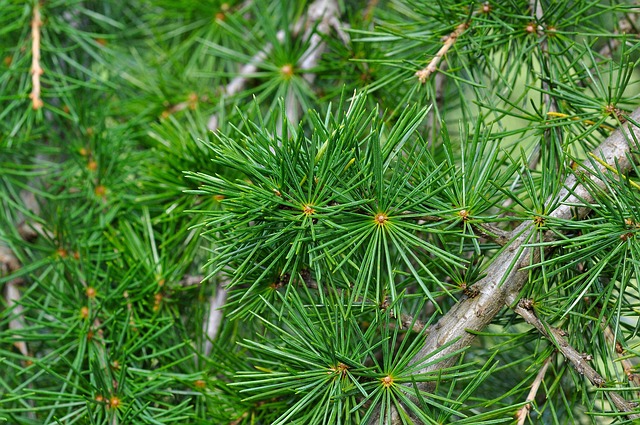
The Cupressoideae subfamily plays an important role in a wide range of ecosystems across the globe. Species within this group have evolved to occupy diverse habitats, often contributing significantly to environmental stability and biodiversity.
- Occurs naturally across the Northern Hemisphere, with species found in North America, Europe, Asia, and parts of North Africa
- Thrives in varied climates, including temperate forests, Mediterranean regions, alpine zones, coastal areas, and semi-arid landscapes
- Acts as a stabilising presence in fragile environments, with deep or spreading root systems that help prevent soil erosion
- Provides shelter and food for wildlife, particularly birds and small mammals that depend on foliage cover and cone production
- Plays a role in long-term ecosystem resilience due to slow growth, longevity, and resistance to environmental stress
- Includes pioneer species capable of colonising poor or disturbed soils, supporting ecological succession
Through these ecological contributions, the cypress subfamily has established itself as a foundational component of many natural landscapes, maintaining ecosystem balance while adapting to a wide range of environmental conditions.
Cupressoideae in Bonsai and Cultivation
The Cupressoideae subfamily holds a prominent place in both bonsai and wider horticultural cultivation due to its structural strength, adaptability, and longevity. Many of the most commonly cultivated conifers belong to this group, offering growers a wide range of forms to work with, from compact, ground-hugging shrubs to upright, tree-like silhouettes. These natural growth tendencies make members of the subfamily especially suitable for long-term training and shaping.
In cultivation, plants from this subfamily respond well to pruning, wiring, and careful root management when their natural growth habits are respected. Their evergreen foliage allows for year-round structure, while their resilience enables them to recover from shaping techniques over time. These qualities have contributed to their enduring popularity in both traditional gardens and container cultivation.
As a bonsai subject, the cypress subfamily is particularly valued for its ability to convey age and character. Textured bark, deadwood features, and naturally contorted forms allow artists to express scale and maturity even in small trees. Understanding the taxonomic identity and natural tendencies of this group provides a strong foundation for successful cultivation, linking botanical knowledge with practical growing and artistic expression.