
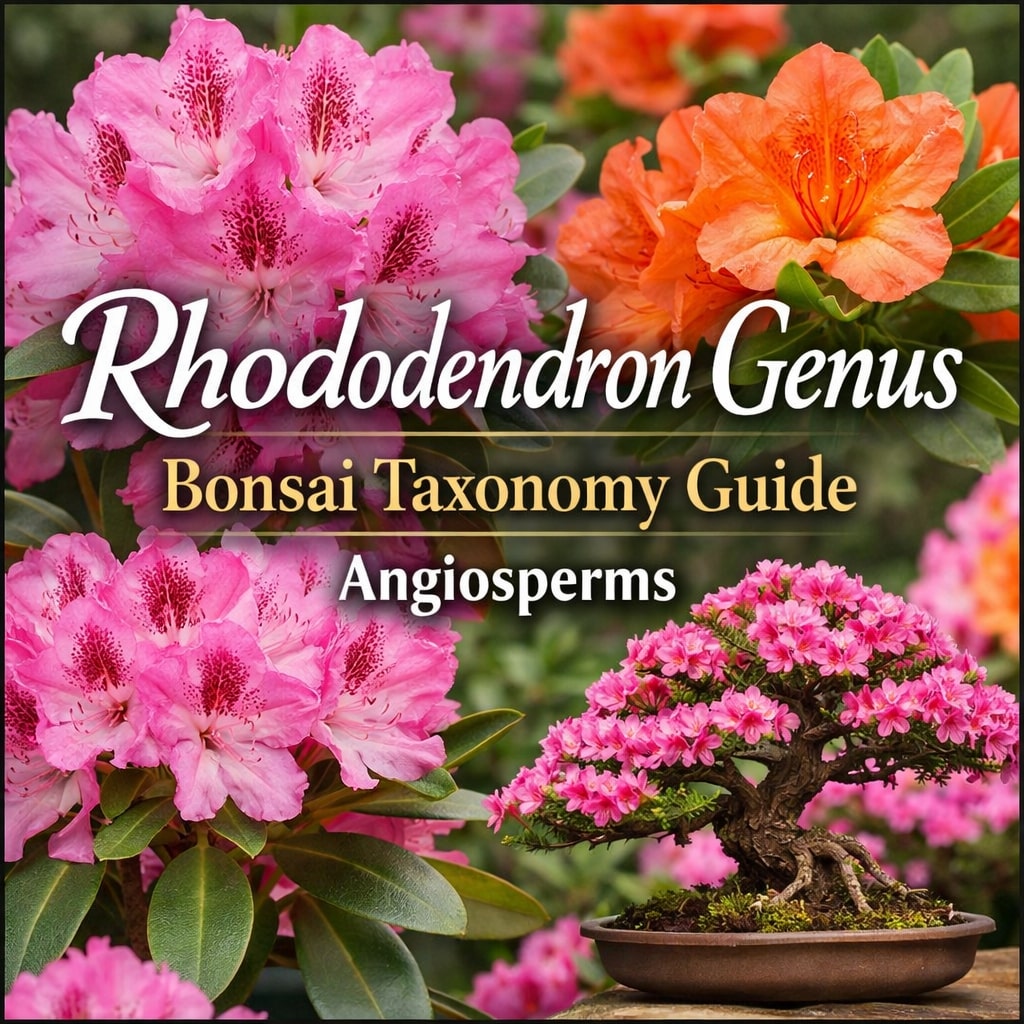
Rhododendron is one of the largest and most diverse genera of flowering woody plants, encompassing over a thousand recognised species within the heath family, Ericaceae. Known for their striking floral displays and wide range of growth forms, rhododendrons include both evergreen and deciduous shrubs and trees found across temperate, subtropical, and montane regions of the world.
Native primarily to eastern Asia and the Himalayan region, Rhododendron species also occur naturally in North America, Europe, and parts of Australasia. The genus includes the plants commonly known as azaleas, which are now understood to be specialised groups within Rhododendron rather than a separate genus. Together, rhododendrons and azaleas represent a remarkable evolutionary lineage defined by complex taxonomy, specialised adaptations to acidic soils, and extraordinary variation in leaf size, flower form, and habitat.
Within horticulture and bonsai, Rhododendron holds a unique position among angiosperms. Its combination of woody structure, evergreen foliage in many species, and highly ornamental flowers has made it a cornerstone of garden design and a respected, though more specialised, subject in bonsai cultivation.
Understanding the Rhododendron genus at a taxonomic level provides essential context for exploring its subgenera, species diversity, ecological roles, and cultivation requirements, especially as we move toward section- and species-level guides.
Table of Contents
Taxonomy
– Kingdom: Plantae (Plant Kingdom)
— Clade: Embryophytes (Land Plants)
— Clade: Polysporangiophytes (Multiple Sporangia)
—- Clade: Tracheophytes (Vascular Plants)
—– Superdivision: Spermatophytes (Seed Plants)
—— Clade: Angiospermae (Flowering Plants)
——- Division: Eudicots (True Dicotyledons)
——– Subdivision: Core Eudicots
——— Class: Superasterids (Advanced Flowering Plants)
———- Subclass: Asterids (Unified-Flowering Plants)
———– Order: Ericales (Heath and Tea)
———— Family: Ericaceae (Heath)
————- Subfamily: Ericoideae (Heath)
————– Tribe: Rhodoreae (Rhododendron)
————— Genus: Rhododendron
What Is Rhododendron?
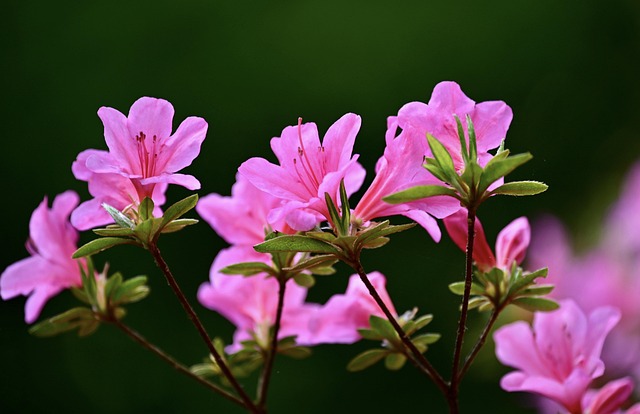
Rhododendron is a genus of woody flowering plants in the heath family, Ericaceae, comprising evergreen and deciduous shrubs as well as small to occasionally large trees. As angiosperms, rhododendrons reproduce through flowers and seeds enclosed within capsules, distinguishing them from gymnosperm genera such as junipers.
The genus Rhododendron is exceptionally large and diverse, with more than 1,000 recognised species distributed mainly across eastern Asia and the Himalayan region, with additional native species in North America, Europe, and Australasia. This diversity includes a wide range of leaf sizes, growth habits, and floral forms, from compact alpine shrubs to forest trees reaching several metres in height.
Plants commonly known as azaleas are not a separate genus but form specialised groups within Rhododendron. They are typically distinguished by floral traits, such as having fewer stamens, but share the same fundamental genetic and botanical identity. Together, rhododendrons and azaleas represent one of the most important and visually distinctive genera in ornamental horticulture, valued for their ecological significance, cultural symbolism, and ornamental appeal.
Taxonomic Position of Rhododendron Within Ericaceae
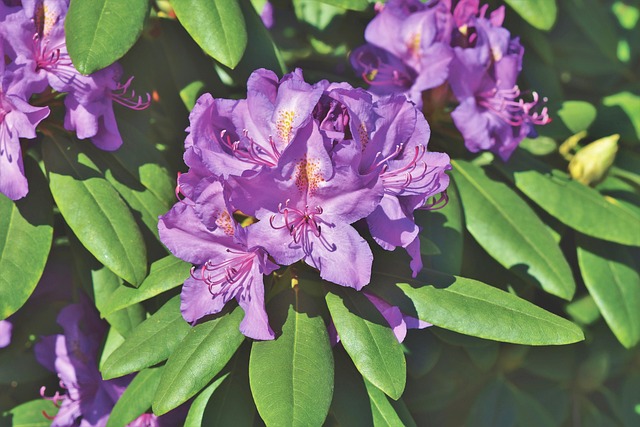
Rhododendron belongs to the family Ericaceae, commonly known as the heath family, a large group of flowering plants adapted primarily to acidic, nutrient-poor soils. Ericaceae includes a wide range of shrubs and small trees such as Erica, Calluna, Vaccinium (blueberries), and Kalmia, all sharing similar ecological preferences and root adaptations.
Within Ericaceae, Rhododendron is the largest and most morphologically diverse genus. It is the sole genus currently recognised within the tribe Rhodoreae, a position that reflects both its evolutionary distinctiveness and the absorption of several formerly separate genera, including Azalea, Ledum, and Menziesia. These groups were historically separated based on visible traits such as leaf form or flower structure but are now understood, through molecular evidence, to fall within a single evolutionary lineage.
Taxonomically, Rhododendron is classified as an angiosperm eudicot and is characterised by woody growth, specialised evergreen or deciduous leaves, and complex floral structures. Its placement within Ericaceae is strongly supported by shared traits such as ericoid mycorrhizal associations, preference for acidic substrates, and similar seed and fruit morphology.
Understanding the taxonomic position of Rhododendron within Ericaceae is essential for interpreting its evolutionary history, its close relationship to other heath plants, and its specialised cultivation requirements. This context also explains why rhododendrons respond differently to soil, water, and nutrient conditions compared to many other woody ornamental plants.
Evolutionary History and Origins of the Rhododendron Genus
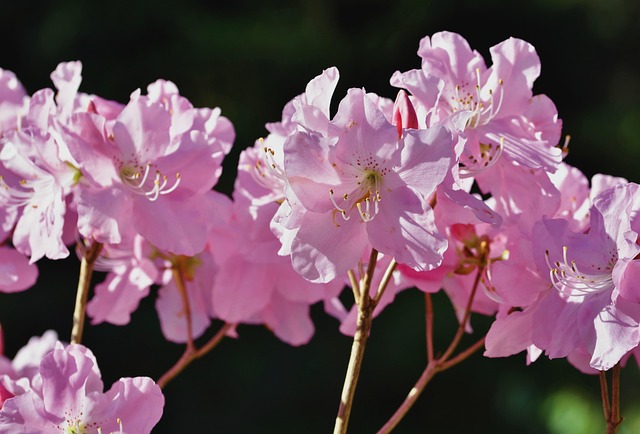
The Rhododendron genus represents one of the most evolutionarily successful lineages of woody angiosperms adapted to acidic and montane environments. Its history is shaped by geological uplift, climatic fluctuation, and long-term isolation across mountain systems, particularly in Asia. This evolutionary backdrop explains both the extraordinary species diversity within Rhododendron and the complexity of its taxonomy.
Fossil evidence, biogeography, and modern molecular phylogenetics together indicate that rhododendrons diversified in response to changing climates and landscapes, producing a genus capable of occupying niches from alpine tundra to subtropical forests.
Origins within the heath family
Rhododendron evolved within the Ericaceae during the early diversification of eudicot flowering plants. Members of the heath family developed specialised adaptations to nutrient-poor, acidic soils, including fine root systems and symbiotic relationships with ericoid mycorrhizal fungi. These traits provided the ancestral foundation that allowed early rhododendrons to colonise challenging habitats where competition from other angiosperms was limited.
As the genus expanded, these adaptations remained central to its survival and continue to define its ecological preferences today.
Himalayan uplift and species radiation
One of the most significant drivers of Rhododendron evolution was the uplift of the Himalayan and adjacent mountain systems during the Cenozoic era. The creation of vast altitudinal gradients, varied microclimates, and isolated valleys provided ideal conditions for rapid speciation.
This process, known as adaptive radiation, led to the emergence of hundreds of closely related species, particularly in the Sino-Himalayan region. Many rhododendrons evolved narrow geographic ranges, specialised growth forms, and distinct floral traits as a result of long-term isolation.
Divergence between evergreen rhododendrons and azaleas
As the genus diversified, major evolutionary lines emerged that later became recognised as subgenera and sections. One of the most notable divergences occurred between large-leaved evergreen rhododendrons and the groups now commonly referred to as azaleas.
Deciduous and evergreen azaleas evolved traits such as reduced stamen number, thinner leaves, and different branching patterns, likely as adaptations to seasonal climates and lower-elevation habitats. Despite these differences, molecular studies have confirmed that azaleas remain deeply nested within the Rhododendron lineage.
Insights from molecular phylogenetics
Modern DNA-based research has transformed understanding of Rhododendron evolution. Molecular phylogenetic studies have confirmed that the genus is monophyletic, meaning all species share a common ancestor, while also revealing that several traditional subgenera were not natural evolutionary groups.
These findings have led to major taxonomic revisions, including the reorganisation of subgenera and the incorporation of formerly separate genera. Evolutionary relationships, rather than surface morphology alone, now form the basis for understanding how the Rhododendron genus developed and diversified over time.
Together, these evolutionary processes have produced one of the most complex and species-rich genera of woody plants, with a legacy that continues to shape horticulture, ecology, and bonsai cultivation today.
Defining Characteristics of Rhododendrons and Azaleas
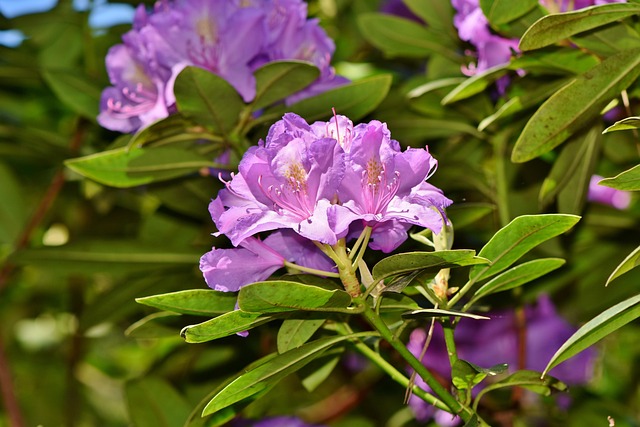
Rhododendrons and azaleas share a common genetic identity within the Rhododendron genus, yet they display a wide range of physical traits that reflect their evolutionary divergence and ecological adaptation. Despite their diversity, a consistent set of defining characteristics unites the genus and distinguishes it within the Ericaceae family.
Understanding these shared and contrasting traits is essential for recognising this genus in both natural and cultivated settings, as well as for appreciating the differences between large-leaved rhododendrons and the plants commonly referred to as azaleas.
Woody growth and plant habit
All members of the plants in this genus are woody plants, ranging from low, compact shrubs to small or occasionally large trees. Growth habits vary widely depending on species and environment, with some forming dense, rounded bushes and others developing open, tree-like structures.
Azaleas generally exhibit finer branching and a more compact form, while many rhododendrons develop thicker stems and a more substantial framework over time.
Leaf structure and surface features
Leaves on these plants are spirally arranged and may be evergreen or deciduous. Leaf size ranges from very small in alpine species to exceptionally large in tropical and subtropical forms. Many species display specialised surface features, including scales (lepidote leaves) or fine hairs (indumentum), particularly on the underside of the leaf.
Azaleas typically have thinner, softer leaves, often deciduous, whereas many evergreen rhododendrons possess thicker, leathery foliage adapted to colder or more exposed environments.
Floral structure and stamen number
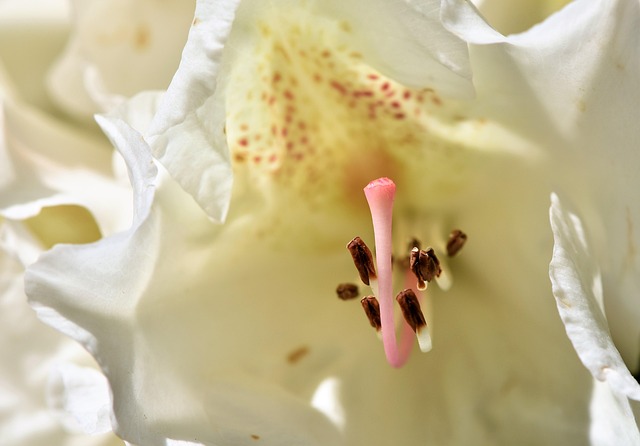
Flowers are one of the most defining features of this genus. They are usually borne in terminal clusters and range widely in size, shape, and colour. Most rhododendron flowers are bell-shaped or funnel-shaped and contain ten or more stamens.
Azaleas are traditionally distinguished by having five stamens per flower, a key morphological trait that helped define them historically as a separate genus. Despite this difference, flower structure across the genus follows the same fundamental pattern.
Bud scales and inflorescence traits
Rhododendrons are characterised by prominent flower buds enclosed in dry, papery bud scales known as perulae. These protect developing flowers during winter dormancy or dry seasons and are a consistent identifying feature across the genus.
The position and structure of these buds have historically played a significant role in the taxonomic classification of this genus and remain useful for identification at subgenus and section level.
Fruit and seed development
Following flowering, species in this genus produce dry, septicidal capsules containing numerous small seeds. The ovary is typically superior or nearly so, another trait that aligns the genus closely within Ericaceae.
Seed production allows rhododendrons to colonise disturbed or open habitats, while their reliance on specific soil and fungal conditions limits establishment to suitable environments.
Together, these defining characteristics link rhododendrons and azaleas into a single, coherent genus, while still allowing for the extraordinary diversity that has made this genus one of the most recognisable and significant groups of flowering woody plants.
Leaf Structure, Growth Forms, and Floral Diversity
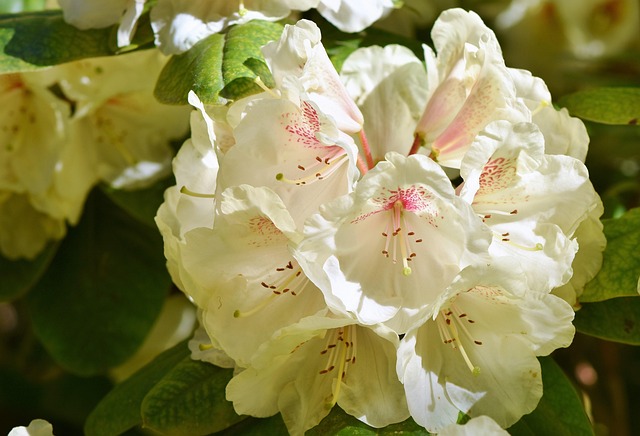
The Rhododendron genus exhibits exceptional variation in leaf morphology, plant structure, and floral form, reflecting its wide ecological range and long evolutionary history. These traits are central to the visual identity of rhododendrons and play a key role in their adaptability, horticultural value, and use in bonsai.
Leaf size, texture, and persistence
The leaves in this genus are spirally arranged and vary dramatically in size, from small, compact leaves in alpine species to exceptionally large leaves in tropical and subtropical forms. Some species possess leaves exceeding 50 centimetres in length, while others are adapted to cold, high-altitude environments with much smaller foliage.
Leaves may be evergreen or deciduous. Evergreen plants in this genus typically have thick, leathery leaves that help reduce moisture loss and protect against cold and wind. Deciduous species, including many azaleas, shed their leaves seasonally, allowing them to survive colder winters or drier periods.
Lepidote and elepidote leaf types
One of the most important morphological distinctions within the genus is the presence or absence of leaf scales. Lepidote plants have tiny, specialised scales on the underside of their leaves, while elepidote species lack these scales.
This distinction has historically been used to separate major subgenera and remains an important feature for identification and classification. Lepidote species are often smaller-leaved and more compact, while elepidote rhododendrons tend to have larger leaves and more substantial growth.
Growth habits and structural diversity
Rhododendrons range from ground-hugging alpine shrubs to upright, tree-like forms capable of reaching significant heights. Growth forms are influenced by both genetics and habitat, with species in exposed environments developing compact or prostrate habits, while forest-dwelling species grow taller and more open.
Branching patterns also vary, affecting how plants respond to pruning and training. This structural diversity underpins the suitability of certain species for landscape use or bonsai cultivation.
Floral form, size, and colour variation
Floral diversity is one of the defining features of this genus. Flowers may be bell-shaped, tubular, funnel-shaped, or broadly open, and they occur in a wide range of colours, including white, pink, red, purple, yellow, and orange.
Flower size ranges from small, delicate blooms to large, showy flowers exceeding 15 centimetres in width. Inflorescences are typically borne in clusters, creating the dramatic displays for which rhododendrons and azaleas are renowned.
Seasonal flowering patterns
Most Rhododendron species flower from late winter through early summer, though timing varies by species and climate. Alpine and high-altitude species often flower later in the season, while lowland and subtropical species may bloom earlier.
These variations in flowering time contribute to the genus’s ecological success and make rhododendrons valuable ornamental plants capable of extending seasonal interest in gardens and cultivated settings.
Together, leaf structure, growth form, and floral diversity illustrate the remarkable adaptability of this genus, supporting its global distribution and enduring significance in horticulture and botanical study.
Reproductive Biology and Flower Morphology in Rhododendron
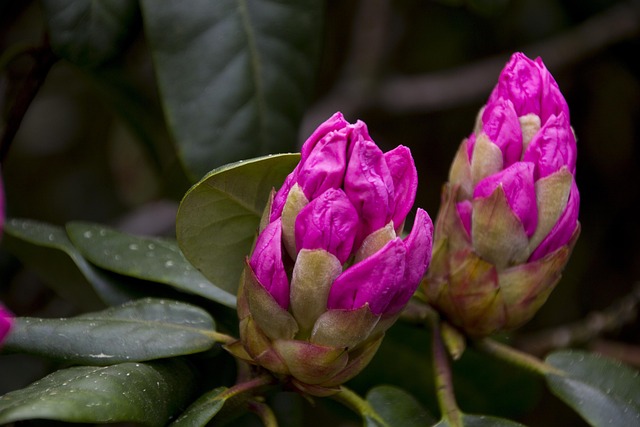
The reproductive biology of this genus reflects its status as a highly specialised angiosperm genus, combining complex floral structures with diverse pollination strategies. These traits have played a central role in the genus’s evolutionary success and extraordinary species diversification, particularly in montane and forest ecosystems.
Flower structure and arrangement
Rhododendron flowers are typically borne in terminal inflorescences, forming clusters that enhance visibility to pollinators. Individual flowers are most often bell-shaped or funnel-shaped, though tubular and open forms also occur depending on species and subgenus.
The flowers are usually bisexual and radially symmetrical, with a fused corolla formed from five or more petals. Colour variation is extensive and serves both ecological and ornamental functions, ranging from subtle whites and pastels to vivid reds, purples, and yellows.
Stamens, pistils, and diagnostic traits
One of the most important morphological distinctions within the genus lies in stamen number. Most rhododendrons possess ten or more stamens, while azaleas are commonly characterised by having five stamens per flower. This trait historically contributed to the separation of azaleas as a distinct genus.
The pistil consists of a single superior or nearly superior ovary, a long style, and a terminal stigma. The absence of appendages on the stamens and the presence of agglutinated pollen are consistent diagnostic features across the genus.
Pollination strategies and ecological interactions
Species rely on a variety of pollinators, including bees, butterflies, moths, birds, and, in some regions, bats. Floral colour, shape, scent, and nectar production are often closely matched to local pollinator communities.
In high-altitude or cooler environments, flowers are frequently large and brightly coloured to maximise pollination opportunities during short growing seasons. In tropical and subtropical species, elongated tubular flowers may favour bird pollination.
Fruit development and seed dispersal
Following successful pollination, this genus produces a dry, septicidal capsule that splits open at maturity to release numerous small seeds. These seeds are lightweight and typically dispersed by wind, allowing colonisation of open or disturbed habitats.
Although seed production can be prolific, successful germination is highly dependent on suitable environmental conditions, particularly acidic soils and appropriate fungal associations. This selective establishment helps explain the often patchy distribution of genus populations in the wild.
Reproductive variation and hybridisation
Rhododendron exhibits a high degree of reproductive flexibility, including natural hybridisation where species ranges overlap. This tendency has contributed significantly to both natural diversity and the vast number of cultivated hybrids developed for horticulture.
The combination of specialised floral morphology, adaptable pollination strategies, and prolific seed production underpins the reproductive success of this genus, reinforcing its position as one of the most diverse and evolutionarily dynamic genera of flowering woody plants.
Global Distribution and Ecological Roles of Rhododendrons
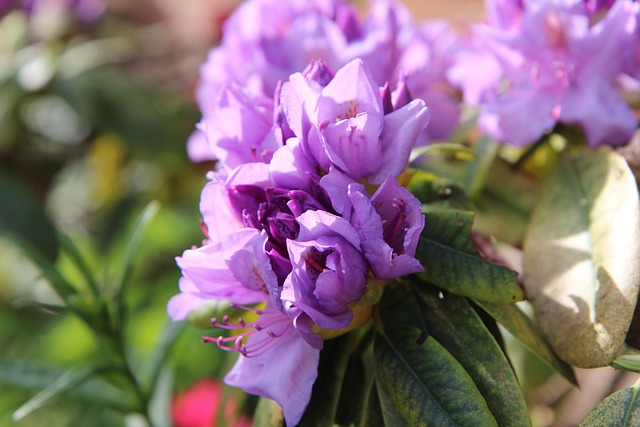
The plants in this genus have one of the broadest geographic ranges of any woody flowering plant group, occupying habitats across much of the Northern Hemisphere and extending into parts of the Southern Hemisphere. This wide distribution reflects the genus’s ability to adapt to diverse climates, elevations, and soil conditions, particularly acidic and nutrient-poor environments.
Global distribution and centres of diversity
Rhododendron species are distributed between approximately 80°N and 20°S latitude, with the greatest concentration of species found in eastern Asia and the Sino-Himalayan region. Southwest China, northern Myanmar, Nepal, and the eastern Himalayas represent the primary centres of diversity, where hundreds of species coexist across complex mountainous landscapes.
Additional native populations occur in Japan, Korea, Taiwan, Europe, North America, and Australasia. Tropical plants in this genus, particularly those in the Vireya group, extend tthem into Southeast Asia and New Guinea, where they often grow as epiphytes in montane rainforests.
Habitat range and environmental adaptation
Rhododendrons occupy a wide range of habitats, from alpine tundra and subalpine forests to temperate woodlands and tropical cloud forests. Many species are adapted to cool, moist conditions and thrive in shaded or semi-shaded environments with acidic soils rich in organic matter.
At high elevations, this genus often forms dense shrub layers that mark the transition between forest and alpine zones. In lower elevations, they commonly occur as understory plants or woodland shrubs, contributing to forest structure and biodiversity.
Invasiveness and ecological imbalance
While this genus is ecologically valuable in its native ranges, some species have become invasive when introduced outside their natural habitats. Rhododendron ponticum, for example, has spread aggressively in parts of the United Kingdom and Ireland, where it outcompetes native understory vegetation and alters woodland ecosystems.
These cases highlight the importance of understanding species-specific ecology and the potential long-term impacts of cultivation beyond native ranges.
Cultural and environmental significance
Beyond their ecological roles, rhododendrons hold cultural and symbolic importance in many regions, serving as national or regional emblems and playing roles in traditional practices. Their prominence in both natural ecosystems and human culture underscores the deep ecological and social connections formed by the Rhododendron genus.
Together, the global distribution and ecological roles of this genus demonstrate plants shaped by adaptation, environmental interaction, and long-term evolutionary success across some of the world’s most complex landscapes.
Major Subgenera, Sections, and Species Diversity Within Rhododendron
The genus is taxonomically complex, reflecting its immense species richness and long evolutionary history. Over time, botanists have proposed multiple classification systems, but modern treatments broadly organise the genus into several subgenera and sections, informed by both morphology and molecular phylogeny.
Key subgenera recognised in modern classifications include:
- Subgenus Rhododendron
- Mostly evergreen species
- Typically lepidote, with scales on the underside of leaves
- Contains a large proportion of the genus’s species
- Includes temperate and tropical groups, such as the Vireya rhododendrons
- Subgenus Hymenanthes
- Large-leaved, elepidote species without leaf scales
- Often referred to as “large-leaf rhododendrons”
- Includes many well-known ornamental garden rhododendrons
- Subgenus Azaleastrum
- Contains evergreen azaleas and several former genera
- Includes species with smaller leaves and diverse growth habits
- Subgenus Therorhodion
- A small, basal group within the genus
- Consists of only a few cold-adapted species
- Subgenus Vireya (in some systems treated as a section)
- Tropical rhododendrons
- Often epiphytic or semi-epiphytic
- Native to Southeast Asia, New Guinea, and northern Australia
Historically recognised groups such as Pentanthera (deciduous azaleas) and Tsutsusi (evergreen azaleas) are now treated as sections within broader subgenera, though these names remain widely used in horticulture.
Across all classifications, the genus contains over 1,000 species, making Rhododendron the largest genus in the Ericaceae family and one of the largest genera of woody angiosperms overall.
Top Rhododendron Species for Bonsai
While this genus has more specialised bonsai subjects than junipers, several species and groups are well suited to container cultivation and refinement, particularly azaleas.
- Rhododendron indicum
- One of the most popular bonsai azaleas
- Excellent flowering response and fine branching
- Commonly used in Satsuki azalea bonsai
- Rhododendron simsii
- Evergreen azalea species
- Produces abundant flowers and compact growth
- Rhododendron kaempferi
- Hardy evergreen azalea
- Well suited to outdoor bonsai in cooler climates
- Rhododendron obtusum
- Often used in Kurume azalea cultivars
- Small leaves and dense branching
- Rhododendron luteum
- Deciduous azalea with fragrant flowers
- Suitable for larger bonsai or naturalistic styles
- Rhododendron yakushimanum (and hybrids)
- Compact growth habit
- Attractive foliage and flowers
- Occasionally used in larger bonsai or pot cultivation
These species form the foundation of Rhododendron bonsai, particularly within azalea-focused traditions, and provide a natural pathway from genus-level taxonomy into species-specific care and cultivation guides.
Rhododendron in Bonsai, Horticulture, and Cultivation
Rhododendron occupies a distinctive place among woody angiosperms, bridging ornamental horticulture and the more specialised practice of bonsai. Its extraordinary floral display, diverse growth habits, and adaptation to acidic soils have made the genus one of the most important and widely cultivated groups within the Ericaceae family.
In horticulture, rhododendrons and azaleas are valued for their structural presence and seasonal interest. Evergreen species provide year-round foliage, while deciduous azaleas contribute dramatic autumn colour and spring flowering. Their preference for cool, moist conditions and acidic, organic-rich soils defines both their success and their limitations in garden cultivation, making proper site selection and soil management essential.
In bonsai, this genus is best represented by azaleas, particularly Satsuki and Kurume types, which respond well to pruning, ramification, and controlled root systems. Their fine branching, small leaves, and prolific flowering allow for refined bonsai compositions, though they demand careful attention to watering, soil acidity, and seasonal care. Larger-leaved rhododendrons are less commonly used but can be cultivated in larger containers or naturalistic styles.
Understanding Rhododendron at the genus level provides critical context for successful cultivation. Knowledge of its taxonomy, evolutionary history, structural traits, and ecological adaptations allows growers to select appropriate species, anticipate growth behaviour, and apply suitable care techniques.
As Budding Backyard Bonsaist expands into section- and species-level guides, this genus stands as a cornerstone angiosperm genus, connecting botanical science with practical cultivation and living artistry.