
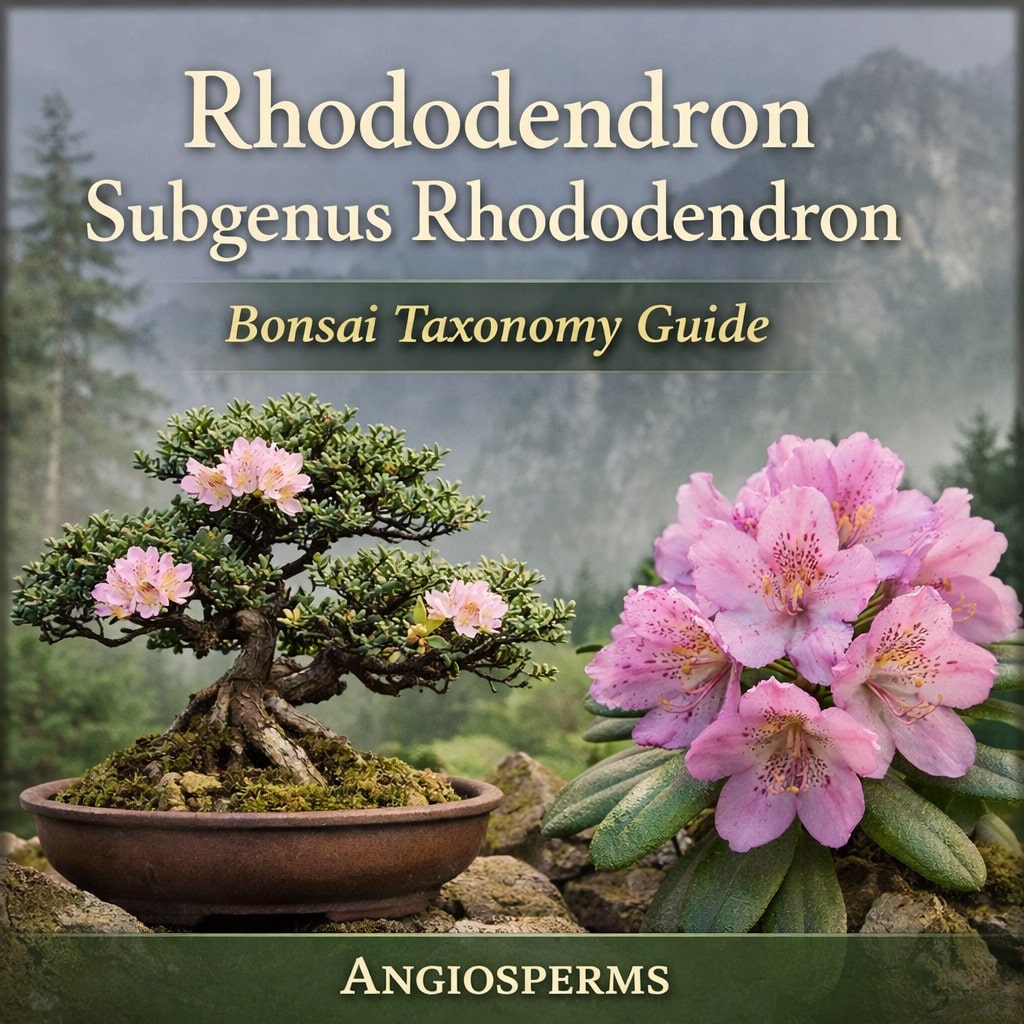
The subgenus Rhododendron is one of the most complex and historically debated groupings within the wider Rhododendron genus. Often referred to formally as Rhododendron subgenus Rhododendron, this group contains a significant proportion of the genus’s species and plays a central role in understanding how rhododendrons evolved, diversified, and adapted across the Northern Hemisphere and parts of Southeast Asia.
Taxonomically, the subgenus Rhododendron has been the subject of repeated reclassification as botanical knowledge and phylogenetic methods have advanced. Earlier systems grouped species largely by visible traits, while modern approaches increasingly rely on genetic evidence to clarify relationships. As a result, sections and subsections within the subgenus have shifted over time, leading to confusion across reference sources and horticultural literature.
This article provides a clear, structured overview of the subgenus Rhododendron, separating traditional classifications from modern revisions. It explores defining lepidote characteristics, major sections and subsections, geographic distribution, and the relevance of this subgenus to horticulture and bonsai. By grounding the discussion in both historical taxonomy and contemporary research, this guide aims to present a coherent foundation for understanding one of the most important lineages within the Rhododendron genus.
Table of Contents
Taxonomy
– Kingdom: Plantae (Plant Kingdom)
— Clade: Embryophytes (Land Plants)
— Clade: Polysporangiophytes (Multiple Sporangia)
—- Clade: Tracheophytes (Vascular Plants)
—– Superdivision: Spermatophytes (Seed Plants)
—— Clade: Angiospermae (Flowering Plants)
——- Division: Eudicots (True Dicotyledons)
——– Subdivision: Core Eudicots
——— Class: Superasterids (Advanced Flowering Plants)
———- Subclass: Asterids (Unified-Flowering Plants)
———– Order: Ericales (Heath and Tea)
———— Family: Ericaceae (Heath)
————- Subfamily: Ericoideae (Heath)
————– Tribe: Rhodoreae (Rhododendron)
————— Genus: Rhododendron
————— Subgenus: Rhododendron (Lepidote Rhododendrons)
What Is Subgenus Rhododendron?
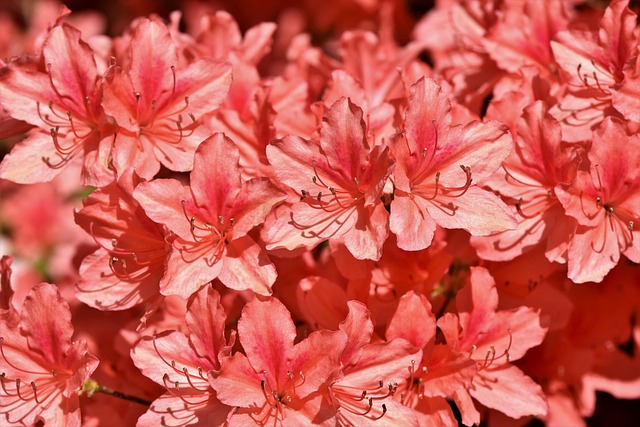
Subgenus Rhododendron is a major taxonomic division within the genus Rhododendron, grouping together a large and diverse collection of species that share key structural and biological traits. This subgenus is notable for containing all of the lepidote rhododendrons, meaning species that possess tiny scale-like structures on the undersides of their leaves.
Botanically, a subgenus is used to organise large genera into more manageable and meaningful groups. In the case of Rhododendron, which includes well over a thousand species, subgenera help clarify evolutionary relationships and make identification more precise. Subgenus Rhododendron represents the largest of these groupings, accounting for a substantial portion of the genus’s overall diversity.
Species within this subgenus range from low-growing alpine shrubs to larger woody forms, adapted to a wide variety of climates and elevations. Despite their diversity, they are united by shared anatomical features and reproductive characteristics that distinguish them from other rhododendron lineages.
Understanding what defines this subgenus provides a foundation for exploring its internal structure, including its sections, subsections, and ongoing taxonomic revisions.
Taxonomic Position of Subgenus Rhododendron Within the Rhododendron Genus
Within the plant family Ericaceae, the genus Rhododendron is one of the largest and most taxonomically complex. To manage this diversity, botanists divide the genus into several subgenera, each representing a distinct evolutionary lineage. Among these, subgenus Rhododendron occupies a central position due to both its size and its historical role in classification systems.
This subgenus encompasses nearly half of all known rhododendron species and includes all lepidote forms. Because of this, it has long served as a reference point against which other rhododendron groups are compared. Early taxonomists often treated many of its species as representative of the genus as a whole, which contributed to later confusion as new species and relationships were discovered.
In formal classification, subgenus Rhododendron sits alongside other major lineages such as Hymenanthes, Choniastrum, Azaleastrum, and Therorhodion. Each subgenus reflects differences in leaf structure, floral morphology, seed characteristics, and geographic distribution. What distinguishes this subgenus is the consistent presence of leaf scales and a predominantly temperate to subarctic distribution, particularly across the Northern Hemisphere.
Recognising the taxonomic position of this subgenus is essential for understanding how modern classifications organise the genus and why certain species are grouped together despite superficial differences in appearance.
Evolutionary History of Subgenus Rhododendron
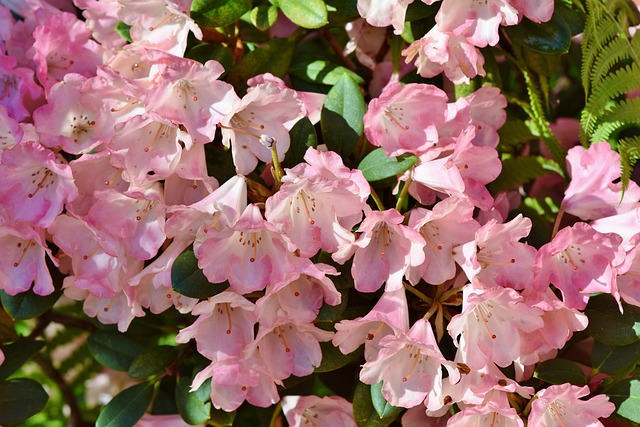
The evolutionary history of subgenus Rhododendron reflects a long process of diversification shaped by climate change, mountain formation, and geographic isolation. This lineage represents one of the earliest and most successful adaptive radiations within the genus, giving rise to hundreds of species across temperate and cold regions of the world.
Rather than evolving as a single uniform group, the subgenus diversified gradually as populations adapted to different elevations, soils, and climatic pressures. Modern phylogenetic research has helped clarify these relationships, revealing a far more complex evolutionary story than early classifications suggested.
Origins in temperate and montane regions
Evidence suggests that the ancestors of subgenus Rhododendron emerged in temperate regions of the Northern Hemisphere, particularly in areas influenced by mountain uplift and fluctuating climates. As mountain systems expanded across Eurasia, new ecological niches became available, encouraging speciation and local adaptation.
Cold tolerance, compact growth forms, and evergreen or semi-evergreen habits provided evolutionary advantages in these environments, allowing species to survive harsh winters and short growing seasons.
Role of geographic isolation in diversification
Geographic isolation played a major role in shaping the subgenus. Populations separated by mountain ranges, valleys, or glacial barriers evolved independently over long periods, leading to the formation of distinct sections and subsections.
This isolation explains why closely related species can display subtle but consistent differences in leaf scales, flower shape, and reproductive structures. Many species are now highly localised, with restricted natural ranges tied closely to specific habitats.
Adaptation through lepidote leaf structures
One of the defining evolutionary traits of this lineage is the development of lepidote leaf scales. These microscopic structures are thought to have evolved as protective adaptations, helping reduce moisture loss, reflect excess sunlight, and protect against cold and wind exposure.
The success of this adaptation likely contributed to the wide ecological range occupied by the subgenus, from alpine slopes to temperate forests.
Insights from modern phylogenetic studies
Advances in molecular phylogenetics have transformed understanding of the evolutionary history of subgenus Rhododendron. DNA-based studies have confirmed some traditional groupings while challenging others, leading to revised section boundaries and the elevation or redefinition of certain lineages.
These findings highlight that visible traits alone do not always reflect true evolutionary relationships, reinforcing the importance of genetic data in modern botanical classification.
Defining Lepidote Characteristics of Subgenus Rhododendron
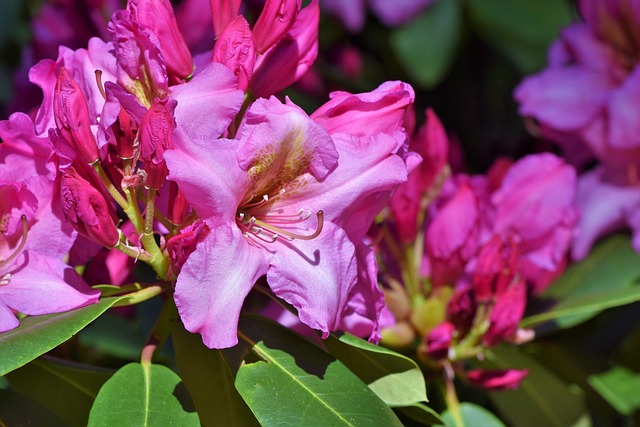
The defining feature of subgenus Rhododendron is the presence of lepidote leaves, a trait that unites all species within this lineage. Lepidote refers to the presence of tiny, scale-like structures on the undersides of the leaves. These scales are microscopic but taxonomically significant, forming one of the most reliable characters used to distinguish this group from other rhododendron subgenera.
Lepidote scales vary in shape, size, and density across species, but they typically appear as circular or irregular discs embedded in the leaf surface. In some species, the scales are sparse and subtle, while in others they are dense enough to give the leaf underside a silvery, rusty, or speckled appearance. These variations are often used at the section or subsection level to aid identification.
Functionally, lepidote scales are thought to play a protective role. They help reduce water loss by limiting transpiration, reflect excess sunlight at high elevations, and provide insulation against cold, wind, and desiccation. This makes them particularly well suited to the temperate, alpine, and subarctic environments where many members of the subgenus occur.
Beyond leaf structure, lepidote species often share additional traits such as smaller leaves, compact growth forms, and flowers adapted to cooler climates. Together, these characteristics reflect a lineage shaped by environmental pressure and long-term adaptation rather than ornamental selection alone.
Understanding lepidote features is essential for recognising subgenus Rhododendron in both botanical study and horticultural practice, as these subtle traits underpin much of its classification and evolutionary success.
Primary Sections Within Subgenus Rhododendron
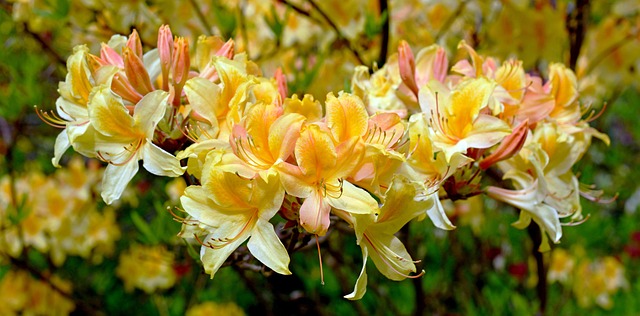
Subgenus Rhododendron is further divided into several sections, which group species based on shared morphological traits, geographic distribution, and evolutionary relationships. These sections have been revised over time as phylogenetic research has improved, resulting in a more refined and accurate internal structure than earlier classifications suggested.
While older sources often present inconsistent or outdated arrangements, modern treatments recognise a clearer set of primary sections that reflect both traditional morphology and genetic evidence.
Section Rhododendron
Section Rhododendron is the largest and most diverse section within the subgenus. It contains the majority of temperate and cold-climate species, many of which are native to Europe, Asia, and North America.
Species in this section typically exhibit classic lepidote traits, with scaled leaf undersides and compact to medium-sized growth forms. This section also contains numerous subsections, reflecting its long evolutionary history and extensive diversification across varied habitats.
Section Pogonanthum
Section Pogonanthum comprises a small group of species primarily found in the Himalayas and adjacent mountain regions. These plants are often adapted to high elevations and harsh climatic conditions.
They are distinguished by incised leaf scales and salver-shaped corollas, setting them apart morphologically from other sections. Although limited in species number, this section is important for understanding early diversification within the subgenus.
Section Vireya (historical placement)
Historically, section Vireya was included within subgenus Rhododendron due to shared lepidote characteristics. This group contains tropical species distributed across Southeast Asia and Australasia.
However, modern phylogenetic studies have shown that these species form a distinct evolutionary lineage. As a result, Vireya is now generally treated as a separate subgenus, though its historical inclusion explains much of the confusion found in older references.
Sections Discovireya and Pseudovireya
More recent classifications recognise Discovireya and Pseudovireya as distinct sections that were split from the former Vireya grouping. These sections represent geographically and genetically distinct clades, with Discovireya centred in Malesia and Pseudovireya found mainly on the Asian mainland.
Their recognition highlights how molecular studies have reshaped understanding of relationships within the broader rhododendron lineage.
Phylogenetic Revisions and Modern Classification of Subgenus Rhododendron
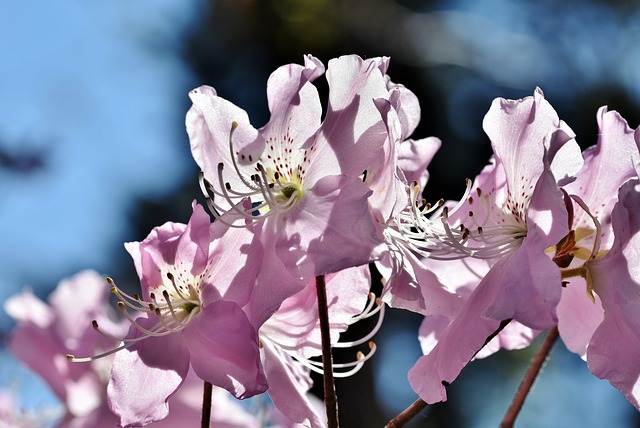
The modern classification of subgenus Rhododendron has been heavily influenced by advances in molecular phylogenetics. Earlier taxonomic systems relied almost entirely on visible characteristics such as leaf shape, flower form, and scale structure. While useful, these traits sometimes grouped together species that looked similar but were not closely related evolutionarily.
With the introduction of DNA-based analysis, botanists gained new tools to test these assumptions. Phylogenetic studies revealed that some traditionally recognised sections were not monophyletic, meaning they did not contain all descendants of a common ancestor. As a result, several long-standing groupings required revision.
One of the most significant outcomes of this research was the restructuring of the former Vireya complex. Genetic evidence demonstrated that tropical lepidote species previously placed within subgenus Rhododendron represented distinct evolutionary lineages. This led to the elevation or separation of groups such as Discovireya and Pseudovireya, clarifying their relationships and geographic coherence.
Modern classifications now prioritise evolutionary lineage over superficial similarity. While this has improved accuracy, it has also created overlap between older and newer naming systems in published literature. Many references still cite outdated section placements, contributing to the confusion found in general sources.
Understanding these phylogenetic revisions is essential when studying subgenus Rhododendron. Rather than viewing classification as fixed, it should be seen as an evolving framework that reflects improved scientific understanding. This perspective helps reconcile conflicting sources and provides a more reliable foundation for both botanical study and horticultural application.
Key points from modern phylogenetic revisions
- Traditional classifications of subgenus Rhododendron were based primarily on visible traits such as leaf scales and flower shape.
- DNA-based phylogenetic studies revealed that some historically recognised sections were not true evolutionary groupings.
- Tropical lepidote species formerly included within the subgenus were shown to form distinct genetic lineages.
- This led to the separation and redefinition of groups such as Vireya, Discovireya, and Pseudovireya.
- Modern classification now prioritises shared ancestry over superficial similarity.
- Conflicting information persists because many older references have not been updated to reflect these changes.
Geographic Distribution and Ecological Adaptations of Subgenus Rhododendron
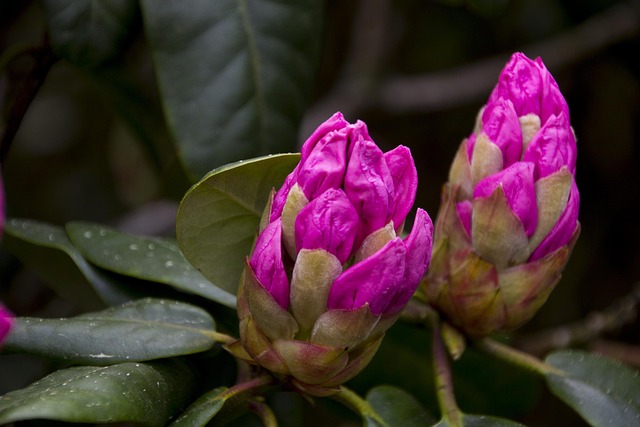
The geographic spread of subgenus Rhododendron reflects a long history of adaptation to diverse climates, elevations, and ecological pressures. While species within this lineage share key structural traits, they occupy a wide range of habitats, from alpine slopes and boreal forests to temperate woodlands. This broad distribution has shaped both their physical form and survival strategies.
Understanding where these plants occur naturally helps explain why certain traits, such as compact growth and lepidote leaves, are so consistently expressed across the group.
Predominantly Northern Hemisphere distribution
Most species belonging to this subgenus are found across the Northern Hemisphere, with strong representation in Europe, Asia, and North America. Mountain systems such as the Alps, Himalayas, and various Eurasian ranges have acted as centres of diversification, providing isolated habitats where species evolved independently.
Many species are adapted to cool summers and cold winters, often thriving in regions with snow cover and short growing seasons. This distribution contrasts sharply with tropical rhododendron groups, reinforcing the ecological distinction between major lineages within the genus.
Adaptations to alpine and montane environments
A significant number of species occur at high elevations, where conditions include intense sunlight, strong winds, and low temperatures. Adaptations to these environments include reduced leaf size, compact or prostrate growth forms, and tough, evergreen foliage.
Lepidote leaf scales play an important role in these habitats by reducing moisture loss and protecting leaf tissue from environmental stress. These adaptations allow plants to persist in exposed locations where less specialised species would struggle to survive.
Soil preferences and ecological niches
Species within this group are typically associated with acidic, well-drained soils, often derived from rocky or organic substrates. Many grow in heathlands, open forests, or rocky outcrops where competition from larger plants is limited.
Their ability to colonise nutrient-poor soils gives them access to ecological niches that are less crowded, further supporting diversification across fragmented landscapes.
Ecological significance within native habitats
Beyond their ornamental value, these rhododendrons play important ecological roles. They provide shelter for small animals, support pollinator communities, and contribute to soil stability in fragile environments. In some regions, they form dominant components of local plant communities, shaping the structure of the ecosystem itself.
These ecological relationships highlight how distribution and adaptation are deeply intertwined, reinforcing the evolutionary success of this lineage across a wide geographic range.
Can You Grow Any Subgenus Rhododendron Species as Bonsai?
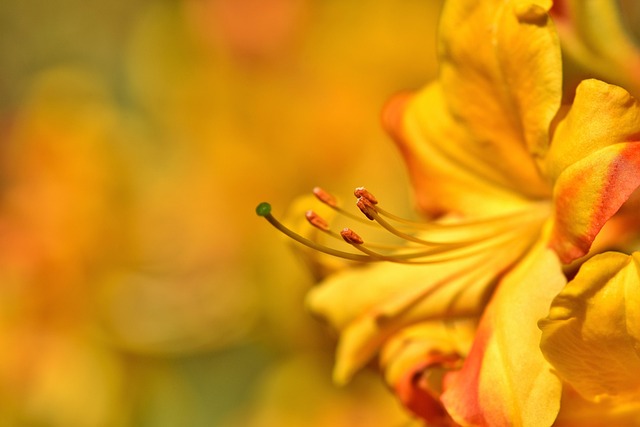
Yes, certain species within subgenus Rhododendron can be grown as bonsai, particularly those with naturally small leaves, compact growth habits, and good tolerance for pruning. While this subgenus is not as commonly used for bonsai as azaleas from other lineages, select species have proven suitable when grown under the right conditions.
Successful bonsai cultivation depends heavily on species choice, climate, and careful soil management, as many rhododendrons have specific requirements for acidity and drainage.
Notable bonsai-suitable species:
- Rhododendron ferrugineum: A compact, alpine species with small evergreen leaves and a naturally shrubby form. Its slow growth and cold hardiness make it one of the better candidates for bonsai in temperate climates.
- Rhododendron lapponicum: Native to northern and alpine regions, this species has fine branching potential and small foliage. It is well-suited to informal styles and performs best in cool conditions.
- Rhododendron anthopogon: A dwarf Himalayan species often found at high elevations. Its low-growing habit and aromatic foliage make it an interesting choice for miniature or accent bonsai, particularly in rock or alpine-style plantings.
While these species can be trained as bonsai, they require careful attention to soil acidity, consistent moisture without waterlogging, and protection from extreme heat. As with all rhododendrons, patience and subtle shaping yield the best long-term results.
Subgenus Rhododendron in Horticulture and Bonsai
Subgenus Rhododendron holds an important place in horticulture, valued for its hardiness, ecological adaptability, and diversity of form rather than sheer floral spectacle alone. Many species are prized in gardens for their ability to thrive in cooler climates, acidic soils, and challenging environments where other ornamentals struggle. Their resilience and evolutionary refinement make them reliable landscape plants in temperate and alpine regions.
From a bonsai perspective, this subgenus requires a more selective and patient approach. While not every species is suited to container cultivation or miniature training, those with compact growth habits and small foliage can be rewarding subjects when their environmental needs are respected. Success depends less on aggressive styling and more on long-term refinement, careful root management, and an understanding of the plant’s natural form.
What makes this group particularly compelling is how clearly its horticultural behaviour reflects its evolutionary history. Traits shaped by cold, wind, and nutrient-poor soils translate directly into cultivation requirements, linking taxonomy to practical care. By understanding where these plants come from and how they evolved, growers can make better decisions in both garden and bonsai settings.
As part of a broader exploration of the Rhododendron genus, subgenus Rhododendron offers a bridge between scientific classification and living art. It demonstrates how careful study of plant lineage enriches horticultural practice and deepens appreciation for bonsai as a reflection of nature rather than a force imposed upon it.