
Juniperus Section Juniperus represents the most ancient and morphologically distinct lineage within the juniper genus. Characterised by persistent needle-like foliage in mature plants, this section preserves traits that predate the widespread evolution of scale-leaved junipers. These species are often considered the evolutionary backbone of the genus, retaining structural features closely aligned with early conifer forms.
Unlike other juniper sections that transition to scale foliage with age, members of Section Juniperus maintain rigid, sharp needles arranged in whorls of three throughout their lifespan. This feature, combined with distinctive cone and stomatal characteristics, makes Section Juniperus a key reference point for understanding juniper evolution, classification, and ecological adaptation.
In this taxonomy guide, we explore the defining traits, evolutionary origins, species diversity, and cultivation relevance of Section Juniperus. By moving beyond surface-level descriptions, this article aims to provide clarity on how these needle-leaf junipers differ from other sections, why they occupy a unique taxonomic position, and how they continue to play an important role in bonsai, horticulture, and natural ecosystems worldwide.
Table of Contents
Taxonomy
– Kingdom: Plantae (Plant Kingdom)
— Clade: Embryophytes (Land Plants)
— Clade: Polysporangiophytes (Multiple Sporangia)
—- Clade: Tracheophytes (Vascular Plants)
—– Superdivision: Spermatophytes (Seed Plants)
—— Clade: Gymnospermae (Naked Seeds)
——- Division: Pinophyta (Conifers)
——– Class: Pinopsida (Living Conifers)
——— Subclass: Cupressidae (Evergreen Conifers)
———- Order: Cupressales (Cypress)
———– Family: Cupressaceae (Cypress)
———— Subfamily: Cupressoideae (Cypress)
————- Genus: Juniperus (Juniper)
————– Section: Juniperus (Common Junipers)
What Is Juniperus Section Juniperus?
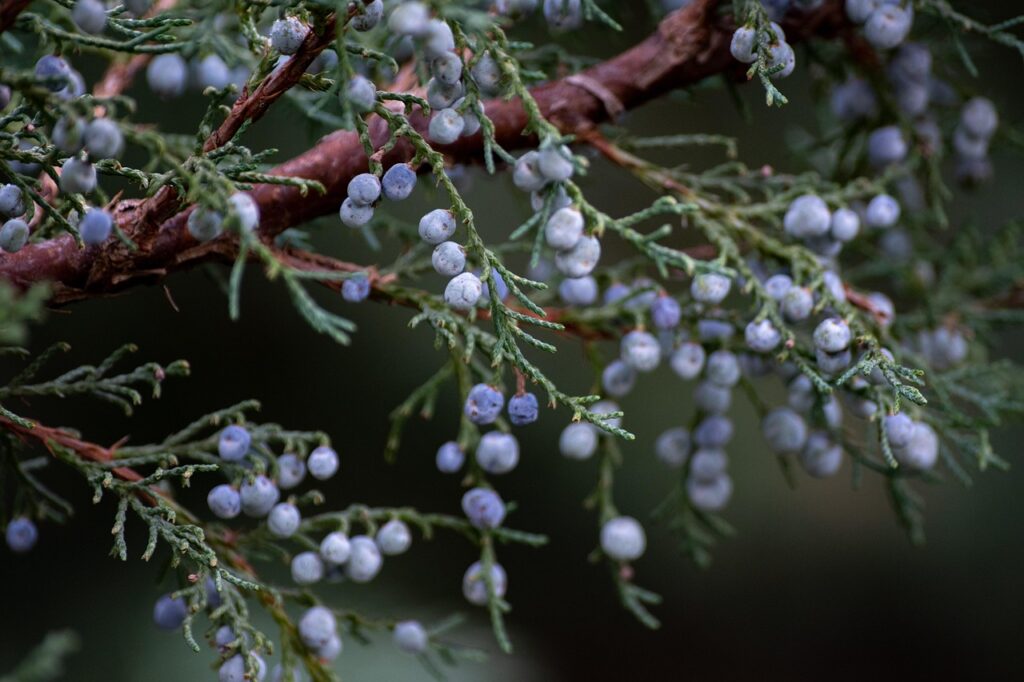
Juniperus Section Juniperus is a distinct taxonomic group within the genus Juniperus, defined by its retention of needle-like leaves throughout maturity. Unlike many other juniper sections that transition from juvenile needles to adult scale foliage, species in Section Juniperus remain permanently needle-leaved, reflecting an early evolutionary form within the genus.
This section is considered one of the most primitive lineages of junipers. Its members preserve structural traits that are closer to ancestral conifers, including rigid, sharp needles arranged in whorls of three and a clearly jointed leaf base. These features set Section Juniperus apart both morphologically and evolutionarily from scale-leaved junipers found in other sections.
From a taxonomic perspective, Section Juniperus serves as a reference group for understanding the divergence of juniper foliage types, cone development, and stomatal patterns. Its species occupy a wide range of habitats, from alpine regions to coastal zones, demonstrating how ancient morphological traits have remained viable across diverse ecological conditions.
Taxonomic Placement of Section Juniperus Within the Genus Juniperus
Within the genus Juniperus, Section Juniperus occupies a foundational taxonomic position. The genus itself is part of the Cupressaceae family and is divided into several sections based primarily on leaf morphology, cone structure, and reproductive traits. Section Juniperus is recognised as one of the earliest-diverging lineages within the genus, largely due to its retention of ancestral needle-like foliage.
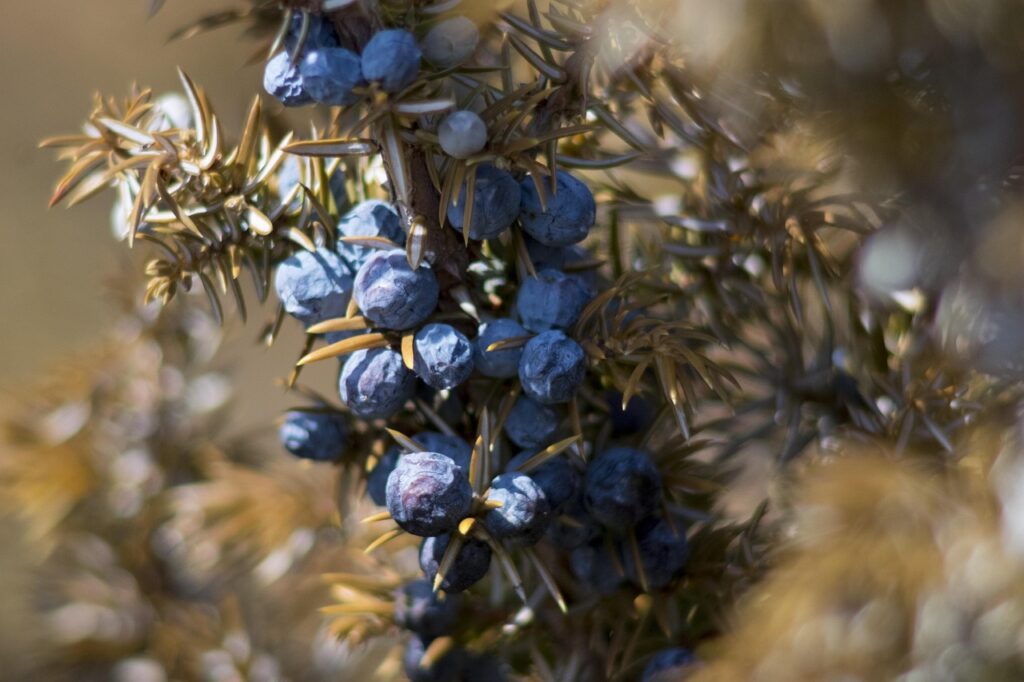
Taxonomically, Section Juniperus is distinguished by adult leaves that remain needle-shaped rather than transitioning to scale leaves, a trait that separates it immediately from sections such as Sabina and Caryocedrus. The needles are arranged in whorls of three, are jointed at the base, and display distinct stomatal banding patterns. Cone structure further supports its classification, with species producing fleshy seed cones containing three separate seeds rather than fused or modified seed arrangements.
In contrast, Section Sabina comprises scale-leaved junipers that exhibit a clear juvenile-to-adult leaf transition, a more derived evolutionary trait. These species tend to show greater variability in growth form and are often more adaptable to pruning and styling in horticulture. Section Caryocedrus, by comparison, is highly restricted in species diversity and is characterised by broader leaves and unusually large, nut-like seeds, marking a specialised evolutionary path rather than a primitive one.
Together, these distinctions place Section Juniperus at the core of juniper taxonomy. Its species act as a morphological and evolutionary benchmark against which other juniper sections are defined, making Section Juniperus essential for understanding both the classification and evolutionary history of the entire genus.
Evolutionary Origins of Section Juniperus Species
Section Juniperus represents one of the oldest surviving evolutionary lineages within the genus Juniperus. Its defining traits, particularly the retention of needle-like foliage into adulthood, are widely regarded as ancestral characteristics that predate the evolution of scale-leaved junipers. Studying this section provides valuable insight into how early junipers adapted to changing climates and landscapes over millions of years.
The evolutionary history of Section Juniperus is closely linked to ancient conifer development, long-term environmental resilience, and geographic isolation. These species demonstrate how early structural traits have remained successful across vastly different ecological conditions.
Ancestral needle foliage and early conifer traits
The permanent needle leaves found in Section Juniperus species are considered a direct link to early conifer ancestors. Unlike derived junipers that evolved compact scale foliage, these needles remained advantageous in open, harsh environments where water retention, frost resistance, and reduced surface damage were critical for survival.
Needle foliage also reflects an evolutionary strategy prioritising durability over rapid growth. The rigid, pointed leaves of Section Juniperus are well suited to grazing resistance and extreme weather exposure, traits that would have been essential during earlier geological periods marked by climatic instability.
Divergence before scale-leaved junipers
Phylogenetic studies suggest that Section Juniperus diverged early from the main juniper lineage, before the widespread emergence of scale-leaved forms. This places the section closer to the base of the Juniperus evolutionary tree, making it an important reference point for understanding later adaptive changes.
As climates became more varied and habitats more fragmented, other juniper sections evolved specialised foliage types and growth habits. Section Juniperus, however, retained its ancestral form, indicating that its morphology remained highly effective across changing conditions rather than becoming evolutionarily obsolete.
Survival through climatic shifts and isolation
Section Juniperus species show remarkable resilience across long timescales. Many occupy marginal habitats such as alpine slopes, coastal cliffs, and nutrient-poor soils, environments that experience strong selective pressures but limited competition.
Geographic isolation also played a role in preserving evolutionary stability within the section. Island and mountainous populations in particular allowed certain species to persist with minimal morphological change, acting as living records of early juniper evolution.
Evolutionary significance within the genus
The evolutionary stability of Section Juniperus highlights that adaptation does not always require structural innovation. Instead, its success demonstrates how well-adapted ancestral traits can persist when environmental conditions continue to favour them.
As a result, Section Juniperus is not merely an early branch of the genus, but a key evolutionary anchor. Its species provide context for interpreting the diversification, specialisation, and ecological expansion seen in other juniper sections over time.
Defining Morphological Traits of Section Juniperus
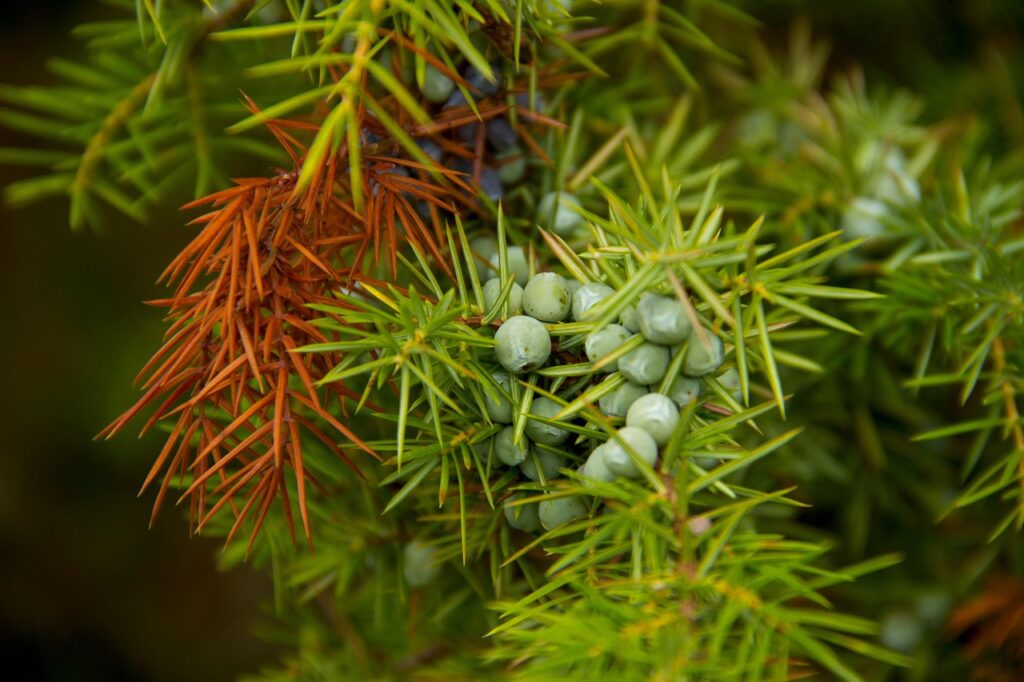
Section Juniperus is defined by a set of clear and consistent morphological traits that distinguish it from all other sections within the genus Juniperus. These features are not transitional or variable but remain stable throughout the plant’s life cycle, reinforcing the section’s position as a structurally conservative and evolutionarily ancient group.
The morphology of Section Juniperus reflects adaptation to exposed, demanding environments and provides a reliable framework for identification, classification, and cultivation.
Persistent needle-like foliage
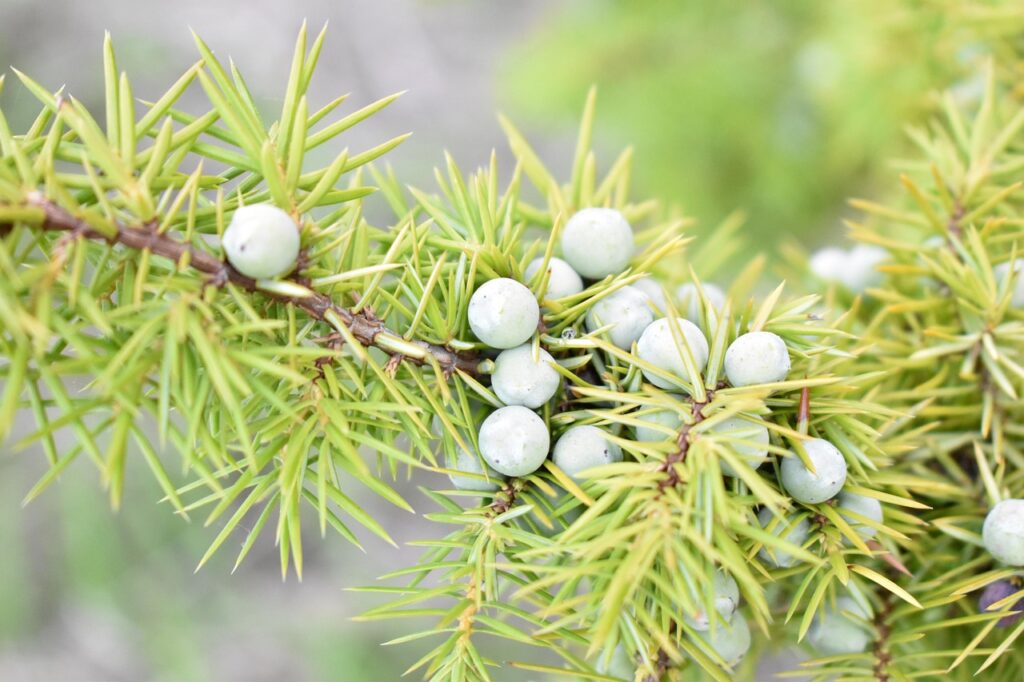
The most recognisable trait of Section Juniperus is its permanent needle foliage. Unlike scale-leaved junipers that transition from juvenile needles to adult scales, Section Juniperus species retain sharp, rigid needles throughout maturity.
These needles are typically arranged in whorls of three and are jointed at the base. Their persistent form contributes to increased resistance against grazing, wind exposure, and frost damage, making them well suited to harsh ecological conditions.
Stomatal band patterns and leaf structure
Section Juniperus needles display clearly defined stomatal bands, which are essential for regulating gas exchange and water loss. The number and placement of these bands vary between species and subsections, providing an important taxonomic diagnostic feature.
Needles are generally narrow, stiff, and sharply pointed, with a tough cuticle that reduces transpiration. This structural efficiency allows species to thrive in environments where moisture availability is limited or highly seasonal.
Growth habit and branching structure
Species within Section Juniperus exhibit a range of growth forms, from low-growing, prostrate shrubs to upright, columnar trees. Despite this variation, their branching structure tends to be relatively open and angular compared to the dense, compact forms seen in scale-leaved junipers.
This growth pattern reflects an emphasis on durability and airflow rather than dense foliage coverage. In natural habitats, this structure helps reduce fungal pressure and physical damage from snow or debris.
Cone morphology and seed arrangement
Reproductive structures further define Section Juniperus. Seed cones are typically berry-like but contain three separate seeds rather than fused or modified arrangements found in other sections.
Cone size, colour, and maturation time vary by species, but the internal seed structure remains a consistent identifying feature. These cones play a vital role in species dispersal, often relying on birds and mammals for distribution across fragmented landscapes.
Structural consistency across species
One of the most notable traits of Section Juniperus is its morphological consistency across geographically distant species. Whether found in alpine Europe, coastal Asia, or island ecosystems, these junipers retain the same fundamental structural characteristics.
This consistency underscores the evolutionary stability of the section and reinforces its importance as a taxonomic reference point within the genus.
Needle Foliage Structure and Growth Patterns in Section Juniperus
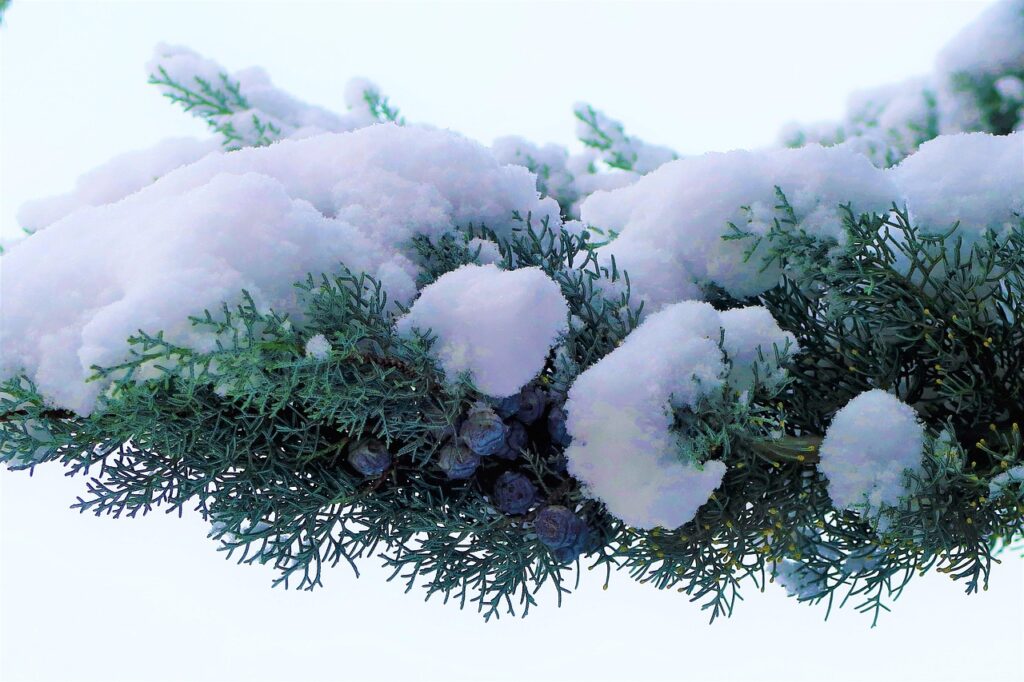
The needle foliage and growth patterns of Section Juniperus are among its most defining and evolutionarily significant features. These characteristics not only distinguish the section from other junipers but also explain its long-term success in exposed and demanding environments. The combination of rigid foliage and adaptable growth habits reflects a balance between structural resilience and ecological flexibility.
Needle arrangement and anatomical structure
In Section Juniperus, needles are arranged in whorls of three around the stem, a configuration that provides balanced coverage while maintaining airflow between leaves. Each needle is jointed at the base, allowing for slight movement under wind or snow load, reducing the risk of breakage.
Anatomically, the needles are thick, narrow, and sharply pointed, with a dense cuticle that limits water loss. This structure is particularly effective in dry, cold, or high-altitude environments where moisture conservation is essential.
Stomatal efficiency and environmental adaptation
The needles of Section Juniperus feature well-defined stomatal bands that play a critical role in regulating transpiration and gas exchange. These bands are often visible as pale stripes along the needle surface and vary in number between species and subsections.
This stomatal configuration allows plants to maintain physiological function under fluctuating environmental conditions. By limiting water loss during drought or cold periods, Section Juniperus species are able to survive in habitats where less efficient foliage types would struggle.
Growth patterns and structural development
Growth patterns within Section Juniperus range from prostrate, ground-hugging forms to upright shrubs and small trees. Despite this diversity, growth tends to be relatively slow and deliberate, with an emphasis on structural integrity rather than rapid expansion.
Branches often grow in angular or irregular patterns, contributing to a rugged appearance. This growth style reduces wind resistance and helps plants withstand mechanical stress in exposed locations such as mountain slopes or coastal regions.
Longevity and architectural stability
Section Juniperus species are typically long-lived, with some individuals surviving for centuries. Their slow growth rate and dense wood contribute to exceptional durability and resistance to environmental extremes.
Over time, this results in highly stable plant architecture, where growth patterns remain consistent and predictable. This longevity is one reason these species are valued in bonsai and landscape use, where aged character and structural refinement are highly prized.
Functional implications for cultivation
The foliage structure and growth habits of Section Juniperus influence how these plants respond to pruning, wiring, and training. Their rigidity requires careful handling, but their predictable growth allows for long-term shaping.
Understanding these structural traits is essential for anyone cultivating Section Juniperus, whether in natural landscapes or controlled horticultural settings.
Cone Development and Reproductive Characteristics of Section Juniperus
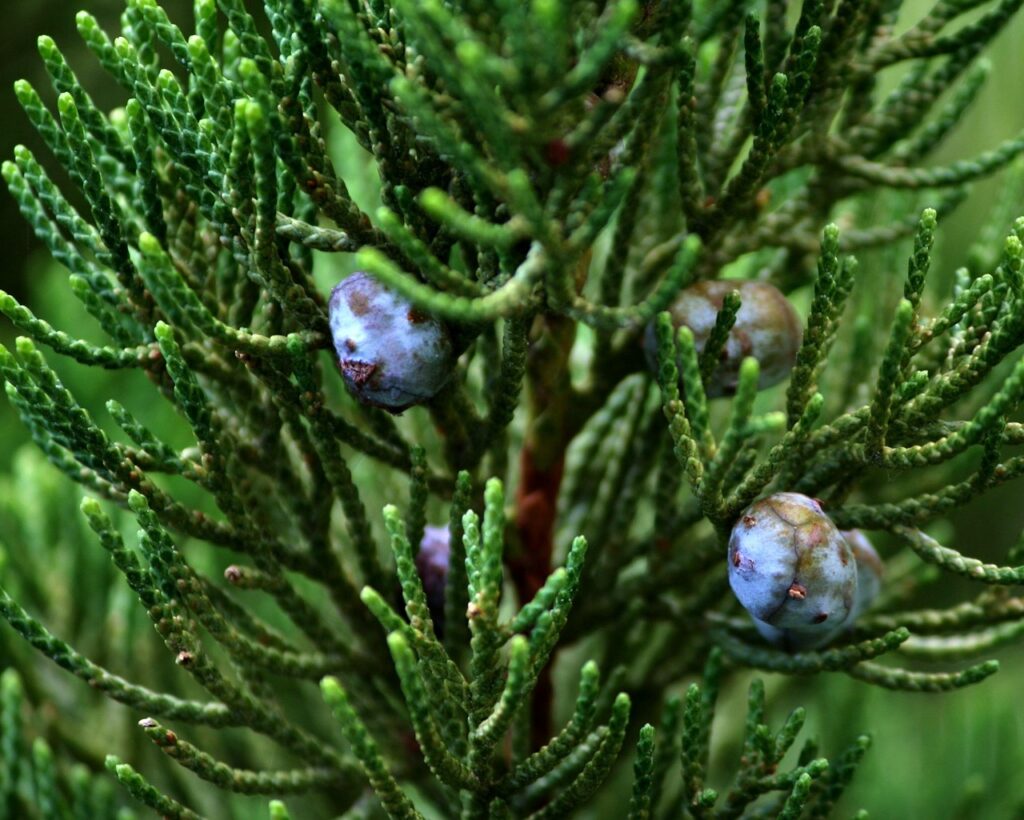
Cone development in Section Juniperus plays a key role in both its taxonomic identification and its relevance to horticulture and bonsai trees. While reproduction is rarely the primary focus in bonsai cultivation, understanding how these species reproduce provides valuable insight into their growth cycles, energy allocation, and long-term health.
For bonsai practitioners, cone production is often a sign of maturity and stability, reflecting a tree that has adapted well to its environment and care.
Seed cone formation and structure
Section Juniperus produces fleshy, berry-like seed cones that typically contain three separate seeds. These cones develop slowly, often taking more than one growing season to reach full maturity. This extended development period is characteristic of the section and reflects its conservative growth strategy.
In bonsai trees, cone formation may be less frequent due to pruning and training, but when present, it indicates a well-established root system and balanced energy distribution. The cones are usually small and understated, aligning with the refined aesthetic valued in bonsai.
Pollination and reproductive timing
Reproduction in Section Juniperus is wind-driven, with male and female cones usually forming on separate plants. Pollination occurs in early spring, followed by gradual cone development over the growing season and beyond.
For bonsai growers, this timing is important. Heavy pruning or repotting during reproductive phases can divert energy away from cone development and affect overall vigour. Observing reproductive cycles helps bonsai artists plan maintenance work more effectively.
Energy allocation and growth balance
Cone production requires significant energy investment. In natural environments, this is balanced against slow, steady vegetative growth. In bonsai cultivation, this balance becomes more visible due to the confined root space and controlled canopy.
Bonsai trees that produce cones are often considered physiologically mature. While cones are not necessary for styling, they are sometimes appreciated as a subtle indicator of age and natural character in advanced bonsai specimens.
Seed dispersal and ecological relevance
In the wild, Section Juniperus relies on birds and mammals to disperse its seeds. The fleshy cones are consumed, and the hard seeds are deposited elsewhere, allowing the species to colonise new habitats.
Although seed dispersal is rarely relevant to cultivated bonsai trees, this ecological relationship highlights the evolutionary success of the section. It also explains why seed-grown junipers remain a viable option for bonsai enthusiasts interested in long-term development from early stages.
Reproductive traits and bonsai suitability
The reproductive characteristics of Section Juniperus reinforce its suitability for bonsai. Slow cone development, durable foliage, and long lifespan align well with the patience and long-term vision required in bonsai cultivation.
Understanding these traits allows bonsai practitioners to work with the natural rhythms of the tree rather than against them, resulting in healthier, more refined bonsai trees over time.
Geographic Distribution and Natural Habitats of Section Juniperus
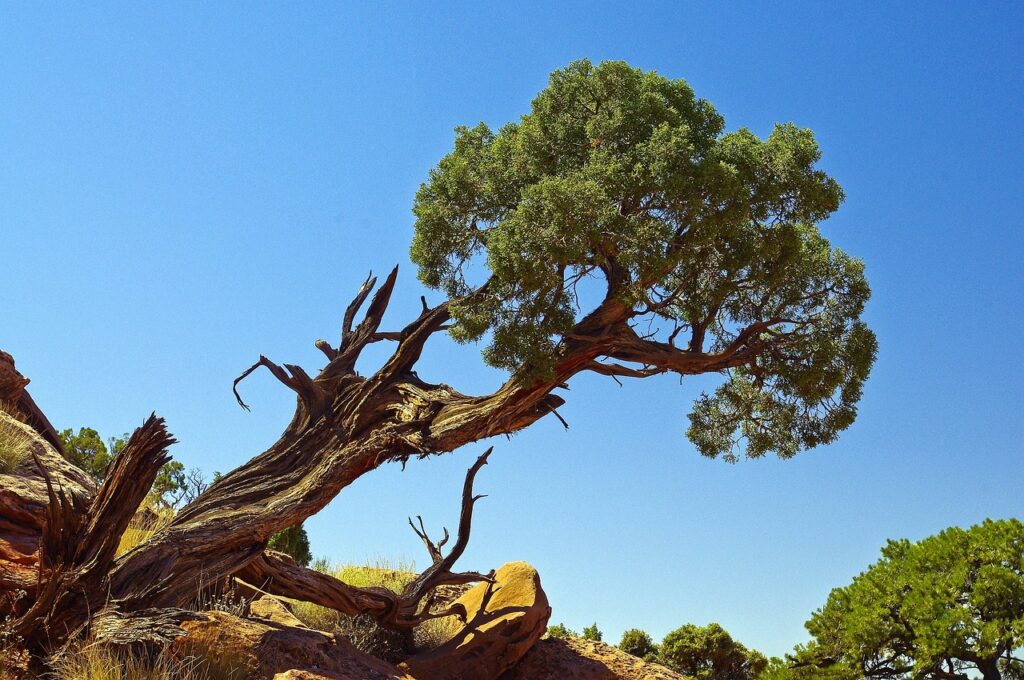
Section Juniperus species are widely distributed across the Northern Hemisphere, occupying some of the most challenging and diverse environments where woody plants can survive. Their broad geographic range reflects the evolutionary resilience of the section and helps explain why these junipers have remained morphologically stable for millions of years.
Understanding where these species grow naturally provides important context for both ecological study and successful bonsai cultivation.
Northern Hemisphere distribution
Section Juniperus is primarily found across Europe, Asia, North Africa, and parts of North America. Species such as Juniperus communis have one of the widest natural ranges of any woody plant, extending from subarctic regions to temperate and Mediterranean zones.
This extensive distribution demonstrates the adaptability of the section to varying climates, from cold alpine regions to warmer coastal and inland habitats. For bonsai practitioners, this wide range highlights the section’s ability to tolerate diverse growing conditions when properly managed.
Alpine, coastal, and open landscapes
Many Section Juniperus species thrive in exposed environments such as mountain slopes, alpine meadows, coastal dunes, and rocky outcrops. These habitats are typically characterised by poor soils, strong winds, and limited competition from larger trees.
In such conditions, the rigid needle foliage and slow growth of Section Juniperus provide a competitive advantage. These same traits translate well to bonsai trees, where resilience and compact growth are desirable qualities.
Soil preferences and environmental tolerance
Section Juniperus species are commonly found in well-drained, mineral-rich soils with low organic content. They are highly intolerant of waterlogged conditions, which can lead to root decline and disease.
This preference has direct implications for bonsai cultivation. Bonsai trees from Section Juniperus perform best in free-draining soil mixes and benefit from careful watering practices that mimic their natural environments.
Ecological roles and habitat stability
In natural ecosystems, Section Juniperus often acts as a stabilising species, helping prevent soil erosion on slopes and providing shelter for wildlife. Their longevity allows them to persist in landscapes where environmental conditions remain relatively harsh and unchanged.
These ecological roles reflect a slow, steady life strategy rather than rapid colonisation. For bonsai enthusiasts, this reinforces the importance of patience and long-term care when working with Section Juniperus species.
Habitat influence on bonsai character
The natural habitats of Section Juniperus heavily influence the visual character prized in bonsai trees. Windswept forms, rugged bark textures, and irregular branching patterns are direct results of environmental exposure in the wild.
By understanding these habitats, bonsai practitioners can better replicate natural styling cues, creating bonsai that reflect the authentic character and evolutionary history of Section Juniperus.
Subsections, Species Diversity and Key Members of Section Juniperus
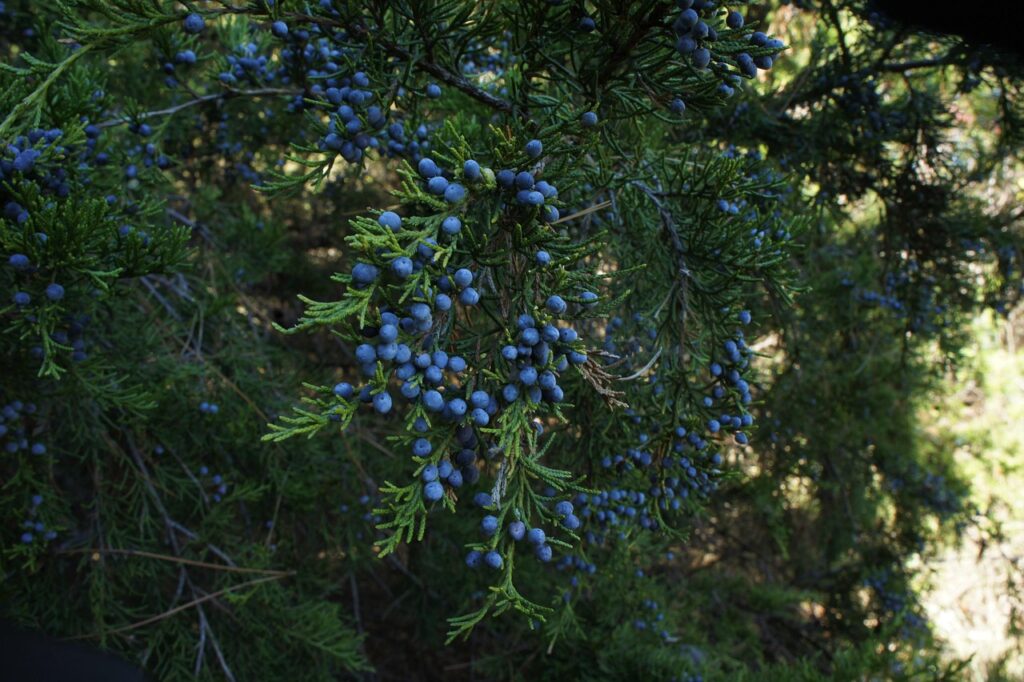
Section Juniperus is further divided into distinct subsections that reflect differences in cone structure, stomatal patterns, and geographic distribution. While the section as a whole is united by permanent needle foliage, these internal divisions help clarify evolutionary relationships and species-level variation. For taxonomy-focused study and bonsai selection, understanding these subsections provides valuable context.
Subsection Juniperus
Subsection Juniperus includes species characterised by seed cones containing three separate seeds and needles with a single prominent stomatal band. This group represents the core lineage of Section Juniperus and includes some of the most widespread and recognisable species.
Juniperus communis, commonly known as common juniper, is the most notable member. It has one of the broadest distributions of any conifer and displays remarkable variation in form, ranging from low-growing shrubs to upright trees. Subspecies such as Juniperus communis subsp. alpina reflect adaptation to alpine environments, offering compact growth habits valued in bonsai.
Other members, such as Juniperus rigida and Juniperus conferta, are known for their rigid needles and strong structural character. These species are frequently appreciated in bonsai for their dramatic foliage texture and naturally expressive growth patterns.
Subsection Oxycedrus
Subsection Oxycedrus differs primarily in needle anatomy, with species exhibiting two distinct stomatal bands rather than one. Seed cones also contain three separate seeds, maintaining consistency with the broader section while introducing clear diagnostic differences.
Species within this subsection are often more geographically restricted, including island and regional endemics such as Juniperus brevifolia from the Azores and Juniperus cedrus from the Canary Islands. These species highlight how isolation has contributed to diversification within Section Juniperus.
Juniperus oxycedrus, commonly known as cade or prickly juniper, is one of the best-known members of this subsection. It is valued for its resilience, aromatic wood, and strong visual character, traits that also make it appealing for bonsai trees when properly managed.
Species diversity across regions
Although Section Juniperus contains fewer species than scale-leaved juniper sections, its diversity is ecologically and geographically significant. Species occur across Europe, Asia, and island ecosystems, often adapting to local conditions without losing their fundamental morphological traits.
This balance between diversity and structural consistency reinforces the evolutionary stability of the section. For bonsai practitioners, it means species selection can be guided by climate compatibility and growth habit without sacrificing the defining needle-leaf character.
Key members in horticulture and bonsai
Several Section Juniperus species have proven well suited to bonsai and horticulture due to their durability, longevity, and expressive forms. Juniperus communis and Juniperus rigida are particularly valued for traditional bonsai styles that emphasise ruggedness and age.
While some species grow more slowly or require careful handling due to sharp needles, their strong structural presence makes them rewarding subjects for experienced bonsai artists. Understanding subsection differences helps practitioners select species that align with both environmental conditions and long-term styling goals.
Taxonomic importance of subsection classification
The subdivision of Section Juniperus into subsections provides a clearer framework for studying evolutionary relationships within the genus. These distinctions are not merely academic; they inform cultivation practices, ecological understanding, and species conservation.
For bonsai-focused taxonomy, recognising these subsections allows for more accurate species identification and more informed decisions when selecting and training bonsai trees from Section Juniperus.
Section Juniperus in Bonsai, Horticulture, and Cultivation
Section Juniperus holds a unique and respected place in bonsai, horticulture, and long-term cultivation due to its ancient lineage, durable structure, and strong visual character. While its needle foliage can be more demanding to work with than scale-leaved junipers, this same trait gives bonsai trees from this section a rugged, timeless presence that closely reflects wild juniper forms.
In bonsai cultivation, species such as Juniperus communis, Juniperus rigida, and Juniperus conferta are particularly well suited to traditional styles that emphasise age, resilience, and natural movement. Their slow growth, dense wood, and predictable branching patterns allow for careful, long-term refinement, making them ideal for practitioners who value patience and structural development over rapid results.
From a horticultural perspective, Section Juniperus species are highly tolerant of poor soils, cold temperatures, and exposure, provided drainage is excellent. These traits translate directly into bonsai care requirements, where free-draining soil mixes, careful watering, and ample light are essential. Their intolerance of waterlogged conditions reinforces the importance of understanding their natural habitats when cultivating bonsai trees.
Although not always recommended for beginners due to sharp needles and slower response to heavy pruning, Section Juniperus rewards experienced bonsai artists with exceptional longevity and authentic character. Whether grown as landscape specimens or refined into bonsai trees, these junipers embody the evolutionary stability and enduring appeal that define the section, making them a cornerstone of both juniper taxonomy and bonsai tradition.