
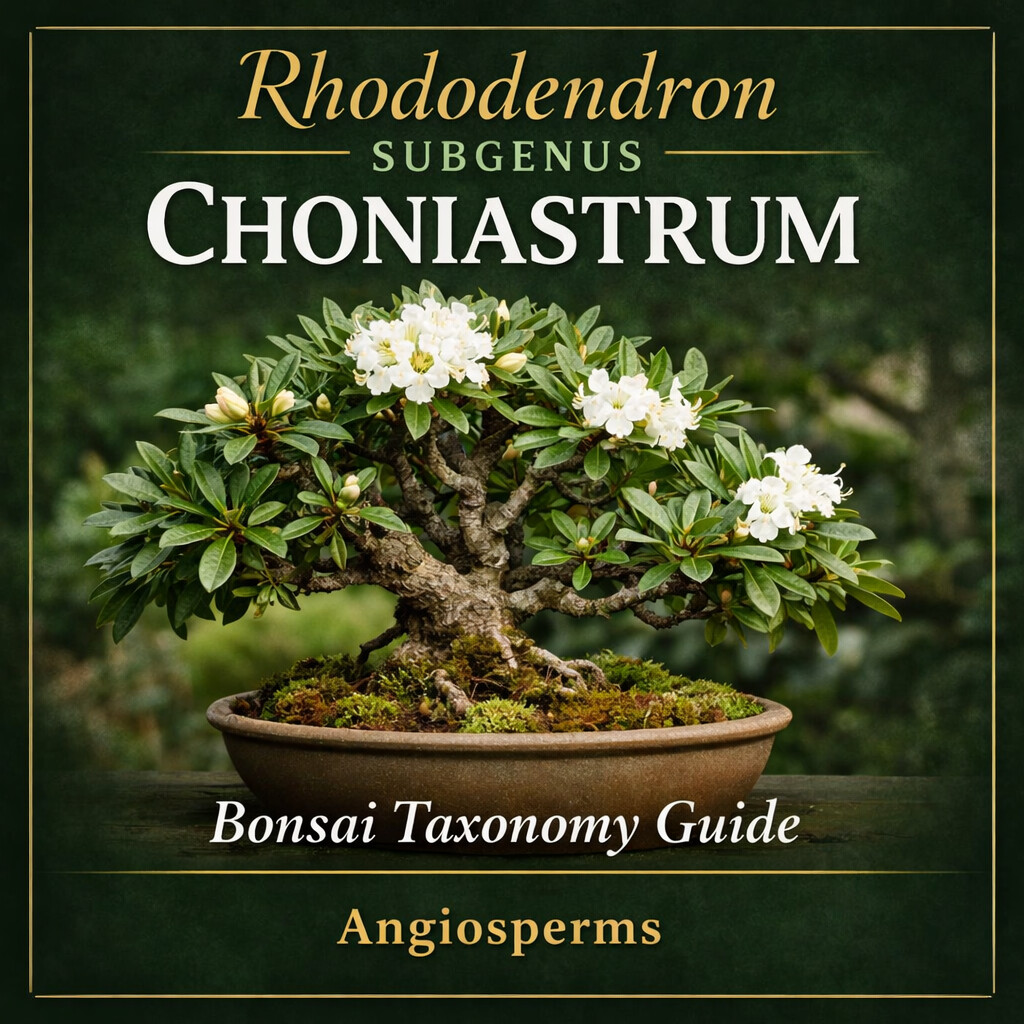
Subgenus Choniastrum is a distinct and evolutionarily significant grouping within the genus Rhododendron, representing a lineage of evergreen species primarily native to East and Southeast Asia. Once classified as a section within subgenus Azaleastrum, Choniastrum was elevated to full subgenus status following detailed cladistic and molecular analyses that revealed its close evolutionary relationship with subgenus Rhododendron and its clear separation from other azaleastrum lineages.
Species within Subgenus Choniastrum are typically woody, evergreen shrubs or small trees adapted to subtropical and montane forest environments. They are characterised by their leathery leaves, refined branching structures, and floral traits that reflect both ornamental value and ecological specialisation. While not as widely cultivated as some other rhododendron groups, Choniastrum plays an important role in understanding the evolutionary diversification of the genus.
From a bonsai and horticultural perspective, Subgenus Choniastrum occupies a more niche position. Its species are less commonly used in traditional bonsai practice, yet they offer insight into the broader structural and physiological diversity of Rhododendron. Exploring this subgenus provides valuable context for growers, collectors, and taxonomy enthusiasts seeking a deeper understanding of rhododendron classification and cultivation potential.
Table of Contents
Taxonomy
– Kingdom: Plantae (Plant Kingdom)
— Clade: Embryophytes (Land Plants)
— Clade: Polysporangiophytes (Multiple Sporangia)
—- Clade: Tracheophytes (Vascular Plants)
—– Superdivision: Spermatophytes (Seed Plants)
—— Clade: Angiospermae (Flowering Plants)
——- Division: Eudicots (True Dicotyledons)
——– Subdivision: Core Eudicots
——— Class: Superasterids (Advanced Flowering Plants)
———- Subclass: Asterids (Unified-Flowering Plants)
———– Order: Ericales (Heath and Tea)
———— Family: Ericaceae (Heath)
————- Subfamily: Ericoideae (Heath)
————– Tribe: Rhodoreae (Rhododendron)
————— Genus: Rhododendron
————— Subgenus: Choniastrum
What Is Subgenus Choniastrum?
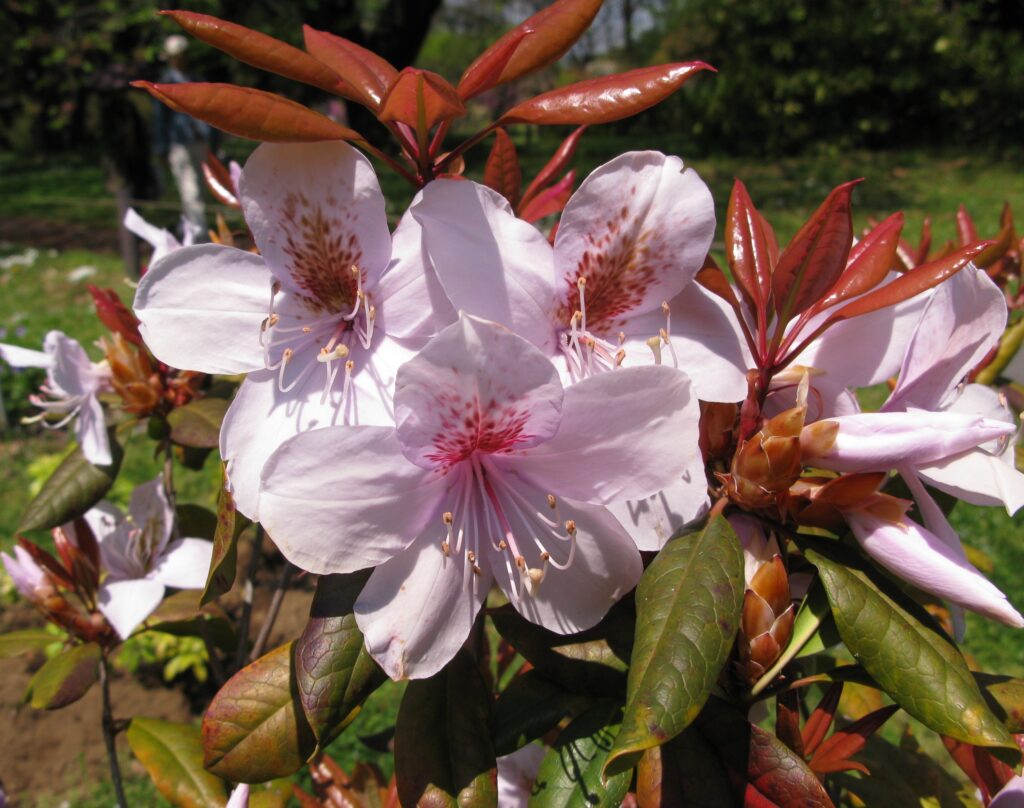
Subgenus Choniastrum is a taxonomic subdivision within the genus Rhododendron that groups together a distinct lineage of evergreen rhododendron species. These plants are primarily woody shrubs or small trees, recognised for their leathery foliage, structured growth habits, and adaptation to subtropical and montane forest environments in East and Southeast Asia.
Historically, Choniastrum was treated as a section within subgenus Azaleastrum. However, advances in cladistic and molecular phylogenetic research demonstrated that Choniastrum forms a major evolutionary clade more closely aligned with subgenus Rhododendron than with other azaleastrum groups. As a result, it was elevated to full subgenus status to better reflect its evolutionary relationships.
Today, Subgenus Choniastrum includes approximately twenty recognised species, most of which are native to China, with some extending into Southeast Asia, including Thailand, Myanmar, Vietnam, and surrounding regions. While these species are less familiar to casual gardeners, they are of considerable importance in botanical classification, conservation, and the study of rhododendron evolution.
Taxonomic Position of Subgenus Choniastrum Within the Rhododendron Genus
Within the genus Rhododendron, Subgenus Choniastrum occupies a clearly defined and evolutionarily important position. Early taxonomic systems placed Choniastrum as a section within subgenus Azaleastrum, largely based on superficial morphological similarities such as evergreen foliage and floral structure. At the time, classification relied heavily on visible traits rather than genetic relationships.
This view changed with the introduction of cladistic analysis and later molecular phylogenetic studies. These studies revealed that species grouped within Choniastrum form a coherent clade that is more closely related to subgenus Rhododendron than to other sections traditionally included in Azaleastrum. As a result, maintaining Choniastrum within Azaleastrum would have rendered that subgenus paraphyletic, failing to reflect true evolutionary lineages.
To resolve this, taxonomists elevated Choniastrum to subgenus rank. This reclassification aligns the taxonomy of Rhododendron with its evolutionary history, recognising Choniastrum as one of the major lineages within the genus. Its position highlights the complex diversification of rhododendrons in Asia and underscores the importance of modern genetic methods in refining plant classification systems.
Evolutionary Background of Subgenus Choniastrum
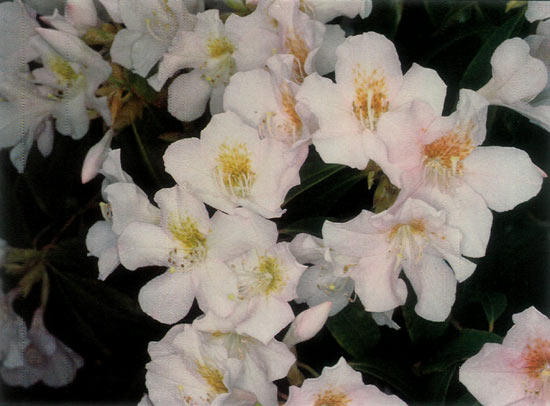
The evolutionary history of Subgenus Choniastrum reflects a distinct branch within the broader diversification of the Rhododendron genus. Its separation from other azaleastrum lineages and close affinity with subgenus Rhododendron point to an early divergence shaped by geography, climate, and long-term ecological stability in parts of Asia. This evolutionary pathway helps explain both its morphological consistency and its relatively limited species count compared to other rhododendron groups.
Divergence from Azaleastrum Lineages
Phylogenetic studies indicate that Choniastrum diverged from other azaleastrum-related groups earlier than previously assumed. Although it shares some superficial traits with azalea-like rhododendrons, genetic evidence shows that these similarities are the result of retained ancestral features rather than close evolutionary kinship. This divergence supports the recognition of Choniastrum as a separate evolutionary lineage within the genus.
Influence of Asian Montane and Subtropical Forests
The evolution of Subgenus Choniastrum is closely tied to the stable, humid forest ecosystems of East and Southeast Asia. Many species evolved in montane and subtropical regions where consistent moisture, acidic soils, and forest canopies favoured evergreen growth habits. These conditions encouraged the development of leathery leaves, controlled growth forms, and long-lived woody structures.
Evolutionary Stability and Limited Radiation
Unlike some rhododendron groups that underwent rapid adaptive radiation, Choniastrum shows signs of evolutionary stability. Its relatively small number of species suggests gradual diversification rather than explosive speciation. This stability may be linked to ecological specialisation, where species remained well-adapted to narrow habitat ranges rather than expanding into varied environments.
Relationship to Subgenus Rhododendron
One of the most significant insights from evolutionary research is the close relationship between Subgenus Choniastrum and subgenus Rhododendron. Together, they form a major clade within the genus, distinct from other azaleastrum-derived lineages. This relationship explains shared evergreen traits and reinforces the evolutionary framework that led to Choniastrum’s elevation to subgenus rank.
Key Morphological Traits of Subgenus Choniastrum
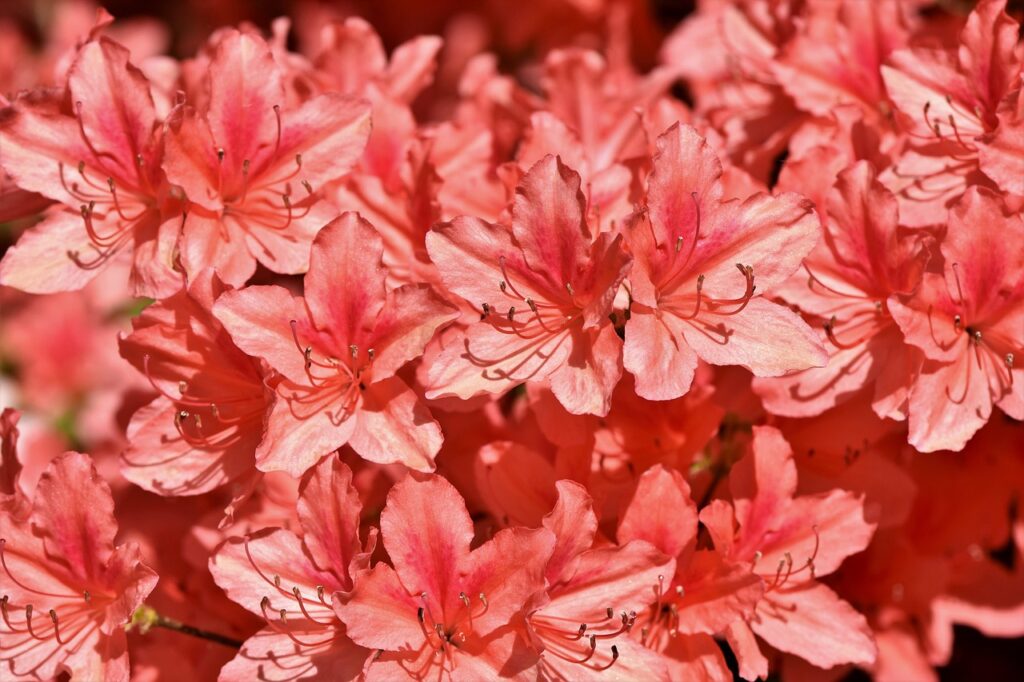
The defining characteristics of Subgenus Choniastrum are closely linked to its evergreen forest origins and evolutionary stability. While individual species vary in size and form, the subgenus as a whole displays a consistent set of morphological traits that distinguish it from other rhododendron lineages. These features reflect adaptation to shaded, humid environments and long-lived woody growth.
Evergreen Growth Habit and Structure
Species within Subgenus Choniastrum are evergreen shrubs or small trees, maintaining foliage throughout the year. Their growth is typically upright and woody, with a more tree-like form in some species compared to the compact or low-growing habits seen in other rhododendron groups. This structure supports longevity and resilience in stable forest ecosystems.
Leaf Form and Texture
Leaves are usually leathery, thick, and well-developed, an adaptation that helps reduce moisture loss in humid but competitive forest environments. Leaf shapes range from elliptic to oblong, often with smooth margins and a glossy or semi-glossy surface. The texture and durability of the leaves are key identifying features of the subgenus.
Floral Characteristics
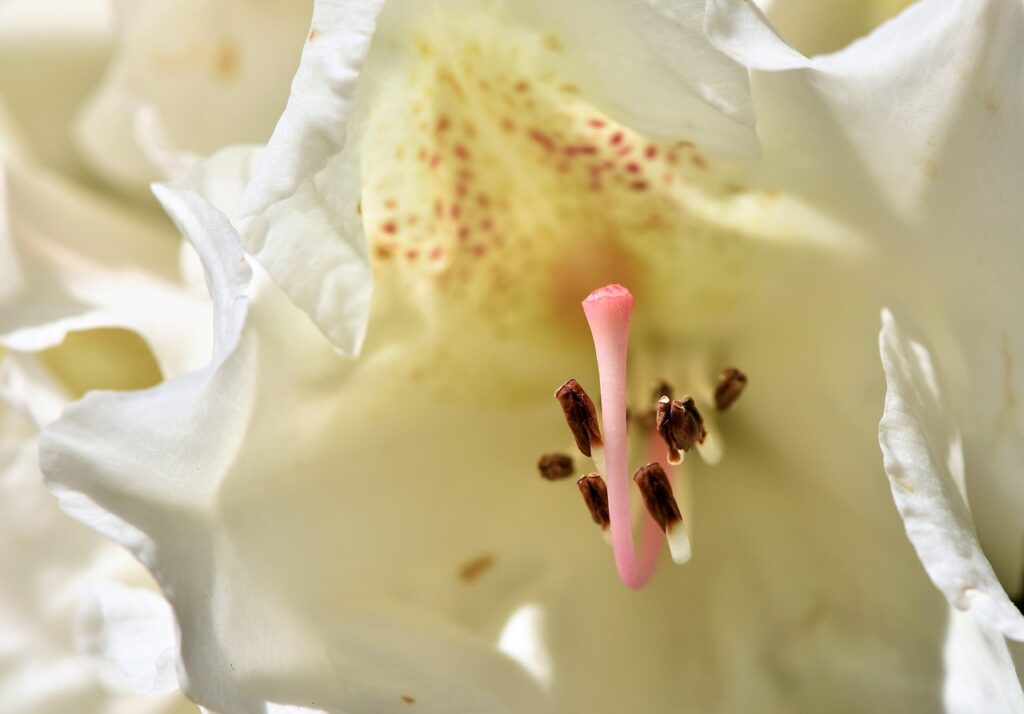
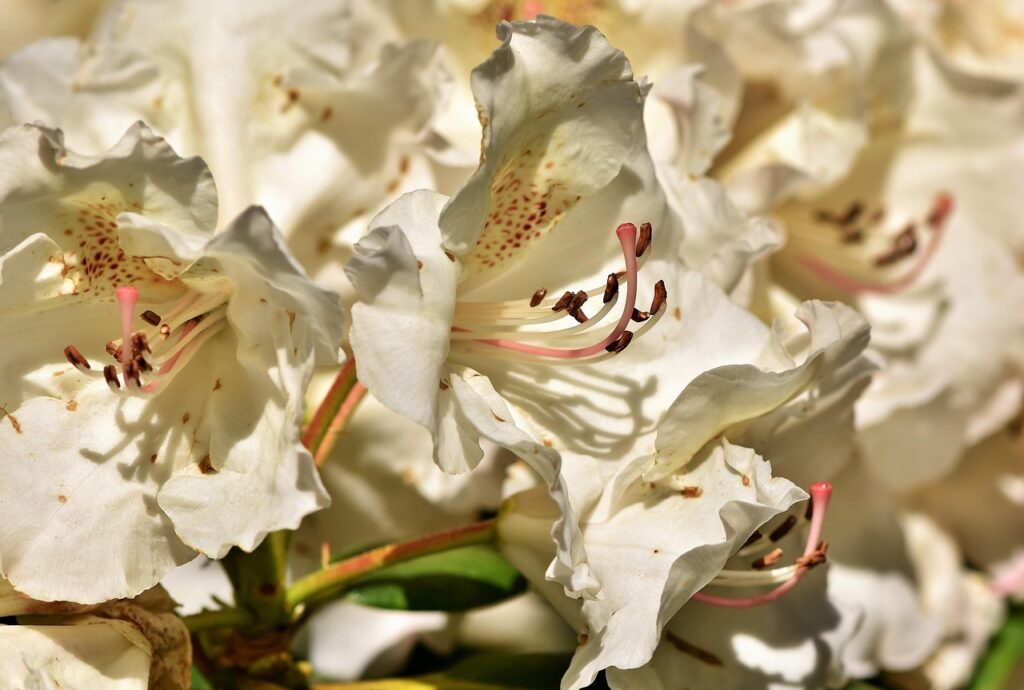
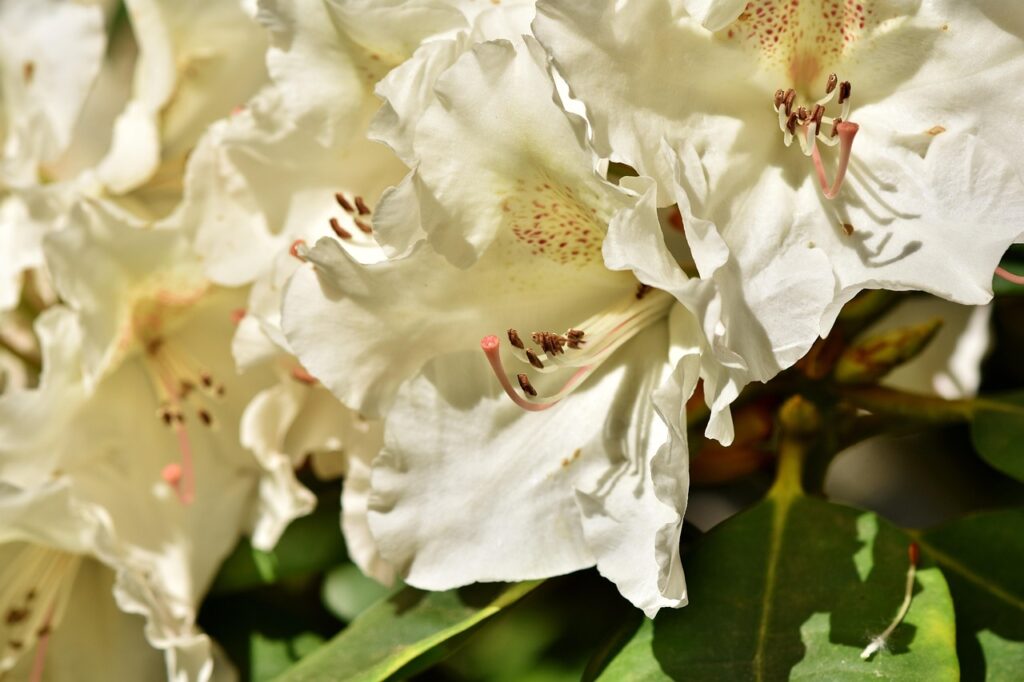
Flowers of Subgenus Choniastrum tend to be relatively refined rather than showy, often borne in small clusters. Corolla shapes are typically tubular to bell-shaped, with colours varying by species but generally more subdued than those of ornamental azaleas. Stamens are often prominent, contributing to the flowers’ functional rather than decorative emphasis.
Branching and Bark Features
Branching patterns are generally orderly and well-spaced, producing a clear framework that supports the evergreen canopy. Bark is usually smooth to slightly textured when young, becoming rougher with age. These traits contribute to the woody, structured appearance of mature plants and are relevant when considering pruning or long-term cultivation.
Reproductive and Growth Traits
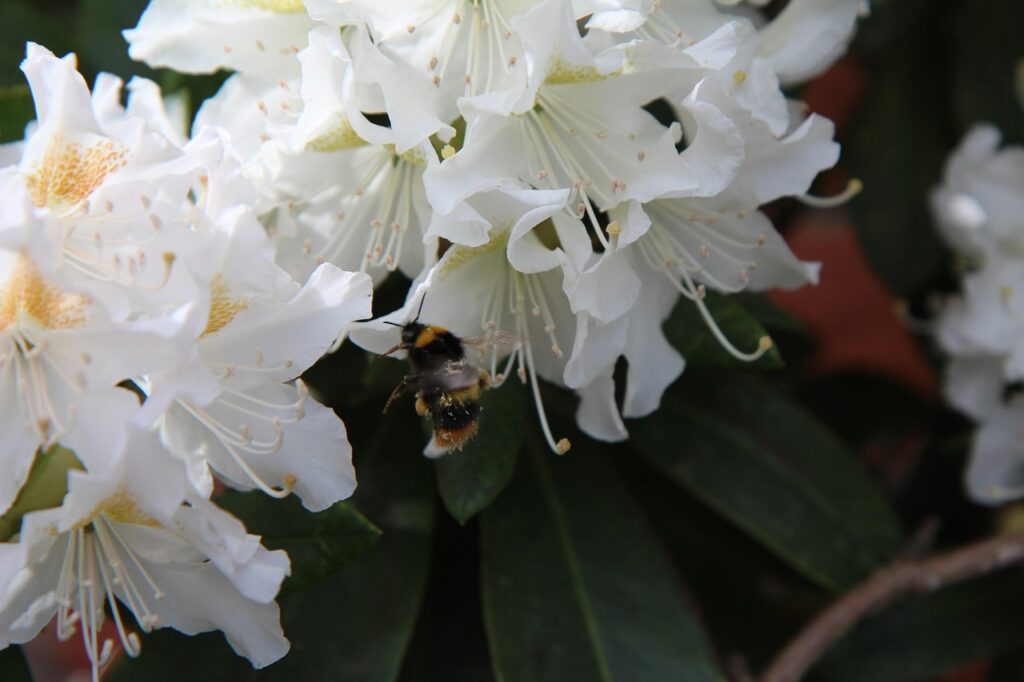
Subgenus Choniastrum species tend to exhibit steady, moderate growth rates rather than rapid seasonal flushes. This controlled growth aligns with their ecological niche and influences how they respond to cultivation and shaping. Reproductive traits, including flower timing and seed development, are adapted to forest conditions with reliable pollinator activity.
Primary Species Within Subgenus Choniastrum
Subgenus Choniastrum comprises approximately twenty recognised species, most of which are native to China, with a smaller number extending into Southeast Asia. These species are unified by their evergreen habit and shared evolutionary lineage, yet they display subtle differences in leaf shape, flower structure, and habitat preference that reflect local adaptation.
Many species within this subgenus are of particular interest to botanists due to their restricted distributions and specialised ecological niches. Several are endemic to specific provinces or mountainous regions, making them important for conservation and taxonomic study rather than widespread horticultural use.
Notable and Representative Species
Some of the more frequently cited and taxonomically representative species include:
- Rhododendron championiae – one of the earliest described members, widely distributed in southeastern China and often referenced in taxonomic literature.
- Rhododendron moulmainense – notable for its broader geographic range, extending beyond China into parts of South and Southeast Asia.
- Rhododendron hancockii – a species adapted to higher-altitude regions, illustrating the subgenus’s tolerance for montane environments.
- Rhododendron cavaleriei – recognised for its regional endemism and importance in understanding species diversification within southern China.
These species are often used as reference points when defining the morphological and ecological boundaries of Subgenus Choniastrum.
Species Diversity and Distribution Patterns
Most Choniastrum species are concentrated in southern and southwestern China, particularly in provinces such as Guangxi, Yunnan, Guangdong, and Guizhou. A smaller number occur in neighbouring regions including Vietnam, Myanmar, Thailand, and Taiwan. This distribution pattern suggests a centre of diversification in subtropical Chinese forests, with gradual outward spread.
Importance in Taxonomy and Conservation
While few species within Subgenus Choniastrum are widely cultivated, their value lies in taxonomy, evolutionary research, and habitat conservation. Several species are locally rare or confined to limited ranges, making them sensitive to habitat loss. As a result, Choniastrum species play an important role in broader efforts to document, preserve, and understand rhododendron diversity in Asia.
In future taxonomy and conservation work, these primary species continue to serve as key indicators of evolutionary relationships within the genus Rhododendron.
Geographic Distribution and Natural Habitats of Subgenus Choniastrum
The natural range of Subgenus Choniastrum is strongly centred in East and Southeast Asia, where species have evolved in stable, forested environments. Their distribution reflects both historical patterns of speciation within the Rhododendron genus and the ecological conditions required to support evergreen woody growth.
Core Distribution in China
China represents the primary centre of diversity for Subgenus Choniastrum. Most species are found in southern and southwestern provinces, including Guangxi, Guangdong, Guizhou, Yunnan, Sichuan, Fujian, and Zhejiang. These regions provide the humid subtropical climates and acidic soils that Choniastrum species require.
Many species are endemic to specific provinces or mountain ranges, often occurring in relatively small, isolated populations. This geographic isolation has contributed to gradual diversification within the subgenus while also increasing vulnerability to habitat disturbance.
Extension Into Southeast Asia
Beyond China, several species extend into neighbouring regions of Southeast Asia. Countries such as Vietnam, Myanmar, Thailand, Malaysia, and parts of Indonesia host limited populations, particularly in forested and mountainous areas. These peripheral distributions suggest historical dispersal from Chinese centres of origin into ecologically similar habitats.
In these regions, Choniastrum species are typically found at higher elevations where temperature, rainfall, and soil conditions mirror those of their core Chinese habitats.
Typical Natural Habitats
Subgenus Choniastrum species predominantly inhabit evergreen broadleaf forests, mixed montane woodlands, and forest margins. They are commonly found in shaded or semi-shaded environments, growing beneath or alongside taller tree canopies.
Soils in these habitats are usually acidic, well-drained, and rich in organic matter. Consistent moisture levels, combined with protection from extreme heat and direct sunlight, are key environmental factors supporting their survival.
Altitude and Ecological Preferences
Many species occur at mid to high elevations, where cooler temperatures and frequent mist or rainfall create ideal growing conditions. This altitudinal preference has influenced their evergreen leaf structure and steady growth patterns.
Ecologically, Subgenus Choniastrum plays a role in forest understory stability, contributing to plant diversity and supporting pollinators adapted to shaded woodland environments. These specialised habitat requirements help explain both the evolutionary stability and limited geographic spread of the subgenus.
Cultivation and Horticultural Importance of Subgenus Choniastrum
While Subgenus Choniastrum is not as widely cultivated as some other rhododendron groups, it holds distinct horticultural and botanical value. Its importance lies less in mass ornamental use and more in specialist collections, botanical gardens, and conservation-focused cultivation.
Use in Gardens and Botanical Collections
Choniastrum species are most commonly grown in botanical institutions and private collections where the focus is on species preservation and taxonomic representation. Their evergreen foliage and natural growth forms make them valuable for displaying the diversity of Rhododendron beyond popular hybrid groups.
In suitable climates, some species can be used as structural shrubs or small trees in woodland-style gardens, where their natural habits can be appreciated without heavy pruning or manipulation.
Climate and Soil Requirements
Cultivating Subgenus Choniastrum successfully requires conditions that closely resemble its native habitat. Plants prefer mild, humid climates with protection from extreme heat, frost, and drying winds. They thrive in acidic, well-drained soils rich in organic matter, similar to those used for other ericaceous plants.
Consistent moisture is essential, but waterlogged conditions must be avoided. Mulching with organic materials helps maintain soil acidity and moisture levels while supporting root health.
Ornamental Value and Growth Characteristics
The ornamental appeal of Choniastrum species is generally more understated than that of showy azaleas or large-flowered rhododendrons. Their value lies in foliage texture, evergreen presence, and refined floral structures rather than bold seasonal displays.
Growth rates are typically moderate to slow, which suits long-term landscape planting but limits their appeal for rapid garden impact. This controlled growth, however, contributes to their structural longevity.
Challenges in Cultivation
One of the main challenges in cultivating Subgenus Choniastrum is its sensitivity to unsuitable conditions. Poor drainage, alkaline soils, or prolonged drought can quickly lead to decline. Some species also have limited tolerance for heavy pruning or transplanting.
Due to these requirements, Choniastrum species are best suited to experienced growers or carefully managed environments. Their cultivation plays an important role in preserving lesser-known rhododendron lineages and maintaining genetic diversity within horticulture.
Can Subgenus Choniastrum Species Be Grown as Bonsai?
Growing species from Subgenus Choniastrum as bonsai is possible, but it remains a specialised and experimental pursuit rather than a common practice. Compared to other rhododendron groups, Choniastrum species present both opportunities and limitations that bonsai growers must carefully consider.
These species are evergreen, woody, and structurally stable, which are positive traits for bonsai. However, larger leaf size, slower response to heavy pruning, and a preference for stable forest conditions can make refinement challenging. As a result, Choniastrum bonsai are better suited to collectors and experienced growers rather than beginners.
Bonsai Suitability Factors
Choniastrum species generally exhibit moderate growth rates and controlled branching, which can support long-term structure. Their evergreen foliage provides year-round visual interest, but leaf reduction is often limited. Root systems tend to prefer minimal disturbance, making careful root work essential.
Natural upright growth habits lend themselves better to informal upright or naturalistic styles rather than compact or highly stylised forms.
Choniastrum Species With Bonsai Potential
While few species are actively used in bonsai, the following are among the most suitable candidates due to their growth characteristics and adaptability:
- Rhododendron championiae – Offers relatively manageable leaf size and a naturally balanced branching structure, making it one of the more practical choices for bonsai experimentation.
- Rhododendron moulmainense – Noted for its hardiness and broader geographic range, which may translate into better tolerance of cultivation conditions.
- Rhododendron hancockii – Its slower growth and woody framework make it suitable for long-term structural development, particularly in larger bonsai or container-grown specimens.
Realistic Expectations for Growers
Choniastrum bonsai should be approached with realistic expectations. These species are best treated as semi-bonsai or naturalistic container trees rather than highly refined show specimens. With patience, careful soil management, and restrained pruning, they can become distinctive and educational bonsai that showcase a lesser-known branch of the Rhododendron genus.
Subgenus Choniastrum in Bonsai Practice and Care
In bonsai practice, Subgenus Choniastrum occupies a quiet, specialist niche rather than a mainstream role. Its species are best appreciated for their natural structure, evergreen presence, and botanical significance rather than for extreme refinement or dramatic styling. When approached with patience and respect for their natural growth habits, Choniastrum species can become distinctive long-term bonsai or container-grown specimens.
Successful care centres on replicating forest conditions as closely as possible. Acidic, free-draining soil, consistent moisture, and protection from harsh sun and wind are essential. Pruning should be conservative, focusing on gradual structural development rather than aggressive reduction, while root work should be minimal and well-timed to avoid stress. Seasonal observation and restraint are key to maintaining plant health.
Ultimately, Subgenus Choniastrum in bonsai serves as a bridge between taxonomy and cultivation. While not suited to every bonsai enthusiast, it offers experienced growers an opportunity to explore a lesser-known rhododendron lineage, deepening both horticultural understanding and appreciation for the diversity within the Rhododendron genus.