
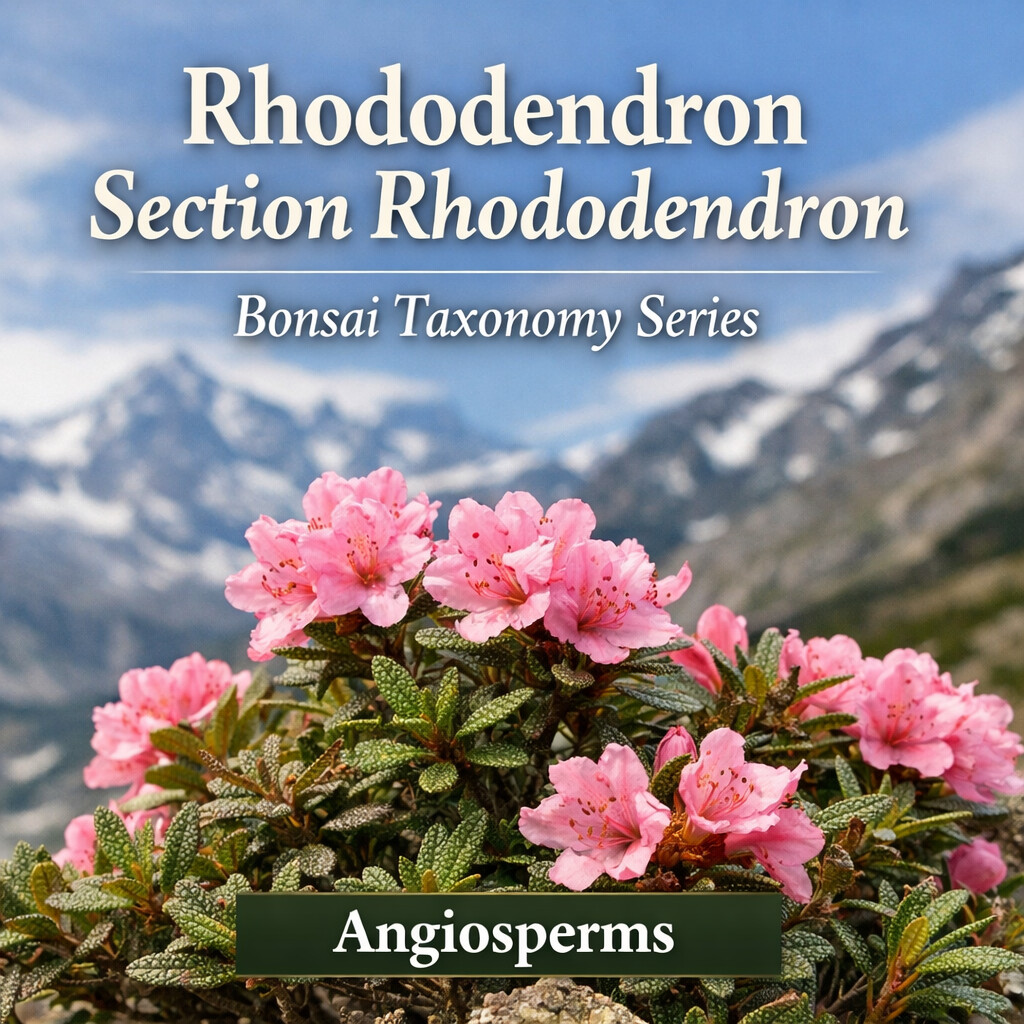
Rhododendron Section Rhododendron represents one of the most diverse and botanically significant groups within the Rhododendron genus. As the core section of Rhododendron subgenus Rhododendron, it includes a vast range of species adapted to temperate, alpine, and subarctic regions of the Northern Hemisphere. This section is defined primarily by its lepidote leaves, which feature tiny scale-like structures on their undersides, a key characteristic that distinguishes these plants from large-leaf rhododendrons.
Comprising well over a hundred species divided into numerous subsections, Section Rhododendron encompasses plants of remarkable variation in size, growth habit, and ecological adaptation. From low-growing alpine shrubs such as Rhododendron ferrugineum to more robust evergreen forms, members of this section have played an important role in both botanical classification and horticultural development. Their resilience, floral diversity, and adaptability have made them foundational to rhododendron cultivation worldwide.
This taxonomy guide explores the classification, evolutionary background, defining traits, and geographic distribution of Section Rhododendron, with additional focus on its relevance to horticulture and bonsai. By understanding how this section fits within the broader Rhododendron lineage, growers and enthusiasts can better appreciate the complexity and potential of these lepidote rhododendrons.
Table of Contents
Taxonomy
– Kingdom: Plantae (Plant Kingdom)
— Clade: Embryophytes (Land Plants)
— Clade: Polysporangiophytes (Multiple Sporangia)
—- Clade: Tracheophytes (Vascular Plants)
—– Superdivision: Spermatophytes (Seed Plants)
—— Clade: Angiospermae (Flowering Plants)
——- Division: Eudicots (True Dicotyledons)
——– Subdivision: Core Eudicots
——— Class: Superasterids (Advanced Flowering Plants)
———- Subclass: Asterids (Unified-Flowering Plants)
———– Order: Ericales (Heath and Tea)
———— Family: Ericaceae (Heath)
————- Subfamily: Ericoideae (Heath)
————– Tribe: Rhodoreae (Rhododendron)
————— Genus: Rhododendron
————— Subgenus: Rhododendron (Lepidote Rhododendrons)
—————- Section: Rhododendron (Lepidote Rhododendrons)
What Is Rhododendron Section Rhododendron?
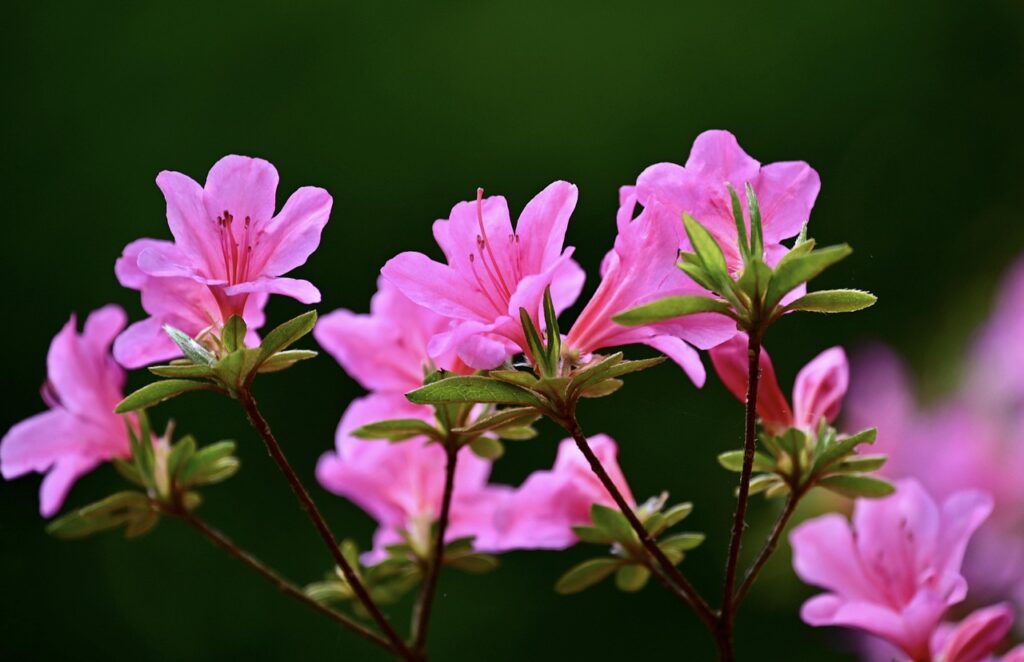
Rhododendron Section Rhododendron is a major taxonomic section within Rhododendron subgenus Rhododendron and represents the core group of lepidote rhododendrons. It is formally defined by the presence of small, scale-like structures (lepidotes) on the underside of the leaves, a feature that clearly distinguishes this section from the large-leaf, non-lepidote rhododendrons found in other subgenera. The type species for this section is Rhododendron ferrugineum, commonly known as the Alpine Rose.
This section is the largest within the Rhododendron genus, comprising approximately 120 to 149 species divided into around 25 recognised subsections. Species within Section Rhododendron exhibit considerable variation in size and form, ranging from compact alpine shrubs adapted to harsh, cold environments to more robust evergreen shrubs found in temperate forest regions. Despite this diversity, the shared lepidote leaf structure provides a unifying morphological trait.
Rhododendron Section Rhododendron is primarily distributed across the temperate to subarctic regions of the Northern Hemisphere, where species have evolved to survive cold winters, acidic soils, and nutrient-poor growing conditions. This evolutionary success has made the section highly significant not only in botanical classification but also in horticulture, where many species and hybrids are valued for their hardiness, foliage texture, and floral diversity.
Taxonomic Placement of Section Rhododendron Within the Genus Rhododendron
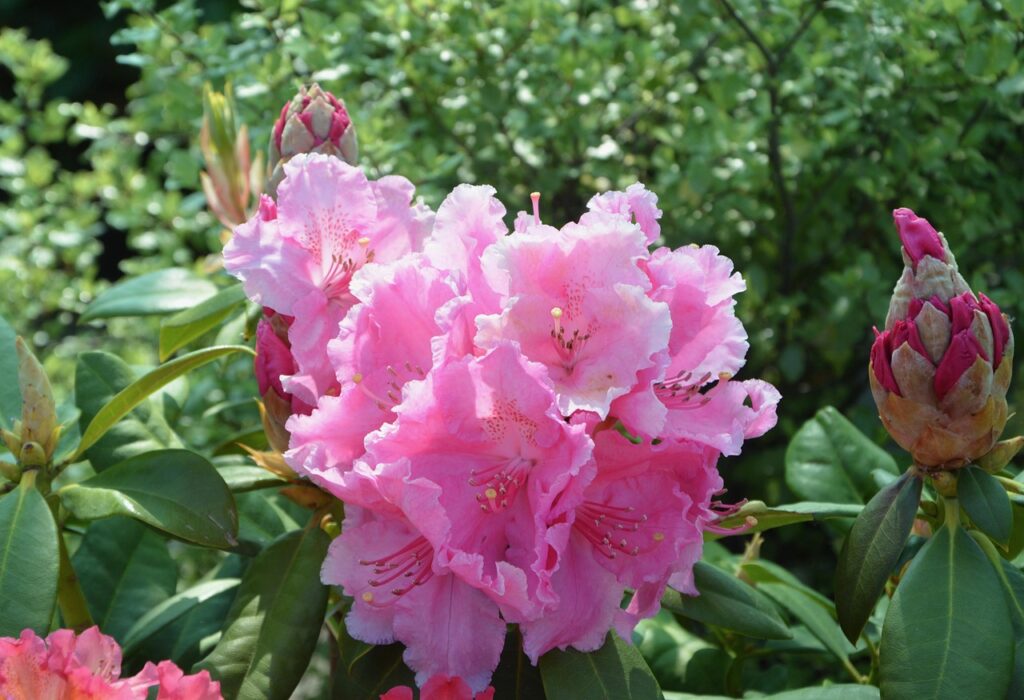
Section Rhododendron occupies a central position within the botanical hierarchy of the Rhododendron genus and represents the defining section of Rhododendron subgenus Rhododendron. It belongs to the family Ericaceae, subfamily Ericoideae, and tribe Rhodoreae, a lineage characterised by woody shrubs adapted to acidic, nutrient-poor soils. Within this framework, Section Rhododendron serves as the taxonomic anchor for lepidote rhododendrons.
At the genus level, Rhododendron is divided into several subgenera based on leaf structure, growth habit, and reproductive traits. Section Rhododendron is nested within Rhododendron subgenus Rhododendron, which is distinguished by small, scale-covered leaves rather than the large, leathery foliage found in subgenus Hymenanthes. This placement reflects both morphological consistency and evolutionary relationships supported by modern phylogenetic studies.
Further classification within Section Rhododendron is achieved through the recognition of numerous subsections, each grouping species with shared floral characteristics, growth forms, or geographic origins. These subsections help botanists and horticulturists manage the extraordinary diversity of the section while preserving its position as the core lepidote group within the broader Rhododendron genus.
Evolutionary Origins and Botanical History of Section Rhododendron
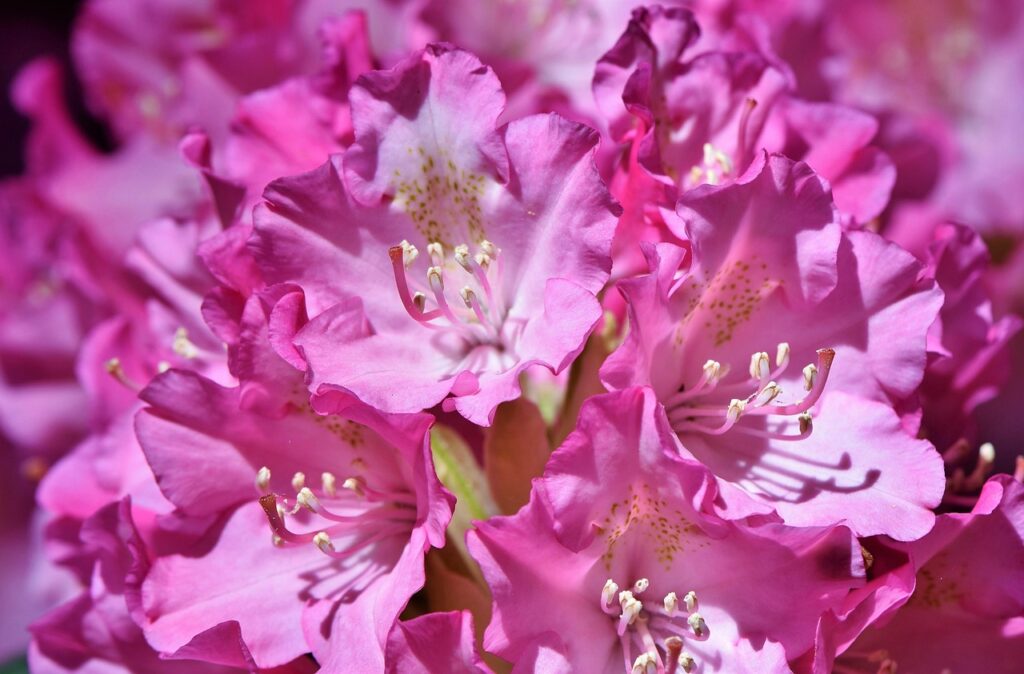
The evolutionary history of Section Rhododendron reflects the long-term adaptation of lepidote rhododendrons to cold, acidic, and often harsh environments across the Northern Hemisphere. As one of the earliest-diverging lineages within the genus, this section provides valuable insight into how rhododendrons evolved, diversified, and spread across alpine and temperate regions over millions of years.
Early divergence within the Rhododendron lineage
Section Rhododendron is regarded as one of the foundational groups within Rhododendron subgenus Rhododendron. Fossil evidence and molecular studies suggest that lepidote rhododendrons diverged early from ancestral Ericaceae shrubs, developing scale-covered leaves as an adaptation to colder and drier conditions. This early divergence allowed Section Rhododendron species to establish themselves in ecological niches unsuitable for large-leaf rhododendrons.
Climatic adaptation and alpine evolution
Many species within Section Rhododendron evolved during extended periods of global cooling, particularly throughout the Miocene and Pliocene epochs. Repeated glacial cycles favoured compact growth forms, evergreen foliage, and physiological tolerance to snow cover, wind exposure, and short growing seasons. These traits are especially evident in alpine and subarctic species such as Rhododendron ferrugineum.
Geographic expansion and speciation
As mountain ranges formed and climates shifted, Section Rhododendron species experienced significant geographic isolation. This isolation drove speciation across Europe, Central Asia, the Himalayas, and East Asia, resulting in a high diversity of closely related species. Over time, these evolutionary pathways became formalised into numerous recognised subsections based on shared traits and regional origin.
Botanical study and formal classification
Section Rhododendron has been the subject of botanical study since the early development of plant taxonomy. The presence of lepidote leaf scales was recognised early as a defining characteristic, leading Carl Linnaeus to formally describe the section and designate Rhododendron ferrugineum as its type species. Modern phylogenetic research continues to refine this classification, combining traditional morphology with genetic evidence to better understand evolutionary relationships within the section.
Defining Lepidote Characteristics of Section Rhododendron
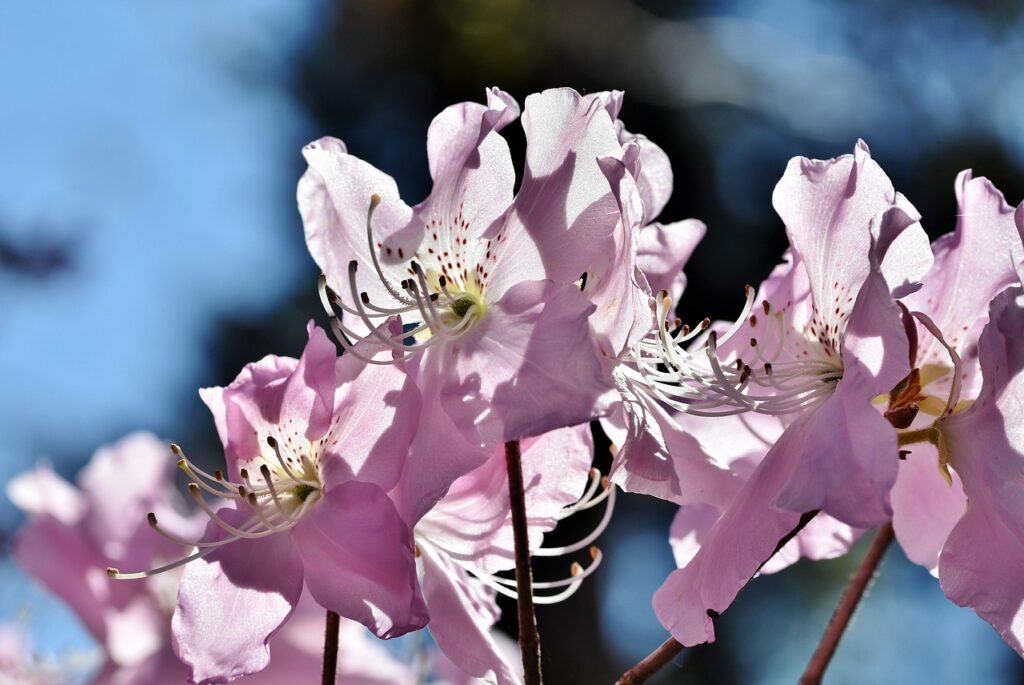
The defining feature of Section Rhododendron is the presence of lepidote leaves, a characteristic that plays a crucial role in both botanical classification and horticultural use, including cultivation as a bonsai tree. Lepidote rhododendrons are distinguished by tiny, scale-like structures on the underside of their leaves, which are visible under magnification and give the foliage a distinctive texture and sheen.
These leaf scales are not merely diagnostic traits but important evolutionary adaptations. In many Section Rhododendron species, the lepidotes help reduce moisture loss, protect leaf surfaces from intense sunlight, and provide insulation against cold temperatures. These traits contribute to the hardiness of the group and explain why certain species adapt well to container growing and long-term bonsai cultivation.
Leaf size within Section Rhododendron is generally smaller than that of large-leaf rhododendrons, making many species particularly suitable for bonsai. The compact foliage allows for proportional styling, while the evergreen nature of most species ensures year-round visual interest. For bonsai practitioners, these characteristics make lepidote rhododendrons attractive candidates when selecting material for a flowering bonsai tree.
In addition to foliage traits, lepidote rhododendrons often display fine twigging and naturally compact growth habits. These features respond well to pruning and structural training, both of which are essential techniques in bonsai design. When combined with appropriate soil acidity and careful moisture management, Section Rhododendron species can thrive as ornamental shrubs or as carefully trained bonsai specimens.
By understanding the lepidote characteristics that define Section Rhododendron, growers and enthusiasts can better appreciate the biological strengths of these plants and their potential applications in horticulture, landscape use, and bonsai cultivation.
Leaf Structure, Scales, and Growth Habits in Section Rhododendron
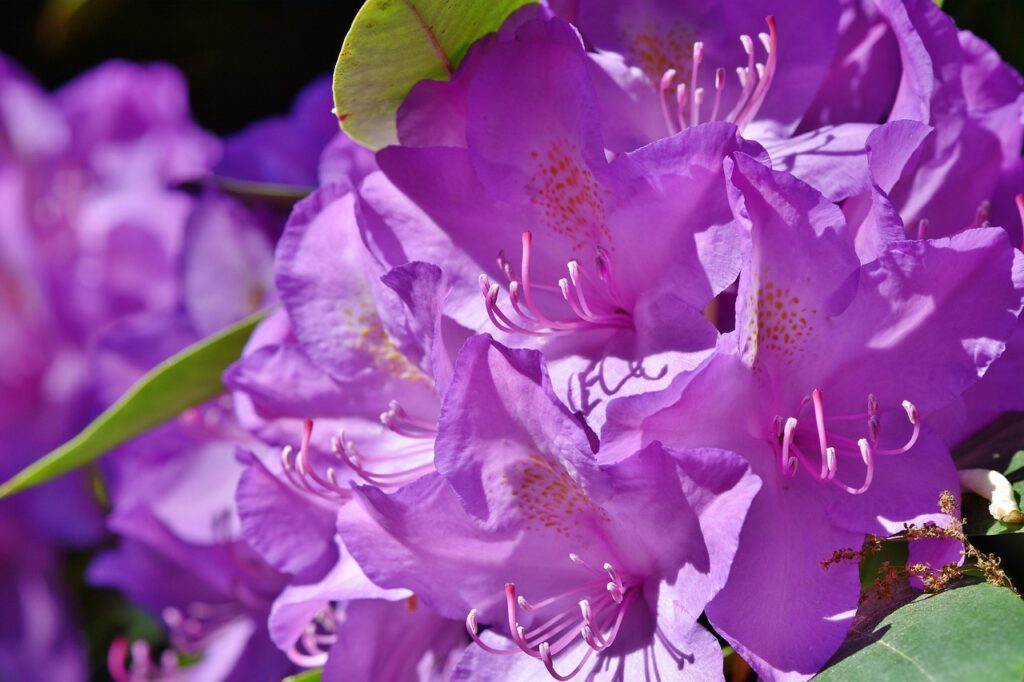
Leaf structure and growth habit are central to understanding Section Rhododendron, particularly when evaluating species for horticulture or training as a bonsai tree. The combination of small evergreen leaves, protective scales, and naturally compact branching patterns reflects long-term adaptation to challenging environments and makes many species well suited to controlled cultivation.
Leaf structure and size variation
Leaves in Section Rhododendron are typically small, leathery, and evergreen, with shapes ranging from narrowly elliptic to broadly oval. This reduced leaf size is especially valuable in bonsai cultivation, where proportion between foliage, branches, and trunk is critical. Many species naturally produce dense foliage pads, allowing a rhododendron bonsai to maintain visual balance without excessive leaf reduction techniques.
Leaf margins are usually smooth, and the upper leaf surface tends to be darker and glossier than the underside, enhancing contrast and seasonal interest.
Lepidote scales and their function
The underside of the leaves is covered with lepidote scales, which may appear silvery, brown, or rust-coloured depending on the species. These scales help regulate transpiration, reflect sunlight, and protect leaf tissue from cold winds and desiccation. In alpine and subarctic habitats, this adaptation is essential for survival.
For bonsai growers, the presence of visible scales adds texture and subtle colour variation to the foliage, increasing the aesthetic appeal of a mature bonsai tree.
Growth habits and branching patterns
Species within Section Rhododendron generally exhibit compact, shrubby growth with fine branching and short internodes. These growth habits respond well to pruning and shaping, allowing for controlled development in both garden and bonsai settings. Apical dominance is usually moderate, which makes it easier to encourage lateral branching through selective trimming.
In bonsai cultivation, this growth pattern supports classic styles such as informal upright, slanting, and multi-trunk forms, especially when combined with patient structural training.
Seasonal growth behaviour
Growth in Section Rhododendron typically occurs in defined seasonal flushes, often in spring and early summer. This predictable growth cycle allows bonsai practitioners to plan pruning and wiring activities with minimal stress to the plant. When managed correctly, these species can develop refined branch structure while retaining their natural form.
Together, leaf structure, lepidote scales, and growth habits define Section Rhododendron as a botanically distinct and horticulturally versatile group, offering strong potential for ornamental use and long-term bonsai tree cultivation.
Flower Structure, Reproductive Traits, and Hybridisation in Section Rhododendron
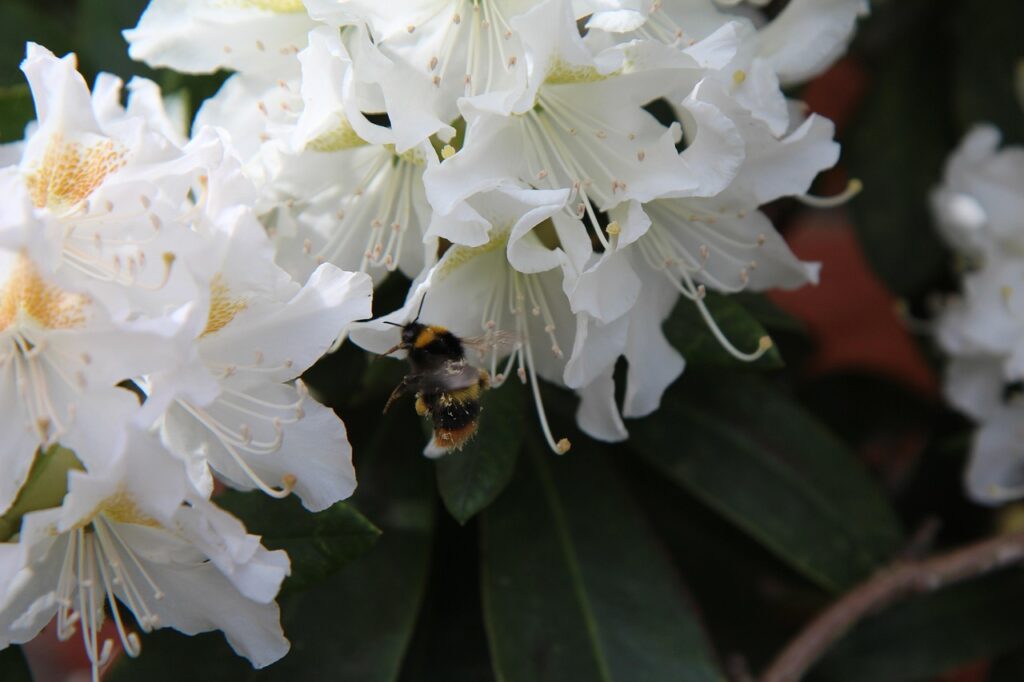
Flowering characteristics are one of the most appealing aspects of Section Rhododendron, contributing significantly to its popularity in horticulture and its potential as a flowering bonsai tree. While flowers are often smaller than those of large-leaf rhododendrons, they are produced in abundance and display a wide range of colours, forms, and seasonal timing.
Flower structure and inflorescence types
Flowers in Section Rhododendron are typically tubular, bell-shaped, or funnel-shaped, with five lobes and prominent stamens. They are usually borne singly or in small clusters rather than large trusses, which suits the scale of compact shrubs and bonsai trees. This restrained flower arrangement helps maintain proportion in a rhododendron bonsai while still delivering a strong seasonal display.
Colour ranges include white, cream, pink, red, yellow, and purple, often with subtle spotting or shading that adds depth and visual interest.
Pollination and reproductive traits
Most Section Rhododendron species rely on insect pollination, with bees and other pollinators attracted by nectar, colour, and scent. Some species also produce lightly fragrant flowers, which adds to their ornamental value in both gardens and bonsai collections.
Seed production follows successful pollination, with capsules forming and releasing fine seeds adapted for wind dispersal. In cultivation, controlled pollination is often used to preserve desirable traits or create new hybrids.
Natural and cultivated hybridisation
Hybridisation occurs readily within Section Rhododendron, both in natural habitats and under cultivation. Geographic overlap between species, combined with compatible flowering periods, has led to the formation of recognised nothospecies and a wide array of horticultural hybrids.
For bonsai enthusiasts, hybrids can offer improved flowering, enhanced hardiness, or more compact growth habits. However, careful selection is important, as not all hybrids retain the small leaf size or structural traits desirable for bonsai tree development.
Significance for horticulture and bonsai
The reproductive flexibility of Section Rhododendron has played a major role in its horticultural success. Breeders have been able to select for flower colour, size, scent, and growth habit while maintaining the lepidote traits that define the section. When paired with appropriate pruning and soil conditions, many species and hybrids can be trained into refined, flowering bonsai specimens that combine botanical authenticity with aesthetic impact.
Geographic Distribution and Natural Habitats of Section Rhododendron
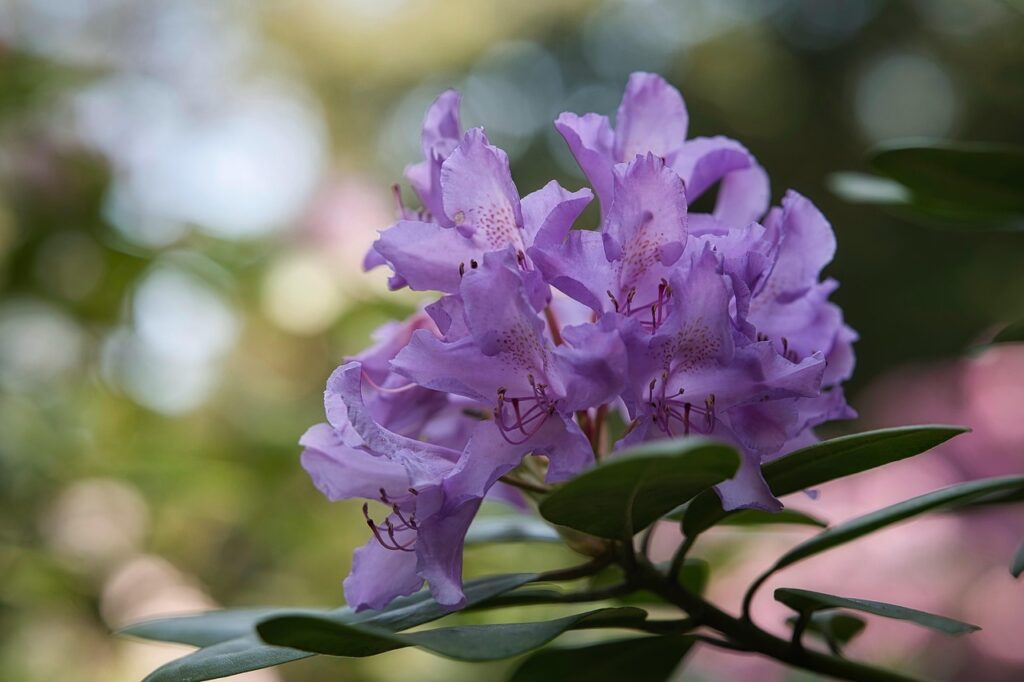
Section Rhododendron is widely distributed across the temperate to subarctic regions of the Northern Hemisphere, with species adapted to a broad range of mountainous and cool-climate environments. This extensive geographic spread has played a major role in the section’s diversity, resilience, and suitability for horticulture and selective cultivation as a bonsai tree.
Species within this section are primarily found in Europe, Central and East Asia, the Himalayas, and parts of North America. Many occur at higher elevations, where cool summers, cold winters, and acidic soils dominate. These environments favour compact growth, evergreen foliage, and slow, steady development, traits that align well with long-term bonsai cultivation.
Natural habitats of Section Rhododendron commonly include alpine meadows, subalpine forests, rocky slopes, and open woodland margins. Plants often grow in well-draining, humus-rich soils derived from granite or other acidic substrates. Exposure to wind, snow cover, and fluctuating temperatures has shaped their hardy nature and reduced leaf size, both valuable characteristics for maintaining proportion in a bonsai tree.
Moisture availability varies across regions, but most species are adapted to consistent moisture without waterlogging. In the wild, snowmelt and frequent mountain rainfall provide steady hydration while free-draining soils prevent root rot. These conditions mirror the requirements of rhododendron bonsai, which thrive in acidic, aerated soil mixes and protected outdoor environments.
Understanding the geographic distribution and natural habitats of Section Rhododendron helps growers replicate suitable conditions in cultivation. By respecting the ecological origins of these plants, horticulturists and bonsai enthusiasts can improve plant health, flowering performance, and long-term structural development.
Subsections, Species Diversity, and Notable Members of Section Rhododendron
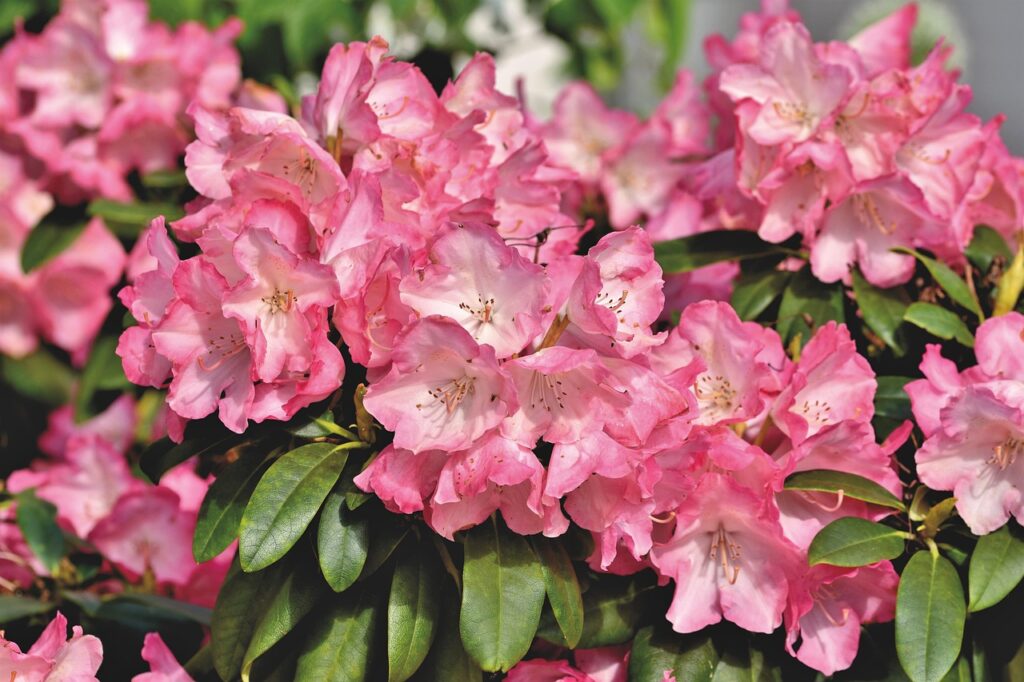
Section Rhododendron is the largest and most diverse section within the Rhododendron genus, encompassing an estimated 120 to 149 species distributed across a wide range of climates and elevations. To manage this diversity, botanists have divided the section into multiple subsections, each grouping species with shared morphological traits, floral characteristics, or geographic origins. These subdivisions help clarify evolutionary relationships while acknowledging the remarkable variation within the section.
Recognised subsections within Section Rhododendron include:
- Rhododendron subsect. Afghanica
- Rhododendron subsect. Baileya
- Rhododendron subsect. Boothia
- Rhododendron subsect. Camelliiflora
- Rhododendron subsect. Campylogyna
- Rhododendron subsect. Caroliniana
- Rhododendron subsect. Cinnabarina
- Rhododendron subsect. Edgworthia
- Rhododendron subsect. Fragariflora
- Rhododendron subsect. Genestieriana
- Rhododendron subsect. Glauca
- Rhododendron subsect. Heliolepida
- Rhododendron subsect. Lapponica
- Rhododendron subsect. Ledum
- Rhododendron subsect. Lepidota
- Rhododendron subsect. Maddenia
- Rhododendron subsect. Micrantha
- Rhododendron subsect. Monantha
- Rhododendron subsect. Moupinensia
- Rhododendron subsect. Rhododendron
- Rhododendron subsect. Rhodorastrum
- Rhododendron subsect. Saluenensia
- Rhododendron subsect. Scabrifolium
- Rhododendron subsect. Tephropeplae
- Rhododendron subsect. Trichocladum
- Rhododendron subsect. Triflora
- Rhododendron subsect. Uniflora
- Rhododendron subsect. Virgatum
Within these subsections are numerous notable species, including Rhododendron ferrugineum, the type species of the section and a classic alpine plant known for its hardiness and compact form. Other species and natural hybrids have contributed significantly to horticulture, particularly in cold-climate gardens and specialist collections.
For the purposes of this bonsai taxonomy series, not every subsection within Section Rhododendron will be covered in detail. Our focus is on developing in-depth care sheets for selected Rhododendron species that show strong potential as a bonsai tree. Each species will be discussed within the context of the subsection to which it belongs, ensuring taxonomic accuracy without unnecessary complexity.
As this series evolves, additional taxonomy guides may be added if new species are introduced or if future bonsai projects require coverage of previously unlisted subsections. This flexible approach allows the taxonomy to grow organically alongside practical bonsai cultivation needs.
Section Rhododendron in Bonsai, Horticulture, and Cultivation
Section Rhododendron holds a unique position at the intersection of botanical significance and practical cultivation. Its lepidote foliage, compact growth habits, and adaptability to acidic soils have made many species valuable ornamental plants in gardens, alpine collections, and specialist horticulture. These same characteristics also underpin their growing appeal as a flowering bonsai tree, particularly among enthusiasts seeking species with natural refinement and seasonal interest.
In horticulture, Section Rhododendron species are prized for their resilience, manageable size, and wide range of flower colours. They respond well to careful pruning, benefit from well-draining acidic substrates, and perform best in cool, sheltered conditions that mirror their native habitats. When these requirements are met, plants can thrive for decades, developing dense branching and reliable flowering cycles.
From a bonsai perspective, not all species within Section Rhododendron are equally suitable, but selected members offer excellent potential. Small leaves, fine branching, and controlled growth make it possible to maintain proportion and structure over time. With patient training, correct soil composition, and attentive moisture management, a rhododendron bonsai can mature into a distinctive and rewarding specimen.
As this bonsai taxonomy guide demonstrates, understanding the taxonomic position and natural adaptations of Section Rhododendron is essential to successful cultivation. By focusing on specific species rather than attempting to cover the entire section, growers can apply both botanical knowledge and practical technique to create healthy plants and refined bonsai trees that reflect the true character of this remarkable group.