
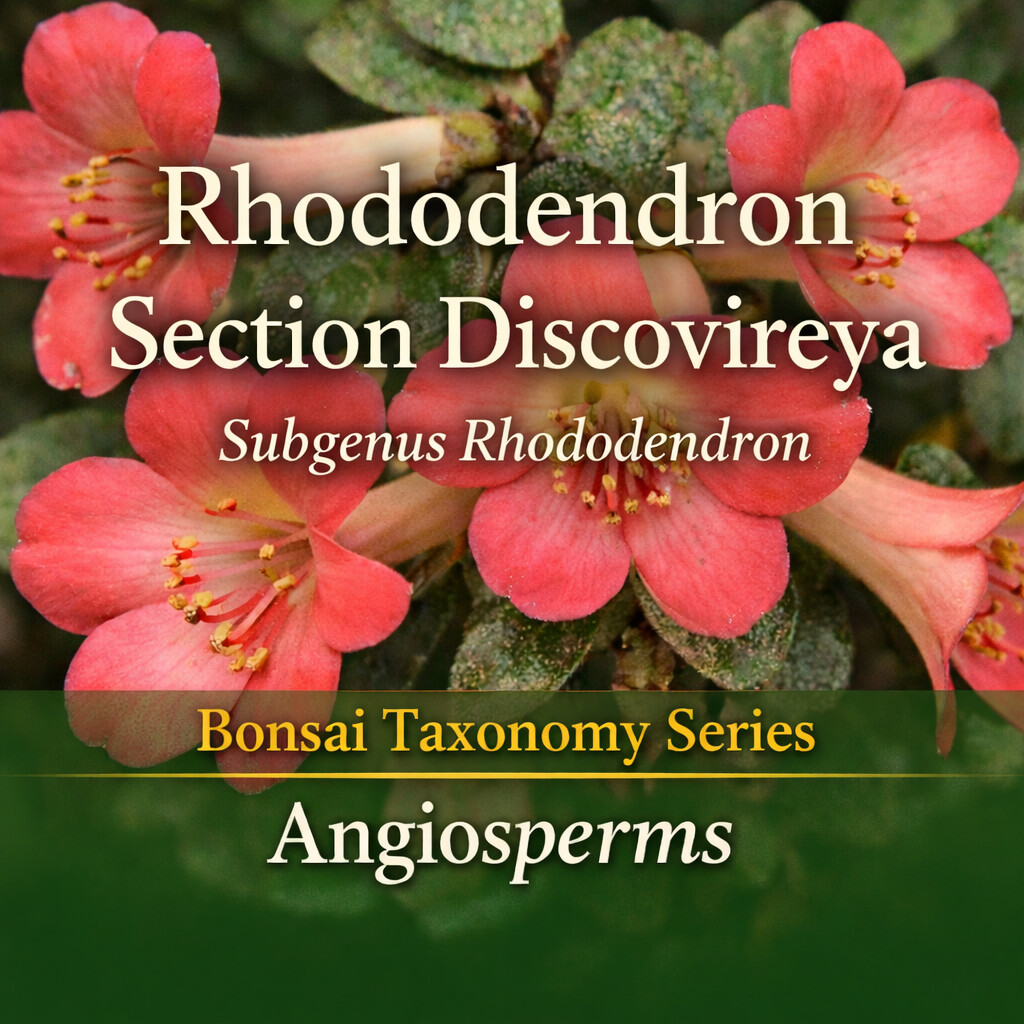
Rhododendron Section Discovireya, as we commonly refer to it here on Budding Backyard Bonsaist as the Tail-Seeded Tropical Rhododendrons, represents a distinctive group within the genus Rhododendron. These plants are adapted to warm, humid, montane rainforest environments and are primarily found across parts of Southeast Asia, including Borneo, New Guinea, Sumatra, and surrounding regions. Their specialised morphology and ecological adaptations set them apart from more familiar temperate rhododendron groups.
What makes Section Discovireya particularly notable is a combination of traits rarely seen together elsewhere in the genus. These include uniquely tailed seeds, tubular flowers adapted for specialised pollinators, and a strong tendency toward epiphytic or lithophytic growth. Together, these characteristics reflect a lineage shaped by high-rainfall, high-altitude tropical habitats rather than seasonal temperate climates.
This taxonomy guide explores the classification, defining features, geographic distribution, and species diversity of Section Discovireya, while also considering its horticultural significance and conservation importance. By examining this section in detail, readers can better understand where these unusual rhododendrons fit within the broader taxonomic framework of the genus and why they occupy such a specialised ecological niche.
Table of Contents
Taxonomy
– Kingdom: Plantae (Plant Kingdom)
— Clade: Embryophytes (Land Plants)
— Clade: Polysporangiophytes (Multiple Sporangia)
—- Clade: Tracheophytes (Vascular Plants)
—– Superdivision: Spermatophytes (Seed Plants)
—— Clade: Angiospermae (Flowering Plants)
——- Division: Eudicots (True Dicotyledons)
——– Subdivision: Core Eudicots
——— Class: Superasterids (Advanced Flowering Plants)
———- Subclass: Asterids (Unified-Flowering Plants)
———– Order: Ericales (Heath and Tea)
———— Family: Ericaceae (Heath)
————- Subfamily: Ericoideae (Heath)
————– Tribe: Rhodoreae (Rhododendron)
————— Genus: Rhododendron
————— Subgenus: Rhododendron (Lepidote Rhododendrons)
—————- Section: Discovireya (Tail-Seeded Tropical Rhododendrons)
What is Rhododendron Section Discovireya?
Rhododendron Section Discovireya is a specialised taxonomic group within the genus Rhododendron, defined by a suite of traits adapted to tropical montane rainforest environments. As we commonly refer to here on Budding Backyard Bonsaist, this section is known as the Tail-Seeded Tropical Rhododendrons, a name that highlights one of its most distinctive diagnostic features. Species in this section are primarily native to Southeast Asia, with strong representation in Borneo, New Guinea, Sumatra, Sulawesi, and parts of Peninsular Malaysia.
What sets Section Discovireya apart is not a single characteristic, but a consistent combination of morphological and ecological adaptations. These plants typically produce tubular to cylindric flowers suited to specialised pollinators, and many species grow as epiphytes on trees or lithophytes on mossy rocks rather than rooting in soil. Their seeds bear a tail at each end, a rare trait within the genus that is thought to aid dispersal in humid, high-altitude forests.
Together, these features reflect a lineage shaped by constant moisture, filtered light, and high airflow rather than seasonal temperature swings. Section Discovireya therefore occupies a unique position within Rhododendron, representing a tropical, montane evolutionary pathway that contrasts strongly with the shrub-dominated, temperate rhododendrons more familiar to gardeners and bonsai practitioners.
Taxonomic placement of Section Discovireya within subgenus Rhododendron
Section Discovireya is placed within subgenus Rhododendron, a grouping that encompasses a wide range of species adapted to diverse climates and growth forms. Within this framework, Section Discovireya represents a distinctly tropical lineage, characterised by specialised reproductive traits, growth habits, and ecological preferences. Although historically its placement has shifted as botanical understanding evolved, treating Discovireya as a section within subgenus Rhododendron provides a clear and functional structure for comparative taxonomy.
From a morphological standpoint, Section Discovireya is defined by traits that justify its separation from other sections. These include tailed seeds, tubular flowers adapted to specialised pollinators, and a strong tendency toward epiphytic or lithophytic growth. Cytological data further supports its distinction, with species in this section sharing a chromosome count of 2n = 26. Together, these characteristics indicate a coherent evolutionary grouping rather than a loose assemblage of tropical outliers.
Placing Section Discovireya within subgenus Rhododendron also allows for clearer comparison with both temperate and tropical sections under a single, unified taxonomic umbrella. This approach avoids unnecessary fragmentation while still recognising the unique evolutionary pathway represented by the Tail-Seeded Tropical Rhododendrons.
Relationship between Section Discovireya and Section Vireya
Section Discovireya has historically been closely associated with what was once treated as the subgenus Vireya, a group comprising tropical rhododendrons native primarily to Southeast Asia and the western Pacific. As taxonomic revisions progressed, Vireya was reinterpreted at the sectional level within subgenus Rhododendron, bringing groups such as Discovireya into closer structural alignment.
While Section Vireya broadly encompasses tropical rhododendrons with lepidote leaves and rainforest adaptations, Section Discovireya can be distinguished by a narrower set of defining traits. The presence of distinctly tailed seeds, consistent tubular flower morphology, and a high frequency of epiphytic growth separates Discovireya from the wider diversity found within Section Vireya. In this sense, Discovireya represents a more specialised evolutionary branch within the tropical rhododendron complex.
By recognising both sections separately, it becomes easier to describe evolutionary relationships without obscuring meaningful differences. Section Vireya provides the broader tropical context, while Section Discovireya highlights a refined subset adapted to specific montane rainforest niches. This distinction supports clearer taxonomy, improved identification, and a better understanding of how tropical rhododendrons diversified within subgenus Rhododendron.
Evolutionary background and classification history of Section Discovireya
The evolutionary background of Section Discovireya reflects a lineage of Rhododendron that diverged in response to tropical, montane rainforest conditions rather than the seasonal climates typical of temperate rhododendrons. As mountain systems in Southeast Asia formed and stabilised, certain rhododendron populations adapted to constant humidity, filtered light, and high airflow. These pressures favoured specialised growth habits and reproductive strategies, giving rise to the group we now recognise as Section Discovireya.
Its classification history mirrors the gradual refinement of rhododendron taxonomy. Early botanists recognised these plants as unusual within the genus, but their placement shifted over time as understanding of tropical rhododendrons evolved. Today, Section Discovireya is treated as a coherent evolutionary group within subgenus Rhododendron, defined by shared ancestry rather than superficial similarity.
Early botanical recognition and morphological grouping
Initial classification of Section Discovireya relied heavily on morphological observation. Botanists noted tubular flower forms, lepidote leaves, and non-terrestrial growth habits that distinguished these plants from familiar shrub rhododendrons. These traits led to their early inclusion within tropical rhododendron groupings, even before sectional boundaries were clearly established.
Seed morphology later became a decisive factor. The consistent presence of seeds with a tail at each end provided a strong diagnostic trait, reinforcing the idea that these species shared a common evolutionary origin. This feature helped stabilise the section’s taxonomic identity and justified its separation from broader tropical groupings.
Influence of geography and ecological isolation
Geographic isolation has been central to the evolution of Section Discovireya. Many species are restricted to narrow ranges, including individual mountains or island systems. Such isolation reduced gene flow between populations, allowing local adaptations to accumulate and leading to high species diversity within a relatively confined region.
The shift toward epiphytic and lithophytic growth further reinforced this divergence. By colonising tree canopies and rock faces, these rhododendrons occupied ecological niches distinct from soil-rooted relatives. Over time, this lifestyle favoured compact growth, specialised root systems, and efficient seed dispersal mechanisms suited to humid montane environments.
Taxonomic revisions and modern interpretation
Advances in taxonomy, particularly molecular phylogenetic studies, prompted a reassessment of tropical rhododendron classifications. These studies supported the recognition of Section Discovireya as a distinct evolutionary lineage within subgenus Rhododendron, rather than a loosely defined assemblage based solely on geography.
Modern interpretations emphasise shared ancestry, consistent morphology, and ecological adaptation as the basis for classification. Section Discovireya is now understood as a specialised branch of the genus, shaped by long-term isolation and rainforest conditions. This refined understanding provides a clearer framework for identification, conservation, and further study of the Tail-Seeded Tropical Rhododendrons.
Defining morphological characteristics of Section Discovireya
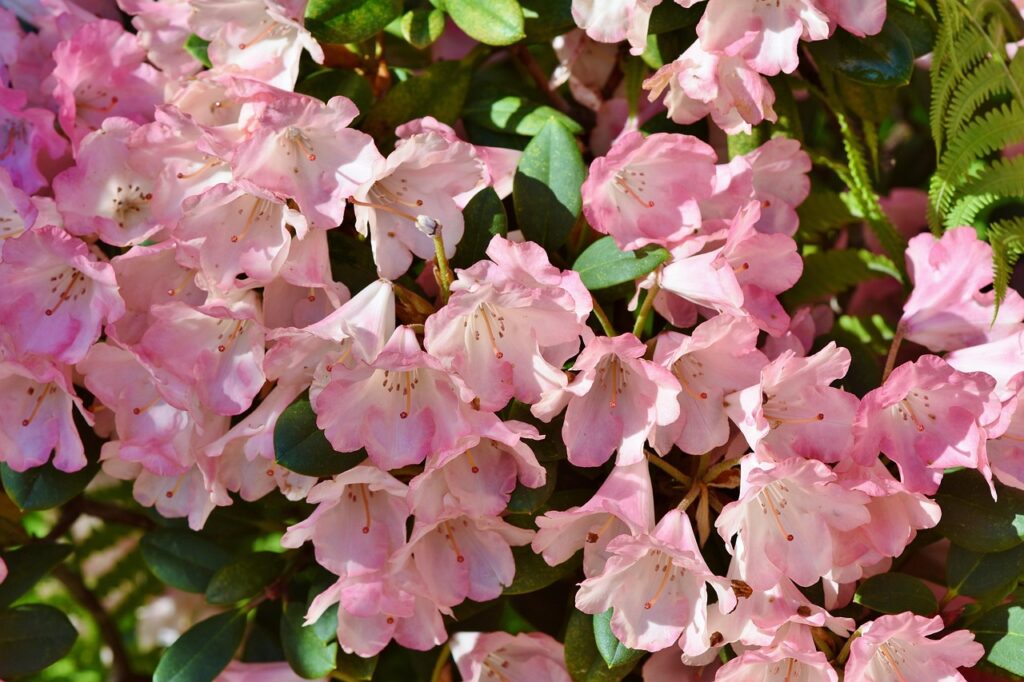
Section Discovireya is defined by a consistent set of morphological traits that reflect adaptation to tropical montane rainforest environments. These characteristics distinguish it from both temperate rhododendron sections and other tropical groups within the genus. Rather than exhibiting wide variation in form, species in this section share a recognisable structural pattern shaped by humidity, airflow, and non-terrestrial growth conditions.
The defining features of Section Discovireya are most clearly expressed in seed structure, floral morphology, and vegetative adaptations. When considered together, these traits provide a reliable framework for identifying members of the section and understanding their ecological specialisation.
Seed morphology and dispersal adaptations
One of the most distinctive morphological characteristics of Section Discovireya is its seed structure. Species in this section produce seeds with a tail at each end, a rare feature within the genus Rhododendron. These appendages are believed to assist with dispersal in humid, montane environments by increasing surface area and enabling seeds to be carried by air currents or water movement.
This tailed seed morphology serves as a key diagnostic trait and is central to the informal common name used on Budding Backyard Bonsaist, the Tail-Seeded Tropical Rhododendrons. Its consistency across the section supports the interpretation of Discovireya as a coherent evolutionary group.
Floral structure and pollination morphology
Flowers in Section Discovireya are typically tubular to cylindrical in form, reflecting adaptation to specialised pollination strategies. The corolla shape favours pollinators such as birds and large insects rather than the generalist insect pollination common in many temperate rhododendrons.
Flower colours are often vivid, including shades of red, pink, and yellow, enhancing visibility in dense rainforest habitats. The flowers usually bear ten stamens, which may be exserted or included, and are structured to maximise efficient pollen transfer in environments where pollinator visits may be infrequent.
Leaf scales, texture, and vegetative traits
Members of Section Discovireya are lepidote, possessing scale-like structures on their leaves. These scales are typically entire to gently undulate, differing from the more complex or deeply lobed scales seen in other rhododendron sections. The leaf surfaces are often adapted to shed excess moisture while retaining humidity around the plant tissues.
Leaves tend to be relatively small and tough, an adaptation that helps reduce water loss and physical damage in exposed montane settings. Together with compact growth forms, these vegetative traits support survival in environments characterised by high rainfall, frequent mist, and fluctuating light levels.
Growth form and structural adaptations
Many species within Section Discovireya exhibit epiphytic or lithophytic growth habits, anchoring themselves to tree trunks, branches, or rocky substrates rather than rooting in soil. This growth form influences overall plant structure, favouring compact habits and specialised root systems capable of absorbing moisture and nutrients from the surrounding environment.
These structural adaptations set Section Discovireya apart from shrub-forming rhododendrons and reflect a long evolutionary history shaped by competition for space and light in tropical montane forests.
Leaf scales, growth habit, and epiphytic adaptations
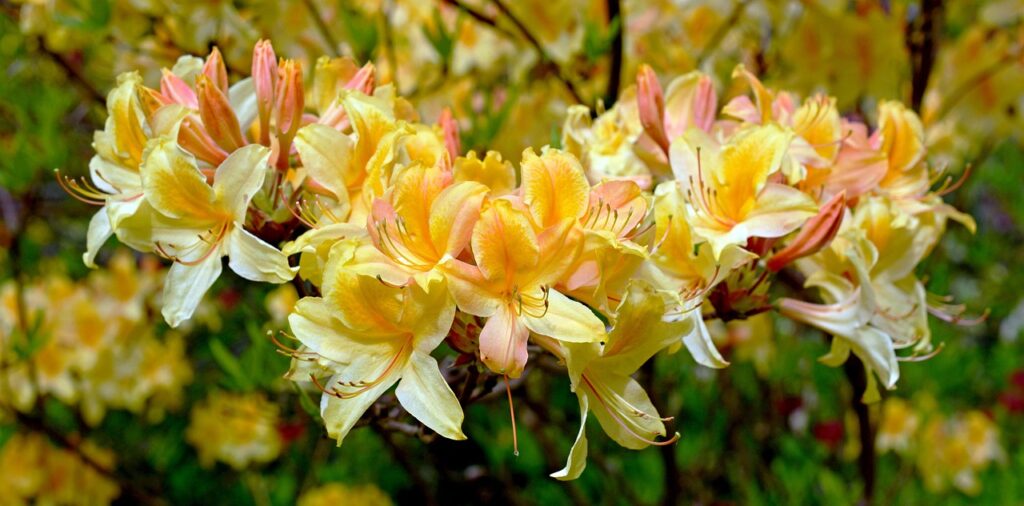
The vegetative features of Section Discovireya reflect a strong adaptation to humid, montane rainforest environments where plants must manage constant moisture, limited rooting space, and variable light levels. Leaf scale structure, growth habit, and rooting strategy work together to support survival in canopy and rock-based habitats rather than forest soil.
These adaptations distinguish Section Discovireya from terrestrial rhododendron sections and help explain its evolutionary success in high-altitude tropical ecosystems.
Lepidote leaf scales and surface function
Species within Section Discovireya are lepidote, bearing small scale-like structures on the leaf surfaces. These scales are typically entire to gently undulate in form, creating a relatively smooth texture compared to the more ornate scales found in some other rhododendron sections.
The scales play an important functional role by regulating moisture on the leaf surface. In environments with frequent mist and rainfall, they help shed excess water while maintaining a humid boundary layer close to the leaf, reducing stress caused by rapid drying or prolonged saturation.
Compact growth habit and structural form
The growth habit of Section Discovireya species tends toward compact, often shrubby or semi-pendant forms. This structure is well suited to life in exposed montane settings, where strong winds, heavy rainfall, and limited anchoring surfaces place physical constraints on plant size and form.
Rather than investing in tall, woody stems, these plants allocate resources toward stability and resilience. Short internodes and dense branching reduce wind damage and help maintain plant integrity when growing on tree trunks or rocky substrates.
Epiphytic and lithophytic adaptations
A defining ecological feature of Section Discovireya is its frequent epiphytic and lithophytic growth. Many species grow attached to moss-covered branches, tree trunks, or rock faces, relying on atmospheric moisture and organic debris rather than soil-based nutrients.
Roots in these plants are adapted for rapid moisture uptake and secure attachment rather than deep penetration. This allows them to exploit niches high above the forest floor, where competition is reduced, and light availability is improved, reinforcing the section’s distinct ecological strategy.
Adaptation to high-humidity environments
Living in montane rainforests requires tolerance to near-constant humidity, frequent cloud cover, and cool but stable temperatures. The combined features of lepidote leaves, compact growth, and non-terrestrial rooting enable Section Discovireya species to thrive under these conditions.
These adaptations collectively illustrate how the Tail-Seeded Tropical Rhododendrons have evolved not merely as tropical plants, but as specialists within a highly specific ecological niche shaped by altitude, moisture, and limited rooting opportunities.
Flower morphology, pollination strategies, and reproductive traits
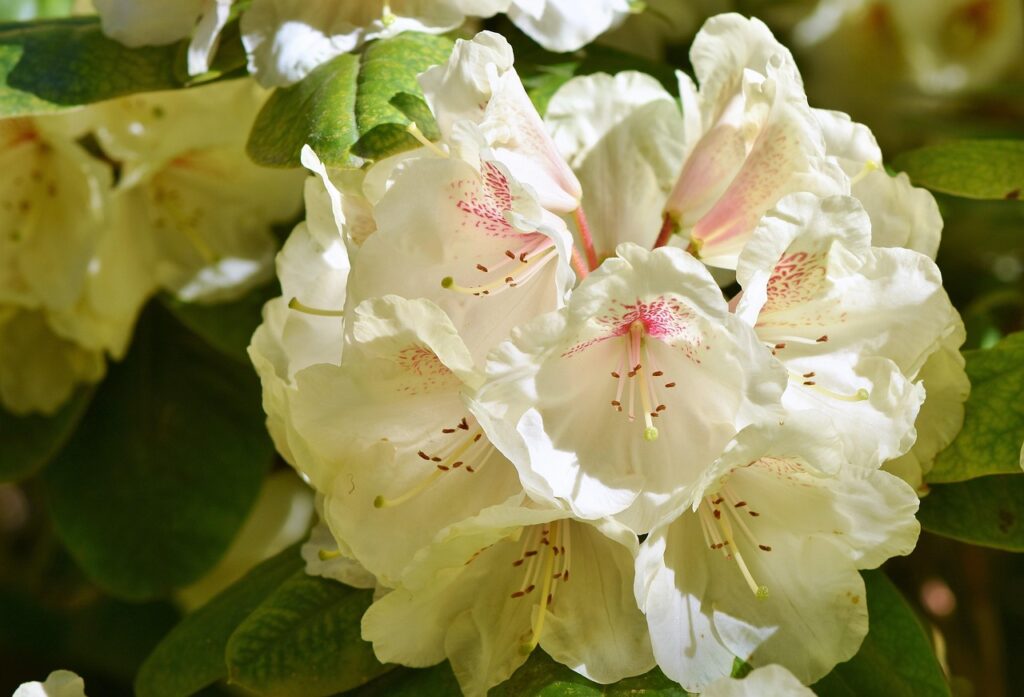
The floral and reproductive features of Section Discovireya reflect adaptation to specialised pollination systems and the ecological constraints of tropical montane environments. Rather than relying on generalist insect pollination, these rhododendrons exhibit flower forms and reproductive traits that favour efficient pollen transfer in habitats where pollinator activity may be intermittent.
Together, flower structure, pollinator relationships, and seed development form a cohesive reproductive strategy that supports survival and dispersal in humid, high-altitude forests.
Corolla shape and floral structure
Flowers in Section Discovireya are typically tubular to cylindrical, a form that distinguishes them from the broader, bell-shaped flowers common in many temperate rhododendron sections. This elongated structure directs pollinators toward the reproductive organs, increasing the likelihood of effective pollen deposition and collection.
The corolla often encloses or partially encloses the stamens, which are usually present in a set of ten. Depending on the species, these stamens may be exserted or included, reflecting subtle variations in pollination mechanics while maintaining a consistent overall floral architecture across the section.
Pollination strategies and ecological relationships
Pollination in Section Discovireya is primarily adapted to birds and larger insects capable of navigating tubular flowers. Brightly coloured corollas in shades of red, pink, and yellow enhance visibility in dense rainforest conditions, attracting pollinators that rely on visual cues rather than scent alone.
These specialised pollination strategies reduce competition for pollinators with other flowering plants and promote cross-pollination between individuals. In montane environments where flowering windows may be narrow, such efficiency is critical for reproductive success.
Reproductive organs and fertilisation
The reproductive organs of Section Discovireya are structured to maximise fertilisation efficiency. The positioning of the stigma and anthers within the tubular corolla ensures that visiting pollinators make consistent contact with both structures during nectar feeding.
This precise arrangement limits pollen waste and increases the chances of successful fertilisation even when pollinator visits are infrequent. Such efficiency is a key adaptation for plants growing in environments with fluctuating weather and limited pollinator availability.
Seed development and dispersal mechanisms
Following fertilisation, species in Section Discovireya produce seeds with a distinctive tail at each end. This rare morphological trait is closely linked to dispersal in humid, montane habitats, where airflow patterns and water movement play an important role in seed distribution.
The tailed seeds are lightweight and well-suited to dispersal away from the parent plant, reducing competition and increasing the likelihood of colonising suitable epiphytic or lithophytic sites. This reproductive strategy reinforces the section’s adaptation to life beyond the forest floor and supports long-term population persistence.
Geographic distribution and montane rainforest habitat
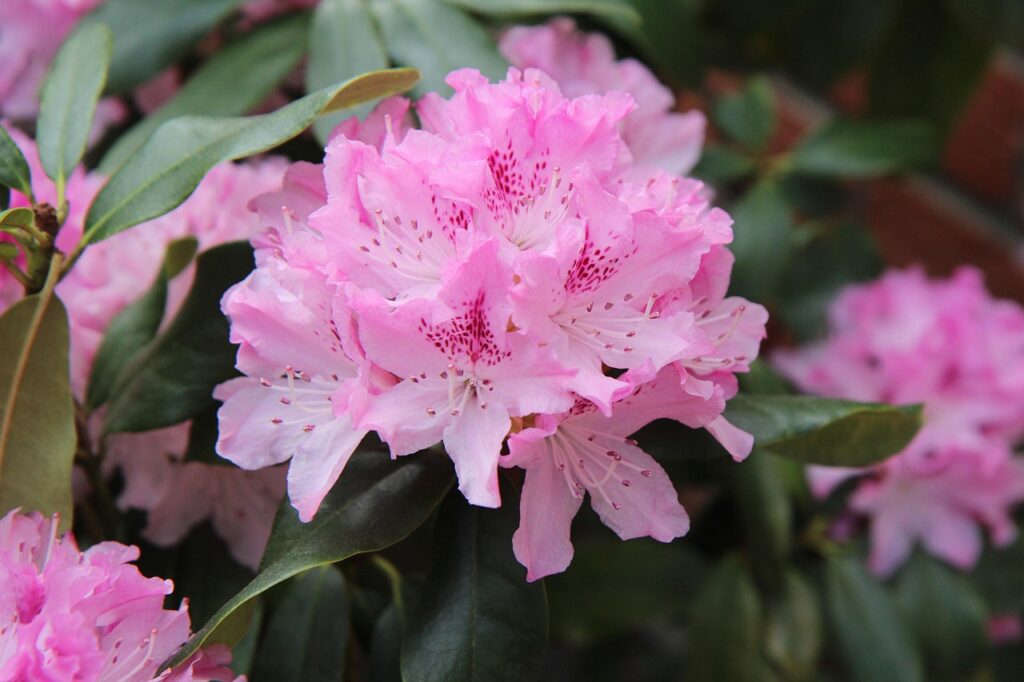
Section Discovireya is geographically restricted to the tropical highlands of Southeast Asia, where species occupy cool, humid montane rainforest ecosystems. These regions are characterised by frequent cloud cover, high rainfall, and stable temperatures, conditions that have played a central role in shaping the morphology and ecology of the Tail-Seeded Tropical Rhododendrons.
The distribution of Section Discovireya is highly fragmented, with many species confined to specific islands, mountain ranges, or even individual peaks. This pattern of isolation has contributed significantly to speciation within the section and explains the high level of endemism observed among its members.
Key aspects of the geographic range and habitat include:
- Mountainous regions of Borneo, New Guinea, Sumatra, Sulawesi, and Peninsular Malaysia
- Elevations are typically associated with montane and upper montane rainforest
- Environments with persistent humidity, mist, and frequent rainfall
- Growth sites on moss-covered trees, fallen logs, and rock faces
- Acidic, low-nutrient substrates derived from organic debris rather than soil
Within these habitats, Section Discovireya species often grow above the forest floor, taking advantage of improved light levels and reduced competition. Their epiphytic and lithophytic lifestyles allow them to thrive in niches where terrestrial shrubs would struggle to survive.
The combination of restricted distribution and specialised habitat requirements makes many species in Section Discovireya particularly sensitive to environmental change. Habitat loss, climate shifts, and deforestation pose significant risks, reinforcing the importance of accurate taxonomy and conservation-focused research when studying these unique tropical rhododendrons.
Species diversity and representative species in Section Discovireya
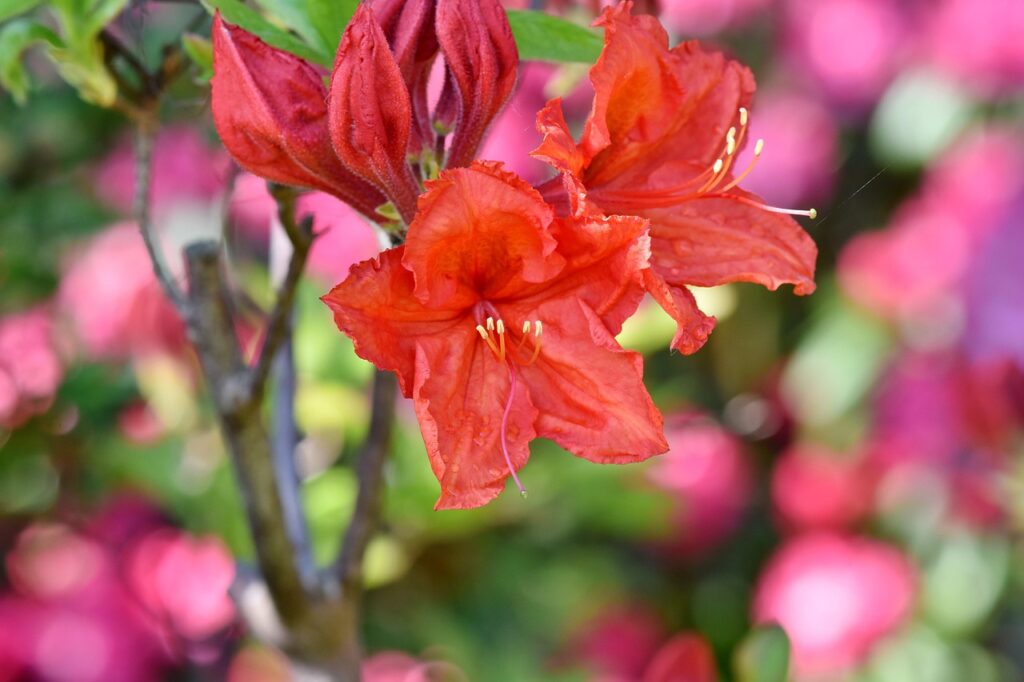
Section Discovireya comprises a relatively small but highly specialised group of rhododendrons, with approximately two dozen recognised species. Despite this modest number, the section exhibits notable diversity in form, habitat preference, and geographic distribution. Many species are narrowly endemic, confined to specific mountain ranges, islands, or even individual peaks across Southeast Asia. This high level of localisation reflects long-term geographic isolation and adaptation to very specific montane rainforest conditions.
While the species within Section Discovireya share core defining traits, such as tailed seeds and tubular flowers, they vary in growth habit and ecological tolerance. Some species form compact shrubs, while others adopt more pendant or sparsely branched forms suited to canopy life. This diversity highlights the evolutionary flexibility of the section, but it also explains why many species remain rare in cultivation and poorly represented outside botanical collections.
Among the recognised species, Rhododendron retusum stands out as the most suitable representative for reference and horticultural discussion. As the type species of Section Discovireya, it provides a clear taxonomic anchor for the group. In addition, R. retusum has a longer cultivation history than most other species in the section, with documented success in controlled horticultural environments. Its relatively compact growth habit, smaller leaves, and tolerance for container culture make it the most appropriate choice for future care guidance on Budding Backyard Bonsaist.
Other species within the section, while botanically significant, are often highly specialised or restricted to fragile habitats. Many are sensitive to environmental changes, slow-growing, or difficult to propagate, which limits their practical use in horticulture and underscores the importance of conservation-focused research rather than widespread cultivation.
Is Section Discovireya good as bonsais?
Section Discovireya is not well-suited to bonsai in the traditional sense, and it would be misleading to suggest otherwise. Most species in this section are highly specialised tropical plants that require stable humidity, warm temperatures, and excellent airflow year-round. These conditions are difficult to replicate consistently outside of controlled environments such as greenhouses.
That said, selected species, particularly Rhododendron retusum, can be considered advanced bonsai candidates under specific conditions. Their natural epiphytic tendencies align well with shallow containers and open, fast-draining substrates, and their compact structure allows for careful shaping over time. However, success requires a deep understanding of tropical plant care, precise environmental control, and a willingness to prioritise plant health over aggressive styling.
For most growers, Section Discovireya is better appreciated as a taxonomic and ecological group rather than a practical bonsai category. Its inclusion on Budding Backyard Bonsaist reflects its botanical importance, evolutionary uniqueness, and the potential it holds for specialist growers rather than its suitability for mainstream bonsai practice.
Section Discovireya in horticulture, conservation, and bonsai potential
Section Discovireya occupies a unique position within the genus Rhododendron, bridging horticulture, taxonomy, and conservation rather than fitting neatly into conventional garden use. While these plants are seldom encountered in mainstream cultivation, they hold considerable value for botanical collections, specialist growers, and researchers interested in tropical montane flora. Their distinctive morphology and ecological specialisation make them important reference plants rather than ornamental staples.
From a horticultural perspective, Section Discovireya is best suited to controlled environments. Consistent humidity, warm temperatures, excellent airflow, and acidic, free-draining substrates are essential for long-term success. As a result, these plants are most often grown in greenhouses or specialist collections rather than open gardens. Their cultivation requires patience and precision, but successful growth offers valuable insight into tropical rhododendron diversity and adaptation.
Conservation is a central concern for many species within Section Discovireya. The highly localised distribution of numerous taxa, combined with habitat loss, deforestation, and climate change, places several species at risk. Because many occur only in restricted montane habitats, even small environmental disturbances can have significant impacts. Accurate taxonomy and responsible cultivation play an important role in supporting conservation awareness and guiding future research.
In terms of bonsai potential, Section Discovireya should be approached with realism. Most species are unsuitable for conventional bonsai practice due to their environmental requirements and growth behaviour. However, selected species such as Rhododendron retusum demonstrate limited but meaningful potential for advanced growers working in controlled conditions. In these cases, bonsai is less about stylistic refinement and more about ecological expression, respecting the plant’s natural form and habitat preferences.
Overall, Section Discovireya is best understood as a group of Tail-Seeded Tropical Rhododendrons that exemplify evolutionary specialisation rather than horticultural convenience. Its inclusion on Budding Backyard Bonsaist reflects a commitment to comprehensive taxonomy, ecological understanding, and responsible exploration of plant potential, rather than an endorsement of widespread cultivation or easy bonsai success.