
Rhododendron Section Pseudovireya, known in BBB (Budding Backyard Bonsaist) taxonomy as the Tail-Seeded Montane Rhododendrons, represents a small but distinct group of rhododendrons native to the mountainous regions of mainland Asia and Taiwan. Although historically grouped alongside tropical Vireya rhododendrons, this section shows enough morphological, ecological, and evolutionary differences to justify separate treatment within Subgenus Rhododendron for clarity and consistency.
These rhododendrons are typically compact shrubs, often epiphytic or lithophytic, adapted to cool, moist montane environments rather than lowland tropical forests. Their bell-shaped flowers, entire leaf scales, and characteristic tailed seeds link them to the broader Vireya lineage, while their mainland distribution and earlier evolutionary divergence set them apart.
Within the BBB taxonomy system, Section Pseudovireya is treated as a standalone montane group, providing a clear framework for understanding its species, habitats, and growing potential, including their emerging relevance in specialist horticulture and bonsai cultivation.
Table of Contents
Taxonomy
– Kingdom: Plantae (Plant Kingdom)
— Clade: Embryophytes (Land Plants)
— Clade: Polysporangiophytes (Multiple Sporangia)
—- Clade: Tracheophytes (Vascular Plants)
—– Superdivision: Spermatophytes (Seed Plants)
—— Clade: Angiospermae (Flowering Plants)
——- Division: Eudicots (True Dicotyledons)
——– Subdivision: Core Eudicots
——— Class: Superasterids (Advanced Flowering Plants)
———- Subclass: Asterids (Unified-Flowering Plants)
———– Order: Ericales (Heath and Tea)
———— Family: Ericaceae (Heath)
————- Subfamily: Ericoideae (Heath)
————– Tribe: Rhodoreae (Rhododendron)
————— Genus: Rhododendron
————— Subgenus: Rhododendron (Lepidote Rhododendrons)
—————- Section: Pseudovireya (Tail-Seeded Montane Rhododendrons)
What is Rhododendron Section Pseudovireya?
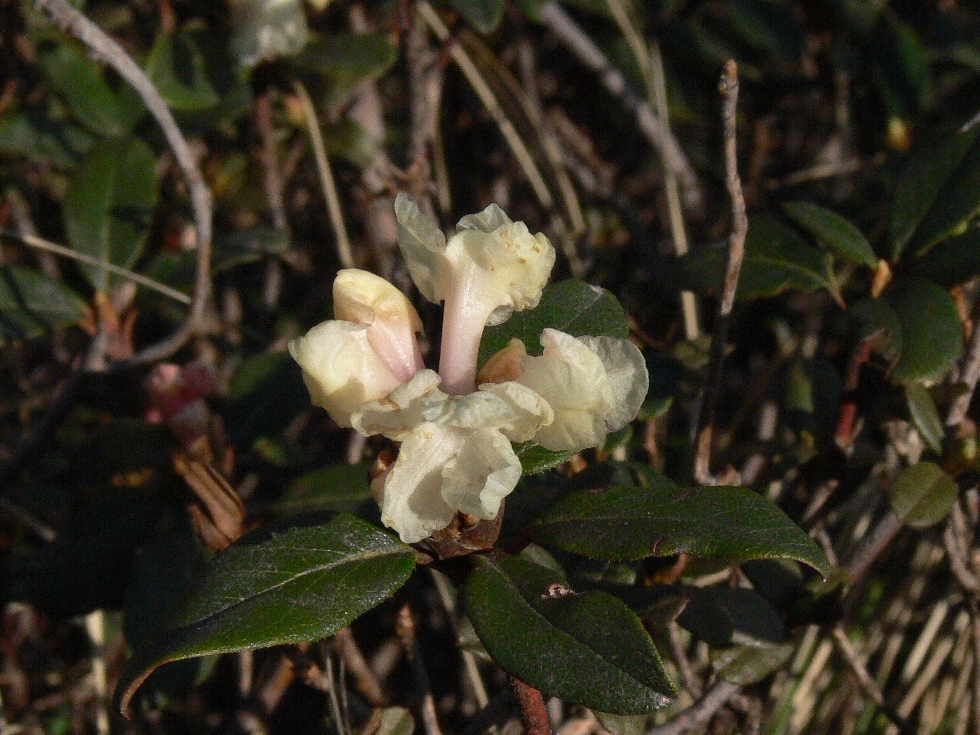
Rhododendron Section Pseudovireya is a small, distinct sectional group within Subgenus Rhododendron, recognised in BBB taxonomy as the Tail-Seeded Montane Rhododendrons. It comprises a limited number of species native primarily to mainland Southeast Asia, southern China, the eastern Himalayas, and Taiwan, with most occurring in cool, high-altitude montane environments rather than lowland tropical forests.
Although historically associated with Vireya-type rhododendrons due to shared traits such as tailed seeds and epiphytic tendencies, Section Pseudovireya differs in both ecology and evolutionary history. Its species are typically compact, shrubby plants adapted to cooler, mist-laden mountain habitats, where they grow as epiphytes, lithophytes, or small terrestrial shrubs. These characteristics, combined with their geographic separation from the primarily Malesian Vireyas, support treating Pseudovireya as a distinct montane lineage within Subgenus Rhododendron.
In the BBB taxonomy framework, Section Pseudovireya is recognised to provide clarity, consistency, and practical value, especially for horticultural study and future bonsai-related work. By defining this section clearly, BBB establishes a foundation for understanding its morphology, distribution, and cultivation potential while maintaining alignment across its broader Rhododendron taxonomy.
Taxonomic placement of Section Pseudovireya within subgenus Rhododendron
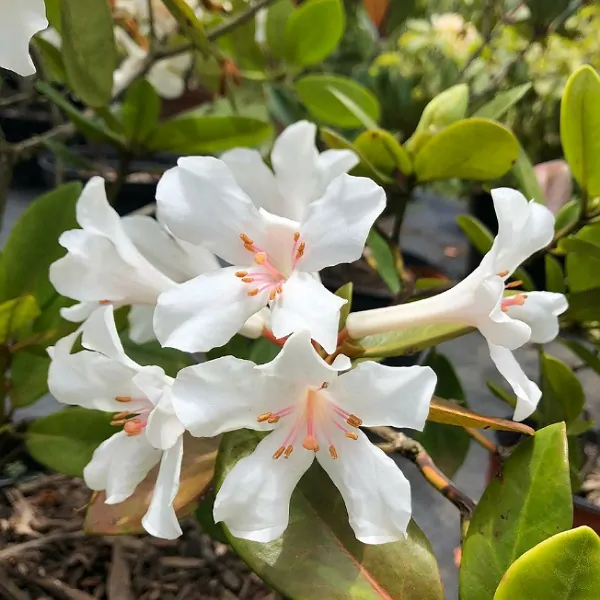
Section Pseudovireya is placed within Subgenus Rhododendron in the BBB taxonomy system to maintain internal consistency and practical clarity across the genus. While many external references historically positioned Pseudovireya within or alongside Vireya-based groupings, BBB treats it as a defined section under Subgenus Rhododendron, reflecting its structural, ecological, and evolutionary distinctiveness rather than its historical associations.
This placement recognises that Pseudovireya shares some ancestral traits with Vireya-type rhododendrons, such as tailed seeds and epiphytic tendencies, but diverges significantly in geography and habitat. Unlike the predominantly Malesian and island-distributed Vireyas, Pseudovireya species are largely confined to mainland Asia and Taiwan, occupying cooler montane environments. These differences support a sectional treatment that separates Pseudovireya from tropical lowland groupings while still acknowledging its broader lineage connections.
By situating Section Pseudovireya within Subgenus Rhododendron, BBB establishes a stable framework that aligns taxonomy with observable growth habits, climate preferences, and horticultural relevance. This approach avoids conflicting classifications across the site and allows Pseudovireya to be discussed alongside other montane and temperate rhododendron sections, particularly where cultivation, conservation, and bonsai potential are concerned.
Evolutionary background and classification history of Section Pseudovireya
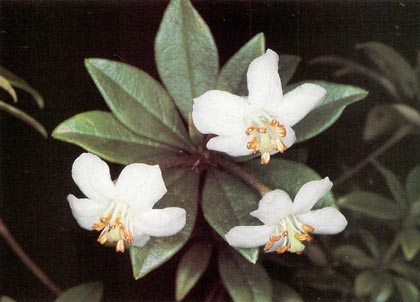
Section Pseudovireya represents an early-diverging lineage within the broader rhododendron evolutionary tree, occupying a transitional position between montane Asian rhododendrons and the more specialised tropical Vireya groups. Its species retain several ancestral traits while also showing adaptations to cool, humid, high-altitude environments. This mix of characteristics has historically complicated its classification and contributed to shifting taxonomic interpretations.
As botanical research advanced, particularly through detailed morphological analysis and later molecular studies, Pseudovireya emerged as a coherent and distinct group. These findings support its recognition as a separate section, rather than a subset of broader Vireya groupings, especially when geography and ecology are considered alongside morphology.
Early taxonomic treatment and association with Vireya
When species now placed in Section Pseudovireya were first described, taxonomists grouped them with Vireya-type rhododendrons based on shared reproductive traits such as tailed seeds, epiphytic growth tendencies, and similar floral forms. At the time, these visible characteristics were considered strong indicators of close relationship.
This approach led to Pseudovireya being treated as a subsection or informal grouping within Vireya-related classifications for many years. However, this early placement did not fully account for ecological and geographic differences that set these species apart from true tropical Vireyas.
Morphological and ecological clues to divergence
Closer examination revealed consistent differences in leaf scale structure, growth habit, and environmental tolerance. Unlike core Vireya rhododendrons, Pseudovireya species are primarily adapted to cooler montane conditions and are most often found on the Asian mainland rather than in Malesian island systems.
These traits suggested that Pseudovireya represented a distinct evolutionary branch rather than a simple extension of the tropical Vireya lineage. Its ability to occupy lithophytic and epiphytic niches in high-altitude forests further reinforced this interpretation.
Insights from phylogenetic and molecular studies
Modern phylogenetic analyses have supported the idea that Pseudovireya diverged early from the lineage that later gave rise to the core Vireya groups. Genetic evidence consistently places it as a sister or basal lineage relative to the more derived tropical sections, highlighting its evolutionary independence.
These findings align well with its unique geographic distribution and ecological preferences. In the BBB taxonomy framework, this evolutionary context supports treating Section Pseudovireya as a distinct montane section within Subgenus Rhododendron, rather than as part of a tropical Vireya grouping.
Defining morphological characteristics of Section Pseudovireya
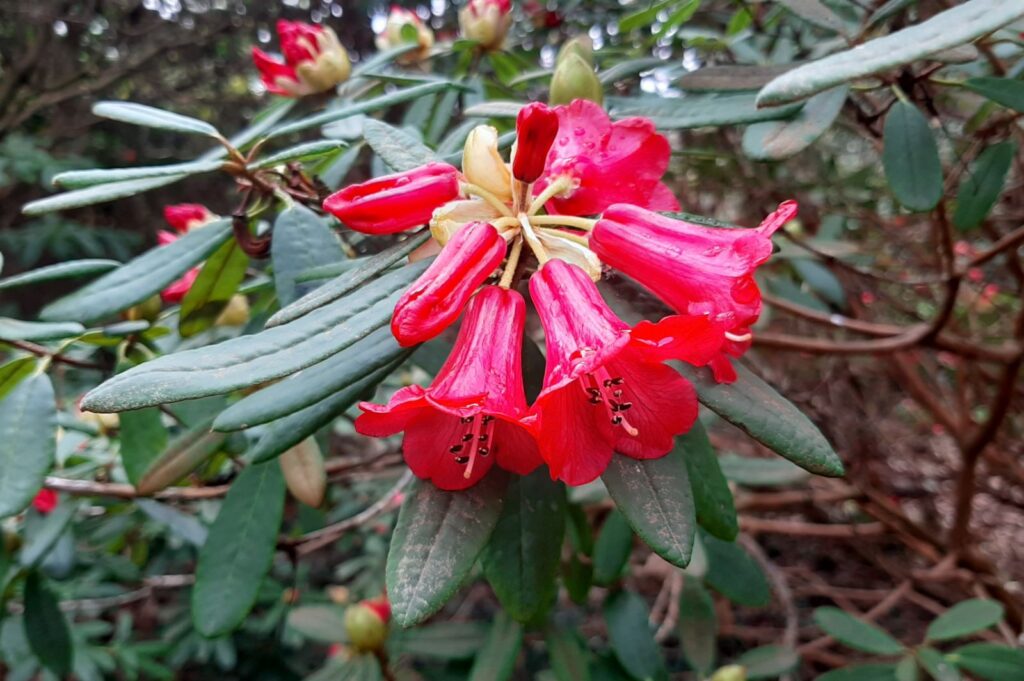
Section Pseudovireya is defined by a combination of compact growth, specialised leaf structures, and reproductive traits that distinguish it from both temperate rhododendron sections and tropical Vireya groups. While some features reflect shared ancestry with Vireya-type rhododendrons, others clearly align the section with cooler montane environments and a more restrained growth habit.
Taken together, these characteristics form a consistent morphological profile that supports the treatment of Pseudovireya as a distinct section within Subgenus Rhododendron. The traits outlined below are key to identifying members of the Tail-Seeded Montane Rhododendrons in both natural and cultivated settings.
Compact shrub form and growth structure
Species in Section Pseudovireya are typically small, compact shrubs rather than large, spreading plants. Their growth is often slow to moderate, with short internodes and a naturally dense branching structure. This compact form is well suited to life in exposed montane forests, where wind, mist, and limited substrate depth favour restrained growth.
Stems are generally woody and firm, supporting a shrubby architecture that can persist for many years. This growth structure also makes several species, particularly Rhododendron vaccinioides, promising candidates for container cultivation and bonsai-style training.
Leaf form, texture, and scale structure
Leaves in Section Pseudovireya are usually small to medium in size, thick, and leathery in texture. They are often elliptic to ovate, with smooth margins and a slightly glossy upper surface. These features help reduce moisture loss in cool, windy montane environments.
A defining trait of the section is the presence of entire leaf scales, meaning the scales are unlobed rather than divided. This characteristic differentiates Pseudovireya from other rhododendron groups and serves as a key diagnostic feature in taxonomic identification.
Floral structure and visible traits
The flowers of Section Pseudovireya are typically campanulate, or bell-shaped, and appear singly or in small clusters. Colouration commonly includes shades of white, pink, red, or pale crimson, often adapted to attract specific montane pollinators.
Most species possess ten stamens, which are frequently hairy along the middle portion of the filament. This trait, while subtle, is consistent across the section and helps distinguish Pseudovireya species from other closely related groups.
Seed morphology and reproductive indicators
One of the most distinctive morphological traits of Section Pseudovireya is the presence of tailed seeds, a feature shared with Vireya-type rhododendrons. These elongated seed appendages aid in dispersal within humid forest environments and serve as an important indicator of evolutionary relationship.
Despite this shared trait, the overall seed capsule structure and reproductive behaviour of Pseudovireya species reflect adaptation to cooler, high-altitude conditions. This combination of ancestral and specialised features reinforces the section’s unique morphological identity within Subgenus Rhododendron.
Leaf scales, growth habit, and epiphytic or lithophytic adaptations
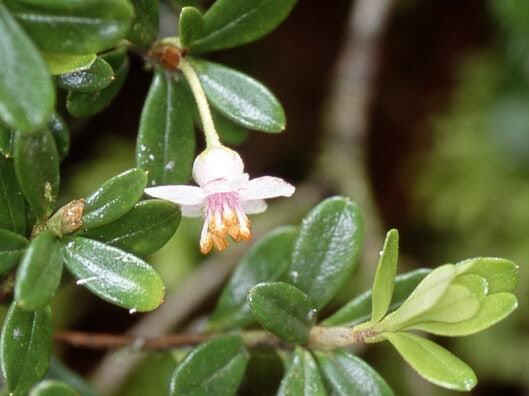
Species within Section Pseudovireya exhibit a suite of structural and physiological adaptations that reflect their montane forest environments. These adaptations are closely linked to leaf scale structure, compact growth habits, and the ability to grow on trees or rocky substrates where soil is limited. Together, these traits define how members of the Tail-Seeded Montane Rhododendrons survive in cool, humid, and often exposed habitats.
Leaf scale structure and functional significance
A defining feature of Section Pseudovireya is the presence of entire leaf scales, meaning the scales lack lobes or divisions. These scales form a protective layer on leaf surfaces, helping regulate moisture loss and shielding the plant from fluctuating temperatures, mist, and wind common in montane environments.
The unlobed nature of the scales distinguishes Pseudovireya from several other rhododendron sections and provides a reliable diagnostic trait. Functionally, these scales help trap moisture from fog and rain, supporting hydration in habitats where roots may not always have direct access to soil moisture.
Compact growth habit and structural resilience
The growth habit of Pseudovireya species is typically compact and shrubby, with short internodes and dense branching. This restrained architecture reduces exposure to wind damage and allows plants to remain stable on steep slopes, rocky outcrops, or tree trunks.
Such growth habits are well suited to shallow substrates and limited nutrient availability. The naturally compact form also contributes to the horticultural appeal of the section, particularly for container cultivation and bonsai-style plantings where controlled size and branching are desirable.
Epiphytic and lithophytic adaptations
Many species in Section Pseudovireya are epiphytic or lithophytic, growing on tree trunks, branches, or rocky surfaces rather than in deep soil. Their root systems are adapted to anchor securely in crevices, bark, or moss layers while efficiently absorbing moisture and nutrients from rainfall, mist, and organic debris.
These adaptations allow Pseudovireya species to thrive in environments where competition for soil resources is high. The ability to exploit elevated or rocky niches also reduces shading and improves air circulation, conditions that are essential for healthy growth in humid montane forests.
Flower morphology, pollination strategies, and reproductive traits
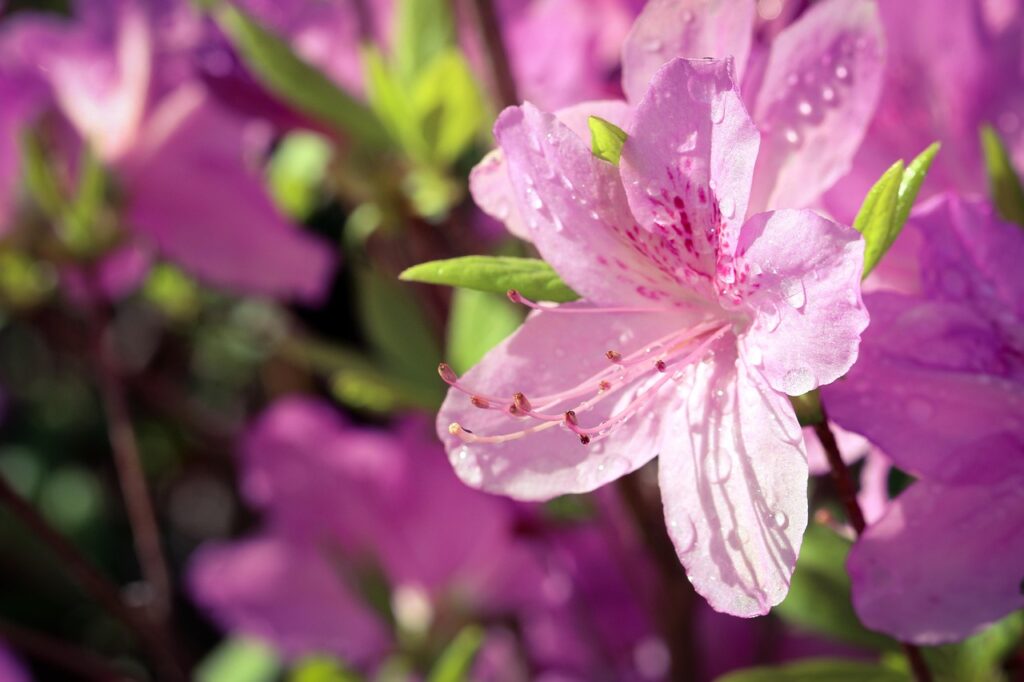
The floral and reproductive characteristics of Section Pseudovireya reflect its adaptation to cool, misty montane forests and play a key role in distinguishing the group within Subgenus Rhododendron. While these traits evolved primarily for survival and reproduction in the wild, they also contribute to the ornamental appeal of these plants when cultivated, including their emerging use as specialist bonsai trees.
Campanulate flower form and visual characteristics
Flowers in Section Pseudovireya are typically campanulate, or bell-shaped, a form well suited to protecting reproductive structures from heavy rainfall and persistent mist. Blooms are usually borne singly or in small clusters, creating a delicate but visually striking display that complements the compact growth habit of the plant.
Colouration ranges from white and pale pink to deeper reds and crimson tones, often appearing vivid against dark green foliage. This restrained flower size and proportion aligns naturally with container cultivation and makes several species visually suitable for refined bonsai presentations, where scale and balance are essential.
Pollination strategies in montane environments
Pollination in Pseudovireya species is thought to be primarily insect-driven, with flowers adapted to attract montane pollinators such as bees, flies, and possibly moths. The bell-shaped corolla helps guide pollinators toward nectar while sheltering pollen and stigma from excess moisture.
The relatively short flowering period reflects the seasonal rhythms of high-altitude forests. In cultivated settings, including bonsai collections, flowering remains an important indicator of plant health and environmental suitability, reinforcing the close link between natural ecology and bonsai care requirements.
Reproductive structures and seed development
A defining reproductive trait of Section Pseudovireya is the production of tailed seeds, a feature shared with Vireya-type rhododendrons. These elongated seed appendages aid in dispersal within humid forest environments, allowing seeds to be carried by air currents or washed into suitable germination sites.
Seed capsules are typically small and well-proportioned, aligning with the overall compact morphology of the section. For growers interested in propagation, including those working with bonsai trees, these reproductive traits highlight the importance of airflow, moisture control, and appropriate substrate choice during seedling establishment and long-term cultivation.
Geographic distribution and montane habitat preferences
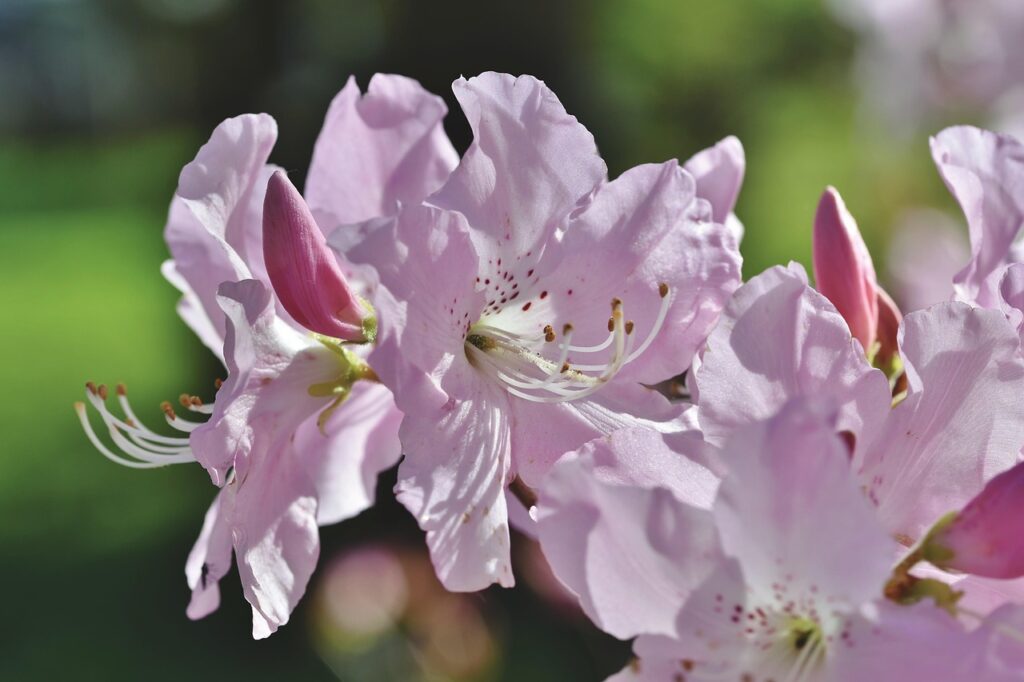
Section Pseudovireya is geographically restricted to the mountainous regions of mainland Asia and Taiwan. Unlike tropical Vireya rhododendrons that dominate island and lowland rainforest systems, Pseudovireya species are strongly associated with cooler, high-altitude environments where temperature, moisture, and light conditions differ significantly.
These rhododendrons are primarily distributed across:
- Southern China, particularly Yunnan, Guangxi, Guizhou, and Guangdong
- The eastern Himalayas, including parts of Arunachal Pradesh and Nepal
- Northern Myanmar and Vietnam
- Taiwan, where isolated montane populations occur
Their habitats are typically characterised by:
- Montane cloud forests and moss-rich woodlands
- Elevations ranging from mid to high altitude, often above lowland tropical zones
- Consistently high humidity from mist, fog, and frequent rainfall
- Well-drained, shallow substrates on tree trunks, rocky outcrops, or steep slopes
Pseudovireya species often grow as epiphytes or lithophytes, exploiting niches where competition for soil is reduced but airflow and light availability are higher. These conditions favour compact growth, leathery leaves, and efficient moisture capture, all of which define the section’s morphology.
From a cultivation and bonsai perspective, understanding this natural distribution is critical. The cool, moist, and well-ventilated environments these plants inhabit translate directly into their care requirements when grown as bonsai trees or container specimens. Mimicking montane conditions helps ensure long-term health and reinforces the value of Section Pseudovireya within BBB’s taxonomy-driven bonsai framework.
Species diversity and representative species in Section Pseudovireya
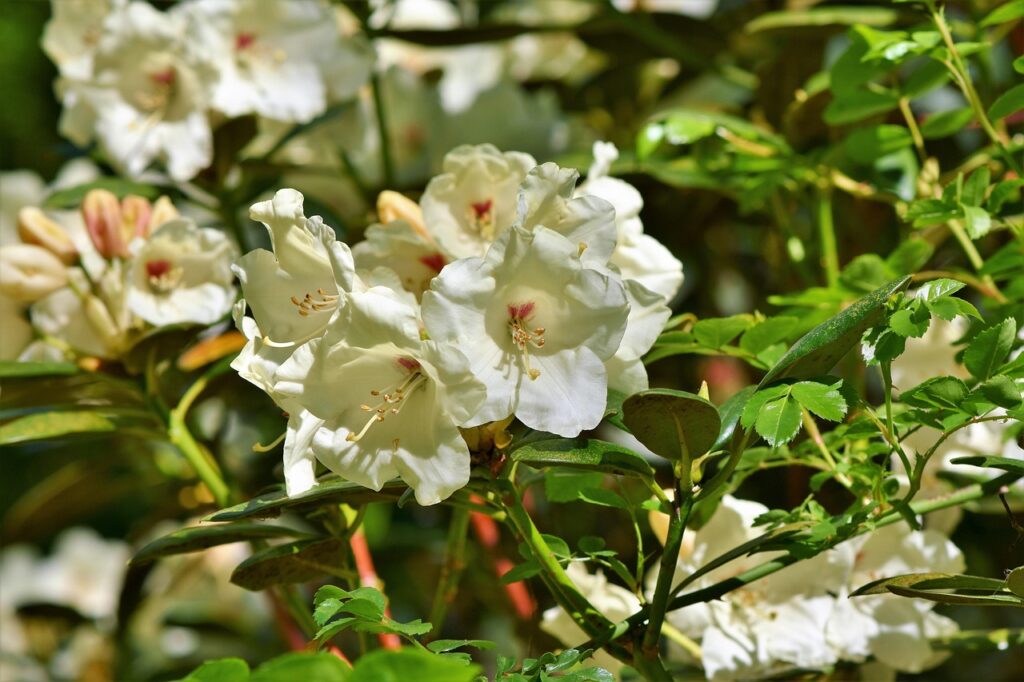
Section Pseudovireya is a relatively small and specialised group within Subgenus Rhododendron, comprising a limited number of species when compared to many other rhododendron sections. Current classifications generally recognise around a dozen species, most of which are narrowly distributed across specific montane regions of mainland Asia and Taiwan. This restricted diversity reflects the section’s specialised ecological niche and evolutionary history.
Species within Section Pseudovireya include plants adapted to cool, humid, high-altitude environments, often occupying epiphytic or lithophytic habitats. Many are locally endemic, occurring in isolated mountain systems where environmental conditions remain stable but geographically confined. As a result, several species are of interest not only to botanists and collectors but also to conservation efforts focused on montane forest ecosystems.
Representative species commonly cited within the section include:
- Rhododendron vaccinioides
- Rhododendron kawakamii
- Rhododendron asperulum
- Rhododendron insculptum
- Rhododendron emarginatum
These species collectively illustrate the defining traits of the Tail-Seeded Montane Rhododendrons, including compact growth, entire leaf scales, bell-shaped flowers, and adaptation to non-terrestrial substrates.
Viability of Section Pseudovireya species as bonsai trees
Not all species within Section Pseudovireya are equally suitable for bonsai cultivation, and it is important to be realistic about their limitations. Many species have very specific climate, humidity, and airflow requirements that make them challenging to maintain outside specialised growing environments. As such, this section is not broadly recommended for beginners seeking easy bonsai trees.
That said, Rhododendron vaccinioides stands out as a genuinely viable candidate for bonsai development. Its naturally small leaves, compact branching, and tolerance for container growth make it the most practical species in the section for long-term bonsai cultivation. For this reason, BBB identifies Rhododendron vaccinioides as the primary bonsai focus species for Section Pseudovireya and plans to develop a dedicated bonsai care sheet for it.
Other species, such as Rhododendron kawakamii, may show future potential under controlled conditions, but current documentation and cultivation experience remain limited. BBB’s goal is not to cover every plant within global botany, but to focus on species with clear relevance to bonsai practice. Additional species may be added in the future as knowledge, cultivation techniques, and practical experience expand.
Section Pseudovireya in horticulture, conservation, and bonsai potential
Section Pseudovireya, the Tail-Seeded Montane Rhododendrons, occupies a niche position in horticulture due to its specialised environmental requirements and limited species diversity. These plants are most often encountered in botanical collections, specialist rhododendron gardens, and the hands of dedicated enthusiasts rather than in mainstream ornamental horticulture. Their preference for cool, humid, well-ventilated conditions makes them unsuitable for mass cultivation, but highly valued by growers interested in rare and ecologically distinct rhododendrons.
From a conservation perspective, many Pseudovireya species are naturally restricted to small geographic ranges in montane regions that are increasingly threatened by habitat loss, climate change, and human development. Their epiphytic and lithophytic lifestyles make them particularly sensitive to changes in forest structure and microclimate. Documenting and understanding these species within a clear taxonomic framework is therefore important not only for horticulture, but also for long-term conservation awareness.
In terms of bonsai potential, Section Pseudovireya should be approached with realism rather than enthusiasm alone. While the section as a whole is not broadly suitable for bonsai trees, select species do show genuine promise under the right conditions. Rhododendron vaccinioides, in particular, demonstrates traits that align well with bonsai cultivation, including compact growth, small leaves, and adaptability to container life when environmental needs are carefully met. This makes it a logical focus for future bonsai care guidance on BBB.
By including Section Pseudovireya within its taxonomy system, BBB establishes a clear link between botanical classification, horticultural relevance, and practical bonsai application. The aim is not to catalogue every rhododendron species worldwide, but to highlight groups and plants that offer meaningful insight and potential for bonsai cultivation. As knowledge grows and cultivation techniques evolve, Section Pseudovireya may continue to gain relevance, both as a conservation interest and as a refined, specialist category within the world of bonsai.