
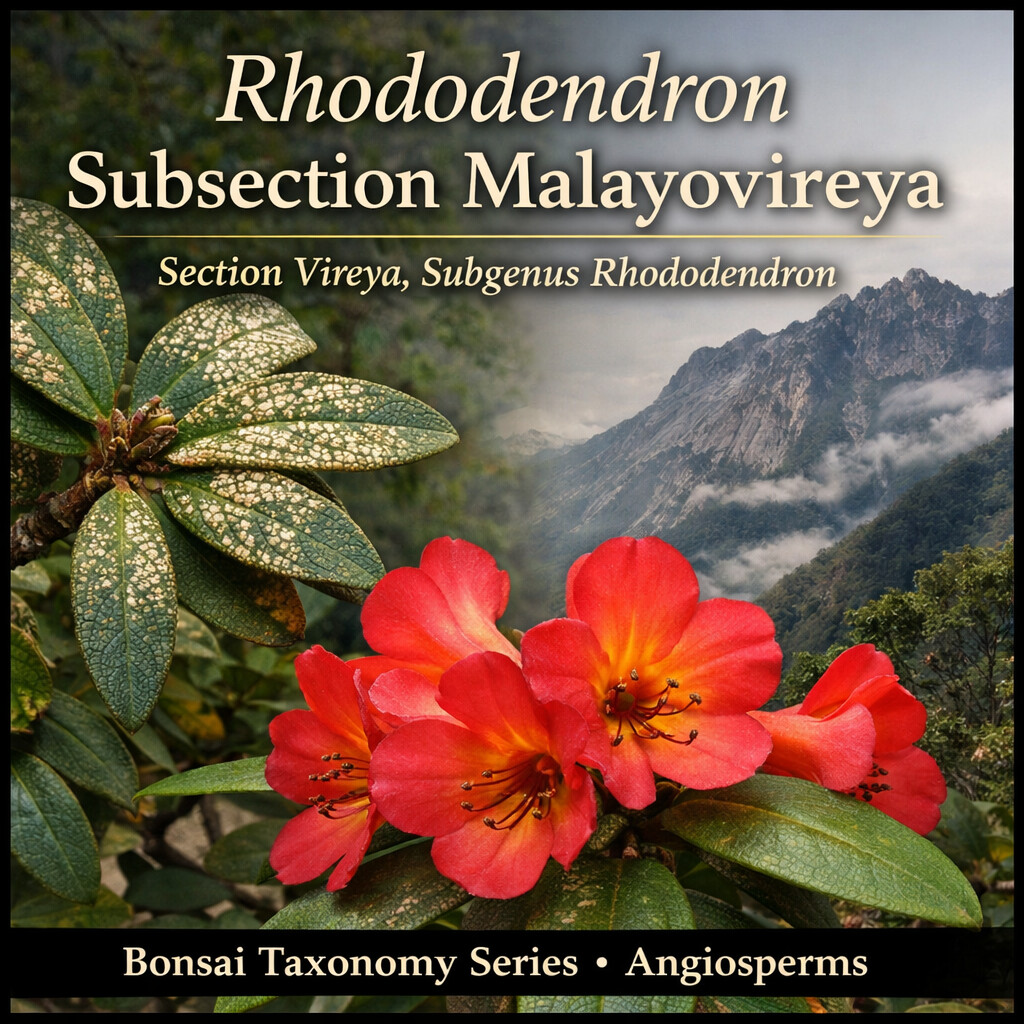
Rhododendron Subsection Malayovireya is a distinct and more narrowly defined group within the tropical Vireya rhododendrons, placed in Section Vireya (Schistanthe) under Subgenus Rhododendron. This subsection is primarily associated with the Malesian region, where its species are adapted to humid montane environments and display a consistent set of diagnostic traits that separate them from other Vireya groups.
Malayovireya species are especially recognised for their unique scale structure, which provides a clear taxonomic distinction within the section. Although less diverse than Subsection Euvireya, this group is important for understanding evolutionary specialisation among tropical rhododendrons.
In horticulture, Malayovireya species are mainly grown as shrubs or epiphytes, with occasional interest from bonsai practitioners working in controlled, warm-climate environments. From a taxonomic perspective, however, the subsection’s value lies in its clarity, coherence, and contribution to the broader classification of Vireya rhododendrons.
Table of Contents
Taxonomy
– Kingdom: Plantae (Plant Kingdom)
— Clade: Embryophytes (Land Plants)
— Clade: Polysporangiophytes (Multiple Sporangia)
—- Clade: Tracheophytes (Vascular Plants)
—– Superdivision: Spermatophytes (Seed Plants)
—— Clade: Angiospermae (Flowering Plants)
——- Division: Eudicots (True Dicotyledons)
——– Subdivision: Core Eudicots
——— Class: Superasterids (Advanced Flowering Plants)
———- Subclass: Asterids (Unified-Flowering Plants)
———– Order: Ericales (Heath and Tea)
———— Family: Ericaceae (Heath)
————- Subfamily: Ericoideae (Heath)
————– Tribe: Rhodoreae (Rhododendron)
————— Genus: Rhododendron
————— Subgenus: Rhododendron (Lepidote Rhododendrons)
—————- Section: Vireya (Tropical Rhododendrons)
—————– Subsection: Malayovireya (Dark-Centred Double-Scale Vireya Rhododendrons)
What is Rhododendron Subsection Malayovireya?
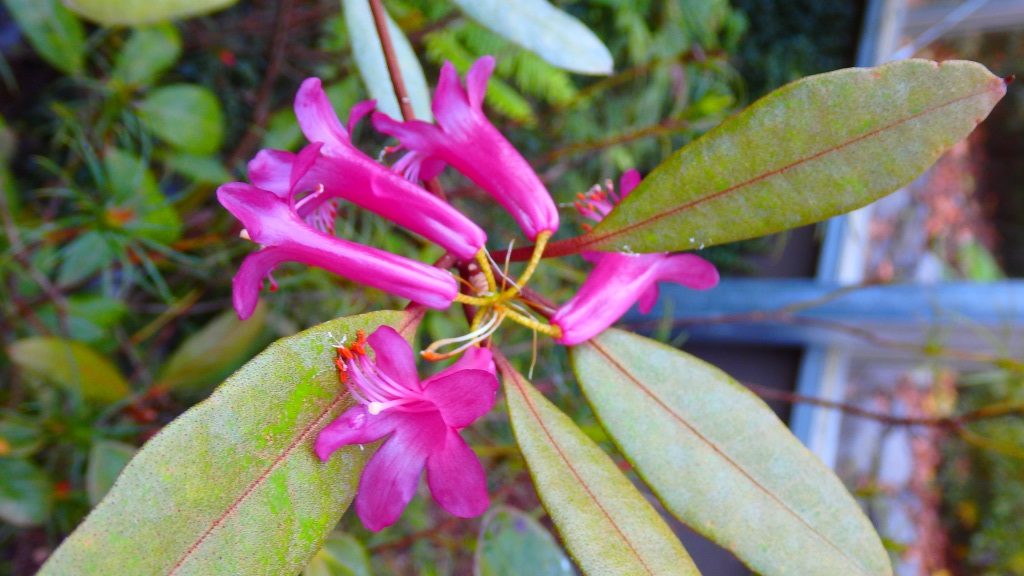
Rhododendron Subsection Malayovireya is a clearly defined taxonomic group within the tropical Vireya rhododendrons, placed in Section Vireya (Schistanthe) under Subgenus Rhododendron. The subsection was described by Sleumer, with Rhododendron malayanum designated as the type species. Compared to the much broader Euvireya, Malayovireya is more narrowly circumscribed and recognised for its consistent diagnostic features.
This subsection is distinguished primarily by its scale morphology, which provides a reliable basis for identification. Species within Malayovireya share dense, sessile scales arranged in two clearly different size classes, with the centre of each scale characteristically dark-coloured. These traits set Malayovireya apart from other Vireya subsections and give it strong taxonomic coherence.
Malayovireya species are predominantly tropical shrubs or epiphytes found in montane forest environments. While they are mainly of botanical and ecological interest, a small number of species are cultivated in specialist collections and occasionally explored by bonsai enthusiasts working in warm, humid conditions. In taxonomy, however, Subsection Malayovireya is valued less for diversity and more for its structural consistency and evolutionary distinctiveness within the Vireya rhododendrons.
Taxonomic placement within Section Vireya (Schistanthe)
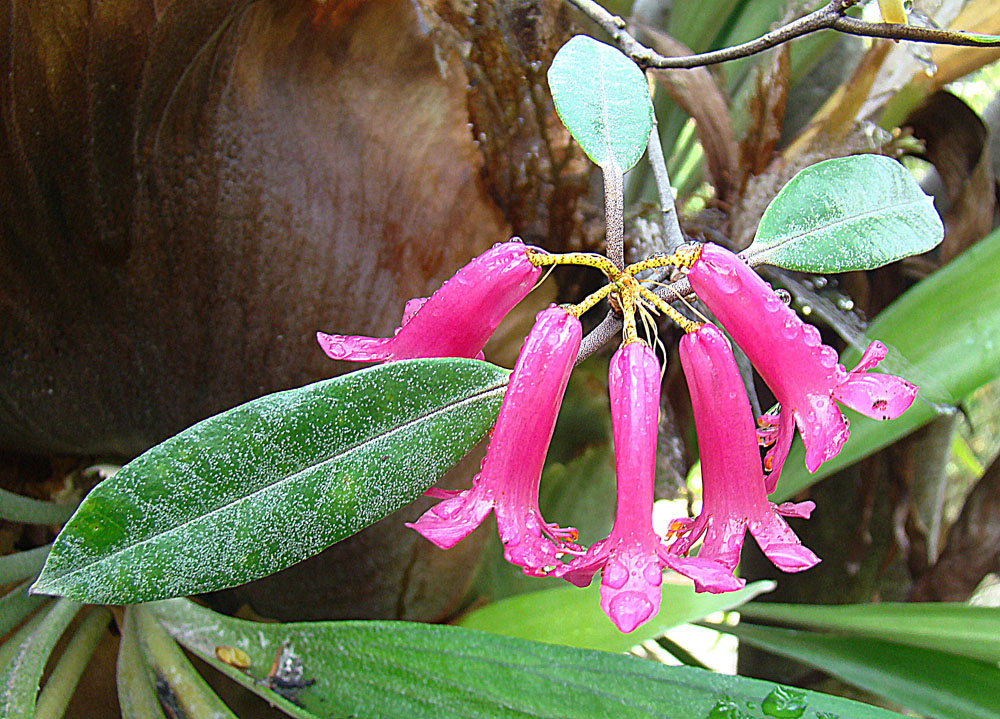
Rhododendron Subsection Malayovireya is placed within Section Vireya, also widely referred to as Section Schistanthe, under Subgenus Rhododendron. This section encompasses the tropical Vireya rhododendrons, a group adapted to warm, humid environments and largely restricted to Southeast Asia and the western Pacific region.
Within Section Vireya, Subsection Malayovireya represents a more narrowly defined and morphologically cohesive lineage than Subsection Euvireya. Its placement is based on consistent vegetative traits, particularly scale morphology, rather than floral variation. These shared characteristics support its recognition as a distinct subsection rather than a broad assemblage of loosely related species.
The taxonomic clarity of Malayovireya makes it an important reference group for understanding structural specialisation within the Vireya rhododendrons. For horticulturists and bonsai practitioners, this placement also helps explain the subsection’s relatively uniform cultivation requirements, especially regarding humidity, drainage, and temperature sensitivity. Nonetheless, its primary significance remains botanical, contributing to a clearer framework for classifying tropical rhododendrons within the genus.
Evolutionary background and classification history of Subsection Malayovireya
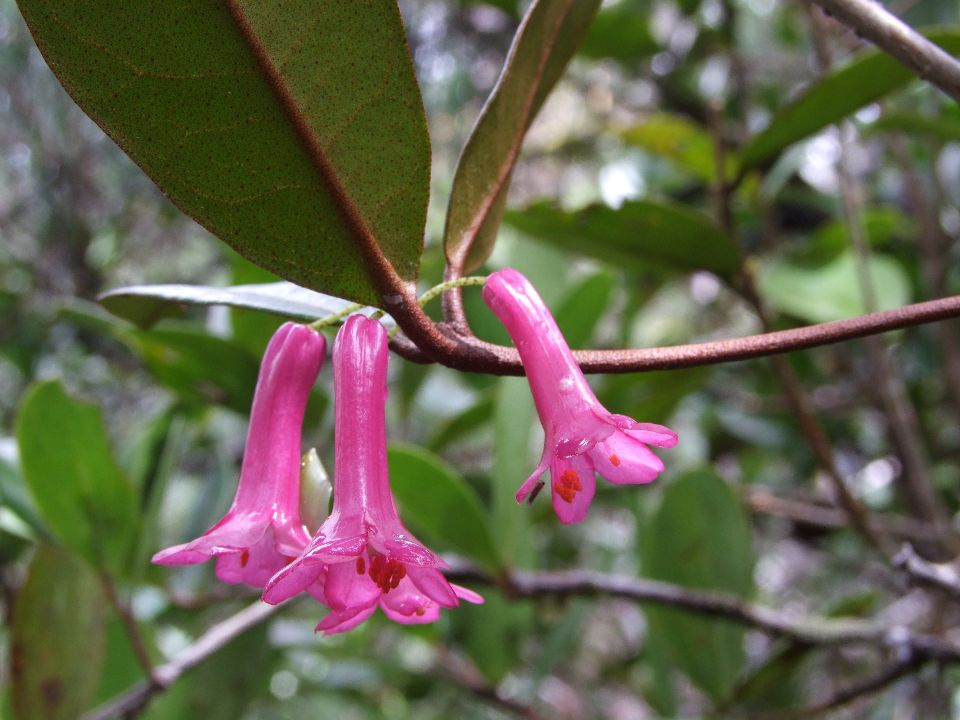
Rhododendron Subsection Malayovireya represents a more specialised and structurally consistent evolutionary lineage within the tropical Vireya rhododendrons. Unlike the expansive diversification seen in Subsection Euvireya, Malayovireya appears to have evolved under more stable ecological conditions, resulting in a narrower range of forms and a strong set of shared diagnostic traits. This evolutionary focus makes the subsection especially valuable for taxonomic clarity within Section Vireya (Schistanthe).
The classification history of Malayovireya reflects a broader shift in rhododendron taxonomy toward recognising vegetative characters, particularly scale morphology, as reliable indicators of evolutionary relationships. Over time, this led to the formal separation of Malayovireya from broader Vireya groupings.
Early recognition of morphological distinctiveness
Before formal subsectional recognition, species now placed in Malayovireya were included within the wider Vireya complex. However, botanists noted that certain species consistently displayed dense, uniform scale arrangements that differed from the more variable patterns seen elsewhere in the group.
These early observations laid the foundation for recognising Malayovireya as a distinct lineage. The repeated appearance of two clearly different scale size classes, combined with dark-centred scales, suggested a shared evolutionary origin rather than convergent traits.
Formal description by Sleumer and typification
Subsection Malayovireya was formally described by Sleumer, with Rhododendron malayanum designated as the type species. This formalisation marked an important step in refining the internal structure of the Vireya rhododendrons and separating narrowly defined groups from broader assemblages.
Sleumer’s work emphasised scale morphology as a primary taxonomic character, helping to stabilise the classification of Malayovireya and reduce ambiguity in species placement within the section.
Separation from broader Vireya groupings
As taxonomic understanding advanced, Malayovireya was increasingly recognised as distinct from Subsection Euvireya and other Vireya subsections. The consistent presence of dense, sessile scales in two size classes, combined with dark-coloured scale centres, provided a clear and repeatable basis for separation.
This distinction reinforced the idea that Malayovireya represents a cohesive evolutionary group rather than a subset of a more diverse lineage. Its separation improved the overall clarity and usability of Vireya taxonomy.
Modern taxonomic interpretation and molecular context
Modern classifications continue to recognise Subsection Malayovireya as a valid and coherent group within Section Vireya (Schistanthe). While molecular studies of Vireya rhododendrons are still developing, available data support the close relationships among Malayovireya species and their distinction from more morphologically variable subsections.
Today, Malayovireya is valued for its taxonomic stability and diagnostic clarity. This makes it an important reference point for both botanical research and horticultural identification, including specialist cultivation and limited bonsai interest under controlled tropical conditions.
Defining morphological characteristics of Subsection Malayovireya
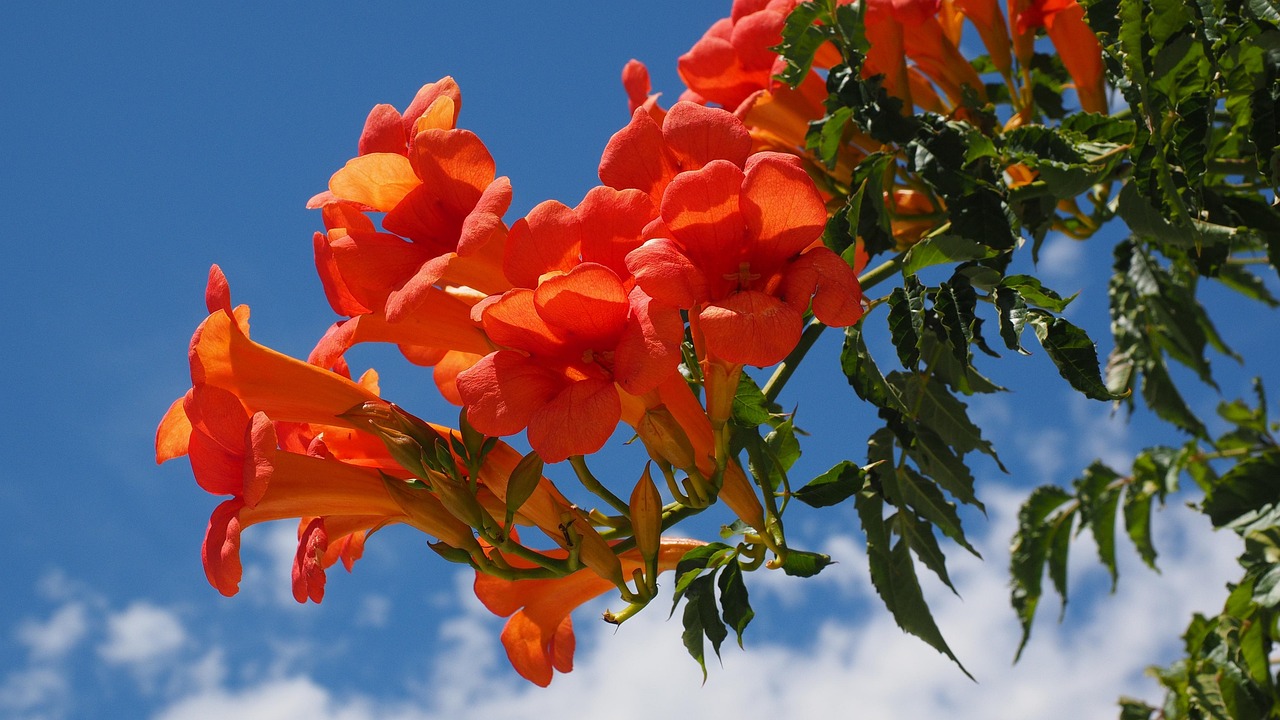
Rhododendron Subsection Malayovireya is characterised by a relatively narrow and cohesive set of morphological traits that distinguish it from other Vireya rhododendron groups. This structural consistency reflects the subsection’s specialised evolutionary history and makes it one of the more clearly defined lineages within Section Vireya (Schistanthe).
While individual species may vary in size and floral presentation, their shared vegetative characteristics provide a reliable basis for identification. These morphological features are essential for taxonomy and also inform horticultural understanding, including the limited cultivation of Malayovireya species in controlled environments and specialist bonsai collections.
Growth habit and plant form
Species within Subsection Malayovireya are typically evergreen shrubs, often growing as epiphytes in humid montane forests. Their growth habit is generally compact to moderately spreading, with a tendency toward structured, upright forms rather than highly irregular growth.
This consistent habit reflects adaptation to stable forest environments where light is filtered and moisture is abundant. In cultivation, these traits result in predictable growth patterns, although they are primarily valued for botanical study rather than ornamental training.
Leaf morphology and lepidote surface traits
Leaves of Malayovireya species are evergreen and lepidote, with dense, sessile scales covering the leaf surfaces. A defining characteristic of this subsection is the presence of two clearly different-sized classes of scales, which are consistently arranged across species.
The scales are typically lobed to deeply incised, and the centre of each scale is distinctly dark-coloured. This combination of traits provides one of the most reliable diagnostic features separating Malayovireya from other Vireya subsections, particularly Euvireya.
Stem structure and branching patterns
Stems in Subsection Malayovireya are woody and relatively robust, supporting the compact shrub-like growth form typical of the group. Branching patterns tend to be orderly and moderately dense, contributing to the subsection’s structural uniformity.
While stem structure is not the primary diagnostic feature, it complements other vegetative traits and reinforces the overall cohesion of the group. In cultivation, this growth habit supports stability but offers limited flexibility for shaping.
Floral morphology and variation
Flowers of Subsection Malayovireya show less variation in form than those of Subsection Euvireya, though they remain visually distinctive. Floral shapes are commonly tubular to funnel-shaped, reflecting adaptation to specific tropical pollinators.
Colour variation includes shades of red, yellow, orange, and related tones. Although floral traits are important for species-level identification, they play a secondary role in defining the subsection, which is primarily characterised by vegetative and scale-related features.
Scale structure and diagnostic features of Subsection Malayovireya
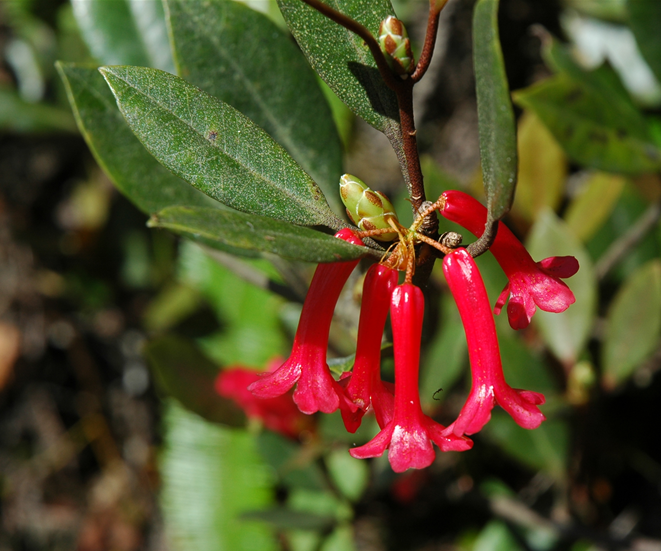
The most defining and reliable diagnostic feature of Rhododendron Subsection Malayovireya is its distinctive scale structure, which clearly separates this group from all other Vireya rhododendron subsections. These lepidote scales occur on the leaf surfaces, young stems, and sometimes floral parts, and they form the primary basis for taxonomic identification within Section Vireya (Schistanthe).
In Subsection Malayovireya, the scales are sessile and densely arranged, occurring in two clearly different size classes. This dual-scale structure is consistent across species within the subsection and is one of its most important identifying traits. Unlike Subsection Euvireya, where scale sizes are relatively uniform, the contrast between large and small scales in Malayovireya is immediately apparent under magnification.
Another critical diagnostic feature is the dark-coloured centre of the scales. The scale margins are typically lobed to deeply incised, while the central region remains conspicuously darker, creating a strong visual contrast. This dark-centred appearance is a defining characteristic and plays a central role in distinguishing Malayovireya from closely related subsections.
From a taxonomic standpoint, scale morphology in Malayovireya is more stable and consistent than floral traits, which can vary between species. As a result, botanists rely heavily on scale characteristics when confirming subsectional placement, particularly when reproductive structures are not present.
In cultivation and horticultural observation, these dense, dark-centred scales may appear as a fine-textured coating on leaves and stems. While not typically considered an aesthetic feature in bonsai or ornamental growing, they remain valuable for accurate identification and for understanding the evolutionary cohesion of Subsection Malayovireya.
Flower form, colour variation, and reproductive traits
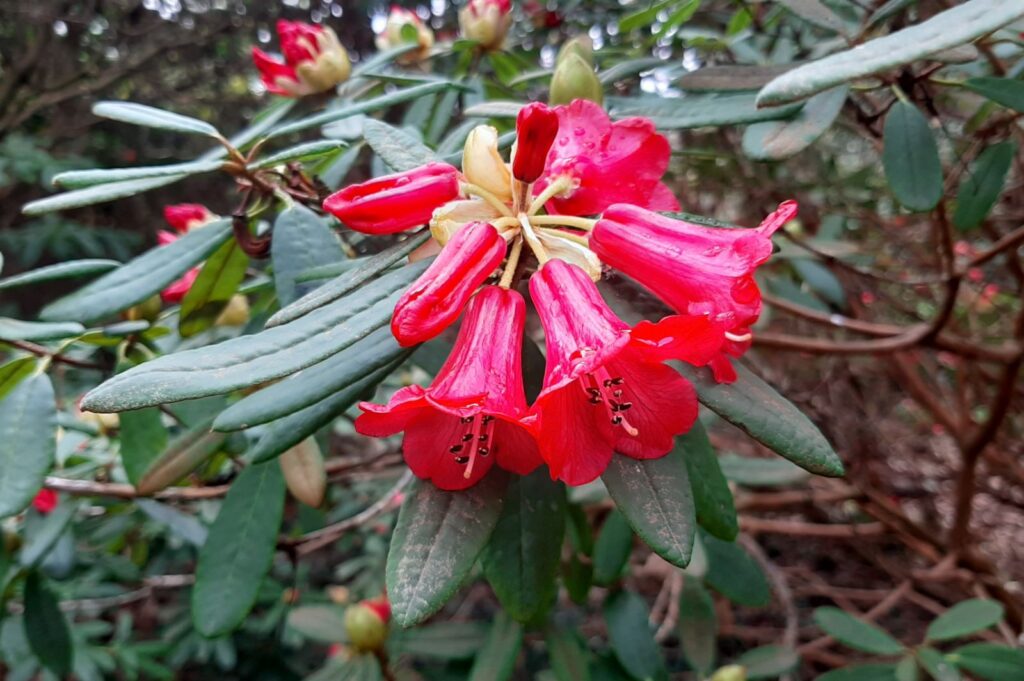
Flowers in Rhododendron Subsection Malayovireya are less variable than those of Subsection Euvireya, reflecting the subsection’s more specialised and cohesive evolutionary history. While floral traits are not the primary diagnostic features for subsectional identification, they remain important for distinguishing individual species and understanding ecological adaptation within Section Vireya (Schistanthe).
Malayovireya flowers are generally adapted to specific tropical pollinators and environmental conditions. Their relatively consistent forms and colour ranges support the idea of evolutionary refinement rather than broad diversification, contributing to the subsection’s taxonomic clarity.
Flower shape and structural traits
Flowers of Malayovireya species are most commonly tubular to funnel-shaped, with forms that facilitate efficient access for specialised pollinators such as nectar-feeding birds and insects. The floral tubes are typically elongated and robust, reflecting adaptation to pollination mechanisms common in tropical montane forests.
Compared to other Vireya groups, Malayovireya shows less variation in flower structure. This consistency supports reliable species identification and suggests stabilising selection acting on floral form across the subsection.
Colour variation and floral presentation
Colour variation within Subsection Malayovireya is relatively restrained but still visually striking. Flowers are most often found in shades of red, orange, yellow, and related warm tones, sometimes with subtle patterning or tonal shifts.
These colours are well-suited to attracting tropical pollinators and contrast effectively against the dense green foliage of montane forests. In cultivation, floral colour is often the most noticeable feature, although it remains secondary to vegetative traits in taxonomic importance.
Reproductive traits and pollination strategies
Malayovireya species are adapted to cross-pollination within humid tropical environments. Their floral structures support pollination by birds and insects capable of navigating tubular flowers, ensuring effective pollen transfer between plants.
Following successful pollination, seed capsules develop and release fine seeds adapted for dispersal in moist forest conditions. These reproductive traits contribute to the subsection’s continued presence in stable montane habitats, reinforcing its cohesive evolutionary identity within the Vireya rhododendrons.
Geographic distribution and natural habitat of Malayovireya species
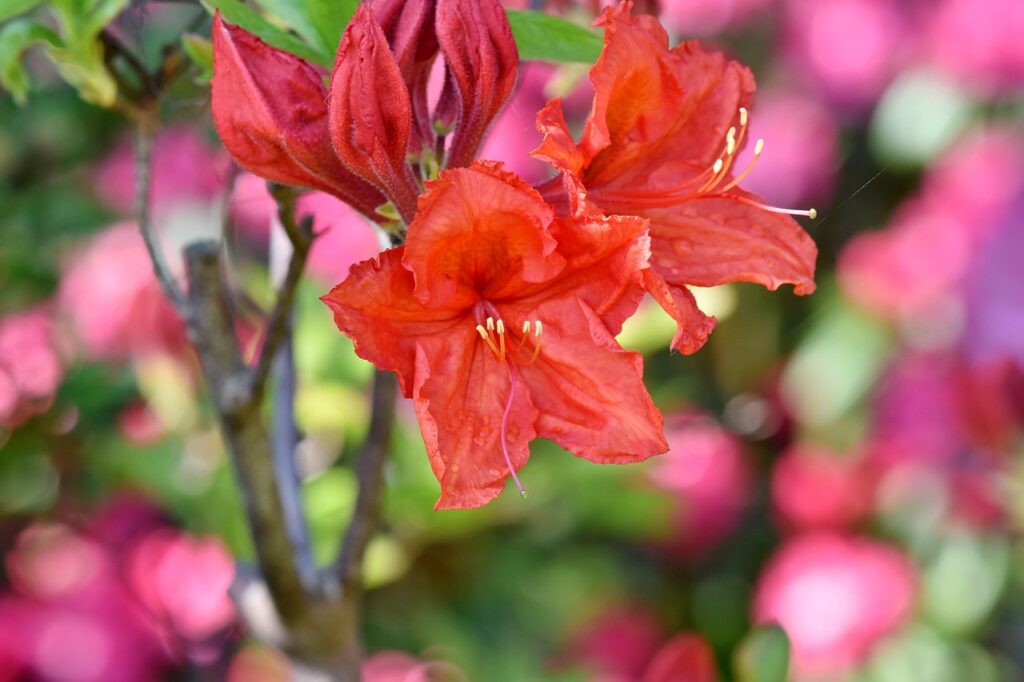
Rhododendron Subsection Malayovireya is geographically more restricted than Subsection Euvireya, with its species concentrated in specific parts of the Malesian region. This narrower distribution reflects the subsection’s specialised ecological requirements and contributes to its relatively cohesive evolutionary structure.
Malayovireya species are most strongly associated with tropical montane rainforest environments, where consistent humidity, moderate temperatures, and stable conditions prevail. Many species grow as epiphytes, relying on moss-covered branches and well-aerated root zones rather than soil-based substrates.
Key regions and habitat characteristics include:
- Borneo, particularly areas such as Mount Kinabalu, which host several Malayovireya species
- High-elevation tropical forests, typically between 1,400 and 2,000 metres
- Montane and cloud forests, with persistent moisture and frequent mist
- Epiphytic growth sites, including tree trunks and branches in moss-rich environments
- Shaded to filtered light conditions, protected from direct, intense sunlight
These environmental conditions shape the growth habits and physiological adaptations of Malayovireya species. In cultivation, including specialist greenhouse growing and limited bonsai experimentation, replicating high humidity, excellent drainage, and stable temperatures is essential for maintaining plant health and long-term viability.
Species diversity and notable members of Subsection Malayovireya
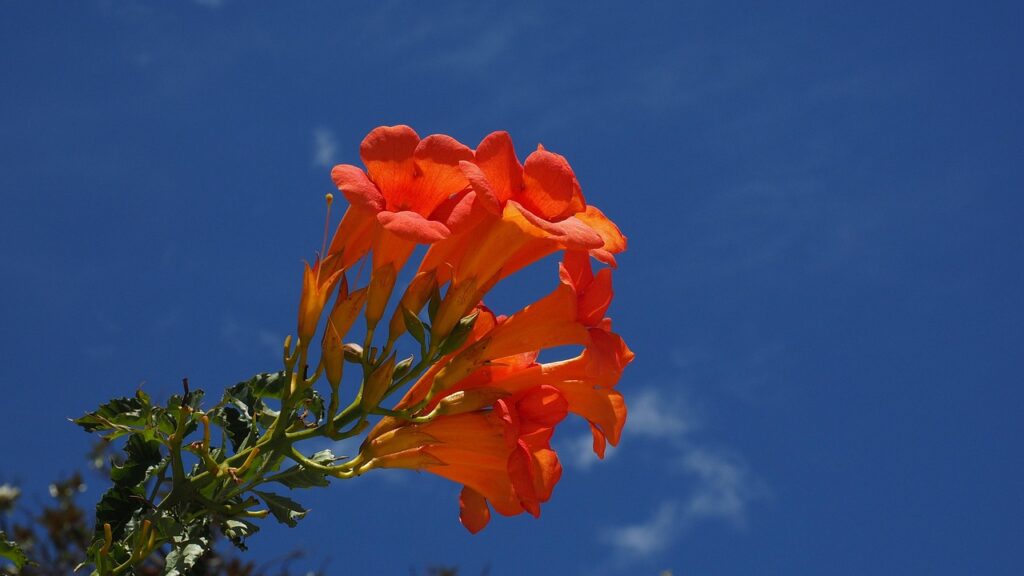
Rhododendron Subsection Malayovireya is a relatively small and cohesive group within the Vireya rhododendrons, especially when compared to the much broader Subsection Euvireya. Its species share a strong set of diagnostic traits, particularly in scale structure, which contributes to the subsection’s taxonomic stability and clear identity.
Although species diversity within Malayovireya is limited, the group remains botanically important due to its evolutionary consistency and restricted geographic range. Most species are adapted to high-humidity, montane environments and exhibit similar growth habits, leaf structures, and floral forms.
The most significant species within this subsection is Rhododendron malayanum, which serves as the type species for Subsection Malayovireya. Native to parts of the Malesian region, this species exemplifies the defining characteristics of the group, including dense, sessile scales arranged in two distinct size classes with dark-coloured centres. Its relatively compact growth habit, structural clarity, and adaptability under controlled conditions make it a strong candidate for a future bonsai care sheet, particularly in warm, humid environments or greenhouse cultivation.
Other notable species within Subsection Malayovireya include:
- Rhododendron fallacinum, associated with montane forest habitats
- Rhododendron himantodes, recognised for its epiphytic growth habit
- Rhododendron acuminatum, contributing to the subsection’s floral and structural range
- Rhododendron micromalayanum, a smaller and more localised species
These species collectively illustrate the ecological specialisation and structural coherence of Subsection Malayovireya. While most are best suited to botanical study and specialist horticulture, they provide valuable reference points for understanding which traits may support future cultivation efforts, including experimental bonsai work focused on species such as Rhododendron malayanum.
Subsection Malayovireya in bonsai and horticulture
Rhododendron Subsection Malayovireya holds a more specialised position in horticulture compared to other Vireya rhododendron groups. Its species are primarily cultivated for botanical interest, conservation, and specialist collections rather than widespread ornamental use. Their consistent morphology and restricted ecological requirements make them well-suited to controlled growing environments.
From a bonsai perspective, Malayovireya rhododendrons are rarely used, largely due to their tropical nature and sensitivity to temperature, humidity, and drainage conditions. However, species such as Rhododendron malayanum show potential for future bonsai study, particularly in warm, humid climates or greenhouse settings where their natural habitats can be closely replicated. Compact structure, evergreen foliage, and clear branching habits support careful experimental cultivation rather than traditional display bonsai.
Understanding the taxonomy, morphology, and natural ecology of Subsection Malayovireya provides an essential foundation for responsible horticultural exploration. By prioritising botanical accuracy and ecological awareness, growers and bonsai practitioners can explore the subsection’s limited but meaningful potential while preserving the integrity of these specialised tropical rhododendrons.