
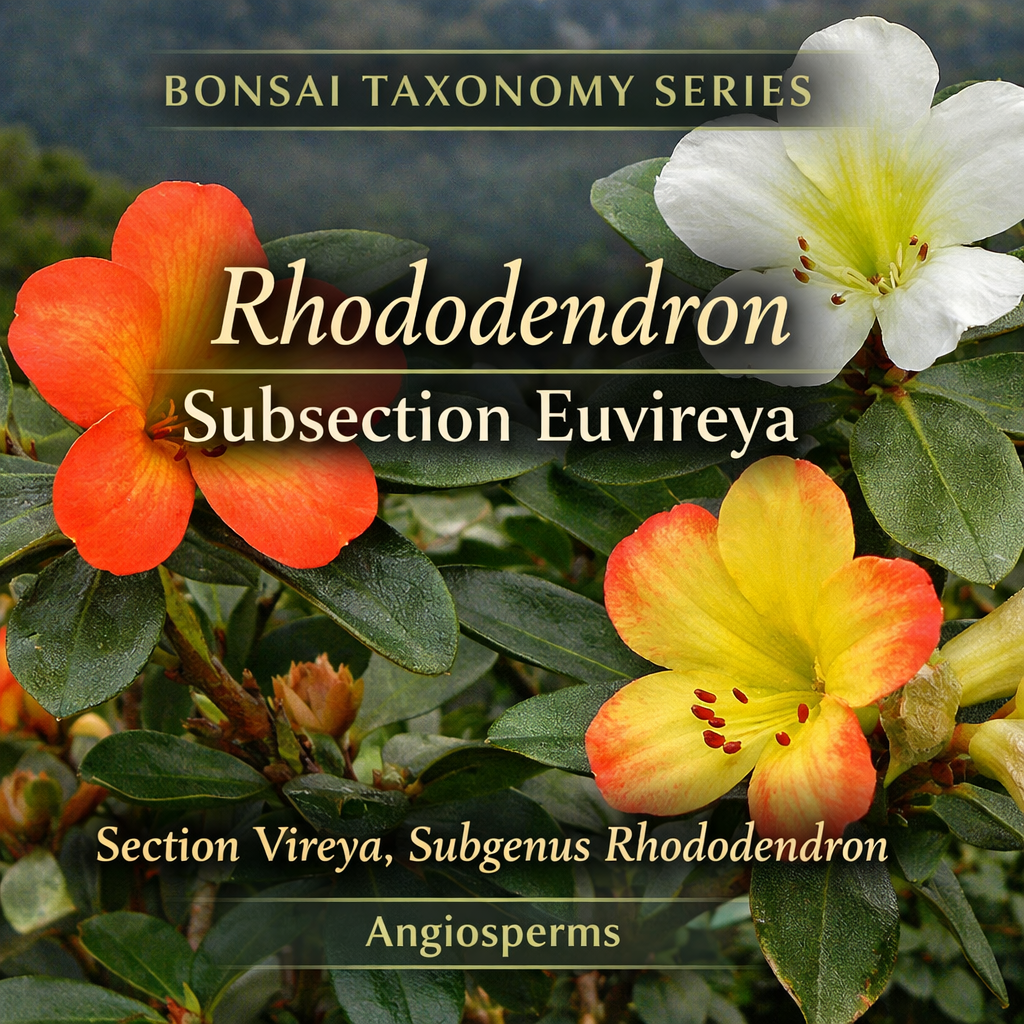
Rhododendron Subsection Euvireya is the largest and most morphologically diverse group within the tropical Vireya rhododendrons, now placed in Section Vireya (Schistanthe) under Subgenus Rhododendron. This subsection includes a wide range of species primarily distributed across the Malesian region, where they occupy varied ecological niches from lowland rainforests to high-altitude montane environments.
Euvireya species are characterised by their distinctive scale structure, with sessile or stalked scales that are scattered to dense but not divided into two clearly different size classes. The flowers show exceptional variation in size, shape, and colour, making this subsection particularly important for both botanical study and horticulture.
Due to their diversity and adaptive strategies, Euvireya rhododendrons play a central role in understanding the evolution, classification, and cultivation of tropical Vireya rhododendrons.
Table of Contents
Taxonomy
– Kingdom: Plantae (Plant Kingdom)
— Clade: Embryophytes (Land Plants)
— Clade: Polysporangiophytes (Multiple Sporangia)
—- Clade: Tracheophytes (Vascular Plants)
—– Superdivision: Spermatophytes (Seed Plants)
—— Clade: Angiospermae (Flowering Plants)
——- Division: Eudicots (True Dicotyledons)
——– Subdivision: Core Eudicots
——— Class: Superasterids (Advanced Flowering Plants)
———- Subclass: Asterids (Unified-Flowering Plants)
———– Order: Ericales (Heath and Tea)
———— Family: Ericaceae (Heath)
————- Subfamily: Ericoideae (Heath)
————– Tribe: Rhodoreae (Rhododendron)
————— Genus: Rhododendron
————— Subgenus: Rhododendron (Lepidote Rhododendrons)
—————- Section: Vireya (Tropical Rhododendrons)
—————– Subsection: Euvireya (Uniform-Scale Vireya Rhododendrons)
What is Rhododendron Subsection Euvireya?
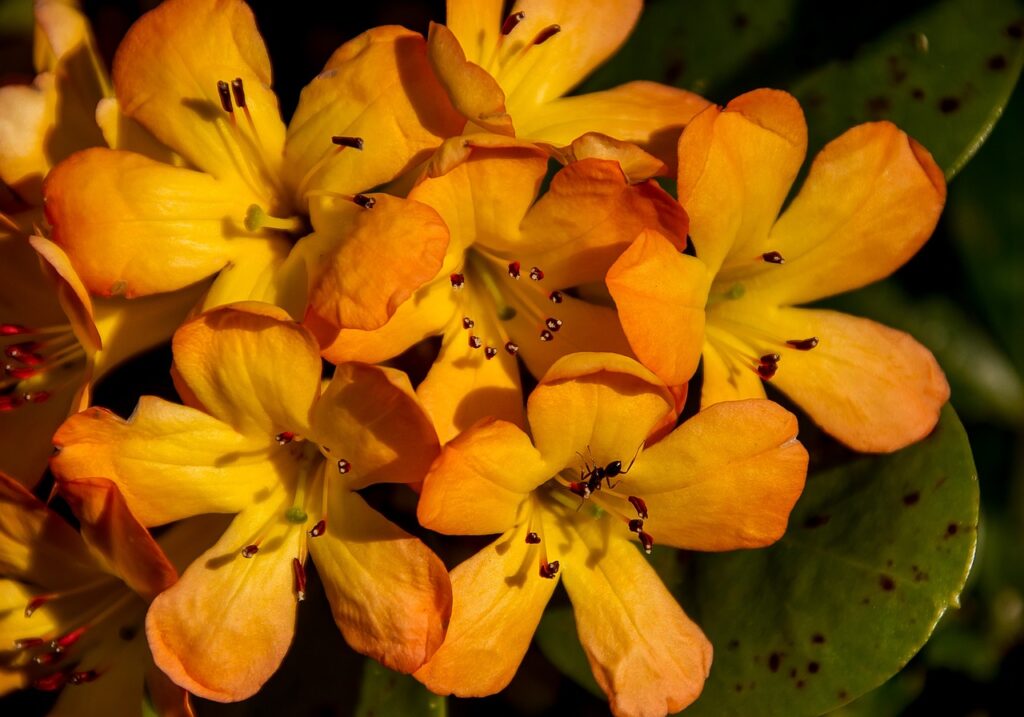
Rhododendron Subsection Euvireya is a major taxonomic group within the tropical Vireya rhododendrons, forming the largest and most diverse subsection of Section Vireya (Schistanthe) in Subgenus Rhododendron. It was formally described by Copeland, with Rhododendron javanicum designated as the type species. This subsection encompasses a broad range of species adapted to tropical and subtropical environments, particularly across the Malesian region.
What defines Subsection Euvireya is its high level of morphological diversity. Species vary widely in growth habit, leaf size, flower form, and floral colour, reflecting adaptation to different elevations and ecological conditions. While many Euvireya species grow as shrubs or epiphytes in nature, some are occasionally cultivated and trained as bonsai trees under controlled conditions, where their compact growth and striking flowers can be appreciated on a smaller scale.
In taxonomy, however, Subsection Euvireya is primarily valued for its role in illustrating the evolutionary breadth and structural variation found within the Vireya rhododendrons.
Taxonomic placement within Section Vireya (Schistanthe)
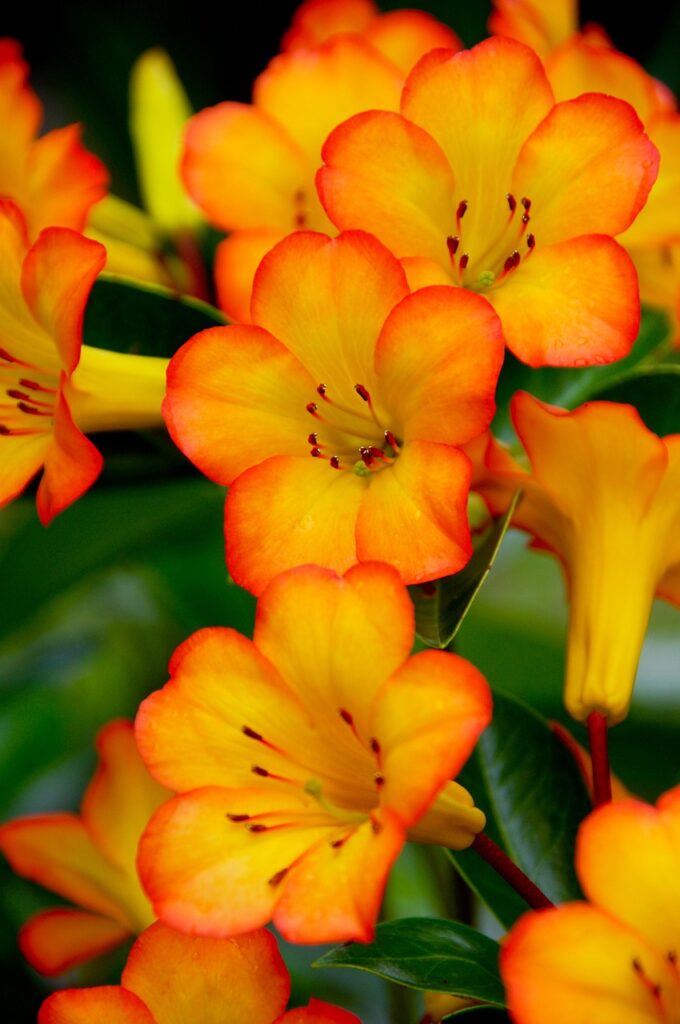
Rhododendron Subsection Euvireya is placed within Section Vireya, also known in modern classifications as Section Schistanthe, under Subgenus Rhododendron. This section represents the tropical Vireya rhododendrons, a distinct lineage within the genus that is adapted to warm, humid environments rather than the temperate zones typical of many other rhododendron groups.
Within Section Vireya, Subsection Euvireya functions as a broad and inclusive taxonomic grouping, encompassing species that share general Vireya traits but exhibit significant internal variation. Its placement reflects shared characteristics such as lepidote leaves, epiphytic tendencies, and specialised floral structures.
For horticulturists and bonsai practitioners, this classification helps clarify why Euvireya species require different care approaches from temperate rhododendrons, particularly in terms of temperature tolerance, moisture, and growing substrates, even though the primary importance of this placement remains botanical and evolutionary rather than ornamental.
Evolutionary background and classification history of Subsection Euvireya
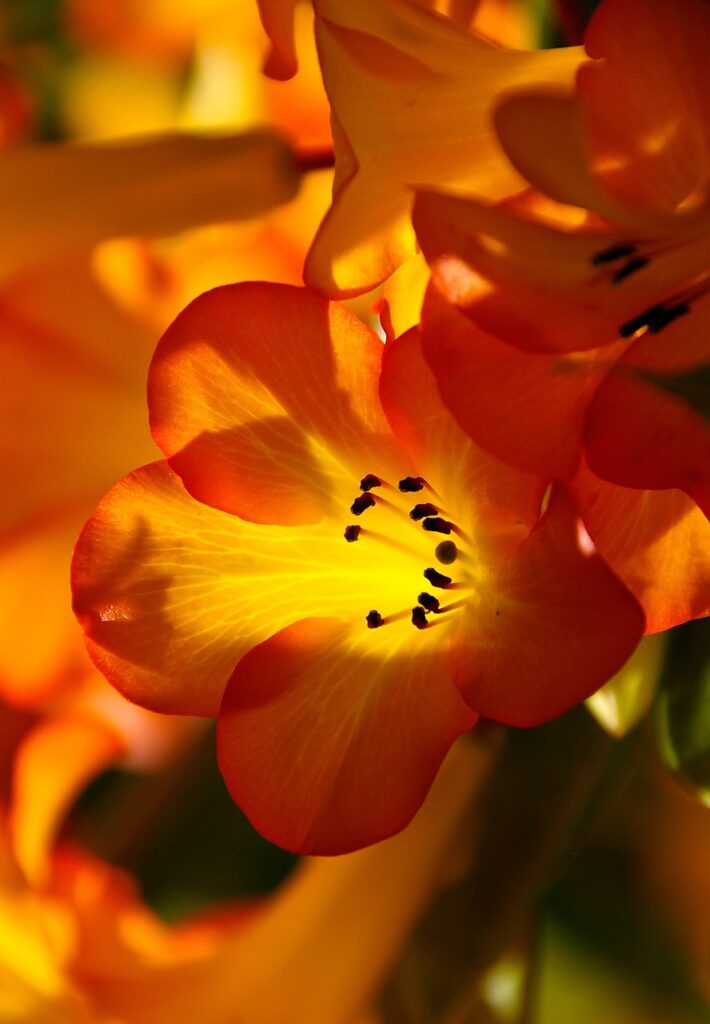
Rhododendron Subsection Euvireya represents one of the most evolutionarily expansive lineages within the tropical Vireya rhododendrons. Its diversification is closely tied to the complex geological history and environmental gradients of the Malesian region, where isolation, elevation changes, and humid tropical climates have driven speciation and morphological variation over time.
From a classification perspective, Subsection Euvireya has long challenged botanists due to its size and diversity. As new species were discovered and described, taxonomists refined the boundaries of the subsection to better reflect shared structural traits, particularly scale morphology, while distinguishing it from more narrowly defined Vireya groups.
Early botanical exploration and species discovery
The earliest members of what is now recognised as Subsection Euvireya were described during nineteenth- and early twentieth-century botanical explorations of Southeast Asia and the Pacific. Many species were initially classified broadly within Rhododendron without clear subsectional distinction, as early botanists focused primarily on floral traits and geographic origin.
As exploration expanded into remote montane regions, the sheer variety of tropical rhododendrons became increasingly apparent. This accumulation of species laid the groundwork for later taxonomic refinement, highlighting the need for more precise subgrouping within the Vireya rhododendrons.
Formal establishment of Subsection Euvireya
Subsection Euvireya was formally established by Copeland, with Rhododendron javanicum designated as the type species. This formalisation helped organise a large number of related species under a single taxonomic framework based on shared morphological features, particularly the nature of their leaf scales.
The name “Euvireya” was applied to distinguish this broad assemblage from other emerging Vireya subsections. Its establishment marked an important step in clarifying relationships within the tropical rhododendrons, even as the group remained intentionally inclusive.
Revisions by Sleumer and later taxonomic treatments
Mid-twentieth-century work by Sleumer played a significant role in refining the understanding of Vireya rhododendrons, including Subsection Euvireya. Sleumer’s revisions helped separate more narrowly defined groups, such as Malayovireya, from the broader Euvireya complex by focusing on diagnostic scale characteristics.
Later treatments by botanists such as Argent continued this refinement, adjusting species placement as additional morphological data became available. These revisions reduced ambiguity while preserving Euvireya as the largest and most diverse subsection within Section Vireya.
Modern classification and molecular insights
More recent taxonomic studies have incorporated molecular data to complement traditional morphological analysis. While molecular research has confirmed the close relationships among Vireya rhododendrons, it has also supported the recognition of Subsection Euvireya as a broad, cohesive grouping rather than a narrowly defined lineage.
Today, Subsection Euvireya is widely accepted as a central component of Section Vireya (Schistanthe), representing an evolutionary radiation shaped by geography, ecology, and long-term adaptation to tropical environments. This modern perspective continues to inform botanical research, horticulture, and the selective cultivation of certain species, including limited use in bonsai collections under specialised conditions.
Defining morphological characteristics of Subsection Euvireya
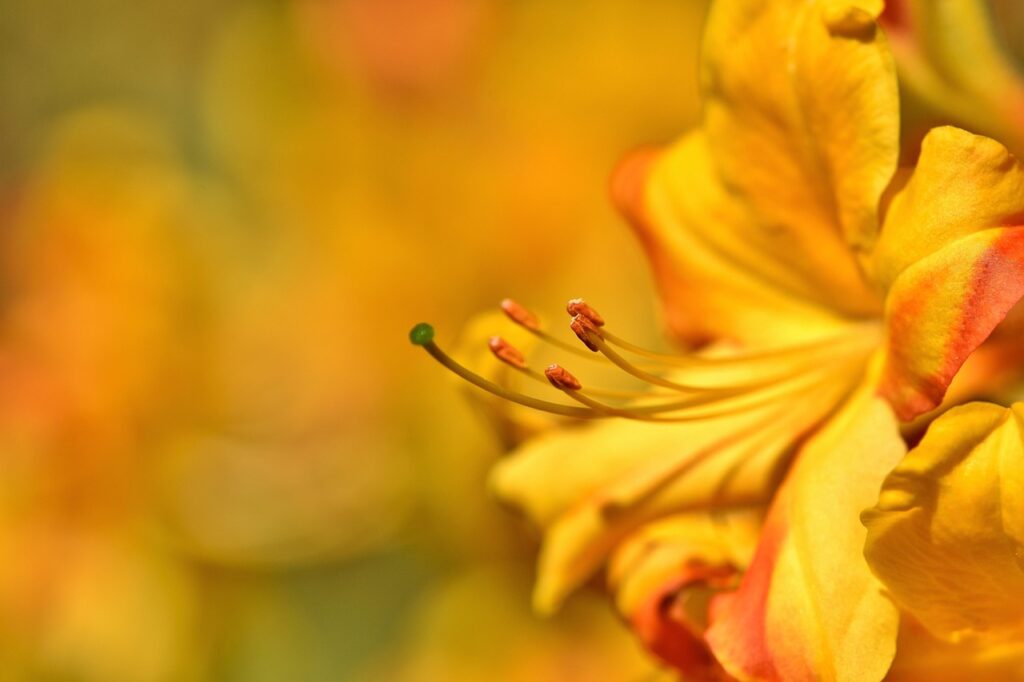
Rhododendron Subsection Euvireya is distinguished by a combination of shared morphological traits that unite a highly diverse group of tropical rhododendrons. Although species within this subsection vary widely in size, habit, and floral appearance, they share structural characteristics that allow them to be recognised as part of a single taxonomic unit within Section Vireya (Schistanthe).
These defining features are central to botanical identification and classification. They also help explain why certain Euvireya species adapt well to controlled cultivation environments, including specialist greenhouse settings and, more rarely, bonsai collections, where structural traits influence both growth behaviour and aesthetic potential.
Growth habit and plant form
Species within Subsection Euvireya exhibit a broad range of growth habits. Many grow as evergreen shrubs, while others develop as epiphytes or lithophytes, anchoring themselves to trees or rocky substrates in humid forest environments. Plant size can range from compact, slow-growing forms to large, spreading shrubs, depending on species and habitat.
This adaptability in growth form reflects the ecological diversity of the subsection. In cultivation, these varied habits influence how plants respond to pruning and training, although most Euvireya species are grown as shrubs rather than formal bonsai trees.
Leaf morphology and lepidote surface traits
Leaves of Euvireya species are typically evergreen and lepidote, meaning they are covered with scales on the leaf surface. These scales may be sessile or stalked and range from scattered to dense, but they are not divided into two clearly different size classes, a key feature separating Euvireya from related subsections.
Leaf shape and size vary considerably, from narrow and elongated to broader, oval forms. The texture is often leathery, helping reduce moisture loss in exposed or epiphytic growing conditions. These lepidote traits are among the most reliable characters used in taxonomic identification.
Stem structure and branching patterns
Stems in Subsection Euvireya are generally woody and flexible when young, becoming more rigid with age. Branching patterns range from open and spreading to more compact and layered structures, depending on species and environmental conditions.
This structural variability supports the wide range of growth habits seen within the subsection. In horticulture, careful pruning can influence branching density, but in taxonomy, stem structure primarily serves as a supporting rather than diagnostic feature.
Floral morphology and variation
Flowers of Subsection Euvireya display exceptional diversity in both form and colour. Floral shapes include tubular, funnel-shaped, campanulate, and salver-shaped forms, with sizes ranging from very small to exceptionally large among certain species. Colour variation is extensive, including white, pink, red, yellow, cream, green, and bicoloured combinations.
Despite this diversity, flowers typically share adaptations suited to tropical pollinators, such as birds and insects. Floral morphology plays a significant role in species-level identification but is less useful for distinguishing the subsection as a whole, which relies more heavily on vegetative and scale-related traits.
Scale structure and diagnostic features of Subsection Euvireya
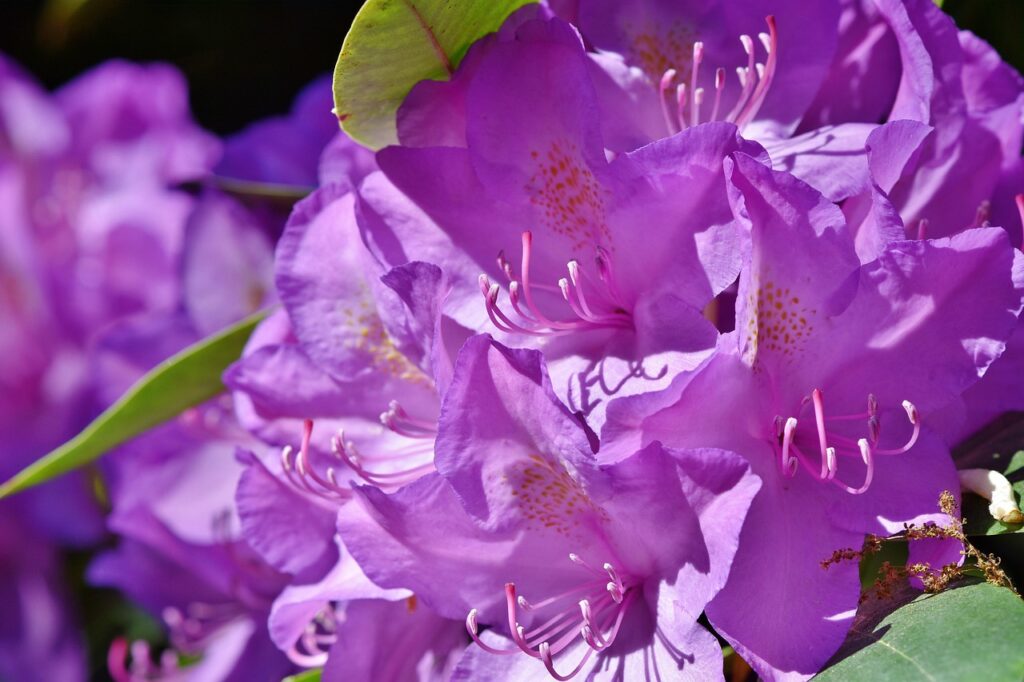
The most important diagnostic feature of Rhododendron Subsection Euvireya is the structure and arrangement of the leaf scales, which provide a reliable means of distinguishing this group from other Vireya subsections. These scales are lepidote and occur on the leaf surfaces, young stems, and sometimes floral parts, playing both a protective and taxonomic role.
In Subsection Euvireya, the scales are sessile or stalked and may be scattered or densely arranged, but they are not divided into two clearly different size classes. This uniformity of scale size is a key characteristic and forms the primary distinction between Euvireya and closely related groups such as Subsection Malayovireya.
The shape of the scales in Euvireya species is also diagnostic. They are typically lobed to deeply incised, although in some species the margins may appear nearly entire. Importantly, the centre of the scale is not dark-coloured, which further separates Euvireya from Malayovireya, where dark-centred scales are a defining feature.
From a taxonomic perspective, scale morphology is more consistent across Subsection Euvireya than floral traits, which are highly variable. As a result, botanists rely heavily on scale characteristics when identifying species and confirming subsectional placement, particularly when flowers are absent.
In cultivation and horticultural observation, these scales can often be seen as a fine, sometimes silvery or pale coating on leaves and stems. While not usually a focus for bonsai aesthetics, scale structure can still be useful for enthusiasts seeking to correctly identify tropical rhododendrons grown in collections or specialist bonsai environments.
Flower form, colour diversity, and reproductive traits
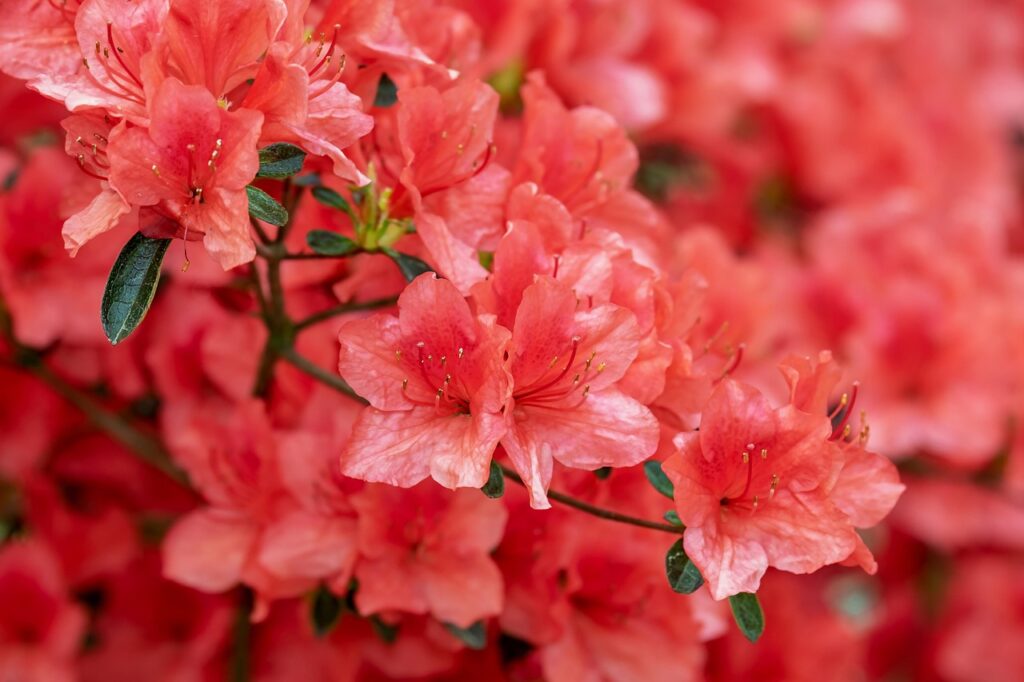
Flowers are one of the most visually striking features of Rhododendron Subsection Euvireya, contributing significantly to the subsection’s extraordinary diversity. While floral characteristics are highly variable and less useful for defining the subsection as a whole, they remain essential for species-level identification and ecological understanding within Section Vireya (Schistanthe).
The wide range of flower forms, colours, and reproductive adaptations reflects the evolutionary flexibility of Euvireya species across tropical environments. These traits have also made some species particularly attractive for ornamental cultivation, including limited use in container growing and bonsai collections, where floral display is a key interest.
Flower shape and structural variation
Euvireya species exhibit remarkable diversity in flower shape, ranging from tubular and funnel-shaped forms to campanulate (bell-shaped) and salver-shaped structures. Flower size varies considerably, from very small blooms to exceptionally large flowers in certain species, reflecting adaptation to different pollination strategies.
This structural variation allows species to exploit different ecological niches and pollinators. While flower shape is highly informative at the species level, it is not a primary diagnostic feature for the subsection, which is defined more reliably by vegetative traits such as scale structure.
Colour range and pigmentation patterns
The colour diversity within Subsection Euvireya is among the broadest in the genus Rhododendron. Flowers may be white, pink, red, yellow, cream, green, or display striking bicoloured patterns. Pigmentation may also vary within a single species depending on elevation, light exposure, or population.
These vivid and varied colours are believed to play a role in attracting specific pollinators and enhancing reproductive success in dense tropical forests. In cultivation, flower colour is often the most noticeable trait, although it remains secondary to morphological characters in taxonomic classification.
Reproductive traits and pollination strategies
Reproductive structures in Euvireya flowers are adapted to tropical pollination systems, commonly involving birds and insects. Many species produce tubular flowers well-suited to nectar-feeding birds, while others accommodate insect pollinators through broader floral openings.
Seed production typically follows successful cross-pollination, with capsules developing and releasing fine seeds adapted for dispersal in humid forest environments. These reproductive traits contribute to the wide geographic distribution and evolutionary success of Subsection Euvireya across the Malesian region.
Geographic distribution and natural habitat of Euvireya species
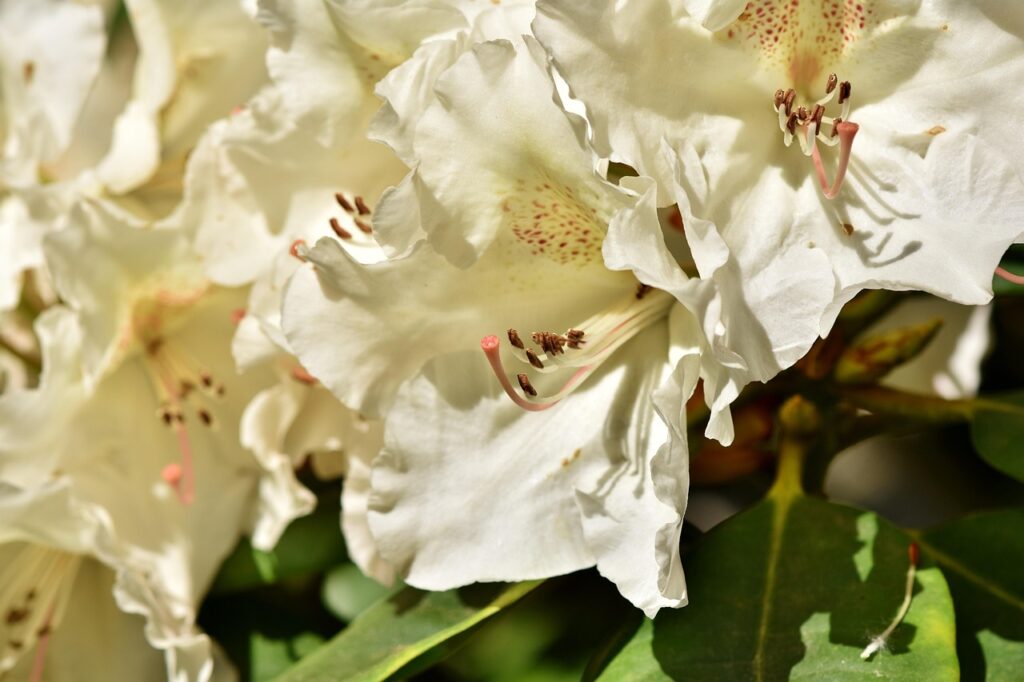
Rhododendron Subsection Euvireya is primarily distributed across the Malesian region, where its species occupy a wide range of tropical and subtropical habitats. This broad geographic spread has played a key role in the subsection’s exceptional diversity, with species adapting to different elevations, climates, and ecological conditions.
Euvireya species are most commonly found in humid forest environments, particularly in montane and subalpine zones where moisture levels remain high year-round. Many species grow as epiphytes or lithophytes, relying on mossy substrates and well-aerated root environments rather than deep soils. These natural conditions help explain their specific cultivation requirements and sensitivity to poor drainage.
Key regions and habitats include:
- Southeast Asia and Malesia, including Indonesia, Papua New Guinea, Malaysia, and the Philippines
- Montane rainforests, often at mid to high elevations
- Subalpine shrublands and forest edges in cooler, high-altitude zones
- Mossy cloud forests, where humidity is consistently high
- Epiphytic habitats, growing on tree trunks or branches rather than in soil
Elevation ranges vary by species, but many Euvireya rhododendrons occur between 1,000 and 3,000 metres, where temperature fluctuations are moderate and light is filtered by forest canopies. In cultivation, including limited bonsai growing, replicating these conditions with high humidity, excellent drainage, and protection from extreme temperatures is essential for long-term plant health.
Species diversity and notable members of Subsection Euvireya
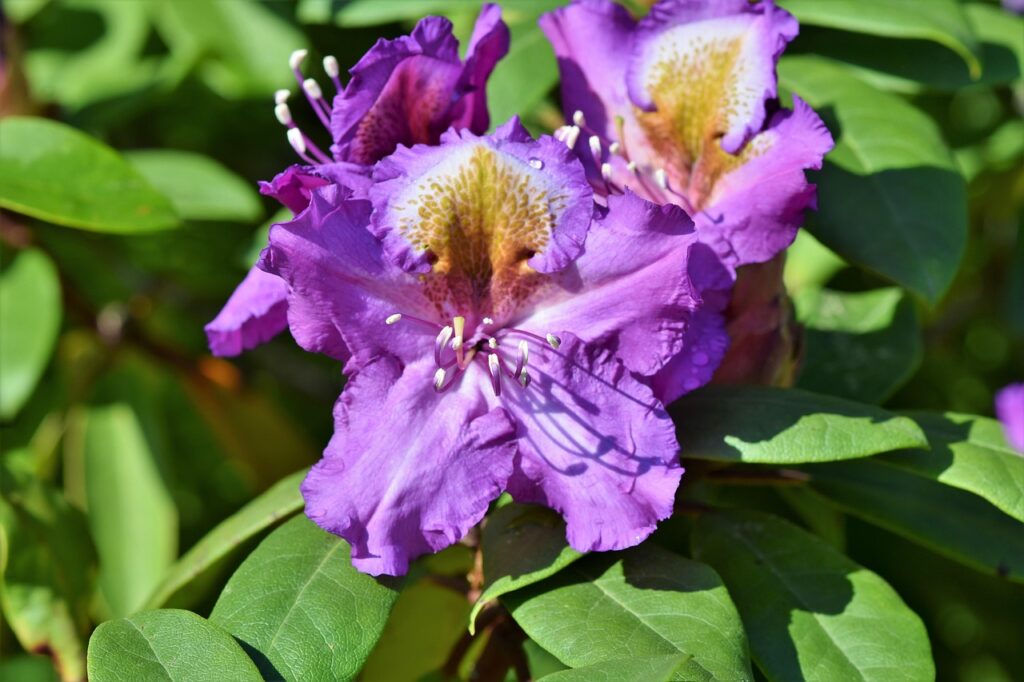
Rhododendron Subsection Euvireya is the largest and most species-rich group within the tropical Vireya rhododendrons, encompassing a wide range of forms, habitats, and floral characteristics. This diversity reflects the subsection’s long evolutionary history and its adaptation to varied ecological niches across the Malesian region.
Species within Euvireya differ significantly in growth habit, leaf size, flower structure, and environmental tolerance. While many species are best appreciated in their natural habitats or greenhouse cultivation, a small number show traits that make them suitable candidates for more specialised horticultural use, including future bonsai development.
One of the most important species within this subsection is Rhododendron javanicum, which serves as the type species for Subsection Euvireya. Native to parts of Southeast Asia, Rhododendron javanicum is valued for its adaptability, manageable growth habit, and attractive flowers. These traits make it a strong candidate for future bonsai care studies, particularly within controlled environments that replicate its natural humid and well-drained conditions.
Other notable species within Subsection Euvireya include:
- Rhododendron konori, known for producing some of the largest flowers in the group
- Rhododendron zoelleri, appreciated for its vivid floral colours
- Rhododendron laetum, which contributes to the colour diversity of the subsection
These species highlight the breadth of floral size, colour, and form found within Euvireya. While not all are suitable for bonsai cultivation, they provide valuable reference points for understanding the subsection’s range and for selecting species that may adapt well to long-term cultivation and training.
Subsection Euvireya in bonsai and horticulture
Rhododendron Subsection Euvireya holds particular interest in horticulture due to its diversity, adaptability, and striking floral characteristics. While most species are cultivated as shrubs or epiphytes in specialist collections, their structural traits and evergreen foliage make select members suitable for controlled cultivation environments.
From a bonsai perspective, Euvireya rhododendrons are not widely used, largely due to their tropical requirements and sensitivity to temperature and drainage. However, species such as Rhododendron javanicum show promise for future bonsai study, especially in warm, humid climates or greenhouse settings where their natural conditions can be closely replicated. Compact growth habits, attractive leaf structure, and showy flowers make them candidates for experimental and educational bonsai projects rather than traditional display forms.
Understanding the taxonomy, morphology, and natural habitat of Subsection Euvireya provides a strong foundation for responsible cultivation. By approaching these plants with botanical accuracy first and horticultural curiosity second, growers and bonsai practitioners can explore their potential while respecting the ecological and evolutionary context that defines this diverse and important group of tropical rhododendrons.