
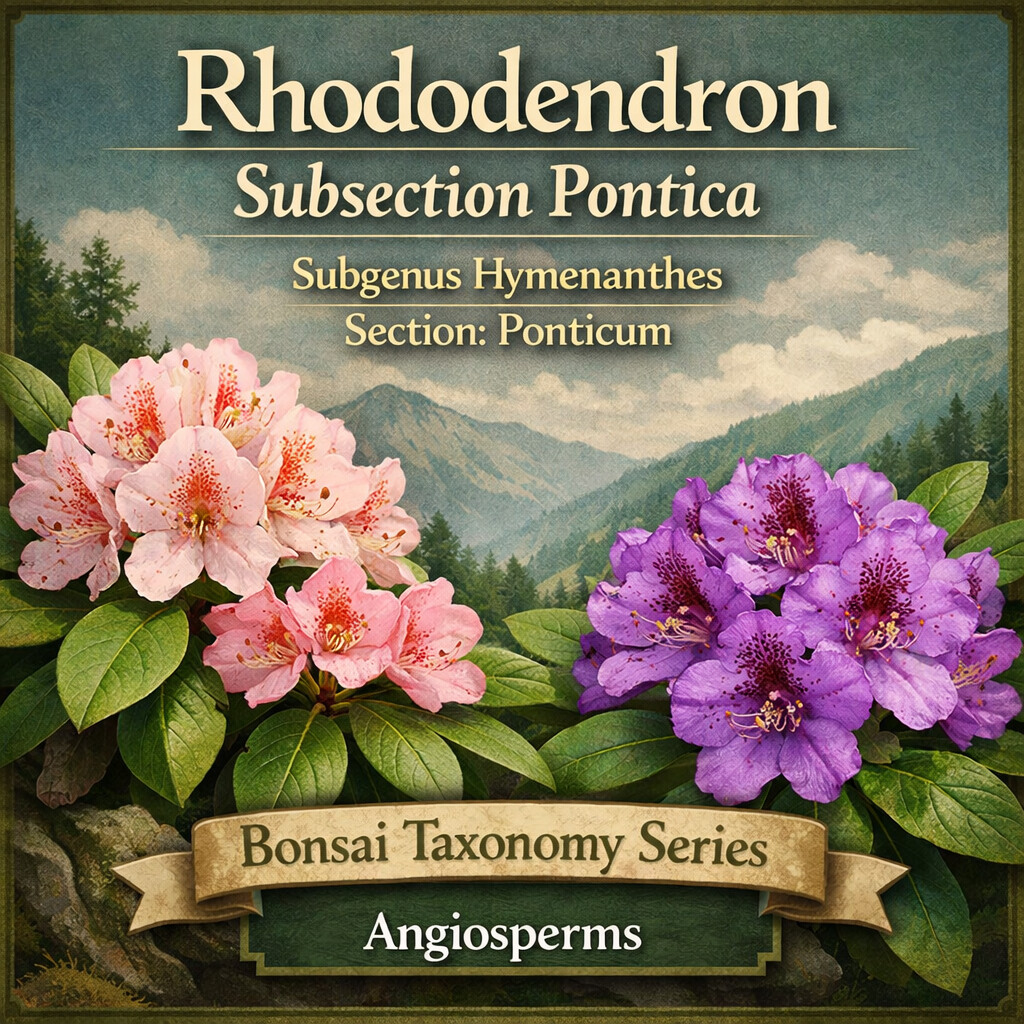
Rhododendron Subsection Pontica represents a distinct and historically important lineage within Rhododendron subgenus Hymenanthes. Referred to as the Pontic Rhododendrons here in Budding Backyard Bonsaist, this subsection includes a compact but influential group of evergreen shrubs and small trees best known for their hardiness, broad leaves, and striking violet-purple flower trusses. Anchored by the type species Rhododendron ponticum, Subsection Pontica has long attracted attention from botanists, horticulturists, and conservationists alike due to its evolutionary history and ecological impact.
From a taxonomic perspective, Subsection Pontica is particularly notable for its role as a Tertiary relict group, preserving traits from earlier climatic eras across Eurasia, East Asia, and parts of North America. While these rhododendrons are most often discussed in landscape and ecological contexts, their structural growth habits, leaf characteristics, and adaptability also make them relevant to specialised horticultural practices, including bonsai cultivation.
In this taxonomy guide, the focus remains firmly on classification, morphology, and evolutionary context, while acknowledging how these traits influence cultivation and long-term plant management.
Table of Contents
Taxonomy
– Kingdom: Plantae (Plant Kingdom)
— Clade: Embryophytes (Land Plants)
— Clade: Polysporangiophytes (Multiple Sporangia)
—- Clade: Tracheophytes (Vascular Plants)
—– Superdivision: Spermatophytes (Seed Plants)
—— Clade: Angiospermae (Flowering Plants)
——- Division: Eudicots (True Dicotyledons)
——– Subdivision: Core Eudicots
——— Class: Superasterids (Advanced Flowering Plants)
———- Subclass: Asterids (Unified-Flowering Plants)
———– Order: Ericales (Heath and Tea)
———— Family: Ericaceae (Heath)
————- Subfamily: Ericoideae (Heath)
————– Tribe: Rhodoreae (Rhododendron)
————— Genus: Rhododendron
————— Subgenus: Hymenanthes (Elepidote Rhododendrons)
—————- Section: Ponticum (Elepidote Rhododendrons)
—————– Subsection: Pontica (Pontic Rhododendrons)
What is Rhododendron Subsection Pontica?
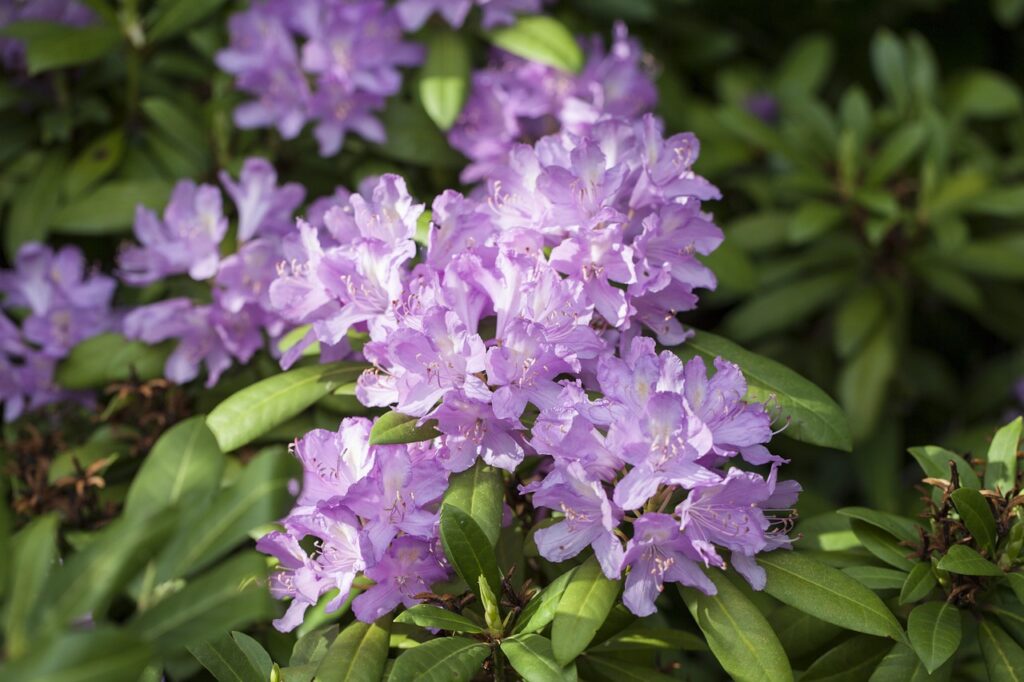
Rhododendron Subsection Pontica is a formally recognised taxonomic group within Rhododendron subgenus Hymenanthes, encompassing a cluster of evergreen rhododendrons commonly known as Pontic Rhododendrons. The subsection includes approximately 11–13 species, with Rhododendron ponticum designated as the type species. These plants are characterised by their robust growth, broad elliptical leaves, and large trusses of typically violet-purple to pink flowers, often marked with spotting. As members of the elepidote rhododendrons, they lack the leaf scales seen in other subgenera, a key diagnostic feature at higher taxonomic levels.
What distinguishes Subsection Pontica taxonomically is not a single unique trait, but rather a consistent combination of morphology, growth habit, and evolutionary lineage. Many species within the subsection are considered Tertiary relicts, meaning they preserve characteristics from ancient temperate forests that once spanned much wider regions of the Northern Hemisphere. This makes Subsection Pontica especially significant in understanding rhododendron evolution, biogeography, and climatic adaptation over deep time.
Although primarily studied in botanical and ecological contexts, the defining traits of Subsection Pontica, such as strong woody structure, evergreen foliage, and tolerance of cooler climates, also inform horticultural decisions. In niche cases, these characteristics have relevance for long-term cultivation approaches, including bonsai, where understanding a plant’s natural growth tendencies is essential. However, within this guide, Subsection Pontica is examined first and foremost as a taxonomic and evolutionary unit within the broader Rhododendron genus.
Taxonomic placement within Subgenus Hymenanthes
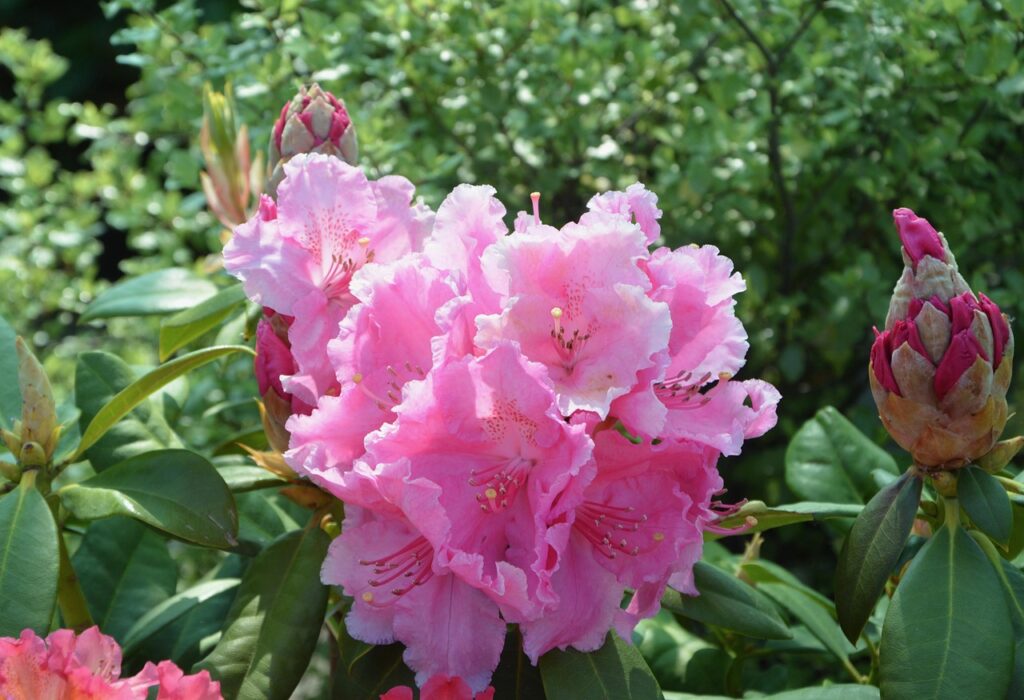
Rhododendron Subsection Pontica is positioned within Rhododendron subgenus Hymenanthes, a major lineage of evergreen rhododendrons commonly referred to as the elepidote rhododendrons. This subgenus is defined by the absence of leaf scales, the presence of large leathery leaves, and generally robust woody growth. Members of Hymenanthes are predominantly shrubs or small trees adapted to temperate climates, with many species forming the backbone of large-leaved rhododendron groups worldwide.
Within subgenus Hymenanthes, Subsection Pontica sits under Rhododendron section Ponticum. This placement reflects close morphological and genetic relationships among its species, particularly in floral structure, vegetative form, and evergreen habit. The subsection represents a coherent evolutionary branch within the section, grouping species that share similar growth patterns, ecological preferences, and historical origins. Understanding this taxonomic position helps clarify why Pontic Rhododendrons differ from other Hymenanthes lineages, while still retaining the defining traits of the subgenus as a whole.
At a practical level, this placement also explains why species within Subsection Pontica display strong structural growth and longevity. These traits are relevant not only for botanical classification but also for cultivation decisions, including specialised horticultural practices where long-term plant architecture and resilience are important considerations.
Historical classification and naming of Subsection Pontica
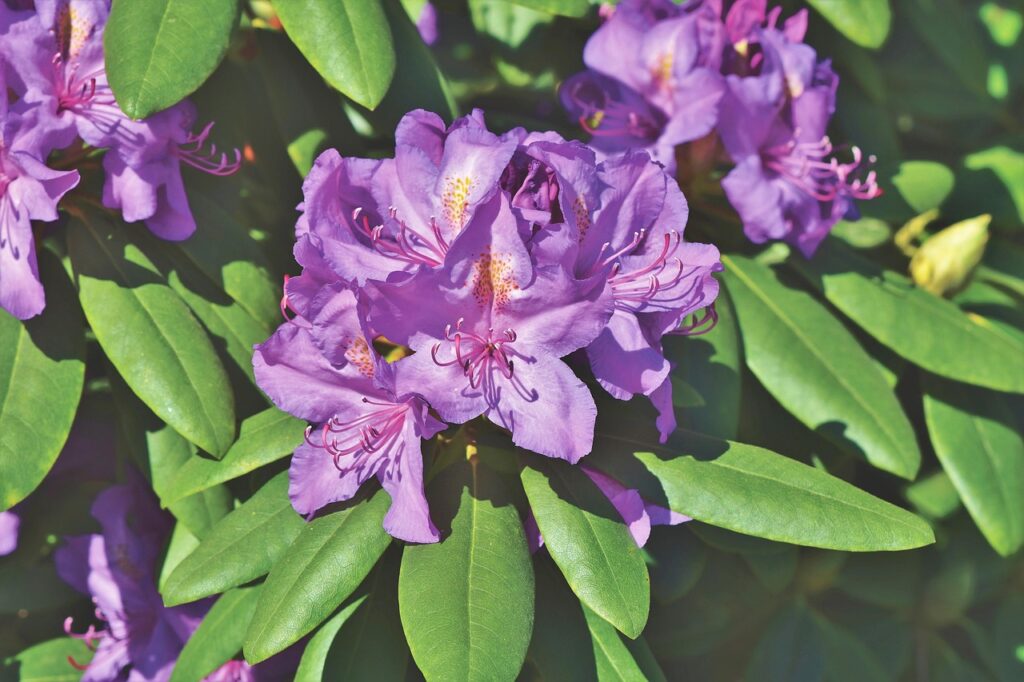
Rhododendron Subsection Pontica has a complex and well-documented taxonomic history that reflects the evolving understanding of rhododendron classification during the late 19th and 20th centuries. As botanical knowledge expanded and classification systems shifted from purely morphological groupings toward more structured hierarchical frameworks, Pontica moved through several ranks before settling into its current position as a formal subsection within subgenus Hymenanthes. Its naming history highlights both regional botanical exploration and the challenges of organising a diverse and widespread genus.
Early classification as a series
The earliest formal recognition of this group occurred in 1930, when it was described as Rhododendron series Pontica by Tagg in Species of Rhododendron. At the time, series-level classification was commonly used to group species with shared morphological traits, particularly floral and vegetative similarities. This early classification already recognised Rhododendron ponticum as central to the group, establishing it as the conceptual anchor for later taxonomic revisions.
Elevation to subsection status
In 1949, German botanist Sleumer revised the group and formally elevated it to Rhododendron subsect. Pontica. This change reflected a broader restructuring of the genus, where subsections were used to represent more clearly defined evolutionary lineages within sections. Sleumer’s treatment consolidated several closely related species under a single subsection and provided a clearer framework for distinguishing Pontica from neighbouring groups within section Ponticum.
Alternative names and rejected classifications
Over time, additional names and classifications were proposed for parts of the group, often based on regional species or limited morphological traits. These included names such as Rhododendron ser. Adjarica and Rhododendron subsect. Caucasica. However, these were later regarded as heterotypic synonyms or invalid names, as they did not sufficiently justify separation from Subsection Pontica as a whole. Subsequent taxonomic consensus favoured unification rather than further subdivision.
Modern taxonomic consensus
Today, Rhododendron subsect. Pontica (Tagg) Sleumer is widely accepted in modern rhododendron taxonomy. The subsection is defined by a combination of shared morphology, geographic distribution, and evolutionary history rather than a single diagnostic trait. Its stable classification provides an important reference point for botanical research, horticulture, and conservation studies, particularly when examining relict species and long-term evolutionary patterns within subgenus Hymenanthes.
Defining morphological characteristics of Subsection Pontica
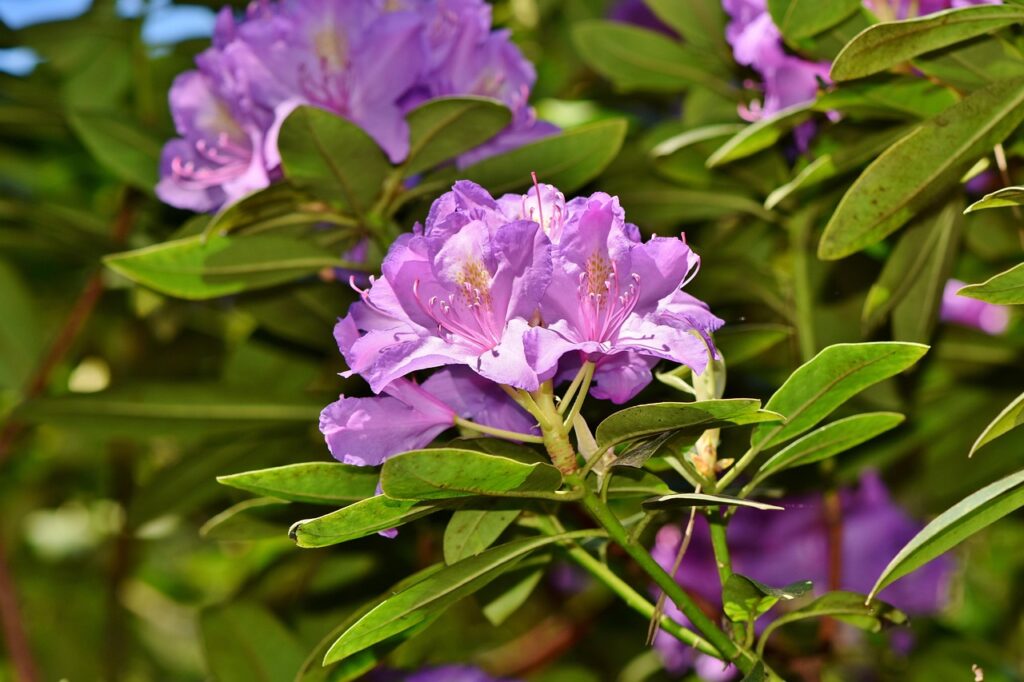
Rhododendron Subsection Pontica is defined by a consistent set of morphological traits that distinguish its members within subgenus Hymenanthes. While no single feature is unique to the subsection, the combination of growth habit, vegetative structure, and floral presentation creates a recognisable and coherent group. These characteristics reflect both evolutionary adaptation to temperate environments and the long-lived, woody nature typical of Pontic Rhododendrons.
Growth habit and plant form
Species within Subsection Pontica are typically evergreen shrubs or small trees with a dense, often suckering growth habit. Mature plants commonly reach heights of 2 to 5 metres, with some species capable of growing taller under favourable conditions. The overall structure tends to be robust and long-lived, with strong primary branches that contribute to a compact but substantial form.
This growth habit supports longevity and resilience, traits that are relevant in both natural ecosystems and cultivated settings. In controlled horticultural environments, including bonsai, the strong woody framework can influence long-term shaping potential and pruning response.
Leaf structure and surface traits
Leaves of Subsection Pontica are broad, elliptic to oblong, and leathery in texture. As members of the elepidote rhododendrons, these plants lack scales on the leaf surface. Young leaves may display some surface texture, but mature foliage is typically glabrous, with a smooth and often glossy appearance.
The substantial leaf size and thickness are adaptive traits that support moisture retention and cold tolerance. These features are also important diagnostic markers when distinguishing Pontica species from lepidote rhododendrons and deciduous azaleas.
Twig, bark, and shoot characteristics
Twigs in Subsection Pontica are generally smooth and hairless when mature, with new growth showing a clean, sturdy appearance. Bark on older specimens becomes firm and subtly textured with age, supporting the structural demands of evergreen foliage and large flower trusses.
Shoot growth is typically steady rather than aggressive, reflecting a balance between vigour and control. This characteristic contributes to the subsection’s reputation for hardiness and stability, both in wild populations and in cultivated plants.
Bud formation and seasonal behaviour
Vegetative and floral buds in Subsection Pontica are well-protected and adapted to cooler climates. Flower buds are often large and prominent, forming well in advance of the flowering season. This early development supports reliable blooming in late spring to early summer.
Seasonal growth patterns are predictable, with a clear distinction between active growth periods and dormancy. This regular cycle is a key factor in the subsection’s adaptability and plays a role in horticultural management practices, including pruning schedules and long-term cultivation planning.
Flower structure, colour patterns, and reproductive traits
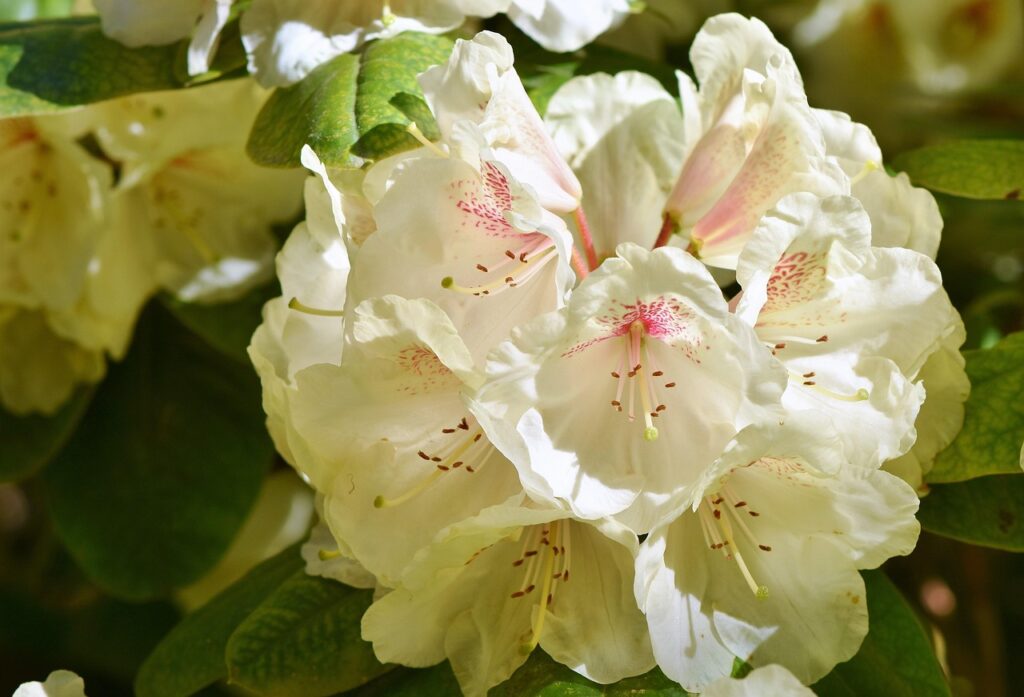
Flowers are one of the most visually distinctive and taxonomically informative features of Rhododendron Subsection Pontica. While floral traits alone do not define the subsection, their consistent structure, colour range, and reproductive behaviour contribute significantly to its recognition within subgenus Hymenanthes. These characteristics also reflect long-term adaptation to temperate climates and specific pollination strategies.
Inflorescence structure and flower form
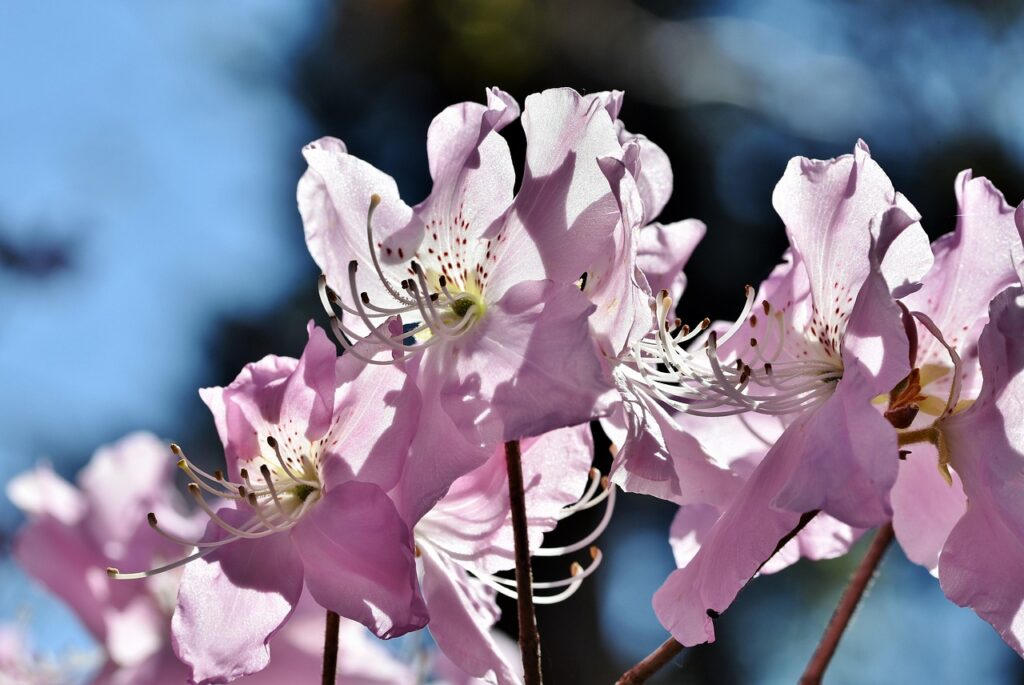
Species within Subsection Pontica produce flowers in large, dense trusses, typically borne at the ends of mature shoots. Each truss contains multiple funnel-shaped to bell-shaped flowers, creating a prominent floral display. The corolla is usually broad and open, facilitating access for pollinators and supporting efficient pollen transfer.
The overall flower structure is robust and well-supported by strong pedicels and branch tips. This structural stability allows the plants to carry heavy flower clusters without significant damage, even in cooler or wind-exposed habitats.
Colour range and patterning
The dominant flower colours within Subsection Pontica range from violet-purple to soft pink, with many species displaying darker spotting or blotches on the upper lobes of the corolla. These markings often serve as nectar guides, directing pollinators toward the reproductive organs of the flower.
While colour variation exists between species and populations, the prevalence of purple-toned flowers provides a unifying visual theme across the subsection. Seasonal colour consistency also contributes to reliable flowering displays in cultivated environments.
Pollination and reproductive strategy
Reproduction in Subsection Pontica relies primarily on insect pollination, with bees and other flying insects playing a central role. The open corolla shape, combined with visible spotting and accessible nectar, supports efficient cross-pollination between individuals.
Many species within the subsection are capable of hybridising, both within Subsection Pontica and with closely related groups such as Rhododendron caucasicum. This reproductive compatibility has contributed to natural hybrid formation and has played a role in horticultural breeding, as well as in the genetic complexity observed within the group.
Seed production and dispersal
Following successful pollination, flowers develop into elongated seed capsules containing numerous fine seeds. These seeds are adapted for dispersal by wind, allowing for gradual range expansion under suitable conditions. In natural ecosystems, this reproductive strategy supports persistence and colonisation, particularly in open or disturbed environments.
The combination of prolific flowering, reliable pollination, and effective seed dispersal has contributed to both the ecological success and, in some regions, the invasive behaviour associated with certain Pontica species.
Geographic distribution and Tertiary relict significance
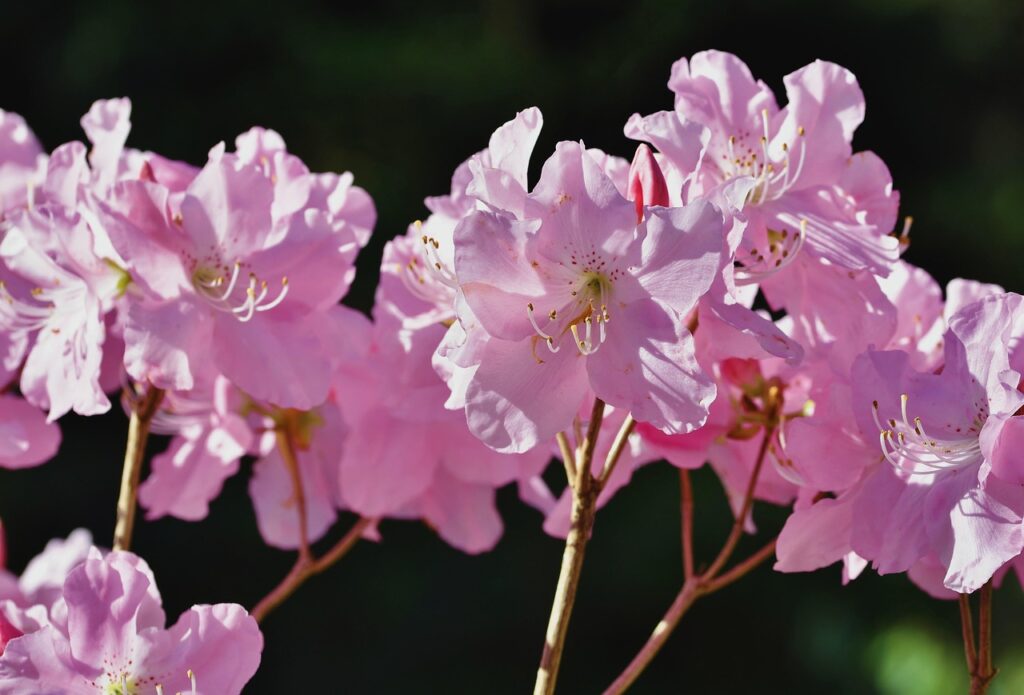
Rhododendron Subsection Pontica displays a notably disjunct geographic distribution, a pattern that has drawn considerable interest from botanists and evolutionary biologists. The scattered modern range of these species reflects ancient climatic and geological shifts rather than recent dispersal, placing Subsection Pontica among several rhododendron groups regarded as Tertiary relicts. This status highlights their importance in understanding historical vegetation patterns across the Northern Hemisphere.
The native distribution of Subsection Pontica spans multiple temperate regions, including
- southwestern Eurasia, particularly areas of the Caucasus, Turkey, and adjacent regions
- parts of northeastern Asia
- isolated regions of southeastern and western North America
This fragmented range is widely interpreted as the remnant of a once-continuous temperate forest belt that existed during the Tertiary period, when global climates were warmer and more uniform. As cooling and glaciation progressed, these forests retreated or disappeared, leaving behind isolated populations adapted to local refugia.
The Tertiary relict significance of Subsection Pontica is further reinforced by
- strong morphological consistency across geographically separated species
- genetic relationships linking Eurasian and North American taxa
- ecological preferences for moist, temperate forest environments
These factors suggest long-term persistence rather than recent expansion. In some regions, particularly Europe, the natural range of certain species such as Rhododendron ponticum has been heavily altered by human activity, complicating the distinction between native and introduced populations.
From a broader perspective, the survival of Pontic Rhododendrons into the present day offers valuable insight into plant resilience and adaptation over geological timescales. Their continued existence across fragmented habitats underscores their evolutionary stability, a trait that also influences their performance in cultivation and long-term horticultural management, including specialised practices such as bonsai.
Ecological impact, toxicity, and invasiveness concerns
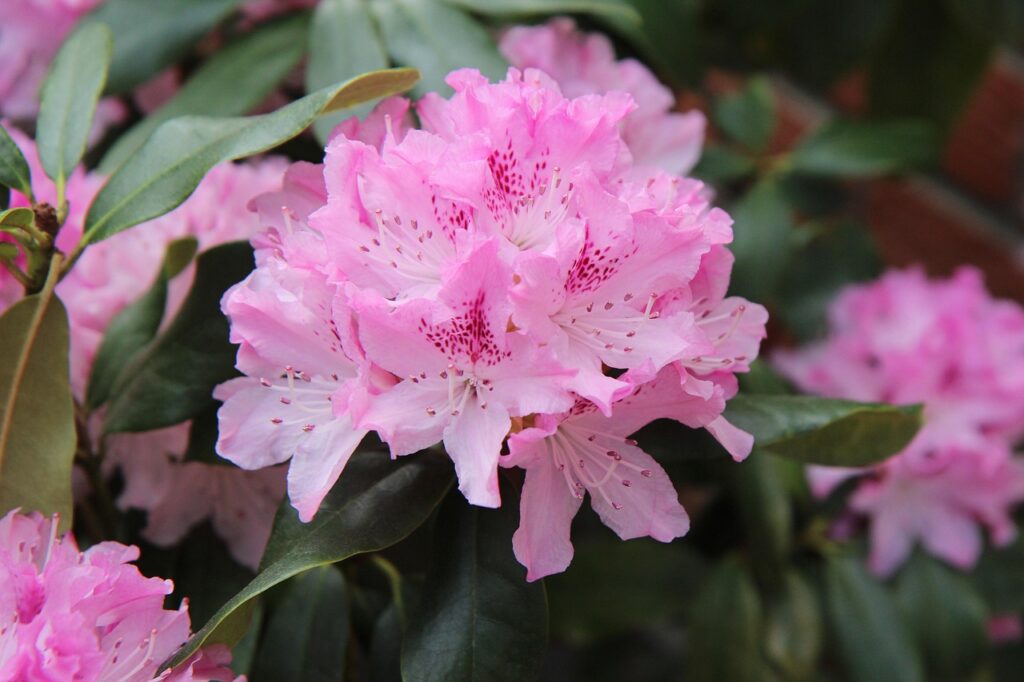
Species within Rhododendron Subsection Pontica occupy an important but sometimes problematic position in the ecosystems where they occur. While many members of the subsection are stable components of their native habitats, others have demonstrated a capacity to disrupt local ecosystems when introduced beyond their natural range. Understanding their ecological impact, toxicity, and invasive potential is essential when assessing both conservation value and responsible cultivation.
One of the most significant ecological concerns involves Rhododendron ponticum, which has become highly invasive in parts of Europe, particularly in Britain and Ireland. In these regions, the species forms dense thickets that
- block light from reaching the forest floor
- suppress native understory plants
- alter soil chemistry and microhabitats
Once established, these populations are difficult to remove due to vigorous regrowth from roots and suckers. This behaviour contrasts sharply with the species’ more balanced role in its native range, where natural competitors and environmental constraints limit its spread.
Toxicity is another notable characteristic within Subsection Pontica. Several species produce grayanotoxins, compounds found in leaves, flowers, and nectar. These toxins can cause adverse effects in animals and humans if ingested, with symptoms ranging from nausea and dizziness to hallucinations and, in severe cases, poisoning. Honey produced from the nectar of certain rhododendrons in this group is historically associated with so-called “mad honey,” a phenomenon documented since antiquity.
From a management perspective, these traits demand careful consideration. In native ecosystems, Pontic Rhododendrons contribute to biodiversity and long-term forest structure. In non-native environments, however, their invasive tendencies and toxicity can pose ecological and practical challenges.
Responsible cultivation, informed site selection, and awareness of regional regulations are therefore critical, particularly when these plants are used in horticulture or maintained in long-term settings such as collections or bonsai gardens.
Species diversity within Subsection Pontica
Rhododendron Subsection Pontica is relatively compact when compared to many other rhododendron groups, comprising a clearly defined set of evergreen species with shared evolutionary and morphological traits. This limited species count contributes to the subsection’s taxonomic clarity and makes it particularly suitable for focused study rather than broad, fragmented classification.
Recognised species within Subsection Pontica include
- Rhododendron aureum
- Rhododendron brachycarpum
- Rhododendron catawbiense
- Rhododendron caucasicum
- Rhododendron degronianum
- Rhododendron hyperythrum
- Rhododendron macrophyllum
- Rhododendron makinoi
- Rhododendron maximum
- Rhododendron ponticum
- Rhododendron smirnowii
- Rhododendron ungernii
Although hybrid forms and nothospecies are well documented within this group, the subsection itself remains taxonomically cohesive. Many of these species share similar growth habits, leaf structure, and flowering characteristics, reinforcing their placement within a single subsection rather than multiple smaller groupings.
Within the Budding Backyard Bonsaist taxonomy framework, the goal is not to create individual taxonomy and care sheets for every species in Subsection Pontica. Instead, one representative species is selected from each section or subsection to serve as a detailed reference point. This approach allows for depth, accuracy, and practical relevance without unnecessary duplication.
For Subsection Pontica, the initial focus species will be Rhododendron degronianum. This species offers a strong balance of structural clarity, documented cultivation history, and relevance to both taxonomy and horticulture. Should additional species within Subsection Pontica warrant focused attention in the future, further profiles will be added as needed to expand coverage responsibly.
How viable is this subsection for bonsai?
As a group, species within Subsection Pontica present both opportunities and limitations for bonsai cultivation. Their evergreen habit, strong woody structure, and tolerance of cooler climates can be advantageous for long-term training. However, large leaves, vigorous growth, and sensitivity to root disturbance in some species require careful management.
While Subsection Pontica is not among the most commonly used rhododendron groups for bonsai, selected species such as Rhododendron degronianum demonstrate potential when approached with appropriate techniques and realistic expectations. This makes the subsection suitable for focused, species-specific bonsai exploration rather than broad application.
Subsection Pontica in horticulture and bonsai contexts
Rhododendron Subsection Pontica occupies a distinctive position at the intersection of taxonomy, horticulture, and long-term plant management. In horticultural contexts, species within this subsection are valued for their hardiness, evergreen presence, and reliable flowering, particularly in temperate regions. Several Pontic Rhododendrons have also played an important role as rootstock, supporting the cultivation of more delicate rhododendron hybrids and contributing to the broader development of ornamental varieties.
From a bonsai perspective, Subsection Pontica is best approached with selectivity and clear expectations. The natural growth habits of many species, including large leaves and strong apical vigour, limit their suitability for conventional bonsai aesthetics. However, the subsection’s structural strength, longevity, and adaptability make certain species viable for long-term training when techniques are adjusted to suit their biology. This reinforces the importance of species-level understanding rather than broad generalisation when evaluating bonsai potential.
Ultimately, Subsection Pontica is most significant as a taxonomic and evolutionary group, offering insight into ancient plant lineages and climatic history. Its horticultural and bonsai relevance is secondary but meaningful when grounded in informed selection and responsible cultivation. By examining Pontic Rhododendrons through a primarily taxonomic lens, while acknowledging their practical implications, a more balanced and accurate understanding of this subsection can be achieved.