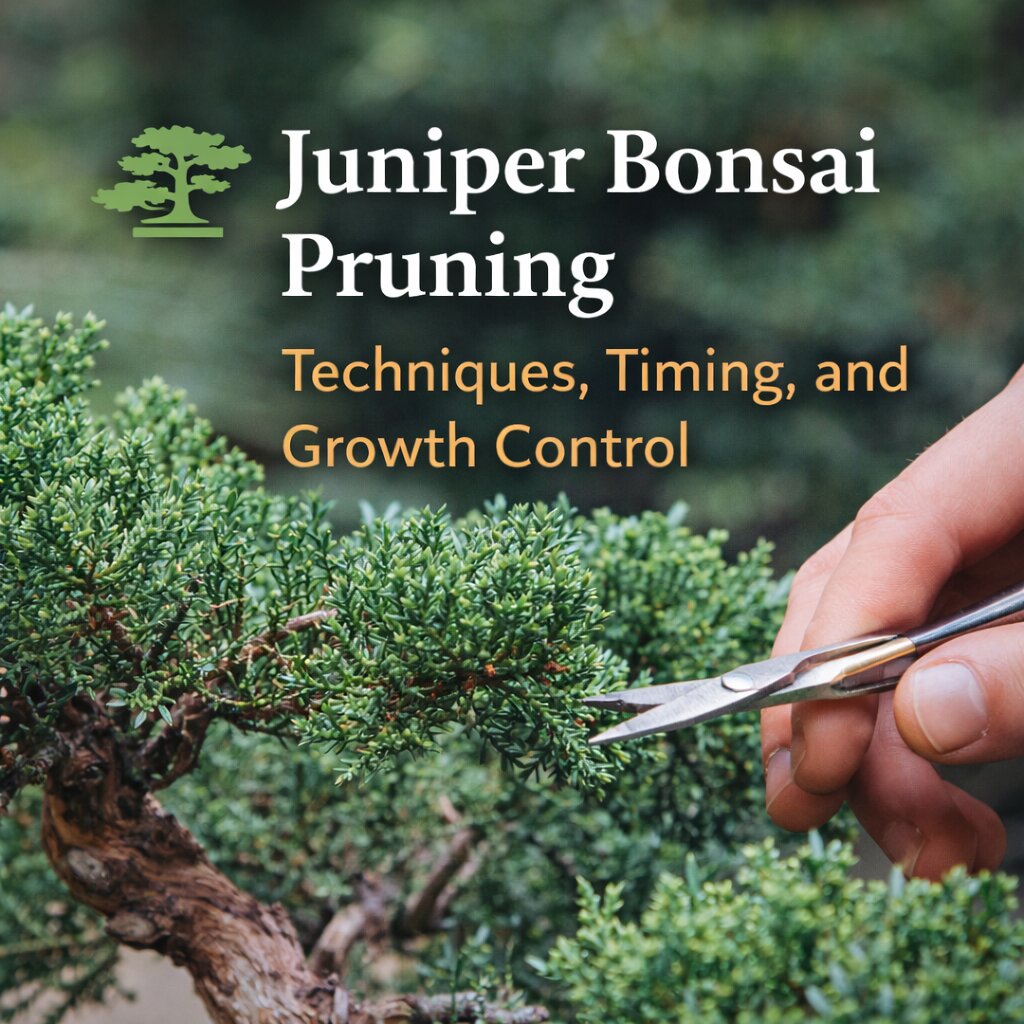
Juniper bonsai pruning is one of the most important skills a bonsai grower can master. Whether you are shaping a young tree or maintaining a refined specimen, proper pruning determines structure, density, and long-term health.
Junipers are vigorous growers, which makes them forgiving for beginners. However, incorrect pruning techniques can weaken branches, reduce foliage vitality, and disrupt the tree’s natural energy balance.
Understanding when and how to prune your juniper bonsai ensures steady development without stressing the tree.
Understanding How Junipers Grow
Before performing juniper bonsai pruning, it’s essential to understand the species’ growth habit. Junipers grow from the tips outward, with energy flowing toward the strongest foliage areas.
If left unmanaged, growth becomes leggy and uneven. Strong outer tips dominate, while interior foliage weakens due to reduced light and airflow.
Pruning helps redirect energy, encourage back-budding, and maintain compact growth — but it must be done strategically rather than aggressively.
Types of Juniper Bonsai Pruning
Juniper bonsai pruning generally falls into three categories: maintenance pruning, structural pruning, and refinement pruning.
Maintenance pruning focuses on controlling new growth throughout the growing season. It keeps the silhouette tidy and prevents the tree from losing its shape.
Structural pruning involves removing thicker branches to establish primary form. This type of pruning is typically done in early spring before strong growth begins.
Refinement pruning is more delicate and targets smaller shoots to improve pad definition and airflow within the canopy.
Each approach serves a different purpose, and timing matters significantly.
When to Prune a Juniper Bonsai
The best time for structural juniper bonsai pruning is early spring, just before active growth accelerates. This allows the tree to recover quickly.
Maintenance pruning can be done throughout the growing season, especially during late spring and summer when growth is strongest.
Avoid heavy pruning during extreme heat or winter dormancy. In hot climates like parts of South Africa, midday stress combined with pruning can weaken the tree.
Observing your specific juniper variety is always better than following a rigid calendar.
Proper Pruning Technique
One of the most common mistakes in juniper bonsai pruning is using scissors to shear foliage like a hedge. This often leaves brown tips and damages scale foliage.
Instead, pinch or selectively cut shoots at natural growth points. Remove overly strong tips to redistribute energy toward interior growth.
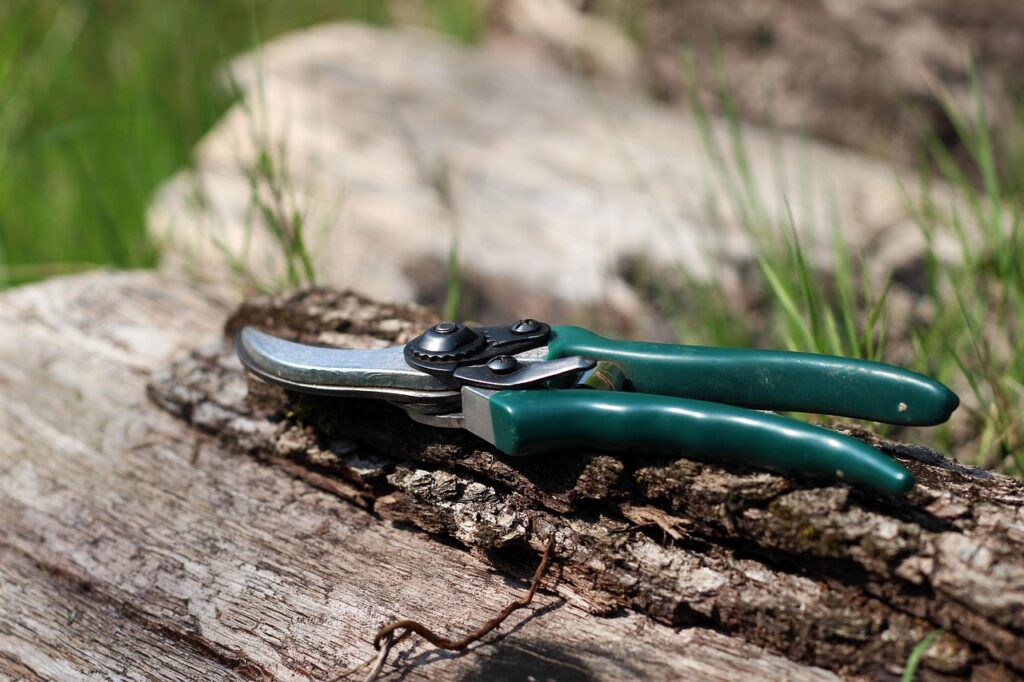
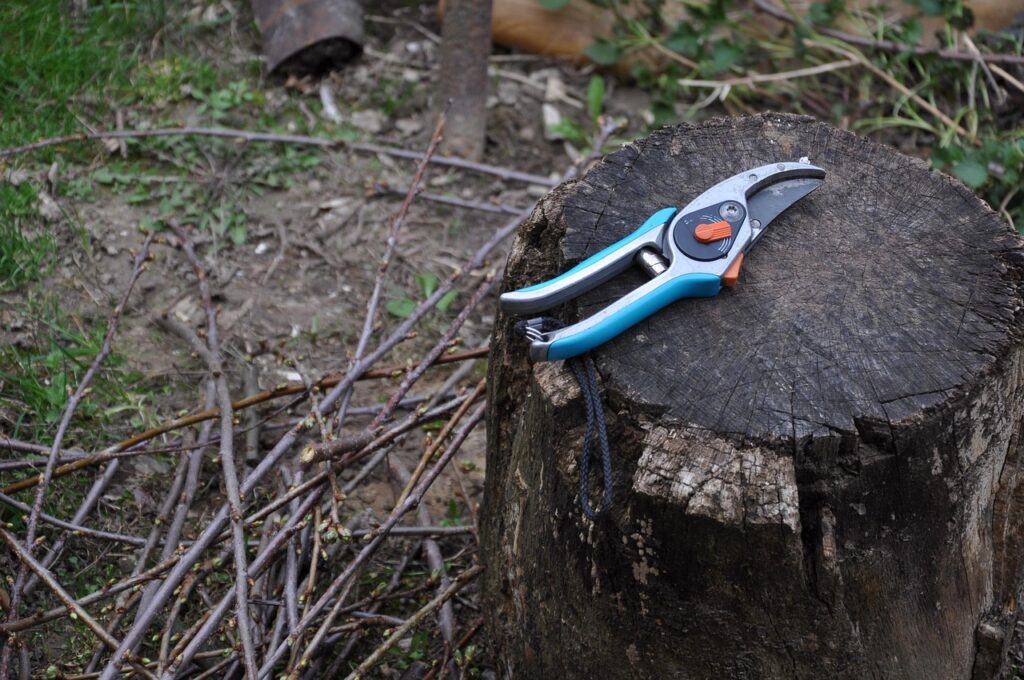
When cutting thicker branches, use clean, sharp bonsai tools and make precise cuts close to the branch collar. Avoid leaving stubs, as they can die back unevenly.
Pruning should enhance structure, not strip the tree bare. Always leave sufficient healthy foliage for energy production.
Step-by-Step: A Quick Juniper Bonsai Pruning Technique
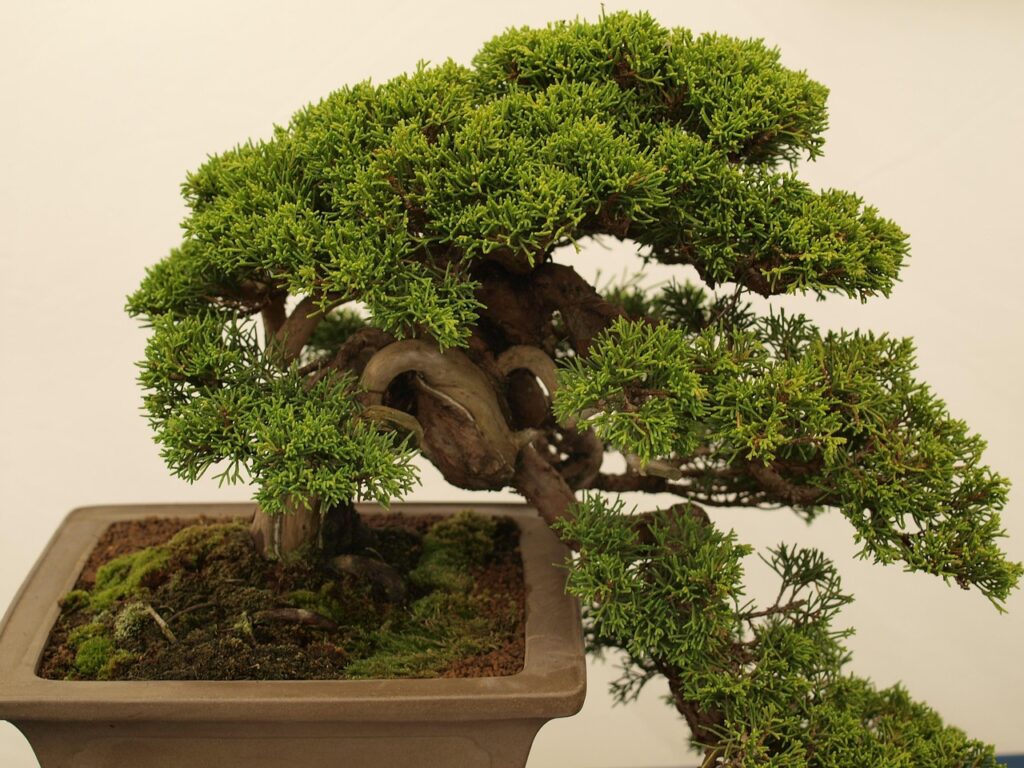
Juniper bonsai pruning gets easier when you follow a repeatable routine. The goal is to tidy the silhouette, protect interior foliage, and keep energy balanced across the tree, without stripping it of its “engine” (healthy green growth).
- Start by studying the outline from the front, sides, and slightly above. Identify what is throwing off the silhouette: long runners, dominant tips, and heavy areas that block light from reaching inside the canopy. Before you cut anything, decide what the tree’s “future line” should be, because random trimming often leads to uneven pads and weak inner growth.
- Next, remove obvious problem growth first. That includes dead twigs, brown interior needles, and weak dangling shoots that will never become part of a pad. This is light cleaning and it immediately improves airflow.
- After that, move on to thinning crowded areas. On each foliage pad, look for spots where multiple shoots are stacked on top of each other. Reduce congestion so light can enter the pad and the interior stays alive.
- Now you can do your energy-balancing cuts. If one area is racing ahead, lightly reduce the strongest tips in that zone. Do not “shear” the entire tree evenly, because junipers do not respond like hedges. Instead, prune with intent: shorten runners back to a natural branching point and keep small, healthy interior shoots where possible.
- Finish by stepping back again to confirm the silhouette is improved, the pads still have enough foliage to photosynthesise, and the tree looks more open rather than “scalped.”
A simple rule that keeps you safe: prune a little, check the shape, then prune a little more. Consistent, moderate sessions beat one heavy pruning session every time.
Species-Specific Juniper Bonsai Pruning
Not all junipers behave the same, and that matters a lot when you’re planning juniper bonsai pruning. Some varieties push vigorous growth quickly and can be maintained more often through the growing season. Others are slower, more sensitive to major cuts, or respond differently depending on whether they have scale foliage, needle foliage, or a mix of both.
Timing can also shift by species and local climate. A juniper that thrives with early-spring structural pruning in one region might prefer a slightly different window in another, especially when heatwaves or very dry periods are common. In warmer conditions, heavy pruning right before intense heat can increase stress and slow recovery. In cooler conditions, late-season pruning may leave tender growth vulnerable.
Junipers also vary in how willingly they back-bud and fill in interior foliage. Some types respond well to careful thinning and tip control, gradually building dense pads. Others need a more conservative approach, protecting interior shoots and avoiding excessive foliage removal that could cause bare patches that take a long time to recover.
Because of these differences, it’s worth treating your tree as an individual rather than assuming every juniper follows the exact same pruning calendar. If you’re unsure about your variety’s ideal pruning rhythm, check our Juniper species bonsai care sheets for more species-specific guidance on timing, growth habits, and refinement tips.
Encouraging Back-Budding and Density
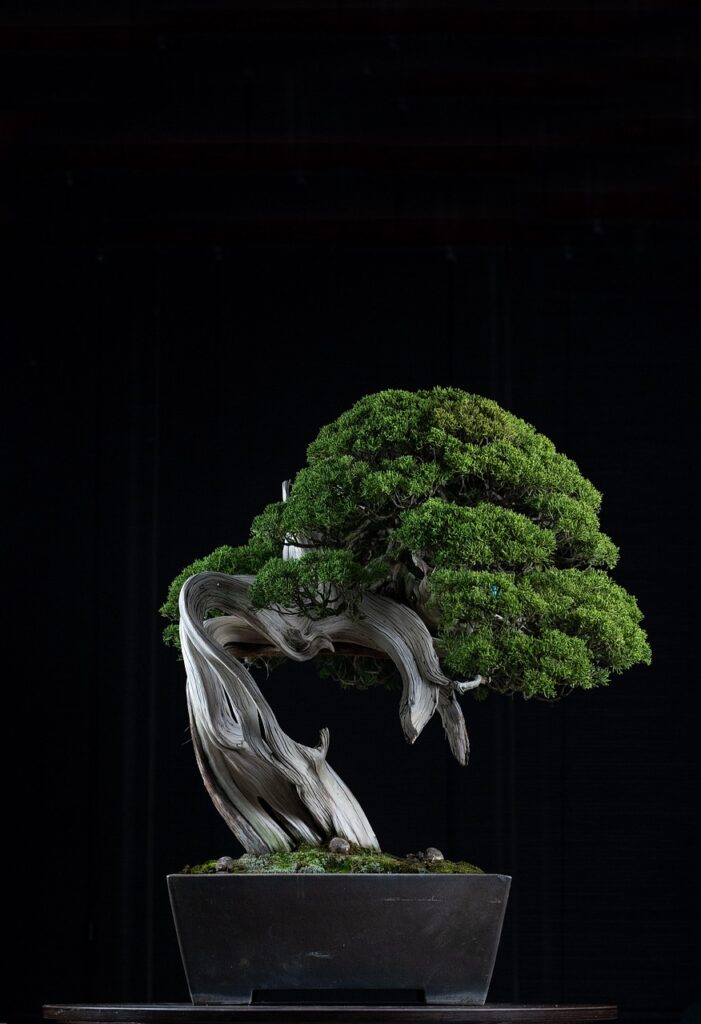
Strategic juniper bonsai pruning encourages interior growth by allowing light and airflow into the canopy. Thinning congested areas improves health and reduces fungal risk.
By slightly reducing dominant outer growth, you signal the tree to push energy inward. Over time, this creates fuller pads and a more refined appearance.
Patience is essential. Junipers respond gradually, and consistent seasonal pruning produces the best results.
Common Mistakes to Avoid
Over-pruning is one of the fastest ways to weaken a juniper bonsai. Removing too much foliage at once reduces the tree’s ability to photosynthesise.
Another mistake is ignoring branch structure while focusing only on silhouette. Bonsai design begins with primary branch placement and trunk movement.
Finally, pruning without considering future styling direction can slow development. Every cut should serve a long-term vision.
Developing Confidence in Juniper Bonsai Pruning
Juniper bonsai pruning is not about constant cutting. It is about controlled shaping, energy management, and thoughtful refinement.
With proper timing and technique, junipers respond well and reward growers with dense, healthy foliage and defined structure.
Mastering pruning transforms a basic juniper into a living sculpture, one carefully shaped season by season.