

Junipers are among the most popular bonsai trees in the world. Their resilience, flexible styling options, and evergreen foliage make them ideal for beginners and experienced growers alike. However, despite their hardy reputation, many junipers decline not because of watering or pruning mistakes, but because of incorrect light exposure.
Understanding juniper bonsai light requirements is essential for long-term health, compact growth, and vibrant foliage. While different species within the genus Juniperus have slightly varied tolerances, there are consistent light principles that apply across the board.
If you want strong structure, healthy colour, and tight foliage pads, light is not optional. It is foundational.
Why junipers are outdoor bonsai
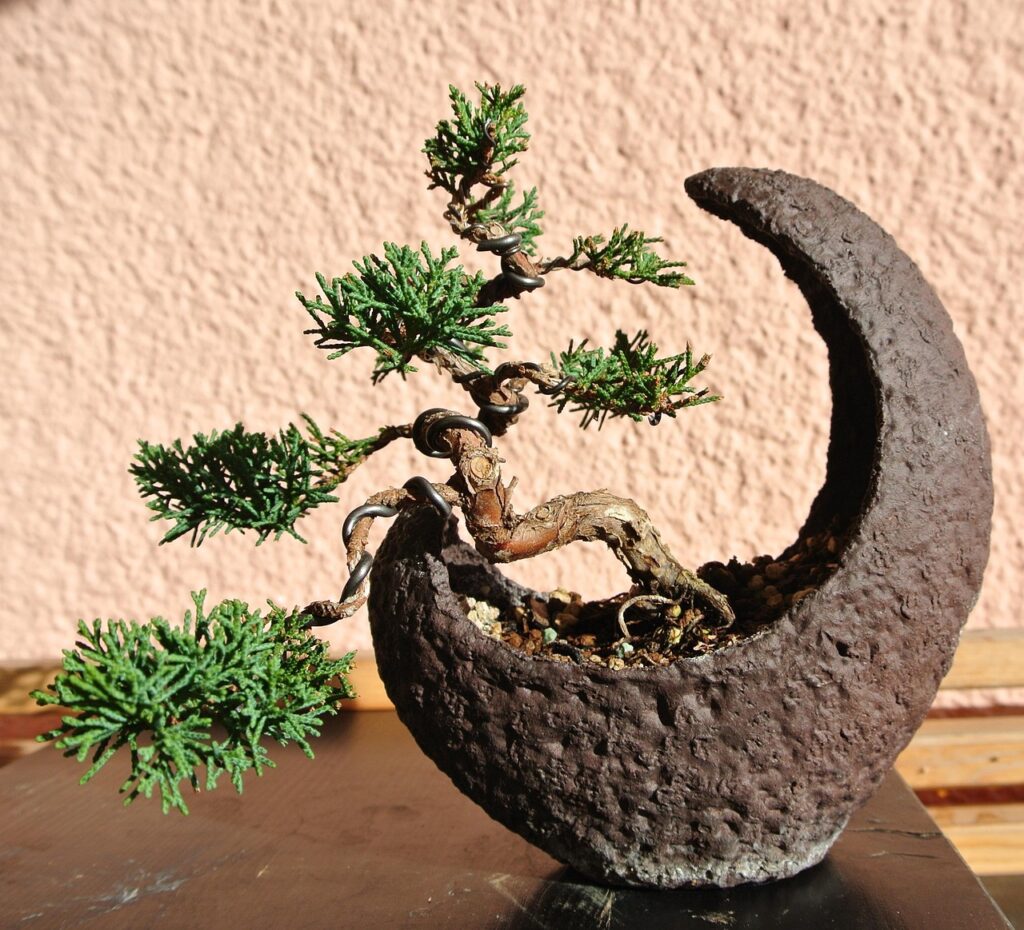
One of the most important facts about juniper bonsai light is this: junipers are outdoor trees. Every species in the genus Juniperus evolved in open environments with strong sun exposure.
Junipers are not houseplants. Even species commonly sold in malls or garden centres require outdoor conditions to thrive. Indoors, light intensity is simply too low, even near bright windows. Over time, insufficient light leads to weak growth, elongated foliage, colour fading, and eventual dieback.
Juniper bonsai light requirements reflect their natural habitats. Many species grow on rocky slopes, coastal cliffs, mountainsides, and open plains. They are accustomed to full sun, wind exposure, and seasonal shifts.
Keeping a juniper indoors long-term almost always results in decline.
General juniper bonsai light requirements
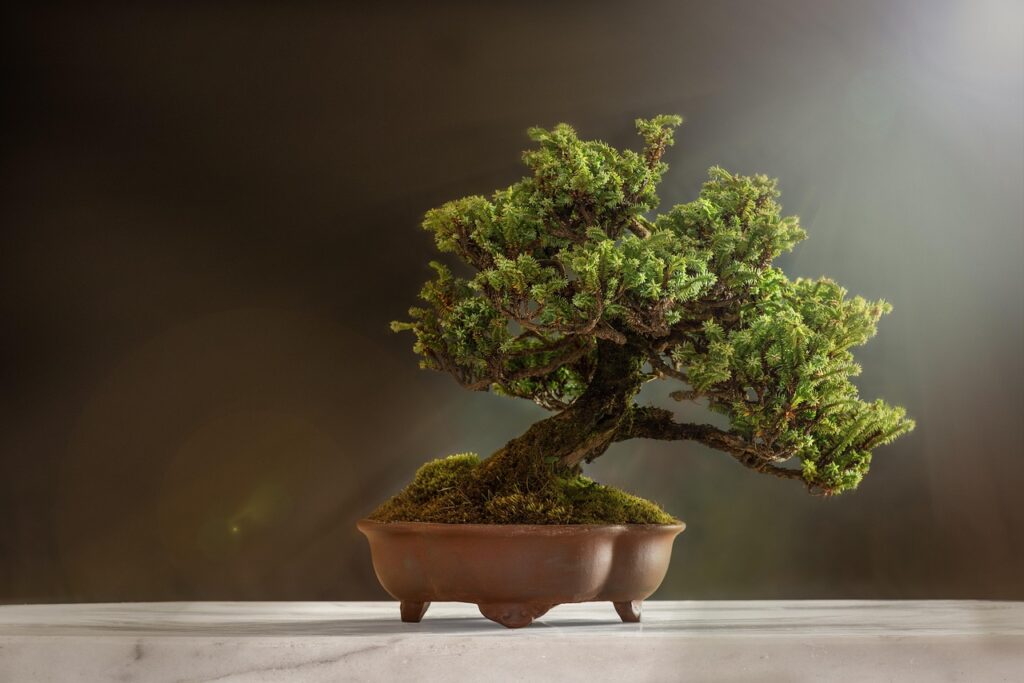
Across the genus, most junipers prefer full sun for at least six hours per day. In many cases, more is better.
Full sun promotes compact foliage, shorter internodes, and strong branch development. It also enhances the natural blue-green or deep green tones many species display.
Morning sun is especially beneficial, as it provides strong light without the extreme heat of late afternoon. In hotter climates, such as parts of South Africa, slight afternoon shade during peak summer may prevent excessive stress, particularly for newly repotted or young trees.
Juniper bonsai light exposure should be consistent. Frequently moving the tree between sun and shade can disrupt growth patterns and weaken energy distribution.
Stable positioning supports healthy development.
Light tolerance differences across juniper species
Although the genus shares broad similarities, there are subtle variations in juniper bonsai light tolerance depending on species.
Mountain species such as those native to high elevations tend to tolerate intense sun and cooler air. These species often thrive in full-day exposure with good airflow.
Coastal species, adapted to wind and salt spray, also handle strong sunlight well. However, they may require careful watering during extremely hot periods to prevent dehydration.
Some prostrate or ground-cover types may tolerate slightly more shade than upright species, particularly in extreme heat. That said, “tolerate” does not mean “prefer”. Reduced light often leads to looser growth.
Across the genus, deep shade is never suitable. Even shade-tolerant junipers require bright indirect light at minimum.
Understanding juniper bonsai light across species allows growers to make small adjustments without compromising overall health. You can check more details on our curated list of Juniper bonsai species care sheets!
Signs of insufficient light
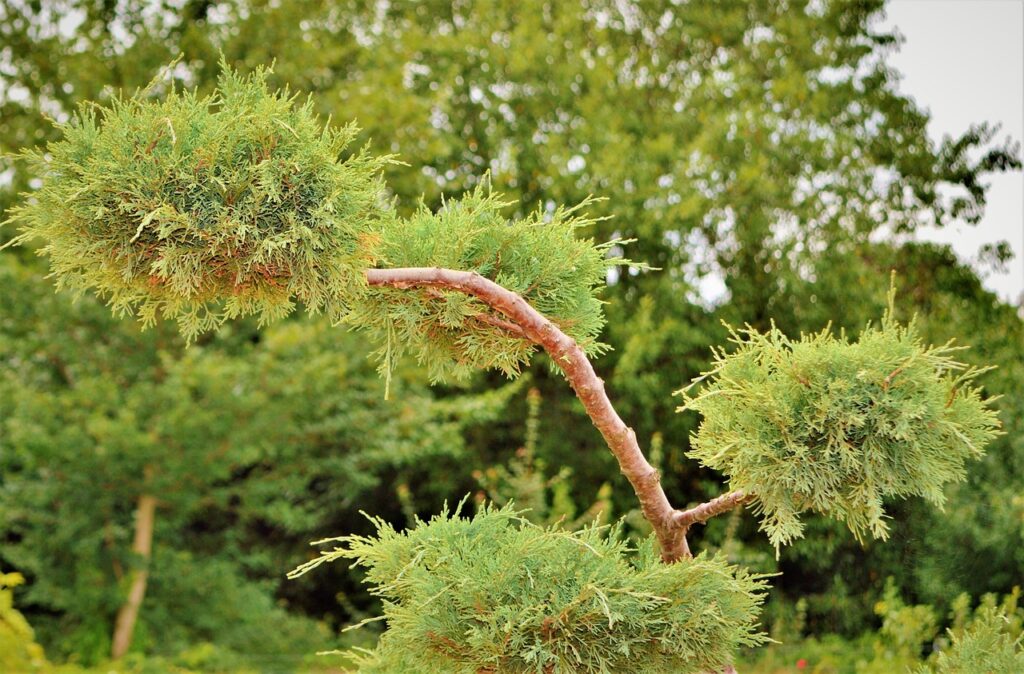
When juniper bonsai light exposure is too low, the symptoms are subtle at first but become serious over time.
Foliage may lose its rich green or blue tint and appear dull or yellowish. Growth becomes elongated and less compact. Inner branches begin to weaken due to lack of energy distribution. Eventually, interior dieback may occur.
Unlike some broadleaf bonsai, junipers do not easily recover from prolonged low-light conditions. Damage accumulates slowly but can become irreversible.
Many beginners mistake this decline for watering problems, but the underlying issue is often inadequate sun exposure.
Correcting juniper bonsai light conditions early can prevent long-term structural damage.
Managing light in hot climates
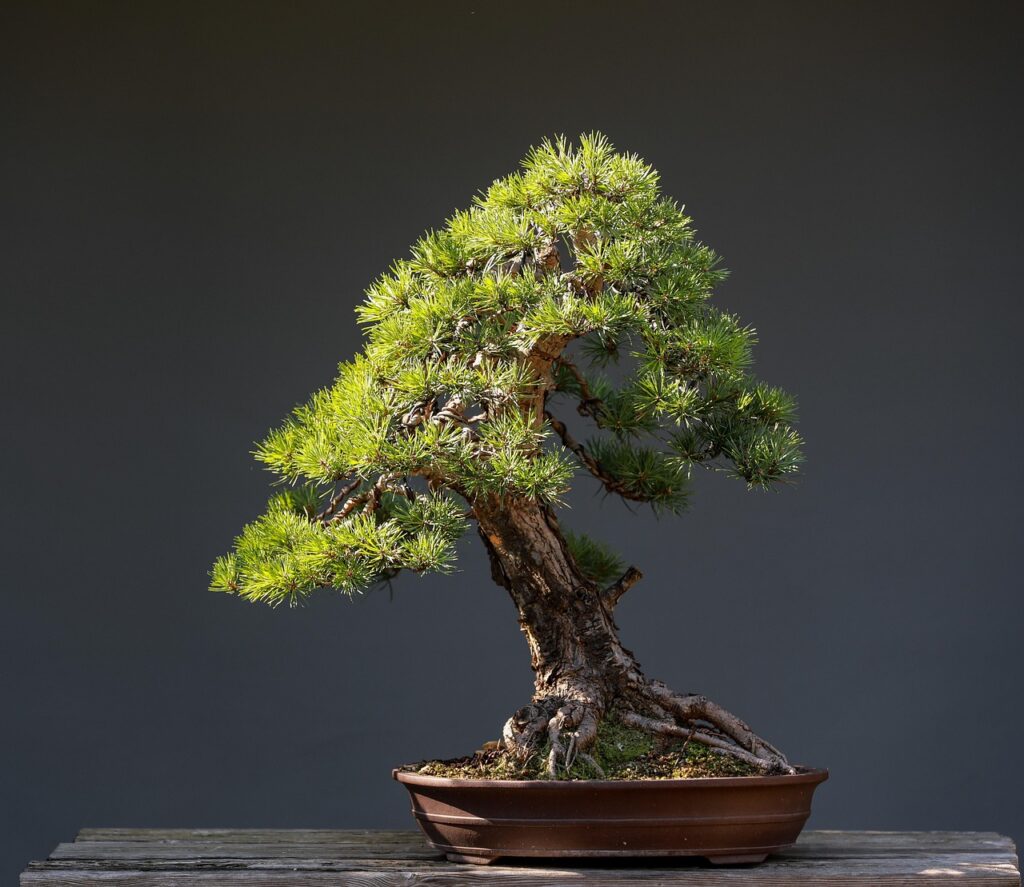
In regions with intense summer heat, such as Cape Town and other parts of South Africa, full midday sun can sometimes stress bonsai in shallow pots.
The solution is not to move the tree indoors, but to manage exposure intelligently.
Providing strong morning sun and light afternoon shade during peak heat can protect foliage while maintaining sufficient energy production. Shade cloth may be used during extreme heatwaves, particularly for recently repotted trees.
However, long-term heavy shading reduces vigour. Juniper bonsai light should still remain bright and dominant for most of the day.
Good airflow is equally important. Strong sun combined with stagnant air increases stress. Outdoor placement with natural breeze improves resilience.
Seasonal changes in light requirements
Junipers are evergreen, but their growth patterns shift seasonally. During active growth in spring and summer, strong light supports dense foliage development.
In autumn and winter, light intensity naturally decreases. While growth slows, junipers still require outdoor exposure to experience seasonal temperature cycles.
Reduced winter light is not a problem as long as trees remain outdoors. In fact, seasonal variation strengthens the tree’s natural rhythm.
Juniper bonsai light in winter should not involve bringing the tree indoors “to protect it”. Most species are frost tolerant, especially when roots are insulated appropriately.
Seasonal light exposure supports overall health and long-term structural strength.
Positioning your juniper for optimal light
The ideal placement for juniper bonsai light is a stable outdoor location that receives consistent sun throughout the year.
A south-facing position (in the southern hemisphere) typically provides strong exposure. Avoid placing junipers under large trees, balconies, or permanent shade structures.
Rotating the bonsai slightly every few weeks can promote even growth, especially if light is stronger from one direction. However, frequent relocation across vastly different conditions should be avoided.
If you are growing multiple juniper species, observe how each responds to light. Slight adjustments can be made based on foliage density, colour intensity, and seasonal performance.
Observation is one of the most powerful tools in bonsai cultivation.
Light as the foundation of juniper health
Juniper bonsai light requirements are simple in principle but critical in practice. Full sun, outdoor placement, and seasonal exposure form the foundation of healthy growth.
Across the genus Juniperus, strong light supports compact foliage, rich colour, structural strength, and resilience. Insufficient light, on the other hand, weakens the tree from the inside out.
Before adjusting watering schedules or fertiliser routines, always assess light conditions first. In many cases, improving sun exposure resolves underlying issues.
Understanding juniper bonsai light across species ensures your trees remain vigorous, balanced, and true to their natural character.
Strong light builds strong bonsai.