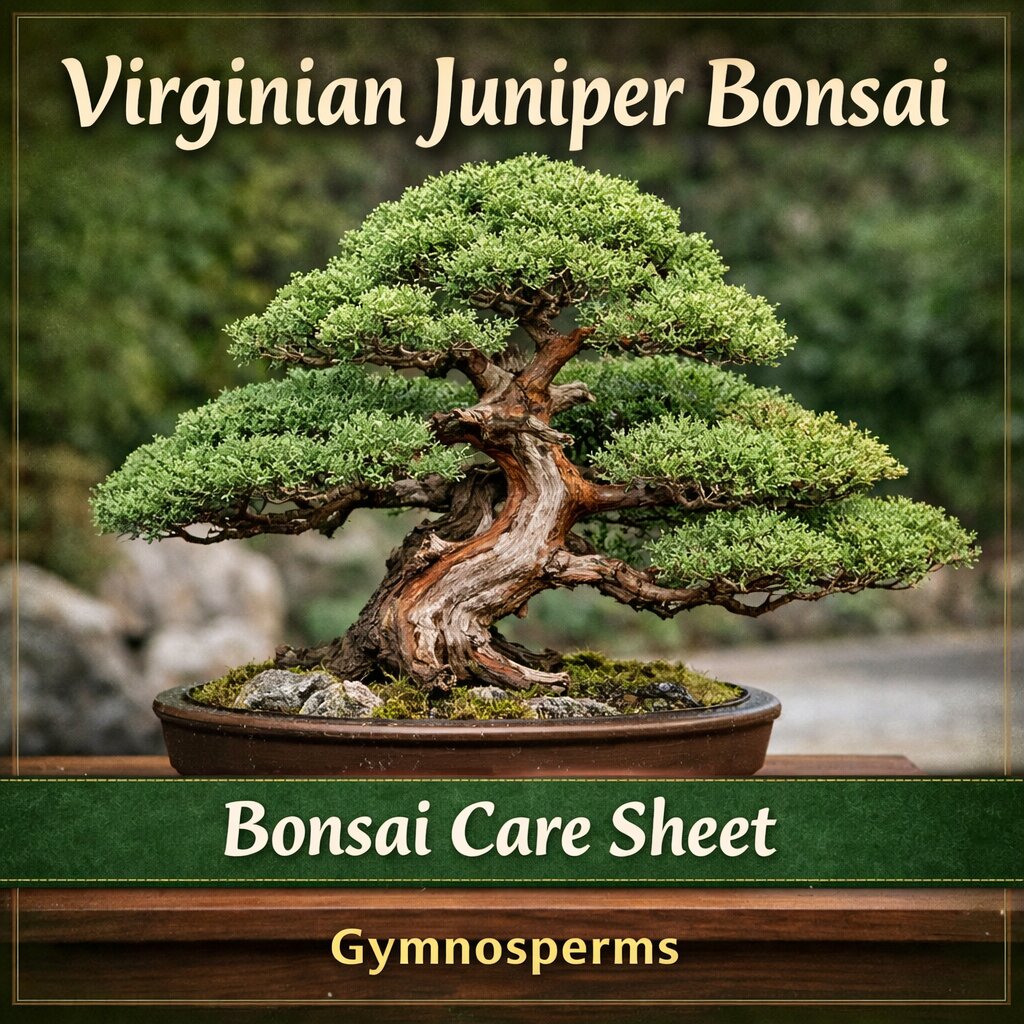
The Virginian juniper bonsai is a hardy and adaptable species that appeals to both beginner and experienced bonsai enthusiasts. Native to North America, Juniperus virginiana is widely known as Eastern Red Cedar and is valued for its rugged growth habit, textured bark and naturally elegant branching structure. When cultivated as a Virginian juniper bonsai, the tree develops the classic windswept or upright forms that many bonsai artists strive to achieve.
One of the reasons the Virginian juniper bonsai is so popular is its resilience. This species tolerates a wide range of environmental conditions, including heat, cold and periods of drought. In bonsai cultivation, this makes it a forgiving tree that can adapt well to different climates and care routines. At the same time, its naturally dense foliage and twisting trunk characteristics make it an excellent candidate for creative styling.
Growing a Virginian juniper bonsai also offers an opportunity to work with a species that has strong natural character. The bark becomes rough and fibrous with age, while the foliage transitions between juvenile needle-like leaves and mature scale-like growth. With careful pruning, wiring and proper care, a Virginian juniper bonsai can develop into a striking miniature tree that reflects the rugged beauty of its wild counterparts.
In this care sheet, we explore how to grow and maintain a healthy Virginian juniper bonsai, including its sunlight requirements, watering needs, soil preferences, pruning techniques and general maintenance tips.
Table of Contents
TL:DR Quick Virginian Juniper Bonsai Care Overview
The Virginian juniper bonsai is a hardy evergreen conifer known for its rugged bark, adaptable growth habit and tolerance for a range of climates. Native to North America, Juniperus virginiana adapts well to bonsai cultivation and can develop dramatic trunks and well-defined foliage pads over time. With proper sunlight, well-draining soil and careful pruning, a Virginian juniper bonsai can remain healthy and visually striking for many years.
| Care aspect | Virginian Juniper Bonsai |
|---|---|
| Scientific name | Juniperus virginiana |
| Common name | Virginian Juniper, Eastern Red Cedar |
| Bonsai type | Evergreen conifer |
| Light | Full sun. Requires strong direct sunlight for dense foliage and healthy growth. |
| Watering | Fast-draining bonsai soil mix such as akadama, pumice and lava rock. Slightly acidic to neutral soil preferred. |
| Soil | Fast draining bonsai soil mix such as akadama, pumice and lava rock. Slightly acidic to neutral soil preferred. |
| Fertiliser | Balanced fertiliser such as 10-10-10 during spring and summer. Reduce feeding in late autumn and winter. Avoid heavy feeding during extreme heat. |
| Pruning | Regular pinching and trimming to maintain foliage pads. Structural pruning during active growing seasons. Avoid heavy pruning during winter dormancy. |
| Wiring | Wire in spring or early autumn. Monitor regularly as branches thicken to avoid bark scarring. |
| Difficulty | Easy to moderate. Suitable for beginners with basic bonsai care knowledge. |
| Rarity | Moderately available. Found in bonsai nurseries and often collected or cultivated in North America. |
| Climate sensitivity | Prefers temperate climates. Tolerates heat, drought and cold but protect from prolonged extreme frost in containers. |
| Growth habit | Water thoroughly, then allow the soil to partially dry before watering again. Avoid constantly wet soil. Moderately drought-tolerant once established. |
Virginian Juniper Bonsai Care Guide
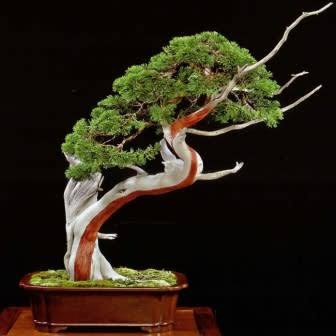
The Virginian juniper is valued for its durability, rugged bark and naturally elegant growth patterns. Native to North America, Juniperus virginiana thrives in a wide range of climates and adapts well to bonsai cultivation when given the right conditions. As a bonsai specimen, the Virginian juniper bonsai can develop dense foliage pads, twisted trunks and dramatic shapes that resemble ancient trees growing in harsh landscapes.
One of the greatest strengths of the Virginian juniper is its resilience. This species tolerates drought, wind and temperature fluctuations better than many other bonsai trees. However, proper care is still essential to maintain healthy foliage and balanced growth. Consistent sunlight, well-draining soil and careful pruning are key to keeping a Virginian juniper bonsai vigorous and visually appealing.
With thoughtful maintenance and patience, a Virginian juniper bonsai can mature into a striking miniature tree that captures the rugged beauty of wild junipers. The following care guide outlines the essential practices for maintaining a healthy and well-styled bonsai specimen.
Light
A Virginian juniper bonsai requires full sunlight to maintain compact foliage and strong growth. Ideally, the tree should receive several hours of direct sunlight each day. Adequate light encourages dense foliage pads and prevents weak, elongated growth.
Growing a Virginian juniper bonsai indoors is generally not recommended. Junipers require outdoor conditions to thrive, including seasonal temperature changes and strong natural light. Placing the tree in an open, sunny position such as a balcony, garden bench or bonsai display area is ideal.
If the Virginian juniper bonsai receives insufficient light, the foliage may become sparse and the tree may lose its characteristic compact form. Ensuring consistent sunlight is therefore one of the most important aspects of maintaining a healthy bonsai.
Watering
Watering a Virginian juniper correctly is essential for maintaining healthy roots and foliage. The soil should be watered thoroughly until moisture drains from the bottom of the pot. After watering, allow the top layer of soil to dry slightly before watering again.
Overwatering is one of the most common problems when caring for a Virginian juniper bonsai. Constantly wet soil can lead to root rot and weaken the tree over time. A well-draining soil mix helps prevent this issue.
During hot weather, a Virginian juniper bonsai may require more frequent watering due to increased evaporation. In cooler seasons, watering should be reduced to match the tree’s slower growth and lower moisture requirements.
Pruning
Regular pruning helps maintain the shape and density of a Virginian juniper bonsai. Light trimming encourages the development of foliage pads and prevents branches from becoming overly long or unbalanced.
Pinching new growth is often preferred when working with a Virginian juniper bonsai. This technique removes tender tips while preserving the overall structure of the branch. It also helps maintain a compact and refined appearance.
Structural pruning can be performed during the active growing season. When shaping a Virginian juniper bonsai, avoid removing large amounts of foliage at once, as junipers may struggle to recover from aggressive pruning.
Shaping
The natural growth habit of a Virginian juniper bonsai makes it suitable for several classic bonsai styles. Informal upright, windswept and cascade forms are particularly popular because they complement the species’ rugged character.
Shaping a Virginian juniper bonsai often involves selective pruning combined with wiring. The goal is to create well-defined foliage pads and an open branch structure that reveals the trunk.
Patience is essential when shaping a Virginian juniper bonsai. Gradual adjustments over multiple growing seasons produce more natural and balanced results than attempting drastic changes in a short period.
Soil
A well-draining soil mix is essential for a healthy Virginian juniper bonsai. Junipers dislike waterlogged soil, so the substrate should allow excess water to drain quickly while still retaining enough moisture for root health.
A common soil mixture for a Virginian juniper bonsai includes akadama, pumice and lava rock. This combination provides good drainage while supporting root development.
The slightly acidic to neutral soil conditions preferred by a Virginian juniper bonsai help maintain healthy roots and steady growth. Regularly refreshing the soil during repotting helps prevent compaction and nutrient depletion.
Repotting
Repotting a Virginian juniper bonsai allows the roots to remain healthy and prevents the soil from becoming compacted over time. Most junipers benefit from repotting every two to four years depending on the tree’s age and growth rate.
The best time to repot a Virginian juniper bonsai is during early spring, just before the active growing season begins. This timing allows the tree to recover quickly and establish new roots.
During repotting, gently trim overly long roots and replace the old soil with a fresh bonsai mix. Careful root management helps maintain the compact root system required for a well-balanced Virginian juniper bonsai.
Wiring
Wiring is commonly used to guide the shape of a Virginian juniper bonsai. Aluminium or copper bonsai wire can be wrapped around branches to gently position them into the desired form.
The best time to wire a Virginian juniper bonsai is during spring or early autumn when the branches remain flexible. Regularly check the wire to ensure it does not cut into the bark as the branches thicken.
If wiring marks begin to appear, the wire should be removed promptly. Careful monitoring helps maintain the natural beauty of the Virginian juniper bonsai while shaping its structure.
Fertiliser
Fertilising a Virginian juniper bonsai supports steady growth and healthy foliage. A balanced fertiliser such as a 10-10-10 formulation can be applied during the active growing season.
Feeding a Virginian juniper bonsai during spring and summer encourages vigorous growth and helps maintain vibrant foliage. Fertiliser should be applied at moderate levels to avoid excessive growth that may disrupt the tree’s shape.
During late autumn and winter, fertilising a Virginian juniper bonsai should be reduced or paused as the tree enters a slower growth phase.
Propagation
Propagation of a Virginian juniper bonsai is commonly done through cuttings. Semi-hardwood cuttings taken during the growing season can root successfully when placed in well-draining soil.
Growing a new Virginian juniper bonsai from cuttings requires patience, as the rooting process may take several months. Consistent moisture and indirect sunlight help improve the chances of success.
Propagation also allows bonsai enthusiasts to develop multiple Virginian juniper bonsai trees with similar characteristics, making it easier to experiment with different styling approaches.
Seasonal Care
Seasonal changes influence how a Virginian juniper bonsai should be maintained. During spring and summer, the tree experiences its most active growth and requires regular watering, fertilising and pruning.
In autumn, growth slows, and maintenance should gradually decrease. A Virginian juniper bonsai may develop richer foliage tones as temperatures begin to drop.
Winter care for a Virginian juniper bonsai focuses on protection from extreme freezing temperatures. While the species is cold-hardy, container-grown bonsai may require shelter or insulation during severe frost.
Pests
A Virginian juniper bonsai is generally resilient but can occasionally be affected by pests. Common issues include spider mites, scale insects and aphids.
Regular inspection of foliage and branches helps detect pest problems early. If pests appear on a Virginian juniper bonsai, they can often be controlled using insecticidal soap or horticultural oils.
Maintaining strong plant health through proper care is one of the best ways to reduce pest problems in a Virginian juniper bonsai.
Diseases
Diseases affecting a Virginian juniper bonsai are often related to poor drainage or excess moisture. Root rot is one of the most common problems caused by waterlogged soil.
Fungal issues may also occur if the Virginian juniper bonsai is kept in overly humid or poorly ventilated conditions. Good airflow and well-draining soil help prevent these problems.
By maintaining proper watering practices and ensuring healthy growing conditions, most diseases affecting a Virginian juniper bonsai can be avoided.
How to Identify a Virginian Juniper Bonsai
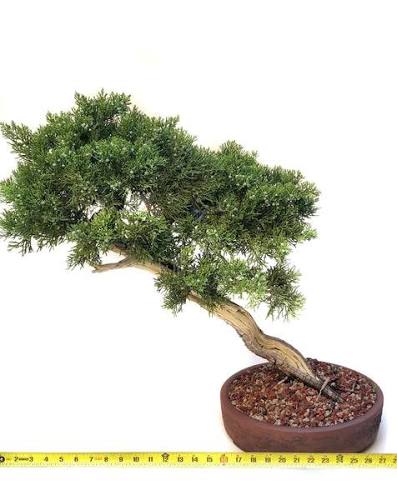
Identifying a Virginian juniper bonsai involves examining several distinctive characteristics, including its foliage, bark, berries and overall growth pattern. Juniperus virginiana, commonly known as Eastern Red Cedar, has unique botanical traits that make it easier to distinguish from other juniper species often used in bonsai cultivation.
While many junipers share similar needle-like foliage and evergreen growth habits, the Virginian juniper bonsai has several identifying features that become more pronounced as the tree matures. These include its scale-like foliage, fibrous reddish bark and small berry-like cones that develop on female trees.
Understanding how to identify a Virginian juniper bonsai helps bonsai growers confirm the species they are working with and ensures that the correct care techniques are applied. The following identification features highlight the key traits that distinguish this species from other juniper bonsai varieties.
Leaf Identification
The foliage of a Virginian juniper bonsai can appear in two forms depending on the age and growth stage of the tree. Younger growth typically produces needle-like leaves, while mature branches develop tightly packed scale-like foliage.
Juvenile foliage consists of short, pointed needles that grow in pairs or clusters along the stems. As the tree matures, the Virginian juniper bonsai transitions to scale foliage that lies flat against the branchlets, creating a denser and more compact appearance.
The foliage colour typically ranges from deep green to slightly bluish green depending on environmental conditions. In colder climates, a Virginian juniper bonsai may develop subtle bronze or purplish tones during winter.
Flower Gallery
Like most junipers, the Virginian juniper bonsai does not produce showy flowers. Instead, it forms small reproductive structures known as cones. These cones are often mistaken for flowers due to their location at the tips of branches.
Male trees produce small pollen cones that release yellow pollen during the spring season. Female trees develop seed cones that later mature into the berry-like fruits characteristic of the species.
Because these structures are small and subtle, they are rarely a visual highlight of a Virginian juniper bonsai, but they are important indicators when identifying the tree’s reproductive cycle.
Fruit Identification
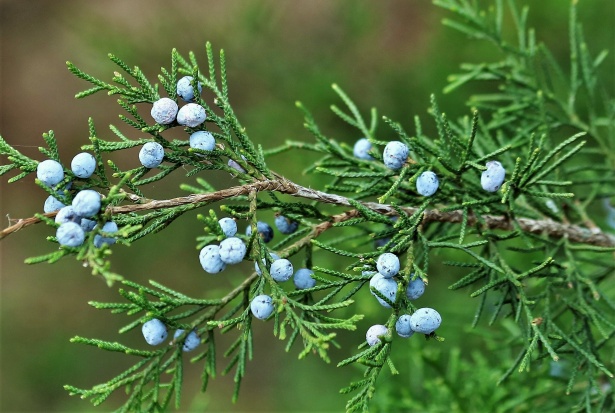
One of the most distinctive features of a Virginian juniper bonsai is its berry-like fruit. These small blue cones resemble berries and are commonly referred to as juniper berries.
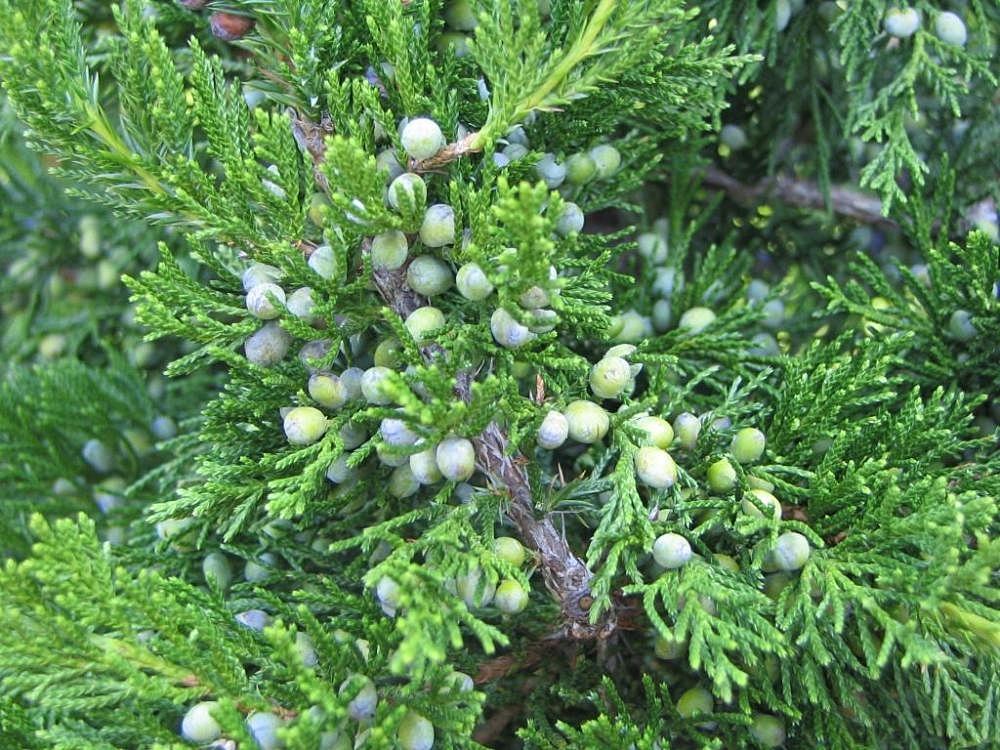
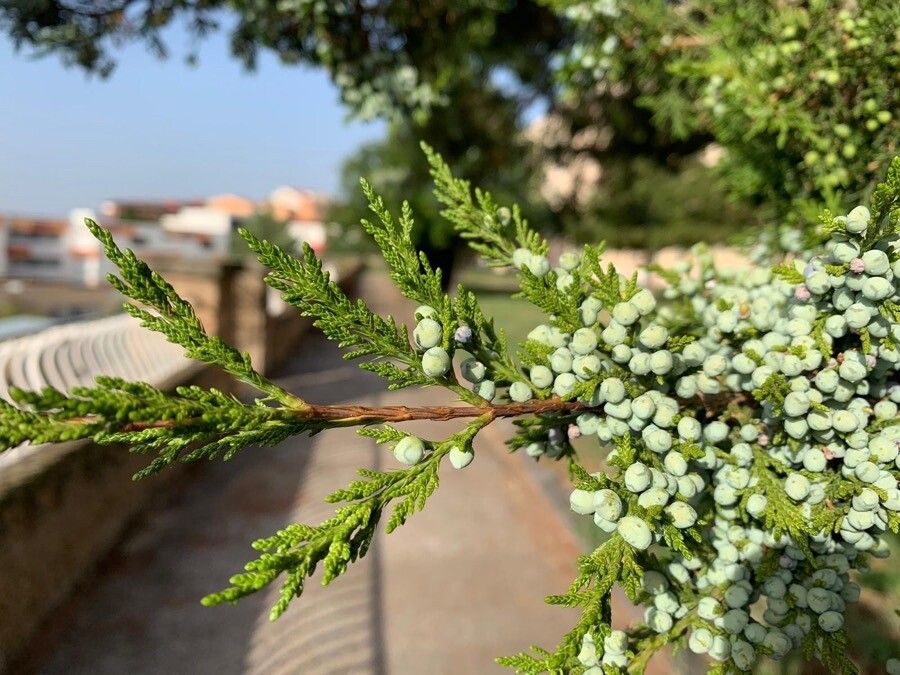
The fruits of a Virginian juniper bonsai begin as green cones before maturing into bluish or purple berries with a powdery coating. Each fruit typically contains one to three seeds.
These berries are produced only on female trees and can remain on the branches for several months. Their colour and shape provide a useful visual clue when identifying a Virginian juniper bonsai.
Seeds and Pods
The berry-like cones of the Virginian juniper bonsai contain the seeds that allow the species to reproduce naturally. Inside each fruit are small, hard seeds protected by the fleshy outer layer.
These seeds are often dispersed by birds and wildlife that consume the berries and spread the seeds through their droppings. This natural dispersal method helps Juniperus virginiana spread across its native habitat.
For bonsai enthusiasts interested in propagation, seeds collected from a Virginian juniper bonsai can be germinated under controlled conditions. However, growing from cuttings is usually the preferred propagation method for bonsai cultivation.
Bark Textures
The bark of a Virginian juniper bonsai becomes one of its most attractive features as the tree matures. Young trees typically have smoother bark, but over time, the bark develops a fibrous texture that peels in thin vertical strips.
The colour of the bark often ranges from reddish brown to grey brown, which gives the tree its common name, Eastern Red Cedar. This textured bark contributes greatly to the aged appearance that bonsai artists seek to create.
As the Virginian juniper bonsai grows older, the bark becomes more rugged and visually dramatic. Combined with the tree’s twisting branches and dense foliage pads, this bark texture helps create the impression of an ancient tree growing in miniature form.
Bonsai Styles Suited to Virginian Juniper Bonsai
The Virginian juniper bonsai is highly valued for its natural character, flexible branches and rugged bark, which make it suitable for a variety of traditional bonsai styles. In nature, Juniperus virginiana often grows in harsh environments where wind, drought and rocky soil influence its shape. These natural growth patterns translate beautifully into bonsai forms that emphasise movement, age and resilience.
Because the Virginian juniper bonsai develops twisting trunks, dense foliage pads and textured bark over time, it can be styled into both upright and dramatic cascading forms. Bonsai artists often work with the tree’s natural structure rather than forcing rigid shapes, allowing the design to evolve gradually as the tree matures.
When selecting a style for a Virginian juniper bonsai, it is helpful to observe the trunk movement, branch placement and natural lean of the tree. These features often suggest which bonsai style will look most natural and balanced.
Several traditional bonsai styles work particularly well with the Virginian juniper bonsai:
- Informal upright (Moyogi) – One of the most common styles for this species. The trunk gently curves upward while branches alternate along the trunk, creating a natural and balanced appearance.
- Windswept (Fukinagashi) – This style mimics trees growing in strong coastal winds. The branches of a Virginian juniper bonsai are trained in one direction, giving the impression of constant wind exposure.
- Cascade (Kengai) – Ideal for trees with strong downward movement. In this style, the trunk and branches flow below the rim of the bonsai pot, resembling trees growing over cliffs.
- Semi-cascade (Han-kengai) – Similar to cascade but less dramatic. The trunk descends below the pot rim while maintaining some upward structure.
- Slanting (Shakan) – The trunk grows at an angle rather than straight upward, creating a dynamic and natural look often seen in trees exposed to strong environmental forces.
Each of these styles highlights the natural strength and character of the Virginian juniper bonsai. With careful pruning, wiring and patience, the tree can gradually develop into a miniature landscape that reflects the rugged beauty of its wild counterparts.
Symbolism and Cultural Significance
The Virginian juniper bonsai carries symbolic meaning rooted in both the natural characteristics of the species and the traditions of bonsai cultivation. Juniper trees have long been associated with endurance, protection and resilience. Because they often grow in harsh environments such as rocky hillsides, dry plains and exposed coastal regions, they are seen as symbols of strength and survival against difficult conditions.
In bonsai culture, the Virginian juniper bonsai represents patience and longevity. Like many juniper species used in bonsai, it grows slowly and gradually develops textured bark, twisted trunks and refined foliage pads over many years. This long development process reflects the philosophy of bonsai itself, where careful attention and time transform a young tree into a living work of art.
The species also holds cultural significance in its native regions of North America. Juniperus virginiana, commonly known as Eastern Red Cedar, has historically been valued for its aromatic wood, which was used for tools, chests and construction. Indigenous communities and early settlers also used parts of the tree for medicinal purposes and traditional crafts.
Within bonsai collections, the Virginian juniper bonsai often symbolises endurance, protection and the passage of time. Its rugged bark and weathered appearance evoke the image of ancient trees that have survived centuries of changing landscapes. For many bonsai enthusiasts, cultivating a Virginian juniper bonsai becomes a reflection of nature’s resilience and the quiet beauty that develops through patience and care.
Companion Plants and Wildlife Attraction
Growing a Virginian juniper bonsai can be enhanced by surrounding it with carefully selected companion plants. These plants help create a miniature landscape effect while also supporting beneficial wildlife. Mosses, small flowers and herbs can complement the visual appeal of a Virginian juniper bonsai, while certain plant combinations may attract insects, birds and pollinators that contribute to a balanced garden ecosystem.
When selecting companion plants for a Virginian juniper bonsai, it is important to choose species that thrive in similar conditions. Since junipers prefer full sunlight and well-draining soil, companion plants should tolerate similar growing environments. Low growing plants work best, as they maintain the visual scale of the bonsai without overwhelming it.
Below are some companion plant categories that pair well with a Virginian juniper bonsai and offer opportunities for future articles and internal linking.
Moss
Moss is one of the most traditional companion elements used with bonsai trees. It helps create the appearance of an aged landscape while also retaining some moisture around the soil surface. Moss can soften the visual transition between the bonsai container and the surrounding environment.
Several moss varieties work well alongside a Virginian juniper bonsai, especially those that tolerate sunlight and well-drained soil conditions. These mosses can help create a natural forest-floor appearance around the base of the tree.
Examples include:
These moss varieties can be used to create a miniature ground cover that enhances the presentation of a Virginian juniper bonsai while adding texture and visual depth.
Flowers
Low-growing flowering plants can add colour and seasonal interest to the display of a Virginian juniper bonsai. Small flowering species help maintain the scale of a bonsai composition while creating the impression of a natural landscape.
When selecting flowers to grow near a Virginian juniper bonsai, choose species that tolerate full sun and relatively dry conditions. These plants should remain compact and not compete heavily with the bonsai tree for resources.
Examples of suitable flowering companions include:
- Creeping Thyme
- Alpine Aster
- Rock Cress
- Dwarf Dianthus
These plants produce delicate blooms that complement the rugged character of a Virginian juniper bonsai without distracting from the tree itself.
Herbs
Certain herbs can also work well as companion plants around a Virginian juniper bonsai, especially when grown in garden displays or larger bonsai arrangements. Many herbs prefer sunny conditions and well-draining soil, which aligns with the growing preferences of junipers.
Herbs also bring fragrance and additional visual texture to the bonsai setting. Their small leaves and natural growth forms can complement the appearance of a Virginian juniper bonsai while creating a more dynamic miniature landscape.
Examples of herbs that pair well with bonsai displays include:
- Thyme
- Oregano
- Lavender
- Sage
These herbs remain relatively compact and thrive in the same sunny conditions that a Virginian juniper bonsai prefers.
Wildlife Attraction
A Virginian juniper bonsai can also play a small role in supporting wildlife within a garden ecosystem. In nature, Juniperus virginiana produces berry-like cones that provide food for birds and other animals.
While bonsai specimens may not always produce large quantities of fruit, the presence of companion plants and surrounding vegetation can still attract beneficial wildlife. Pollinators and birds can add life and activity to a garden environment.
Plants that help attract wildlife near a Virginian juniper bonsai include:
- Bee Balm
- Black-Eyed Susan
- Coneflower
- Butterfly Bush
These plants attract pollinators such as bees and butterflies, creating a lively and balanced environment around the bonsai display. Over time, combining these plants with a Virginian juniper bonsai can help create a miniature ecosystem that reflects the natural habitats where junipers grow in the wild.
Care Summary and Practical Notes
The Virginian juniper is a resilient and rewarding species that responds well to consistent care and patient styling. As a hardy evergreen conifer, it thrives in outdoor environments where it can receive full sunlight, seasonal temperature changes and good air circulation. When grown under the right conditions, a Virginian juniper bonsai develops dense foliage, rugged bark and elegant branching that make it an excellent subject for bonsai cultivation.
Maintaining a healthy Virginian juniper begins with proper placement. This species performs best in bright, sunny locations where it receives several hours of direct sunlight each day. Strong light encourages compact foliage and prevents weak growth. Indoor growing conditions rarely provide the intensity of light required for long-term health, so the Virginian juniper bonsai should be kept outdoors whenever possible.
Water management is another important aspect of care. The soil should be allowed to partially dry between watering sessions to prevent root rot. A well-draining bonsai soil mixture ensures that excess moisture does not accumulate around the roots. With the correct watering routine, a Virginian juniper bonsai can remain vigorous and resistant to many common problems.
Regular maintenance also helps preserve the tree’s shape and overall health. Light pruning and pinching encourage dense foliage pads, while occasional wiring allows branches to be positioned into natural bonsai forms. Because the Virginian juniper grows gradually, shaping is best done slowly over multiple seasons to create balanced and realistic designs.
With patience and attentive care, the Virginian juniper bonsai can mature into a striking miniature tree that reflects the rugged beauty of its wild counterparts. By maintaining good sunlight exposure, careful watering and thoughtful pruning, growers can enjoy a long-lived bonsai that continues to develop character year after year.