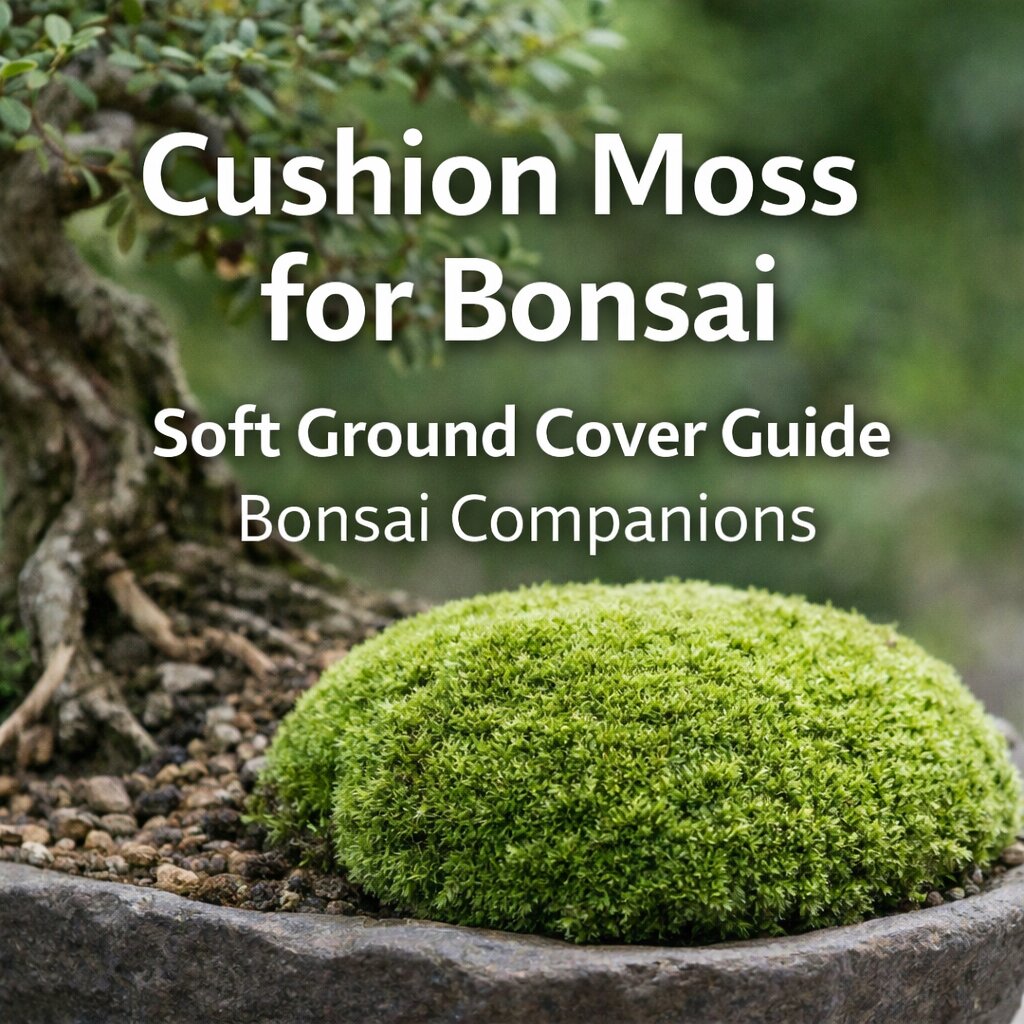
Cushion moss is a beautiful and practical companion for bonsai trees, known for its dense, rounded growth that forms soft green mounds across the soil surface. Its textured appearance adds depth and realism, creating the look of a natural forest floor in miniature form.
Beyond aesthetics, cushion moss supports bonsai health by helping to retain moisture and stabilise the soil. It creates a balanced microclimate around the roots, which is especially useful in warmer or drier conditions.
In this guide, we explore how cushion moss works, how to apply it, and why it is a valuable addition to your bonsai setup.
What is cushion moss?
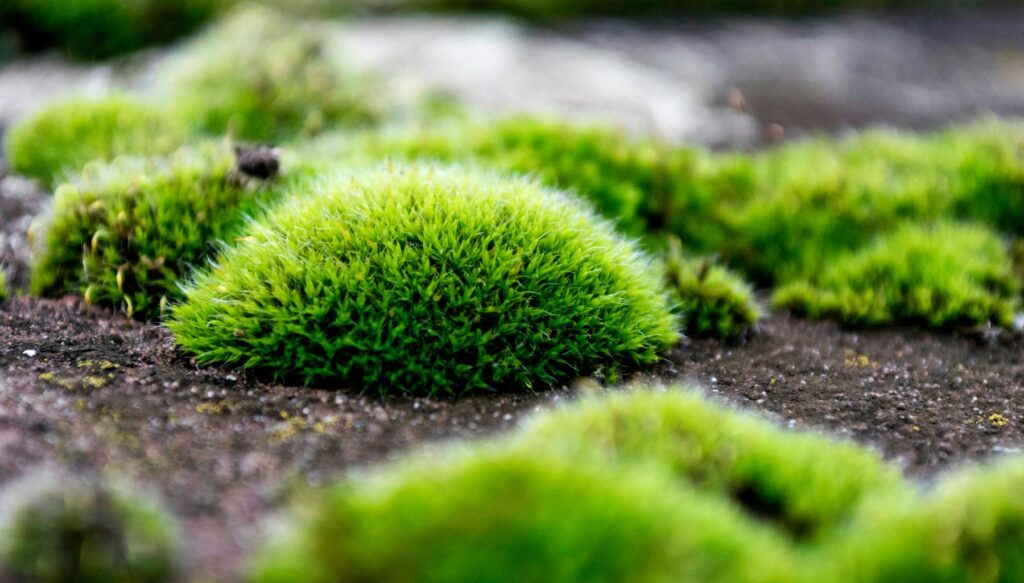
Cushion moss is a type of moss that grows in compact, dome-shaped clumps rather than spreading flat across surfaces. This gives it a distinctive, soft “cushion” appearance that stands out compared to other moss varieties.
It naturally grows in shaded, moist environments such as forests and rocky areas. These conditions make it well-suited for bonsai cultivation, where controlled moisture and partial shade are common.
In bonsai, cushion moss is often used as a decorative and functional top layer, enhancing both the look and performance of the soil.
Benefits of cushion moss for bonsai
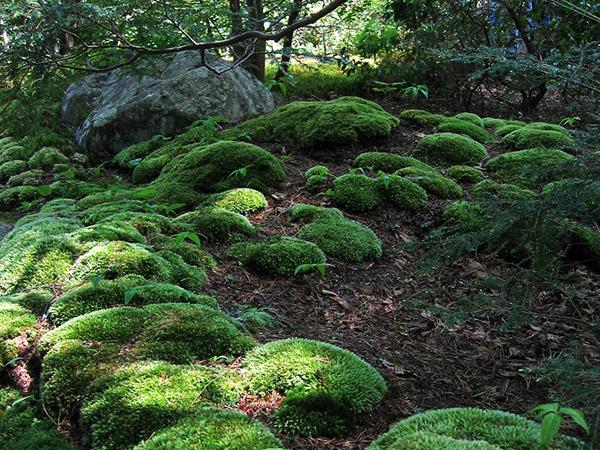
Cushion moss offers several practical benefits that make it a popular choice among bonsai enthusiasts. One of its main advantages is moisture retention, helping the soil stay damp for longer periods.
It also reduces soil erosion during watering, which is important in shallow bonsai containers where soil can easily shift.
Another key benefit is its ability to regulate temperature around the roots. Cushion moss helps keep the soil cooler during hot weather and more stable overall.
How to apply cushion moss to your bonsai
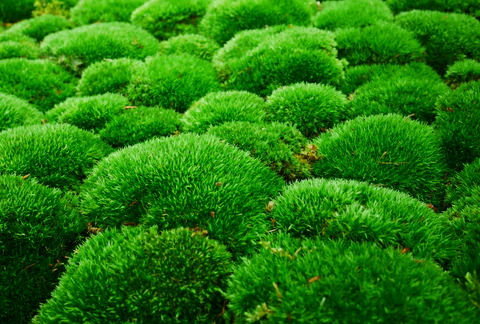
Applying cushion moss is simple, but proper placement is important for long-term success.
- Clean and level the soil surface before application
- Lightly moisten the soil to help the moss settle
- Place small clumps evenly across the surface
- Press gently to ensure good contact with the soil
- Mist regularly to encourage establishment
Spacing the clumps allows for natural growth while maintaining airflow around the soil.
Ideal conditions for cushion moss growth
Cushion moss thrives in environments with indirect light and consistent moisture. Too much direct sunlight can cause it to dry out quickly and lose its vibrant colour.
Humidity plays an important role in keeping the moss healthy. Regular misting helps maintain the moisture levels needed for growth.
Good drainage is also essential. While cushion moss enjoys moisture, the soil beneath it should not remain waterlogged.
Common mistakes to avoid
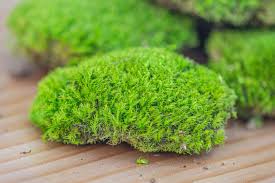
Allowing cushion moss to dry out completely is one of the most common mistakes. Once it dries too much, it can struggle to recover.
Overwatering is another issue. While it needs moisture, excessive water can reduce airflow and negatively impact the bonsai’s roots.
Placing it in full sun should also be avoided. Cushion moss performs best in shaded or partially shaded conditions.
Cushion vs sheet moss: which is better for bonsai?
When choosing between rounded clump-forming moss and flat-spreading varieties, the decision often comes down to visual style and practical needs. Clump-forming moss creates small, raised mounds that add texture and depth to a bonsai display. This makes it ideal for creating a more rugged, natural terrain, especially in forest-style arrangements.
In contrast, sheet moss spreads evenly across the soil surface, forming a smooth, carpet-like layer. This gives a cleaner and more uniform appearance, which works well for formal bonsai styles or when you want a neat, finished look.
From a care perspective, both types require similar conditions, including consistent moisture, indirect light, and good airflow. However, flat-spreading moss tends to cover soil more quickly, while clump-forming types grow more slowly and maintain distinct shapes over time.
Each option offers unique advantages. If you are aiming for texture and variation, the clump-forming type is a strong choice. If you prefer a seamless, lush surface, sheet moss may be more suitable. Many bonsai enthusiasts even combine both to achieve a balanced and visually dynamic result.
Creating a natural bonsai landscape
Cushion moss brings a unique texture to bonsai displays, adding depth and contrast compared to flatter moss varieties. Its soft, rounded shapes mimic natural terrain, making your bonsai feel more like a miniature landscape.
It also contributes to healthier growing conditions by maintaining moisture and protecting the soil surface. This combination of form and function makes it an excellent choice for bonsai companions.
With the right care, cushion moss becomes a long-lasting and visually striking addition to your bonsai collection.