Rhododendron bonsai symbolism includes trees that combine colourful flowers, attractive foliage and carefully shaped branches to create miniature representations of nature. Beyond their ornamental appeal, rhododendrons carry symbolic associations that can influence how enthusiasts appreciate their bonsai. Understanding these meanings adds another dimension to cultivating and displaying these remarkable flowering plants.
The Traditional Rhododendron Bonsai Symbolism
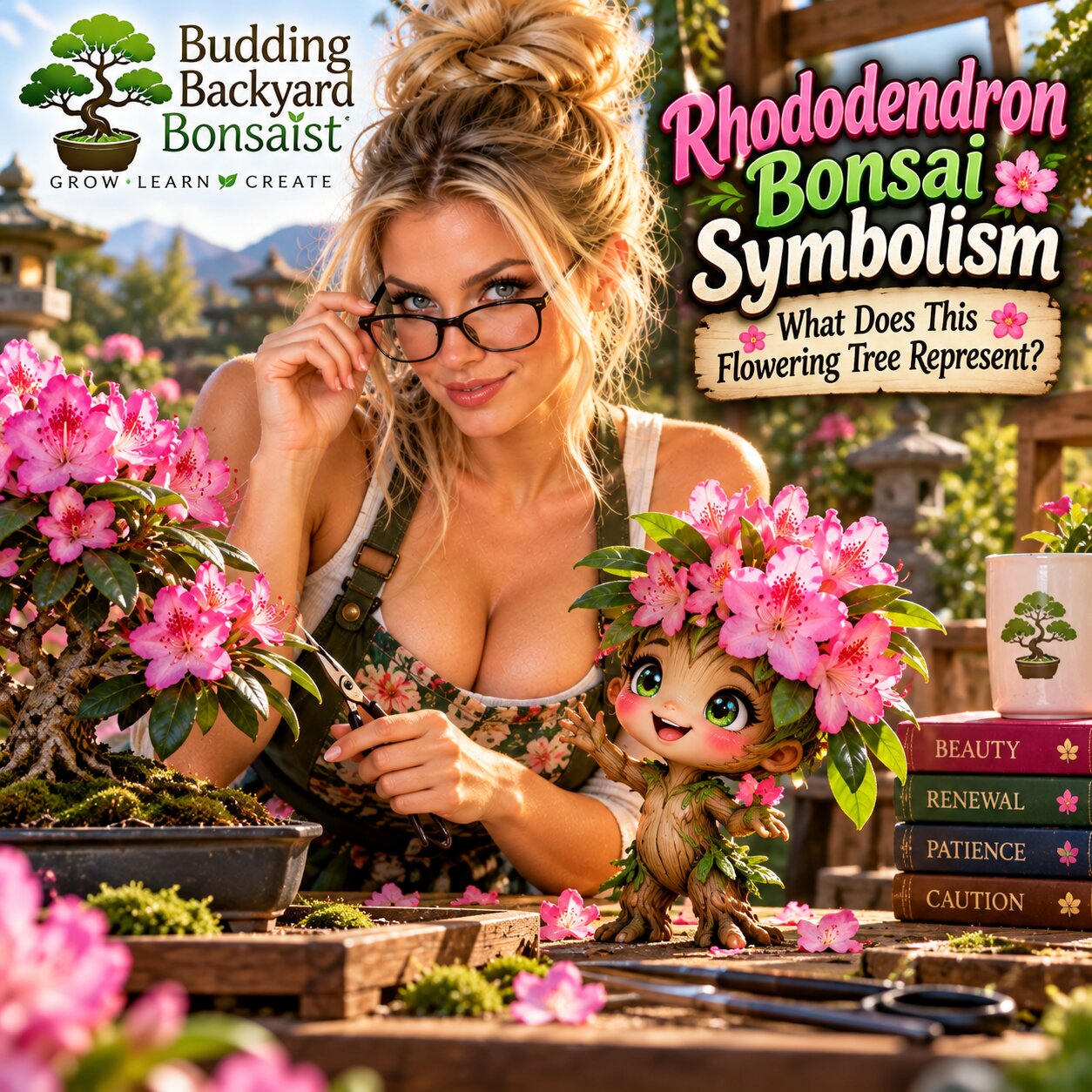
Rhododendrons have acquired different symbolic meanings across cultures and historical contexts. Their impressive flower clusters are frequently associated with beauty, admiration and the arrival of spring. Because many species produce spectacular seasonal displays, they can also evoke renewal and the changing rhythms of nature.
However, rhododendrons have another intriguing association: caution. Certain species contain toxic compounds, and historical flower-language traditions have connected the plant with danger or warning. This creates an interesting contrast between the flowers’ attractive appearance and the potential hazards associated with some varieties.
These interpretations aren’t universal, but they contribute to the plant’s distinctive symbolic character.
What Rhododendrons Represent in Bonsai
When cultivated as bonsai, rhododendrons gain additional meaning through the artistic traditions surrounding miniature trees. Bonsai frequently encourages patience, observation and an appreciation for natural forms. The gradual development of branches and seasonal flowering can become a personal expression of dedication.
A flowering rhododendron bonsai may symbolise the rewards of consistent care. Its blossoms provide a temporary display that contrasts with the longer-lasting structure of the trunk and branches. This relationship can remind enthusiasts that beauty often exists within changing seasons.
Such interpretations are artistic rather than fixed cultural rules, allowing individual growers to develop their own connections with their trees.
The Meaning Behind Different Flower Colours
Flower colour can influence the emotional impression created by a rhododendron bonsai. Although meanings vary between traditions, enthusiasts may associate particular colours with different sentiments.
Pink flowers often evoke affection, gentleness and admiration. White blossoms may suggest simplicity, peace or purity, while red flowers can represent passion and vitality. Purple blooms might inspire associations with elegance, mystery or creativity.
These interpretations can help growers choose flowering varieties that complement the atmosphere they wish to create. However, horticultural suitability should remain more important than symbolic preferences when selecting a bonsai specimen.
Rhododendron Bonsai as a Personal Expression
Every bonsai develops through an ongoing relationship between the grower and the plant. Decisions about pruning, wiring, positioning and seasonal care gradually influence its appearance. Rhododendrons add the anticipation of flowering, making their annual development particularly rewarding.
Some enthusiasts may associate their trees with personal milestones, memories or relationships. Others simply appreciate the contrast between delicate flowers and the appearance of an aged miniature tree.
There is no requirement to assign a specific meaning to every bonsai. Symbolism becomes most valuable when it strengthens the owner’s appreciation of the living artwork.
A Flowering Symbol of Patience and Beauty
Rhododendron bonsai symbolism combines traditional flower associations with the broader artistic values of bonsai cultivation. Beauty, renewal, caution and patience can all contribute to the meanings enthusiasts discover in these miniature trees.
Whether grown for their colourful blossoms or carefully developed structures, rhododendron bonsai trees offer opportunities to appreciate nature through both horticulture and personal interpretation.