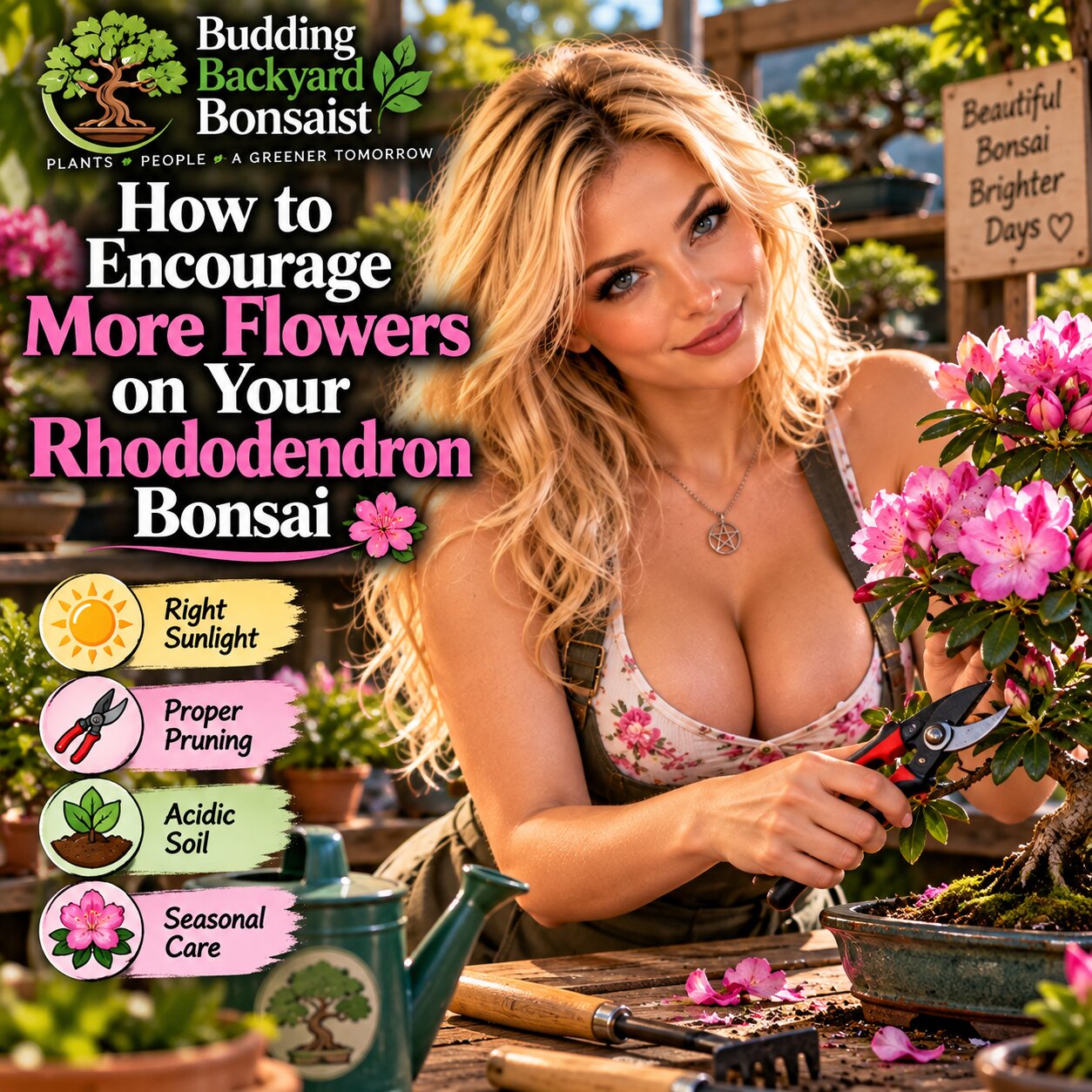
Rhododendron bonsai trees are admired for their beautiful foliage and spectacular seasonal flowers. However, encouraging consistent flowering requires more than regular watering and occasional pruning. Understanding the plant’s natural growth cycle can help bonsai enthusiasts produce healthier trees with more impressive floral displays.
Provide the Right Amount of Sunlight
Rhododendrons generally prefer bright, sheltered conditions with protection from harsh afternoon sunlight. Excessive exposure can damage foliage and place unnecessary stress on the plant, particularly during hot South African summers.
However, insufficient light may also reduce flower production. Positioning your bonsai where it receives suitable morning sunlight and afternoon shade can provide a useful balance, although requirements vary between species and cultivars.
Understand When Flower Buds Develop
One of the most important aspects of rhododendron bonsai care is recognising when flower buds form.
Many rhododendrons develop their flower buds during the growing season before their next flowering period. Heavy pruning after these buds have formed can remove the following season’s flowers.
For this reason, structural pruning is generally best performed shortly after flowering, allowing the tree time to develop new growth and future flower buds.
Maintain Suitable Soil Conditions
Rhododendrons are acid-loving plants that generally perform best in well-draining, acidic growing media.
Bonsai containers should provide sufficient drainage while retaining enough moisture to prevent the fine roots from drying out completely. Watering should remain consistent without allowing the soil to become waterlogged.
Using a fertiliser suitable for acid-loving plants can support healthy growth. However, excessive fertilisation, particularly with nitrogen, may encourage foliage development at the expense of flowering.
Protect Your Bonsai During Bud Development
Environmental stress can interfere with flower bud formation and development. Extreme heat, prolonged drought and inappropriate pruning may reduce the number of flowers produced.
Some rhododendrons also require appropriate seasonal temperature conditions for successful bud development. Understanding the needs of your particular variety is therefore essential.
Patience Produces Beautiful Results
A healthy rhododendron bonsai will not necessarily produce abundant flowers every year. Age, cultivar, seasonal conditions and previous pruning decisions can all influence flowering performance.
By providing suitable light, maintaining acidic soil conditions and respecting the natural flowering cycle, enthusiasts can improve their chances of enjoying beautiful seasonal displays.
Explore more rhododendron bonsai care guides at Budding Backyard Bonsaist, and discover how these flowering trees can become stunning additions to your collection.