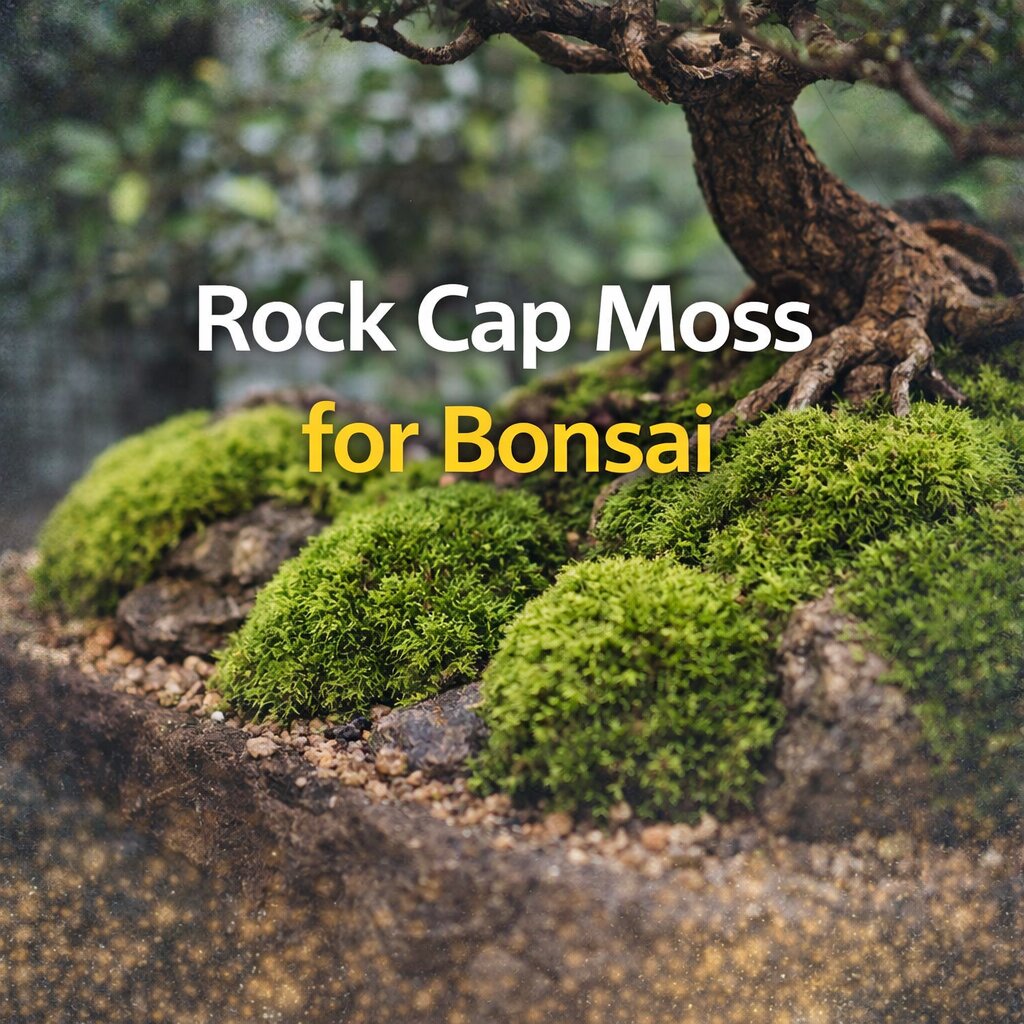
Rock cap moss is a popular choice among bonsai enthusiasts looking to create a rugged, natural aesthetic. Known for its dense growth and ability to cling to surfaces, it is especially suited for bonsai displays that feature stones, exposed roots, or mountainous landscapes.
In bonsai, moss is not just decorative. It helps retain moisture, protects soil, and enhances the overall presentation. Rock cap moss stands out because of its texture and adaptability, making it ideal for both beginners and experienced growers.
What is rock cap moss?
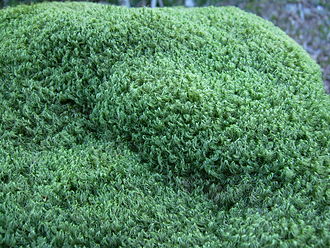
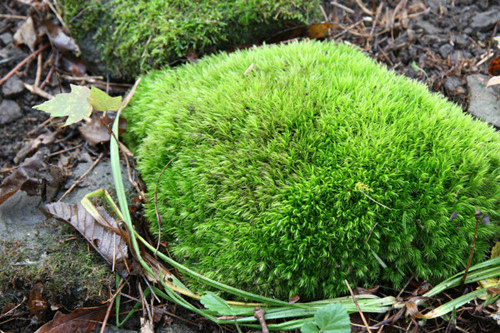
Rock cap moss is a type of moss that naturally grows on rocks, tree bark, and other hard surfaces. It forms compact, cushion-like patches that can withstand varying conditions, making it a resilient option for bonsai applications.
Its structure allows it to anchor itself firmly, which is why it is often seen in rocky environments. This makes it particularly useful for bonsai styles that aim to replicate cliffs, mountains, or forest floors.
Unlike softer moss varieties, it has a slightly firmer texture. This gives it a more rugged appearance, which can add contrast and depth to your bonsai display.
Because of its natural growth habits, it blends seamlessly into bonsai compositions that focus on realism and natural landscapes.
Why rock cap moss works well for bonsai
One of the main reasons rock cap moss is valued in bonsai is its durability. It can tolerate different moisture levels better than some other moss types, making it easier to manage in changing conditions.
It also helps maintain soil moisture by acting as a protective layer. This reduces evaporation and supports a healthier root environment, especially during warmer periods.
Visually, it adds character to your bonsai. Its compact growth and natural form create the impression of aged landscapes, which is a key goal in bonsai design.
Additionally, it works well alongside other moss types, allowing you to create varied textures and more dynamic displays.
How to use rock cap moss in bonsai styling
When incorporating rock cap moss into your bonsai, placement is key. It is best used around rocks, exposed roots, and along the edges of the soil surface to enhance the natural look.
Before applying, ensure the moss is clean and free from debris. Lightly mist the soil surface to help it adhere more easily. Press it gently into place without compacting it too tightly.
It can also be used in combination with stones to create miniature landscapes. This is particularly effective in bonsai styles that aim to mimic mountainous terrain.
Regular misting helps the moss establish itself, especially in the early stages after placement. Once settled, it requires minimal maintenance.
Key characteristics of rock cap moss
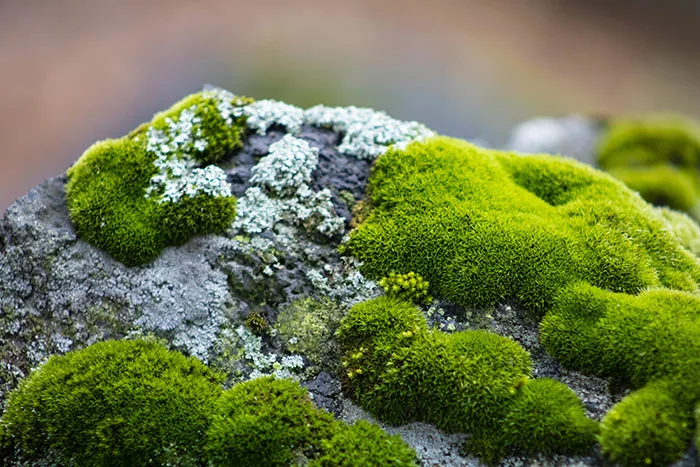
- Dense, compact growth pattern
- Naturally grows on rocks and hard surfaces
- Provides a rugged, textured appearance
- Helps retain moisture in bonsai soil
- Suitable for realistic and landscape-style bonsai
These characteristics make it a versatile option for enhancing both the health and visual appeal of your bonsai.
Rock cap moss compared to other moss types
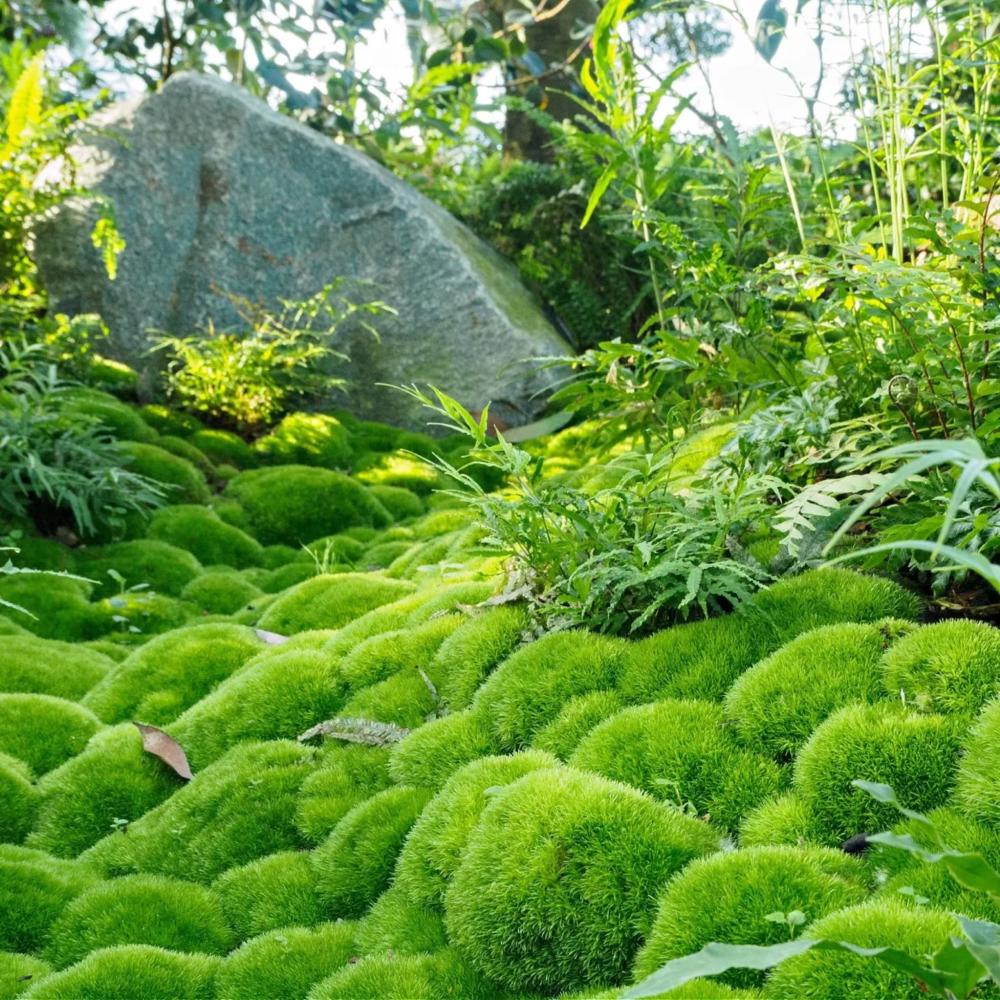
Compared to cushion moss, which forms soft, rounded mounds, rock cap moss has a firmer and more structured appearance. This makes it better suited for rugged or mountainous designs.
When placed next to sheet moss, which spreads evenly across surfaces, it offers contrast in both height and texture. This combination can create a more layered and natural look.
Haircap moss, on the other hand, grows upright and adds vertical interest. Rock cap moss complements it by filling in lower areas and anchoring the overall design.
Using a mix of moss types allows you to build a more realistic and visually engaging bonsai display.
A rugged and natural addition to your bonsai
Rock cap moss brings both function and beauty to bonsai design. Its durability, moisture-retaining properties, and natural appearance make it an excellent choice for a wide range of styles.
Whether you are creating a rocky landscape or simply looking to enhance your soil surface, this moss offers a reliable and visually appealing solution. By incorporating it thoughtfully, you can elevate your bonsai to a more refined and natural level.