
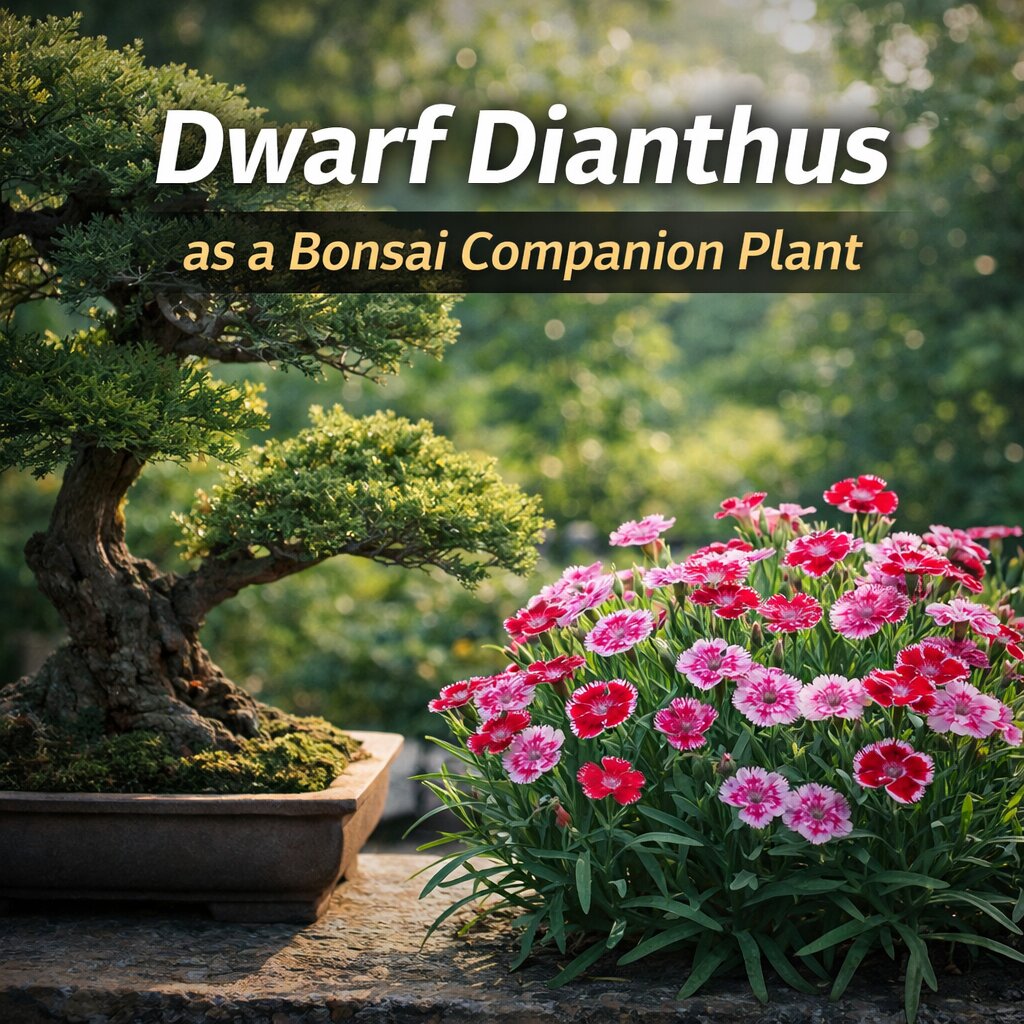
Dwarf Dianthus is an excellent choice for bonsai enthusiasts looking to enhance their displays with colour and texture. Known for its compact growth and bright, fragrant blooms, this plant adds a soft, natural contrast to the structured form of bonsai trees.
As part of bonsai companion planting, Dwarf Dianthus is not placed in the same pot as the tree. Instead, it is positioned nearby to create a harmonious visual environment that mimics natural landscapes. This approach helps elevate the aesthetic appeal of any bonsai presentation.
The low-growing nature of this plant makes it ideal for accent use. It does not overpower the bonsai but instead complements it with subtle beauty and seasonal interest.
Whether used in formal displays or casual garden settings, Dwarf Dianthus brings life and colour to the bonsai environment without interfering with the tree’s growth.
Botanical overview and growth characteristics
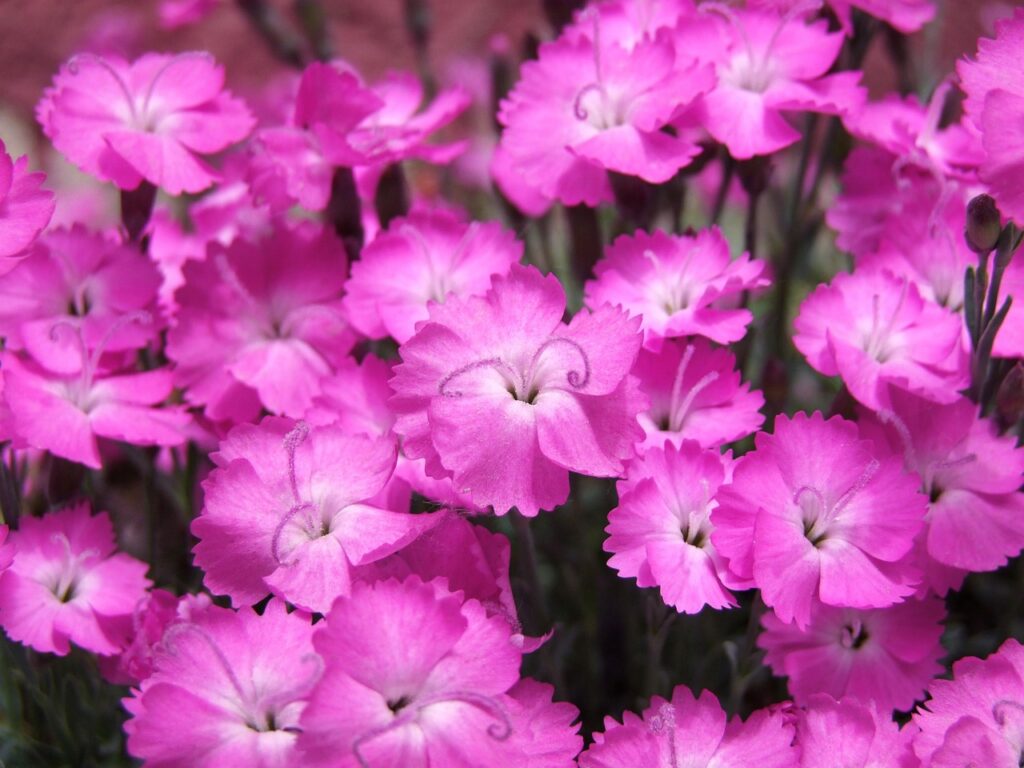
Dwarf Dianthus belongs to a genus of flowering plants known for their delicate petals and clove-like fragrance. These plants are typically perennial, although some varieties may behave as annuals depending on climate conditions.
The compact size of Dwarf Dianthus makes it particularly suitable for bonsai companion use. Most varieties grow in low mounds, producing clusters of small flowers that range in colour from pink and red to white and bi-colour patterns.
The foliage is usually narrow and grey-green, providing an attractive base even when the plant is not in bloom. This ensures that it remains visually appealing throughout the year.
Dwarf Dianthus thrives in well-drained soil and prefers sunny locations, making it easy to position alongside outdoor bonsai setups.
Why Dwarf Dianthus works well as a bonsai companion
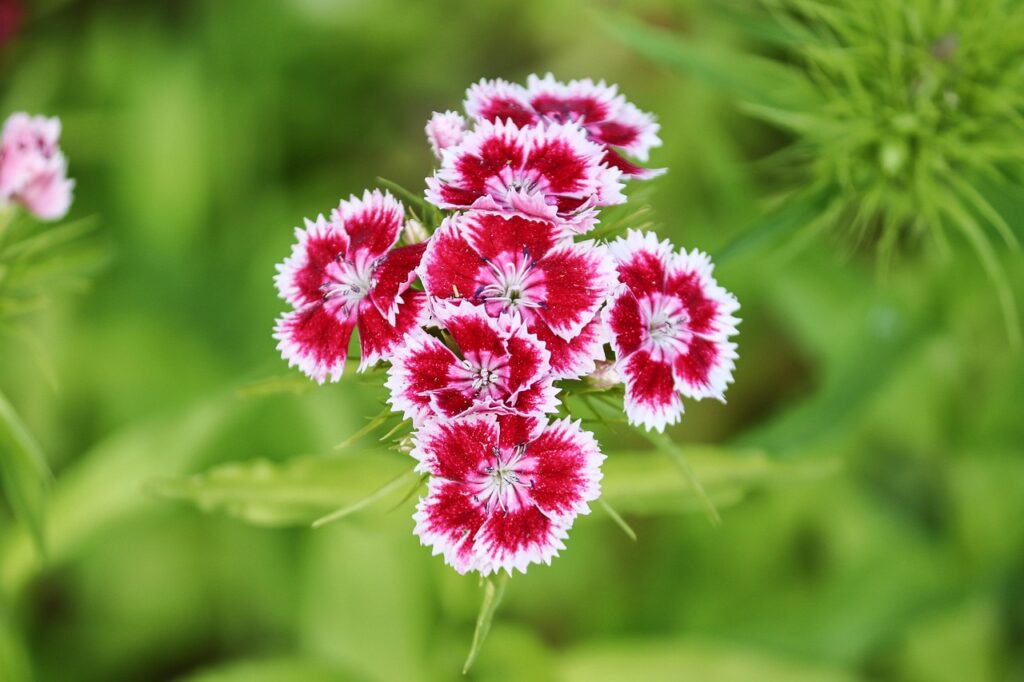
Dwarf Dianthus offers several advantages when used as a companion plant. Its growth habit, colour palette, and seasonal blooms make it a versatile addition to bonsai displays.
Here’s why it works so well:
- Compact size that complements rather than competes with bonsai trees
- Bright seasonal flowers that add colour contrast
- Low maintenance requirements suitable for beginners
- Fragrant blooms that enhance the sensory experience
- Adaptability to containers or garden placement nearby
These qualities make it an ideal choice for both indoor and outdoor bonsai environments, depending on the species of tree being displayed.
By placing Dwarf Dianthus near your bonsai, you create a more complete and immersive scene that reflects natural plant relationships.
Care guide for healthy companion growth
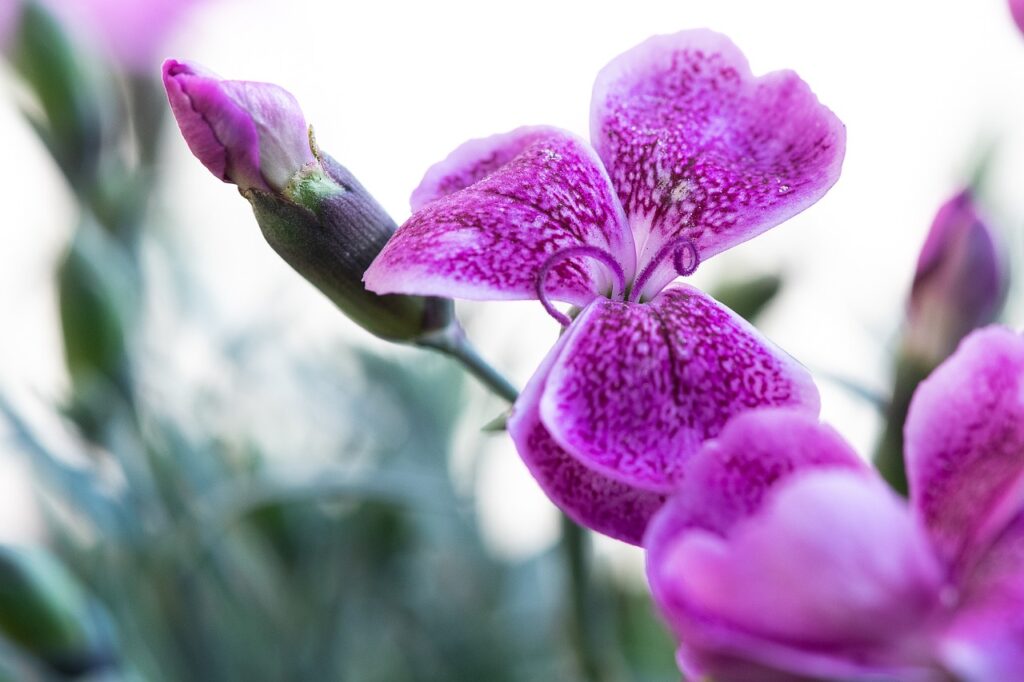
Caring for Dwarf Dianthus is relatively straightforward, making it a practical option for bonsai enthusiasts who want to add companion plants without increasing maintenance complexity.
Light is one of the most important factors. Dwarf Dianthus prefers full sun, which helps promote strong growth and abundant flowering. In shaded conditions, blooming may be reduced.
Watering should be moderate. The plant prefers slightly dry conditions between watering, so well-draining soil is essential to prevent root rot. Overwatering is one of the most common issues to avoid.
Pruning helps maintain its compact shape. Deadheading spent flowers encourages new blooms and keeps the plant looking tidy throughout the growing season.
Fertiliser can be applied lightly during the growing period to support flowering, but excessive feeding should be avoided as it can lead to leggy growth.
Placement and design ideas for bonsai displays
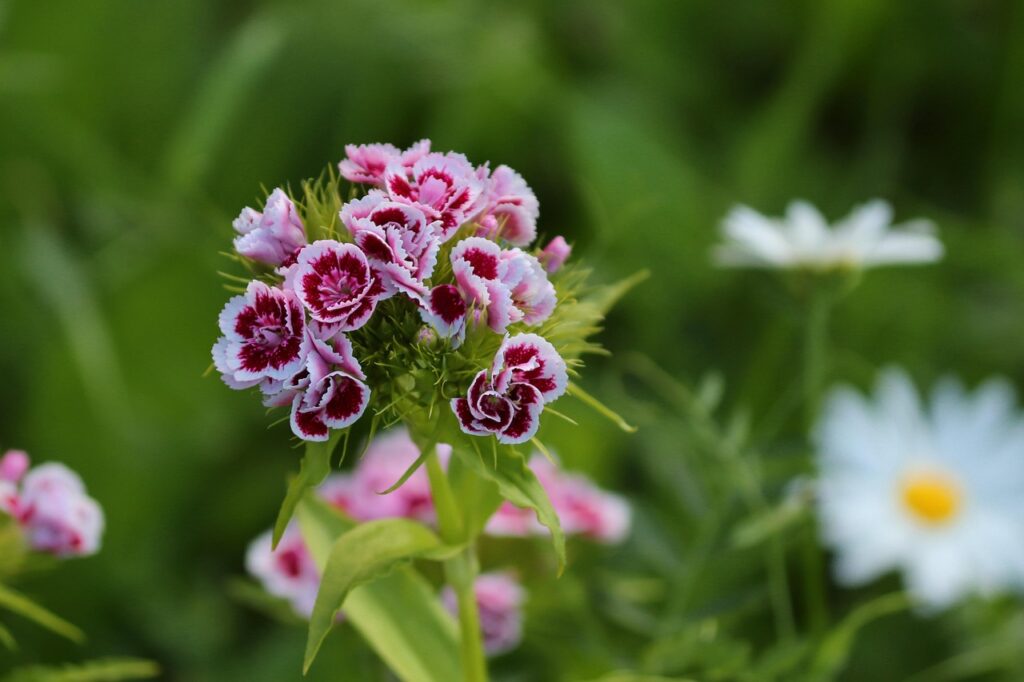
When incorporating Dwarf Dianthus into a bonsai display, placement is key. Since it is not planted in the same pot, it should be positioned nearby in a way that enhances the overall composition.
You can place it in a small accent pot next to the bonsai or within a shared display tray that mimics a natural landscape. This creates a sense of depth and balance in the presentation.
Colour coordination is another important aspect. Matching or contrasting the flower colours with the bonsai’s foliage or seasonal theme can elevate the visual impact.
Dwarf Dianthus works particularly well with rugged or formal bonsai styles, where its soft blooms provide contrast to the tree’s structure.
By experimenting with placement and combinations, you can create unique and visually striking bonsai arrangements.
Bringing colour and life to your bonsai environment
Dwarf Dianthus is more than just a decorative addition. It plays an important role in enhancing the overall bonsai experience by adding colour, fragrance, and natural harmony.
As a companion plant, it supports the visual storytelling of your bonsai display without interfering with the tree itself. Its ease of care and adaptability make it suitable for both beginners and experienced enthusiasts.
By incorporating Dwarf Dianthus into your setup, you can create a more dynamic and engaging environment that reflects the beauty of nature.
Over time, experimenting with different companion plants like this will help you refine your bonsai displays and develop your own unique style.