
Thyme is one of the most versatile and rewarding herbs you can grow alongside your bonsai collection. While it is not typically planted in the same pot as your tree, it makes an excellent bonsai companion herb when grown separately but displayed nearby.
Its low-growing habit, aromatic foliage, and hardy nature make it a perfect addition to any bonsai setup. Whether placed on a display bench or positioned near your trees in the garden, thyme enhances both the visual appeal and ecological balance of your bonsai environment.
For bonsai enthusiasts looking to create a more natural and immersive display, thyme offers both aesthetic charm and practical benefits.
Why thyme works well as a bonsai companion
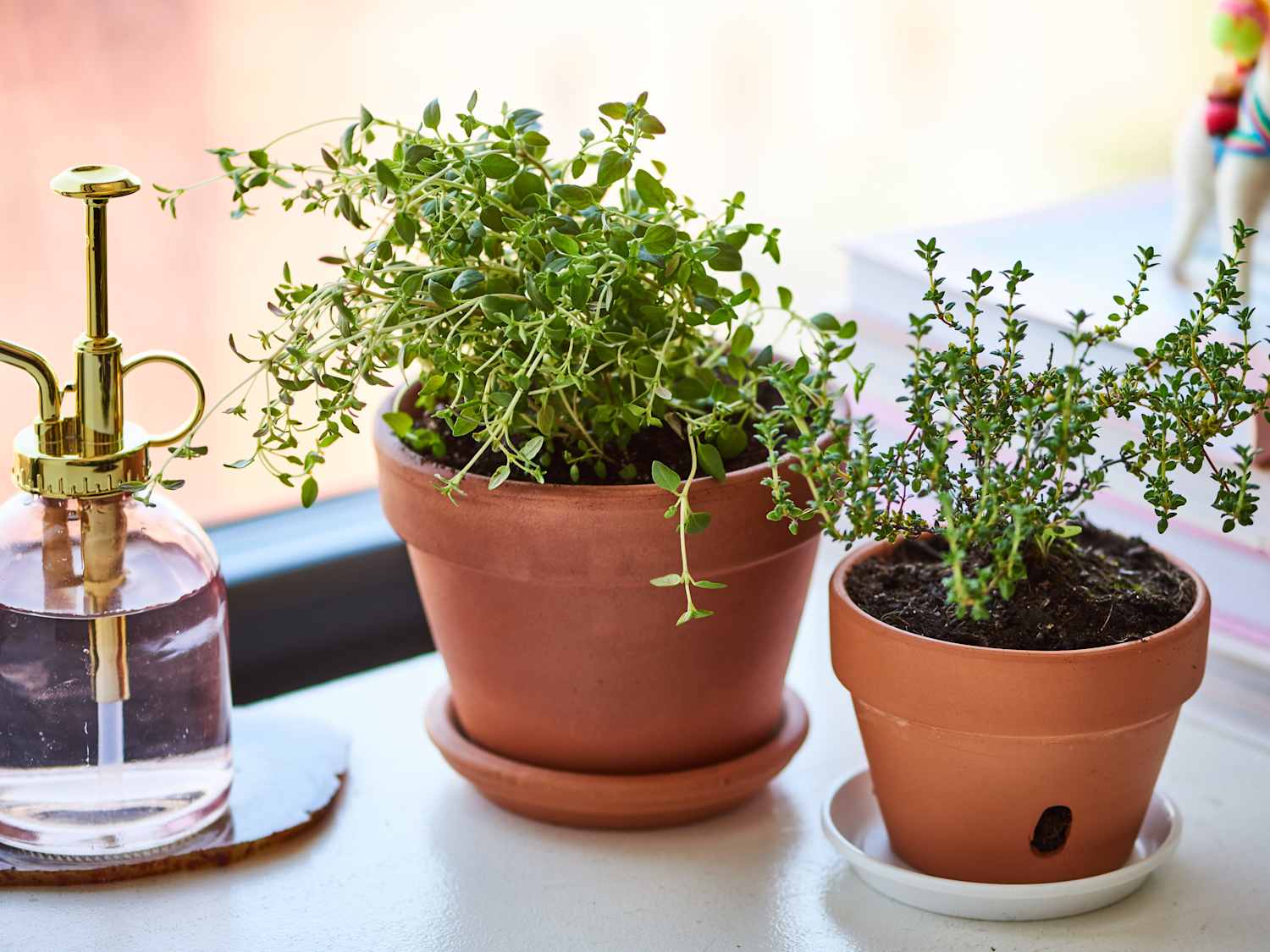
Thyme thrives in conditions that are often similar to many bonsai species, especially those that prefer full sun and well-draining soil. This makes it easy to care for alongside your trees without needing drastically different routines.
As a bonsai companion herb, thyme adds a soft, ground-cover-like texture that contrasts beautifully with the structured form of a bonsai tree. Its small leaves and dense growth mimic the look of miniature landscapes, enhancing the illusion of scale.
Additionally, thyme releases a pleasant fragrance when touched or brushed against, adding a sensory layer to your bonsai display. This makes your setup not only visually appealing but also more engaging overall.
Growing thyme in a separate pot

When growing thyme as a bonsai companion herb, it is important to keep it in its own container. This allows you to manage its care independently without affecting your bonsai’s root system or watering needs.
Choose a small pot with excellent drainage, as thyme does not tolerate waterlogged soil. A sandy or gritty soil mix works best, helping to prevent root rot and promote healthy growth.
Place the pot in a sunny location, ideally receiving at least six hours of direct sunlight per day. Thyme prefers slightly drier conditions, so allow the soil to dry out between waterings rather than keeping it constantly moist.
Care tips for healthy growth

Maintaining thyme is relatively simple, making it an ideal bonsai companion herb for beginners and experienced growers alike. With the right care, it will remain compact, fragrant, and visually appealing.
Key care tips include:
- Water moderately and avoid overwatering
- Use well-draining soil with sand or grit
- Provide full sun for strong, compact growth
- Trim regularly to encourage bushy development
- Avoid overly rich fertilisers, as thyme prefers lean soil
- Ensure good airflow to prevent fungal issues
These simple practices will help your thyme thrive without interfering with your bonsai care routine.
Aesthetic and ecological benefits

Beyond its visual appeal, thyme offers several ecological advantages. When it flowers, it attracts pollinators such as bees, which can benefit your broader garden environment.
As a bonsai companion herb, thyme also helps create a more natural setting around your trees. It softens the overall presentation and adds depth to your display, making it feel more like a miniature landscape.
Because it is grown in a separate pot, you have full flexibility in how you position thyme within your setup. You can move it around to complement different trees or seasonal displays without any risk to your bonsai.
A simple way to elevate your bonsai display
Incorporating thyme as a bonsai companion herb is an easy yet effective way to enhance your bonsai collection. It requires minimal effort, thrives in similar conditions, and adds both beauty and function to your setup.
By keeping thyme in its own pot, you maintain full control over its care while still enjoying the benefits it brings to your bonsai environment. From improved aesthetics to supporting pollinators, it is a small addition that makes a noticeable difference.
For anyone looking to take their bonsai display to the next level, thyme is a natural and rewarding choice.