
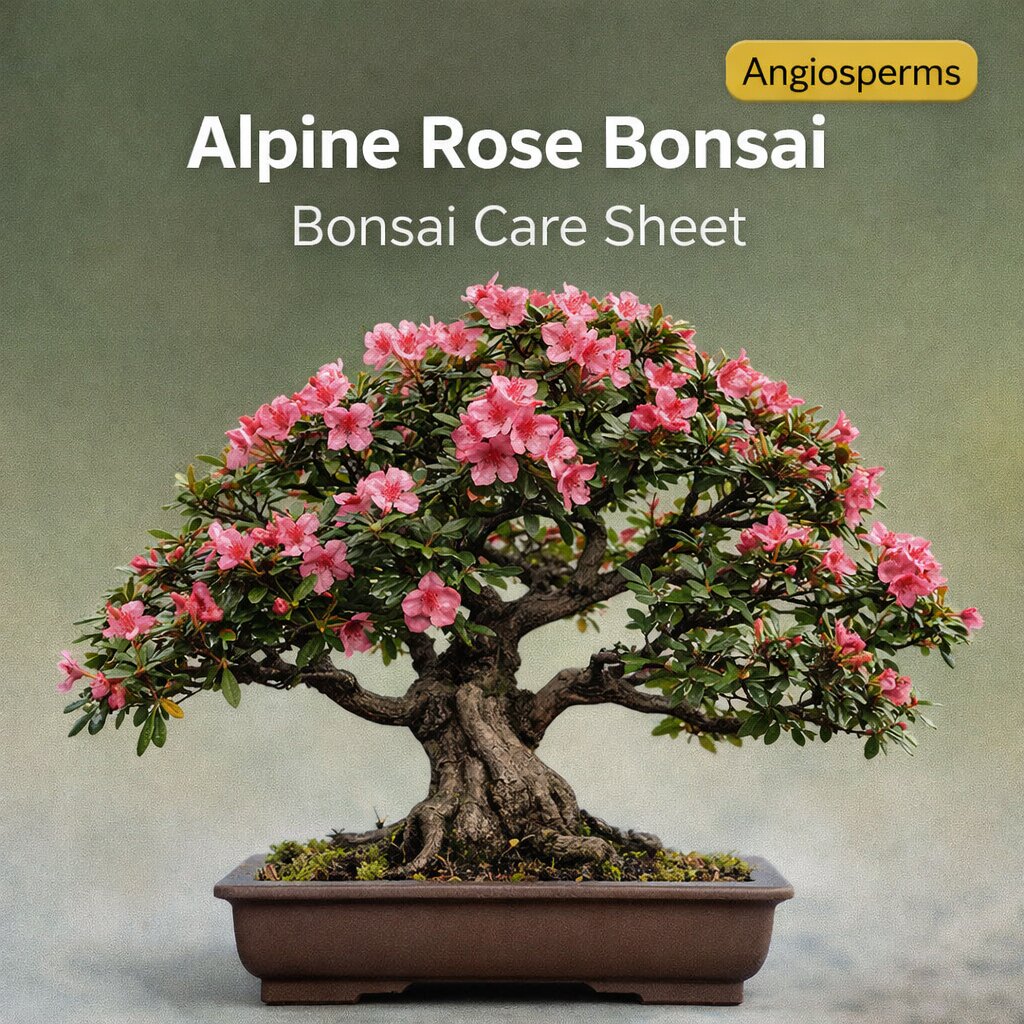
The Alpine Rose bonsai offers a unique opportunity to cultivate a true mountain species in miniature form, combining delicate beauty with remarkable resilience. Known scientifically as Rhododendron ferrugineum, this hardy shrub thrives in harsh alpine conditions, and when adapted to bonsai, it brings that same rugged character into a controlled, artistic setting.
Caring for an Alpine Rose bonsai requires an understanding of its natural environment. Unlike many tropical or temperate bonsai species, it prefers cool temperatures, acidic soil, and consistent moisture without becoming waterlogged. Its slow growth and compact habit make it ideal for bonsai styling, but its specific needs mean that proper care is essential for long-term success.
In this care sheet, we will guide you through everything you need to know to keep your Alpine Rose bonsai healthy and thriving, from light and watering to pruning, soil, and seasonal considerations.
Table of Contents
TL:DR Quick Alpine Rose Bonsai Care Overview
Before diving into the full care guide, here is a quick-reference overview for your Alpine Rose bonsai. This snapshot covers the essential care requirements to help you maintain healthy growth, vibrant flowering, and long-term resilience in cooler conditions.
| Care aspect | Alpine Rose Bonsai |
|---|---|
| Scientific name | Rhododendron ferrugineum |
| Common name | Alpine Rose |
| Bonsai type | Evergreen flowering shrub |
| Light | Full sun to partial shade. Prefers bright light but protect from intense midday heat in warmer climates. |
| Watering | Keep soil consistently moist but never waterlogged. Use rainwater where possible as it prefers low-lime water. Do not allow soil to dry out completely. |
| Soil | Acidic, well-draining bonsai mix. Use kanuma or a mix of kanuma, pumice, and fine bark. Avoid alkaline soils. |
| Fertiliser | Use an acid-loving fertiliser (e.g. NPK 10-5-5 or 12-6-6) during spring and early summer. Reduce feeding after flowering and avoid heavy feeding in late autumn and winter. |
| Pruning | Light pruning after flowering to maintain shape. Remove spent flowers and trim back new growth carefully. Avoid heavy pruning into old wood. |
| Wiring | Limited wiring due to brittle branches. Use gentle shaping and guy wires. Best done in spring with caution. |
| Difficulty | Moderate. Requires attention to soil acidity, moisture, and climate conditions. |
| Rarity | Less common. Usually found through specialist bonsai nurseries or alpine plant collectors. |
| Climate sensitivity | Prefers cool to cold climates. Highly frost-hardy but sensitive to heat and drought, especially in containers. |
| Growth habit | Compact, slow-growing shrub. Naturally forms dense, low-branching structure ideal for small bonsai styles. |
Alpine Rose Bonsai Care Guide
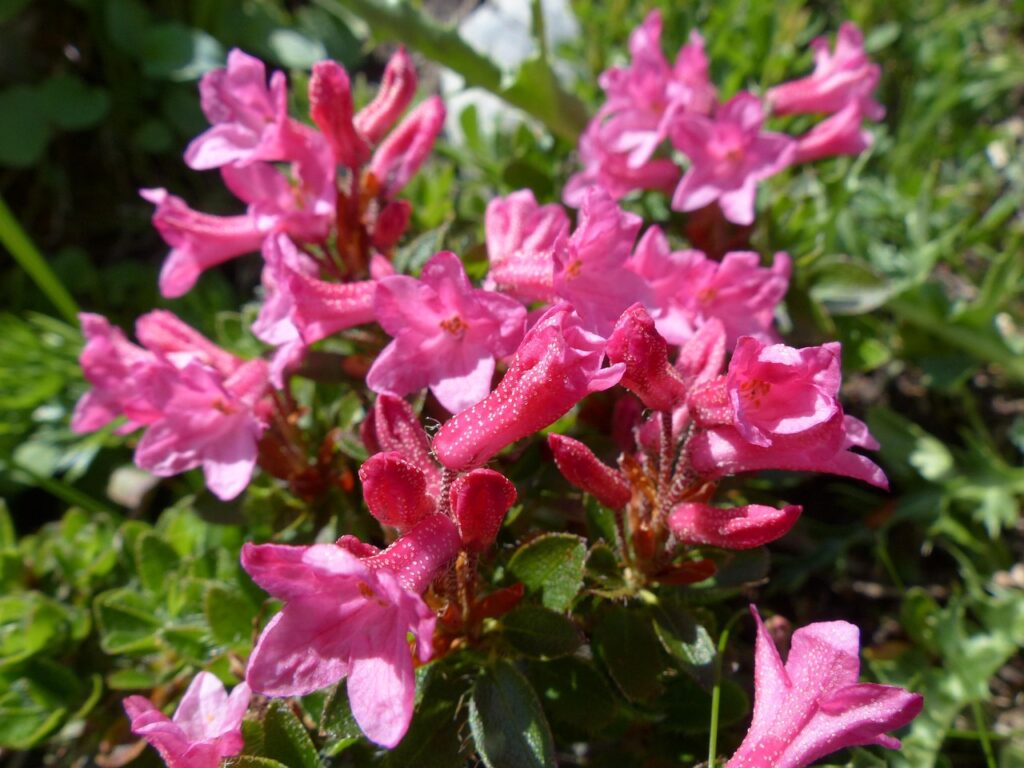
Caring for an Alpine Rose bonsai requires a balance between mimicking its natural alpine habitat and adapting it to container life. This species thrives in cool, moist, and acidic conditions, and while it is hardy, it is not forgiving of poor soil, heat stress, or neglect. With the right approach, it rewards growers with dense foliage and beautiful seasonal blooms.
Light
Alpine Rose bonsai prefers bright conditions with full sun to partial shade. In cooler climates, full sun encourages compact growth and better flowering. In warmer regions, especially in South Africa, some afternoon shade is essential to prevent leaf scorch and drying out.
Consistent light exposure helps maintain healthy foliage and supports bud development for the flowering season.
Watering
This species requires consistent moisture but does not tolerate waterlogged roots. Water thoroughly until water drains from the pot, then allow the top layer of soil to slightly dry before watering again.
Rainwater or filtered water is recommended, as Alpine Rose bonsai is sensitive to lime and mineral-heavy tap water. Never allow the soil to dry out completely, as this can quickly stress the plant.
Pruning
Pruning should be done after flowering, as this preserves next season’s buds. Light trimming helps maintain the plant’s compact form and encourages branching.
Remove spent flowers promptly to redirect energy back into growth. Avoid cutting too far into old wood, as regrowth from older sections can be slow or limited.
Shaping
Shaping an Alpine Rose bonsai focuses more on natural form refinement rather than aggressive styling. Its natural growth habit already lends itself well to bonsai aesthetics.
Use selective pruning to guide structure, maintaining a balanced silhouette. Informal upright and low, spreading styles work particularly well for this species.
Soil
Alpine Rose bonsai requires acidic, well-draining soil. Kanuma is ideal, or a mix of kanuma, pumice, and organic material such as fine bark.
Avoid any soil that contains lime or becomes compacted, as this will negatively affect root health and nutrient uptake.
Repotting
Repot every 2 to 3 years, preferably in early spring before active growth begins. Younger plants may need more frequent repotting.
When repotting, gently prune the roots and refresh the acidic soil mix. Avoid overly aggressive root reduction, as this species can be sensitive to disturbance.
Wiring
Wiring is limited due to the brittle nature of the branches. If wiring is necessary, use soft wire and apply it carefully during periods of active growth.
Guy wires are often a safer alternative for shaping. Always monitor wired branches closely to prevent scarring.
Fertiliser
Use a fertiliser formulated for acid-loving plants, such as an NPK ratio of 10-5-5 or 12-6-6, during spring and early summer.
Reduce feeding after flowering and stop fertilising in late autumn and winter. Over-fertilising can damage roots and reduce flowering performance.
Propagation
Propagation is typically done through semi-hardwood cuttings taken in late summer. Rooting can be slow and may require patience and controlled humidity.
Seed propagation is possible but less common due to variability and longer development time.
Seasonal Care
In winter, Alpine Rose bonsai is highly cold-tolerant but benefits from protection against extreme container freezing. Snow cover in natural environments acts as insulation, so similar protection may be needed in pots.
During summer, ensure adequate moisture and protect from excessive heat. This species does not tolerate prolonged hot and dry conditions well.
Pests
Common pests include aphids, spider mites, and vine weevils. Regular inspection is important, especially during warmer months.
Maintaining good airflow and proper watering practices helps reduce pest infestations. Treat early with appropriate organic or chemical controls if needed.
Diseases
Alpine Rose bonsai can be affected by root rot if kept in poorly draining soil. Fungal issues may also arise in overly humid or stagnant conditions.
Chlorosis can occur if the soil becomes too alkaline, leading to yellowing leaves. Maintaining proper soil acidity and drainage is key to preventing most disease issues.
How to Identify an Alpine Rose Bonsai
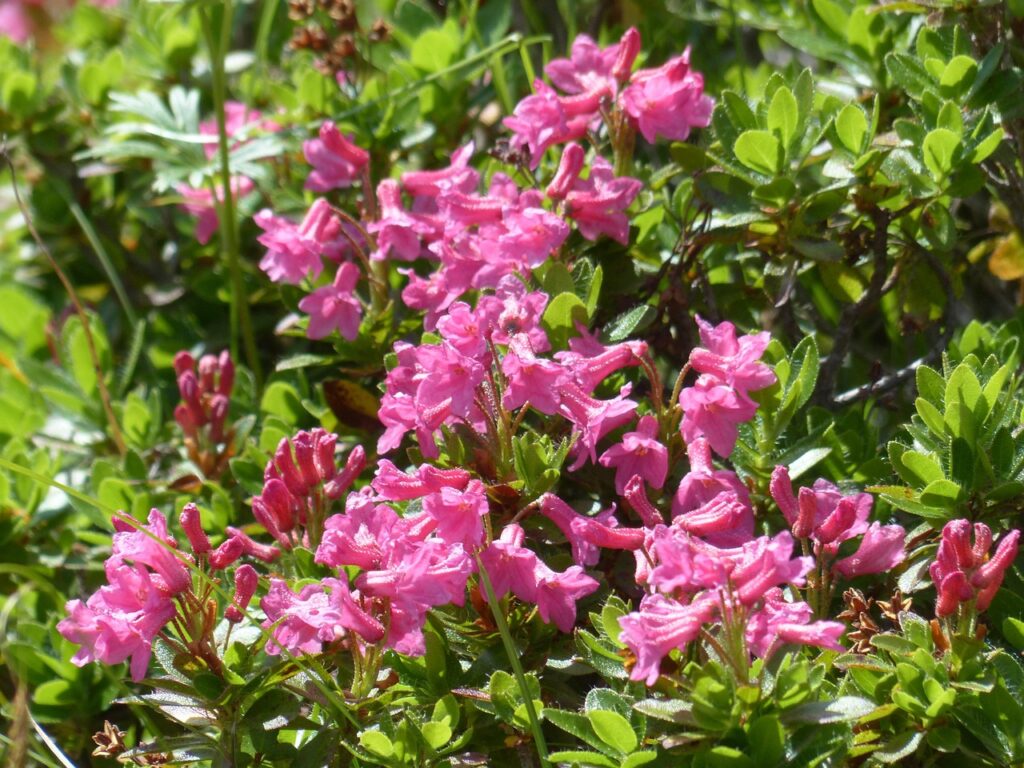
Identifying an Alpine Rose bonsai involves observing a combination of foliage, flowers, and overall structure. Unlike conifers, this species is a flowering evergreen shrub, so its identification relies more on leaf texture, bloom characteristics, and subtle surface details.
Leaf identification
The leaves are small, narrow, and leathery, typically dark green on the upper surface. They are arranged alternately along the stems and often cluster toward the ends of branches.
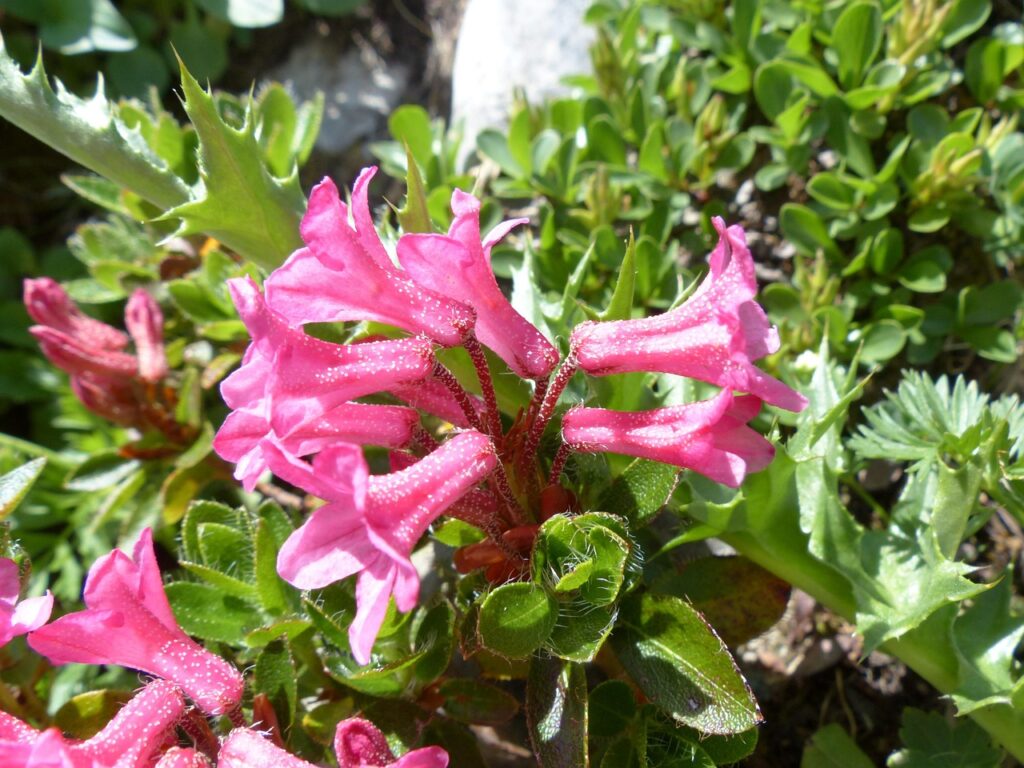
A key identifying feature is the underside of the leaves, which displays a rust-coloured coating or speckling. This ferruginous underside is one of the most reliable ways to distinguish this species from similar rhododendrons.
Flower gallery
Alpine Rose bonsai produces clusters of pink to deep reddish bell-shaped flowers, usually during late spring to early summer. The blooms appear at the tips of branches in dense groups, creating a vibrant display.
Each flower has a soft, rounded shape with slightly flared edges. The intensity of the colour can vary, but the clustered arrangement is consistent and highly distinctive.
Fruit identification
After flowering, the plant develops small, elongated seed capsules rather than fleshy fruit. These capsules are subtle and not particularly ornamental, often going unnoticed compared to the flowers.
As they mature, the capsules dry and eventually split open to release seeds.
Seeds and pods
The seeds are extremely fine and lightweight, adapted for wind dispersal. Once the capsule opens, the seeds are carried away by air currents, allowing the plant to spread in its natural alpine environment.
In bonsai cultivation, seed production is less commonly observed or utilised, as propagation is typically done through cuttings.
Bark textures
The bark of an Alpine Rose bonsai is generally smooth when young, with a light brown to greyish tone. As the plant matures, the bark may become slightly rougher and develop subtle texture, though it does not become deeply fissured like many tree species.
Older specimens can develop a slightly rugged, weathered appearance, especially when styled for bonsai, reflecting the harsh conditions of its natural habitat.
Bonsai Styles Suited to Alpine Rose Bonsai
The Alpine Rose bonsai naturally lends itself to styles that reflect its alpine origins, where plants grow low, compact, and shaped by wind, snow, and rocky terrain. Its slow growth, dense branching, and flowering habit make it ideal for expressive, naturalistic bonsai designs rather than rigid, formal structures.
Informal upright (Moyogi)
This is one of the most suitable styles for Alpine Rose bonsai. The gentle curves of the trunk mimic how the plant grows in nature, adapting to environmental pressures while still reaching upward.
The branching can be kept compact, with foliage pads supporting seasonal flowering, creating a balanced and visually pleasing form.
Slanting (Shakan)
The slanting style works well to represent plants growing on mountain slopes, where wind and gravity influence their direction.
An Alpine Rose bonsai styled this way captures the feeling of exposure and resilience, especially when paired with subtle asymmetry and directional growth.
Cascade and semi-cascade (Kengai and Han-kengai)
While not as common, cascade styles can be effective when inspired by plants growing over rocky ledges.
The flexible branching of Alpine Rose allows for downward movement, and when combined with flowering, it creates a striking visual effect. Care must be taken due to the brittleness of branches.
Clump style (Kabudachi)
Alpine Rose often grows in clusters in the wild, making clump style a natural fit. Multiple trunks emerging from a shared base create a fuller, more organic appearance.
This style enhances the shrub-like nature of the species and allows for dense foliage and multiple flowering points.
Raft style (Ikadabuki)
In nature, branches may root where they touch the ground, forming connected growth patterns. This behaviour can be replicated in raft style bonsai.
It produces a unique, horizontal composition that reflects natural propagation and environmental adaptation.
Naturalistic alpine style
Perhaps the most fitting approach is a loose, naturalistic style that mimics how the plant grows above the tree line. Low, wind-swept forms with uneven branching and subtle asymmetry capture the true essence of Alpine Rose.
This style prioritises realism over strict bonsai rules, allowing the species’ natural beauty and character to take centre stage.
Symbolism and Cultural Significance
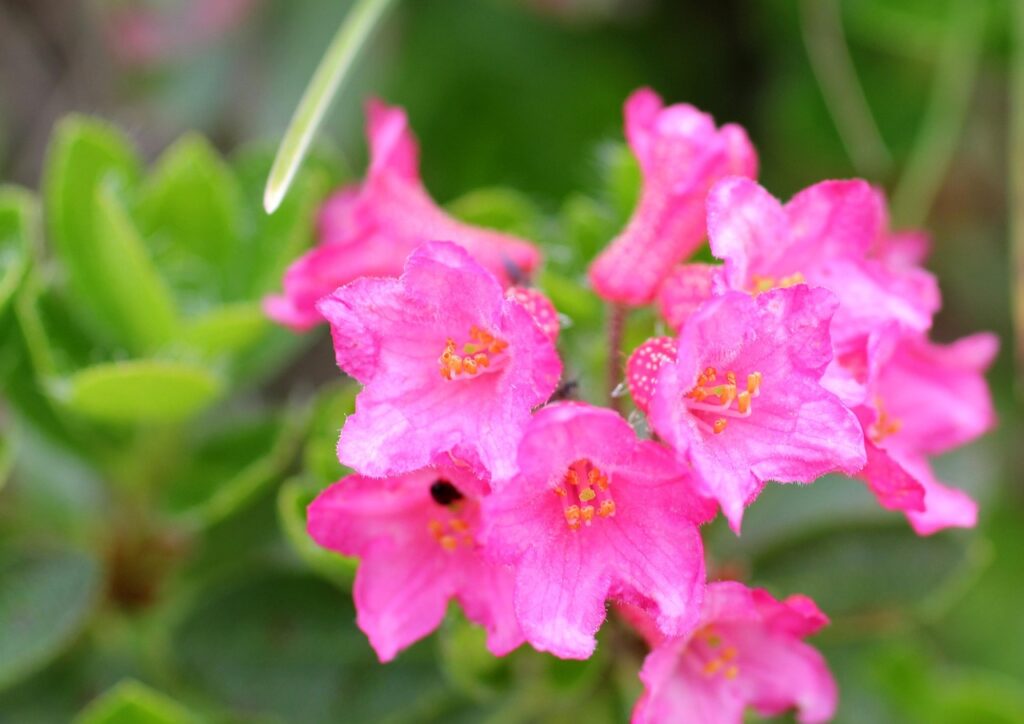
The Alpine Rose bonsai carries rich symbolic meaning rooted in its natural habitat and enduring presence in mountainous regions. Growing in harsh alpine conditions where few plants can survive, it has become a powerful representation of resilience, endurance, and quiet strength.
In many European mountain cultures, particularly in the Alps, this species is closely associated with the beauty and spirit of highland landscapes. Its vibrant blooms appearing in rugged, rocky terrain symbolise hope and renewal, marking the arrival of warmer seasons after long, cold winters. Entire hillsides covered in its flowers are often seen as a celebration of life thriving against adversity.
The plant’s slow growth and longevity also give it deeper meaning in a bonsai context. It represents patience and the passage of time, reflecting how strength and beauty develop gradually under challenging conditions. As a bonsai, it becomes a living expression of perseverance, shaped carefully over years.
Additionally, its preference for specific conditions, such as acidic soil and cool climates, can symbolise balance and harmony with one’s environment. It reminds growers that success often comes from understanding and respecting natural limits rather than forcing growth.
In artistic and bonsai traditions, the Alpine Rose embodies a quiet elegance, combining rugged survival with delicate beauty, making it a meaningful and visually compelling species for collectors and enthusiasts alike.
Companion Plants and Wildlife Attraction
Creating a natural environment around your Alpine Rose bonsai not only enhances its visual appeal but also supports a balanced micro-ecosystem. Because this species prefers acidic soil and cooler conditions, companion choices should reflect similar needs to ensure compatibility and long-term health.
Moss
Moss pairs exceptionally well with Alpine Rose bonsai, helping to retain moisture and maintain soil stability. In cooler, humid conditions, moss can thrive alongside the tree and enhance the alpine aesthetic.
Suitable options include:
- Sheet Moss for soft, natural ground coverage
- Cushion Moss to create a dense, mound-like effect
- Haircap Moss for a slightly more textured appearance
- Rock Cap Moss for a rugged, mountain-inspired look
These mosses complement the bonsai without competing for nutrients, while also helping regulate soil moisture.
Flowers
Alpine Rose bonsai can be complemented by small flowering plants that share similar soil and climate preferences. These additions can create a layered alpine garden effect.
Good companion flowers include:
- Alpine Aster for seasonal colour and compatibility with cooler climates
- Rock Cress which thrives in rocky, well-drained environments
- Dwarf Dianthus offering compact growth and vibrant blooms
While Creeping Thyme can also be used, it should be placed carefully to avoid competing too closely with the bonsai roots.
Herbs
Certain herbs can work as companions if managed carefully, particularly those that tolerate well-draining soil and moderate conditions.
Suitable herbs include:
- Thyme, especially in drier zones around the bonsai display
- Oregano for low-growing ground coverage
- Lavender, though best positioned slightly away due to its preference for drier soil
- Sage, which can complement the aesthetic but should not share the same pot
These herbs are best used in display arrangements rather than planted directly with the bonsai.
Wildlife attraction
Alpine Rose bonsai can attract beneficial wildlife, especially when flowering. Its blooms provide nectar and interest for a variety of small creatures.
Common visitors include:
- Bees, which are drawn to the flowers during blooming periods
- Butterfly species that add movement and life to the display
- Ladybird, which helps control pests such as aphids
- Praying Mantis, a natural predator that supports pest balance
- Spider, which contributes to natural pest control within the environment
Encouraging these visitors helps maintain a healthy ecosystem around your bonsai, reducing the need for chemical interventions and enhancing the overall growing experience.
Care summary and practical notes
The Alpine Rose bonsai is a rewarding species for growers who are willing to meet its specific needs. Its natural preference for cool climates, acidic soil, and consistent moisture means that success comes from recreating its alpine environment as closely as possible.
The most important factors to focus on are soil quality and watering. Always use an acidic, well-draining mix and avoid letting the soil dry out completely. At the same time, ensure the roots are never sitting in water, as this can quickly lead to root rot. Light should be bright but balanced, with protection from intense heat, especially in warmer regions.
Pruning and shaping should remain gentle and intentional. This is not a species that responds well to aggressive techniques, so working with its natural form will produce the best long-term results. Fertilising should support growth without overwhelming the plant, using formulations suited to acid-loving species.
Seasonal awareness is key. Protect the bonsai from excessive heat in summer and ensure its roots are not exposed to extreme freezing in winter containers. Regular observation will help you respond quickly to any signs of stress, pests, or nutrient imbalance.
With patience and the right care approach, the Alpine Rose bonsai develops into a compact, elegant tree that reflects the beauty and resilience of its mountain origins.