
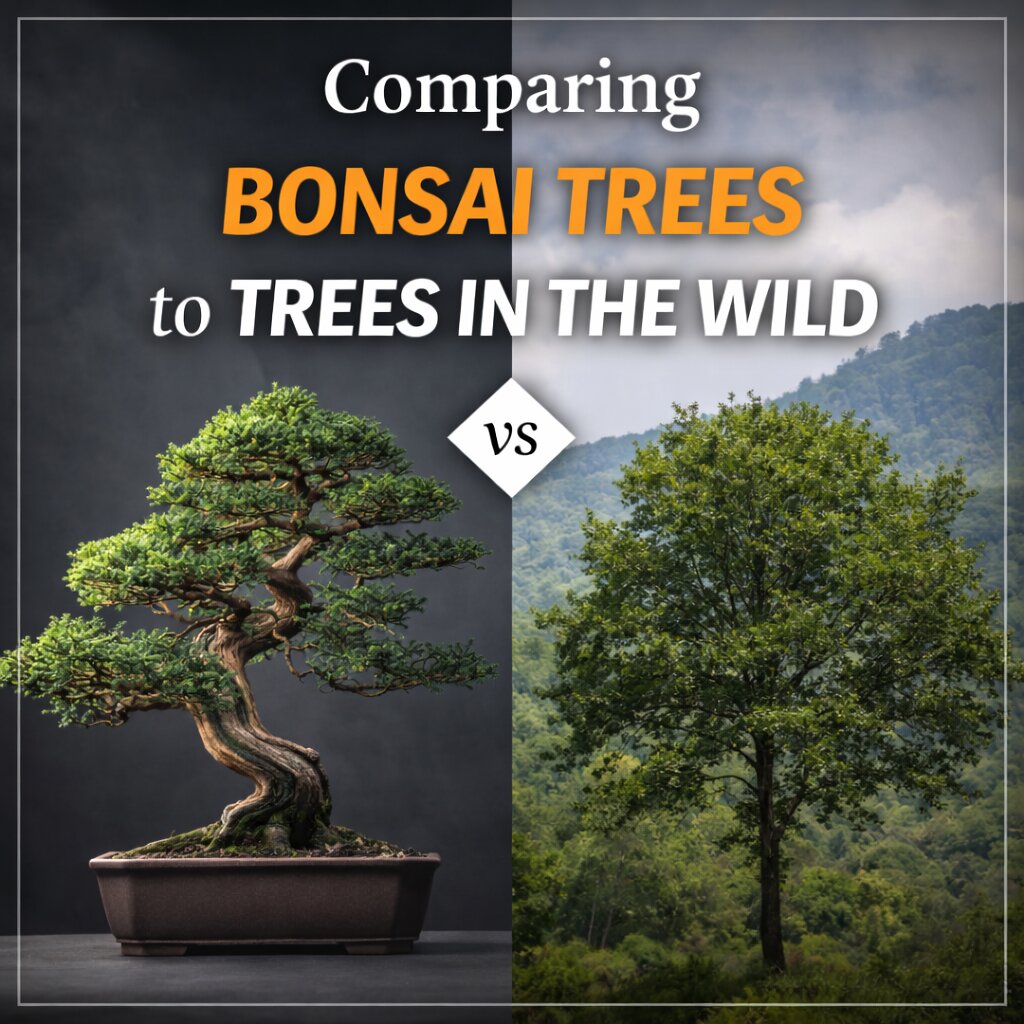
Bonsai trees and trees in the wild may share the same species, but they exist in entirely different worlds. One is carefully cultivated in a controlled environment, while the other grows freely in nature, shaped by the elements and time.
Understanding the differences between bonsai trees and their wild counterparts helps enthusiasts appreciate the art form more deeply. This bonsai guide also reveals how much care, skill, and intention go into creating and maintaining a bonsai.
Growth environment and conditions
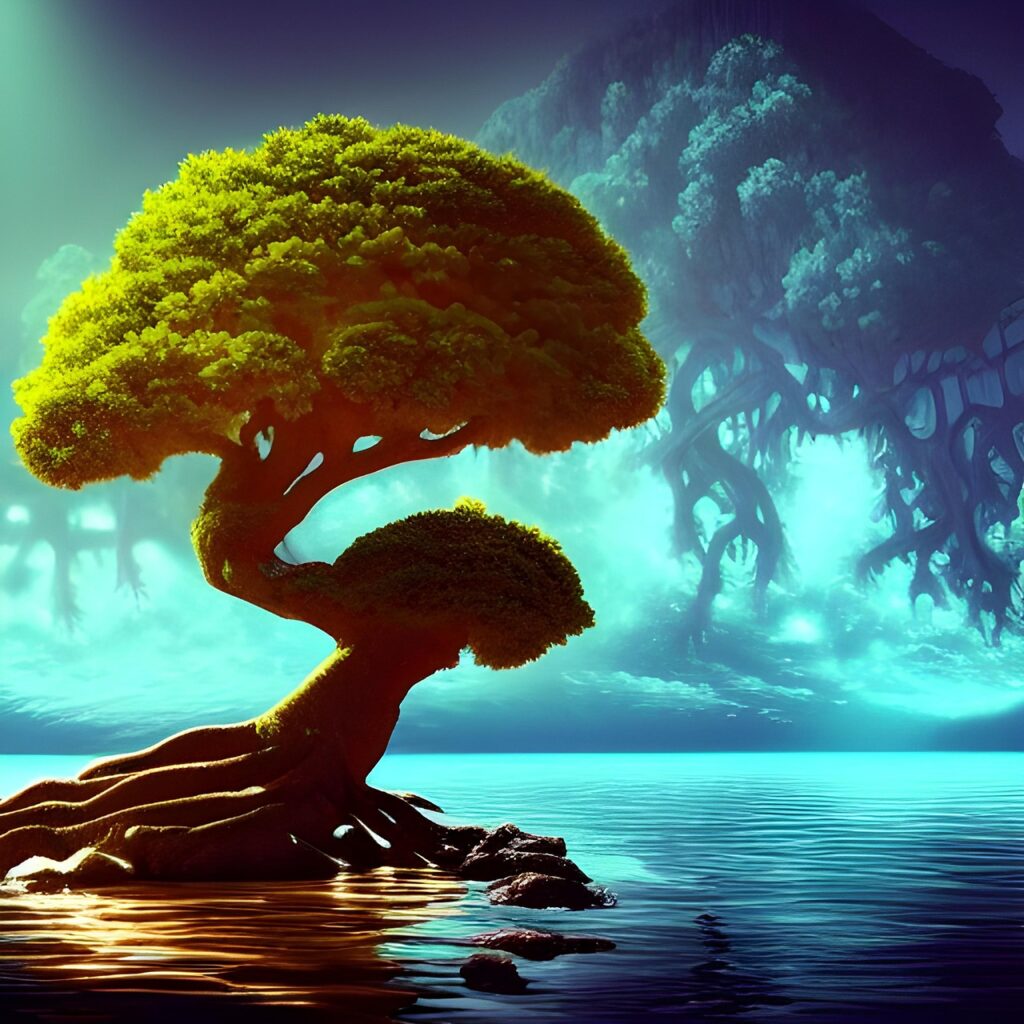
In the wild, trees grow in vast, open environments where their roots can spread freely and access natural nutrients from the soil. They are exposed to changing weather conditions, including wind, rain, and seasonal shifts, all of which influence their growth patterns.
Bonsai trees, on the other hand, are grown in small containers that limit root expansion. This restriction is intentional, as it helps control the tree’s size and encourages the development of a miniature form that reflects a full-sized tree.
Because bonsai trees rely entirely on their caretaker, their environment must be carefully managed. Light, watering, and soil composition are all controlled to mimic natural conditions while maintaining the desired aesthetic.
Despite these differences, the goal of bonsai is to replicate the appearance of trees in the wild, capturing their essence in a much smaller form.
Size, shape, and structure
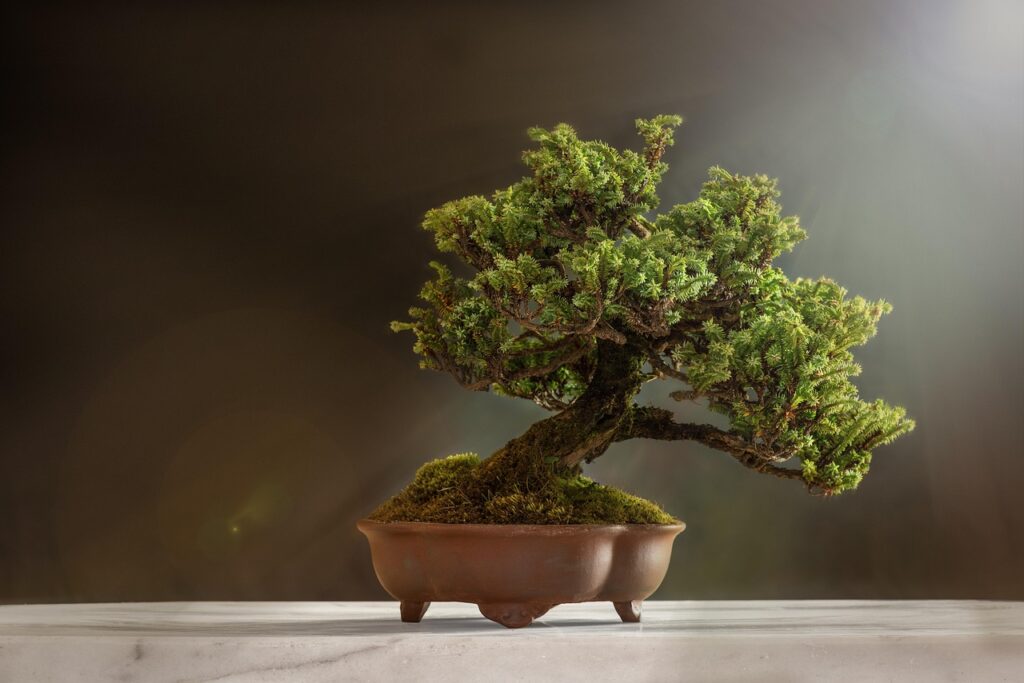
Wild trees grow to their natural height and width, often reaching impressive sizes depending on the species. Their shape is influenced by natural forces such as wind, competition for sunlight, and terrain.
Bonsai trees are deliberately kept small through pruning and root management. However, their structure is designed to mirror that of a mature tree, with proportionate branches, trunks, and foliage.
This is where the artistry of bonsai becomes evident. The grower shapes the tree to resemble natural growth patterns, often mimicking trees found in harsh or dramatic environments.
While a wild tree’s form is shaped by nature, a bonsai’s form is a collaboration between nature and the artist.
Maintenance and care requirements
Trees in the wild are largely self-sustaining. They draw nutrients from the soil, adapt to their environment, and grow without human intervention. While they may face challenges such as pests or extreme weather, they are equipped to survive and adapt over time.
Bonsai trees require consistent and attentive care. Because they are confined to small pots, they depend on regular watering, fertilising, and pruning to remain healthy.
Neglecting a bonsai tree can quickly lead to problems, as it does not have the same access to resources as a wild tree. This makes bonsai care both a responsibility and a rewarding practice for enthusiasts.
The level of involvement required is one of the key differences between bonsai and wild trees, highlighting the dedication needed to maintain these miniature landscapes.
Key differences at a glance
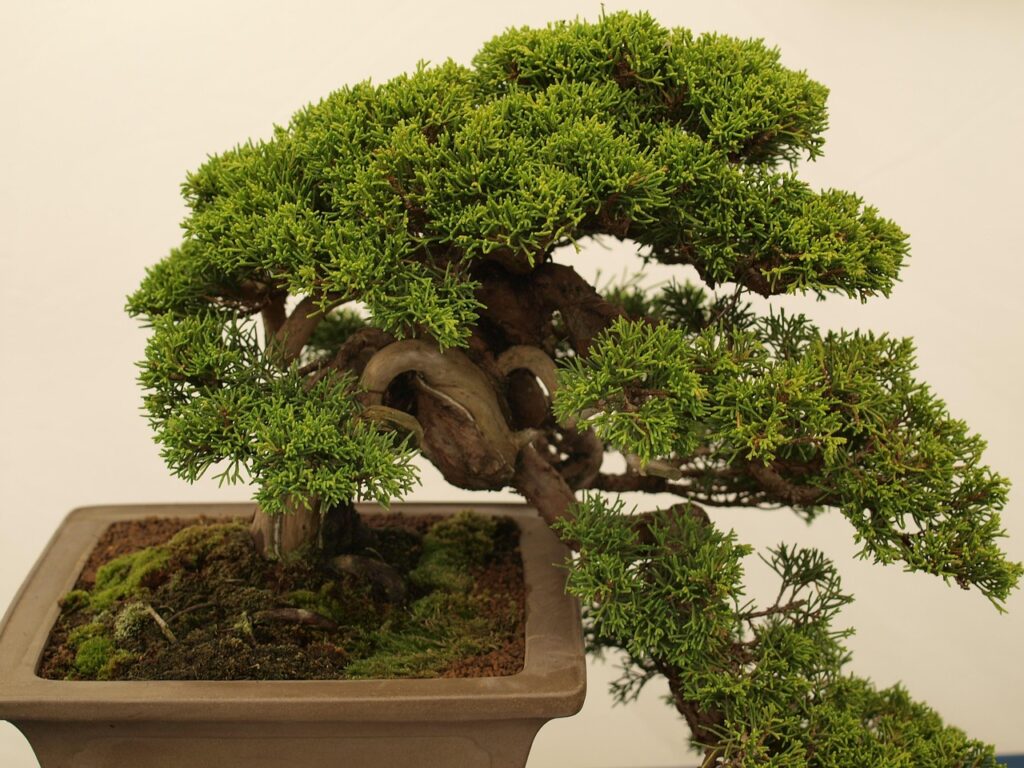
While bonsai trees and wild trees share similarities, their differences are significant and worth noting:
- Bonsai trees grow in containers, while wild trees grow in open ground
- Bonsai size is controlled, whereas wild trees reach natural heights
- Bonsai require regular human care, while wild trees are self-sustaining
- Bonsai are shaped through pruning and wiring, while wild trees are shaped by nature
- Bonsai environments are controlled, while wild trees face natural conditions
These distinctions help define bonsai as both a horticultural practice and an artistic expression.
The philosophy behind bonsai
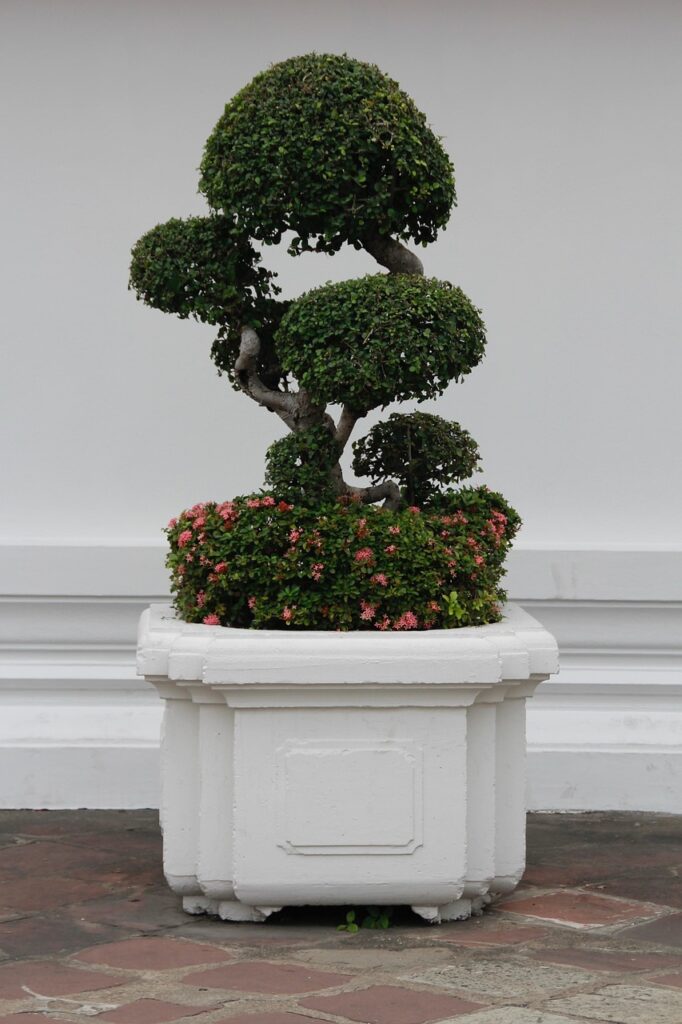
Bonsai is more than just growing small trees. It is about capturing the beauty, resilience, and character of nature in a confined space. Each bonsai tells a story, often inspired by trees that have endured harsh conditions in the wild.
This bonsai philosophy emphasises harmony between humans and nature. By shaping and caring for a bonsai, the grower develops a deeper connection with the natural world.
Wild trees, on the other hand, represent nature in its purest form. They grow without interference, adapting to their surroundings and evolving over time.
Both forms are beautiful in their own way, but bonsai offers a unique perspective by bringing the essence of nature into a more intimate and manageable scale.
Appreciating both worlds
Comparing bonsai trees to trees in the wild highlights the balance between control and freedom. While wild trees thrive independently, bonsai trees rely on careful guidance and care.
This contrast is what makes bonsai so fascinating. It allows us to observe and recreate nature’s beauty in a way that is both artistic and personal.
By understanding these differences, enthusiasts can better appreciate the skill involved in bonsai cultivation and the natural processes that inspire it.