
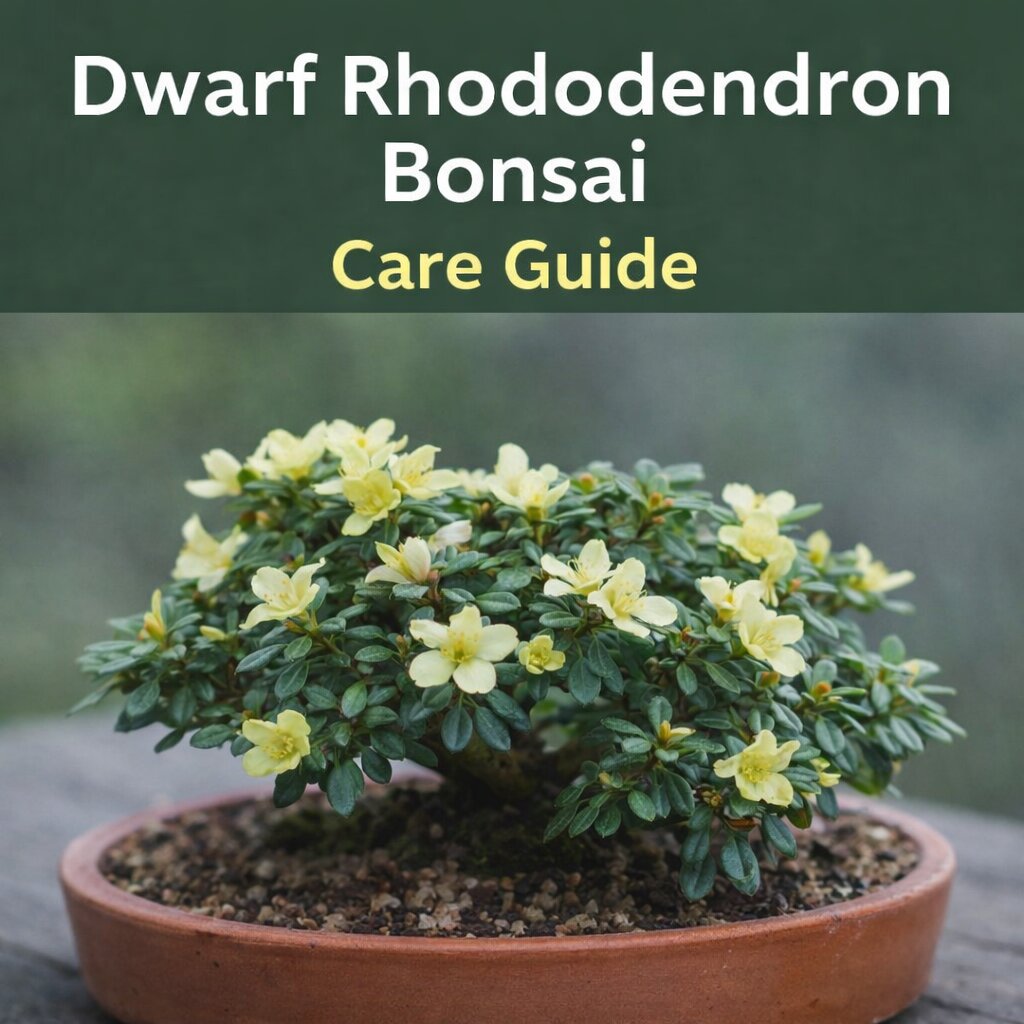
The Dwarf Rhododendron bonsai is a stunning flowering specimen that brings colour, elegance, and seasonal beauty into any bonsai collection. Known for its compact growth and vibrant blooms, this species is especially valued by enthusiasts who want a bonsai that delivers both structure and visual impact during its flowering period.
Unlike many traditional bonsai trees, the Dwarf Rhododendron requires a slightly different care approach, particularly when it comes to soil, watering, and light conditions. Its sensitivity to heat and preference for acidic environments make it a rewarding but attentive choice for growers.
With the right balance of care and environment, a Dwarf Rhododendron bonsai can thrive and produce breathtaking displays year after year, making it a favourite among bonsai artists who appreciate both challenge and beauty.
Table of Contents
TL:DR Quick Dwarf Rhododendron Bonsai Care Overview
Before diving into the full care guide, here is a quick-reference overview for your Dwarf Rhododendron bonsai. This snapshot highlights the essential care requirements to help you maintain healthy growth, vibrant flowering, and long-term resilience, especially in cooler climates.
| Care Aspect | Dwarf Rhododendron Bonsai |
|---|---|
| Scientific name | Rhododendron anthopogon |
| Common name | Dwarf Rhododendron |
| Bonsai type | Evergreen flowering shrub |
| Light | Full sun to partial shade. Thrives in bright light but requires protection from harsh midday heat in warmer climates. |
| Watering | Keep soil consistently moist but never waterlogged. Prefers rainwater or low-lime water. Do not allow soil to dry out completely. |
| Soil | Acidic, well-draining bonsai mix. Best in kanuma or a mix of kanuma, pumice, and fine bark. Avoid alkaline soils. |
| Fertiliser | Use an acid-loving fertiliser such as NPK 10-5-5 or 12-6-6 in spring and early summer. Reduce feeding after flowering and avoid winter feeding. |
| Pruning | Light pruning after flowering. Remove spent blooms and trim new growth carefully. Avoid cutting into old wood. |
| Wiring | Limited due to delicate, woody branches. Use gentle wiring or guy wires. Best done in spring. |
| Difficulty | Moderate to advanced. Requires careful control of moisture, acidity, and temperature. |
| Rarity | Rare. Typically found through specialist alpine or bonsai nurseries. |
| Climate sensitivity | Prefers cool alpine climates. Very cold-hardy but sensitive to heat and prolonged dryness. |
| Growth habit | Very compact, low-growing shrub with small leaves and dense branching. Ideal for shohin and small bonsai styles. |
Dwarf Rhododendron Bonsai Care Guide
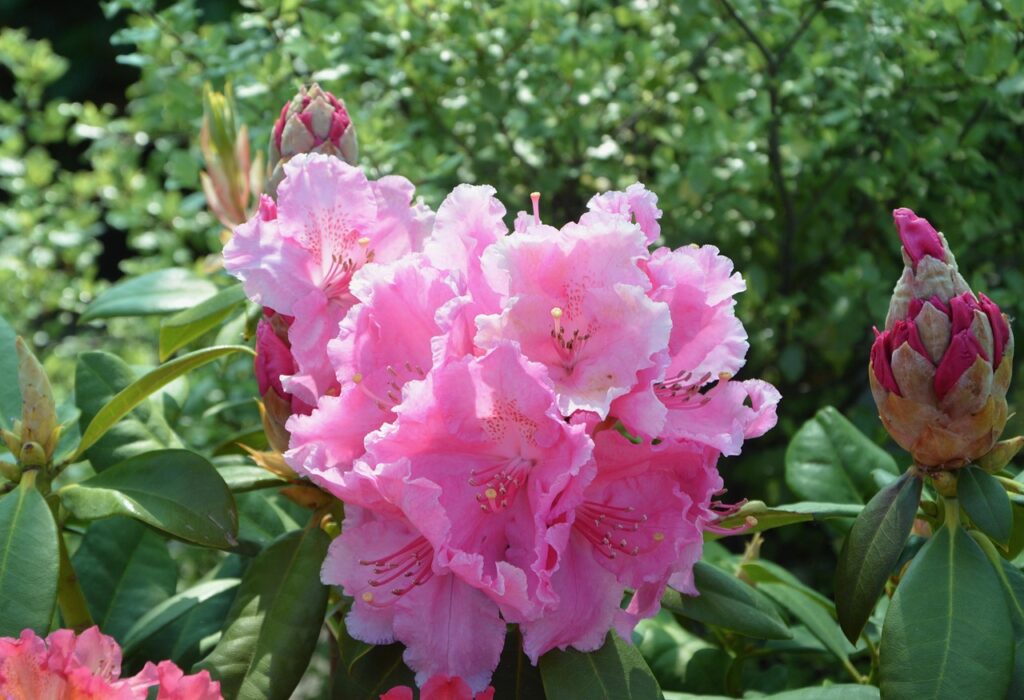
Caring for a Dwarf Rhododendron bonsai requires a slightly different approach compared to many traditional bonsai species. As an alpine, acid-loving plant, it thrives in cooler conditions with consistent moisture and well-balanced light. When these needs are met, it rewards growers with dense foliage and striking seasonal blooms.
Understanding its natural habitat is key. In the wild, this species grows in mountainous regions with cool air, filtered sunlight, and well-draining acidic soil. Replicating these conditions as closely as possible will ensure long-term health and vibrant flowering.
Below is a detailed breakdown of how to care for your Dwarf Rhododendron bonsai across all essential aspects.
Light
Dwarf Rhododendron bonsai prefers bright, indirect light with some exposure to gentle morning sun. Full sun is acceptable in cooler climates, but protection from intense midday heat is crucial, especially in warmer regions.
Too much direct sunlight can scorch leaves and dry out the soil too quickly, while too little light may reduce flowering and weaken growth. A balanced position with filtered light often delivers the best results.
If grown indoors temporarily, ensure it is placed near a bright window with good airflow, although outdoor placement is always preferred.
Watering
Consistent moisture is essential for a healthy Dwarf Rhododendron bonsai. The soil should remain evenly moist at all times, but never waterlogged.
This species is sensitive to water quality and prefers low-lime water. Rainwater is ideal, as hard tap water can gradually alter soil acidity and harm the plant over time.
Avoid letting the soil dry out completely, as this can cause stress and lead to leaf drop or poor flowering performance.
Pruning
Pruning should be done lightly and at the right time to maintain both shape and flowering potential. The best time to prune is just after the flowering period.
Remove spent flowers to encourage new growth and redirect energy into the plant. Trim back new shoots carefully, keeping the natural form intact.
Avoid cutting into old wood, as Dwarf Rhododendron bonsai does not always respond well to heavy pruning.
Shaping
Shaping is best achieved through careful pruning rather than aggressive techniques. This species naturally develops a compact, bushy structure, which suits many bonsai styles.
Encourage a balanced silhouette by trimming back overly dominant branches and maintaining an even distribution of foliage.
Patience is key, as shaping this bonsai is more about refinement over time than drastic changes.
Soil
The Dwarf Rhododendron bonsai requires acidic, well-draining soil to thrive. Kanuma is the preferred medium, as it retains moisture while maintaining the necessary acidity.
A mix of kanuma, pumice, and fine bark can also work well, providing both drainage and aeration.
Avoid alkaline soils at all costs, as they can quickly lead to nutrient deficiencies and declining health.
Repotting
Repotting should be done every two to three years, ideally in early spring before active growth begins.
During repotting, gently prune the roots and refresh the soil mix to maintain acidity and structure. Avoid removing too much of the root system, as this can stress the plant.
Always use fresh, suitable soil to ensure continued healthy development.
Wiring
Wiring is possible but should be approached with caution. The branches of a Dwarf Rhododendron bonsai are relatively brittle and can snap easily.
If wiring is necessary, use soft wire and apply it gently. Guy wires are often a safer alternative for shaping branches gradually.
Spring is the best time for any wiring work, when the plant is more flexible and actively growing.
Fertiliser
Use an acid-loving fertiliser during the growing season to support healthy foliage and flowering. Balanced formulas such as NPK 10-5-5 or 12-6-6 are suitable.
Feed regularly in spring and early summer, then reduce feeding after the flowering period. Avoid heavy fertilisation in late autumn and winter.
Overfeeding can damage roots and disrupt the plant’s natural growth cycle, so moderation is important.
Propagation
Dwarf Rhododendron bonsai can be propagated through cuttings or layering, with semi-hardwood cuttings being the most common method.
Cuttings should be taken during the growing season and placed in an acidic, well-draining medium. High humidity and stable temperatures improve success rates.
Propagation requires patience, but it allows growers to expand their collection or preserve specific characteristics.
Seasonal Care
Seasonal adjustments are important for maintaining a healthy Dwarf Rhododendron bonsai.
In spring, focus on feeding and supporting new growth. Summer requires careful watering and protection from excessive heat. Autumn is a time to reduce feeding and prepare the plant for dormancy.
In winter, the plant benefits from cold conditions but should be protected from extreme dryness and harsh winds.
Pests
Common pests include aphids, spider mites, and vine weevils. These can damage leaves and weaken the plant if not addressed promptly.
Regular inspection helps catch infestations early. Organic treatments or insecticidal soaps are effective and safer for ongoing care.
Maintaining good airflow and proper watering practices can also reduce the risk of pest issues.
Diseases
Dwarf Rhododendron bonsai can be susceptible to root rot, especially if the soil remains waterlogged. Ensuring proper drainage is the best prevention.
Leaf spot and fungal issues may occur in humid conditions with poor airflow. Removing affected leaves and improving ventilation can help control these problems.
Healthy care practices, including correct watering and soil selection, are the most effective way to prevent disease and maintain a thriving bonsai.
How to Identify a Dwarf Rhododendron Bonsai
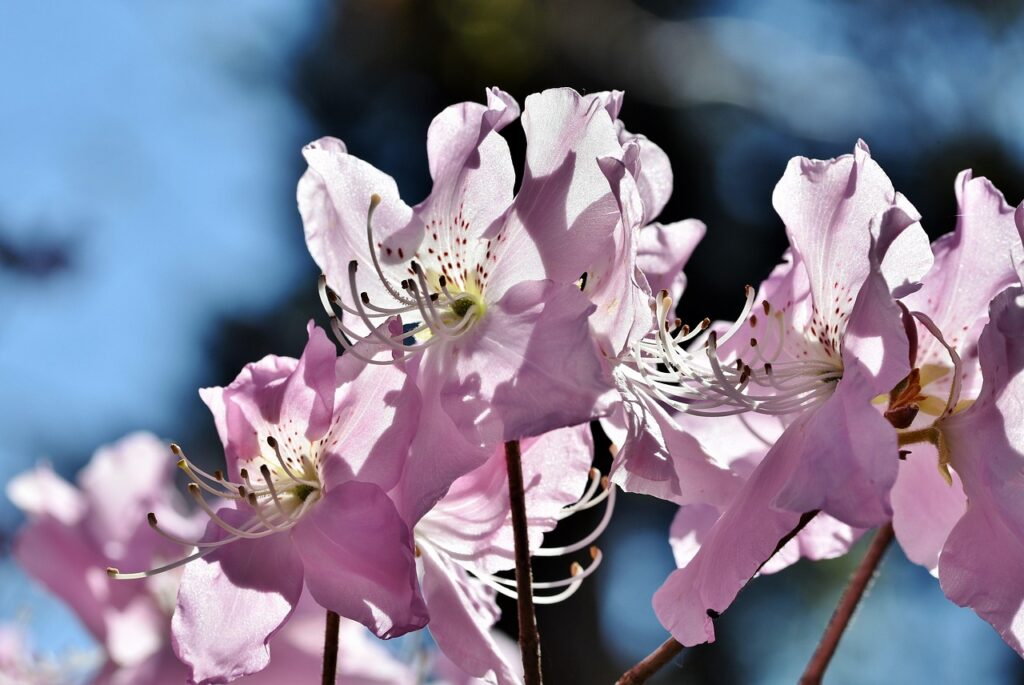
Correctly identifying a Dwarf Rhododendron bonsai is essential for proper care, especially since different rhododendron species have slightly different needs. Rhododendron anthopogon is an alpine species with distinct features that set it apart from larger or more common rhododendrons.
By observing its leaves, flowers, and overall structure, you can confidently distinguish this compact species from others in your collection.
Leaf Identification
The leaves of a Dwarf Rhododendron bonsai are one of its most defining features. They are small, narrow, and leathery, typically growing in dense clusters along the branches.
Leaves are usually dark green on top, with a slightly lighter or sometimes silvery underside. They may also release a subtle aromatic scent when crushed, which is characteristic of some alpine rhododendron species.
Compared to larger rhododendrons, the leaf size is noticeably reduced, making it ideal for bonsai styling and small-scale compositions.
Flower Gallery
Dwarf Rhododendron bonsai produces delicate clusters of small flowers, usually in shades of pale yellow, creamy white, or soft pink depending on the variety.
The flowers tend to bloom in tight groups at the ends of branches, creating a gentle but elegant display rather than large, showy blossoms. This understated flowering style adds to its alpine charm.
Blooming typically occurs in late spring to early summer, and healthy specimens will produce consistent flowering when properly cared for.
Fruit Identification
After flowering, the plant may produce small, elongated seed capsules rather than fleshy fruit. These capsules develop where the flowers once bloomed.
They are generally subtle and not particularly ornamental, but they serve as a useful identification feature for those familiar with rhododendron species.
Most bonsai growers remove these capsules to conserve the plant’s energy and maintain its appearance.
Seeds and Pods
The seed pods of a Dwarf Rhododendron bonsai are small, dry capsules that split open when mature to release fine seeds.
These seeds are very lightweight and require specific conditions to germinate, including high humidity and acidic growing media.
While propagation from seed is possible, it is less common due to the slow growth rate and variability in resulting plants.
Bark Textures
The bark of Rhododendron anthopogon is relatively smooth when young, with a light brown to greyish tone. As the plant matures, the bark may develop a slightly rougher texture.
Unlike many tree species used in bonsai, the bark does not become deeply fissured or highly textured. Instead, its subtle ageing contributes to a refined and delicate appearance.
This smoother bark complements the plant’s compact growth habit and fine branching structure, making it well-suited for smaller bonsai styles.
Bonsai Styles Suited to Dwarf Rhododendron Bonsai
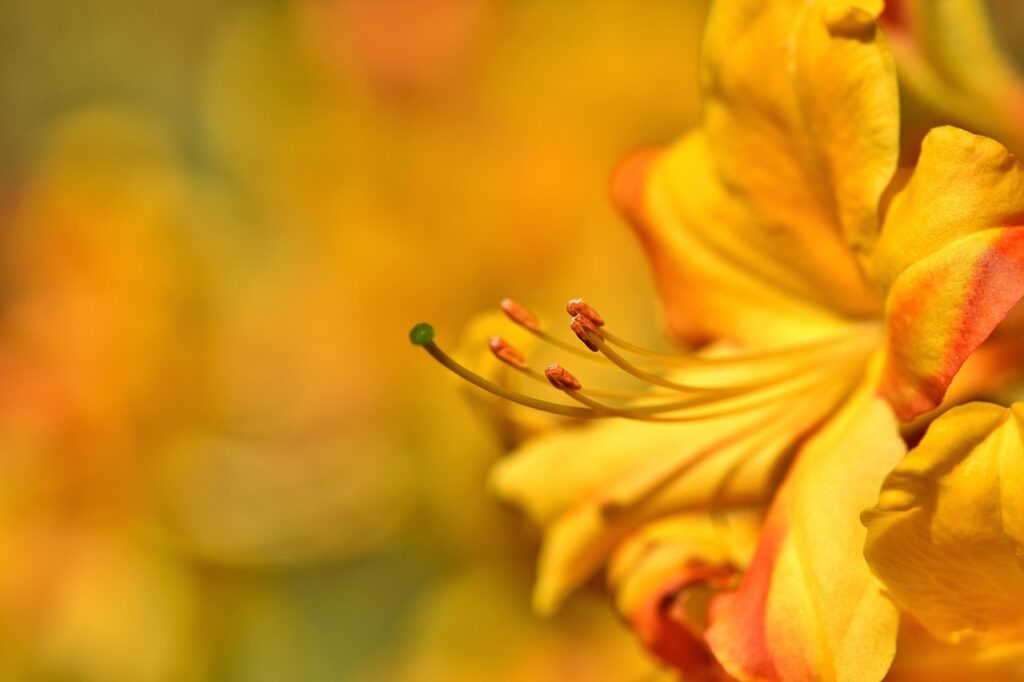
The Dwarf Rhododendron bonsai naturally lends itself to refined, compact bonsai styles thanks to its dense branching, small leaves, and low-growing habit. Rather than forcing dramatic shapes, this species responds best to styles that enhance its natural alpine character and soft, shrub-like structure.
Because Rhododendron anthopogon grows close to the ground in its native environment, many of the most suitable bonsai styles reflect windswept landscapes, rocky terrain, and layered growth patterns. Below are the most effective styles for showcasing its beauty.
Informal Upright (Moyogi)
The informal upright style is one of the most suitable choices for a Dwarf Rhododendron bonsai. Its gentle curves and natural movement complement the plant’s organic growth pattern.
This style allows the trunk to develop subtle bends while maintaining a balanced canopy. The dense foliage pads can be shaped to create a soft, layered appearance, especially when in bloom.
It is an excellent option for beginners working with this species, as it aligns closely with how the plant naturally grows.
Clump Style (Kabudachi)
Dwarf Rhododendron bonsai thrives in clump style, where multiple trunks grow from a single root base. This reflects its natural tendency to form dense, bushy clusters in alpine environments.
The result is a fuller, more natural composition that highlights the plant’s compact growth and flowering potential. Each trunk can be developed with slight variation, adding depth and visual interest.
This style works particularly well when aiming to create a miniature landscape feel.
Forest Style (Yose-ue)
Forest style is ideal for showcasing multiple Dwarf Rhododendron bonsai together, creating the impression of a small alpine grove.
By arranging several plants of varying heights, you can mimic natural spacing and terrain. This style emphasises harmony and perspective, with smaller trees placed toward the back and larger ones in the foreground.
When in bloom, a forest composition becomes especially striking, with clusters of flowers adding colour throughout the display.
Cascade (Kengai)
Although less common, cascade style can be used effectively with Dwarf Rhododendron bonsai, particularly when working with naturally trailing or flexible branches.
This style mimics plants growing over rocky cliffs, with branches flowing downward below the pot. It requires careful training and patience, as the plant’s brittle branches limit aggressive shaping.
When done correctly, cascade creates a dramatic and elegant silhouette that contrasts beautifully with the species’ delicate foliage.
Windswept (Fukinagashi)
The windswept style suits the alpine origins of the Dwarf Rhododendron bonsai perfectly. It represents trees shaped by constant mountain winds, with branches flowing in a single direction.
This style enhances the natural storytelling of the plant, making it appear as though it has endured harsh environmental conditions.
Subtle shaping and careful pruning are key, as the goal is to suggest movement rather than force it.
Rock Planting (Ishitsuki)
Rock planting is one of the most visually fitting styles for this species. In nature, Rhododendron anthopogon often grows among rocks and mountainous terrain.
By planting the bonsai on or around a rock, you can recreate this natural habitat. The roots can be exposed slightly, gripping the rock to enhance realism.
This style highlights the plant’s resilience and creates a strong connection between the bonsai and its alpine origins.
Shohin and Mini Bonsai
Due to its naturally small leaves and compact growth, the Dwarf Rhododendron bonsai is ideal for shohin and mini bonsai sizes.
These smaller formats allow the fine details of the plant to shine, especially during flowering. The reduced scale enhances its delicate features and makes it perfect for display collections.
Maintaining proportion is easier with this species, making it a favourite for enthusiasts who enjoy smaller bonsai compositions.
Choosing the Right Style for Your Bonsai
When selecting a style for your Dwarf Rhododendron bonsai, it is best to work with the plant rather than against it. Its natural growth habit provides strong guidance on what will look most authentic and sustainable.
Focus on enhancing its compact form, gentle branching, and seasonal blooms. With patience and thoughtful shaping, this species can become a truly unique and elegant bonsai that reflects the beauty of alpine landscapes.
Symbolism and Cultural Significance
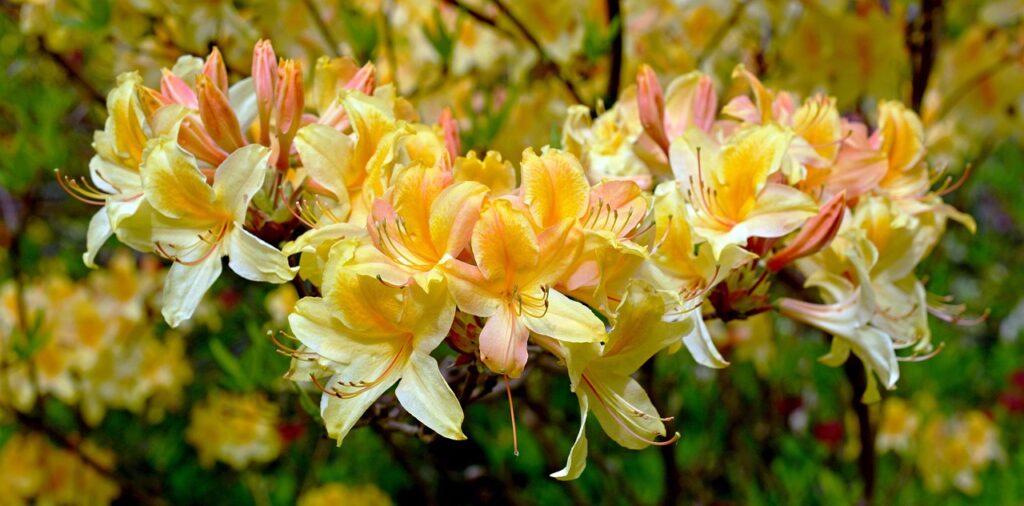
The Dwarf Rhododendron bonsai carries deep symbolic meaning rooted in both its natural alpine origins and the broader cultural significance of rhododendron species. Known for thriving in harsh mountain environments, it represents resilience, endurance, and quiet strength in the face of adversity.
In many cultures, rhododendrons are associated with beauty and renewal, as their delicate blooms emerge in rugged landscapes where few other plants can survive. This contrast between softness and strength gives the plant a unique symbolic duality. It reflects both fragility and perseverance, making it a meaningful addition to any bonsai collection.
In Himalayan regions, where Rhododendron anthopogon naturally grows, the plant is often linked to spiritual purity and natural harmony. It is sometimes used in traditional practices and is valued for its calming presence in high-altitude environments. This connection to sacred landscapes adds a deeper layer of meaning when cultivated as a bonsai.
As a bonsai, the Dwarf Rhododendron also symbolises patience and careful nurturing. Its specific care requirements remind growers of the importance of balance, attention, and respect for nature. The slow growth and seasonal flowering encourage mindfulness, rewarding those who invest time and dedication.
In a display setting, this bonsai can represent harmony between strength and beauty, as well as a connection to nature’s quieter, more resilient forms of life. It is not a loud or dominant tree, but rather one that tells a story of survival, grace, and enduring elegance.
Companion Plants and Wildlife Attraction
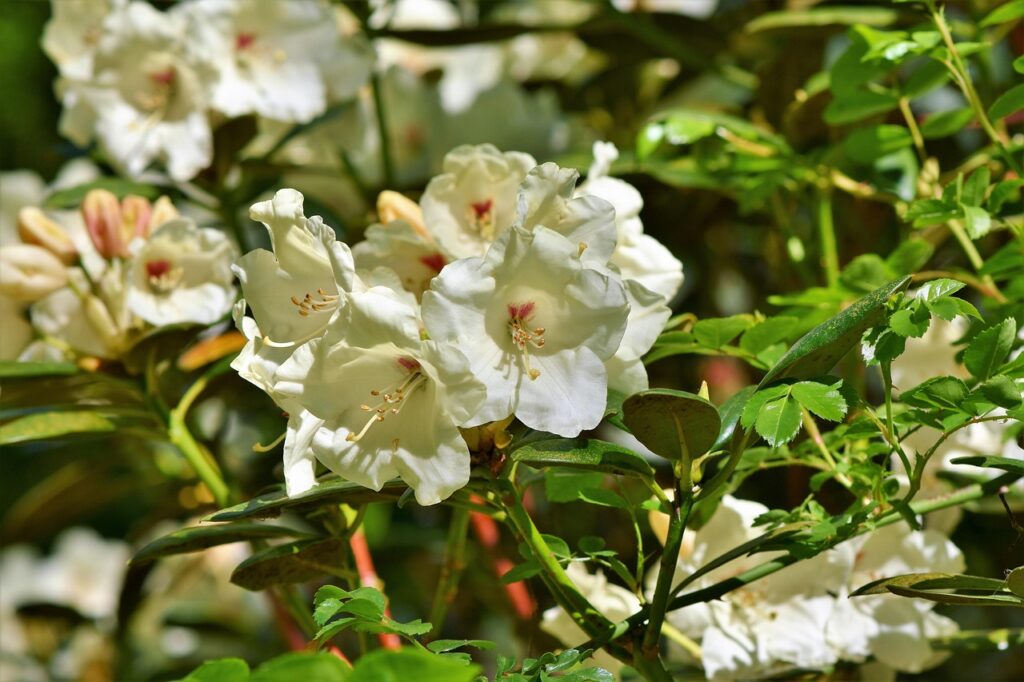
Pairing your Dwarf Rhododendron bonsai with the right companion plants and encouraging beneficial wildlife can elevate both its aesthetic appeal and ecological balance. Since this species prefers acidic soil and cooler conditions, companions should share similar environmental needs to thrive together.
Moss
Moss complements the alpine nature of the Dwarf Rhododendron bonsai while helping retain moisture and enhance visual appeal.
- Hypnum cupressiforme (Cypress-leaved Plait Moss)
- Dicranum scoparium (Broom Moss)
- Leucobryum glaucum (Pincushion Moss)
- Polytrichum commune (Haircap Moss)
These moss varieties thrive in acidic, moist environments and create a soft, natural forest floor effect around your bonsai.
Flowers
Small, acid-loving flowering plants can enhance the seasonal display without overwhelming the bonsai.
- Erica carnea (Winter Heath)
- Calluna vulgaris (Scots Heather)
- Primula vulgaris (Primrose)
- Viola odorata (Sweet Violet)
These plants complement the alpine theme and provide additional colour throughout different seasons.
Herbs
Certain compact herbs can work well in bonsai displays, especially those that tolerate similar soil and moisture conditions.
- Thymus serpyllum (Creeping Thyme)
- Mentha requienii (Corsican Mint)
- Origanum vulgare ‘Compactum’ (Compact Oregano)
- Satureja montana (Winter Savory)
These herbs add texture and subtle fragrance while remaining manageable in size.
Wildlife Attraction (Bees, Praying Mantis)
Encouraging beneficial wildlife can improve pollination and natural pest control around your bonsai setup.
- Lavandula angustifolia (Lavender) – attracts bees and pollinators
- Borago officinalis (Borage) – highly attractive to bees
- Achillea millefolium (Yarrow) – supports beneficial insects
- Foeniculum vulgare (Fennel) – attracts insects that support mantis populations
- Cosmos bipinnatus (Cosmos) – draws pollinators and small insects
These plants help create a small ecosystem that supports your bonsai’s health while adding life and movement to your display.
By choosing the right companions, your Dwarf Rhododendron bonsai becomes more than just a plant. It becomes part of a balanced, living environment that reflects its natural alpine origins.
Care Summary and Practical Notes
The Dwarf Rhododendron bonsai is a rewarding yet sensitive species that thrives when its alpine origins are respected. With its compact growth, fine foliage, and delicate blooms, it offers a unique bonsai experience that balances beauty with precision care.
The most important factors to remember are acidic soil, consistent moisture, and protection from heat. Using the right substrate, such as kanuma-based mixes, and watering with low-lime or rainwater will go a long way in maintaining plant health. Avoid letting the soil dry out, but also ensure proper drainage to prevent root issues.
Positioning is equally important. Provide bright light with some protection from intense midday sun, especially in warmer climates. In cooler regions, the plant can tolerate more direct sunlight, but airflow and humidity should always be considered.
Pruning and shaping should be done with care and patience. Focus on light maintenance rather than aggressive styling, allowing the natural structure of the plant to guide its form. Because of its brittle branches, gentle techniques are always preferred over forceful wiring.
Finally, think long-term. This bonsai responds best to consistent, attentive care rather than frequent changes. When its needs are met, it will reward you with steady growth and beautiful seasonal flowers, making it a standout addition to any bonsai collection.