

Can you safely transplant bonsai trees in winter, or does it risk damaging your tree? This is a common question among bonsai enthusiasts, especially when seasonal changes affect growth and care routines.
Transplanting is a delicate process that can stress a bonsai if done at the wrong time. Since winter is a period of dormancy for many species, it presents both risks and opportunities depending on how and when you approach the task.
In this guide, we explore whether it is safe to transplant bonsai trees in winter, what factors to consider, and how to do it correctly if needed.
Understanding Bonsai Dormancy in Winter
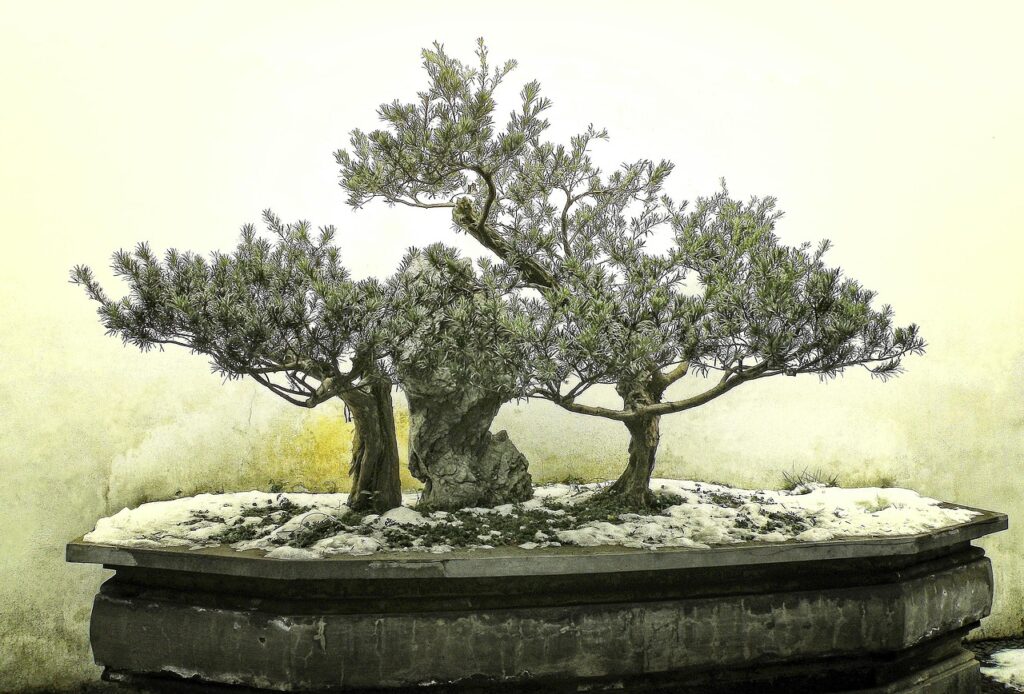
Before you attempt to transplant bonsai trees in winter, it is important to understand how trees behave during this season. Most temperate bonsai species enter a dormant phase where growth slows or stops completely.
During dormancy, the tree conserves energy and focuses on survival rather than development. This means it is less capable of recovering from stress, including root disturbance caused by transplanting.
However, dormancy also means reduced water uptake and metabolic activity. In some cases, this can actually minimise shock if transplanting is done carefully and at the right moment.
Knowing how your specific bonsai species responds to winter conditions is key before making any decisions.
When It Is Safe to Transplant Bonsai Trees in Winter
It can be safe to transplant bonsai trees in winter, but timing is everything. The safest window is usually late winter, just before the tree begins its spring growth cycle.
At this stage, the tree is still dormant but preparing to become active. Transplanting now allows it to recover quickly once growth resumes.
Avoid transplanting during early winter or during extreme cold periods. Frozen soil and harsh conditions can damage roots and reduce the tree’s ability to recover.
If your bonsai is kept indoors or in a controlled environment, you may have more flexibility. However, outdoor bonsai require careful timing to avoid unnecessary stress.
Risks of Transplanting in Winter
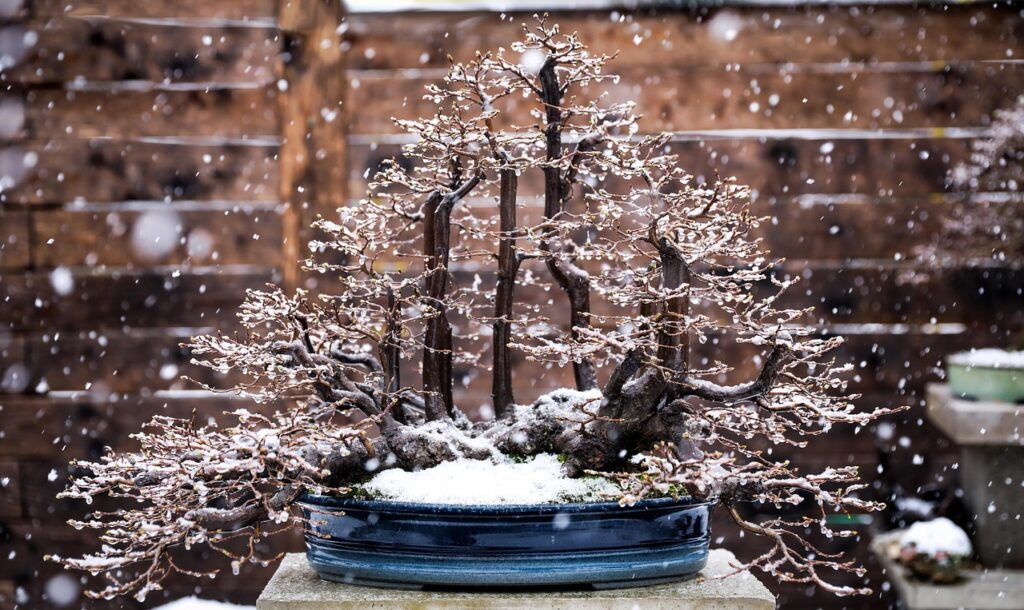
There are several risks to consider when you transplant bonsai trees in winter. These risks are higher if the process is not timed or managed correctly.
Cold temperatures can damage exposed roots, especially if they are left uncovered for too long. This can lead to root dieback and long-term health issues.
Another risk is reduced recovery ability. Since the tree is not actively growing, it cannot quickly repair damaged roots or adapt to new soil conditions.
Overwatering is also a concern. With reduced water uptake, excess moisture can lead to root rot if the soil does not drain properly.
Understanding these risks helps you decide whether transplanting is necessary or if it is better to wait.
How to Transplant Bonsai Trees in Winter Safely
If you need to transplant bonsai trees in winter, following the right steps can minimise stress and improve success:
- Choose late winter timing just before new growth begins
- Work quickly and carefully to limit root exposure to cold air
- Use well-draining soil to prevent excess moisture retention
- Avoid heavy root pruning during winter transplanting
- Protect the tree after transplanting by placing it in a sheltered location
These steps ensure that your bonsai has the best chance of recovering and thriving once spring arrives.
Preparation and care are essential when transplanting during colder months.
Species That Handle Winter Transplanting Better
Not all bonsai trees respond the same way when you transplant bonsai trees in winter. Some species are more resilient and can handle the process better than others.
Deciduous trees, such as maples and elms, often tolerate late winter transplanting well because they naturally go through a dormant phase. These species are commonly repotted just before spring.
Evergreens, especially conifers, can be more sensitive. They may require more caution and are often better transplanted slightly later, depending on the climate.
Tropical bonsai should generally not be transplanted in winter unless they are kept in warm, stable indoor conditions.
Understanding your tree’s species is crucial for making the right decision.
A Seasonal Approach to Bonsai Care
While it is possible to transplant bonsai trees in winter, it is not always the best option. In most cases, waiting until early spring provides the ideal balance between dormancy and recovery.
Winter should primarily be a time for protection, monitoring, and preparation. Use this period to plan your transplanting and ensure you have the right soil, tools, and environment ready.
By taking a seasonal approach, you reduce stress on your bonsai and improve its long-term health.
Transplanting is an important part of bonsai care, but timing and technique make all the difference.