

Wiring is one of the most effective techniques for shaping an azalea bonsai, allowing growers to guide branches into graceful, natural forms. However, because azalea wood is relatively brittle and its bark is delicate, wiring requires a gentle approach and careful timing. When performed correctly, wiring helps create the refined silhouettes that make azalea bonsai such beautiful specimens.
Understanding how and when to wire your tree can make the difference between healthy development and unnecessary damage.
When Should You Wire an Azalea Bonsai?
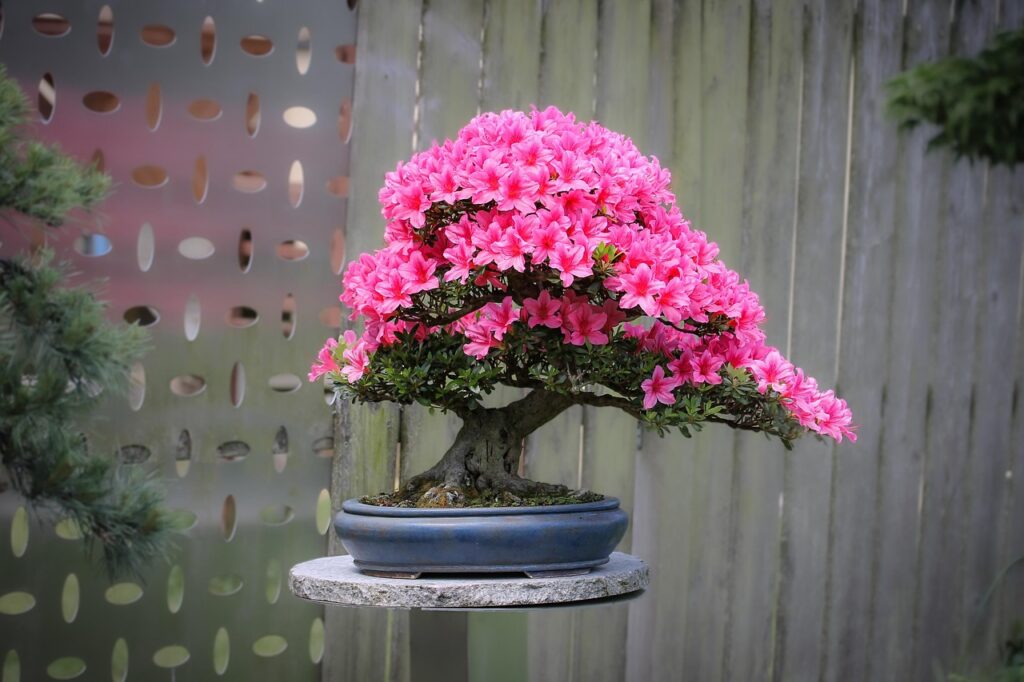
The best time to wire an azalea bonsai is after flowering, once the tree has recovered and entered its active growing period. At this stage, branches are flexible enough to be repositioned while still responding well to training.
Avoid bonsai wiring during peak flowering or when branches are dry and brittle, as they are more likely to crack under pressure. It is also wise to inspect the tree beforehand and remove any dead or weak growth before beginning.
Patience is essential, as azaleas often require gradual adjustments rather than dramatic bends.
Choosing the Right Wiring Technique
Because of their delicate bark, azalea bonsais benefit from careful wiring methods that minimise the risk of injury.
- Use anodised aluminium wire instead of heavier copper wire.
- Select the correct wire thickness for the branch.
- Wrap the wire at approximately a 45-degree angle.
- Support branches while bending to prevent cracking.
- Make gradual adjustments instead of sharp bends.
- Monitor the wire regularly for signs of biting into the bark.
- Remove the wire promptly once the branch holds its new position.
Taking your time during the wiring process helps preserve both the health and appearance of the bonsai.
Protecting Your Tree During Training
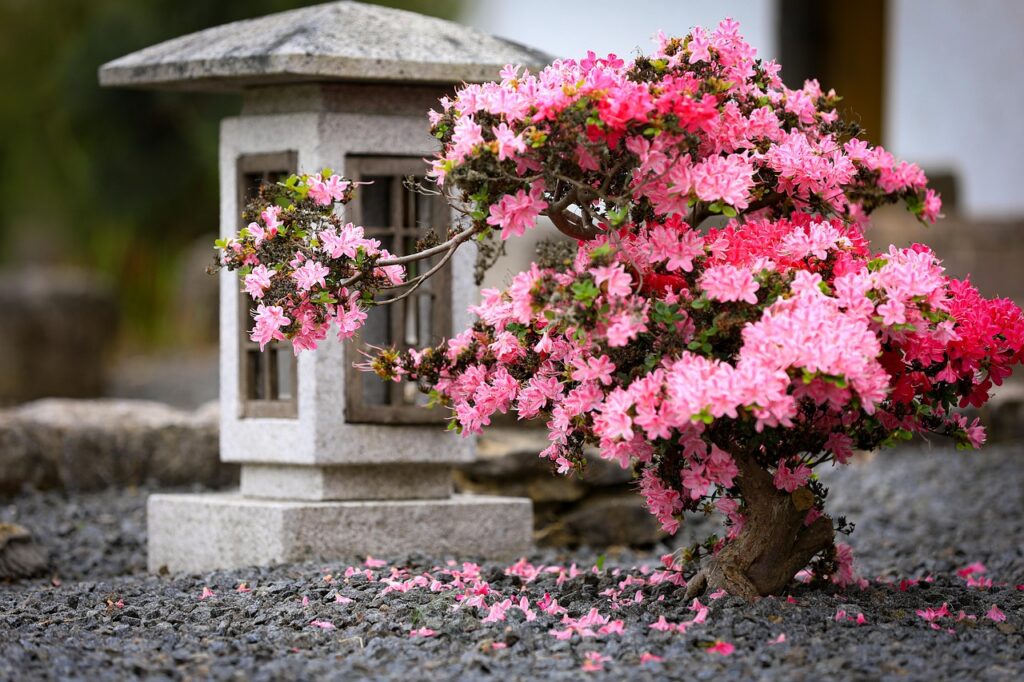
After wiring, continue providing consistent watering, appropriate lighting and balanced fertilisation. Healthy growth helps branches set into their new positions more effectively.
Inspect wired branches every few weeks, particularly during vigorous growing periods. Azaleas can thicken quickly, and wire left on for too long may scar the bark permanently. If further shaping is needed, it is often better to remove the wire and reapply it later rather than risk damage.
Combining wiring with thoughtful pruning allows you to develop a balanced branch structure over time.
Create Beautiful Bonsai Through Careful Training
Wiring is an essential skill for anyone looking to refine the shape and character of an azalea bonsai. By using gentle techniques, selecting the right timing and monitoring the tree throughout the process, growers can create elegant branch movement while protecting the health of their bonsai.
With patience and regular observation, wiring becomes a valuable tool in developing an azalea bonsai that continues to improve in beauty and maturity year after year.