

Spring brings one of the most noticeable changes in the bonsai calendar. After the slower pace of winter, temperatures begin climbing, daylight hours increase and many bonsai trees start producing fresh shoots, new leaves and active root growth. All of that activity changes how quickly your tree uses water.
For bonsai growers in South Africa, the transition can sometimes happen surprisingly quickly. A watering routine that worked perfectly during the cooler weeks of August may no longer be sufficient as September approaches and warmer spring days arrive.
So, should you start watering your bonsai more often?
Probably — but don’t start watering according to a fixed spring schedule. Your bonsai should tell you when it needs water.
Why Your Bonsai Needs More Water as Spring Warms Up
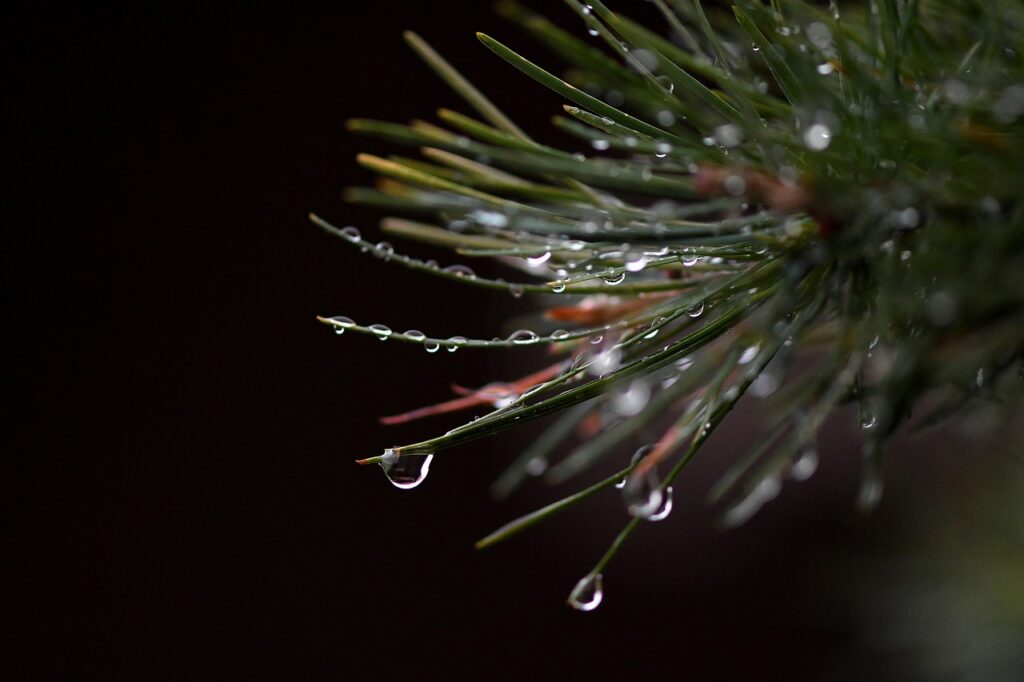
Bonsai trees don’t suddenly decide that spring has arrived because the calendar says so. They respond to changes in temperature, daylight and growing conditions.
As conditions become warmer, your tree becomes increasingly active. New shoots develop, leaves expand and roots begin supporting another growing season. More foliage also means greater water loss through transpiration.
At the same time, warmer air and increasing sunlight cause moisture to evaporate from the bonsai pot more quickly.
This creates two simultaneous demands: your bonsai may be using more water while its soil is also losing moisture faster.
That’s why you may notice that a pot that remained damp for several days during winter begins drying significantly faster during spring.
Don’t Suddenly Double Your Watering
Knowing that bonsai trees generally require more water during warmer weather doesn’t mean you should immediately start watering twice a day.
Overwatering remains a risk.
If the soil is still sufficiently moist and you repeatedly add more water simply because the weather is warmer, the roots may remain excessively wet. Poor drainage combined with unnecessary watering can reduce oxygen around the roots and contribute to root problems.
Instead, increase how frequently you check your bonsai.
During winter, perhaps you could confidently leave certain trees for longer periods between inspections. As spring temperatures rise, you should begin checking the soil more regularly.
Some days your bonsai may need water. Other days it won’t.
The tree decides — not your timetable.
Learn to Read the Soil
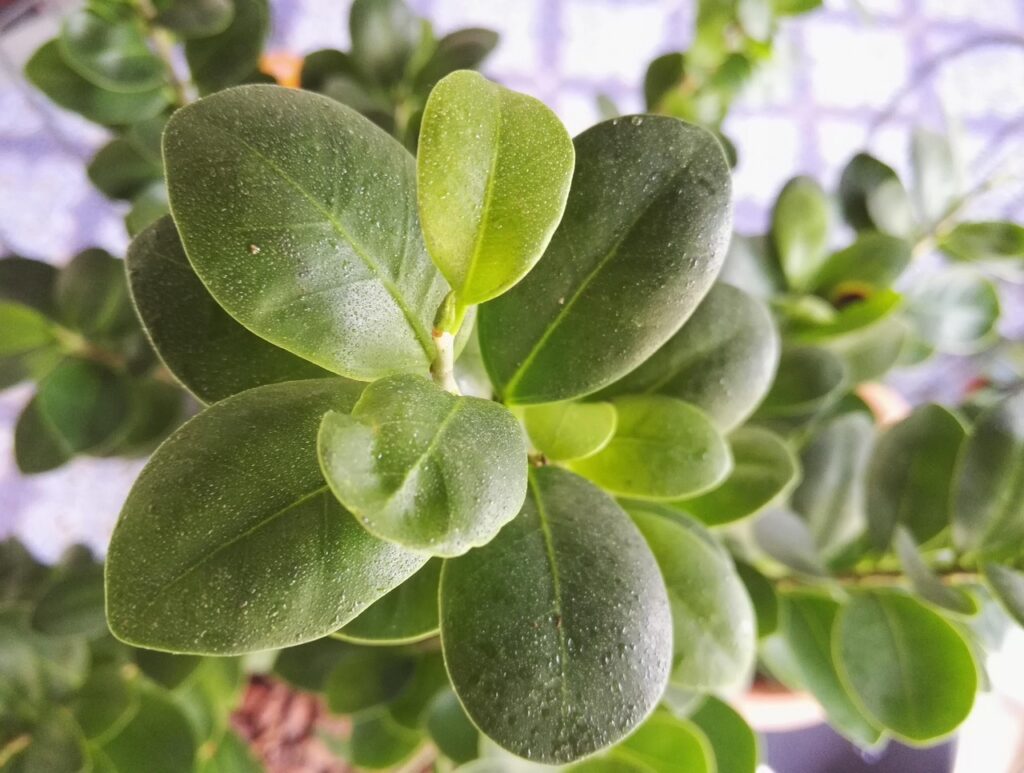
One of the most useful skills a beginner bonsai grower can develop is learning how their soil behaves.
Look at the surface and feel the upper layer. If it still appears and feels adequately moist, your bonsai probably doesn’t need another watering yet. When the soil begins drying, it’s time to consider watering again.
Don’t rely exclusively on what the very top of the pot looks like. The surface can sometimes appear dry while moisture remains underneath.
Different bonsai soils also behave differently.
A free-draining bonsai substrate may dry relatively quickly, particularly during warm and windy conditions. A mixture containing more organic material may retain moisture considerably longer.
Over time, you’ll become familiar with how quickly each tree and pot dries.
Spring Growth Can Change Water Demand Quickly
One reason spring watering requires attention is how rapidly trees can change.
A deciduous bonsai that had no leaves during winter might suddenly produce a substantial canopy. That increased foliage changes its water requirements significantly.
Trees experiencing vigorous spring growth can therefore begin drying their pots faster than you expect.
This is particularly important after repotting. Freshly repotted bonsai require careful water management while roots recover and establish themselves within the new substrate. You want sufficient moisture without constantly saturating the root zone.
Species also matter. Some bonsai naturally prefer more moisture than others, while certain trees tolerate slightly drier conditions.
This is why there can never be one universal watering schedule for every bonsai collection.
Smaller Pots Can Dry Surprisingly Fast
The container itself plays an enormous role in bonsai watering.
Unlike a garden tree with roots spreading through a large volume of soil, a bonsai has access only to the moisture contained within its relatively small pot. Once that water is gone, the tree can’t send roots somewhere else looking for more.
Shallow pots can dry particularly quickly as spring temperatures increase.
Several factors influence how quickly your bonsai loses moisture:
- Pot size and depth
- Bonsai species and foliage density
- Soil composition and drainage
- Sun exposure
- Temperature
- Wind
- Humidity
- Current growth rate
Two bonsai sitting next to each other may therefore require water at completely different times.
Treat each tree individually.
Windy Spring Days Deserve Extra Attention
Temperature isn’t the only weather condition that affects spring watering.
Wind can dry bonsai remarkably quickly.
A warm, breezy Cape Town spring day, for example, can remove moisture from both foliage and soil much faster than a calm day at the same temperature. Trees positioned on balconies, exposed benches or open patios may experience even stronger drying effects.
This is one reason checking bonsai only according to the temperature forecast can be misleading.
A cooler but windy day could potentially dry your bonsai faster than a slightly warmer, sheltered one.
When strong spring winds arrive, pay additional attention to smaller pots and trees with rapidly developing foliage.
Water Thoroughly When Your Bonsai Needs It
Increasing watering frequency doesn’t mean giving your bonsai small amounts of water more frequently.
When the tree genuinely requires watering, water it properly.
Apply enough water to thoroughly wet the substrate and allow excess water to drain through the drainage holes. This helps ensure moisture reaches the entire root system rather than only wetting the surface.
If water immediately runs off the top without penetrating the soil, the substrate may have become excessively dry or compacted. Apply water more carefully and make sure the root mass is actually receiving moisture.
Good drainage is equally important.
Water needs to move through the pot rather than remaining trapped around the roots.
Morning Watering Can Become Useful
As spring mornings become warmer, checking your bonsai early in the day becomes an increasingly useful habit.
Watering in the morning gives the tree access to moisture before temperatures climb and allows you to identify which pots are already becoming dry.
That doesn’t mean you should refuse to water later in the day if a bonsai genuinely needs it. A dry tree shouldn’t remain thirsty simply because it isn’t your preferred watering time.
As conditions become hotter towards summer, some bonsai may eventually require additional checks later in the day.
Spring is the perfect time to start developing that routine.
Your Watering Routine Should Change With the Season
One of the biggest lessons bonsai teaches us is that care is never completely static.
The watering routine you used in June shouldn’t automatically continue unchanged through September, October and eventually the South African summer.
As spring becomes warmer, watch your trees closely. Observe how quickly individual pots dry, how much new foliage develops and how weather conditions affect moisture levels.
You will probably find yourself watering more frequently as the season progresses.
Just don’t increase watering because somebody told you that bonsai should be watered every day in spring.
Increase your observation first.
Check the soil more frequently, learn the behaviour of your individual trees and water thoroughly when they actually need it.
Your bonsai are waking up, growing and preparing for another warm season. Their water requirements are changing along with them.
Learning to recognise those changes is one of the simplest ways to help your bonsai enter spring healthy, hydrated and ready for the growing season ahead.