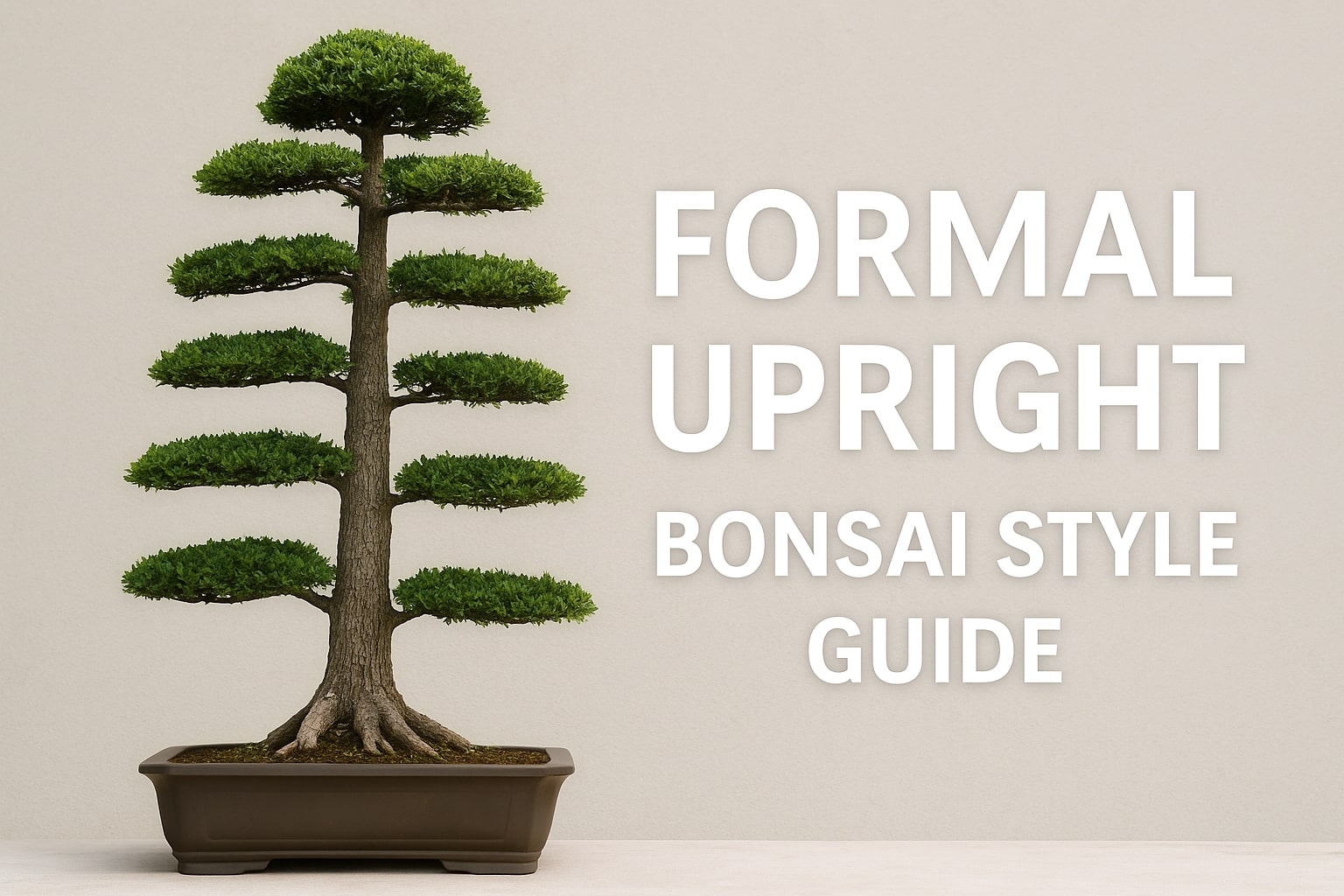
Among all the classical bonsai designs, few are as elegant, disciplined and instantly recognisable as the formal upright style. This style represents balance, strength and harmony, drawing directly from nature where straight, towering trees grow in open spaces with consistent light and little disturbance.
For beginners, it teaches the foundations of structure and symmetry. For experienced artists, it offers an opportunity to refine precision and technique.
Whether you’re shaping your first tree or perfecting your collection, understanding the formal upright style is essential for mastering bonsai as an art form.
Table of Contents
What is the formal upright style?
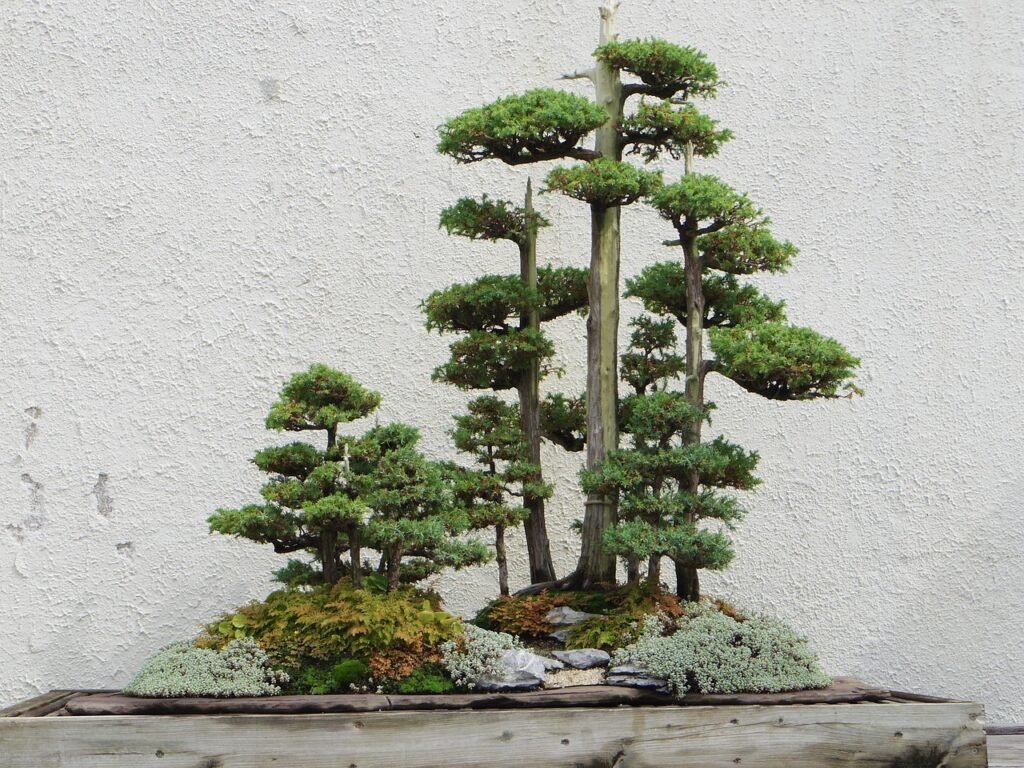
The formal upright style is defined by a perfectly straight trunk that grows vertically from the base to the apex. This trunk is the centrepiece of the design, symbolising stability and maturity. The roots spread evenly at the base, anchoring the tree visually and physically, while the branches are arranged in balanced tiers around the trunk.
Traditionally, the formal upright style reflects the idealised growth of trees found in nature under optimal conditionsL plenty of sunlight, open surroundings and minimal environmental stress. These trees develop straight trunks because they have no reason to bend, twist or fight for light, making the style a celebration of natural perfection.
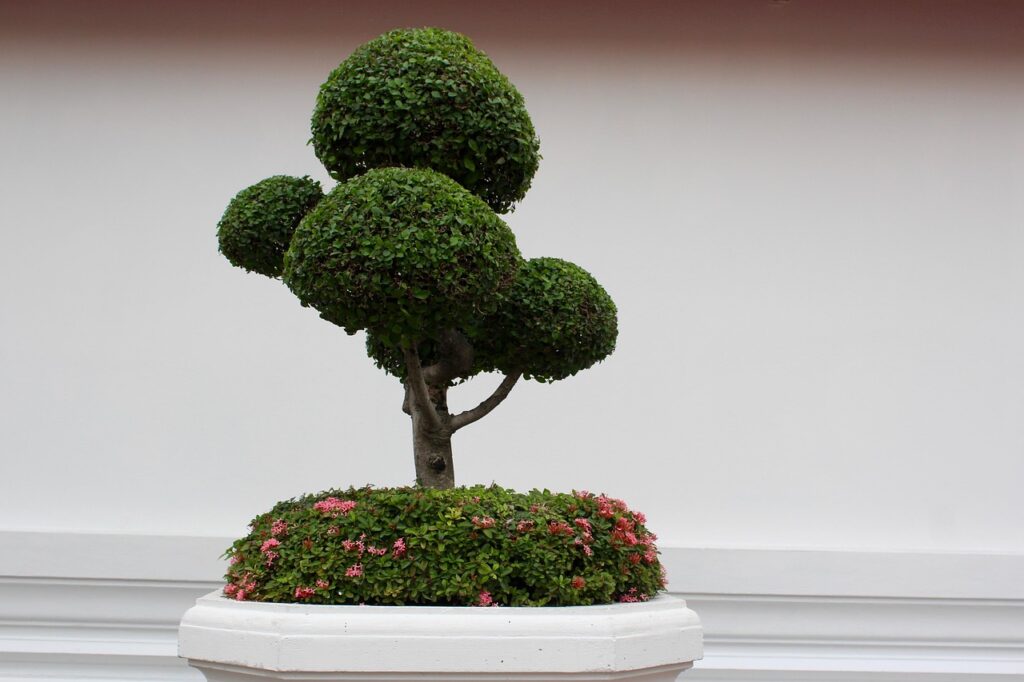
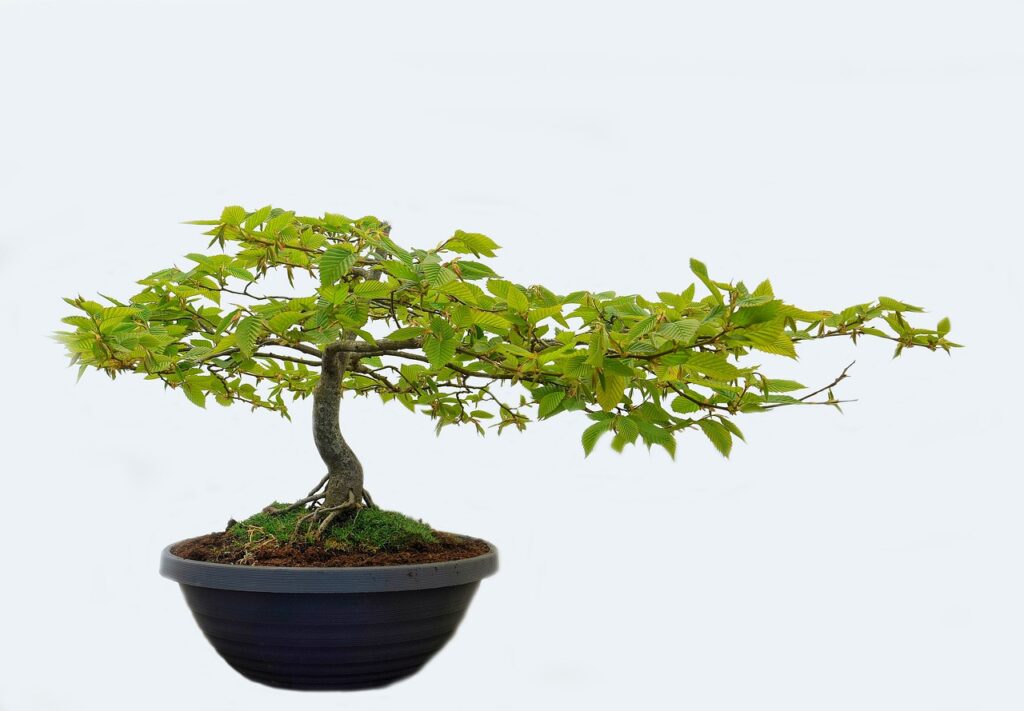
This design is often contrasted with the informal upright, where the trunk curves slightly. In the formal upright, the emphasis is on clarity, symmetry and purity of line.
Check here for all our guides on bonsai styles!
Key features of a formal upright bonsai
To create a convincing formal upright bonsai tree, several core elements must be present. These features define the style and ensure the tree’s silhouette looks intentional and harmonious.
A straight central trunk: The trunk must rise vertically without noticeable curves. Any deviation, even small, can disrupt the effect.
Balanced trunk taper: The trunk should gradually narrow from base to apex. A proper taper creates the illusion of age and strength.
Symmetrical branch placement: Branches radiate evenly around the trunk in horizontal tiers. Each level supports the overall balance of the design.
Strong nebari: Surface roots should flare outward evenly, grounding the tree and providing visual stability, a signature feature of the style.
Clean, triangular silhouette: When viewed from the front, the branches form a soft triangular shape with the apex serving as the highest point.
These details work together to give the tree its refined and timeless appearance.
Best species for the formal upright style
While you can technically train any species into the formal upright style, certain trees adapt more naturally due to their growth habits and flexible structure. These include:
- Pines: Japanese black pine and Scots pine are favourites thanks to their straight, commanding trunks and balanced branching.
- Junipers: Juniperus procumbens and Juniperus chinensis respond well to wiring and structural training.
- Spruce: Spruce trees naturally grow in upright, conical shapes, making them ideal candidates.
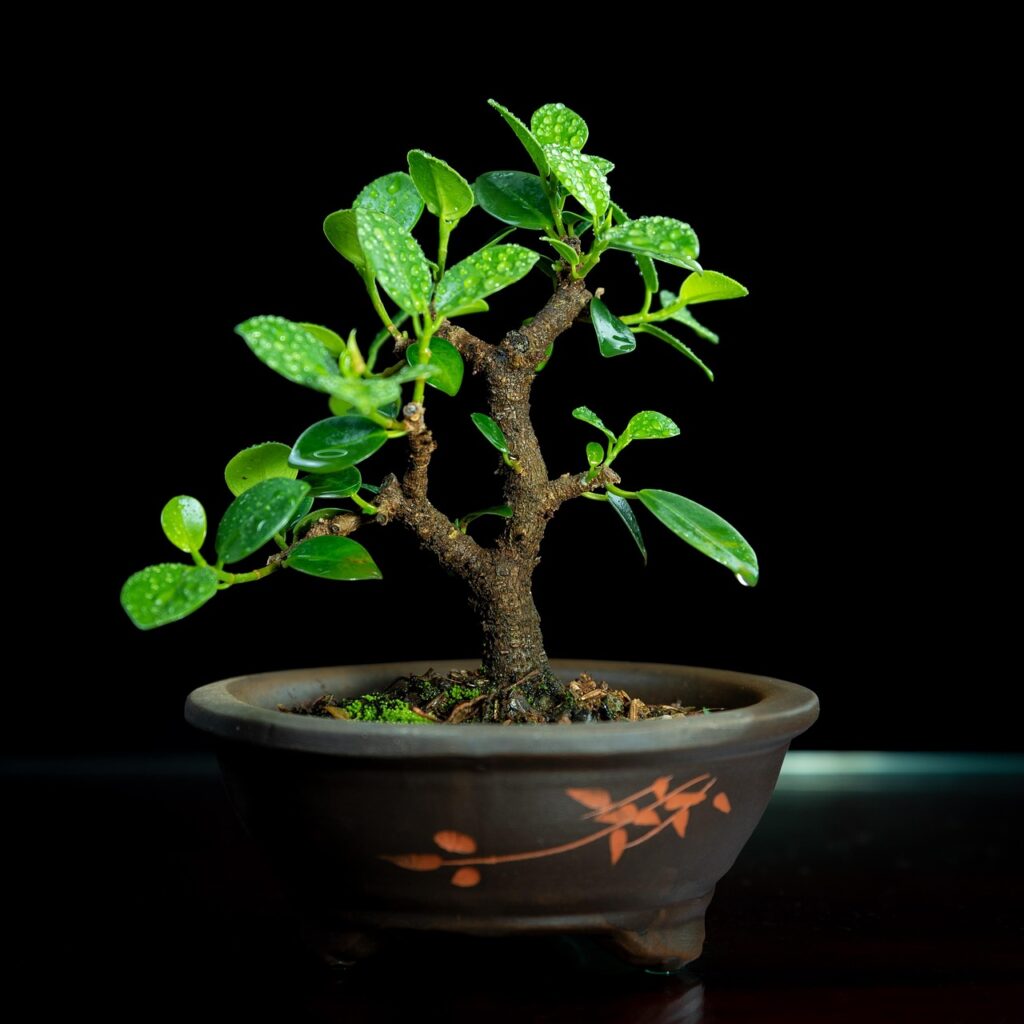
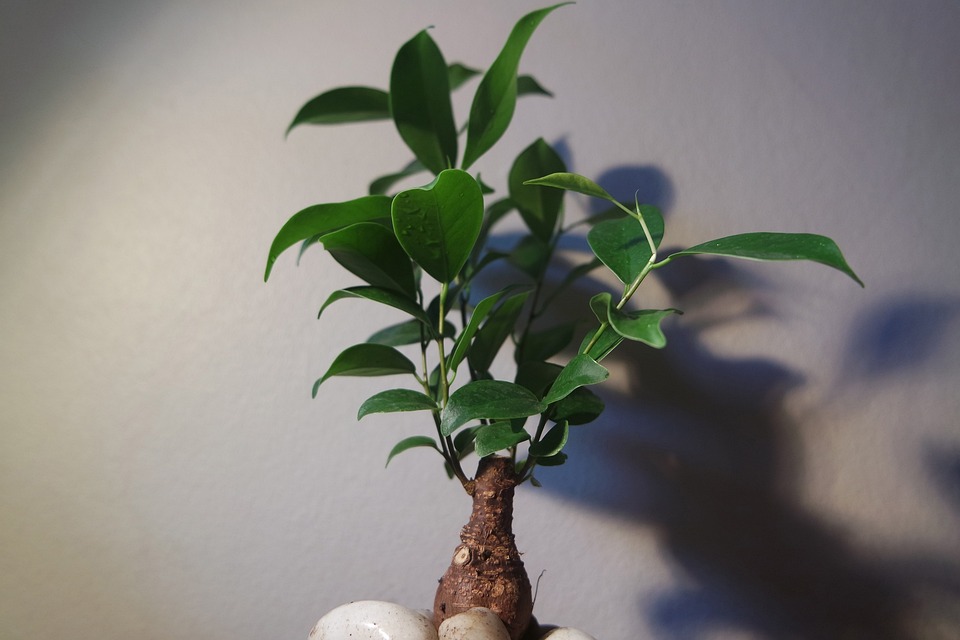
- Ficus: Ficus species work surprisingly well, especially for warmer climates, due to their vigorous growth and flexible wood.
- Maples: Japanese maples can be trained beautifully in this style, offering a softer, deciduous interpretation.
Because this is a general guide, species-specific instructions will appear in separate BBB articles for each type.
How to train a bonsai into the formal upright style
Developing a successful formal upright bonsai requires careful planning and steady training. Here’s how to shape a healthy tree into this classic form.
Select the right starting material
Choose a seedling or pre-bonsai with a naturally straight trunk or the potential to become straight with early wiring. Avoid trees that already have pronounced bends.
Wiring the trunk
Wiring is essential at a young age to establish the straight vertical line required for the formal upright style. Apply wire with even spacing and anchor it securely so the trunk cannot shift. As the tree grows, refine the angle until the trunk is perfectly upright.
Developing branch tiers
Branches should start higher on the trunk than in informal designs. The first branch typically emerges at about one-third of the tree’s height. From there, branches are spaced evenly, circling the trunk. Each level should complement the others, creating a balanced canopy.
Encouraging trunk taper
To achieve proper taper, allow the lower trunk to thicken while keeping the top growth more controlled. Sacrifice branches may be used strategically to help thicken the base.
Building a strong nebari
Root training is crucial. Spread the roots evenly in all directions during each repotting session. Gently prune downward-growing roots and position surface roots to flare outward.
Pruning for symmetry
Symmetry is key, but avoid making branches perfectly identical. Too much uniformity can look artificial. Aim for balanced, not cloned, branch structure.
Pot selection and presentation
The pot plays a big role in reinforcing the clean, refined look of the formal upright style. Because this design is classic and symmetrical, the pot should support that aesthetic.
Recommended shapes
- Rectangular pots
- Slightly oval pots
- Angular pots with minimal ornamentation
Colour and glaze
Neutral tones such as brown, dark blue, grey and unglazed clay complement the formal upright style well. Avoid overly bright colours or highly decorative glazes.
Size considerations
The pot should be wide enough to support the nebari visually but not so deep that it overwhelms the tree. As a rough guideline, aim for a pot width of two-thirds the tree’s height.
The result should be a clean, disciplined presentation that emphasises the tree’s strength and refinement.
Common mistakes to avoid
The simplicity of the formal upright style can be deceiving. Many beginners struggle because the style exposes even the smallest imperfections.
Forcing unnatural symmetry: Branches should be balanced, not identical. Perfect left-right symmetry looks artificial.
Poor trunk taper: A trunk that is too straight without taper looks young and plain. Proper taper suggests age and presence.
Branches that are too thick: If branches thicken faster than the trunk, the proportions become incorrect. Keep upper branches thinner.
Using unsuitable species: Some trees are simply better suited to informal styles. Choose species with naturally upright habits.
Over-pruning the apex: The apex must stay strong to maintain height and dominance. Cutting too aggressively weakens the silhouette.
Avoiding these mistakes will help you maintain the clean look the formal upright style demands.
Maintenance tips for a thriving formal upright bonsai
Once your tree is established, ongoing care keeps it healthy and visually balanced.
Seasonal pruning: Light pruning in spring and summer keeps the shape neat while allowing new growth where needed.
Wiring and re-wiring: Branches in the formal upright style tend to grow upward, so occasional re-wiring helps maintain the horizontal tier structure.
Fertilising: Use a balanced fertiliser to encourage steady growth without causing branches to thicken too quickly.
Watering: Consistent watering ensures healthy root growth. Avoid extremes of dryness or over-watering.
Root work and repotting: Repot every 2–3 years, depending on the species, to maintain healthy nebari and prevent root binding.
The elegance of the formal upright style
The formal upright style is one of bonsai’s purest expressions of strength, maturity and harmony. It challenges growers to master structure, balance and precision, making it a foundational style for both beginners and experienced artists. With the right species, thoughtful training and steady maintenance, any bonsai enthusiast can create a tree that captures the timeless beauty of nature at its most refined.