Keeping a bonsai healthy requires more than daily watering and shaping. These miniature trees are surprisingly vulnerable to a range of bonsai diseases that can affect their leaves, branches, bark, and roots.
Left unchecked, these conditions can weaken your tree, slow its growth, or even cause permanent damage. Understanding how bonsai diseases develop, and spotting the early warning signs, is essential for any grower who wants their bonsai to thrive for years.
This guide explores the most common bonsai diseases, how to identify them, and the best ways to protect your trees from harm.
Table of Contents
What Causes Bonsai Diseases?
Bonsai diseases often begin with environmental stress, which weakens the tree’s natural defences. When a bonsai is exposed to too much moisture, too little airflow, or sudden temperature changes, it becomes far more vulnerable to infections. Many growers unintentionally create conditions where pathogens thrive simply by overwatering, using compacted soil, or placing their trees in areas with poor ventilation.
Another common cause of bonsai diseases is improper watering, either watering too frequently or allowing the soil to stay soggy for long periods. Constant moisture invites fungal spores, while inconsistent watering stresses the root system.
Poor soil quality also plays a major role. Soil that drains too slowly, lacks oxygen pockets, or becomes compacted can suffocate roots, making it easier for disease to set in. When combined with stress from repotting, pruning, or extreme seasonal changes, the chances of developing bonsai diseases increase significantly.
How to Identify Bonsai Diseases Early
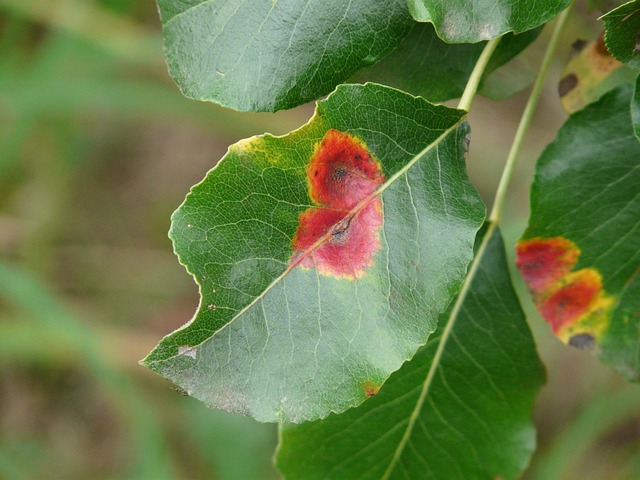
Catching bonsai diseases in their early stages can make the difference between a quick recovery and a long, difficult battle. The first signs usually appear in the leaves. Look for unusual colour changes, such as yellowing, browning, or patchy spots that spread across the foliage. Leaves that curl, wilt, or fall off out of season can also signal that something is wrong. These symptoms often appear before the disease becomes visible elsewhere, making regular inspection essential.
The bark and branches may also reveal early indicators of bonsai diseases. Dark lesions, soft patches, oozing sap, or sections of bark that appear sunken can all suggest infection. Pay close attention to the soil surface as well. A sour smell, white fungal growth, or soil that stays wet for too long may point to issues developing below the surface. By monitoring these small changes, you can react quickly and prevent the disease from spreading to the rest of the tree.
Fungal Bonsai Diseases
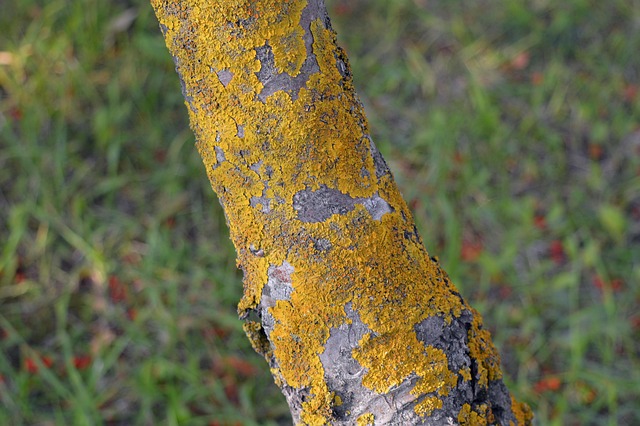
Fungal infections are among the most common problems bonsai growers face. These diseases thrive in damp, poorly ventilated environments, making overwatering and stagnant air major contributors. Because fungi spread quickly through spores, early detection and treatment are essential to protect the entire tree.
Powdery Mildew
Powdery mildew is one of the easiest fungal infections to spot. It appears as a white, powder-like coating on the leaves, stems, and sometimes even the branches. While it may look harmless at first, this fungus weakens the tree by blocking sunlight and reducing photosynthesis. It often develops in humid or poorly ventilated areas, especially when the foliage remains damp for long periods. Treating powdery mildew usually involves reducing moisture, improving airflow, and applying a mild fungicide or neem solution.
Root Rot
Root rot is a far more serious fungal condition and one of the leading causes of bonsai decline. It develops when the soil remains wet for too long, suffocating the roots and allowing harmful fungi to spread. Early signs include yellowing leaves, soft or mushy roots, and a soil smell that seems sour or stagnant. Once root rot takes hold, the tree struggles to absorb nutrients and water. Treatment involves removing the bonsai from its pot, trimming away infected roots, and repotting into fresh, well-draining soil. Adjusting your watering routine is essential to prevent the disease from returning.
Leaf Spot Fungus
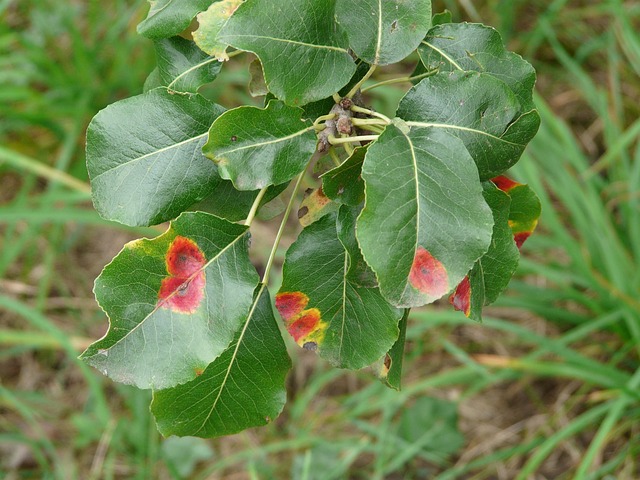
Leaf spot fungus creates small brown, black, or reddish spots across the foliage. These spots may gradually merge, causing larger dead patches on the leaf surface. In severe cases, the leaves may drop prematurely, leaving the tree weak and more vulnerable to other bonsai diseases. This fungus spreads through splashing water and high humidity, so reducing overhead watering and improving airflow can greatly reduce its impact. Applying a suitable fungicide will usually stop the spread and allow new healthy leaves to grow.
Bacterial Bonsai Diseases
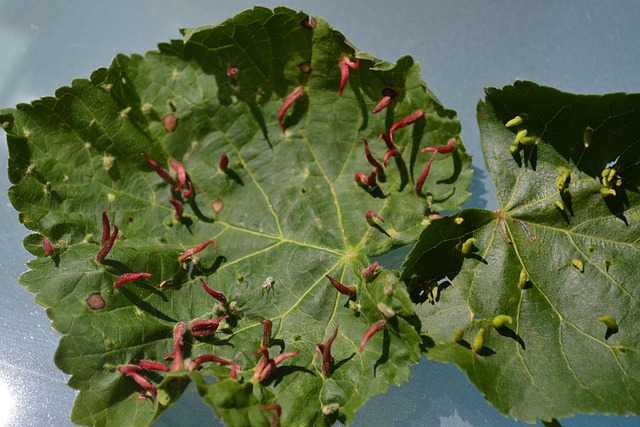
Bacterial infections are often harder to diagnose than fungal ones because their symptoms can resemble stress or nutrient problems. However, once bacteria take hold, they typically spread quickly and can cause significant damage. These diseases often enter through wounds caused by pruning, broken branches, or insect damage, making proper tool hygiene and careful handling essential.
Bacterial Leaf Blight
Bacterial leaf blight appears as dark brown or black patches that spread across the foliage. Unlike fungal spots, these areas tend to look water-soaked or greasy, and they often expand rapidly in warm, humid conditions. Leaves may wilt, curl, or fall off soon after these patches appear. If left untreated, bacterial leaf blight can weaken the entire tree and make it more susceptible to other bonsai diseases. Treatment usually involves removing infected leaves, improving airflow, and applying a copper-based bactericide to slow the spread.
Canker Disease
Canker disease affects the branches and trunk, creating sunken, discoloured, or cracked areas of bark. These cankers can slowly expand, cutting off the flow of nutrients and water to parts of the tree. Branch dieback is a common symptom, and if the infection reaches the main trunk, the bonsai may not recover. Because bacteria thrive in wounds, preventing canker disease starts with using sterilised tools and avoiding unnecessary cuts. Treatment involves removing affected branches well below the infected area and sealing clean cuts to prevent further infection.
Viral Bonsai Diseases

Viral infections are less common than fungal or bacterial problems, but when they do appear, they can be far more challenging to control. Unlike fungi or bacteria, viruses cannot be eliminated with sprays or treatments. Once a tree is infected, the focus shifts to managing symptoms and preventing the virus from spreading to other bonsai. Most viral diseases are transmitted through sap-feeding insects, infected tools, or grafting material, which makes prevention absolutely essential.
Mosaic Virus
Mosaic virus is one of the most recognisable viral bonsai diseases. It causes unusual patterns on the leaves, including yellow mottling, distorted shapes, and irregular variegated patches. These symptoms can interrupt normal photosynthesis, slowing growth and weakening the overall structure of the tree. Because this virus spreads easily through contaminated tools and insects, any suspected infection should be quarantined immediately. Although the tree may survive for years, it will never fully recover, and its growth will remain irregular.
Growth Stunting Viruses
Some viruses don’t leave obvious markings but instead cause long-term stunting in bonsai. New shoots may emerge smaller than usual, internodes become unusually short, and the tree may stop producing vigorous growth even during peak seasons. These viruses often spread through root contact, grafting, or insect pests. While the tree might retain a level of health, growth stunting viruses permanently compromise its potential, making it less resilient to other bonsai diseases over time. Removing infected sections and strengthening overall care can help manage symptoms, but complete recovery is unlikely.
Tree Species Most Vulnerable to Bonsai Diseases
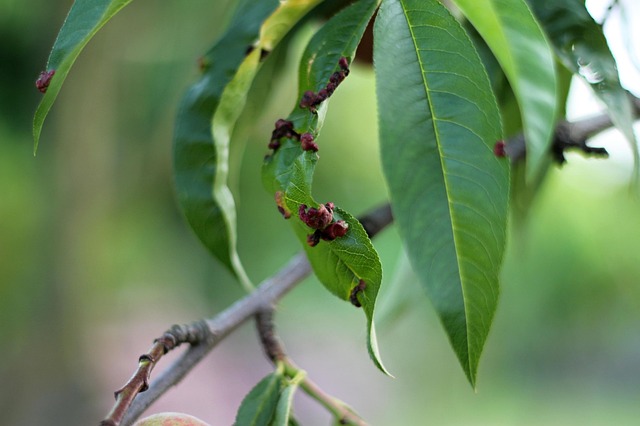
Some tree species are more prone to bonsai diseases than others because of their natural sensitivity to moisture, pests, or environmental stress. While any bonsai can become infected, certain types require closer monitoring and more careful maintenance to prevent long-term issues.
Ficus bonsai, for example, are known for their resilience, but they are surprisingly vulnerable to fungal problems when kept in overly humid or poorly ventilated spaces. Their dense canopy traps moisture, creating ideal conditions for mould and mildew. Junipers, on the other hand, struggle with root rot if the soil remains wet for too long. Their roots prefer fast drainage, making improper watering one of the most common triggers for disease.
Pines are another species at higher risk, especially when exposed to compacted soil or insufficient airflow. They often develop needle blight or fungal infections that can spread quickly across the tree if not detected early. Maples are sensitive to sudden temperature changes and inconsistent watering, which raises the chances of bacterial and fungal bonsai diseases. Knowing your tree’s natural weaknesses helps you create conditions where it can thrive rather than struggle.
Treatment Methods for Common Bonsai Diseases
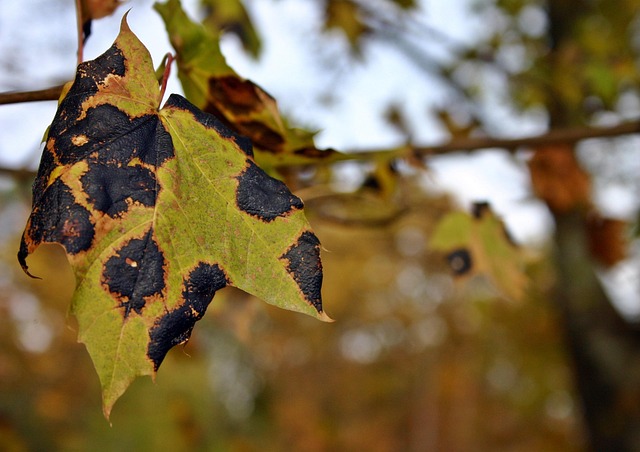
Treating bonsai diseases effectively starts with identifying the problem and acting quickly. Most infections worsen over time, so early intervention gives your tree the best chance of recovering. The first step is to isolate the affected bonsai, especially if you keep multiple trees close together. Quarantining prevents pathogens from spreading through soil splash, insects, or shared tools.
Fungicides are commonly used for fungal infections such as powdery mildew, leaf spot, and early stages of root rot. A gentle, targeted fungicide can halt the spread of spores and protect healthy areas of the tree. In more severe cases, repotting may be necessary. Removing infected roots, trimming away decayed sections, and using fresh, well-draining soil helps restore the balance of moisture and oxygen. Always disinfect tools before and after use to avoid reintroducing the infection.
Bacterial bonsai diseases often require different treatments. Copper-based bactericides are effective for conditions like leaf blight and minor bark infections, but pruning is sometimes the only reliable method. Removing infected leaves, branches, or bark prevents bacteria from spreading further into the tree. If the infection is deep or widespread, professional intervention may be the safest choice.
For viral diseases, management is the main approach since there is no cure. Removing affected leaves, improving light and airflow, and controlling pests such as aphids can help slow the progression. It’s also essential to keep viral-infected trees away from healthy bonsai to prevent cross-contamination. In all cases, maintaining strong overall care, proper watering, good soil, and seasonal adjustments, helps the tree recover faster and reduces the risk of future bonsai diseases.
How to Prevent Bonsai Diseases Before They Start
Preventing bonsai diseases is far easier than treating them, and most problems can be avoided with consistent, attentive care. The foundation of prevention is proper watering. Using the right watering routine for each species helps maintain healthy roots and reduces the risk of fungal growth. Soil should never remain soggy for long periods, and choosing a well-draining mix ensures oxygen can reach the roots.
Good airflow is also crucial. Placing your bonsai where air can circulate freely helps prevent moisture build-up around the leaves and branches. This reduces the chances of mould, mildew, and fungal infections taking hold. Regularly rotating your tree so all sides receive sunlight helps maintain even growth and reduces stress that can lead to bonsai diseases.
Seasonal care plays a significant role as well. During winter, avoid overwatering and protect your bonsai from cold drafts. In summer, provide shade during the hottest parts of the day to prevent leaf burn and dehydration. Clean tools also make a major difference. Disinfecting scissors, cutters, and wires before use prevents pathogens from transferring between trees. By building these habits into your routine, you dramatically reduce the likelihood of bonsai diseases developing in the first place.
When to Seek Professional Help
While many bonsai diseases can be treated at home with careful action, some situations require professional support. If the infection spreads rapidly, affects the trunk, or causes widespread leaf loss, the tree may be in more danger than it appears. A trained specialist can identify the exact cause and provide targeted treatments that aren’t always available to hobbyists.
You should also seek professional help if you’re dealing with a valuable or rare bonsai. These trees often have unique care needs, and incorrect treatment can cause irreversible harm. Severe cases of root rot, advanced canker disease, or persistent viral symptoms are all signs that expert intervention may be necessary. Reaching out sooner rather than later increases the chances of saving the tree and preventing the disease from spreading to your other bonsai.
Keeping Bonsai Diseases Under Control
Bonsai diseases are a reality for growers of every experience level, but they don’t have to be devastating. With the right knowledge, careful routine inspections, and good growing practices, most problems can be prevented long before they threaten the health of your tree. Understanding the causes, spotting early symptoms, and responding quickly gives your bonsai the strongest chance of recovering.
By staying attentive to watering, soil quality, airflow, and seasonal changes, you create an environment where your bonsai can thrive and remain resilient. Whether you manage issues at home or seek expert help for more serious infections, maintaining a proactive approach ensures your collection stays healthy, strong, and beautiful year after year.