

The slanting style is one of the most expressive and visually striking bonsai designs, capturing the drama and resilience of a tree growing at an angle in nature. Whether shaped by strong winds, growing toward sunlight or adapting to rocky terrain, real trees often lean noticeably to one side, and the slanting style reflects this natural movement beautifully.
Unlike perfectly upright designs, the slanting style introduces a sense of motion and tension, making the tree appear as if it’s fighting against the elements or reaching outward with purpose. This gives the bonsai a powerful character, even when the styling is subtle. Many growers enjoy working with this style because it blends strong direction with stability, allowing for bold artistic expression without losing the harmony and balance that bonsai is known for.
The slanting style works well with many species and is suitable for beginners and experienced enthusiasts alike. With the right trunk angle, careful branch placement and a well-balanced root system, this dynamic style becomes one of the most rewarding bonsai forms to create. Let’s dive into what defines the slanting style and how you can shape a tree that captures its natural, windswept charm.
Table of Contents
What Is the Slanting Style?
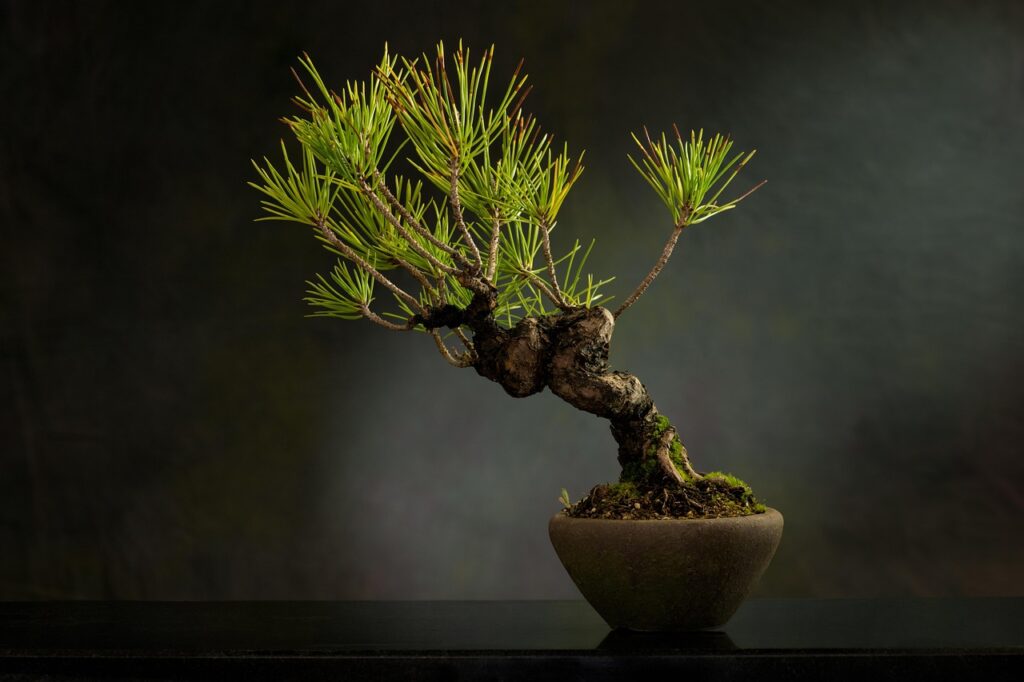
The slanting style is a bonsai form where the trunk grows at a noticeable angle rather than rising vertically from the soil. Instead of standing upright, the entire tree leans to one side, creating a dynamic sense of movement that immediately draws the eye. This leaning posture mimics trees in nature that have adapted to strong winds, uneven ground, limited sunlight or competition with other plants. Even though the trunk slants, the tree should still feel stable and grounded, as though it developed this angle naturally over time.
A defining feature of the slanting style is the relationship between the trunk, the root system and the canopy. While the trunk leans, the roots must visibly anchor the bonsai tree in the opposite direction, giving a sense of strength and support. In many cases, the apex still points slightly upward, maintaining a connection to the sky while following the direction of the slant. The overall impression should be one of balance despite asymmetry, a harmonious blend of tension, movement and stability that makes the slanting style so compelling.
Key Characteristics of the Slanting Style
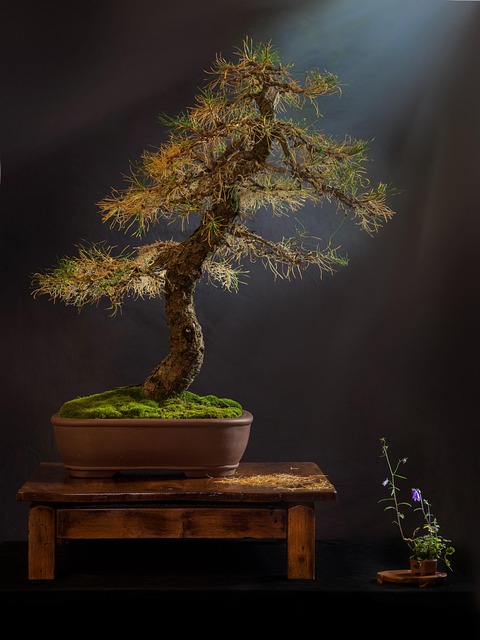
The slanting style has several defining features that give it its unique visual impact. The most obvious is the angled trunk, which typically leans between 45 and 60 degrees from the soil surface. This angle should feel intentional but natural, as though the tree has been shaped by its environment rather than forced into position. Despite the lean, the trunk should still display smooth taper, gradually narrowing as it rises toward the apex. Abrupt changes in thickness or direction can disrupt the flow and make the tree look unbalanced.
Root placement plays a major role in achieving the right effect. Because the trunk leans, the roots on the opposite side need to appear stronger or more established, visually supporting the tree’s weight. This anchoring root system helps the bonsai look stable rather than toppling. Branches also follow the tree’s movement, with the lowest branch usually growing on the side of the slant, creating balance and enhancing the sense of direction. Higher branches should be arranged to maintain visual harmony, avoiding a canopy that feels heavy on the wrong side of the lean.
The apex is another key element. While it follows the general direction of the slant, it should still tilt upward to show that the tree is reaching for light. This upward movement prevents the tree from looking as though it’s falling over. The final silhouette should feel dynamic but secure, capturing both motion and rooted strength, the essence of a well-styled slanting style bonsai.
Best Bonsai Species for the Slanting Style
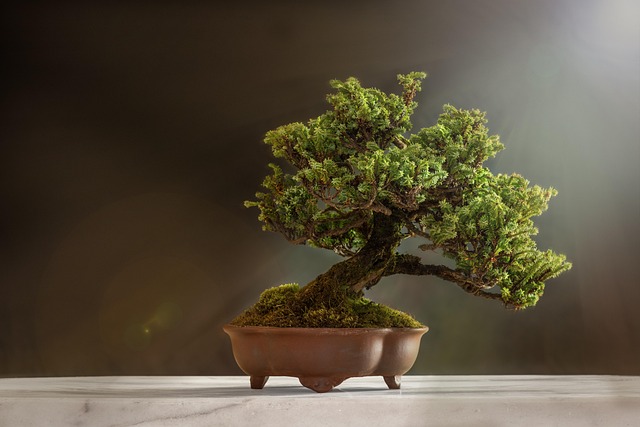
The slanting style works well with many different bonsai species because trees in nature often grow at angles when adapting to their surroundings. Species with flexible young trunks or strong directional growth patterns tend to be the easiest to train, but even sturdier varieties can be shaped effectively with patience and good technique.
Junipers are one of the most popular choices for the slanting style. Their adaptable branches, pliable trunks and evergreen foliage make them ideal for creating dramatic lines without looking unnatural. Chinese elms also respond beautifully to shaping, growing quickly and developing a smooth taper that complements the angled trunk. Ficus varieties make excellent indoor options, as they handle wiring well and naturally produce strong, supportive roots that fit the style perfectly.
Pine species offer a more rugged, windswept look, especially when the goal is to create a tree that appears shaped by coastal winds or harsh mountain conditions. Maples, on the other hand, bring a softer, more refined appearance, with delicate branching that highlights the tree’s movement. Most species can be trained into the slanting style with the right care, but selecting a tree that already shows some natural lean or directional growth can make the process much easier.
How to Train a Bonsai Into the Slanting Style
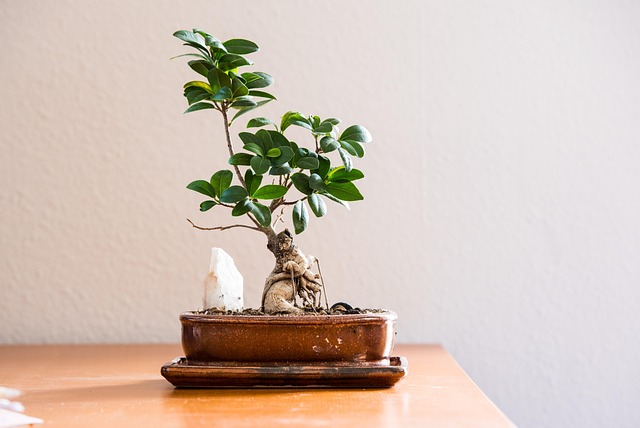
Shaping a tree into the slanting style begins with establishing the correct trunk angle. Start by selecting a young tree or pre-bonsai that already shows a slight lean, as this makes the process feel more natural. If the trunk is straight, gentle wiring can be used to guide it into the proper angle. Aim for a slant that looks intentional without appearing extreme, typically between 45 and 60 degrees. When adjusting the trunk, make sure the base remains firmly planted in the soil, as stability is essential to achieving the characteristic look of the slanting style.
Once the trunk angle is set, focus on reinforcing the tree’s visual balance. Because the trunk leans, the roots on the opposite side must be strong and visible. If your tree doesn’t naturally have a supportive root flare, careful root pruning and repotting over time can encourage development in the right direction. Branch placement is the next consideration. The lowest branch generally grows on the side of the lean, helping to visually anchor the design. Additional branches should follow the overall movement of the tree, with each one positioned to support the flow rather than fight against it.
Refinement comes with consistent shaping. Wiring is used to adjust branch angles and create a canopy that complements the tree’s direction, while pruning encourages compact growth and maintains the silhouette. Patience is key: the slanting style relies on subtlety, and the most convincing examples are developed gradually.
To summarise the process briefly:
- Set the trunk at a natural-looking angle between 45 and 60 degrees.
- Encourage strong, supportive roots opposite the direction of the lean.
- Place the lowest branch on the leaning side for balance.
- Shape additional branches to follow the tree’s movement.
- Refine the canopy with careful wiring and regular pruning.
Common Mistakes to Avoid
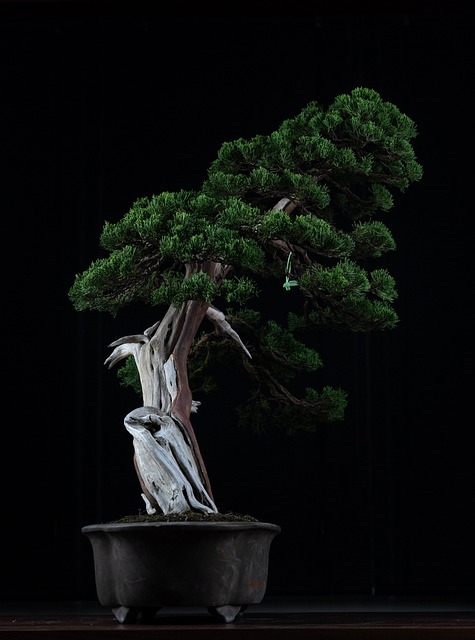
When shaping a bonsai in the slanting style, the most frequent mistake is creating a trunk angle that looks forced rather than natural. A tree leaning too sharply can appear as though it’s falling, while a trunk that doesn’t lean enough may fail to convey the movement that defines the style. The key is finding the balance between direction and stability; the slant should feel like a natural result of weather or uneven ground, not an extreme bend created in one session.
Another common issue is neglecting root balance. Because the trunk leans, the roots on the opposite side must visibly anchor the tree. If these roots are weak, hidden or underdeveloped, the bonsai will look unstable. Over time, this can also affect real stability in the pot. Root work during repotting helps strengthen the supportive side and maintain the believable foundation that the slanting style needs.
Branch structure can also be a challenge. Placing the lowest branch on the wrong side disrupts the tree’s visual balance, and overly heavy foliage on the leaning side makes the tree appear weighed down rather than dynamic. Similarly, branches that don’t match the trunk’s flow can create conflicting lines that take away from the overall design. Finally, an apex that points strongly downward or away from the viewer can weaken the sense of life and upward growth that all bonsai should maintain. Avoiding these mistakes helps the tree develop clean direction, strong presence and a cohesive slanting style silhouette.
Enjoy Your Slanting Style Bonsai!
The slanting style is one of the most expressive bonsai forms, combining dramatic direction with a sense of resilience and strength. By leaning the trunk and shaping the branches to follow that movement, you can create a tree that tells a story: of surviving wind, reaching for sunlight or growing from a challenging landscape. Its dynamic posture makes it visually striking, while its underlying balance keeps it grounded and harmonious.
Whether you’re shaping your first slanting style tree or refining one you’ve been training for years, this design offers endless opportunities to explore movement, tension and natural beauty. With the right trunk angle, supportive roots and thoughtful long-term care, the slanting style develops character that deepens each season. In future guides, we’ll take a closer look at how different species respond to this style and how advanced shaping techniques can enhance your tree even further.