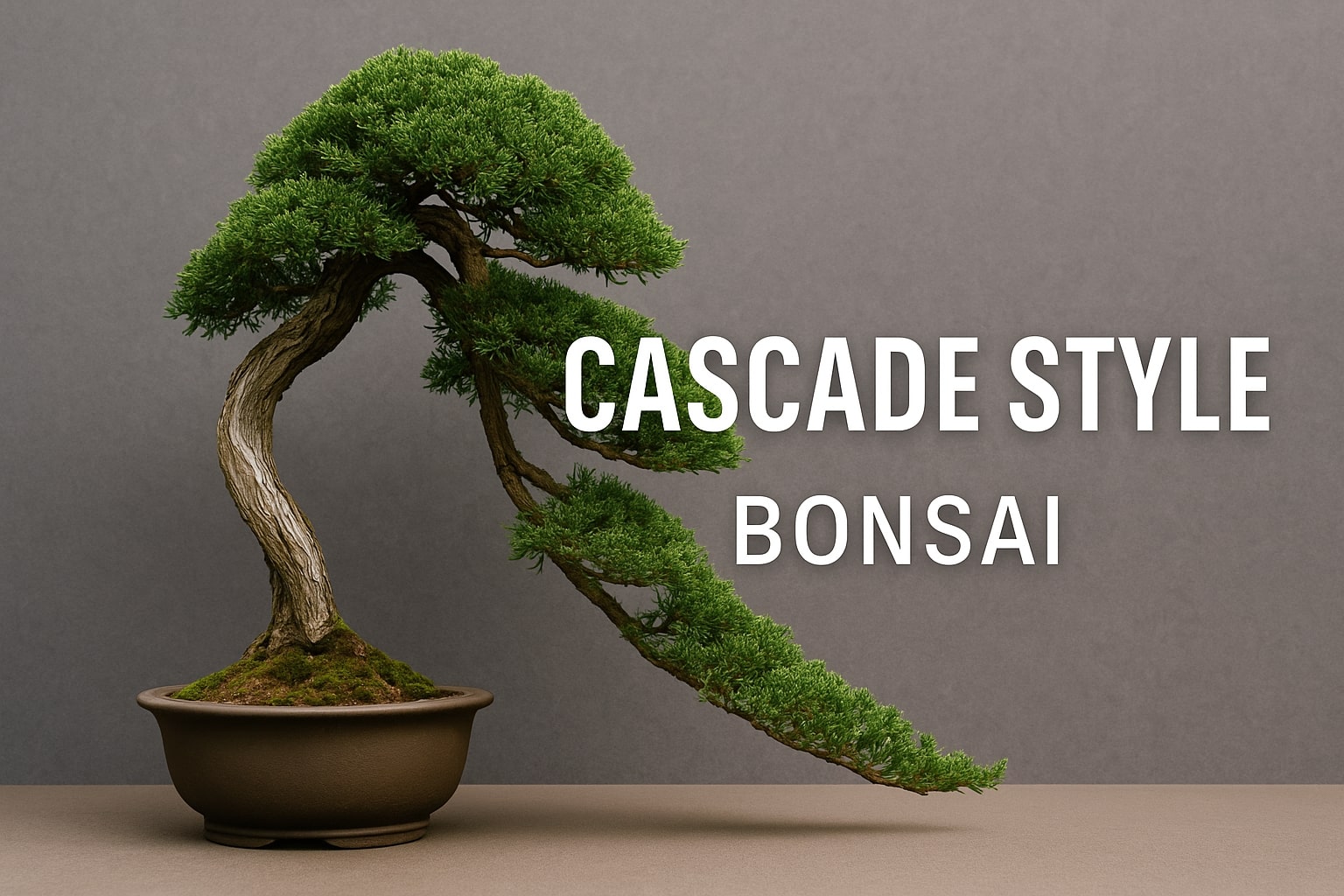
The cascade style is one of the most dramatic and visually striking forms in the art of bonsai. Inspired by trees clinging to cliffsides, riverbanks and steep mountain edges, this style captures the struggle of nature as branches and trunks bend downwards under the force of gravity, snow, wind or erosion. When done correctly, it expresses grace, movement and a powerful sense of survival against the odds.
Both full cascade and semi-cascade designs offer unique ways to create depth and storytelling within a bonsai display. Whether you want the bold, flowing drop of a full cascade or the balanced, slightly downward sweep of a semi-cascade, mastering this style requires patience, planning and an understanding of how natural trees grow in harsh environments. In this guide, we explore everything you need to know before shaping your own cascade masterpiece.
Table of Contents
What Is Cascade Style?
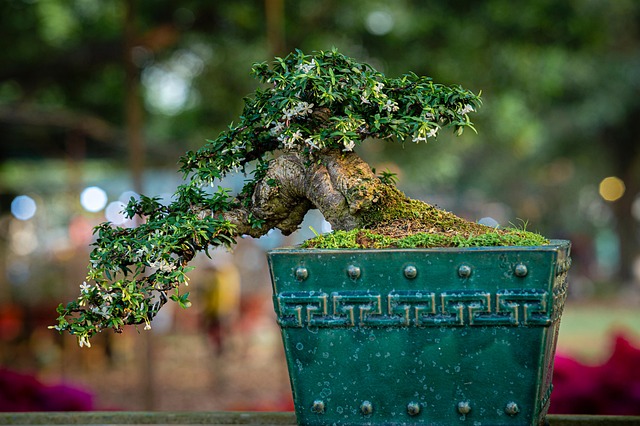
The cascade style is a bonsai style design that aims to replicate trees found in extreme natural environments. In the wild, certain trees grow along cliffs, riverbanks or steep slopes where gravity, wind and erosion force their trunks to bend downward. Instead of growing upright like most trees, these specimens adapt by extending their branches over edges, searching for sunlight while maintaining a firm grip on rocky terrain. The cascade style captures this dramatic, gravity-driven movement in miniature form.
Unlike upright or slanting styles, the cascade style immediately draws attention because of its unconventional downward flow. The trunk begins by rising slightly above the rim of the pot before curving sharply downward, creating a sense of motion and storytelling. In bonsai tree design, this downward sweep represents the resilience and determination of a tree growing in adversity. Whether used in full cascade or semi-cascade shaping, the effect is a bold and captivating presentation that stands out in any bonsai collection.
Understanding Full Cascade (Kengai)
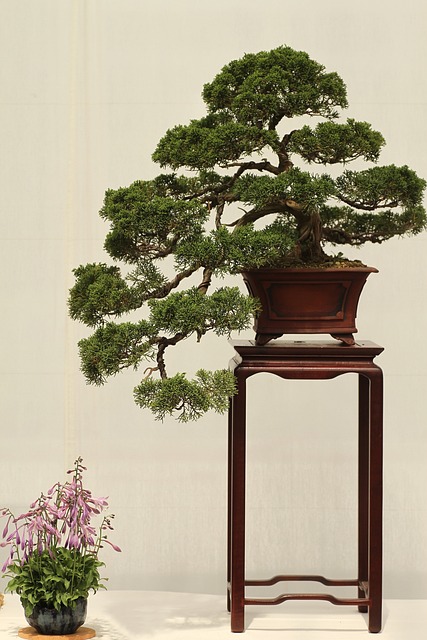
Full cascade, known as Kengai in Japanese, is the most dramatic expression of the cascade style. In this design, the trunk descends far below the base of the pot, creating a bold, flowing line that captures the look of a tree hanging over a cliff or ravine. The trunk usually begins by rising briefly above the rim of the container before bending sharply downward. From there, it continues to drop in graceful curves, often ending well below the pot’s lowest point. This significant drop is what distinguishes full cascade from semi-cascade.
To support such an extreme angle, full cascade trees are usually planted in tall, narrow pots that help anchor the roots securely. Wiring plays an essential role in shaping the trunk and branches, allowing the artist to guide the downward motion while maintaining natural curves rather than rigid bends.
Because the apex sits low and far from the root base, the full cascade style requires careful balancing of branch pads, foliage weight and pot placement. When executed properly, it creates a striking, almost theatrical effect that showcases both technical skill and artistic sensitivity.
Understanding Semi-Cascade (Han-Kengai)
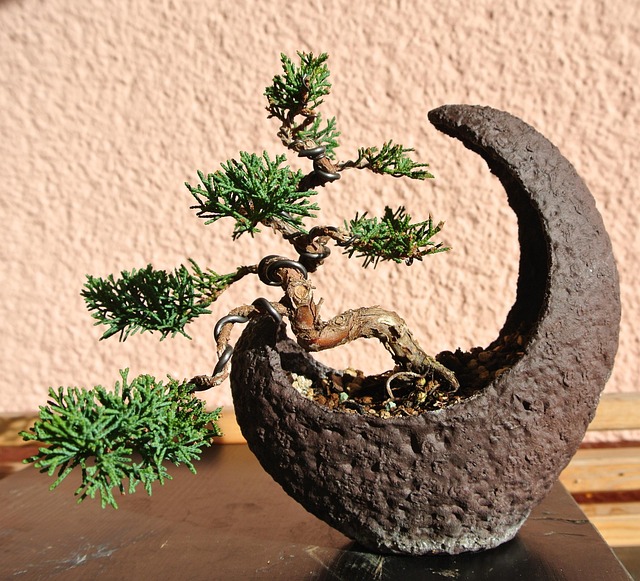
Semi-cascade, or Han-kengai, is a gentler and more balanced variation of the cascade style. Instead of dropping far below the pot’s base, the trunk extends outward and slightly downward, creating a graceful arc that dips just below the rim of the container but not past its lowest point. This design mirrors trees found on riverbanks or slopes where branches lean outward toward the light, shaped by natural forces yet not pushed into a full downward plunge.
The semi-cascade style offers more flexibility and is often easier for beginners compared to full cascade style. The trunk still begins with an upward rise before descending into its signature curve, but the overall movement is softer and less extreme. Because the apex sits lower than the pot’s rim but not dramatically below it, semi-cascade designs allow for a more compact, visually balanced composition.
The pot is typically shorter than the tall, narrow vessel used for full cascade style, though it still needs enough depth to stabilise the angled trunk and root system. When designed thoughtfully, a semi-cascade bonsai conveys elegance, balance and quiet drama, making it a popular choice for many enthusiasts.
The Best Tree Species for Cascade Style Bonsai
Not every species adapts well to the cascade style. Because both full and semi-cascade designs rely on dramatic bends and long, flowing trunk lines, the ideal trees are those with flexible branches, strong root systems and the ability to respond well to shaping techniques. Trees that naturally grow in rugged environments often make excellent candidates, as they already possess the resilience and pliability needed for cascade work.
Species with fine foliage or small leaves also tend to produce more harmonious silhouettes, especially when the trunk descends far below the pot. Fast-healing varieties are particularly valuable, as the shaping process for the cascade style often involves heavy wiring and strategic pruning. Here are some of the best species for both full and semi-cascade designs:
- Juniper varieties (excellent flexibility and iconic cascading look)
- Pine species (strong presence and good trunk movement)
- Ficus species (adaptable, fast-growing and easy to train)
- Cotoneaster (naturally arching growth habits)
- Azalea (beautiful flowers paired with pliable branches)
- Boxwood (ideal for tighter, compact cascade pads)
Choosing the right species sets the foundation for success. A tree that responds well to bending, wiring and pruning will make creating the cascade style far more enjoyable and rewarding.
How to Train a Bonsai Into Cascade Style
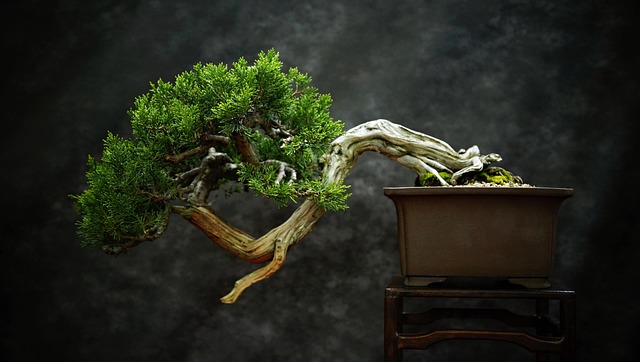
Creating a cascade style bonsai involves guiding the tree into a dramatic, downward flow while still maintaining a natural, organic appearance. This requires a combination of wiring, pruning, and controlled growth. The process begins by establishing the initial trunk movement. Young, flexible trunks are ideal, as they can be shaped into sweeping, downward curves without causing long-term damage. The trunk is typically wired early on, allowing you to build the signature bend that defines both full and semi-cascade designs.
Once the trunk direction is set, the next stage is refining branch structure. Branches should complement the main cascading line rather than compete with it. Upper branches are usually kept shorter, creating a sense of weight and gravity pulling the tree downward. Lower branches tend to extend horizontally or slightly upward to balance the visual flow. Pruning encourages compact foliage pads, while continued wiring ensures the cascading silhouette remains clean and deliberate. Patience is key: successful cascade style shaping often takes years of gradual adjustment.
Because gravity naturally encourages upward growth, regular maintenance is required to maintain the downward direction. Strategic trimming, rewiring, and occasional use of weights help keep the trunk and branches committed to the cascade style shape. With time and careful attention, the tree will settle into its flowing, expressive posture, capturing the drama of nature in miniature form.
Pot Selection and Repotting Considerations
Choosing the right pot is essential for a successful cascade style bonsai. Because the trunk drops below the rim and often leans outward at an extreme angle, the pot must provide both visual balance and physical stability. For full cascade designs, tall, narrow pots are traditionally used. Their height emphasises the dramatic downward movement of the trunk while giving the roots enough depth to anchor the tree securely. Semi-cascade trees, on the other hand, are typically placed in shorter but still deep enough pots that allow for a stable planting angle without overwhelming the softer downward flow.
When repotting, the position of the tree within the pot is especially important. Cascade style bonsai are rarely planted in the centre. Instead, they are positioned off to one side, leaving space for the trunk to sweep downward without appearing cramped. The chosen angle also matters. Repotting often involves tilting the root ball to enhance the cascading movement, so the tree appears to lean naturally over the pot’s edge. Good drainage is essential, as the angled planting method can sometimes lead to excess water pooling in certain areas.
It’s also important to remember that the root system must be strong enough to support the dramatic posture of the cascade style. Repotting should be timed carefully, ideally during active growth seasons, to allow the tree to recover quickly. Using well-aerated soil mixes, securing the tree with wire, and ensuring the root mass sits firmly in the pot will help maintain the stability needed for both full and semi-cascade designs. When chosen and positioned thoughtfully, the pot becomes an integral part of the cascade style’s elegance and balance.
Maintaining a Cascade Style Bonsai

Keeping a cascade style bonsai healthy and visually balanced requires consistent, thoughtful maintenance. Because the trunk and branches grow downward, the tree naturally tries to redirect its growth upward over time. Regular pruning is essential to maintain the cascade’s flowing silhouette. Trimming the upper sections prevents the tree from regaining vertical dominance, while shaping the lower branches helps maintain the graceful curves associated with both full and semi-cascade designs. Frequent checks on branch structure ensure that no area becomes too heavy or visually distracting.
Wiring maintenance is equally important. The tight bends and curves of the cascade style require ongoing adjustments, especially during the growing season when branches thicken quickly. Wires should be inspected regularly to prevent them from cutting into the bark and causing long-term scarring. Subtle rewiring or the use of training weights can help reinforce the downward movement without harming the tree. Light exposure also plays a crucial role. Because parts of the tree hang lower than others, rotating the bonsai ensures even sunlight distribution and encourages balanced growth.
Feeding and watering routines should be adapted to the cascade orientation. Gravity can cause water to collect at the lower end of the pot, so careful watering is necessary to avoid over-saturation. Using a free-draining soil mix ensures moisture moves evenly through the root system. A consistent fertiliser schedule supports healthy foliage density and root development, both essential for stabilising the dramatic angles of cascade style bonsai. With proper care and ongoing attention, a cascade bonsai remains vibrant, expressive and visually striking for many years.
Common Mistakes When Creating Cascade Style Trees
Even though the cascade style is one of the most beautiful forms in bonsai, it is also one of the easiest to get wrong. Many beginners focus only on the dramatic downward bend and forget the finer details that make full and semi-cascade designs look natural rather than forced. One of the most frequent mistakes is creating sharp, unnatural angles in the trunk.
The cascade style should flow in gentle, believable curves that mimic the movement of a tree shaped by wind, snow and gravity. Harsh bends break the illusion and make the design appear artificial. Another issue is failing to balance branch placement. If the tree has too much foliage at the top or too little along the cascading line, the composition becomes top-heavy and visually awkward.
Improper pot choice is another common setback. Cascade bonsai need depth and stability, so using a pot that is too shallow or too wide weakens the overall effect and can even cause the tree to topple. In the same way, weak root anchoring during repotting can make it difficult for the tree to hold its angle as it grows. Wiring mistakes also occur frequently. Leaving wires on too long causes deep scars, while placing them incorrectly can prevent the trunk from developing the soft, flowing movement essential to the cascade style.
Quick troubleshooting tips:
- Avoid creating sharp or abrupt trunk bends
- Ensure branch weight is balanced from top to bottom
- Use appropriately deep pots for stability
- Check wires regularly and adjust as needed
- Keep the apex small and in line with the cascading flow
- Rotate the tree for even light exposure
With these mistakes in mind, growers can refine their approach and maintain the elegance and movement that define the cascade style.
Mastering the Art of the Cascade Style
The cascade style is one of the most expressive and captivating bonsai designs, offering a sense of drama, gravity and natural storytelling that few other styles can match. Whether you choose the bold drop of a full cascade or the softer descent of a semi-cascade, success comes from patience, thoughtful shaping and a deep understanding of how trees adapt in harsh environments.
By selecting the right species, training the trunk with care, choosing an appropriate pot and maintaining balanced growth, you can create a bonsai that truly captures the beauty of nature clinging to cliffsides and riverbanks. With time and dedication, your cascade style bonsai will develop into a living work of art that continues to evolve and inspire.