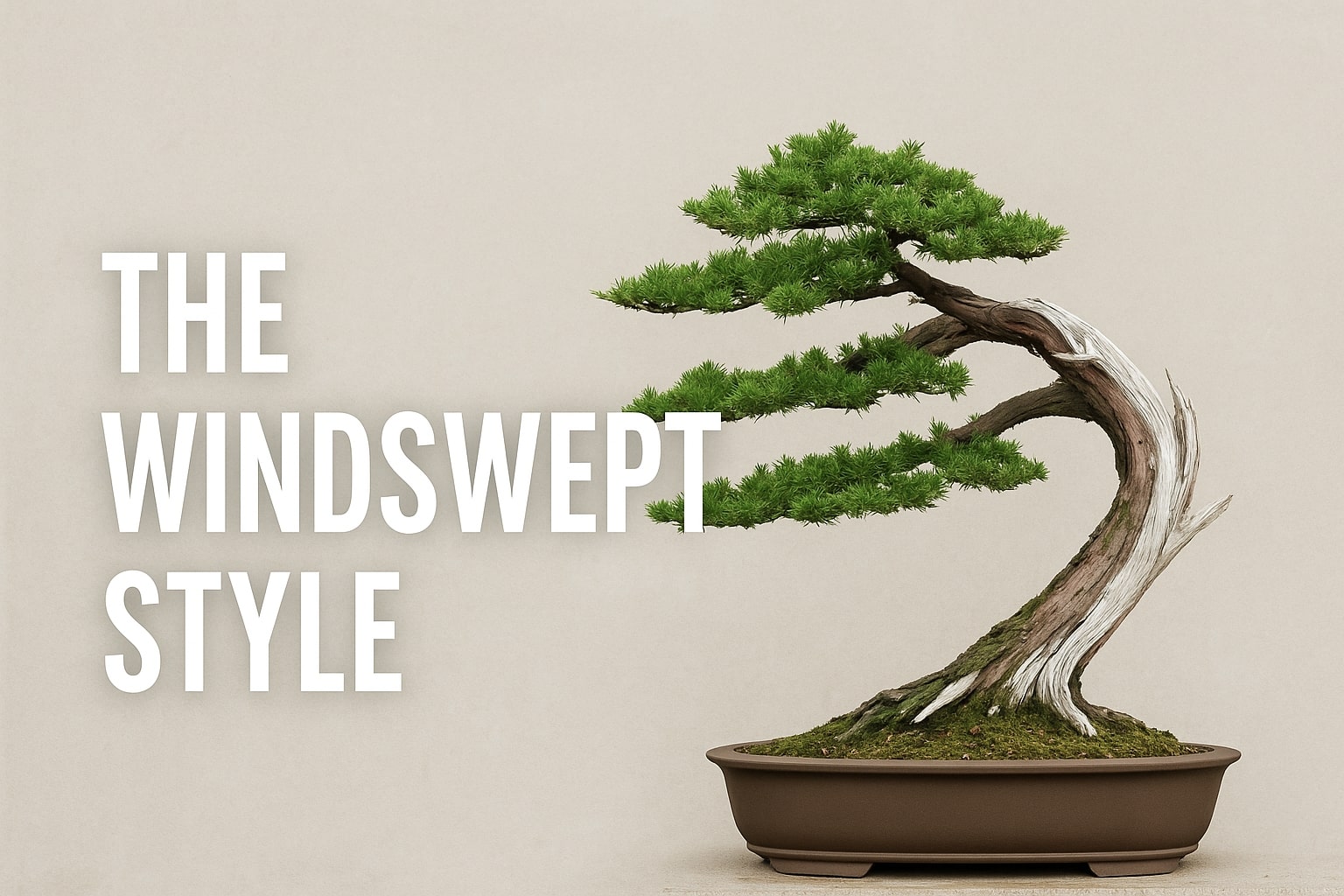
The windswept style is one of the most dramatic and expressive bonsai forms. It captures the image of a tree shaped over time by strong, consistent winds. Branches, foliage and even the trunk all grow in a single direction, giving the impression that the tree has endured harsh conditions while still holding onto life.
This guide explores what defines the windswept style, how to design it and what makes it such a favourite among bonsai artists.
Table of Contents
What defines the windswept look
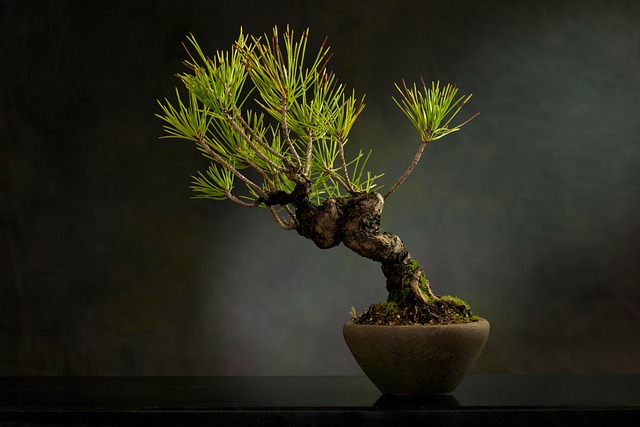
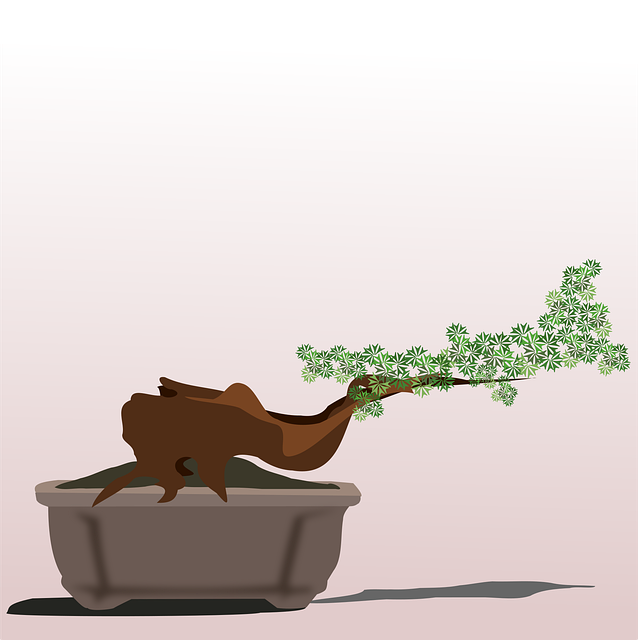
The windswept style is characterised by a clear directional flow. The trunk leans slightly or heavily to one side, and all branches extend in that same direction as if wind has pushed them for many years. Even the foliage pads follow this movement, giving the tree a dynamic, almost storylike appearance.
What makes this style powerful is its sense of struggle and resilience. The exposed roots, twisted trunk and angled branches create a natural scene that looks both harsh and beautiful. When done well, the windswept style feels alive and full of motion.
Choosing the right species for the windswept style
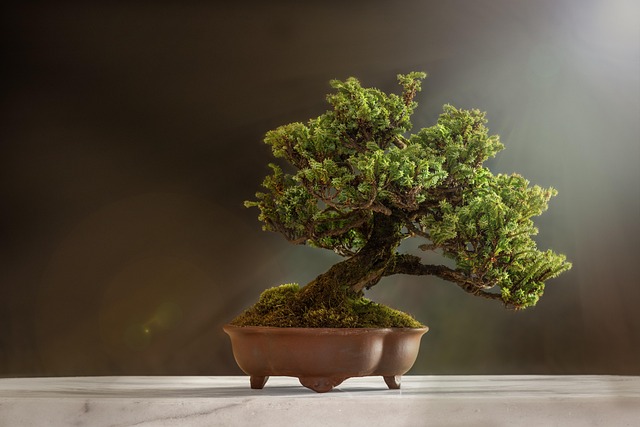
Some species respond better to the windswept bonsai style than others. Trees with flexible branches and strong backbudding tend to be easier to train. Popular choices include:
- Junipers
- Pines
- Spruce
- Cedar
- Ficus
- Olive
These species withstand wiring well and can hold the long horizontal lines needed for a convincing windswept style. Deciduous species can also work, but evergreens typically offer more structure and year round visual impact.
Designing the windswept style: key techniques
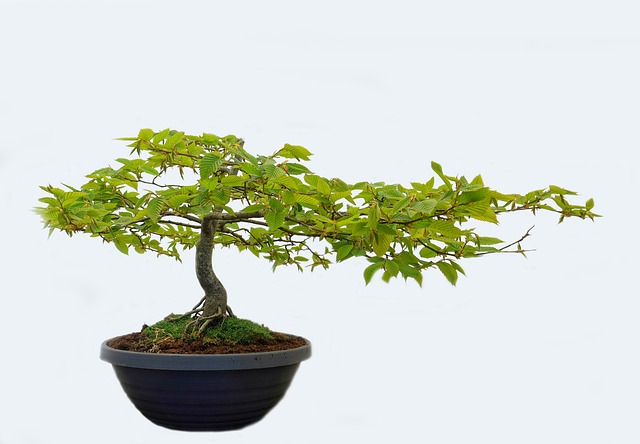
Creating the windswept bonsai style requires careful shaping. The trunk is usually bent early in the tree’s development so that its lean appears natural. Branches are then wired to follow the same direction, with those on the opposite side shortened or removed. This maintains the illusion that the wind has influenced every part of the tree.
Attention to detail is important. Foliage pads should flow in smooth lines, avoiding heavy or unbalanced clumps. Slight upward angles in the tips of the branches help the tree look alive rather than flattened.
Soil level details also add realism. Exposed roots on the windfacing side imitate erosion, while stronger roots on the leeward side look like they are anchoring the tree against constant pressure.
Pot selection for the windswept style
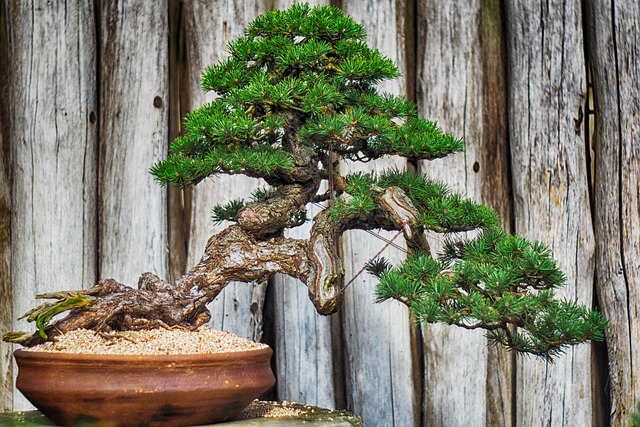
The container plays a major role in reinforcing the shape. Bonsai artists often choose longer, lower pots to complement the horizontal flow. Earthy tones such as browns, greys and muted greens work well with most species and help maintain the rugged, weathered feel of the style.
The tree is generally planted slightly off centre so it visually leans into the empty space, emphasising the direction of the wind. A pot that is too tall or too ornate can distract from the movement that defines the windswept style.
How to create natural movement in the windswept style
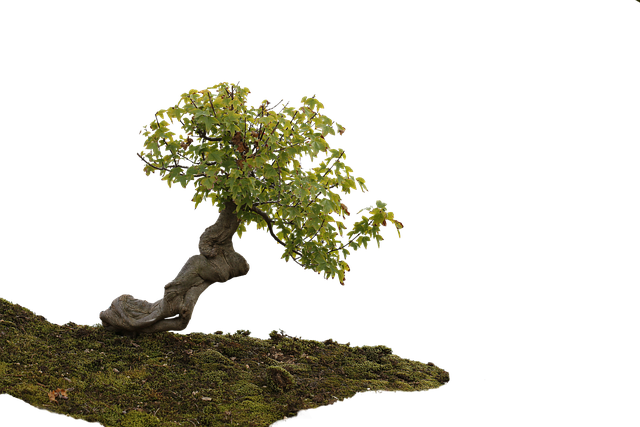
One of the most important elements in the windswept bonsai style is believable movement. The tree should never look forced or artificially bent. Subtle curves in the trunk create a more organic appearance, mimicking how real trees bend under years of pressure rather than a single dramatic event. Branches should follow these curves with smooth, flowing lines that move in the same direction.
Avoid shaping everything at the same angle. Slight variations in branch tilt or height add authenticity. A good windswept design shows diversity while still maintaining a clear dominant flow.
Seasonal maintenance for the windswept style
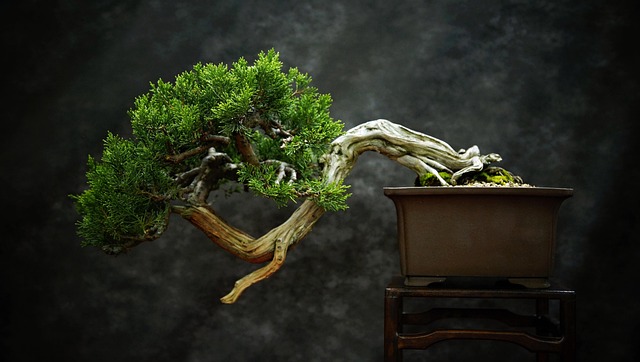
Seasonal care helps maintain the windswept style and keeps the silhouette clean. In spring, new growth should be guided so that shoots continue to extend in the preferred direction. Summer trimming allows the artist to refine the foliage pads and prevent the crown from becoming too dense, which can disrupt the illusion of wind movement.
Autumn is the ideal season for wiring adjustments because the tree’s growth slows, and branches hold their new positions more effectively. Winter, especially for evergreens, is the time to review the overall shape and make small corrections that keep the windswept style balanced and visually striking.
Common mistakes to avoid with the windswept style
One of the most frequent mistakes is bending the trunk too sharply in a single direction, which can look unnatural. Another common issue is leaving branches on the windward side that appear too strong, creating confusion in the tree’s overall movement. These branches should be shortened significantly or removed to keep the flow consistent.
Overstyling is also a concern. The windswept style should be expressive, but not exaggerated to the point where it feels unrealistic. Too much wiring, overly perfect lines, or heavy foliage on the wrong side can all weaken the story that the tree is meant to tell.
A style full of movement and emotion
The windswept style is a favourite for artists who enjoy creating bonsai with a strong sense of story. It expresses endurance, beauty and natural struggle in a way few other styles can achieve. With the right species, good technique and a careful eye for movement, any grower can design a windswept bonsai that looks both graceful and dramatic.