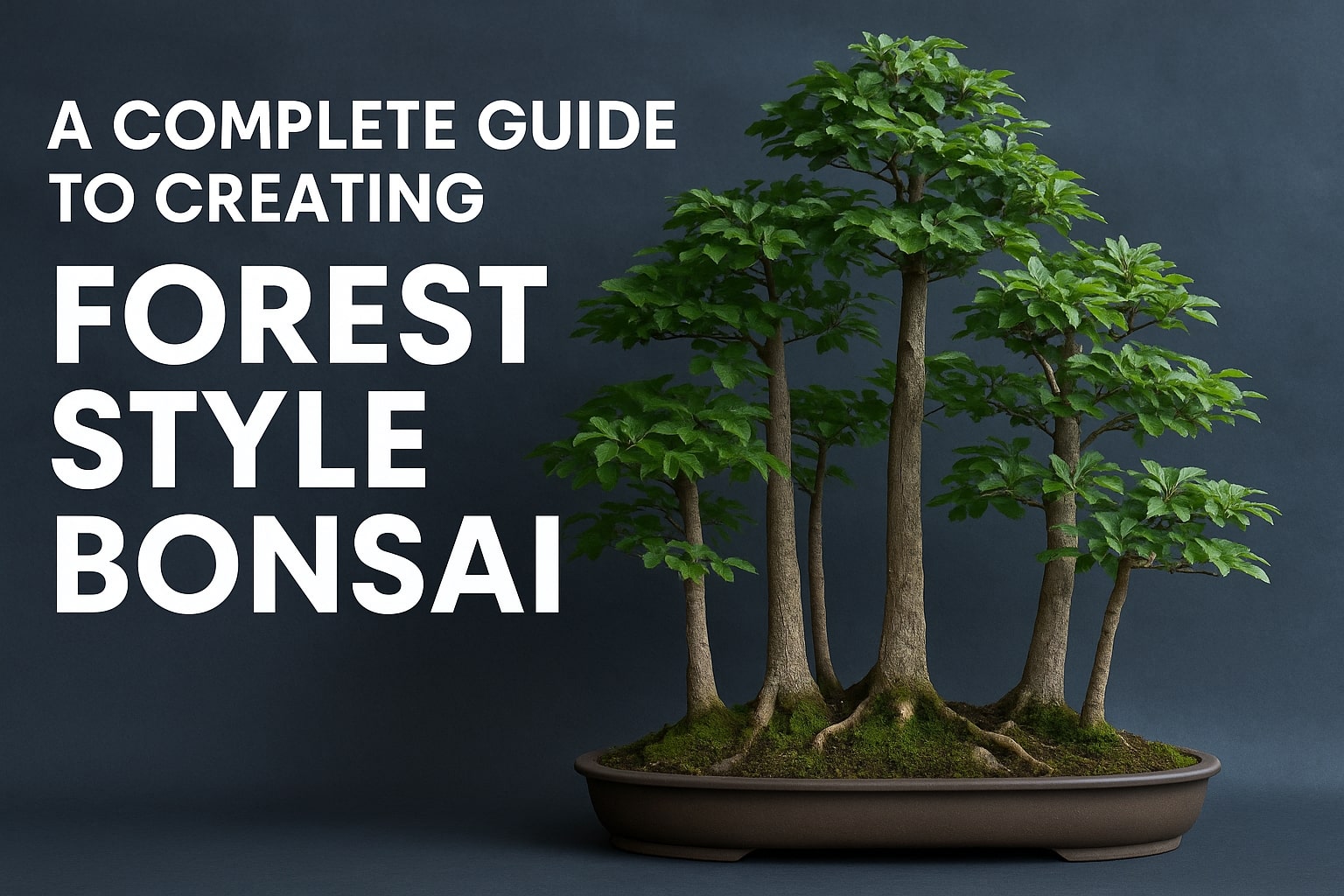
The forest style bonsai is one of the most visually striking and storytelling designs in the bonsai world. Instead of a single tree, this style uses multiple trunks planted together to evoke the feeling of walking through a miniature woodland. Creating this look requires careful planning, an understanding of natural growth patterns, and thoughtful design choices. Here’s how to approach the forest style bonsai with confidence.
Table of Contents
Understanding the essence of the forest style
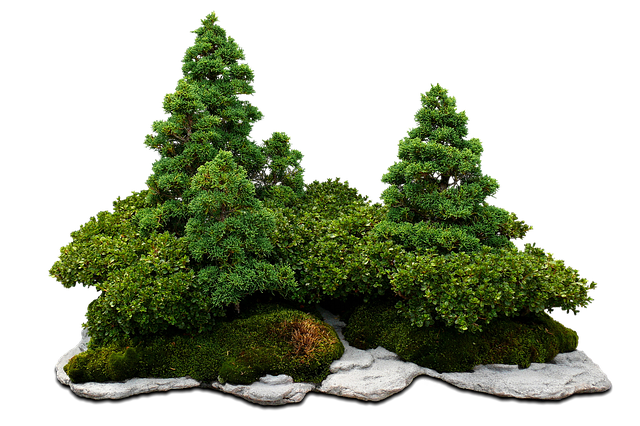
A forest style bonsai, also known as Yose-ue, aims to replicate how groups of trees grow together in nature. This means imitating natural spacing, height variation and root positioning. The goal is to create the illusion of depth and realism, as if the viewer is looking into a tiny living landscape.
One of the most important aspects of the forest style bonsai is harmony. The trees must look related — not identical, but growing in the same environment under the same conditions. Uniformity of species is essential: mixing species disrupts the natural effect. Instead, use the same tree type for all trunks to keep the scene believable.
Choosing the right species for your forest style planting
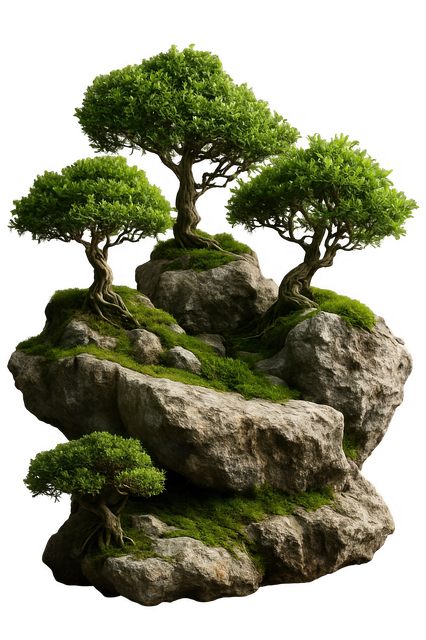
Some trees are better suited for a forest style bonsai than others. Species with upright growth habits and smaller leaves create the best results. Common choices include Chinese elm, ficus, trident maple, and various pines. These trees respond well to grouping and develop strong root systems that adapt easily to shallow containers.
Deciduous trees are especially popular because their seasonal changes add drama to the forest. Bare winter branches, spring buds, summer density and autumn colour shifts all give your planting year-round interest. However, conifers can create equally impressive evergreen forests that evoke a mountain-slope aesthetic.
Positioning trunks for depth and realism
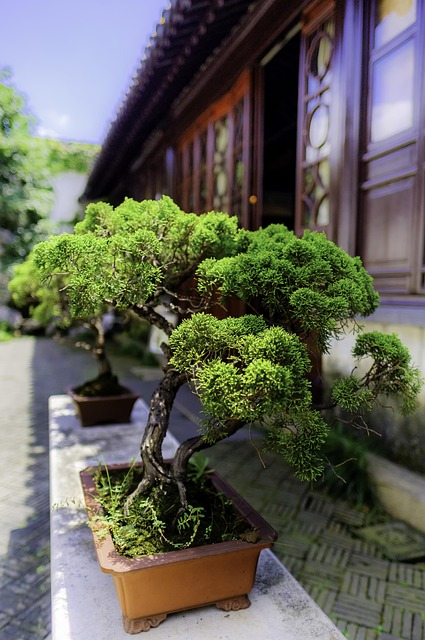
The layout of the trunks is where the forest style bonsai truly comes to life. Start with an odd number of trees, five, seven or nine, as odd groupings look more natural. The tallest tree should be positioned slightly off-centre to avoid a symmetrical or artificial feel. Shorter trees should be placed in front and to the sides to help the eye move naturally through the scene.
Spacing is crucial: trees should sit close together but not crowded. Angle some trunks slightly outward to mimic how real forests spread towards sunlight. The aim is to create a sense of flow, allowing the branches and canopy to form a cohesive group rather than individual, isolated trees.
Selecting the right container and substrate
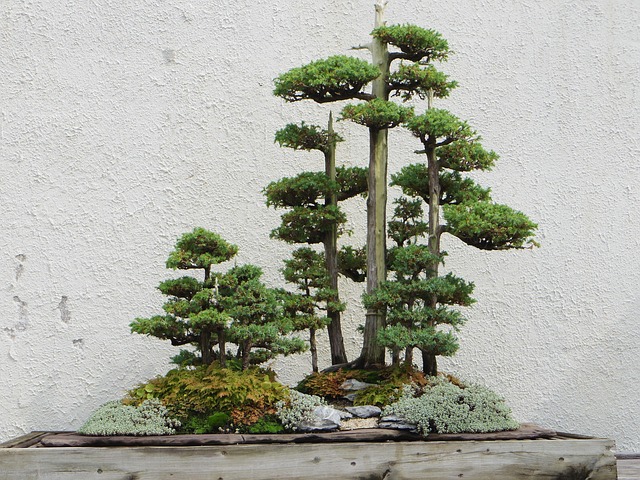
Forest plantings usually require wide, shallow trays that allow space for multiple root systems. Neutral colours like grey, brown or earthy tones ensure the pot doesn’t overpower the planting. The container acts as the “ground”, so it should feel like a landscape, not a typical bonsai pot.
Use well-draining soil suited to your chosen species. Since several trees share one pot, it’s important to monitor moisture levels more closely than with a single tree. Forest style bonsai often dry out faster due to the number of trunks and the spread of roots.
Maintaining your forest over time
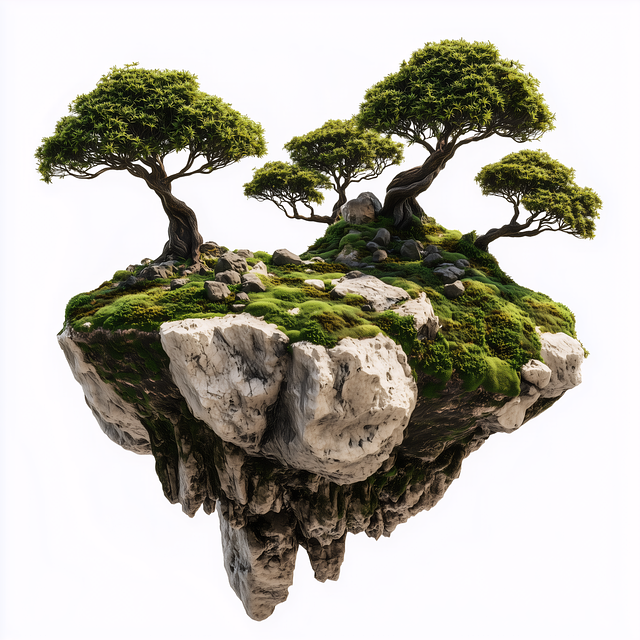
Once planted, your forest style bonsai needs ongoing maintenance to retain its natural appearance. Pruning should encourage vertical movement rather than wide branching. Keep back branches thinner and lighter to improve depth. Tidy up competing shoots to prevent overcrowding, while still maintaining the organic, slightly wild look typical of forests.
Watering and fertilising should be consistent, and you may need to rotate the tray occasionally to ensure even light distribution. Over the years, the trees will gradually blend into one landscape as their roots interlock and their trunks age together.
Bringing nature’s serenity into miniature form
A forest style bonsai carries a peaceful, immersive charm that single-tree designs can’t replicate. By carefully selecting species, organising trunks thoughtfully, and maintaining balance within the group, you create a living scene that evolves beautifully over time. With patience and planning, your forest becomes a miniature world worth getting lost in.