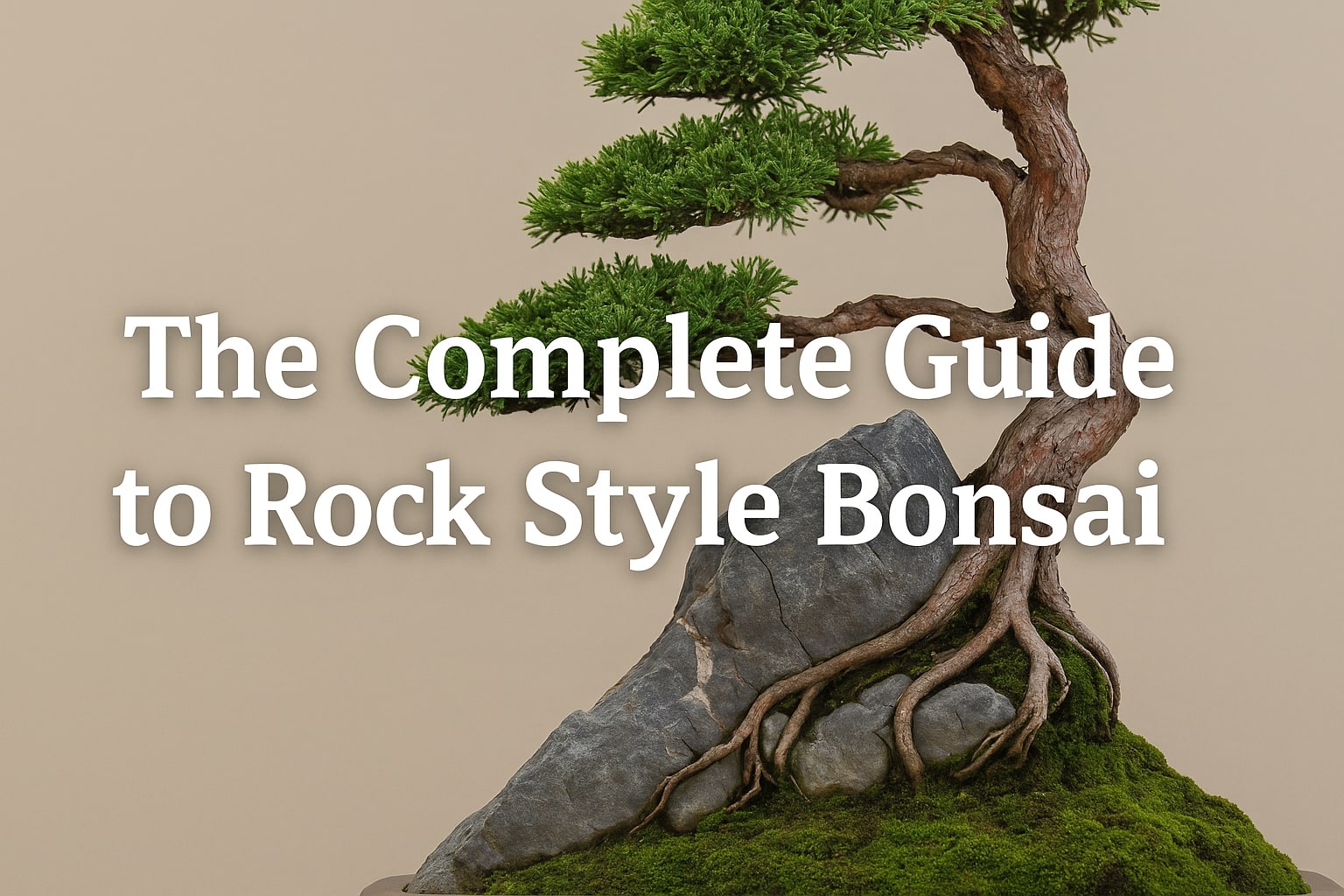
Rock style bonsai has fascinated artists for centuries because of the raw drama it brings to a composition. Instead of simply shaping a tree, the grower designs a miniature world where stone and wood work together. The contrast between the hard permanence of rock and the flexible life of a tree creates a scene that feels ancient, powerful and deeply connected to nature. For beginners and masters alike, rock style offers some of the most rewarding creative possibilities in bonsai.
This guide explores what defines rock style, how it differs from traditional upright or cascade designs, the various forms it can take, and how to create, grow and maintain these captivating trees at home. Whether you choose root over rock, clinging to rock, split rock planting or a combined landscape, the goal is the same. You want the tree and the stone to form one natural environment where each element enhances the other.
Table of Contents
What Defines Rock Style Bonsai
In rock style bonsai, the tree is intentionally grown in or around a stone. Instead of relying solely on soil to support the trunk and roots, the artist integrates the plant directly with rock formations. The rock becomes part of the tree’s environment, influencing its movement, its styling and its overall impression.
Traditional bonsai is shaped by decisions regarding trunk movement, branch placement and pot selection. With rock style, the selection of stone becomes equally important. The rock you choose changes the entire composition by introducing texture, balance, height, weight and direction. Good rock selection feels intentional. The stone should appear weathered, textured and aged, with crevices that guide root development and natural lines that support the overall tree movement.
Rock style bonsai aims to mimic how trees in the wild cling to cliffs, push roots between stones, or grow on rugged mountainsides where only stubborn plants survive. By recreating these scenes in miniature, the artist captures a sense of resilience and natural drama.
Types of Rock Style Bonsai
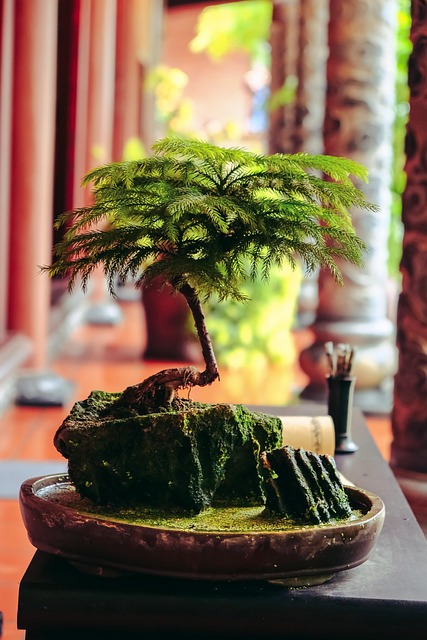
There are several variations of rock style, each offering unique challenges and creative opportunities. Although all fall under the rock style family, the differences between them encourage different artistic decisions.
Root Over Rock
In this variation, the tree’s roots grow visibly over the surface of the stone. Over time, the roots thicken, gripping the rock tightly and creating the impression of age and struggle. This version relies heavily on long term development. When done well, the roots appear natural and ancient, as if the tree has held onto the rock for decades.
Clinging to Rock
Clinging to rock style creates the illusion of a tree growing directly from a cliff face. The roots disappear into cracks in the stone rather than over the surface. The trunk often leans or bends to show the strain of growing in harsh conditions. This variation emphasises dramatic posture and strong directional flow.
Through Rock
In this style, a hole or tunnel in the stone allows the trunk or roots to grow through it. This creates an eye catching composition where the tree and rock are locked together. Over time, the tree appears to have forced its way through the stone.
Split Rock Planting
Split rock bonsai uses two halves of a rock with a gap between them. Soil fills the centre while the stone halves act as natural walls that frame the tree. This form is ideal for creating a mountain valley or cliff illusion.
Forest on Rock
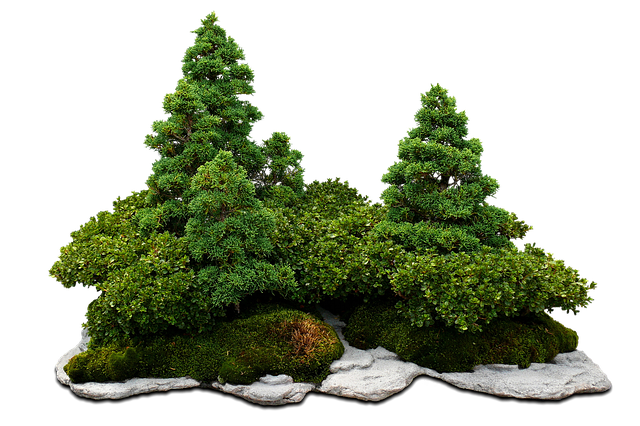
A bonsai forest planting can be arranged on a single large stone. The artist selects multiple trees that together create a landscape of peaks, slopes or flat plateaus. This is an excellent choice for artists who want to create full scenery instead of a single plant focus.
Regardless of the variation, all of these forms fall under the general category of rock style and follow similar principles in design.
Choosing the Right Rock
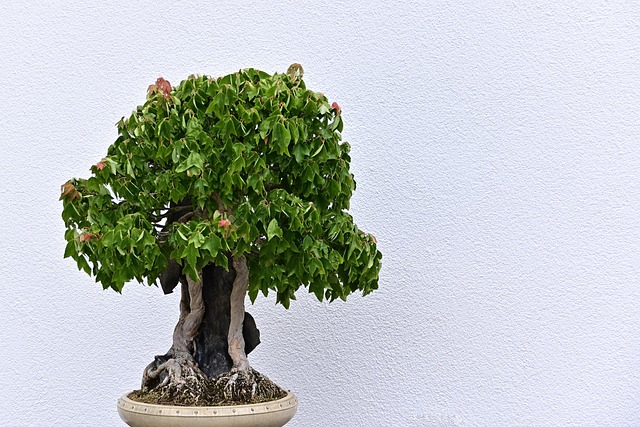
Selecting the proper stone is crucial when creating rock style bonsai. The rock must be strong, weather resistant and visually interesting. Porous stones like lava rock, tufa stone and certain types of sandstone are popular because they allow roots to grip effectively. Smooth stones should generally be avoided because they make it more difficult for the tree to attach naturally.
Look for rocks with cracks, ridges, pockets and texture. These features help guide root placement and create a more convincing natural setting. Consider the colour of the rock as well. Lighter stones may blend better with species like juniper, while darker stones can enhance the contrast with deciduous trees.
The size of the rock should match the intended final tree size. Too small, and the composition appears unstable. Too large, and the stone overpowers the tree. The goal is harmony between both elements.
Selecting Tree Species for Rock Style
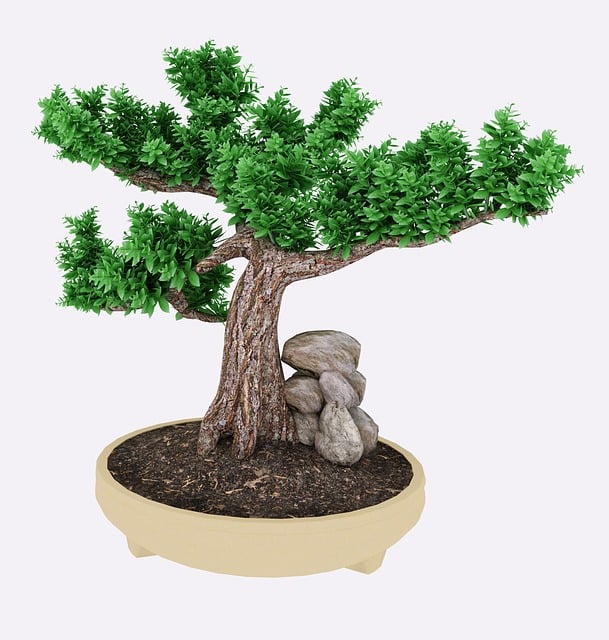
Not every species responds well to rock integration. Trees with strong, flexible and fast growing roots tend to perform best. Good choices include:
- Ficus
- Chinese elm
- Junipers
- Trident maple
- Pine species
- Olive
- Privet
Species with naturally vigorous root systems will adapt more quickly and grip the rock with more strength. When selecting a tree, start with young material. Younger roots are easier to manipulate and thread through crevices or position over stone surfaces.
How to Create a Root Over Rock Design
Creating a root over rock composition takes planning and patience. Begin by preparing your stone, identifying grooves where you want the roots to settle. Young nursery stock or seedlings work best because their roots are more flexible.
Gently expose the roots, keeping as many fine roots intact as possible. Arrange the roots around the stone in a natural flow. Tie them temporarily with biodegradable string to hold them in place. Once positioned, the entire rock and root system is placed into a deep container so the plant can grow over time. The roots will thicken and wrap around the stone as the tree matures.
After several growing seasons, the soil level can gradually be lowered, revealing more of the root structure. This slow reveal creates dramatic results and enhances the aged appearance of the rock style composition.
Caring for Rock Style Bonsai
Maintenance involves both standard bonsai care and extra attention to the tree’s interaction with the rock. Watering must be carefully monitored because stone can affect moisture retention. The exposed roots dry faster, so more frequent watering may be required during hot seasons.
Fertilising should follow the same schedule used for other bonsai, but be careful not to overfeed, especially in the early stages. Excessive growth may cause root swelling too quickly, potentially damaging the composition.
Repotting rock style bonsai is more challenging due to the weight and structure of the stone. It is usually done less frequently, often every three to five years depending on species and growth rate. Always support both the rock and the tree when lifting.
Styling continues throughout the tree’s life. Prune to encourage strong branch structure that complements the rock’s shape. Avoid creating movement that contradicts the natural lines of the stone. The most convincing rock style bonsai appear as if they were discovered in nature rather than constructed by hand.
Start Your Rock Style Bonsai Today!
Rock style bonsai captures the dramatic relationship between nature’s resilience and the challenge of harsh environments. By combining stone and tree into a united composition, the artist creates a living sculpture that feels ancient and powerful.
Whether you choose root over rock, clinging to rock, through rock or a full landscape, the essence of rock style lies in harmony between the elements. With patience, creative planning and proper care, any grower can craft a rock style bonsai that reflects both their artistic vision and the rugged beauty of the natural world.