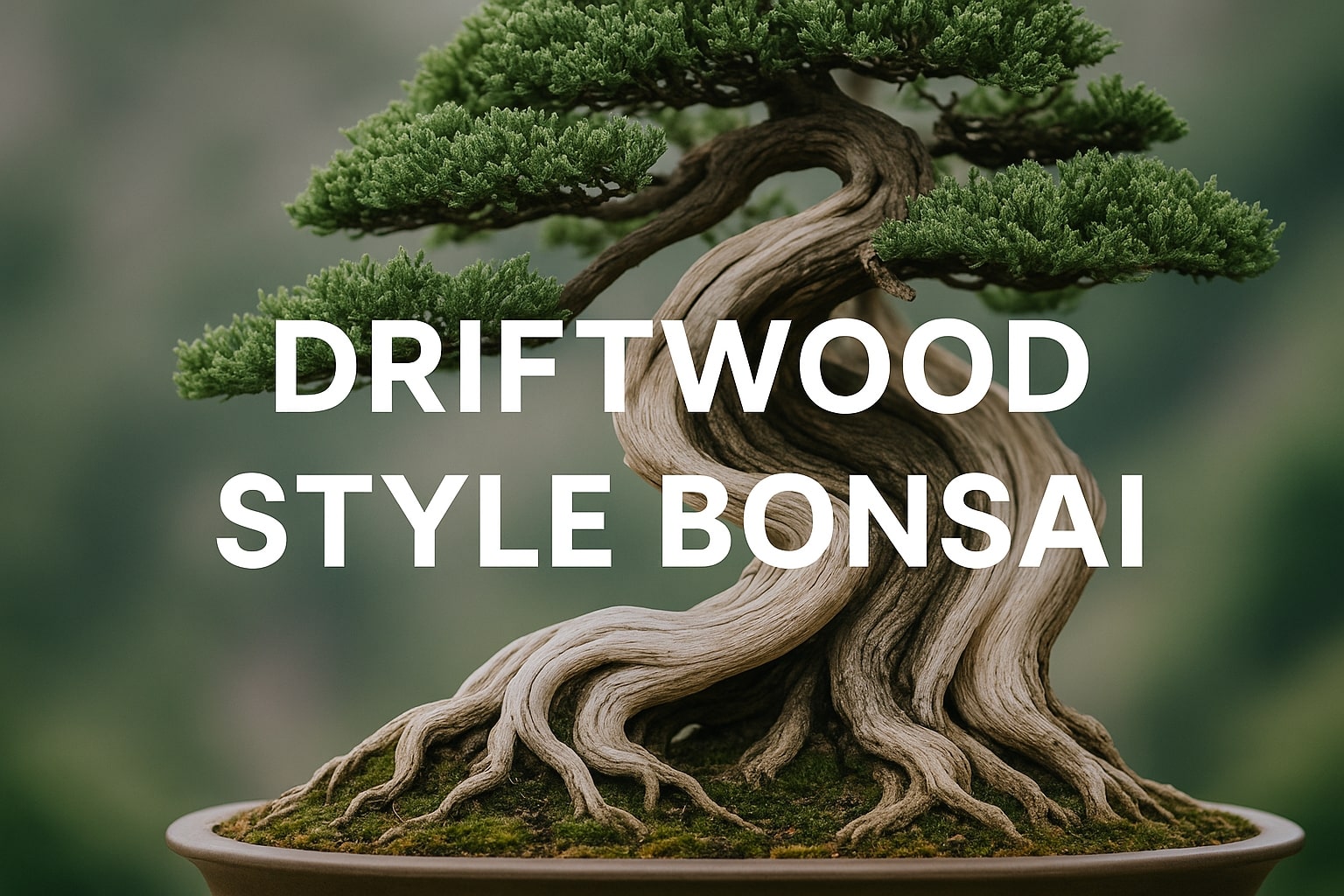
The driftwood style is one of the most striking and dramatic bonsai styles, known for its weathered appearance, bleached textures and the powerful story it tells. Instead of focusing only on lush foliage or perfect symmetry, this style celebrates age, survival and the raw beauty of nature. Driftwood style bonsai often look as if they have endured storms, drought, harsh climates and the test of time, yet still continue to grow with strength and character.
This style is a favourite among artists who love naturalistic bonsai, because it captures the essence of a tree that has lived a difficult but remarkable life. With its carved deadwood, flowing live veins and sculpted form, the driftwood style is both challenging and deeply rewarding to create. For South African growers, it offers a chance to transform ordinary material into something dramatic and unforgettable.
Table of Contents
What is the driftwood style?
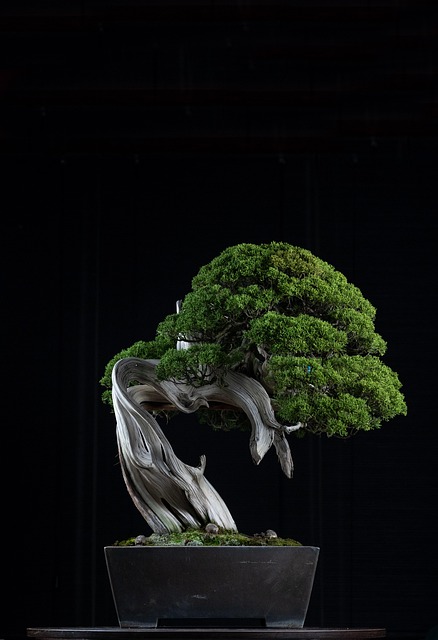
The driftwood style is defined by its prominent deadwood features. Much of the trunk is stripped of bark to create smooth, twisted or bleached sections known as shari. These deadwood areas often extend along the trunk or into the branches, while the living veins remain visible, winding their way upward to support healthy foliage.
Driftwood style bonsai often look rugged, ancient and shaped by natural forces. Sun exposure, wind damage, lightning strikes and insect activity can all be recreated artistically using carving tools. The contrast between old, dead sections and the living parts of the tree is what makes the driftwood style so visually powerful.
This style requires a strong understanding of tree health, because the living vein must remain intact. While the deadwood is sculpted for beauty, the living tissue continues to feed the foliage and must be protected throughout the process.
The story and symbolism behind the style
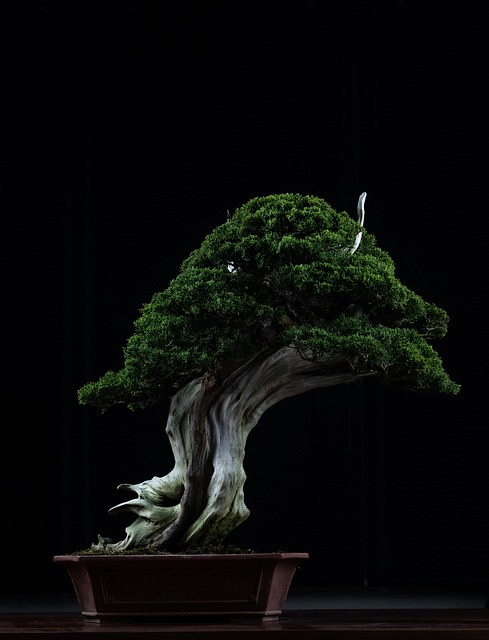
The driftwood style is more than an artistic technique. It represents endurance and the ability to survive against overwhelming odds. In nature, trees with heavy deadwood features have often faced extreme hardship, yet they continue to grow in the most unexpected places, from cliff edges to coastal rocks.
In bonsai, the driftwood style symbolises resilience, perseverance and natural ageing. Many growers choose this style to honour the idea of strength through adversity. The carved, ancient look captures the passage of time, allowing the artist to tell a story through their design.
Because of this symbolic depth, driftwood style bonsai often become centrepieces in a collection, admired not only for their shape but for the narrative embedded in their form.
How to create the driftwood style
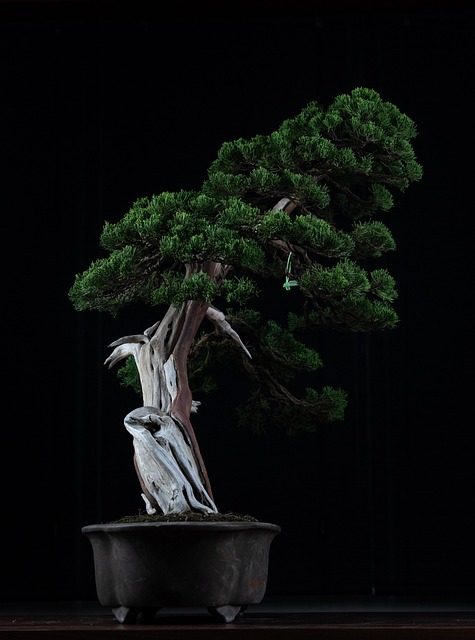
Creating the driftwood style for your bonsai requires patience, planning and a deep respect for the health of the tree. Although the dramatic deadwood and carved textures often appear bold and aggressive, the work behind them is slow, deliberate and carefully controlled. The goal is always to enhance the natural story of the tree, not to rush it or shape it into something unnatural. These expanded steps will guide you through the process safely and effectively.
1. Identify the living vein before you begin
Before any carving takes place, it is essential to locate the living vein of the tree. The living vein is the section of the trunk that actively carries sap and nutrients from the roots to the foliage. Damaging this area risks killing branches or even the entire bonsai.
By studying the bark, observing growth patterns and gently scraping small sections to reveal the sapwood, you can determine which areas must remain untouched. This assessment shapes every decision you make, because the living vein becomes the structural backbone of your driftwood style bonsai.
2. Remove bark and begin shaping the main deadwood sections
Once the living vein is identified, you can safely begin forming the deadwood. Using tools such as grafting knives, chisels, gouges or power carvers, remove the bark from selected areas to expose the wood below. Work slowly, following the natural twists, bends and lines of the trunk.
Your goal is not to force a new shape, but to enhance the natural character already present. The initial carving establishes the main direction and flow of the driftwood style, giving your bonsai its aged, weather-beaten appearance.
3. Refine textures and carve deeper details for realism
After shaping the larger structures, it is time to refine the details. This step involves carving subtle grooves, hollows, ridges and split textures that mimic the effects of sun, wind, lightning and natural decay.
Realistic deadwood comes from studying trees in nature and understanding how their wood breaks down over time. Avoid smooth or overly polished surfaces; instead, use controlled irregularities to create authenticity. The refinement stage is where the driftwood style gains depth, character and emotional weight.
4. Preserve and protect the deadwood with lime sulphur
Carved deadwood can deteriorate if not treated properly, especially in humid South African climates. Applying lime sulphur is a traditional method used to protect and preserve these areas. The solution helps prevent rot, discourages insects and gently bleaches the wood to achieve the iconic pale tones associated with the driftwood style bonsai.
Apply it carefully using a fine brush, avoiding contact with the living vein. Over time, multiple applications may be needed to maintain the colour and condition of the deadwood.
5. Train the foliage to enhance the carved structure
The foliage of a driftwood style bonsai should appear vigorous yet balanced. Wiring helps guide the branches into positions that complement the carved sections rather than overpower them. Aim for asymmetry, natural movement and open spaces that allow the eye to travel along the deadwood features.
The living sections should feel like a determined survivor clinging to life, supported by the elegant flow of the branches. Proper branch placement ensures harmony between the carved wood and the living canopy.
6. Work slowly and allow time for recovery
The driftwood style is not achieved in a single afternoon. Because carving puts stress on the tree, it is important to work in stages and give the bonsai time to recover between major sessions. This approach protects the living vein, reduces shock and ensures long-term health.
Regular watering, balanced feeding and careful monitoring after each carving session help the tree regain strength. Over months or even years, the gradual progression allows the driftwood style to develop naturally and safely.
Best species for driftwood style bonsai
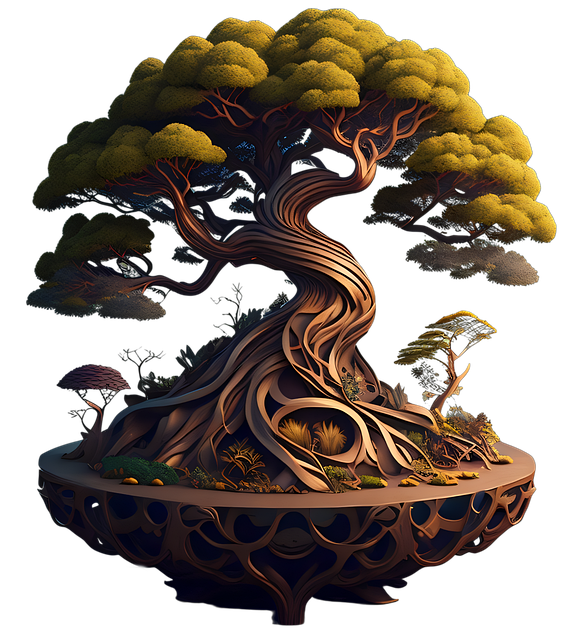
Some species respond exceptionally well to deadwood techniques and are ideal for beginners exploring the driftwood style:
- Junipers: By far the most popular choice. Their wood preserves beautifully and their living veins create dramatic contrasts.
- Pines: Strong and durable, pines naturally develop deadwood in the wild, making them perfect for this style.
- Olives: Excellent in South Africa. Their wood carves well and handles extreme shaping.
- Privets: Fast-growing and forgiving, privets are great practice trees for learning driftwood carving.
- Bougainvillea: Surprisingly effective for driftwood work due to their strong wood structure.
Other hardwoods can also work, but they may require more patience and careful planning.
Styling tips for beginners
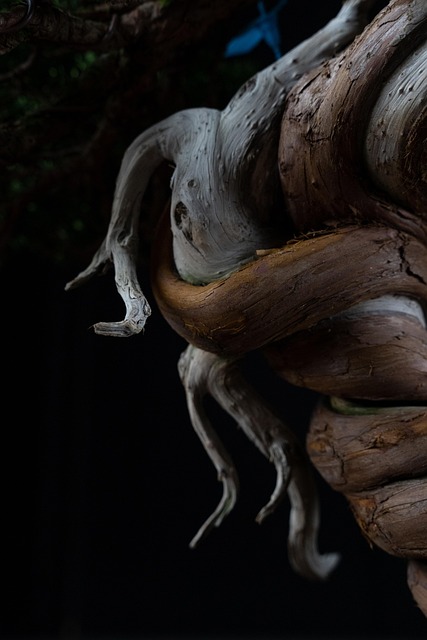
For many growers, the driftwood style can feel intimidating at first. Its rugged appearance and dramatic carving work make it seem like a style reserved for advanced artists. But with the right approach, beginners can learn the fundamentals and create beautiful, balanced designs without damaging their trees.
These practical tips will help you start developing driftwood style bonsai safely and confidently while building the skills needed for more advanced work in the future.
Keep contrast in mind: The balance between deadwood and living tissue is the core of the driftwood style. Avoid too much carving that overwhelms the live vein.
Focus on flow: Deadwood should follow natural movement, not look forced. Study how water, wind or lightning shapes real trees.
Choose the right pot: A simple pot often works best. The focus should remain on the dramatic tree, not the container.
Use negative space: Gaps and spaces around the deadwood help emphasise the sculpted texture and aged appearance.
Avoid overworking the tree: Beginner artists often carve too much. Subtlety and patience lead to better long-term results.
Rooted in Time
The driftwood style transforms hardship into beauty, capturing the rugged story of a tree that continues to survive and thrive. Through carving, shaping and thoughtful design, this style reveals the soul of the bonsai and connects the artist to the natural world in a powerful way.
The driftwood style also teaches patience, observation and respect for the natural ageing process of trees. As you work with deadwood, living veins and careful carving, you begin to appreciate how resilient real trees are in the wild.
This style invites you to slow down and study the subtle lines, scars and shapes created by time. Every decision becomes intentional, and every detail has meaning. The more you work with driftwood style bonsai, the more you discover a deeper connection not only to the art, but to nature itself and the quiet lessons it offers.
Whether you are practising on humble material or working on a prized specimen, creating a driftwood style bonsai invites you to slow down, observe nature and craft something truly meaningful.