

The broom style is one of the most elegant and versatile bonsai forms, known for its upright trunk and beautifully rounded canopy. This style is perfect for beginners because it is forgiving and focuses on natural symmetry rather than strict shaping. In this guide, you will learn what makes the broom style unique, which species work best, and how to train your own tree into this classic design.
Table of Contents
What defines the broom style bonsai
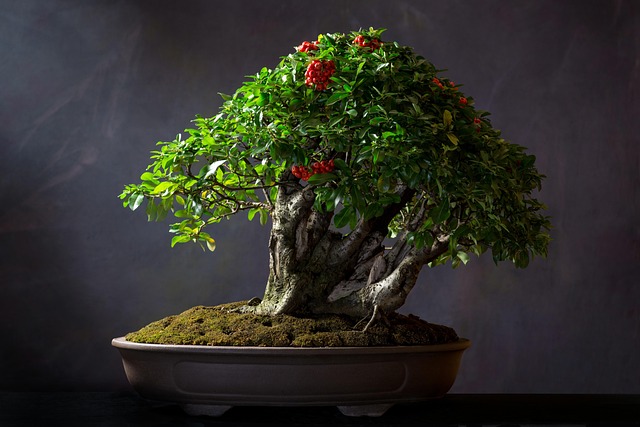
The broom style is shaped to resemble a mature tree growing in an open field. It features a straight, upright trunk that rises vertically before branching out into many fine twigs. These twigs form a rounded, umbrella-like canopy. The overall effect is a calm, balanced tree that looks both natural and tidy.
This style is especially popular for deciduous species that naturally produce many smaller branches. The broom style creates the impression of age and stability even in relatively young trees. The structure is also easy to maintain, which makes it perfect for newcomers to bonsai as well as experienced growers.
Best species for the broom style

While many trees can be shaped into the broom bonsai style, some species are particularly well-suited. The best examples include:
Chinese Elm: A favourite for broom bonsai style bonsai due to its fine twigs, dense branching and ability to back bud easily.
Zelkova Serrata: Known as the Japanese grey bark elm, this tree is considered the ideal species for broom style training.
Maples: Japanese maple and trident maple both develop soft branching patterns that suit the rounded silhouette of the broom style.
Beech and Hornbeam: These species create a refined structure and respond well to repeated pruning.
Trees with naturally strong branching habits create the neat, radial spread that broom style requires. Conifers are rarely used because they do not produce the fine, even twigs that give the style its characteristic look.
How to shape a broom style bonsai

Training a broom style bonsai focuses on gradual shaping rather than heavy wiring. Here are the key steps:
1. Create a straight trunk
The trunk should be upright without dramatic movement. In young trees, prune gently to strengthen the vertical leader and remove any competing shoots. The trunk should taper slightly towards the top.
2. Establish the primary branch divide
At the top of the trunk, usually about one-third of the total tree height, the trunk divides into multiple branches. This is the signature feature of the broom style. Select several branches that radiate evenly in all directions.
3. Develop a rounded canopy
The canopy should resemble an open umbrella. Use frequent clip and grow pruning to encourage fine twigs and soft branching. The goal is to create a full but tidy silhouette without sharp angles.
4. Maintain structure through seasonal pruning
Prune during the growing season to keep the canopy round and prevent overcrowding. In winter, perform structural pruning to refine branch placement and remove any crossing or weak growth.
Seasonal care tips for maintaining broom style bonsai

Seasonal care plays an important role in keeping a broom style bonsai healthy and well-structured throughout the year. Each season affects how the tree grows, how you prune it and how you protect it from stress. Paying attention to these changes helps your tree maintain the fine branching and rounded silhouette that the broom style is known for.
In spring, growth is at its strongest. This is the ideal time to shape young shoots, refine the canopy and repot if the tree needs fresh soil. Clip and grow pruning works best during this period because new shoots extend quickly and respond well to controlled trimming. Be careful not to remove too much at once, as this can reduce vigour.
During summer, the focus shifts to maintaining health. Ensure the tree receives enough water and light while protecting it from extreme heat. Light pruning can help improve airflow in the canopy, which prevents fungal problems and encourages finer branching.
In autumn, reduce pruning and allow the tree to store energy. This is also the time to enjoy the changing leaf colours of deciduous species.
In winter, structural pruning is recommended. With the leaves removed, you can clearly see the branch framework and refine the tree’s shape for the next growing season.
Choosing the right pot for broom style bonsai
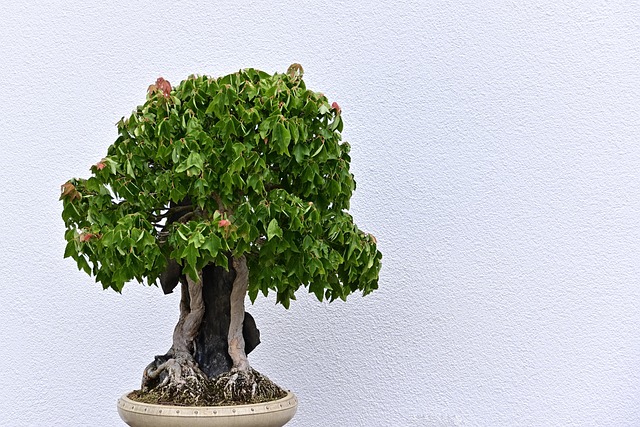
A broom bonsai style pairs beautifully with shallow oval or rectangular pots. The pot should complement the tree’s airy and balanced appearance. Neutral earthy colours such as brown, cream, or muted blue work well.
The pot must not overpower the tree. Since the broom style is visually symmetrical and open, the container should feel understated so that the viewer’s attention remains on the canopy and branching pattern.
Common mistakes to avoid

Even though the broom bonsai style is beginner-friendly, there are several pitfalls to watch out for:
• Allowing the trunk to bend too much
• Letting the canopy become flat on top instead of gently rounded
• Over-thickening one side of the tree, which disrupts symmetry
• Failing to prune the interior branches, leading to tangled growth
• Choosing a pot that is too deep or brightly coloured
Staying consistent with pruning is essential. The broom style relies on even, radial growth, and this can only be maintained with regular attention.
Why the broom bonsai style is perfect for every collection
The broom bonsai style is one of the most peaceful and naturally beautiful bonsai forms. With its upright trunk and elegant canopy, it is a favourite among growers who enjoy simplicity and balance. Because the style is easy to learn and rewarding to maintain, it is an excellent choice for beginners and a timeless classic for experienced artists.
To learn more about shapes and styles, check the other articles on our bonsai style page!