Choosing the right bonsai pots is one of the most important steps in shaping the health, style, and long-term growth of your tree. While many beginners focus mainly on pruning or wiring, the pot you choose influences root development, watering behaviour, soil stability, and the overall artistic balance of your bonsai.
This guide explains the different types of bonsai pots, how to choose the right one, and what each pot style means for your tree.
Table of Contents
Why bonsai pots matter
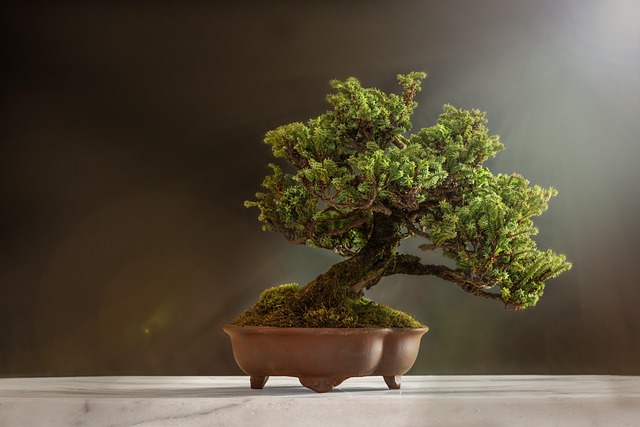
Bonsai pots are more than containers. They are an essential part of bonsai design and have a direct effect on tree health. A good pot regulates moisture, supports the root system, and creates harmony between the tree and its environment. The size, shape, and material of pots all influence how the tree develops over time.
A pot that is too shallow can stress the roots and cause instability, while a pot that is too deep may prevent proper drainage. Matching the pot to the species ensures your bonsai grows strong, healthy roots and maintains the aesthetic balance that the art form is known for. Here are some insights into this handy bonsai tool.
Types of bonsai pots and their uses
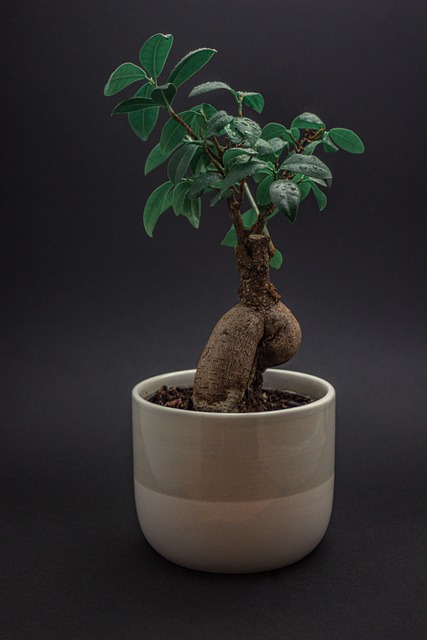
There are several categories of bonsai pots, and each one suits different species and styles. Understanding the purpose behind each type helps you make better decisions for your collection.
1. Unglazed bonsai pots
Unglazed pots are commonly used for conifers, pines, junipers, and other trees with strong, rugged character. They provide a natural, earthy look that complements masculine styles.
Unglazed bonsai pots often come in browns, greys, and clay tones. These colours blend well with textured bark and dense foliage. They also have slightly porous surfaces, which help regulate soil moisture more efficiently.
2. Glazed bonsai pots
Glazed bonsai pots are widely used for deciduous species, flowering bonsai, and trees with delicate or feminine styles. The glossy finish and wide range of colours bring out the seasonal beauty of trees such as maples, cherries, azaleas, and ficus.
Glazed pots are non-porous, which means they retain moisture better and suit species that enjoy slightly wetter soil conditions. They also offer a decorative touch that can enhance the artistic impact of your display.
3. Training pots
Training pots are used during the early stages of bonsai development. These are usually plastic, large, and lightweight. They give the roots space to develop while you shape the tree.
Training bonsai pots are ideal for seedlings, cuttings, and pre-bonsai trees that still need time before moving into their final display pot. They are practical and budget-friendly, making them perfect for new growers.
4. Mica pots
Mica bonsai pots offer durability, affordability, and excellent insulation. They are popular among bonsai growers who want a balance between performance and cost.
The material helps protect roots from extreme heat and cold, keeping the tree stable throughout the seasons.
Mica pots are commonly used in outdoor collections and are a great choice for species that stay outside all year.
5. Ceramic display pots
Ceramic pots are widely used for mature trees that are ready for formal presentation. They come in different shapes, colours, and styles and are considered the standard for show trees.
Ceramic bonsai pots are sturdy, long-lasting, and often handmade. Many collectors see them as investments because high-quality ceramic pots hold value and elevate the appearance of the tree.
How to choose the right bonsai pots
Choosing bonsai pots is a combination of artistic choice and horticultural need. The right pot brings balance to your tree and supports healthy root development.
Size considerations
A general guideline is to select a pot that is two thirds the height of an upright tree or the total width of a cascading tree. Depth should match the diameter of the trunk at soil level.
This ensures enough space for roots while maintaining the aesthetic proportions of traditional bonsai design.
Choosing the right shape
Rectangular and square bonsai pots suit stronger, more masculine trees such as pines, junipers, and cedars.
Oval and round pots often suit softer, feminine species such as maples and flowering bonsai.
Cascade pots have a narrow base and are deeper to support trees that flow downward in a dramatic style.
Matching the pot shape to the tree style helps create harmony and visual flow.
Colour matching
When choosing glazed pots, colour plays a big part in the aesthetic impact.
Blue glazed pots highlight trees with autumn colours or bright flowers.
Green glazed pots complement lush foliage.
Earthy tones support rustic bark and traditional landscapes.
The goal is to select colours that enhance, not overpower, the tree.
Drainage and soil behaviour
Good drainage is essential in all bonsai pots. Most pots have two to four holes, and some training pots have even more. Proper drainage prevents root rot and keeps the soil aerated.
The pot material influences how often you water.
Unglazed clay pots dry out faster, while glazed pots hold moisture longer.
This makes it important to match your pot to the needs of your species and your watering habits.
Using mesh over drainage holes and securing the tree with anchor wire improves stability during repotting and prevents soil loss.
Bonsai pots bring balance to tree and design
Choosing the right bonsai pots is an important step in both the health and artistry of your tree. They protect the roots, support growth, and complete the visual story you want your bonsai to tell.
With the right material, size, shape, and colour, your pot becomes a natural extension of the tree, creating harmony and balance for years to come.