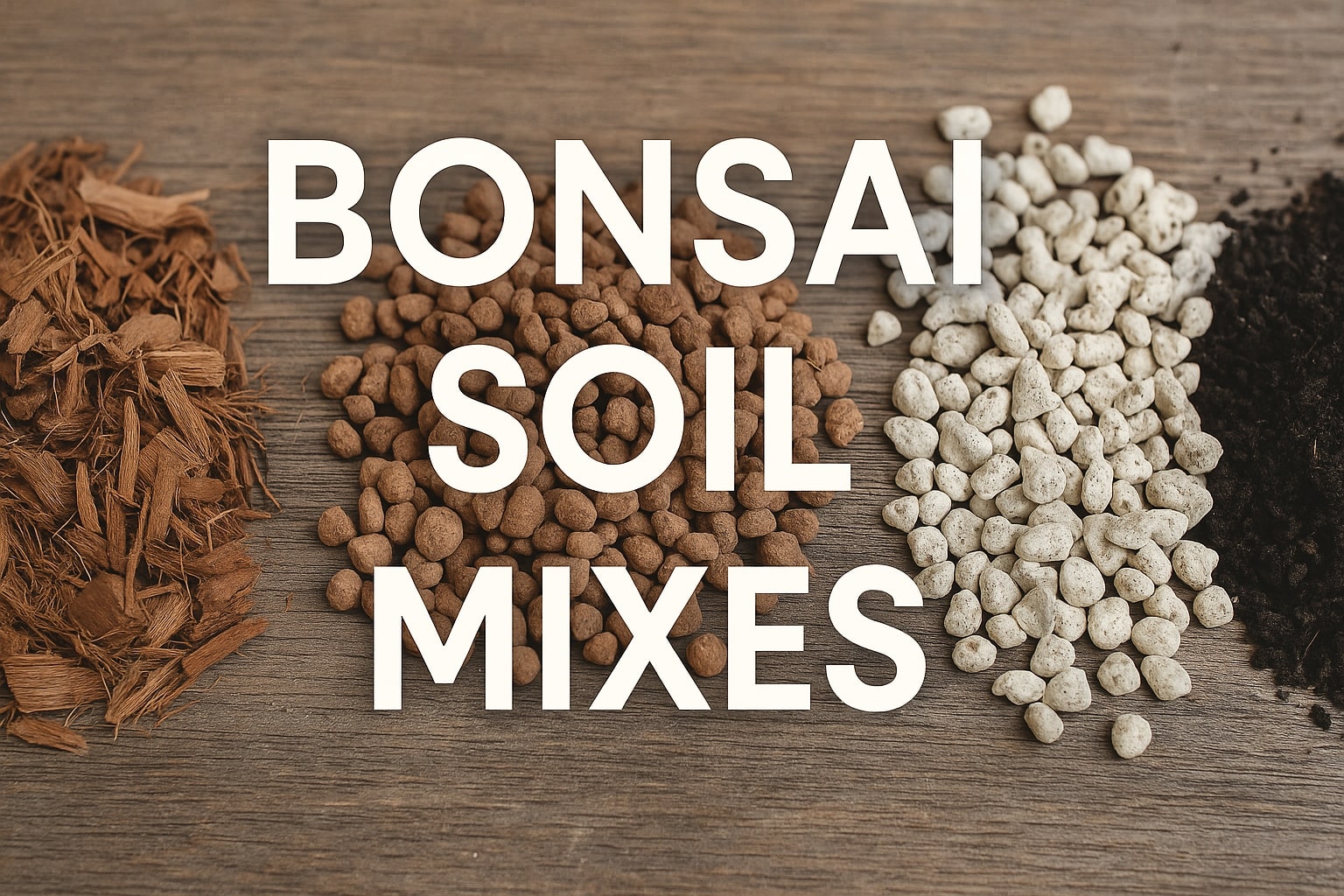
Choosing the right bonsai soil mixes is one of the most important steps in growing healthy, long-lasting trees. Soil affects everything from drainage and aeration to nutrient balance and root development. Because bonsai trees grow in shallow containers, they rely heavily on well-structured mixes that support strong and stable growth. The right blend makes all the difference.
Table of Contents
Why bonsai soil mixes matter
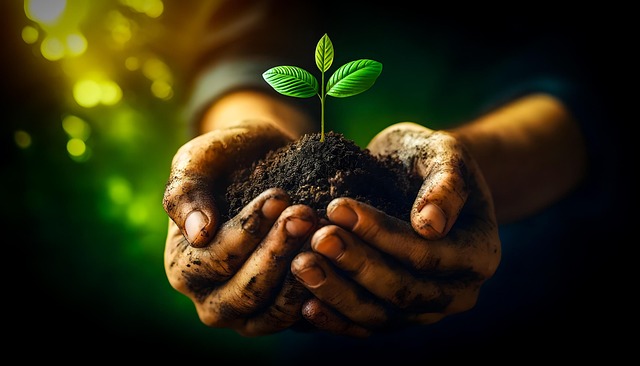
Bonsai trees have unique needs compared to garden plants. Their roots grow in confined spaces, which means the soil must balance water retention with proper airflow. Ordinary potting soil compacts too easily and suffocates the roots, often leading to fungal issues or root rot. Bonsai soil mixes, however, are designed to maintain structure.
The purpose of a good mix is to create a healthy environment that prevents waterlogging and allows roots to breathe. This promotes stronger growth, better nutrient uptake and improved resistance to disease. Once you understand the importance of soil structure, it becomes clear why specialised mixes are essential.
The core components of bonsai soil mixes
Most bonsai soil mixes are made from a combination of three critical elements: drainage material, water retention material and organic matter. The ratio changes depending on the species and the climate, but the principle remains the same.
Drainage materials such as pumice, akadama and lava rock help excess water escape and prevent compacting. These particles keep the soil loose and airy.
Water retention materials like akadama or fine compost help hold enough moisture for the tree to stay hydrated between waterings.
Organic matter, such as pine bark, adds nutrients and improves soil texture. Organic material should be used moderately to avoid overly rich or soggy mixes.
Together, these pieces form a balanced soil environment that supports long-term growth.
Standard bonsai soil mix for most species
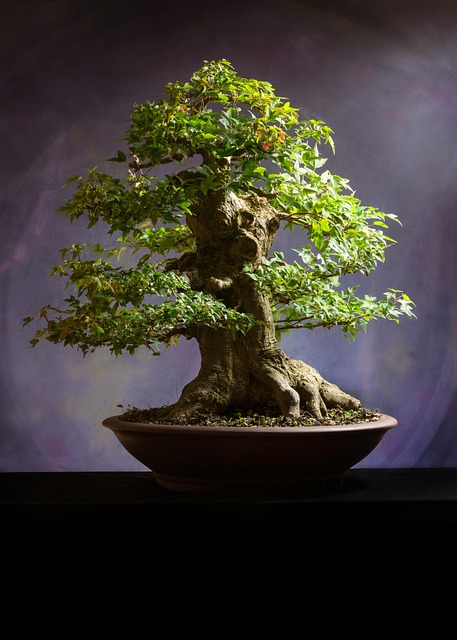
A general-purpose mix works well for many popular bonsai species. This blend provides equal drainage, moisture balance and aeration. It is ideal for beginners who want a reliable starting point.
A common universal mix includes equal parts akadama, pumice and lava rock. This combination drains quickly but still holds enough water for most trees. It is stable, long-lasting and promotes strong root growth. If akadama is unavailable, high-quality clay granules or grit can be used as a substitute.
This mix is suitable for maples, elms, junipers, olives, Chinese privets and many other standard bonsai favourites.
Soil mixes for tropical bonsai
Tropical bonsai species such as ficus, serissa and schefflera prefer slightly more moisture. These trees originate from humid environments, so their bonsai soil mixes must hold water without creating soggy conditions.
A good tropical mix includes a higher percentage of organic material or akadama to improve moisture retention. For example, a blend of 50% akadama, 25% pumice and 25% pine bark works well. This mix keeps the soil slightly more humid while still ensuring proper aeration.
Tropical species respond very well to warm, moist conditions, and the right soil blend helps recreate their natural habitat in miniature form.
Soil mixes for conifers and pines
Coniferous species such as junipers and pines prefer very well-drained bonsai soil mixes. These trees grow naturally in rocky or sandy environments, so they thrive in blends with minimal organic matter.
An ideal conifer mix includes a higher proportion of pumice or lava rock. A typical blend might be 70% pumice and 30% akadama. This design ensures quick drainage and prevents root rot, which pines are particularly sensitive to.
Conifers also benefit from slightly larger particle sizes to encourage airflow around the roots. This prevents compaction and supports long-term health.
Adjusting soil mixes for your climate
Climate plays a major role in choosing the right blend. Gardeners in hot, dry climates may need bonsai soil mixes with more moisture retention. Gardeners in wet or humid climates should favour quicker-draining blends.
If you live in a region with heavy rainfall, increasing the proportion of lava rock or pumice will prevent waterlogged soil. In hot climates, adding more akadama or fine bark helps keep moisture in the pot for longer. Adjusting the mix ensures your bonsai stays balanced throughout seasonal changes.
How to test if your soil mix is correct
Testing your soil mix helps you understand how well it drains. Water the soil and observe how quickly the water passes through the pot. Healthy bonsai soil mixes drain within a few seconds while still feeling slightly moist. If water sits on the surface for too long, the mix may be too dense.
You can also inspect root growth during repotting. Strong, healthy roots look firm and white or light brown. If they appear mushy, black or weak, the soil may be retaining too much water. Regular testing helps refine your mix and improve tree health.
Choosing the ideal bonsai soil mix
The right bonsai soil mixes set the foundation for long-term success with your trees. By understanding drainage, retention and structure, you can select a blend suited to your species and local climate. A well-chosen mix supports strong root growth, balanced moisture and healthy, vibrant bonsai development.